

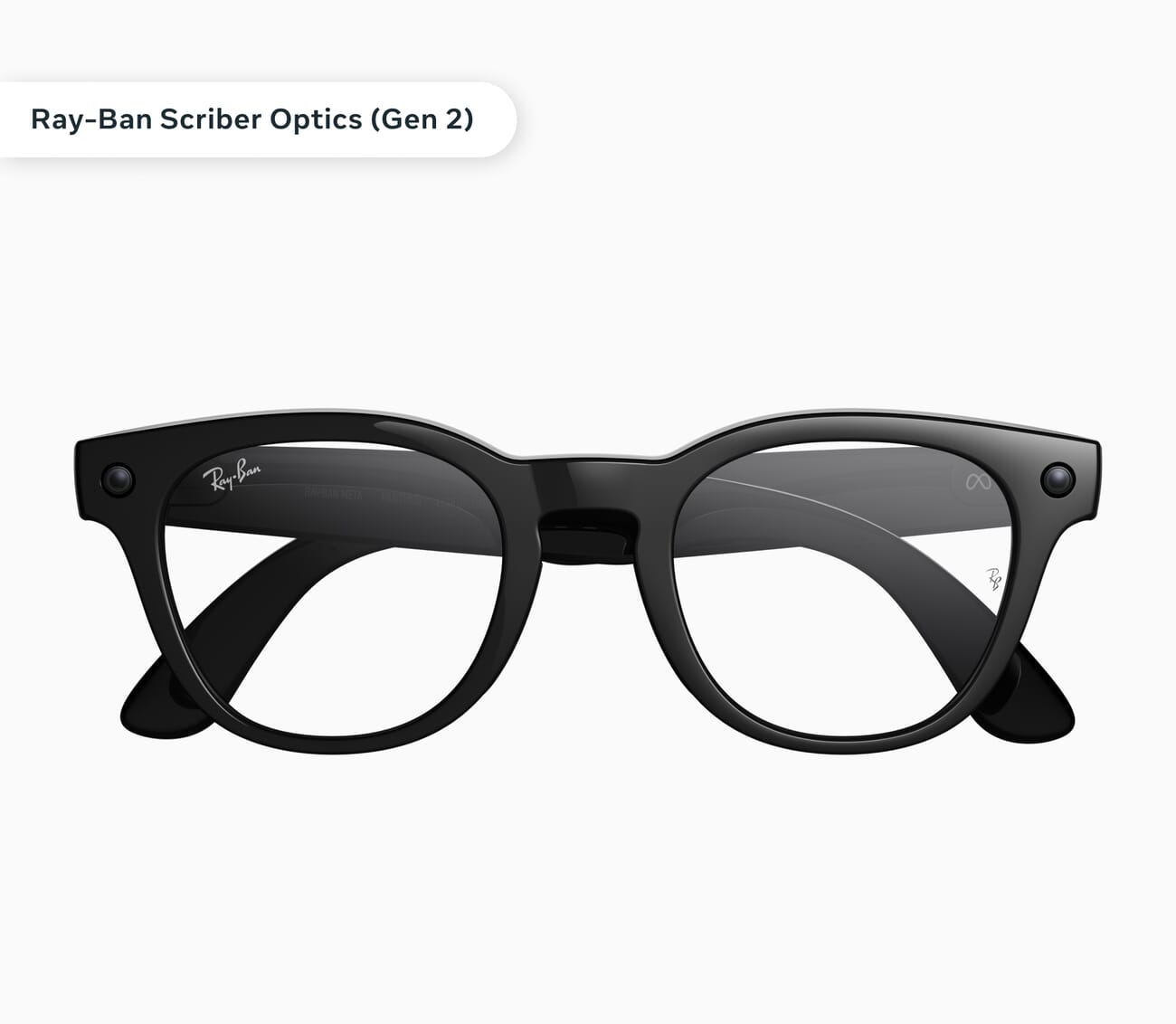
- Meta and EssilorLuxottica launch Ray-Ban Meta Blayzer Optics and Scriber Optics — the first Ray-Ban Meta styles designed from the ground up for prescription wearers.
- Same 12 MP camera and 3K video as the current Gen 2, plus an upgraded 6-microphone array and Wi-Fi 6 UNII-4 for faster transfers.
- Slimmer, lighter frames with interchangeable nose pads and a dedicated action button for Meta AI — priced at $499 with pre-orders open now.
- Not a next-gen leap in camera hardware — but a smart distribution play that puts AI glasses into optical retail channels for the first time.
Meta and EssilorLuxottica just expanded the Ray-Ban Meta lineup with two brand-new frame styles built specifically for people who wear corrective lenses every day. The Ray-Ban Meta Blayzer Optics and Scriber Optics — collectively called the “Optic Styles” — pack the same 12 MP camera, 3K video recording, and Meta AI smarts into slimmer, lighter frames that are designed to work with single-vision, progressive, and Transitions lenses out of the box.
Starting at $499 (€469 in Europe), pre-orders are open now with shipping expected in April. Here’s what photographers and content creators need to know about the camera capabilities — and whether these are worth your money.
Camera & Video Specs: What You’re Actually Getting
The Blayzer and Scriber Optics run the same imaging hardware as the current Ray-Ban Meta Gen 2 lineup. That means a 12 MP ultra-wide camera capable of shooting stills at 3024 × 4032 pixels and recording video at up to 3K resolution (30 fps), with additional options for 1080p at 60 fps and 720p at 120 fps for slow-motion content.
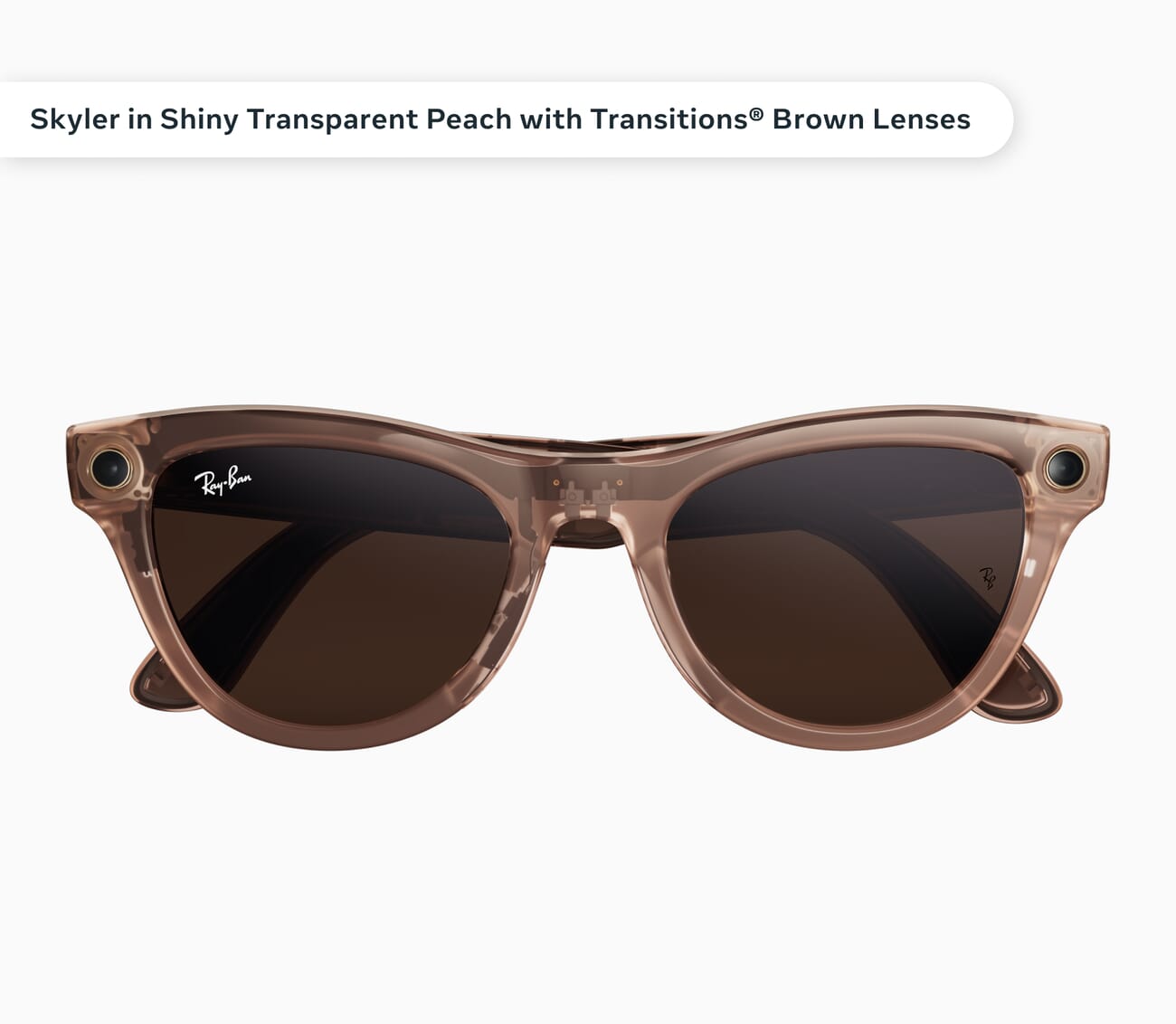
The audio side gets a meaningful bump. The Optic Styles feature a six-microphone system — up from five on the standard Gen 2 — which Meta says delivers better background noise reduction and clearer voice capture for calls, voice commands, and video audio. For content creators who shoot talking-head or vlog-style POV footage, that extra mic matters more than you might think.
Other key specs include 32 GB of onboard storage (enough for 500+ photos or 100+ thirty-second video clips), Wi-Fi 6 UNII-4 band support for faster wireless transfers and more reliable livestreaming, and Bluetooth 5.3 connectivity.
Three Generations of Ray-Ban Meta Cameras Compared
The camera evolution across Meta’s smart glasses lineup tells a clear story of rapid improvement. Here’s how the three generations stack up for photographers and videographers:
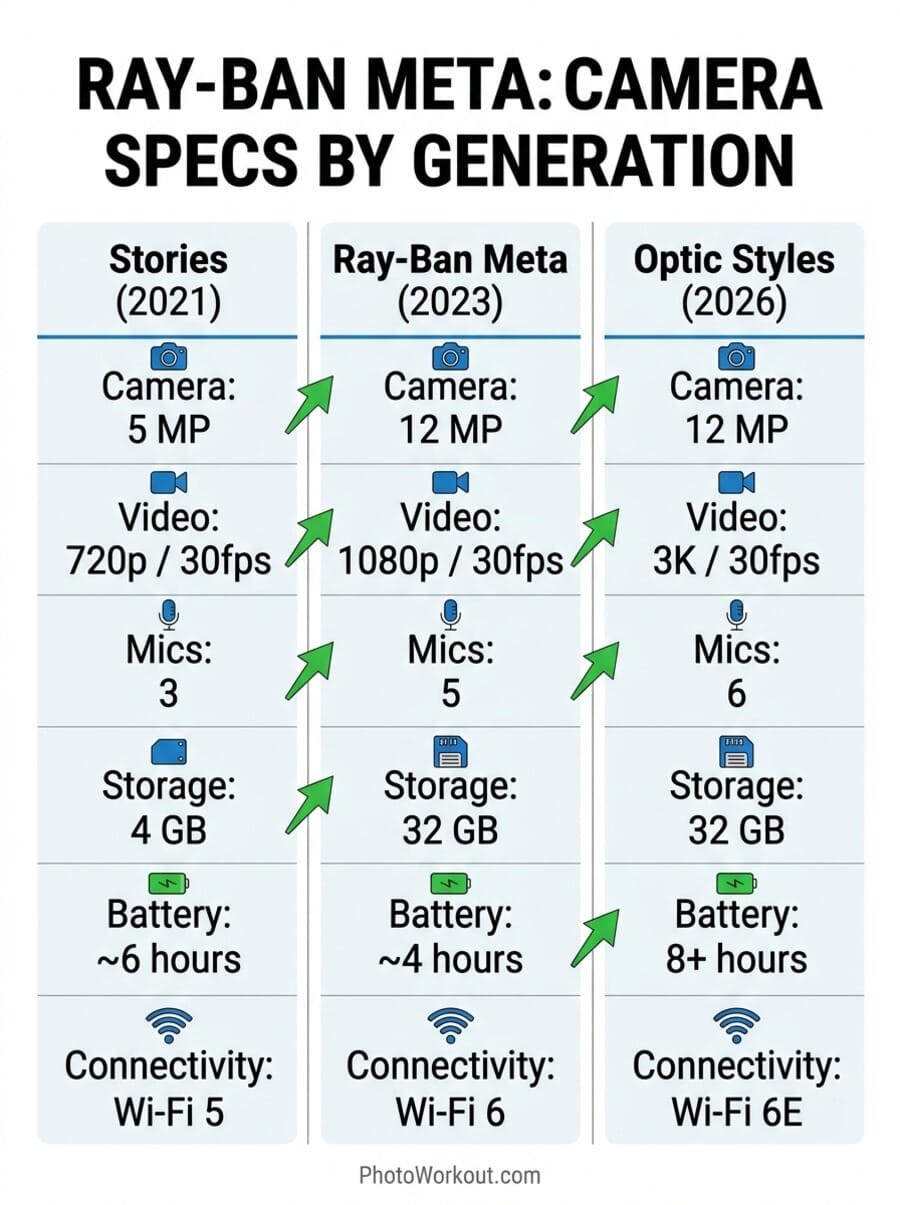
Ray-Ban Stories (Gen 1, 2021): The original smart glasses launched with dual 5 MP cameras shooting 720p video at 30 fps in a square aspect ratio — fine for casual social clips, but nowhere near usable for serious content creation. Three microphones, 4 GB of storage, and Wi-Fi 5 connectivity meant limited capacity and slow transfers. Battery life was roughly 6 hours.
Ray-Ban Meta Gen 2 (2023): A massive jump. The 12 MP ultra-wide sensor more than doubled photo resolution, and video jumped from 720p to 1080p (later updated to support 3K at 30 fps via firmware). Five microphones, 32 GB storage, Wi-Fi 6, and the Qualcomm Snapdragon AR1 Gen 1 processor brought genuine utility for content creators. Battery life sat around 4 hours of moderate use, with a charging case providing up to 48 additional hours.
Optic Styles (2026): Same 12 MP / 3K video core as Gen 2, but with the six-mic array, Wi-Fi 6 UNII-4, and a battery that pushes past 8 hours — effectively doubling the Gen 2’s runtime. The new dedicated action button and slimmer frame design are the standout physical changes.
Video Quality: What to Expect in the Real World
The 3K video at 30 fps is genuinely usable for social media content. Footage is sharp enough for Instagram Reels, TikTok, and YouTube Shorts — and the ultra-wide field of view captures a natural POV perspective that traditional cameras simply can’t replicate without bulky chest or head mounts.
That said, this isn’t competing with a dedicated camera or even a flagship smartphone. Dynamic range is limited, low-light performance is mediocre, and there’s no optical zoom. You’re trading image quality for convenience and perspective — and for POV content, that trade-off is often worth it.
The electronic stabilization introduced with Gen 2 carries over, giving handheld (well, face-held) footage a smoother look. The 1080p/60fps mode is particularly useful for action-heavy POV content where smooth motion matters more than peak resolution.
Livestreaming to Facebook and Instagram is supported directly from the glasses — no phone needed — and the Wi-Fi 6 UNII-4 upgrade should provide more reliable streams with fewer dropouts compared to Gen 2, especially in crowded environments like events, trade shows, or concerts.
The Prescription-First Design: Why It Matters
You could already add prescription lenses to existing Ray-Ban Meta glasses. So what’s different here? The Optic Styles are engineered from the ground up for corrective lenses, not retrofitted.
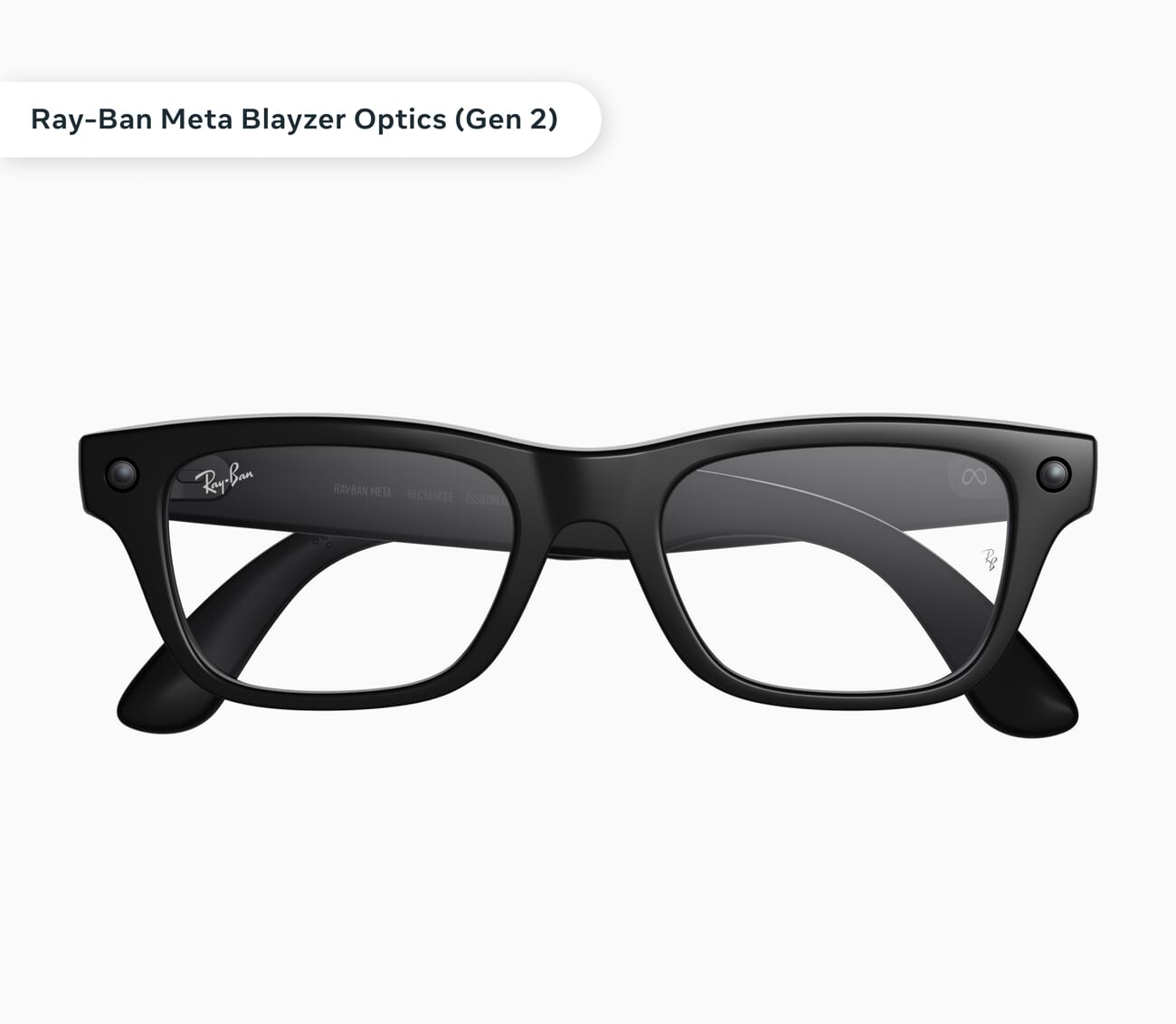
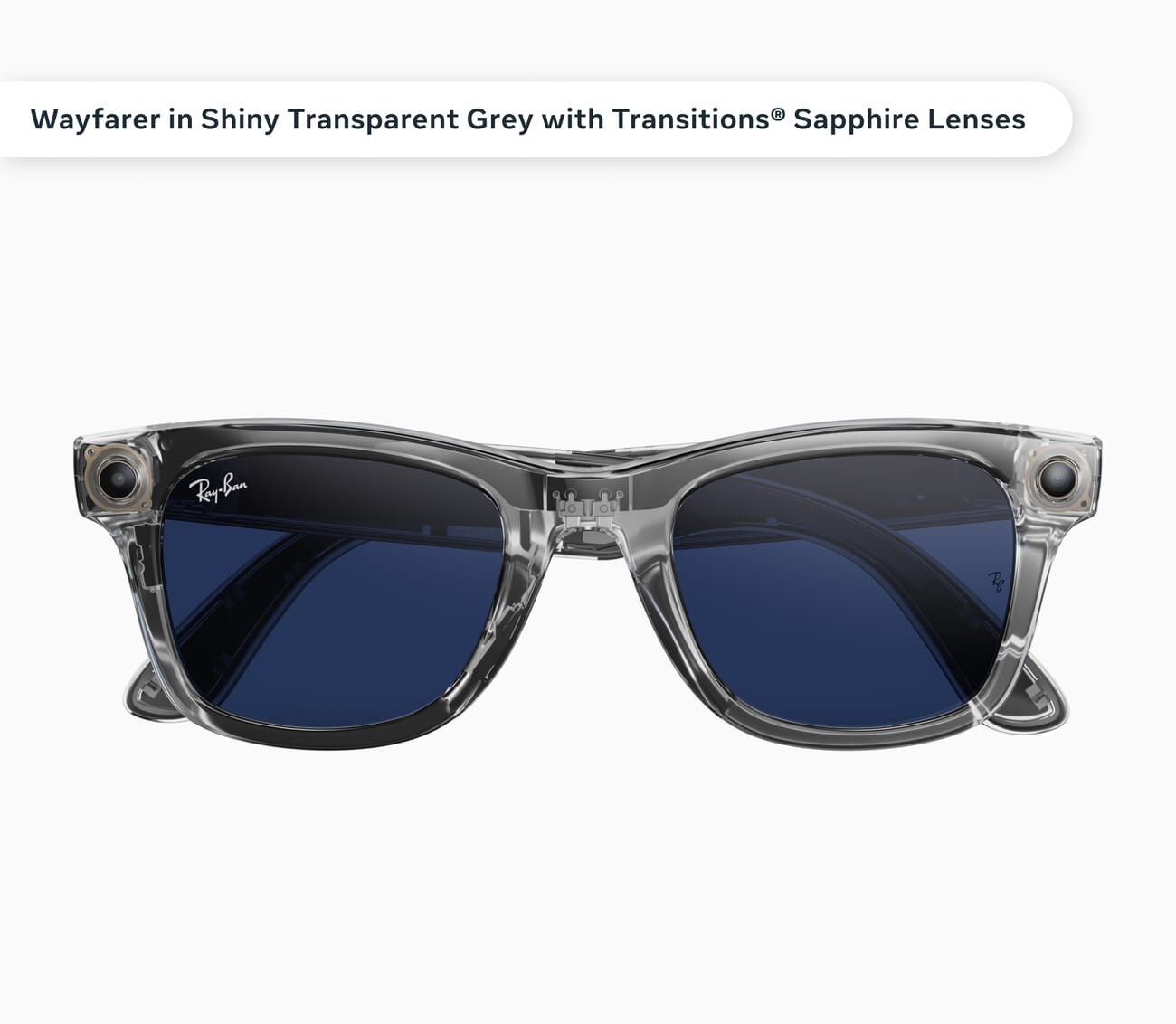
The frames are slimmer and lighter, with interchangeable nose pads, overextension hinges offering an extra 10° of rotation, and adjustable temple tips that can be shaped to match individual head geometry. Both Blayzer (rectangular) and Scriber (rounded) styles support single-vision, progressive, and Transitions lenses — making them compatible with far more prescription types than the existing Wayfarer/Headliner frames.
This matters strategically: roughly 69% of the $223 billion global eyewear market is prescription-based. Meta sold over 7 million Ray-Ban and Oakley AI frames in 2025 — impressive, but a rounding error against the 1.5 billion people worldwide who wear corrective lenses. The Optic Styles will be sold through traditional prescription eyewear channels (opticians, optical retailers), not just tech stores and ray-ban.com.
The New Dedicated Action Button
Both Optic Styles introduce a dedicated action button that can activate Meta AI with a single press, trigger photo/video capture, or launch personalized shortcuts. This is a meaningful usability improvement for photographers — the current Gen 2 requires either a capacitive touch gesture on the temple arm or a “Hey Meta” voice command to start recording.
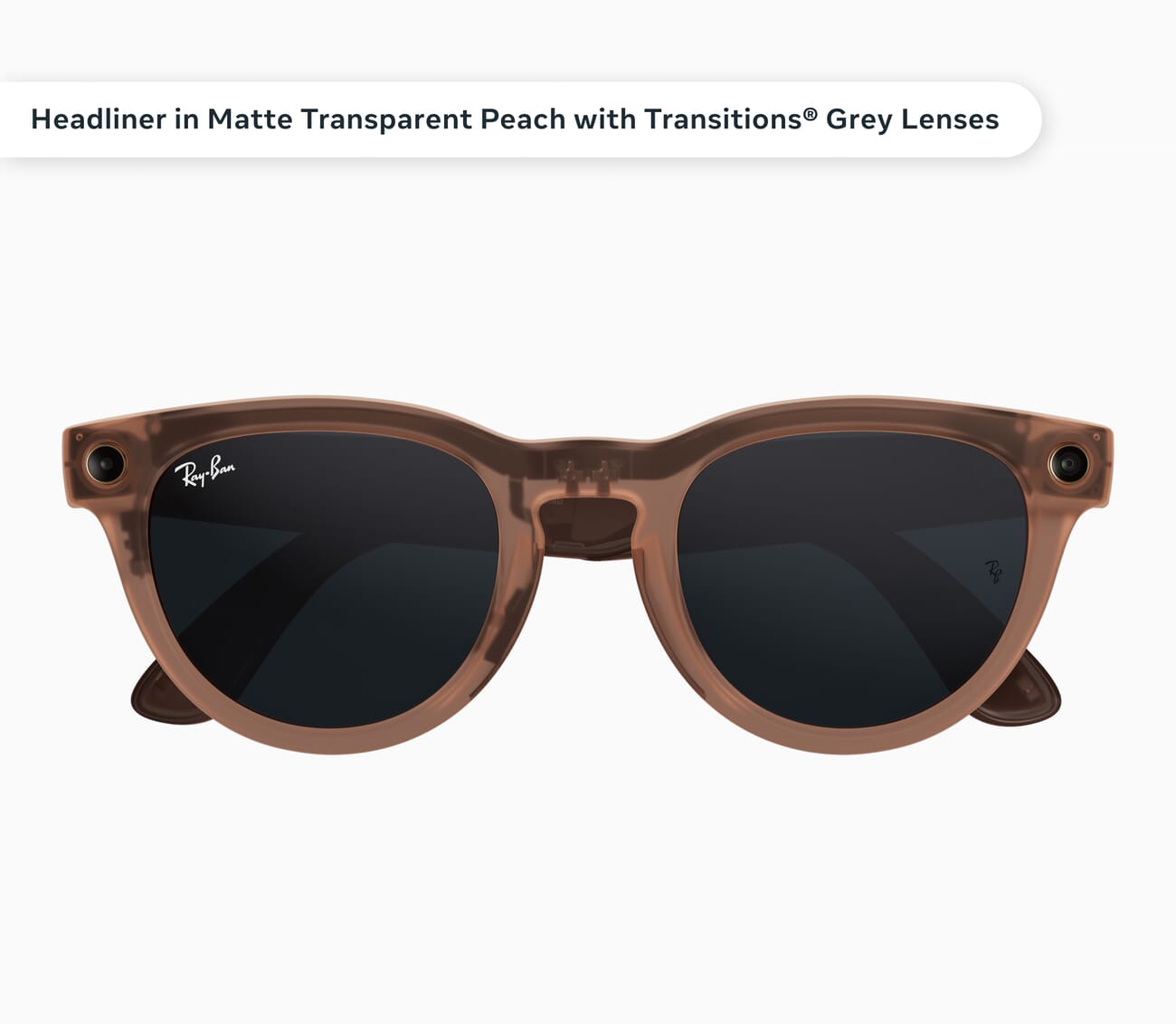
A physical button means faster, more reliable capture — especially in noisy environments where voice commands fail or quiet settings where speaking aloud is awkward. For street photography or documentary work, that split-second difference between touching a button and hoping a voice command registers can mean getting or missing the shot.
Meta AI: The Camera Gets Smarter
Beyond raw imaging specs, the Optic Styles carry forward all of Meta’s AI capabilities. You can ask Meta AI to describe what you’re seeing, translate text in real-time, identify objects, and get contextual information — all through the camera feed.
For photographers, the real-time translation feature is surprisingly useful when shooting abroad — read signs, menus, and location information without pulling out your phone. The AI visual identification can also help with quick gear checks (“What lens is that photographer using?”) though accuracy varies.
Should You Upgrade? Who Are These For?
If you already own Ray-Ban Meta Gen 2: This is not a must-upgrade. The camera hardware is identical, and you already have access to 3K video and Meta AI. The Optic Styles make sense only if you need prescription lenses and find the current frames uncomfortable for daily wear. The better battery life (8+ hours vs ~4 hours) and the dedicated action button are nice upgrades, but not worth $499 on their own if your current Gen 2 serves you well.
If you’re still on Gen 1 (Stories): Absolutely upgrade. The jump from 5 MP / 720p to 12 MP / 3K is enormous. You’re getting a camera that’s actually useful for content creation, plus Meta AI, livestreaming, vastly better audio, and double the battery life. If you wear prescription lenses, the Optic Styles are the obvious choice.
If you’re a first-time buyer and content creator: The Ray-Ban Meta glasses — whether Optic Styles or the standard Wayfarer/Headliner — are the best POV camera you can wear on your face right now. Nothing else combines this level of camera quality, audio, AI features, and all-day battery life in something that actually looks like normal glasses. At $499, the Optic Styles are $120 more than the standard Ray-Ban Meta ($379), but if you need prescription lenses, that premium gets you purpose-built frames rather than a retrofit.
For photographers who want a discreet, always-ready camera for behind-the-scenes content, location scouting documentation, or casual POV footage, these deliver. Just don’t expect them to replace your actual camera.
Pricing & Availability
- Ray-Ban Meta Blayzer Optics (Gen 2): Starting at $499 / €469
- Ray-Ban Meta Scriber Optics (Gen 2): Starting at $499 / €469
- Styles: Blayzer (rectangular), Scriber (rounded)
- Lens compatibility: Single-vision, progressive, Transitions
- Pre-orders: Open now
- Shipping: April 2026
Frequently Asked Questions
Are the Ray-Ban Meta Optic Styles a new generation of smart glasses?
No. The Blayzer and Scriber Optics are classified as Gen 2 products — they share the same camera, processor, and core features as the current Ray-Ban Meta Wayfarer and Headliner. The key difference is the frame design, which is purpose-built for prescription lenses.
Can the Ray-Ban Meta Optic Styles record 4K video?
No. The maximum video resolution is 3K at 30 fps. You can also record at 1080p/60fps or 720p/120fps for slow-motion content. True 4K recording is not available on any current Ray-Ban Meta model.
How do the Optic Styles compare to the Meta Ray-Ban Display?
The Meta Ray-Ban Display ($799) includes a full-color heads-up display, a 12 MP camera with 3× zoom, and pairs with a neural wristband. The Optic Styles ($499) have no display — they’re camera + audio + AI glasses only. If you want augmented reality overlay, you need the Display model.
Is the camera good enough for professional photography?
No — and that’s not the point. The 12 MP ultra-wide camera is excellent for POV social content, behind-the-scenes documentation, and casual shooting. It won’t replace a dedicated camera or even a flagship smartphone camera for serious work. Think of it as an always-ready supplementary capture device.
Sources used for this article:
Featured image: AI-generated illustration.


Get the Weekly Photography News Digest
Join photographers who get our top stories delivered every Monday morning. No spam, unsubscribe anytime.