

- Nikon announces the Nikkor Z 70-200mm f/2.8 VR S II — 26% lighter at 998g, with 3.5x faster AF while zooming.
- Priced at $3,199, available late March 2026. Features new Silky Swift VCM motor and 11-blade diaphragm.
- Part of Nikon’s ‘holy trinity’ refresh — the second S-Line update after the 24-70mm f/2.8 S II.
Nikon has officially announced the Nikkor Z 70-200mm f/2.8 VR S II, a significant update to one of the most important lenses in any professional photographer’s kit. The new lens is lighter, faster, and optically improved — addressing the key complaints about the original while pushing the boundaries of what a full-frame 70-200mm f/2.8 can deliver.
Priced at $3,199.95 and available in late March 2026, the lens represents the second chapter in Nikon’s ongoing refresh of its “holy trinity” of professional zooms, following the well-received 24-70mm f/2.8 VR S II launched last year.
Key Specs and What’s New
The headline improvement is weight. At 998 grams without the tripod collar (1,180g with it), the new lens is 26% lighter than its predecessor’s 1,360g. That’s a meaningful difference for anyone handholding this lens at weddings, on the sidelines, or during long wildlife sessions.
The optical formula uses 18 elements in 16 groups, incorporating super ED, aspherical ED, fluorite, and Short-wavelength Refractive (SR) elements. Nikon’s latest Meso Amorphous Coat — described as the company’s best anti-reflection coating ever — joins the existing ARNEO coating to suppress ghosting and flare. Early hands-on reports from PetaPixel confirm excellent flare control, even when shooting into direct light.
Autofocus gets a major upgrade with Nikon’s Silky Swift VCM (voice coil motor), replacing the stepping motor from the original. The result: 3.5x faster AF while zooming and approximately 40% faster overall. This was arguably the biggest weakness of the Gen 1 lens, and early impressions suggest Nikon has addressed it decisively.
Other notable specs include:
- 11-blade diaphragm (up from 9) for more circular bokeh
- 6 stops of VR (up from 5.5)
- 0.38m minimum focus distance at 70mm (0.3x magnification) — improved close-focus capability
- Arca-Swiss compatible tripod collar — a first for Nikkor lenses
- 77mm filter thread, internal zoom, full weather sealing
- Compatible with Nikon 1.4x and 2.0x teleconverters
- Control ring with click/de-click switch
Gen 1 vs Gen 2: What Changed
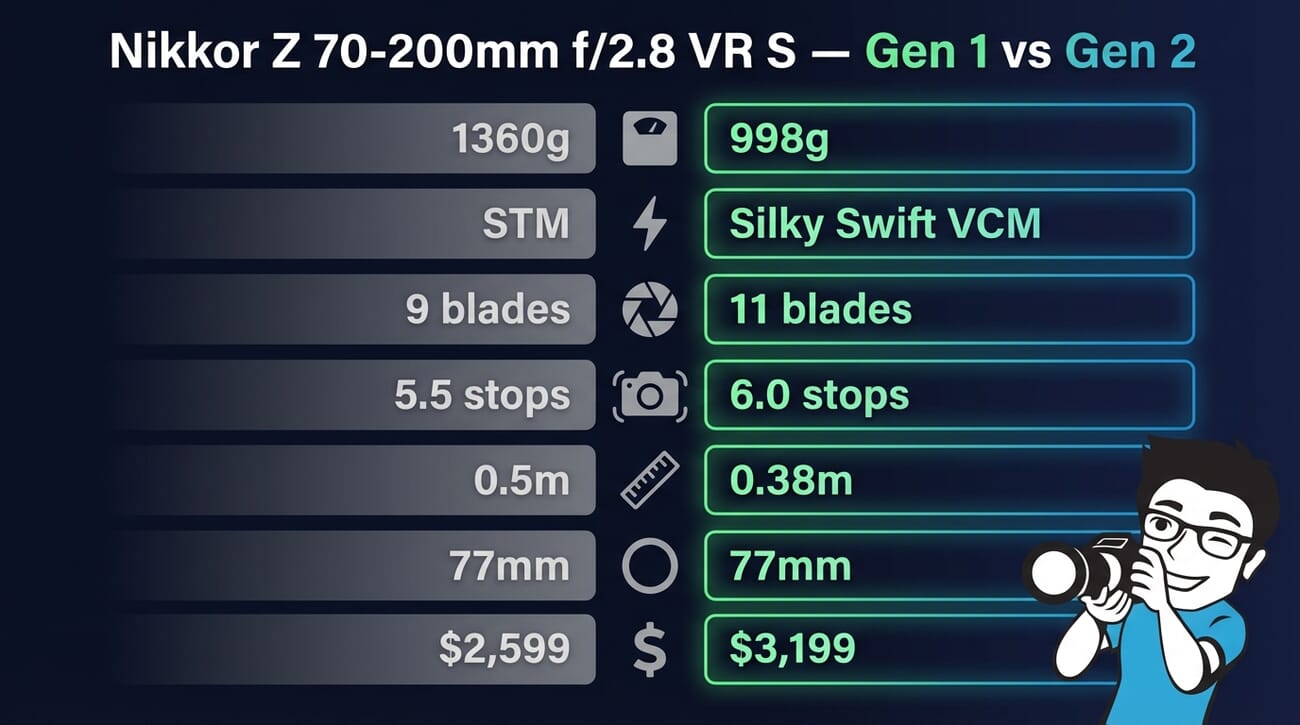
The Gen 1 Nikkor Z 70-200mm f/2.8 VR S was optically excellent but had two notable weaknesses: weight and autofocus speed. The stepping motor simply couldn’t keep up with Canon’s and Sony’s competing lenses in fast-action scenarios. The Gen 2 addresses both issues while also improving close-focus performance, VR, and bokeh rendering.
The $600 price increase (from $2,599 to $3,199) is notable, though it brings Nikon roughly in line with Canon’s RF 70-200mm f/2.8L IS USM pricing. Given the ongoing tariff pressures on camera gear, the price bump is unsurprising.
How It Stacks Up Against Canon and Sony
The 70-200mm f/2.8 segment is fiercely competitive. Sony’s FE 70-200mm f/2.8 GM II set the benchmark at just 1,045g when it launched in 2021 and remains an excellent lens. Nikon now undercuts it on weight at 998g while matching or exceeding it on AF speed — an impressive achievement.
Canon’s RF 70-200mm f/2.8L IS USM takes a different approach with its extending barrel design, coming in at just 1,070g. It’s compact when retracted but extends during zooming. The Nikon’s internal zoom design may appeal to photographers who prefer a fixed-length barrel.
All three lenses now hover around the $3,000 mark, making this a genuine three-way competition where system choice matters more than any single lens advantage.
Early Hands-On Impressions
PetaPixel’s hands-on testing at the Yamnuska Wolfdog Sanctuary in Calgary revealed a lens that feels noticeably lighter and more balanced in hand. The AF improvement was described as transformative — the Silky Swift VCM motor delivers fast, silent focusing ideal for wildlife and action.
Flare control was rated excellent, and detail through the 2x teleconverter at f/5.6 was impressive. The one caveat: bokeh showed noticeable onion rings in specular highlights, which was more pronounced than expected for a lens at this price point. Stopped down, however, highlight rendering remained clean and circular.
Should You Upgrade?
Upgrade if: You own the Gen 1 and have been frustrated by its AF speed, particularly for sports or wildlife. The weight reduction is also compelling for event photographers who shoot handheld all day. If you’re building a new Nikon Z mirrorless system, this is the 70-200mm to get.
Wait if: You’re happy with the Gen 1’s image quality and primarily shoot controlled scenarios (studio portraits, landscapes). The optical improvements, while real, are evolutionary rather than revolutionary. You might also consider the more affordable Nikkor Z 70-180mm f/2.8 if budget is a concern.
The Bottom Line
The Nikkor Z 70-200mm f/2.8 VR S II is exactly the update Nikon shooters have been waiting for. By cutting weight to under 1kg and dramatically improving autofocus speed, Nikon has addressed the two biggest criticisms of the original while maintaining the optical excellence the S-Line is known for. At $3,199, it’s not cheap — but it’s competitive, and it puts Nikon firmly back in the conversation alongside Sony and Canon in this critical lens category.
The lens is available for pre-order now. Update: Nikon Japan has pushed the shipping date to April 2026 due to overwhelming demand.
When does the Nikon Z 70-200mm f/2.8 VR S II release?
The lens is expected to ship in late March 2026. Pre-orders are available now at $3,199.95.
How much lighter is the Gen 2 compared to the original?
The Gen 2 weighs 998g without the tripod collar, compared to 1,360g for the original — a 26% weight reduction.
Is the Nikon Z 70-200mm f/2.8 VR S II compatible with teleconverters?
Yes, it works with both the Nikon Z 1.4x and 2.0x teleconverters, extending the focal range to 280mm or 400mm respectively.
How does the autofocus compare to the Gen 1?
Nikon claims 3.5x faster AF while zooming and 40% faster overall, thanks to the new Silky Swift VCM (voice coil motor) replacing the previous stepping motor.
Does the Nikon Z 70-200mm f/2.8 VR S II have an Arca-Swiss tripod collar?
Yes — this is the first Nikkor lens to include Arca-Swiss compatible cutouts on its removable tripod collar.
Featured image: Photo by dlxmedia.hu on Unsplash.
Recommended Nikon Z Bodies for This Lens
Nikon
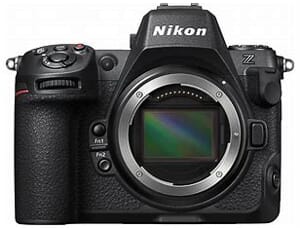
Nikon Z8


Nikon
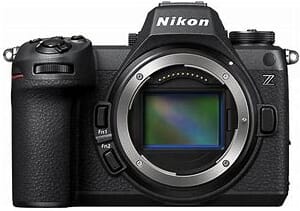
Nikon Z6III


Nikon
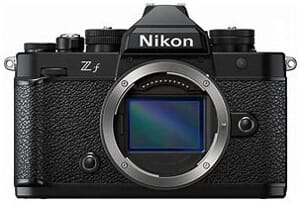
Nikon Zf


Related Articles
Get the Weekly Photography News Digest
Join photographers who get our top stories delivered every Monday morning. No spam, unsubscribe anytime.