

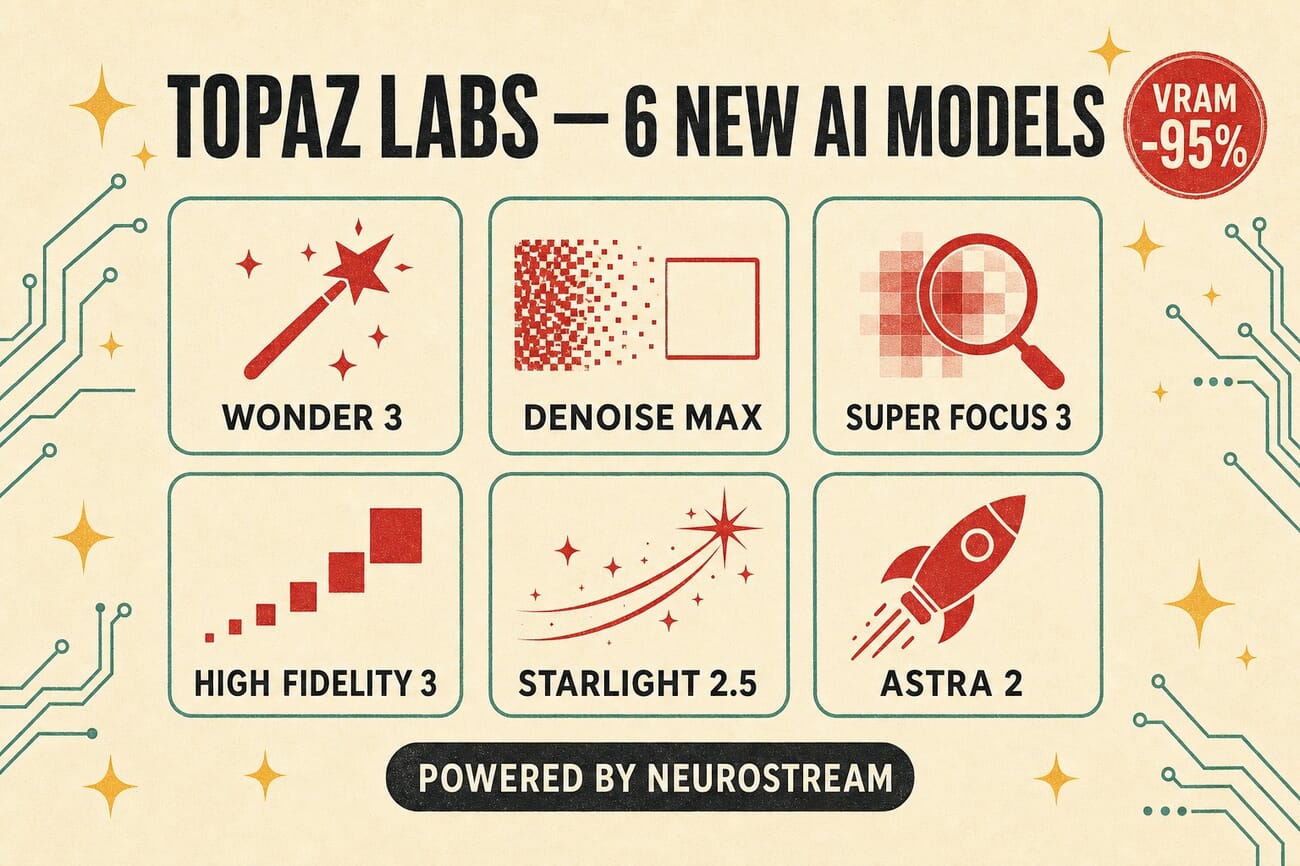
- Topaz Labs released 6 new AI models on April 28 — its biggest single drop in company history per CEO Eric Yang.
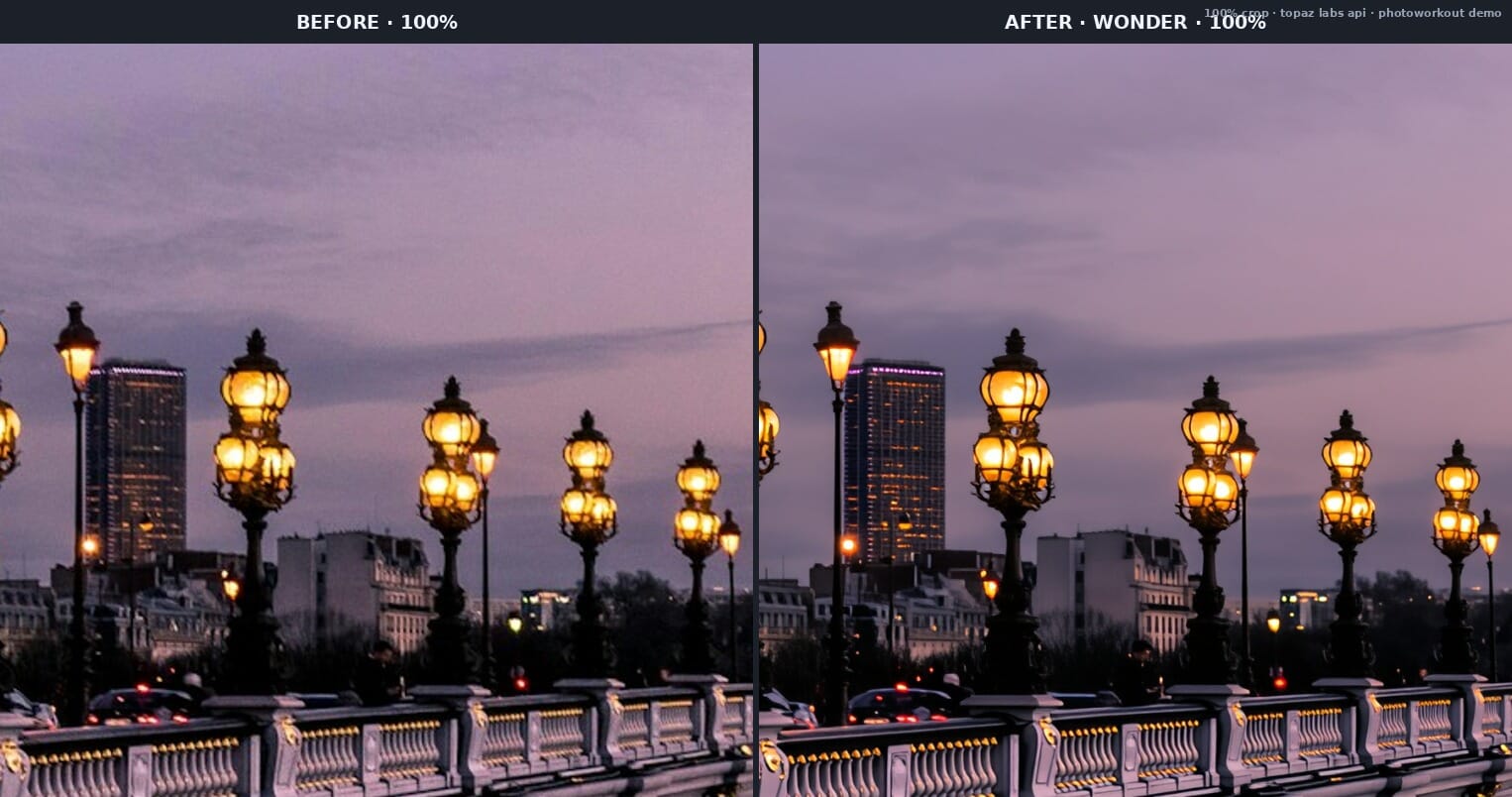
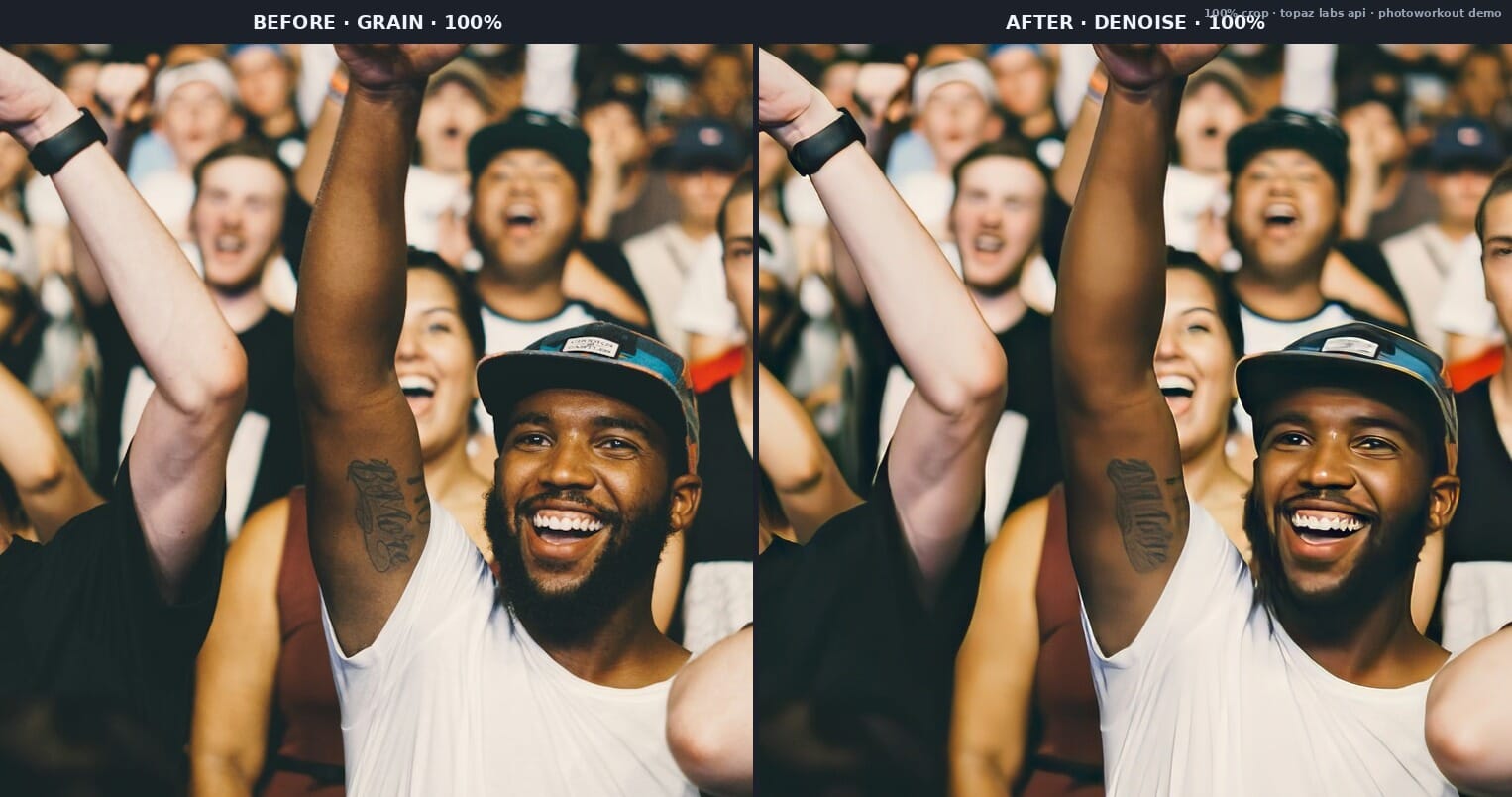
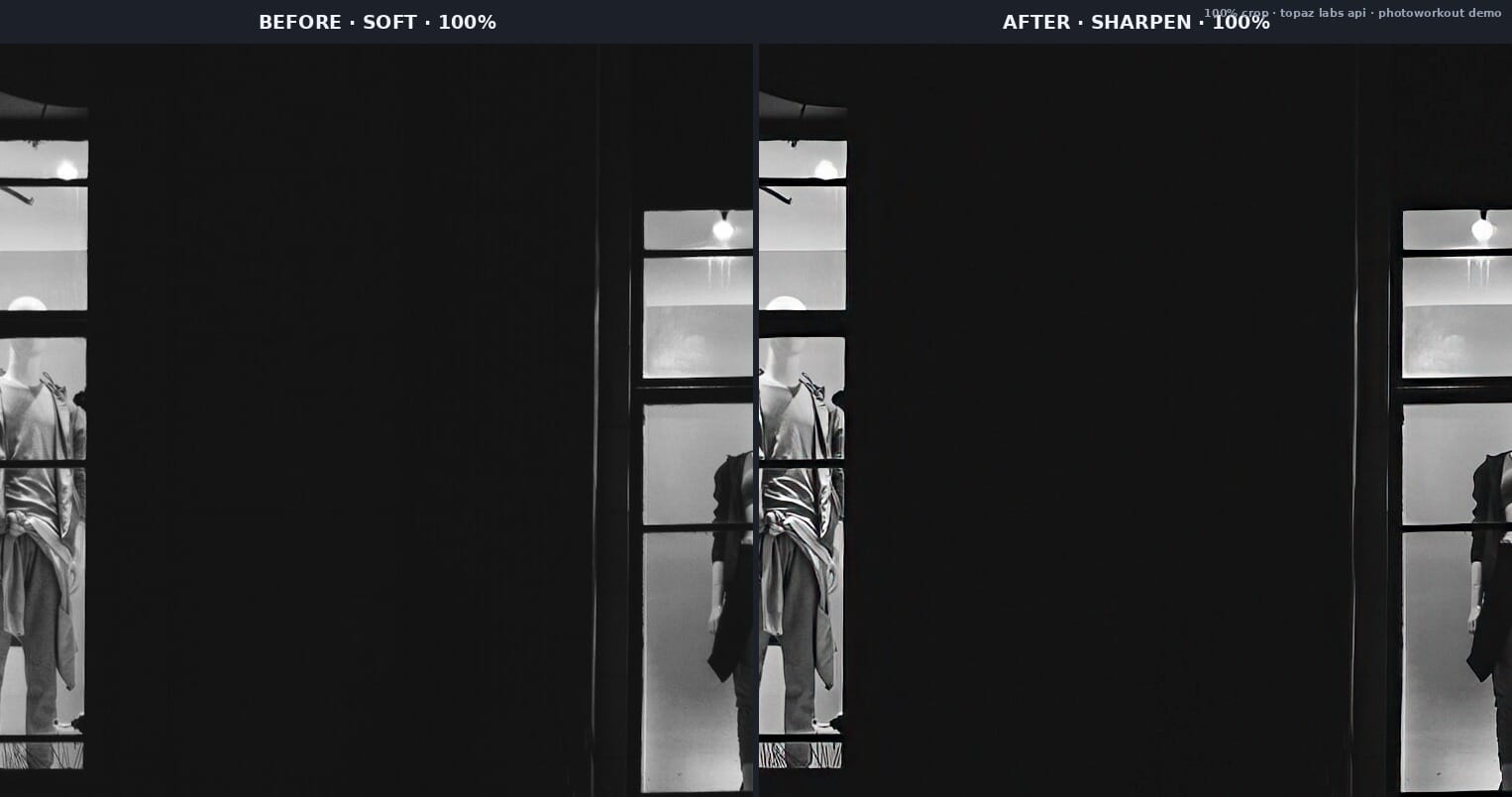
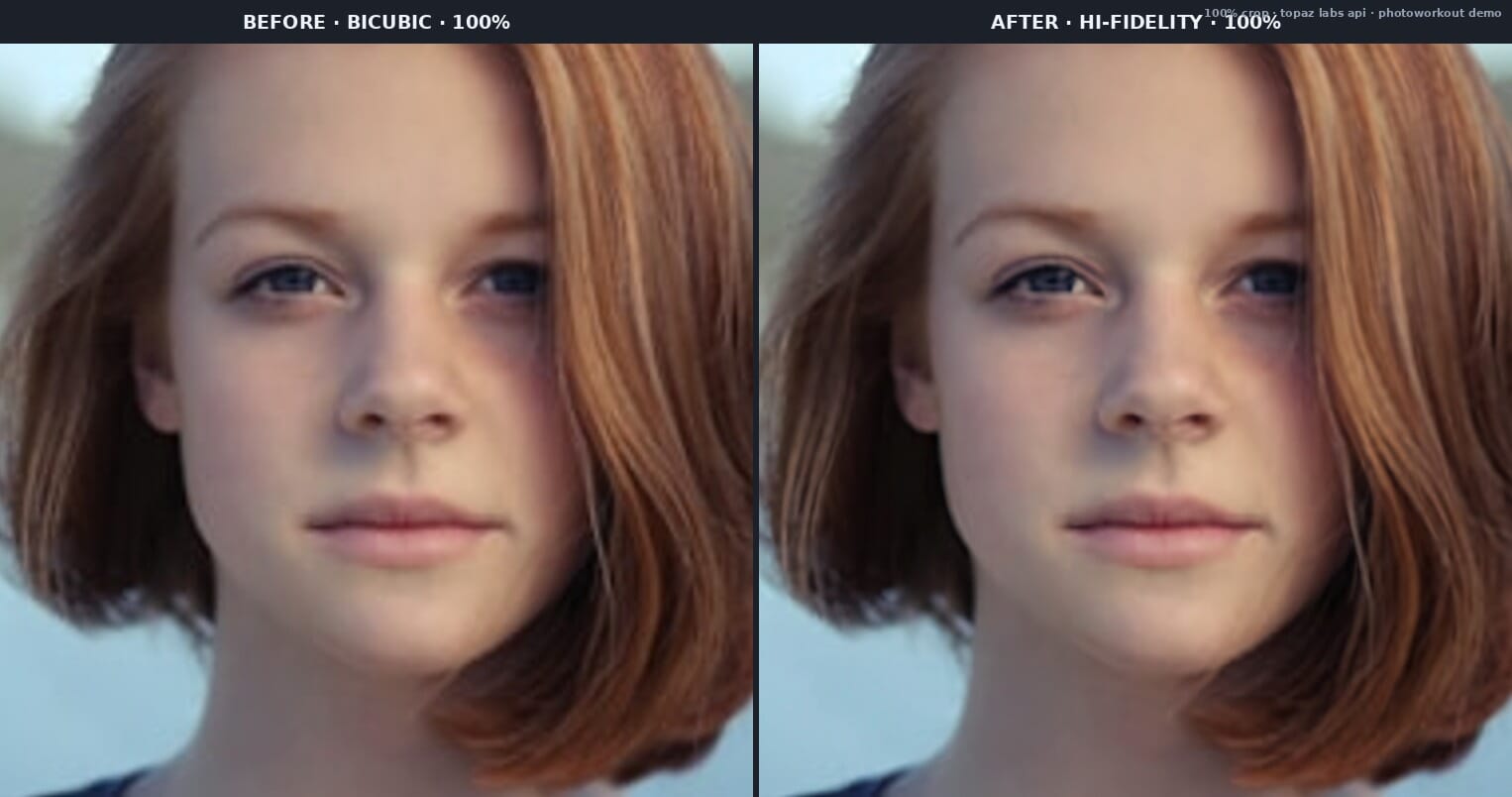
- 4 image models: Wonder 3 (1-click sharpen + upscale + denoise), Denoise Max (new standard for grain), Super Focus 3 (rescues blurred subjects), High Fidelity 3 (upscaling for RAW + smartphone).
- 2 video models: Starlight Precise 2.5 (detail enhancement, runs locally), Astra 2 (creative upscaling that adds visual richness).
- The bigger story is NeuroStream — Topaz’s new VRAM-compression tech cuts memory usage by up to 95%, meaning 4-8 GB consumer GPUs can now run models that previously needed 24-48 GB workstation cards.
- Available now in Topaz Photo (desktop), Topaz Video (desktop), Express (web), Astra (cloud), and the API. No price change for existing subscribers; new models ship via in-app update.
On April 28, Topaz Labs shipped six new AI models across its image and video apps — the largest single release in the company’s history, per CEO Eric Yang. Most photo outlets missed it (the announcement landed alongside several major camera launches in the same week). For working photographers using Topaz, this is the most consequential update since the original Photo AI launch.
The headline isn’t the model count. It’s NeuroStream, Topaz’s new VRAM-compression technology that cuts the memory footprint of these models by up to 95%. Models that previously required a 24 GB+ NVIDIA RTX workstation card now run on consumer 6-8 GB GPUs — bringing professional-grade local AI processing to laptops, mid-range gaming rigs, and Apple Silicon machines that couldn’t handle the previous generation.
The 6 New Models — What Each One Actually Does
Topaz split the release across four image models and two video models. The image models drop into Topaz Photo (desktop) and Express (web); the video models run in Topaz Video (desktop) and Astra (cloud). All six can also be called via Topaz’s public API.
1. Wonder 3 — the one-click button
What it does: sharpens, upscales, and denoises in a single pass. Best for: the photo where you want the AI to make a judgment call rather than tune three sliders. What’s changed from Wonder 2: better edge preservation on portraits (skin no longer gets the plastic look) and noticeably less hallucination on detail areas like foliage. When to skip it: any image where you need control over which problem gets prioritised — Wonder 3 makes one decision for the whole frame, not per-region.

2. Denoise Max — Topaz’s new noise-reduction standard
What it does: removes high-ISO noise and grain without the soap-bar over-smooth look that the older Denoise AI v3 produced on skin tones. Best for: wedding photographers shooting at ISO 6400+, astro shooters, anyone with a back catalogue of underexposed RAW files. What’s changed: chrominance noise (the colour speckle) is the biggest visible improvement. Luminance noise still requires the slider; the model defaults are noticeably more conservative — less destructive on first pass.
3. Super Focus 3 — bringing the blurry shots back
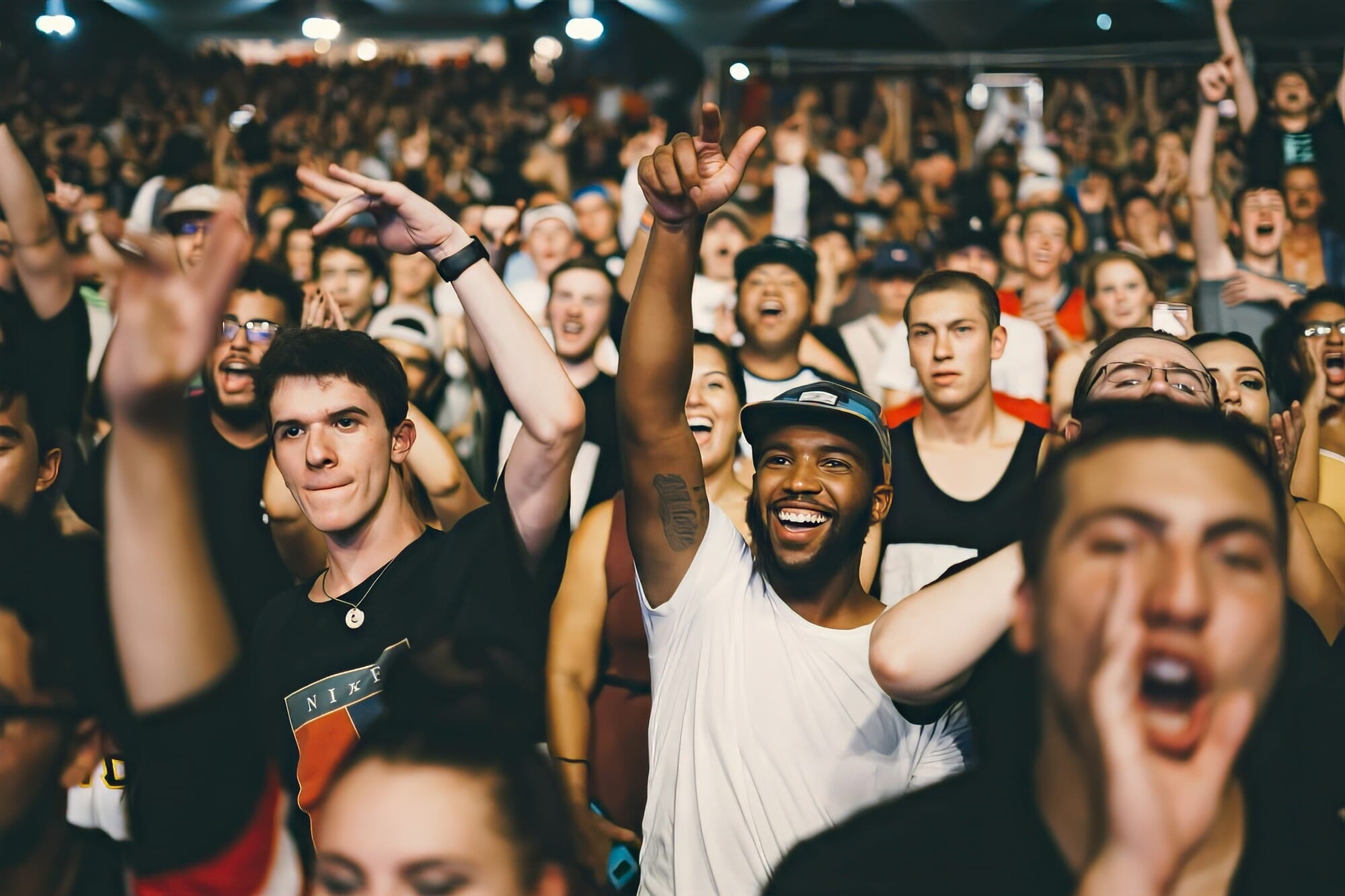
What it does: sharpens images where motion blur or missed-focus is the problem (not just unsharp masks for already-decent files). Best for: wedding shooters recovering candids that almost-but-not-quite landed, sports photographers salvaging burst sequences, anyone who lost autofocus on a one-time-only shot. What’s new: v3 handles eyes and faces meaningfully better. v2 used to artefact aggressively on iris textures and pupil edges — the kind of thing that made the recovery look obviously AI-rescued. v3 is subtle enough that the recovered file passes a casual look test.
4. High Fidelity 3 — upscale your phone photos to print-ready
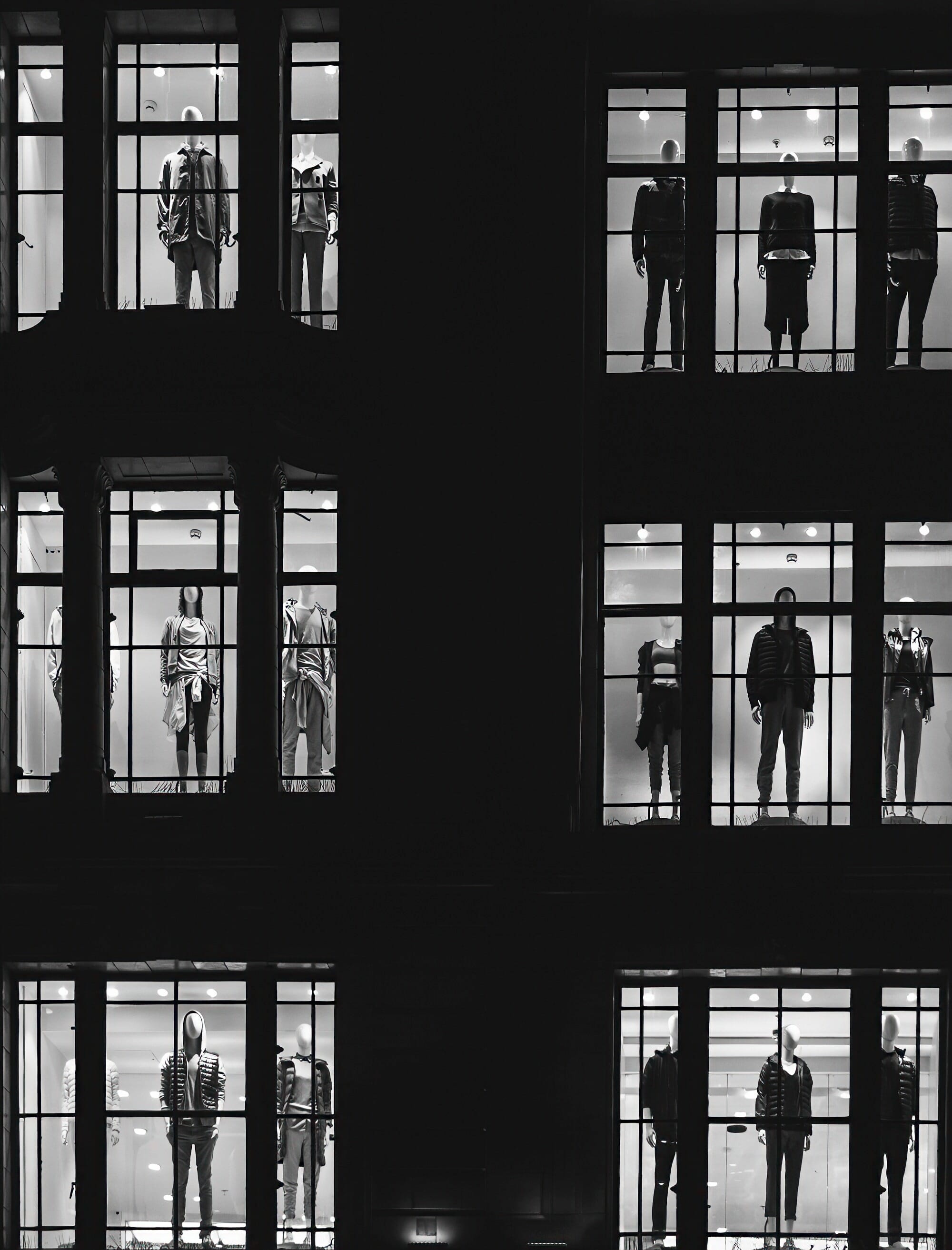
What it does: 2-6x upscaling optimised for RAW files and smartphone photos (rather than older Topaz upscalers, which were tuned for compressed JPEGs). Best for: phone shooters wanting print-ready files, RAW shooters who need to crop hard and preserve detail, anyone preparing 4K-ready stills from older 12-MP cameras. What’s changed: better preservation of authentic camera detail (sensor noise pattern, micro-contrast) — High Fidelity 2 sometimes painted over real texture with smoothed-out approximations. v3 keeps the original character.
5. Starlight Precise 2.5 — local video processing
What it does: detail enhancement on video footage with the option to run locally rather than upload-to-cloud. Best for: documentary editors, YouTube creators with privacy-sensitive footage, anyone with bandwidth caps. What’s changed: the local-processing option is the headline — Starlight had been cloud-only. A 4-minute 4K clip that took 12 minutes to upload-process-download now runs locally on a consumer GPU in roughly the same time, no cloud charge.
6. Astra 2 — creative video upscaling
What it does: upscales video while adding stylistic detail (hair texture, fabric patterns, urban background detail) — distinct from straight detail-recovery. Best for: editors working with archival footage that needs more presence; creators wanting more “produced” looks from low-budget shoots. What’s new in v2: better motion handling — v1 sometimes created shimmer artefacts on subjects in fast motion. v2’s temporal stability is significantly improved.
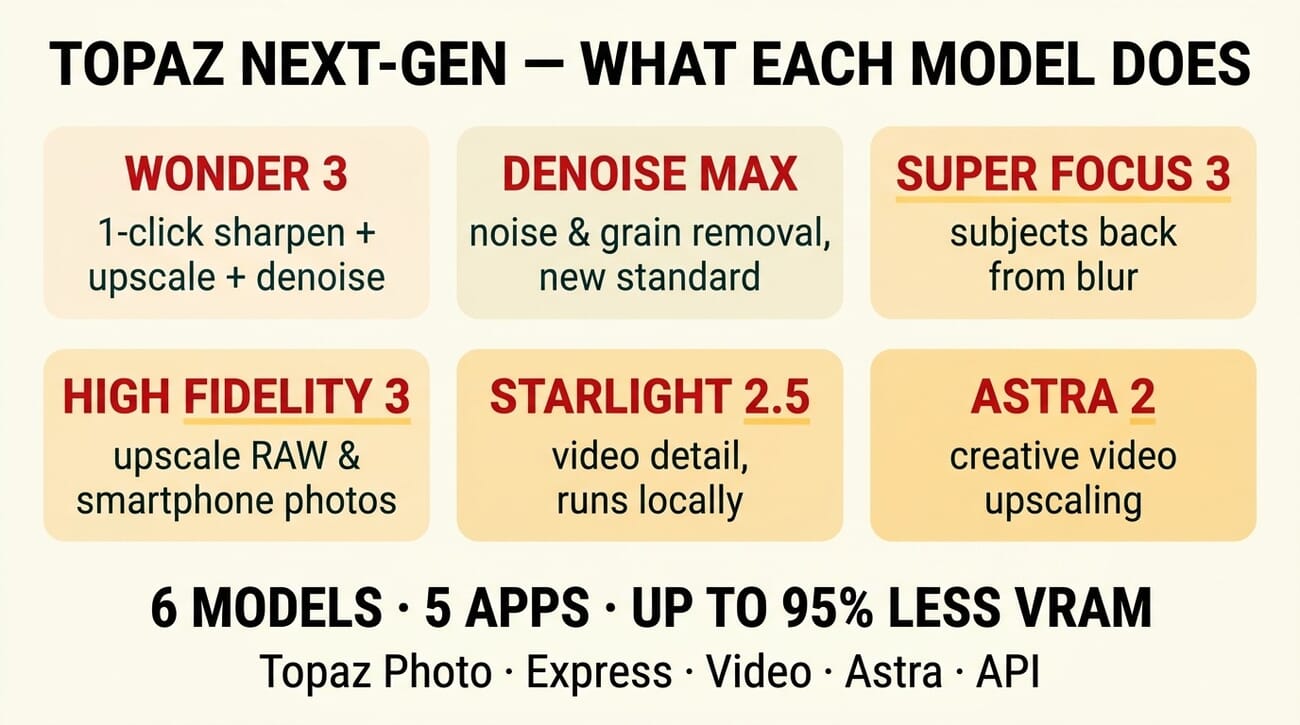
NeuroStream — The Bigger Story Behind the Models
Hidden inside the model release is a structural change to how Topaz runs AI locally. NeuroStream is Topaz’s new memory-streaming architecture that compresses AI model weights and activations during inference, cutting peak VRAM usage by up to 95% compared to the older runtime.
The practical impact: previously, running Topaz’s most capable models locally required an NVIDIA RTX 3090 (24 GB) or similar workstation card. With NeuroStream, the same models run on consumer-grade hardware — a base M2 MacBook Air, a laptop with an RTX 4060 (8 GB), or even integrated GPUs in some configurations. The trade-off is processing time (slightly slower than a high-VRAM card running unconstrained), but the door opens to a much wider audience.
For Topaz, this is also a defensive move. Adobe’s recent Claude integration and DaVinci Resolve 21’s photo page are converging on similar pro-tier AI features inside their existing subscriptions. Topaz’s answer is to stay best-in-class on local processing — running on the photographer’s machine, with the photographer’s files, not in someone else’s data centre.
Worth Upgrading? Quick Decision Matrix
- Existing Topaz subscriber → yes, the update auto-installs. Wonder 3 and Denoise Max alone are worth the bandwidth.
- You’ve been on the fence about Topaz vs Lightroom’s built-in AI → the NeuroStream story changes the calculus. Lightroom’s AI denoise is good; Topaz Denoise Max + Super Focus 3 stacked is meaningfully better on hard cases (high ISO, missed focus, archival recovery).
- You shoot smartphone primarily → High Fidelity 3 is the standout for you. Designed specifically for phone-source upscaling.
- You’re a video editor → Starlight 2.5 local + Astra 2 cloud cover both ends; Topaz’s video lineup is now genuinely competitive with DaVinci’s built-in detail tools.
- You only edit hobby photos at 6 MP → upgrade isn’t urgent. The improvements are most visible at full-resolution RAW; web-resolution exports won’t benefit much.
Pricing — Unchanged
New models ship at no extra cost to existing subscribers. Topaz’s subscription tiers remain: Photo at $99/year, Video at $299/year, the bundle (Photo + Video + Gigapixel) at $349/year. Astra (cloud video) stays usage-based. The free trial covers all six new models.
For photographers who bought the lifetime Topaz licence years ago and are still running an old version: this update is one of the strongest reasons to consider the subscription. The model quality jump from v2 to v3 across the lineup is bigger than any single previous release.
Want to try the new models? See Topaz Labs pricing & start a free trial → The trial covers all six new models (Wonder 3, Denoise Max, Super Focus 3, High Fidelity 3, Starlight 2.5, Astra 2).
Frequently Asked Questions
Will the new models work on my older Mac / lower-end PC?
Yes — that’s the entire point of NeuroStream. Topaz now lists 8 GB of system RAM and a “modern integrated GPU or 4 GB+ discrete GPU” as the floor. M1 / M2 base MacBooks, RTX 3050+ laptops, and Intel Arc GPUs are all supported. The previous-gen models needed 16 GB+ RAM and an 8 GB+ discrete GPU.
Will Wonder 3 replace having to use the other three image models?
Not really. Wonder 3 is a single-decision auto button — it picks one tradeoff for the whole image. The dedicated models (Denoise Max, Super Focus 3, High Fidelity 3) let you control which problem gets prioritised. Working photographers will keep using the dedicated tools for client-paid edits; Wonder 3 is for bulk edits and quick exports where the difference doesn’t matter.
Is this enough to switch from Lightroom’s built-in AI denoise?
On easy cases (ISO 800-3200, modest noise), Lightroom’s built-in is fine and saves a round-trip. On hard cases (ISO 6400+, severe grain, archival files), Topaz Denoise Max consistently outperforms — the chrominance noise handling is meaningfully better, and Topaz preserves more genuine detail. The right answer is: keep both, use Topaz when Lightroom’s denoise visibly struggles.
Does NeuroStream change how local processing handles privacy?
Yes — for a category of users this matters a lot. Starlight Precise 2.5 was previously cloud-only, meaning your video footage left your machine. The new local-processing option keeps everything on-device, which is critical for documentary, journalism, legal, and any privacy-sensitive video work. Photo models were already local; the change only matters for the video side of the lineup.
When is the next Topaz update?
Topaz typically ships major model updates 2-3 times a year. CEO Eric Yang’s framing of this as “the largest” release suggests the next batch is at least 4-6 months out. The interim ships smaller updates (UI tweaks, bug fixes) every few weeks.
Image credits: PhotoWorkout editorial illustrations.
Primary Coverage
- Topaz Labs — The Next-Gen Release (April 2026) – Official Topaz announcement with model details, app distribution, and CEO Eric Yang quote.
- Topaz Labs PR Newswire — "Largest Single Release of AI Models" – Full press release with NeuroStream technical details and the 95% VRAM reduction claim.
- Topaz Labs — Pricing – Current Topaz Photo / Video / Bundle subscription pricing referenced in the upgrade-decision section.
- Topaz NeuroStream announcement – Original NeuroStream technology launch — covers the VRAM-streaming architecture and design goals.
This post contains affiliate links. PhotoWorkout earns a small commission if you click through and buy, at no extra cost to you. We only link to gear and software we genuinely recommend after reviewing it editorially.