


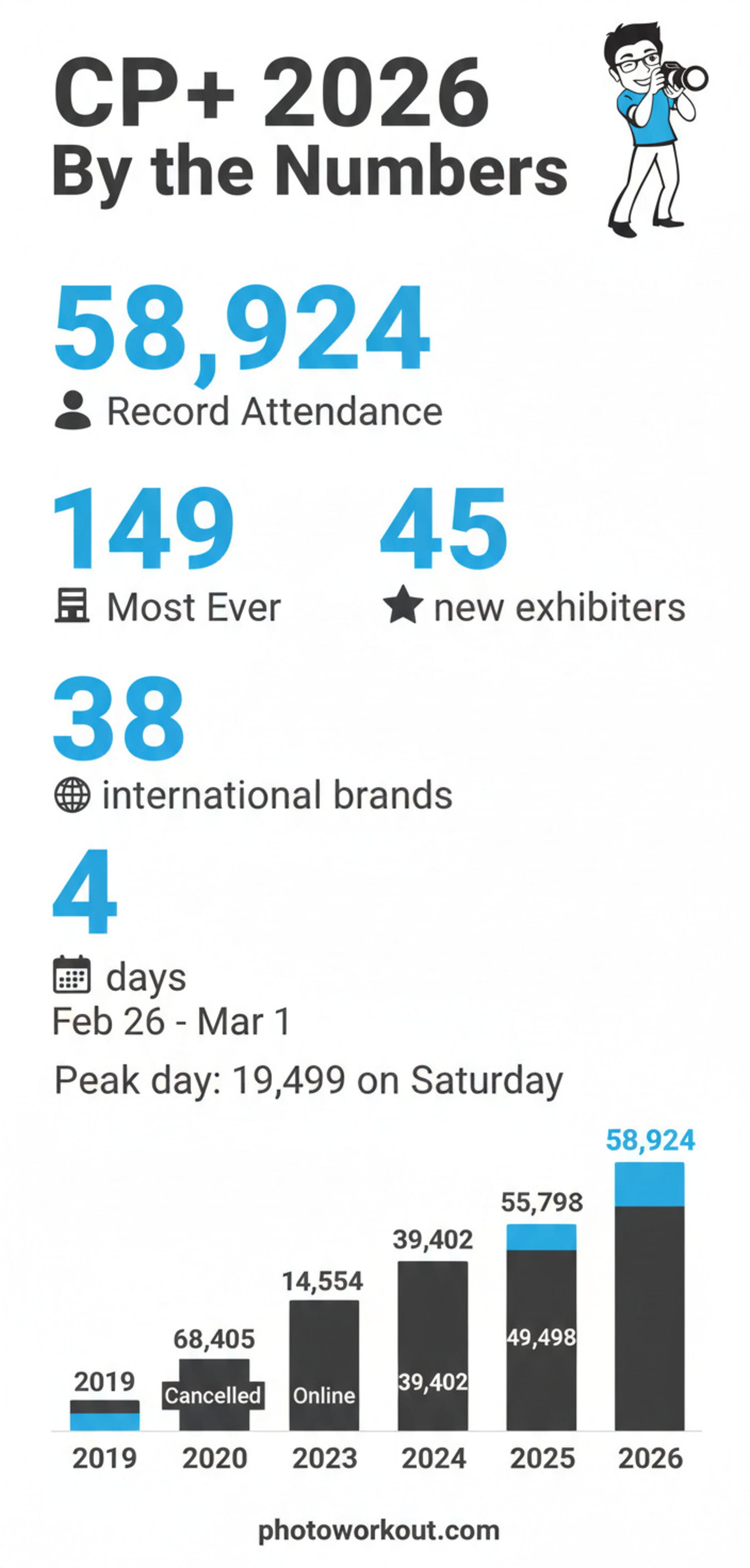
- CP+ 2026 set a new attendance record with 58,924 visitors over four days at Pacifico Yokohama – up 5.6% from 2025.
- A record 149 exhibitors participated, including 45 first-time vendors and 38 international brands.
- Third-party lenses dominated the show, with Sigma, Samyang, Voigtlander, Zeiss, and others announcing dozens of new optics.
- Canon turned heads with a retro-inspired concept camera featuring a waist-level viewfinder, while the compact camera boom continued to reshape the market.
- Sony reportedly plans a 180-megapixel medium format sensor, signaling a new chapter in the sensor arms race.
CP+ 2026, Asia’s largest camera and imaging trade show, wrapped up on March 1 after four days at Pacifico Yokohama. According to official figures reported by DC Watch, the event drew a total of 58,924 on-site visitors – surpassing 2025’s attendance of 55,791 and marking the highest post-pandemic turnout to date.
The show featured a record 149 exhibiting companies and organizations, including 45 new vendors and 38 international brands. Every single day exceeded prior-year figures, with Saturday (February 28) hitting the peak at 19,499 visitors.
While no single blockbuster camera launch dominated headlines, CP+ 2026 painted a clear picture of where the industry is heading. Here are the five biggest trends that emerged from the show floor.

CP+ 2026 By the Numbers
The attendance figures tell a story of steady recovery and growth since the pandemic disruption. Here is the daily breakdown for 2026, with 2025 comparisons:
- Day 1 (Thursday, Feb 26): 10,012 visitors (2025: 9,840)
- Day 2 (Friday, Feb 27): 13,483 visitors (2025: 12,516)
- Day 3 (Saturday, Feb 28): 19,499 visitors (2025: 18,771)
- Day 4 (Sunday, Mar 1): 15,300 visitors (2025: 14,664)
- Total: 58,924 visitors (2025: 55,791) – up 5.6%
For context, the pre-pandemic CP+ 2019 drew 68,405 visitors. The 2020 event was canceled due to COVID-19, and 2021 was held online only. In-person attendance resumed in 2022 with just 14,554 visitors, then climbed steadily through 39,402 (2023), 49,498 (2024), and 55,791 (2025) to reach this year’s record-setting post-pandemic high.
Trend 1: The Compact Camera Boom Continues
The resurgence of compact cameras was a recurring theme at CP+ 2026, and industry data backs it up. According to Photoscala, CIPA projections for 2026 forecast continued growth in compact camera sales, while mirrorless camera shipments are expected to dip slightly.
The demand for models like the Fujifilm X100VI – which remains perpetually backordered – and the Ricoh GR series shows no signs of cooling. Social media aesthetics, a desire for “disconnected” shooting without a smartphone, and the appeal of a simple, pocketable camera have driven a new generation of buyers into the compact segment.
CIPA projects total camera shipments of approximately 9.59 million units for 2026 – a modest 1.6% increase from the prior year, which itself saw an 11.2% jump. The compact and bridge camera segment is forecast at 2.77 million units, continuing its upward trajectory.
Trend 2: Retro Revival
Canon was the talk of the show with not one but two retro-inspired concept cameras. The first was a box-style “Analog Concept Camera” with an optical waist-level viewfinder and manual focus – reminiscent of classic Hasselblad and Rolleiflex medium format cameras, but compact enough to fit in one hand. The second was a retro-styled concept that had many hoping Canon would release an AE-1-inspired digital camera for the iconic model’s 50th anniversary.
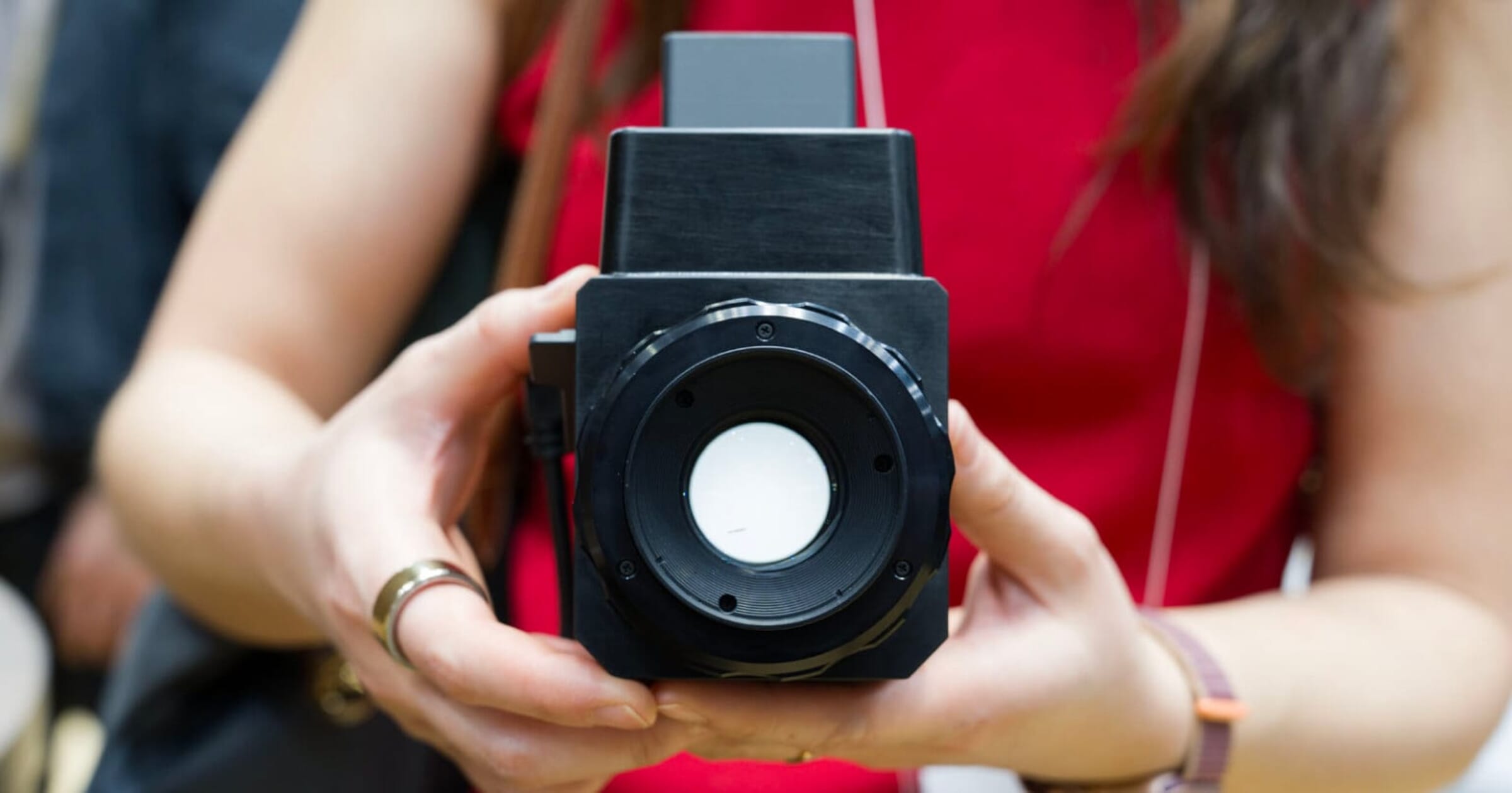
As Photoscala noted, the retro trend represents a “polarization between past and future” in the imaging industry. While some brands chase the latest sensor technology, others are banking on nostalgia and tactile design to attract photographers who want a more deliberate, hands-on shooting experience.
The Kenko Retro-Digi 90 also caught attention – a budget digital camera designed to look and feel like a disposable film camera, complete with a manual film-advance mechanism between shots. It may be a novelty, but it speaks to a genuine market appetite for analog-inspired experiences.
Trend 3: Third-Party Lens Golden Age
If CP+ 2026 had a dominant product category, it was lenses – and specifically third-party lenses. The sheer volume of announcements from independent lens makers was staggering.
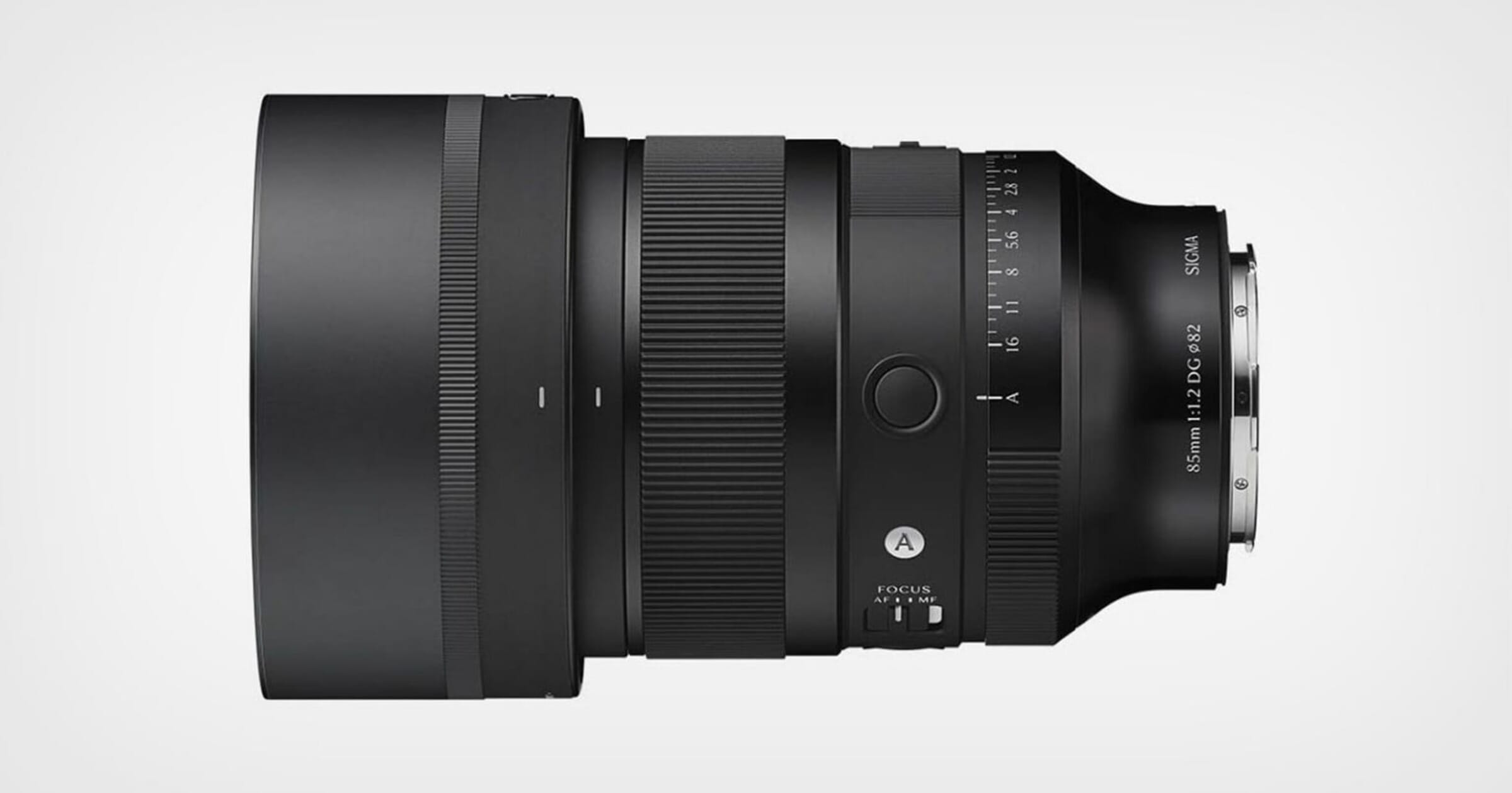
Sigma led the charge with a development announcement for the highly anticipated 85mm f/1.2 DG Art, plus the new 35mm f/1.4 DG II Art (20% lighter than its predecessor), a 15mm f/1.4 DC Contemporary for APS-C, and the AF Cine 28-105mm T3 FF for video shooters.
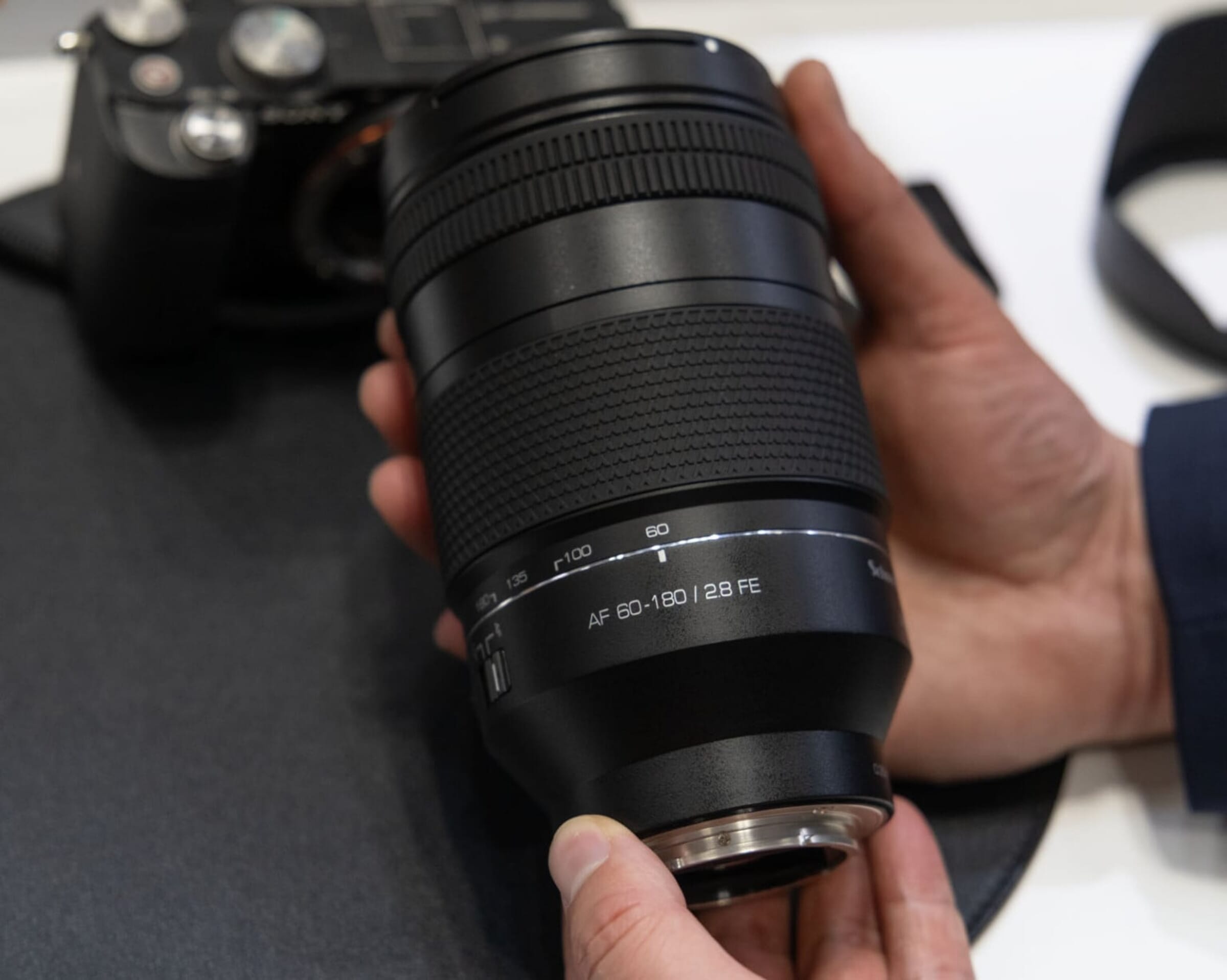
Samyang / Schneider-Kreuznach showcased an impressive five new zooms, headlined by the AF 60-180mm f/2.8 telephoto zoom, plus the 14-24mm f/2.8 and 24-60mm f/2.8 for L-mount, and the 20-50mm f/2 and 28-135mm f/2.8 for Sony FE. Prototypes for a 200mm f/1.8 and 300mm f/4 were also displayed.
Voigtlander (Cosina) unveiled a compact 40mm pancake lens and the 35mm f/1.4 Nokton for Canon RF and Nikon Z mounts. Zeiss added the Otus ML 1.4/35 to its premium lineup. Brightin Star introduced a 35mm f/1.7 for Leica M and the creative 50mm f/2 “Tri-Sight” lens with three swappable front elements. 7Artisans released the AF 40mm f/2.5 at just $159, and Megadap showed the world’s first Leica M to Canon RF autofocus adapter.
For a complete rundown of every lens announcement, see our CP+ 2026 lens roundup.
Trend 4: AI Integration Goes Mainstream
While CP+ 2026 did not feature any headline-grabbing AI announcements, the technology’s presence was felt across nearly every booth. Subject detection autofocus – once a flagship-only feature – has trickled down to mid-range and even entry-level cameras across all major brands.
Canon demonstrated its 3D imaging technology that uses Dual Pixel architecture to generate 3D/VR data from standard lenses, eliminating the need for specialized hardware. This computational approach to depth mapping represents a meaningful step toward integrating AI-driven capabilities directly into camera systems.
Panasonic’s firmware updates for the Lumix S and S5 series added improved subject tracking and recognition, while third-party software tools for AI-powered noise reduction and upscaling continue to close the gap between dedicated cameras and computational smartphone photography.
Trend 5: The Sensor Arms Race
According to Photoscala, Sony is reportedly preparing to announce a wave of new sensors – including a 180-megapixel sensor for medium format cameras. If confirmed, this would dramatically escalate the resolution war that had seemingly stabilized at 100MP for medium format and around 61MP for full frame.
This has direct implications for brands that rely on Sony sensors. Fujifilm’s GFX system and Hasselblad’s X series would be obvious beneficiaries, while Nikon – another long-time Sony sensor customer – could see new high-resolution bodies as well.
Meanwhile, global shutter technology continues to mature. Sony’s A9 III, which debuted as the first full-frame global shutter camera, has been spotted at the 2026 Winter Olympics, proving the technology’s viability for professional sports and action photography. The expectation is that global shutters will expand to more camera bodies in the coming years, eventually replacing mechanical shutters entirely.
What Was Missing
For all its lens abundance, CP+ 2026 was notably light on new camera bodies. As Photo Review Australia noted, “no new production-level cameras were shown.” Every major manufacturer had already announced their latest models weeks or even months before the show opened.
Nikon revealed its Nikkor Z 70-200mm f/2.8 VR S II five days before CP+. Tamron unveiled its 35-100mm f/2.8 a full week early. This pre-show announcement cycle left the event itself without many surprises, which some attendees and commentators found disappointing.
The Ricoh booth was also notable for what it did not show: there was no evidence of Pentax products whatsoever, despite Ricoh owning the brand. The last Pentax DSLR was the K-3 Mark III Monochrome in 2023, which appears to have been quietly discontinued.
Looking Ahead
CP+ 2026 confirmed that the camera industry is in a period of creative diversification rather than pure spec-sheet competition. The lens market has never been more competitive or more interesting. Compact cameras are back in a meaningful way. And the tension between retro design philosophy and cutting-edge sensor technology is producing some genuinely creative products.
The shift toward pre-show announcements does raise questions about the future role of trade shows like CP+. If the major reveals happen online weeks before the doors open, what draws nearly 60,000 people to Yokohama? The answer, it seems, is the hands-on experience, the community, and the chance to interact with prototype hardware that may never reach production.
Online archives of CP+ 2026 presentations and demos will remain available through March 31, 2026.
Featured image: CP+ 2026 show floor. Image credit: DC Watch / Impress.
Sources and references for this article.