

- Sony’s new Alpha 7 V features a partially stacked Exmor RS sensor with 4.5x faster readout than the a7 IV – a first for the mainstream A7 line.
- AI-powered autofocus with the new BIONZ XR2 processor delivers ~30% better subject recognition, tracking humans, animals, birds, insects, and vehicles.
- 30fps blackout-free burst shooting, up to 16 stops of dynamic range, and 4K 120p video make this a serious hybrid machine.
- Body-only price: $2,898. Kit with 28-70mm f/3.5-5.6 OSS II: $3,098. Shipping now from Amazon.
Sony has officially unveiled the Alpha 7 V (a7 V), the fifth generation of its best-selling full-frame mirrorless camera line. This isn’t a minor spec bump – it’s the biggest upgrade the mainstream A7 series has ever received, bringing technology previously reserved for Sony’s flagship models down to the enthusiast tier.
The headline features: a partially stacked sensor for dramatically faster readout, an AI-driven autofocus system built on a brand-new BIONZ XR2 processor, 30fps continuous shooting, and 7.5-stop in-body image stabilization. After the a7 IV held its ground for over three years, the a7 V arrives as a clear statement of intent from Sony.
When you buy through links on our site, we may earn a commission at no cost to you. We evaluate products independently. Commissions do not affect our evaluations. As an Amazon Associate, we earn from qualifying purchases.
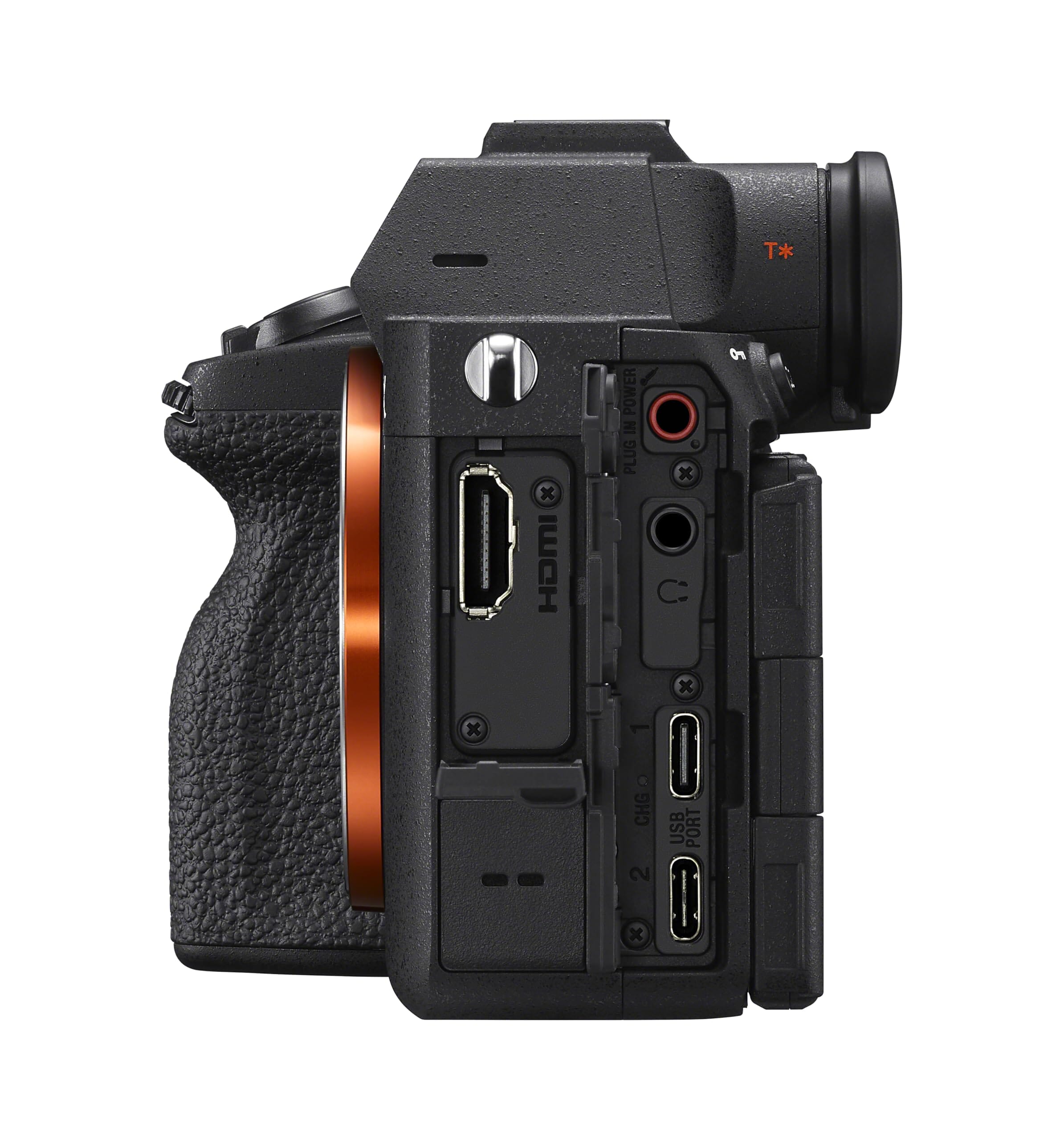
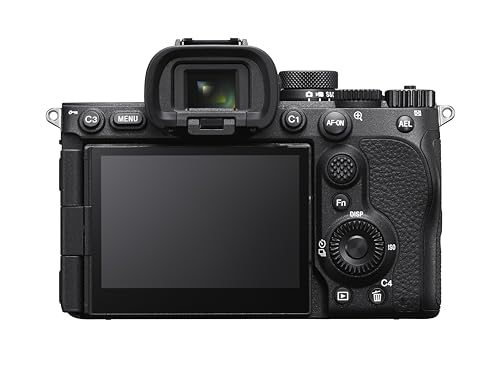
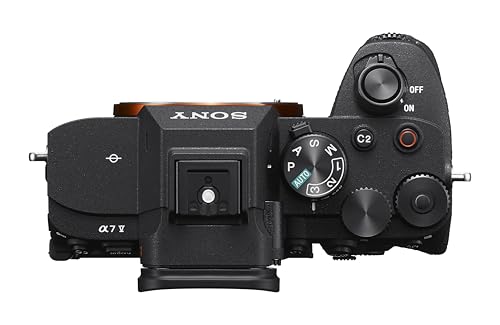
33MP partially stacked Exmor RS sensor, BIONZ XR2 AI processor, 30fps burst, 4K 120p video, 7.5-stop IBIS, dual USB-C, CFexpress Type A + SD dual slots.
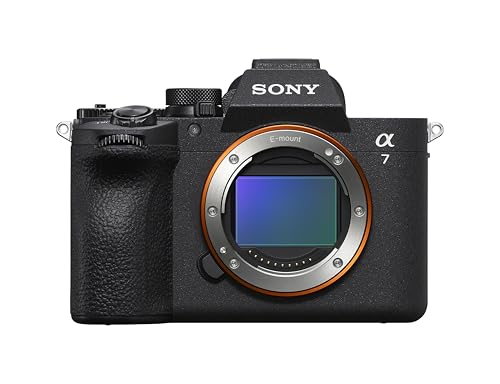
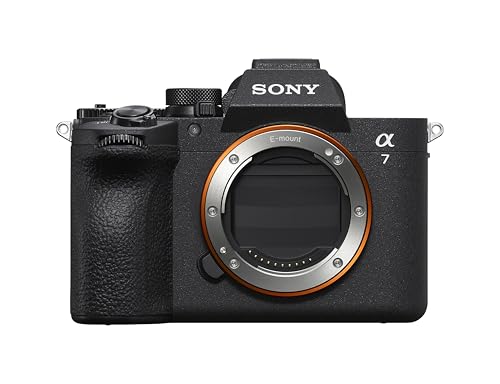
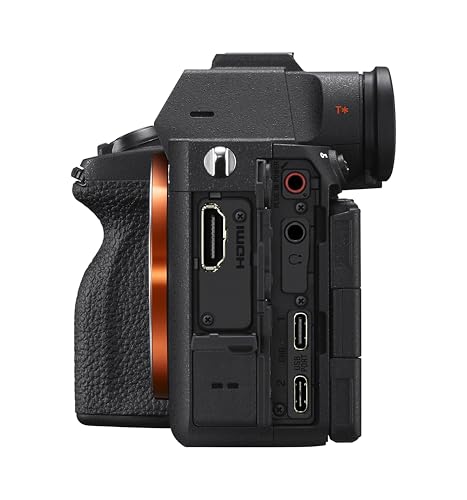

A Partially Stacked Sensor Changes Everything
The most significant upgrade in the a7 V is its new 33-megapixel partially stacked Exmor RS CMOS sensor. Sony has borrowed stacked sensor architecture from its flagship a9 III and a1 models, placing high-speed circuitry above and below the sensing layer. The result: sensor readout is approximately 4.5 times faster than the a7 IV.
Faster readout means less rolling shutter distortion, cleaner electronic shutter performance, and the ability to push burst rates to 30fps with the electronic shutter (10fps with the mechanical shutter). It also enables a maximum shutter speed of 1/16000s, useful for shooting wide open in bright conditions.
Dynamic range gets a major boost too: Sony claims up to 16 stops, with smooth gradation from shadows to highlights. The native ISO range spans 100-51200 (expandable to 50-204800 for stills), with effective noise reduction applied across the entire range.
AI Autofocus: Smarter Subject Recognition
Sony’s new BIONZ XR2 processor is the brains behind the a7 V, and its biggest trick is AI-driven autofocus. The 759-point phase-detection AF system now uses human pose estimation technology – analyzing body form and posture to maintain focus even when faces are obscured or subjects turn away.
Subject recognition has improved by approximately 30% over the a7 IV, with the system now reliably tracking humans, animals, birds, insects, and vehicles. Multiple subjects can be recognized simultaneously, letting you select and lock onto your preferred target without fighting the camera.
For photographers used to the a7 IV’s already-capable AF, the jump here is substantial. The AI layer adds predictive intelligence that goes beyond simple eye detection – it understands how bodies move, anticipates position changes, and maintains lock through challenging scenarios like crowded scenes or erratic movement.
30fps Burst: Speed Without Compromise
The a7 V delivers 30fps blackout-free continuous shooting with full AF/AE tracking using the electronic shutter. That’s triple the a7 IV’s 10fps electronic shutter rate, putting this mid-range body in territory previously occupied only by Sony’s $6,500 a1.
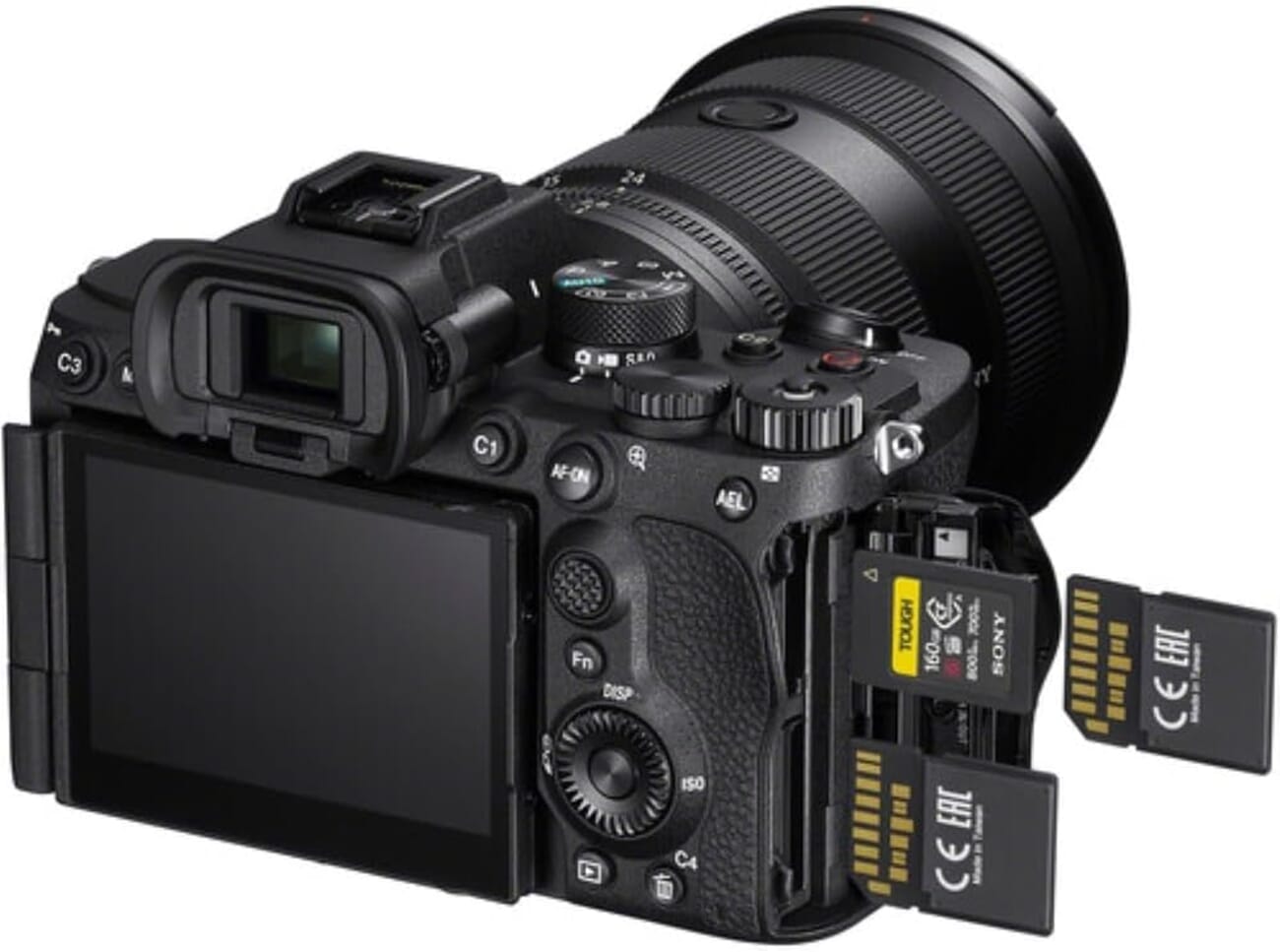
The mechanical shutter still handles 10fps for situations where you want to avoid any electronic shutter artifacts. Buffer depth benefits from the faster processor and the dual card slots – one CFexpress Type A/SD and one UHS-II SD – which clear data faster during extended bursts.
Sony also includes a pre-capture function, buffering frames before you fully press the shutter. Combined with the 30fps rate, this dramatically increases your chances of nailing the decisive moment in fast action and wildlife scenarios.
4K 120p Video and Hybrid Credentials
Video gets a meaningful upgrade as well. The a7 V records 4K 60p at 10-bit 4:2:2 from the full sensor width – a key improvement over the a7 IV’s cropped 4K 60p mode. For slow-motion work, 4K 120p is available, making this a genuinely capable B-cam or even primary video body for many creators.
Sony’s S-Cinetone color profile is included for cinematic color grading straight out of camera, along with improved S-Log3 implementation. The 16 stops of dynamic range apply to video as well, giving colorists plenty of latitude in post.
HDMI output is full-size (Type A), and the new dual USB-C port configuration allows simultaneous charging and data transfer – a practical feature for long shoots or livestreaming setups.
7.5-Stop IBIS and Refined Build
In-body image stabilization reaches 7.5 stops at center (6.5 stops at the periphery), up from the a7 IV’s 5.5 stops. For handheld shooters, that’s a significant gain – especially at longer focal lengths or in low-light situations where you’d otherwise need to bump ISO.
The body itself features a 5.76 million-dot OLED EVF running at 120Hz for smooth live view, and a 3.2-inch 4-axis tilt/flip LCD that accommodates virtually any shooting angle. Build quality includes weather sealing consistent with Sony’s Alpha line.
Connectivity is modern and comprehensive: Wi-Fi 6E, Bluetooth, dual USB-C, and full-size HDMI. Battery life lands at approximately 750 shots per charge using the NP-FZ100 battery – enough for a full day of shooting without carrying spares.
Sony a7 V vs. a7 IV: What Changed
| Feature | Sony a7 V | Sony a7 IV |
|---|---|---|
| Sensor | 33MP Partially Stacked Exmor RS | 33MP Exmor R BSI CMOS |
| Processor | BIONZ XR2 + AI Unit | BIONZ XR |
| Burst Rate | 30fps (e-shutter) / 10fps (mech) | 10fps (e-shutter) / 10fps (mech) |
| AF System | 759-point PDAF + AI Recognition | 759-point PDAF |
| Video | 4K 120p / 4K 60p full-width | 4K 60p (1.5x crop) / 4K 30p full |
| IBIS | 7.5-stop center | 5.5-stop center |
| Dynamic Range | Up to 16 stops | ~15 stops |
| EVF | 5.76M-dot OLED, 120Hz | 3.69M-dot OLED |
| LCD | 3.2″ 4-axis tilt/flip | 3.0″ vari-angle |
| Connectivity | Dual USB-C, Wi-Fi 6E, HDMI A | USB-C, Wi-Fi 5, Micro HDMI |
| Body Price | $2,898 | $2,498 (launch) |
Pricing and Availability
The Sony a7 V is available now from major retailers:
- Body only: $2,898 (check price on Amazon)
- Kit with FE 28-70mm f/3.5-5.6 OSS II: $3,098 (check price on Amazon)
- FE 28-70mm f/3.5-5.6 OSS II lens only: $449
The body began shipping in late December 2025, with the lens kit following in February 2026. Stock has been tight since launch – the a7 V topped sales charts at major retailers in both December and January, outselling the next four cameras combined at Japan’s Map Camera.
Who Should Upgrade?
The a7 V makes the strongest case for a7 IV owners who’ve felt limited by the older camera’s burst speed, autofocus tracking, or 4K 60p crop. The jump from 10fps to 30fps alone opens up action and wildlife genres that the a7 IV struggled with.
Canon and Nikon shooters eyeing a system switch will find the a7 V competitively positioned against the Canon EOS R6 III and Nikon Z6 III, particularly on AF intelligence and video specs. The AI autofocus system and 4K 120p capability are strong differentiators.
For a7R V or a1 owners, there’s less reason to add this body unless you specifically want a lighter, lower-resolution complement for video or everyday shooting. The partially stacked sensor is impressive, but the a1 still leads on resolution and global shutter capability.
Frequently Asked Questions
Is the Sony a7 V sensor fully stacked like the a1?
No. The a7 V uses a partially stacked design, placing high-speed circuitry above and below the sensing layer but not fully integrating memory on the sensor like the a1 or a9 III. It’s a middle ground that delivers 4.5x faster readout than the a7 IV at a lower price point.
Does the a7 V have a global shutter?
No. The global shutter remains exclusive to the a9 III. However, the faster readout of the partially stacked sensor significantly reduces rolling shutter artifacts compared to the a7 IV.
Can the Sony a7 V use my existing E-mount lenses?
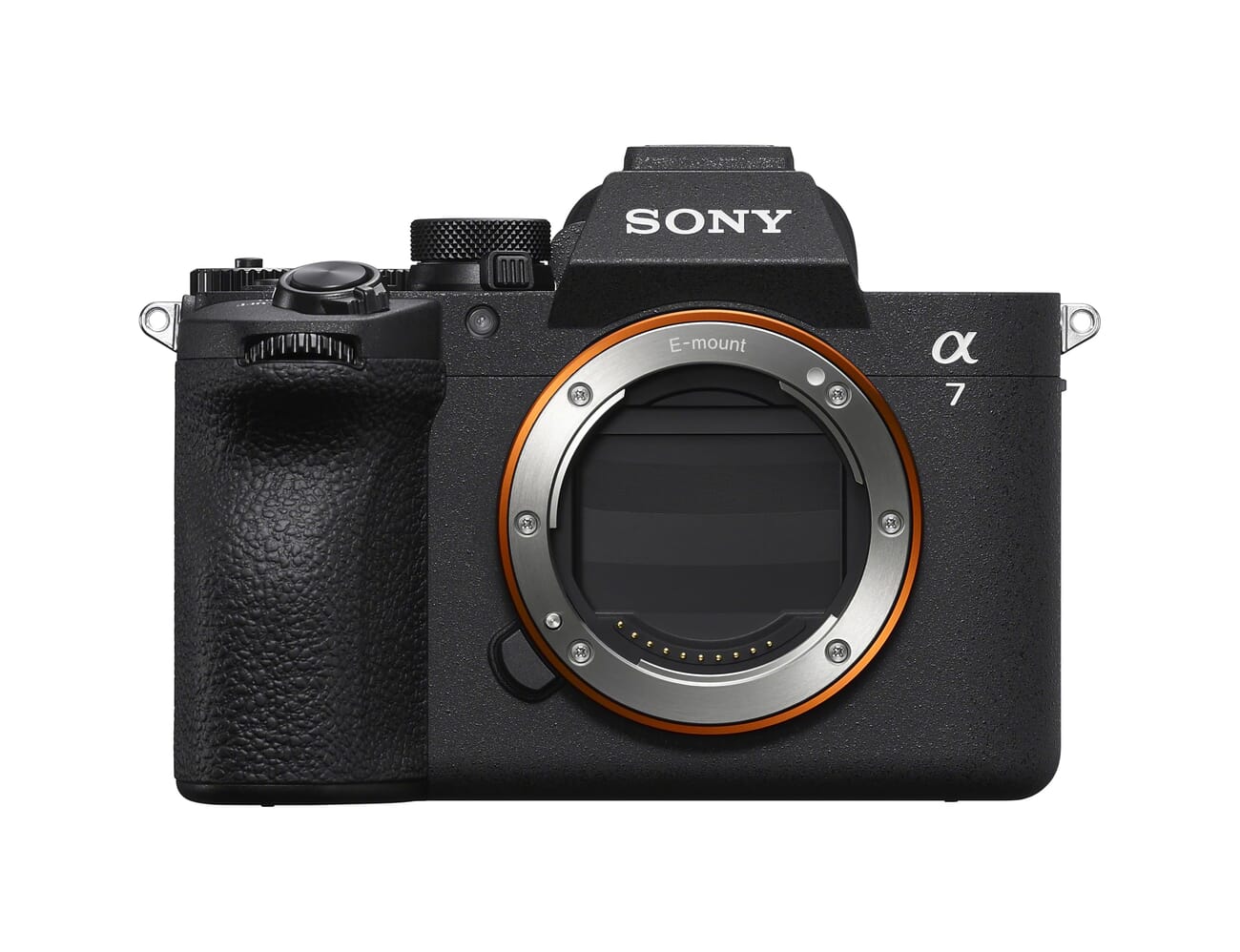
Yes. The a7 V uses Sony’s E-mount and is fully compatible with all FE (full-frame) and E (APS-C crop mode) lenses. Your entire Sony lens collection works without adapters.
What memory cards does the Sony a7 V take?
The a7 V has two card slots: one CFexpress Type A / SD combo slot and one UHS-II SD slot. For maximum burst performance, use a CFexpress Type A card in the first slot.
Sources and further reading:
Featured image: Amazon / Sony. This article contains affiliate links. If you purchase through our links, we may earn a commission at no extra cost to you.


Disclosure/Disclaimer: As an Amazon Associate, we earn from qualifying purchases. Certain content was provided "as is" from Amazon and is subject to change or removal at any time. Product prices and availability: Amazon prices are updated daily or are accurate as of the date/time indicated and are subject to change. Any price and availability information displayed on Amazon.com at the time of purchase will apply to the purchase of this product.
Get the Weekly Photography News Digest
Join photographers who get our top stories delivered every Monday morning. No spam, unsubscribe anytime.