
Vantage Point in Photography: A Guide (Plus 30 Examples)

Key Takeaways
Vantage Point in Photography: A Guide (Plus 30 Examples)
  • A vantage point is the position and angle from which a photograph is taken — the most important composition decision most photographers never think about.
  • Five core vantage points cover almost every photograph: eye-level, high angle, bird’s-eye, low angle, and worm’s-eye. Each changes how the subject reads.
  • Drones turned the once-inaccessible bird’s-eye view into an everyday option. A DJI Mavic 2 Pro or Air 2S makes aerial framing a 15-minute skill.
  • The right vantage depends on the subject: eye-level for portraits, bird’s-eye for flat-lays, low angle for architecture, worm’s-eye for drama.
  • This guide covers all five vantage points plus 30 curated examples from photographers across Sony, Canon, Nikon, Fujifilm, and DJI systems.

Vantage point — the position and angle from which a photograph is taken — is the single most important compositional decision in photography, and it is the one beginners think about the least. A small change in where the camera sits can transform a dull scene into a striking one.

This guide covers all five core vantage points, explains when each one works, and shows how drones have expanded the photographer’s toolkit in 2026. It closes with 30 curated examples across the full range of perspectives, sourced from photographers shooting on Sony, Canon, Nikon, Fujifilm, and DJI systems.
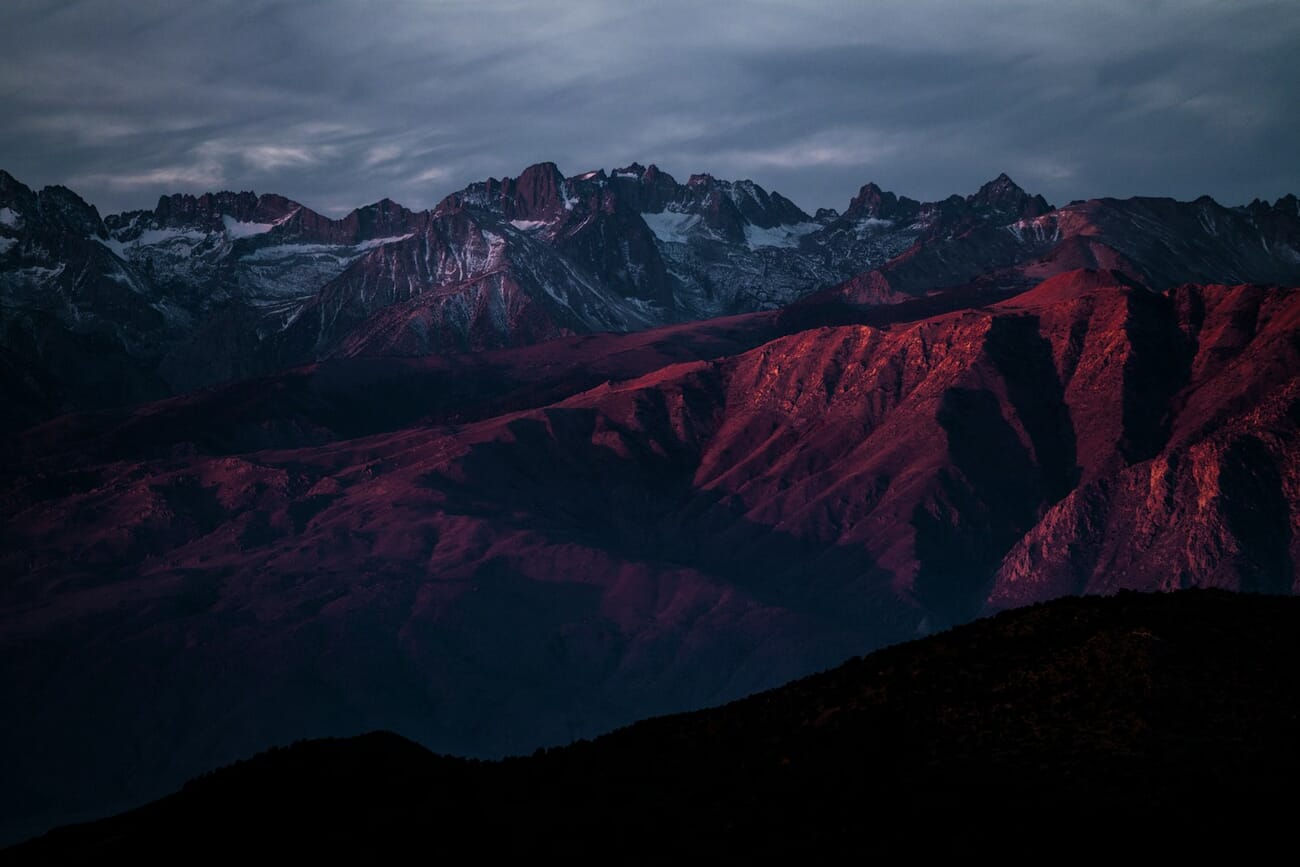
Aerial vantage points turn recognisable landscapes into abstract pattern — shot from a helicopter with a 177mm telephoto, this range of red highlands reads almost like brushstrokes
Aerial vantage points turn recognisable landscapes into abstract pattern — shot from a helicopter with a 177mm telephoto, this range of red highlands reads almost like brushstrokes. Shot on Sony Alpha 7R II at f/4, 1/640, ISO 500, 177mm. Photo by JOHN TOWNER via Unsplash · curated on SampleShots.

What Is a Vantage Point?

A vantage point is simply the camera’s position relative to the subject — a combination of height (above, at, or below eye level) and angle (pointing down, level, or up). The five canonical vantage points in photography are:

  • Eye-level — the camera sits at the subject’s eye height, pointing level. The default, and the most natural.
  • High angle — the camera is raised above the subject, pointing down. Flattering for portraits, clarifying for scenes.
  • Bird’s-eye — the camera is directly above the subject, pointing straight down. Abstract, often map-like.
  • Low angle — the camera sits below the subject, pointing up. Dramatises, heroifies, makes subjects look larger.
  • Worm’s-eye — the camera sits at ground level, pointing straight up. Rare, extreme, instantly recognisable.
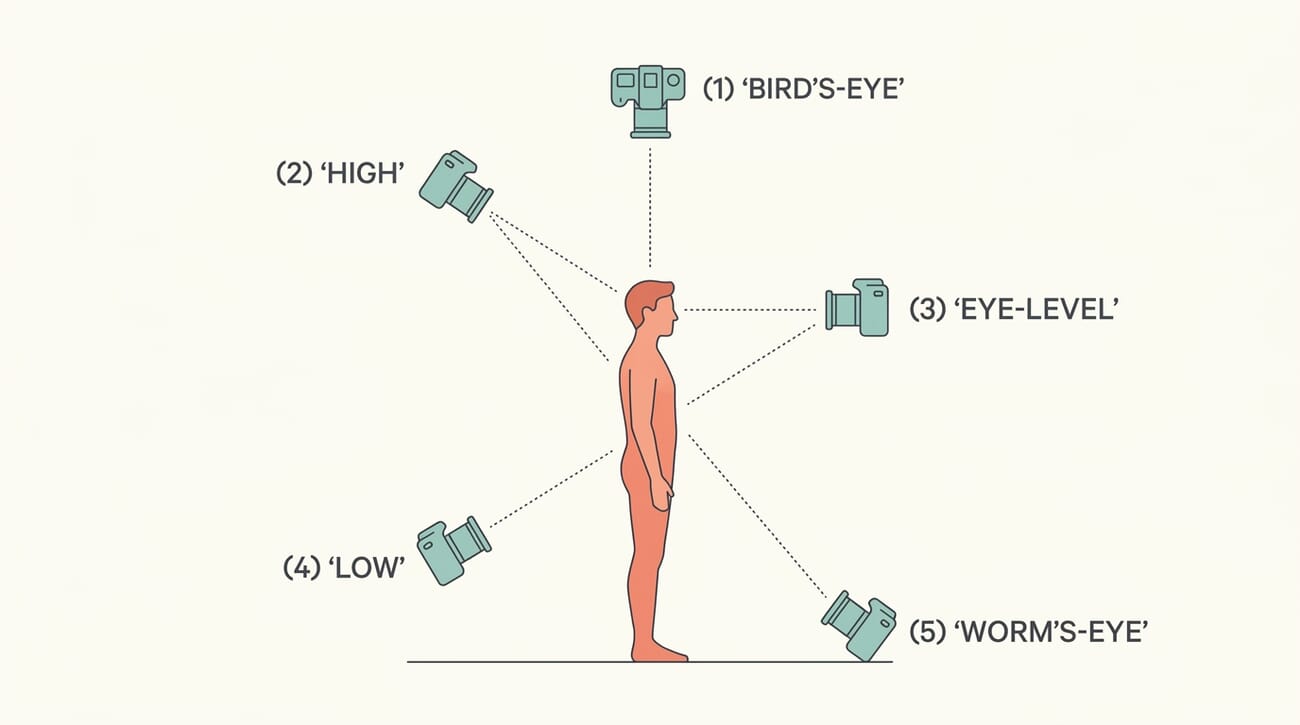
Diagram of the 5 vantage points in photography — bird's-eye, high, eye-level, low, and worm's-eye — shown relative to a standing human subject.
The five core vantage points in photography, shown relative to a standing subject. Bird’s-eye sits directly above; worm’s-eye sits at the ground looking up. PhotoWorkout infographic.

Why Vantage Point Matters

The same subject, shot from two different vantage points, can produce two completely different emotional responses. A building photographed at eye level looks ordinary; the same building shot from a low angle looks monumental. A child photographed from above looks small; the same child shot at eye level looks confident.

Most photographers default to eye-level because it is the position the camera sits in when held naturally. That default is rarely the best choice — and that is the opportunity. Deliberately picking a vantage point is one of the fastest ways to separate a photograph from everyone else’s version of the same scene.

Composition guides like the rule of thirds and leading lines are often the first thing beginners learn, but vantage point is more powerful. A well-chosen vantage turns both of those into automatic effects — and a badly-chosen vantage flattens any composition.

Eye-Level: The Default Perspective

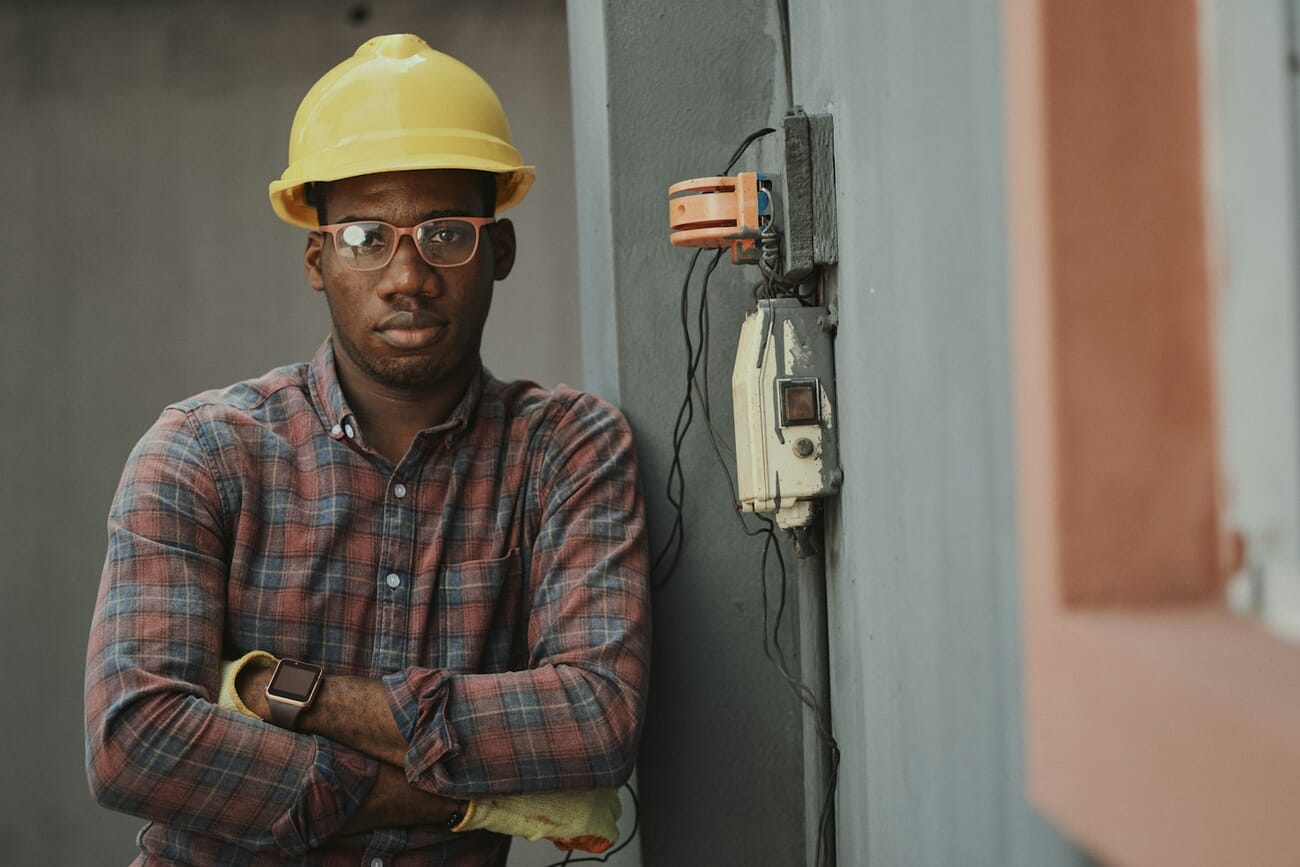
Eye-level is the vantage every photographer knows by instinct. The camera meets the subject at their own height, showing the world as they see it. For portraits, street photography, and documentary work, eye-level builds the strongest viewer-subject connection.
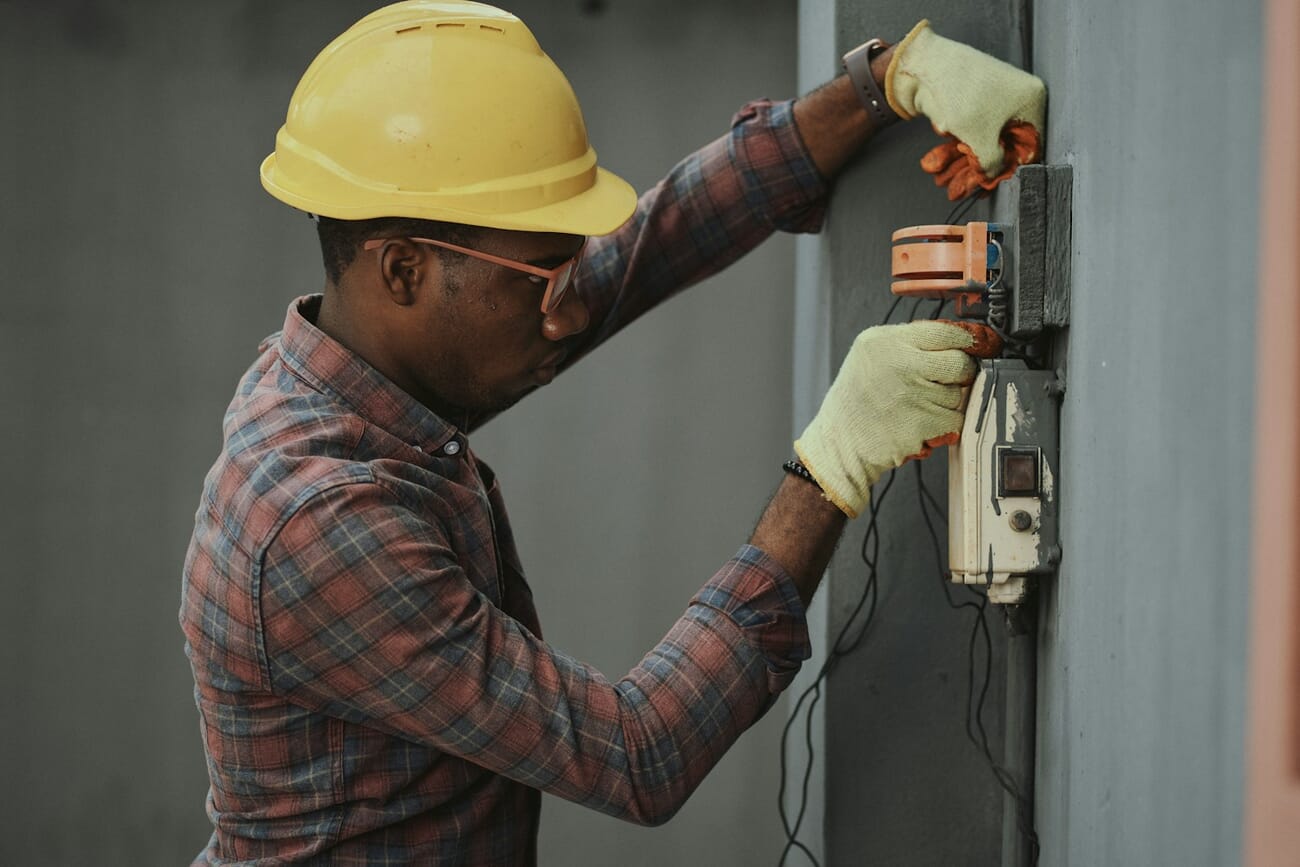
An eye-level shot puts the viewer shoulder-to-shoulder with the subject — neutral, grounded, and easy to connect with
An eye-level shot puts the viewer shoulder-to-shoulder with the subject — neutral, grounded, and easy to connect with. Shot on Sony RX1R II at f/2.8, 1/100, ISO 250, 35mm. Photo by Austin Kirk via Unsplash · curated on SampleShots.
Eye-level works especially well for environmental portraits where the subject is meant to feel approachable rather than heroic
Eye-level works especially well for environmental portraits where the subject is meant to feel approachable rather than heroic. Shot on Nikon D750 at f/2.8, 1/320, ISO 50, 100mm. Photo by Emmanuel Ikwuegbu via Unsplash · curated on SampleShots.
A slightly-longer short-tele at eye height compresses the background behind the subject without distorting their face
A slightly-longer short-tele at eye height compresses the background behind the subject without distorting their face. Shot on Nikon D750 at f/2.8, 1/250, ISO 50, 100mm. Photo by Emmanuel Ikwuegbu via Unsplash · curated on SampleShots.
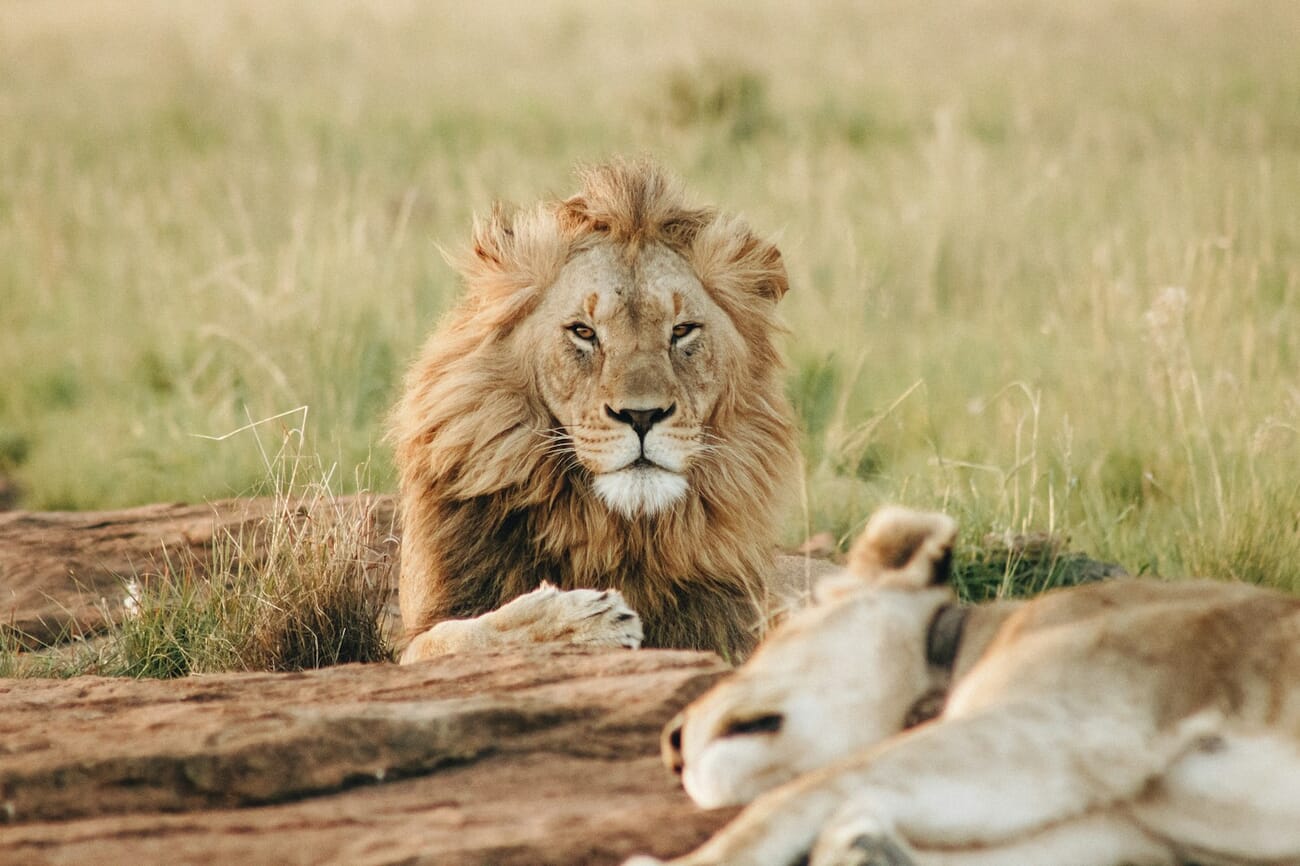
Even wildlife photography benefits from eye-level framing — a 300mm from ground-height crouch gives the animal its own perspective
Even wildlife photography benefits from eye-level framing — a 300mm from ground-height crouch gives the animal its own perspective. Shot on Canon EOS 600D at f/7.1, 1/400, ISO 1600, 300mm. Photo by Wade Lambert via Unsplash · curated on SampleShots.
Candid street photography is the natural home of eye-level: the frame shows the world as any passerby would see it
Candid street photography is the natural home of eye-level: the frame shows the world as any passerby would see it. Shot on Canon EOS 6D at f/2, 1/60, ISO 100, 30mm. Photo by Charles DeLoye via Unsplash · curated on SampleShots.

High Angle: Looking Down Without Flattening

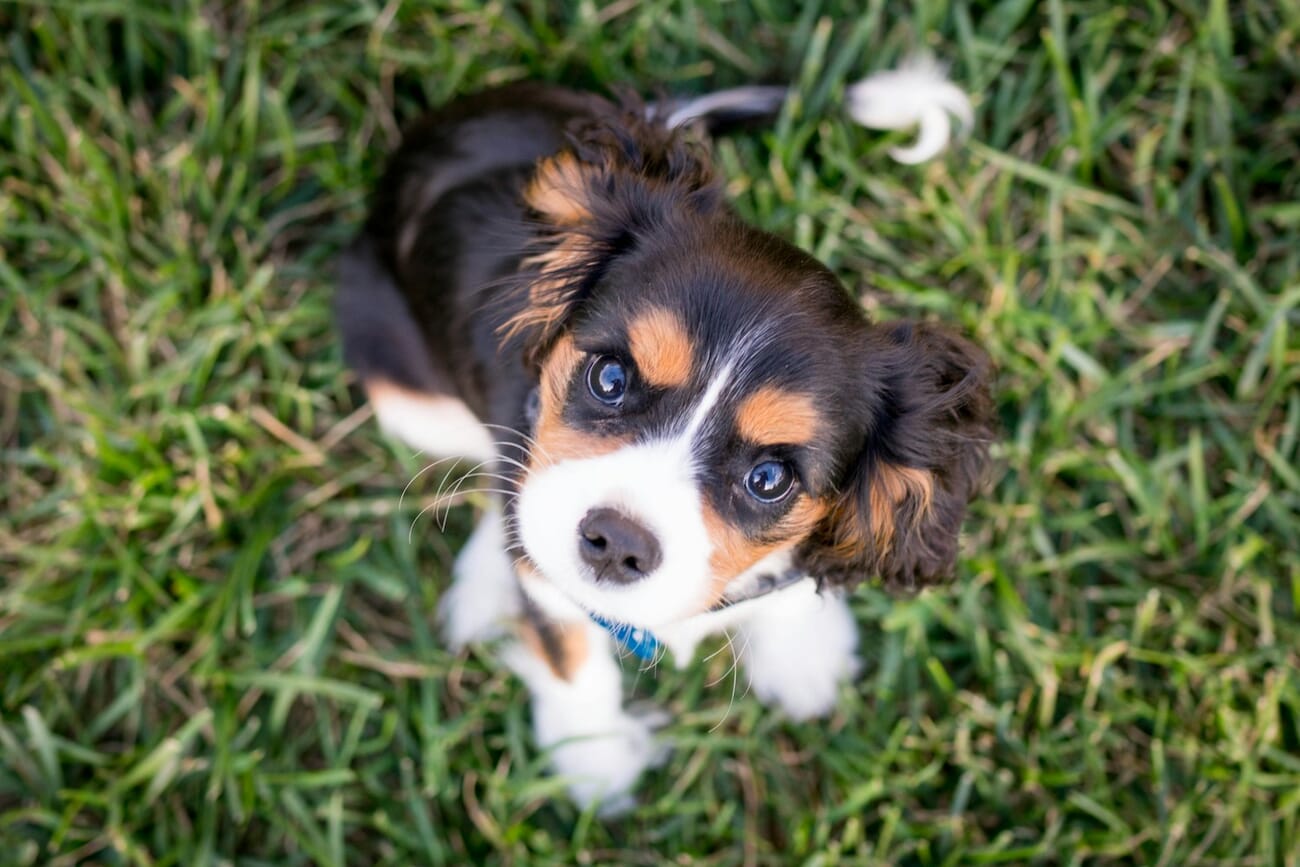
A high angle positions the camera above the subject while keeping some horizontal component to the framing — not fully overhead, but tilted down. It flatters faces (the classic “selfie angle”), tidies up messy scenes, and de-emphasises the environment in favour of the subject.

A mild high angle looks down on the subject without dramatising — flatters faces, de-emphasises the surroundings, and is the default for flattering headshots
A mild high angle looks down on the subject without dramatising — flatters faces, de-emphasises the surroundings, and is the default for flattering headshots. Shot on Sony Alpha 7S II at f/1.8, 1/100, ISO 2500, 55mm. Photo by Greyson Joralemon via Unsplash · curated on SampleShots.
High-angle close-ups on small objects let the photographer fill the frame without distortion from steep angles
High-angle close-ups on small objects let the photographer fill the frame without distortion from steep angles. Shot on Nikon D700 at f/1.4, 1/100, ISO 500, 50mm. Photo by Katherine Hanlon via Unsplash · curated on SampleShots.
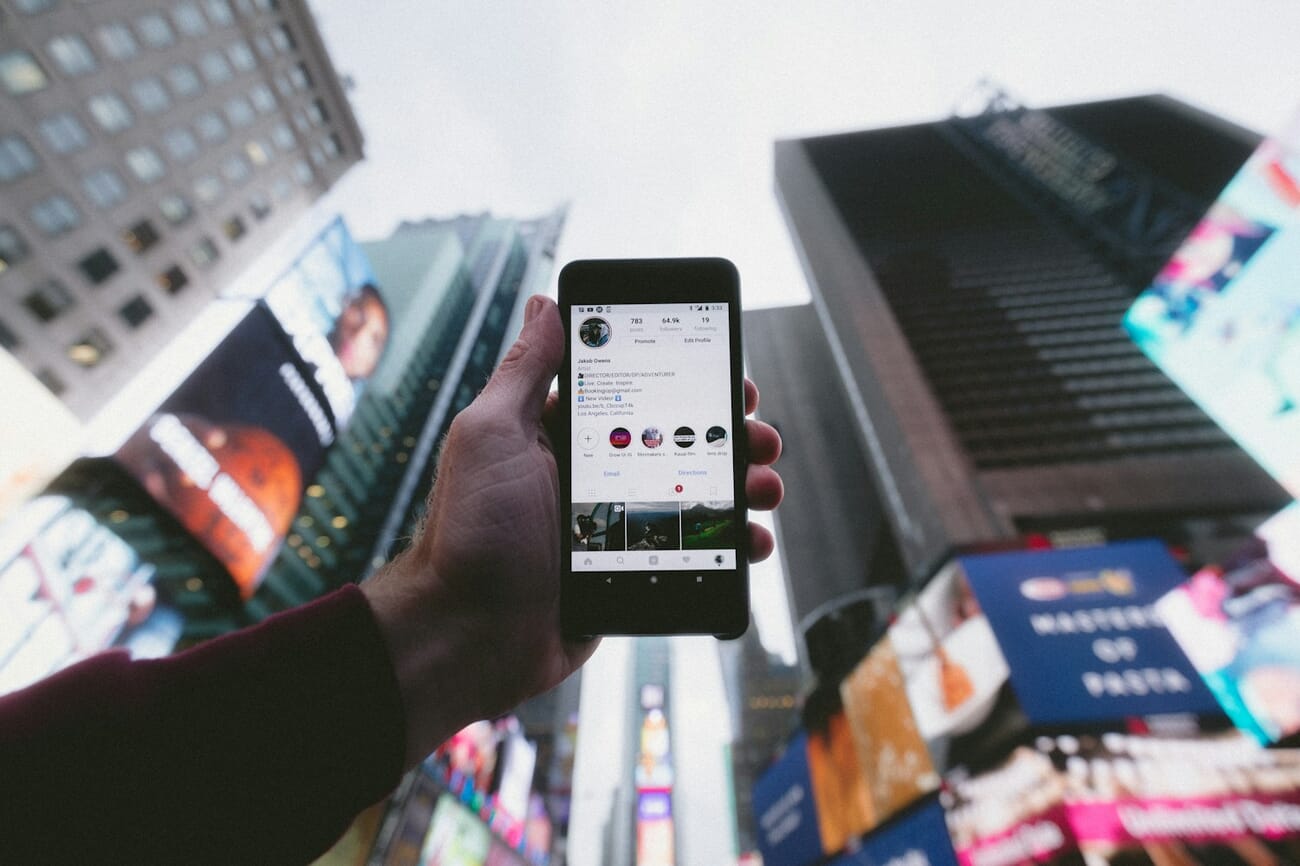
High-angle environmental shots are great for showing the subject inside a defined space, like an overhead café or workbench
High-angle environmental shots are great for showing the subject inside a defined space, like an overhead café or workbench. Shot on Canon EOS 1D X Mark II at f/4, 1/320, ISO 640, 16mm. Photo by Jakob Owens via Unsplash · curated on SampleShots.
Any high angle can become a flat-lay if the camera tilts fully perpendicular — this sits between that and eye-level
Any high angle can become a flat-lay if the camera tilts fully perpendicular — this sits between that and eye-level. Shot on Nikon D750 at f/5.6, 1/30, ISO 100, 62mm. Photo by Joanna Kosinska via Unsplash · curated on SampleShots.
A moderate high angle on a landscape dramatises foreground texture while keeping the horizon readable
A moderate high angle on a landscape dramatises foreground texture while keeping the horizon readable. Shot on Canon EOS 750D at f/3.5, 1/800, ISO 100, 18mm. Photo by Doug Zuba via Unsplash · curated on SampleShots.

Bird’s-Eye: Straight Down, Pattern and Abstraction

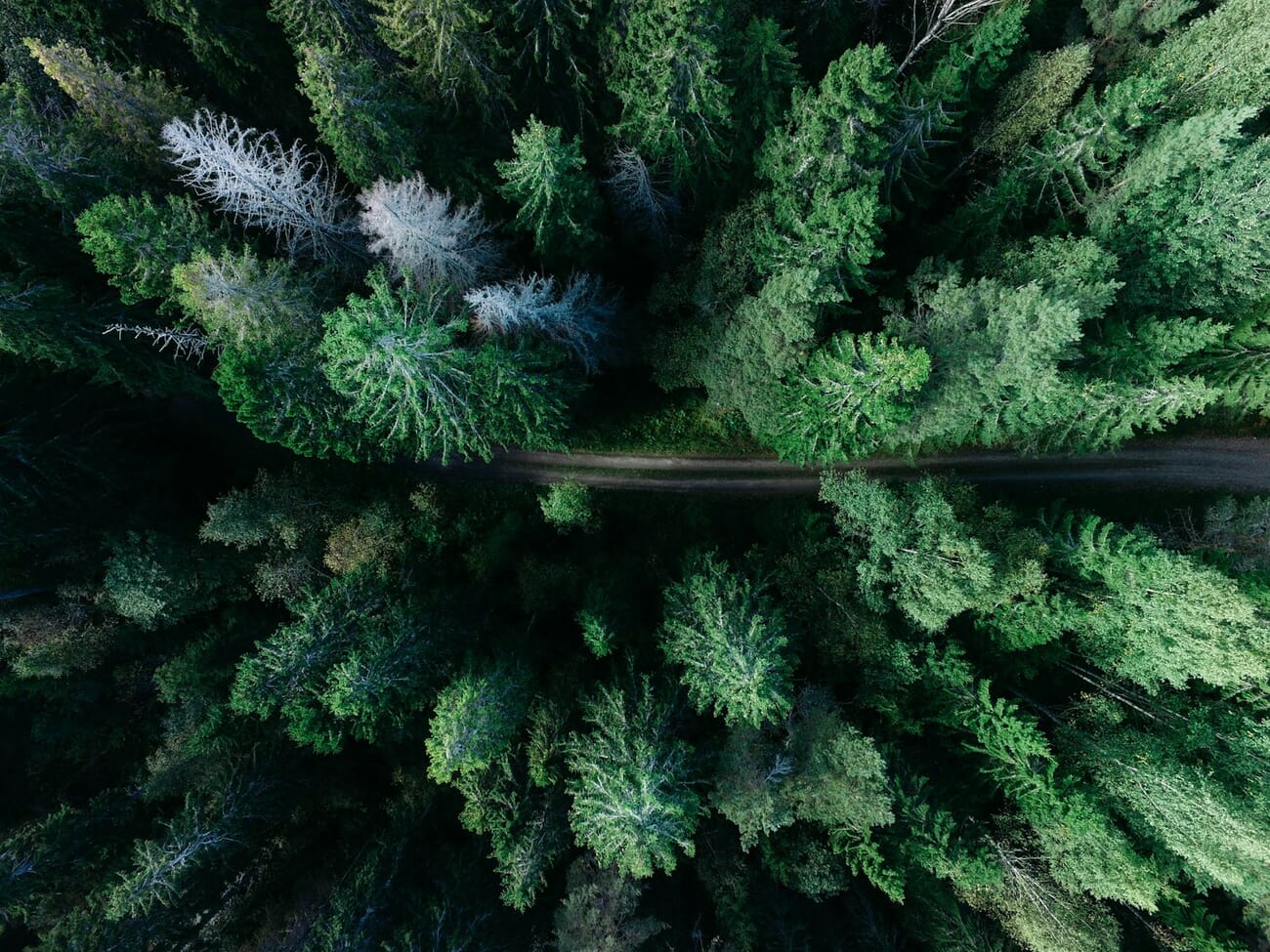
Bird’s-eye framing looks straight down at the subject. It removes depth almost entirely, collapsing the scene into pattern. The best bird’s-eye shots work because the subject itself has compelling two-dimensional structure — a tablescape, a field, a city block.
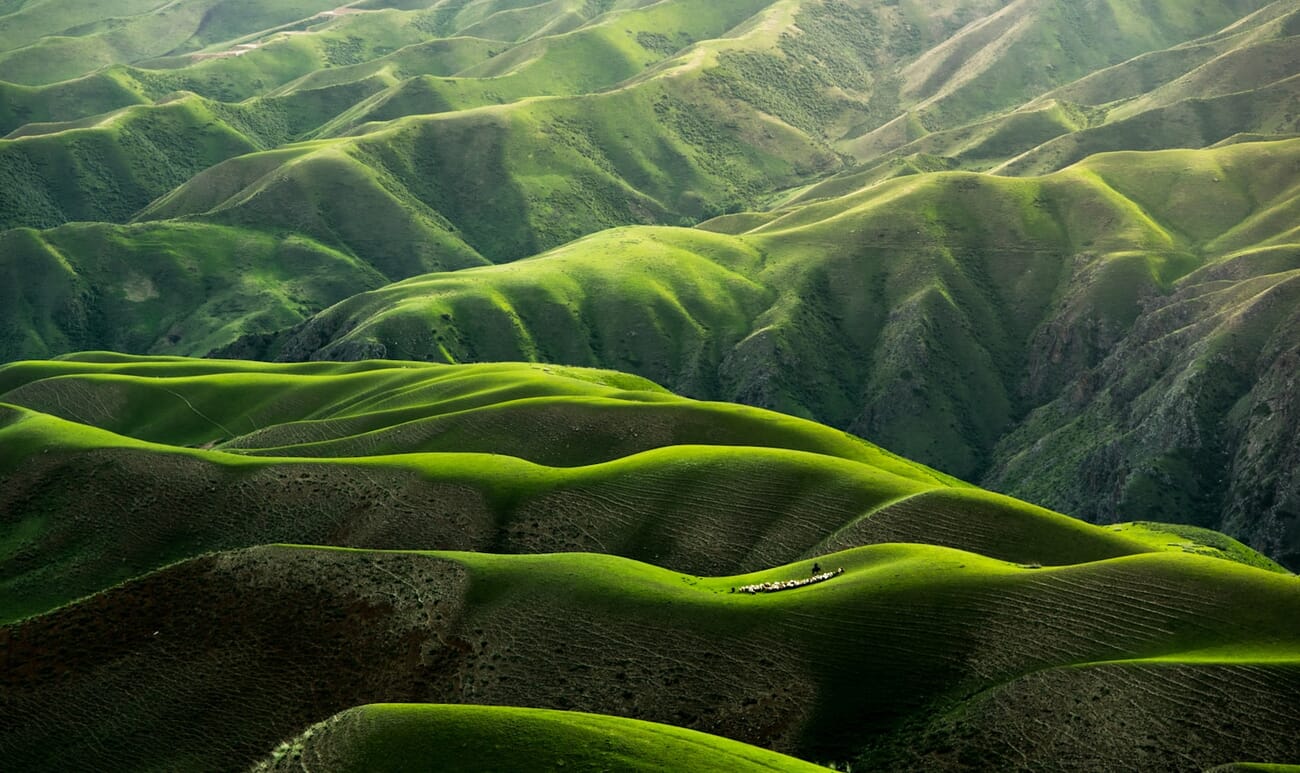
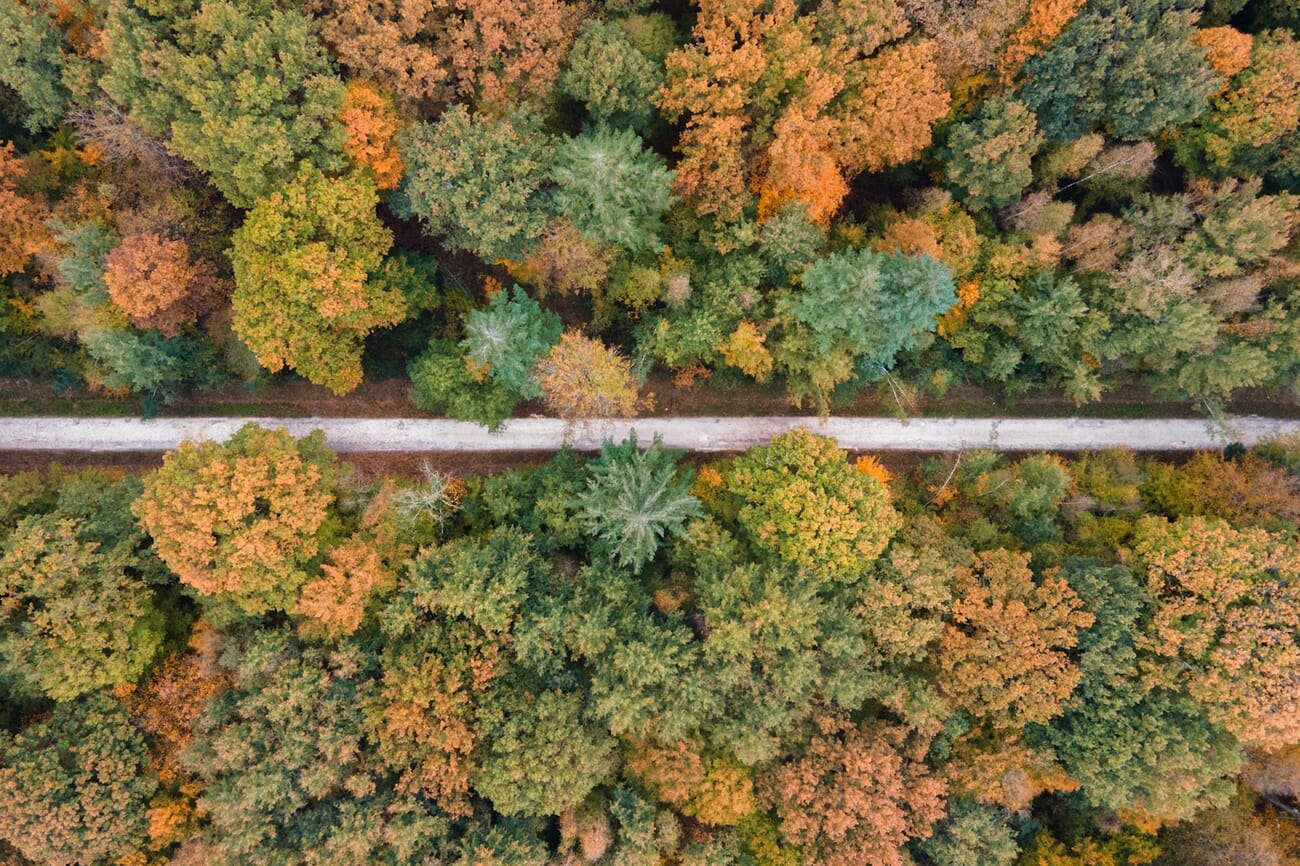
True bird's-eye framing looks straight down
True bird’s-eye framing looks straight down. On a natural landscape, it flattens the scene into map-like abstraction. Shot on Nikon D750 at f/5, 1/800, ISO 250, 82mm. Photo by Qingbao Meng via Unsplash · curated on SampleShots.
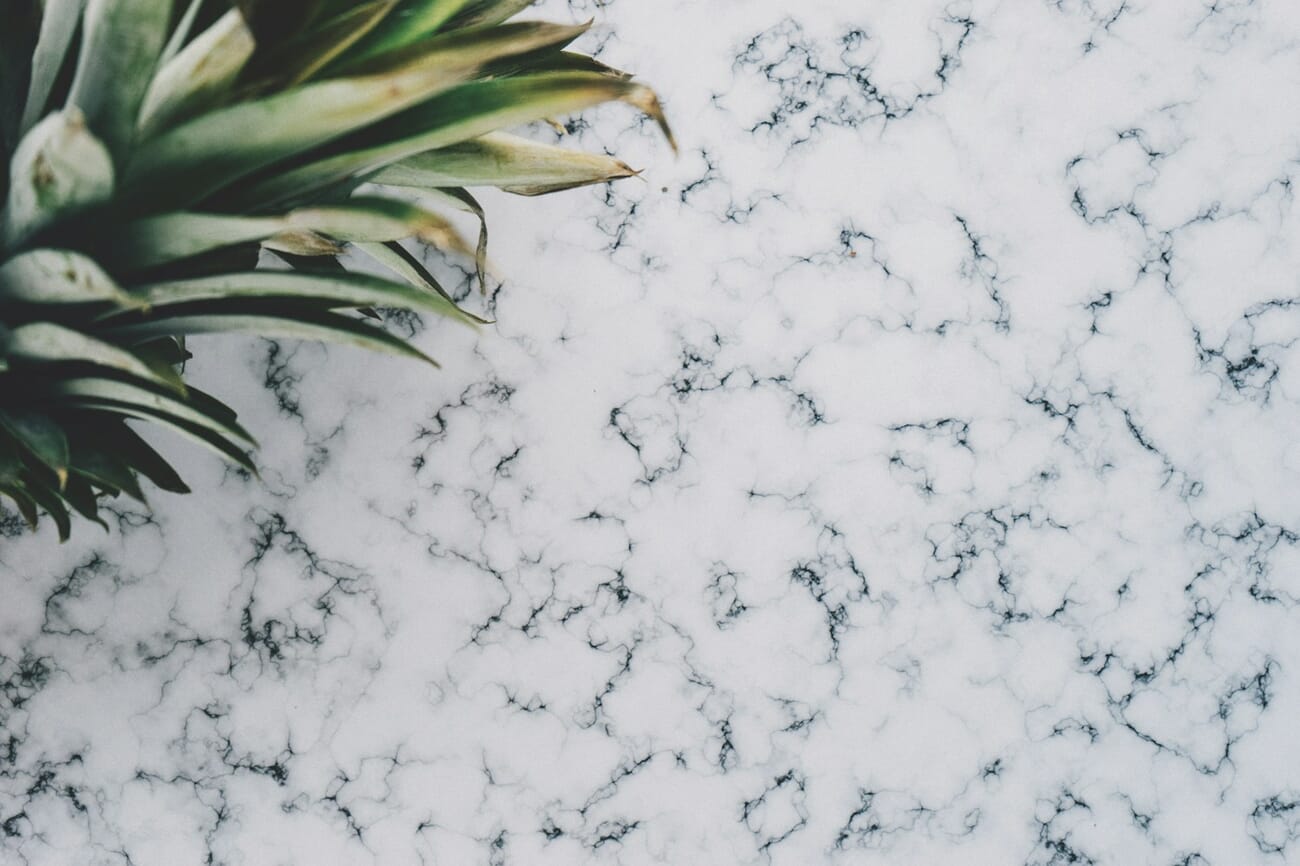
Flat-lay product and food photography is the most accessible bird's-eye practice — a sturdy tripod arm plus a top-mounted camera is all it takes
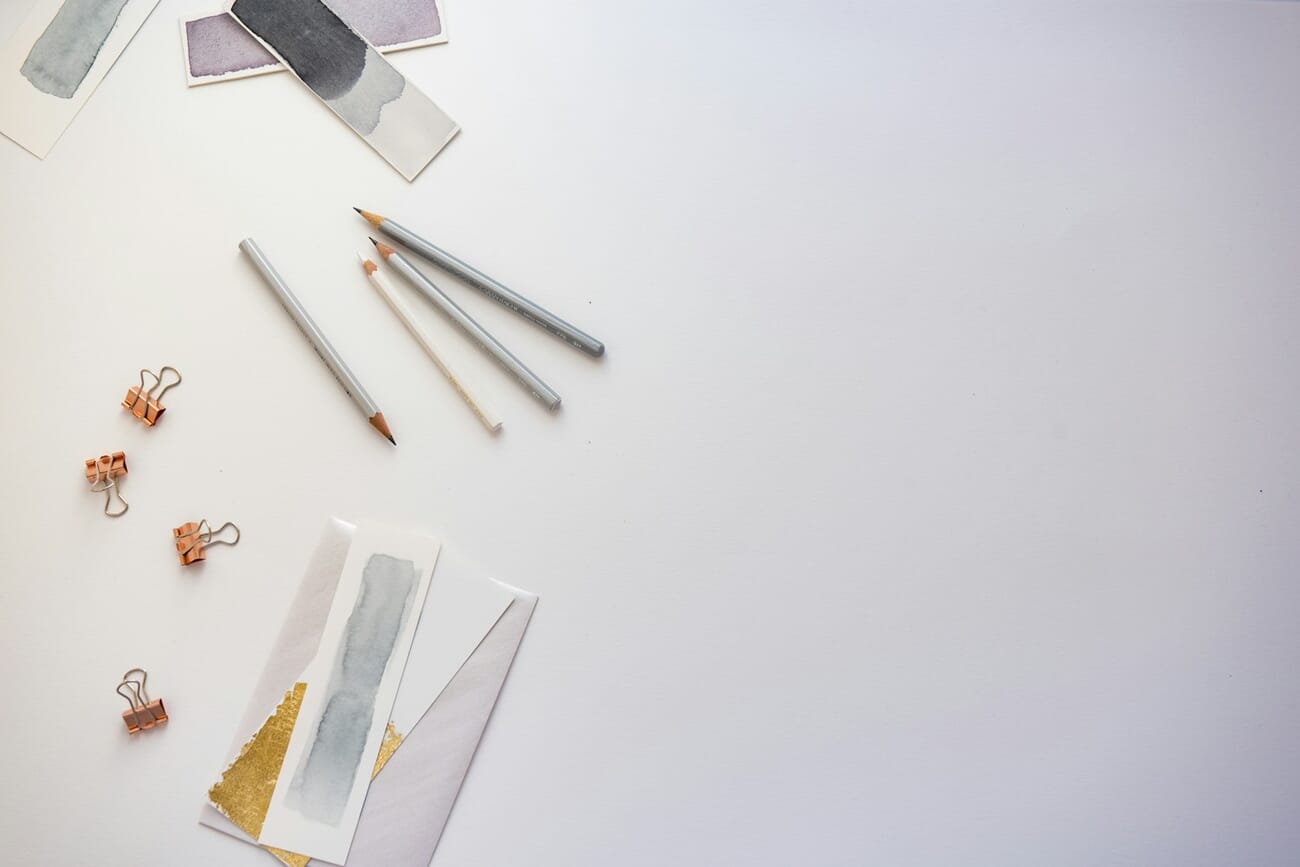
Flat-lay product and food photography is the most accessible bird’s-eye practice — a sturdy tripod arm plus a top-mounted camera is all it takes. Shot on Sony Alpha 7 II at f/5.6, 1/100, ISO 500, 70mm. Photo by Pineapple Supply Co. via Unsplash · curated on SampleShots.
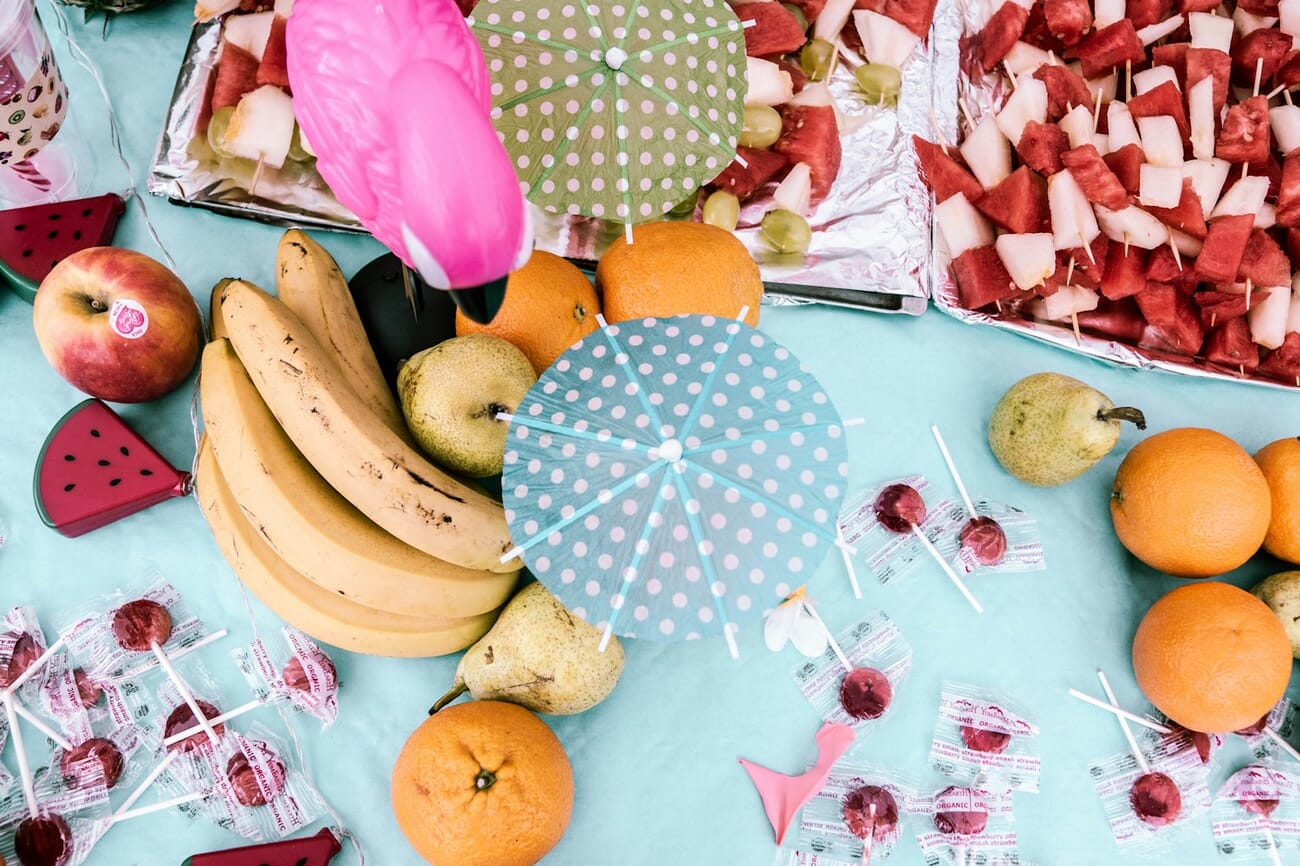
Outdoor flat-lays work brilliantly for picnics, tablescapes, and travel kits — natural light does the heavy lifting
Outdoor flat-lays work brilliantly for picnics, tablescapes, and travel kits — natural light does the heavy lifting. Shot on Sony Alpha 77 II at f/4, 1/160, ISO 200, 18mm. Photo by kevin Baquerizo via Unsplash · curated on SampleShots.
Bird's-eye works for workspace storytelling too: a top-down desk shot tells the viewer exactly what someone does for a living
Bird’s-eye works for workspace storytelling too: a top-down desk shot tells the viewer exactly what someone does for a living. Shot on Canon EOS 5D Mark III at f/3.5, 1/320, ISO 100, 35mm. Photo by Corinne Kutz via Unsplash · curated on SampleShots.
Minimalist coffee-shop flat-lays built a whole Instagram aesthetic on a single vantage choice
Minimalist coffee-shop flat-lays built a whole Instagram aesthetic on a single vantage choice. Shot on Canon EOS 1200D at f/2.8, 1/400, ISO 200, 50mm. Photo by Jeremy Thomas via Unsplash · curated on SampleShots.

Drone Vantage Points in 2026

Drones turned bird’s-eye photography from a specialty (helicopter hire, scaffolding, stepladders) into an accessible tool any photographer can learn in an afternoon. In 2026, the current-generation consumer drones all produce genuinely publishable images: the DJI Mavic 3 and Air 3S lead for hybrid creators, the Mavic 2 Pro remains excellent if used, and the compact Mini 4 Pro is the answer for photographers flying sub-250g in places with strict weight regulations. Practical tips: fly 15 to 30 metres above the subject for the most interesting framing, shoot RAW, and favour golden hour for the shadows.
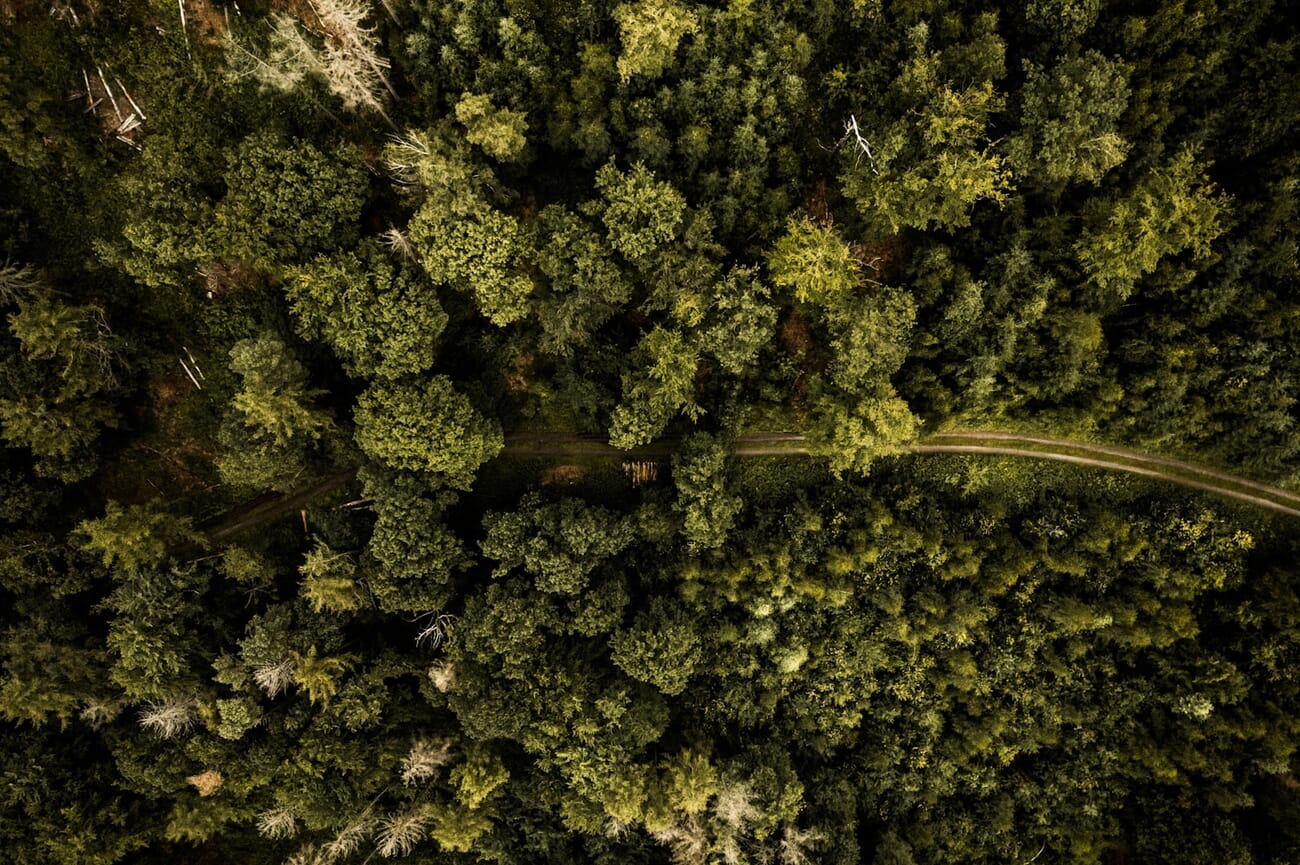
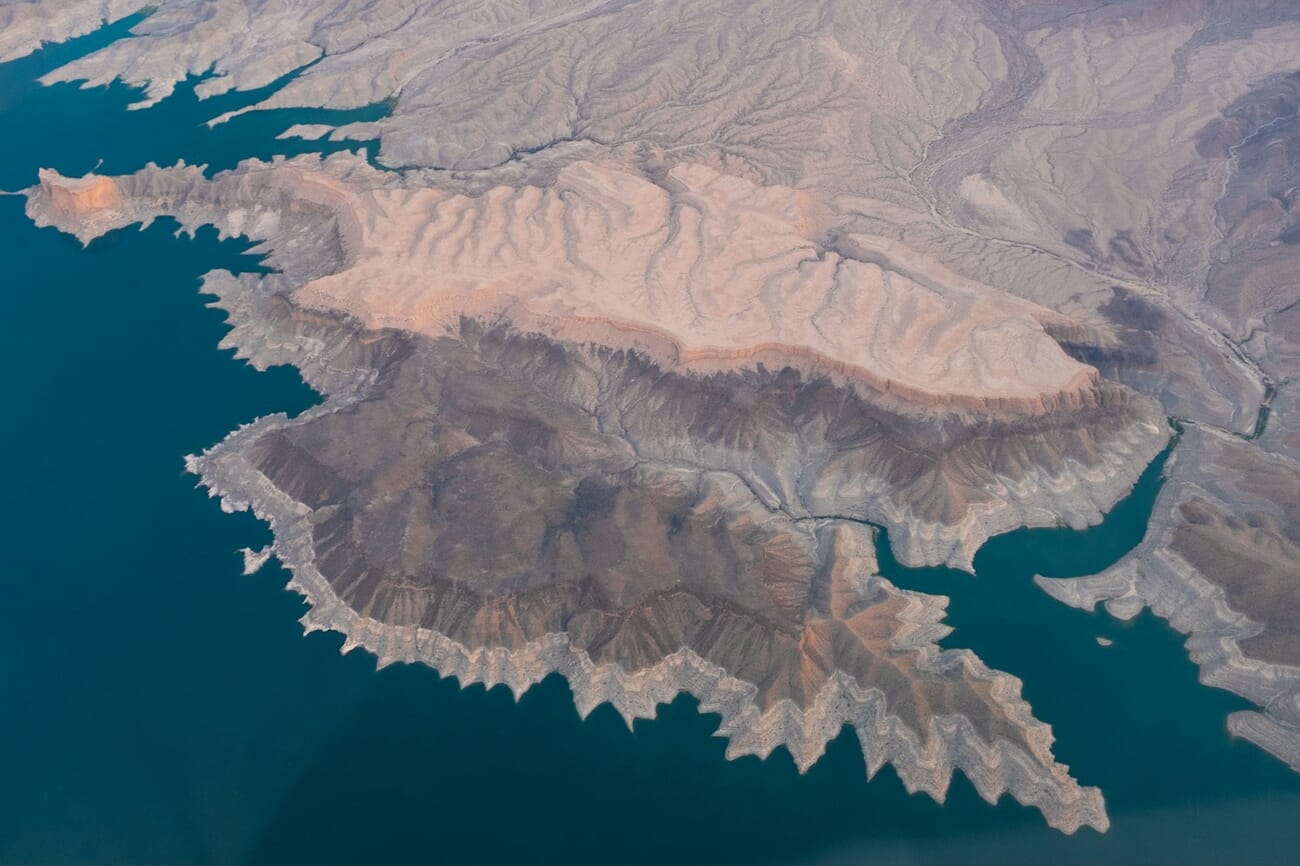
Drones unlocked bird's-eye framing for every photographer
Drones unlocked bird’s-eye framing for every photographer. The DJI Mavic 2 Pro’s 1-inch sensor delivers genuine editorial-grade aerials. Shot on DJI Mavic 2 Pro at f/3.5, 1/60, ISO 1600, 10.3mm. Photo by Chris Kursikowski via Unsplash · curated on SampleShots.
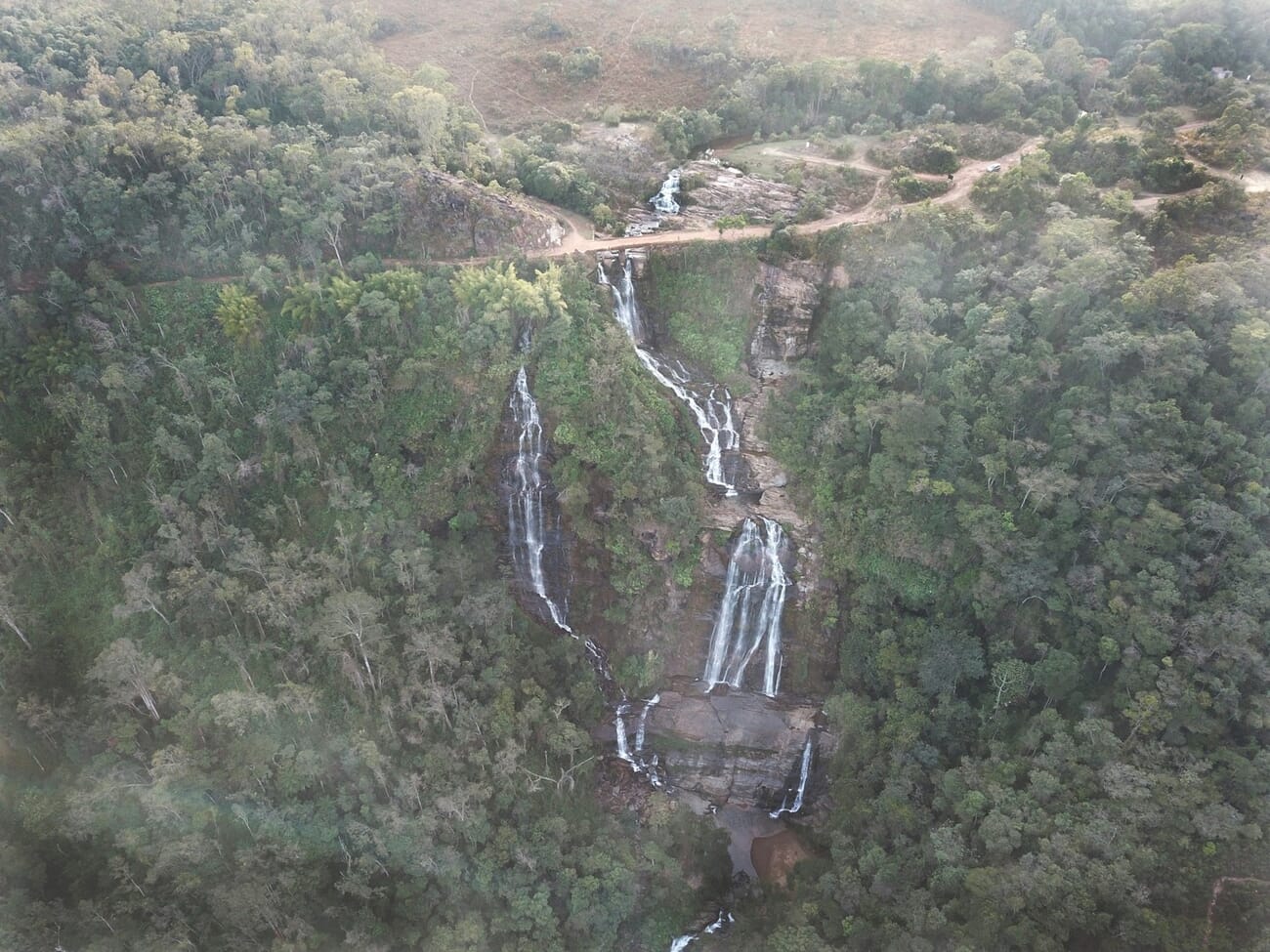
A lower flight altitude on a drone (15 to 30 metres) gives the most visually interesting results — high enough to abstract, low enough to keep relatable scale
A lower flight altitude on a drone (15 to 30 metres) gives the most visually interesting results — high enough to abstract, low enough to keep relatable scale. Shot on DJI Mavic 2 Pro at f/5.6, 1/60, ISO 1000, 23mm. Photo by Chris Lawton via Unsplash · curated on SampleShots.
Even the compact Mavic Pro series can frame foliage and water into painterly compositions when flown over the right terrain
Even the compact Mavic Pro series can frame foliage and water into painterly compositions when flown over the right terrain. Shot on DJI Mavic Pro at f/2.2, 1/100, ISO 158, 4.7mm. Photo by Luiz Felipe S. C. via Unsplash · curated on SampleShots.
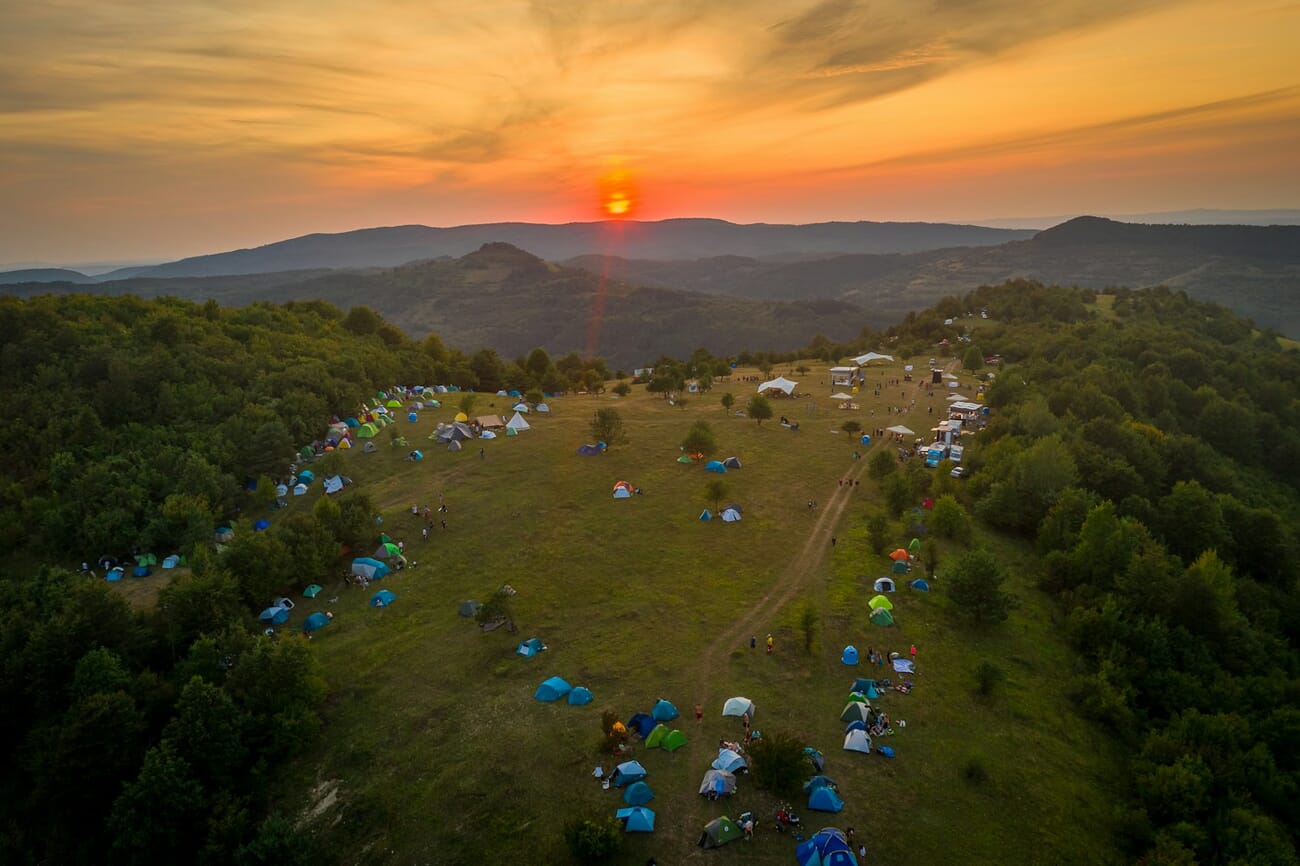
A drone at golden hour is the single biggest unlock for dramatic landscape photography — the angled sun creates shadows the ground view cannot
A drone at golden hour is the single biggest unlock for dramatic landscape photography — the angled sun creates shadows the ground view cannot. Shot on DJI Mavic 2 Pro at f/4, 1/320, ISO 100, 10.3mm. Photo by Lucian via Unsplash · curated on SampleShots.
Modern drones like the Air 2S shoot 20MP RAW with a 1-inch sensor — plenty of data for serious editorial use
Modern drones like the Air 2S shoot 20MP RAW with a 1-inch sensor — plenty of data for serious editorial use. Shot on DJI Air 2S at f/2.8, 1/15, ISO 260, 4.5mm. Photo by Cédric VT via Unsplash · curated on SampleShots.

Low Angle: Making Subjects Monumental

A low angle puts the camera below the subject and tilts upward. The effect is dramatic — subjects gain height, architecture becomes imposing, and vanishing lines reach toward the sky. Low angle is the default for hero shots of buildings, cars, and anything meant to feel larger than life.
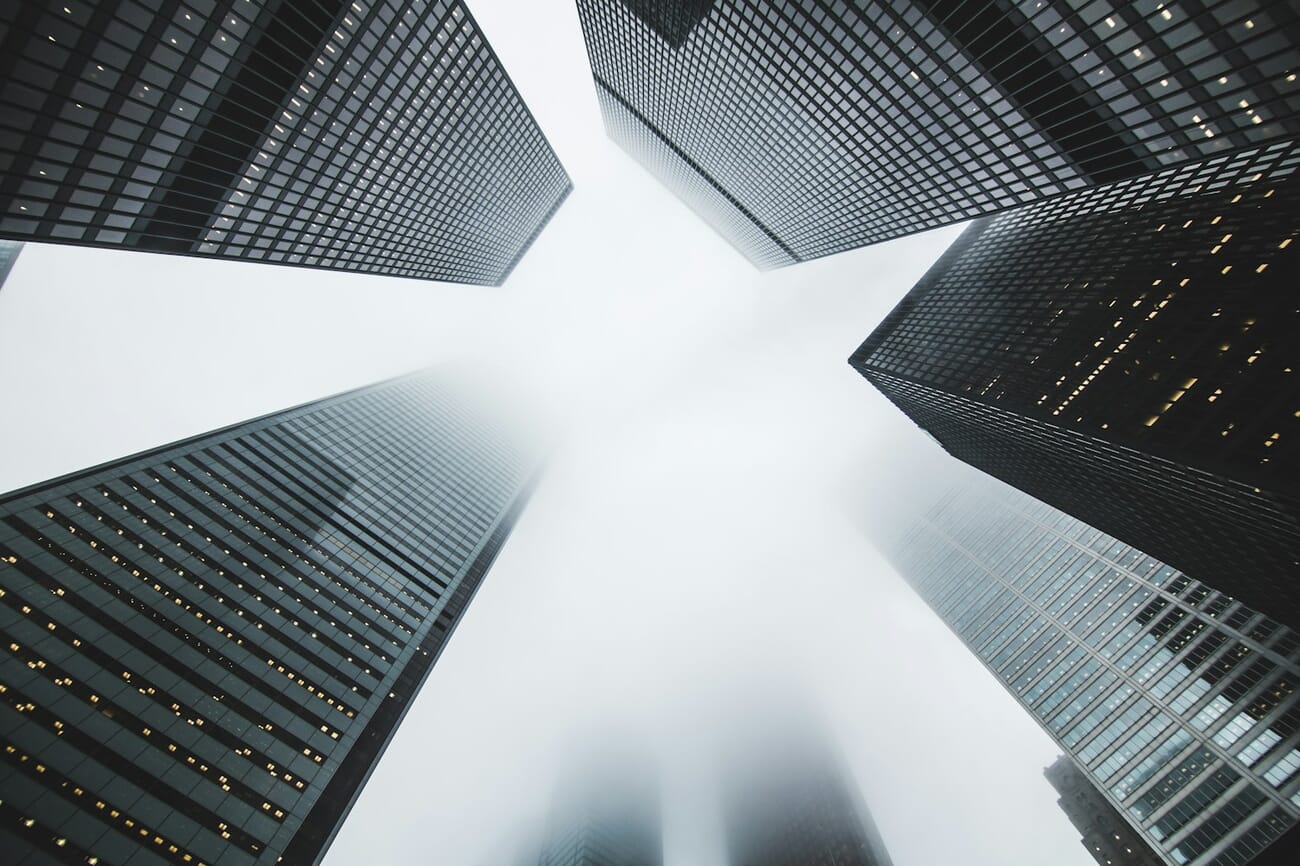
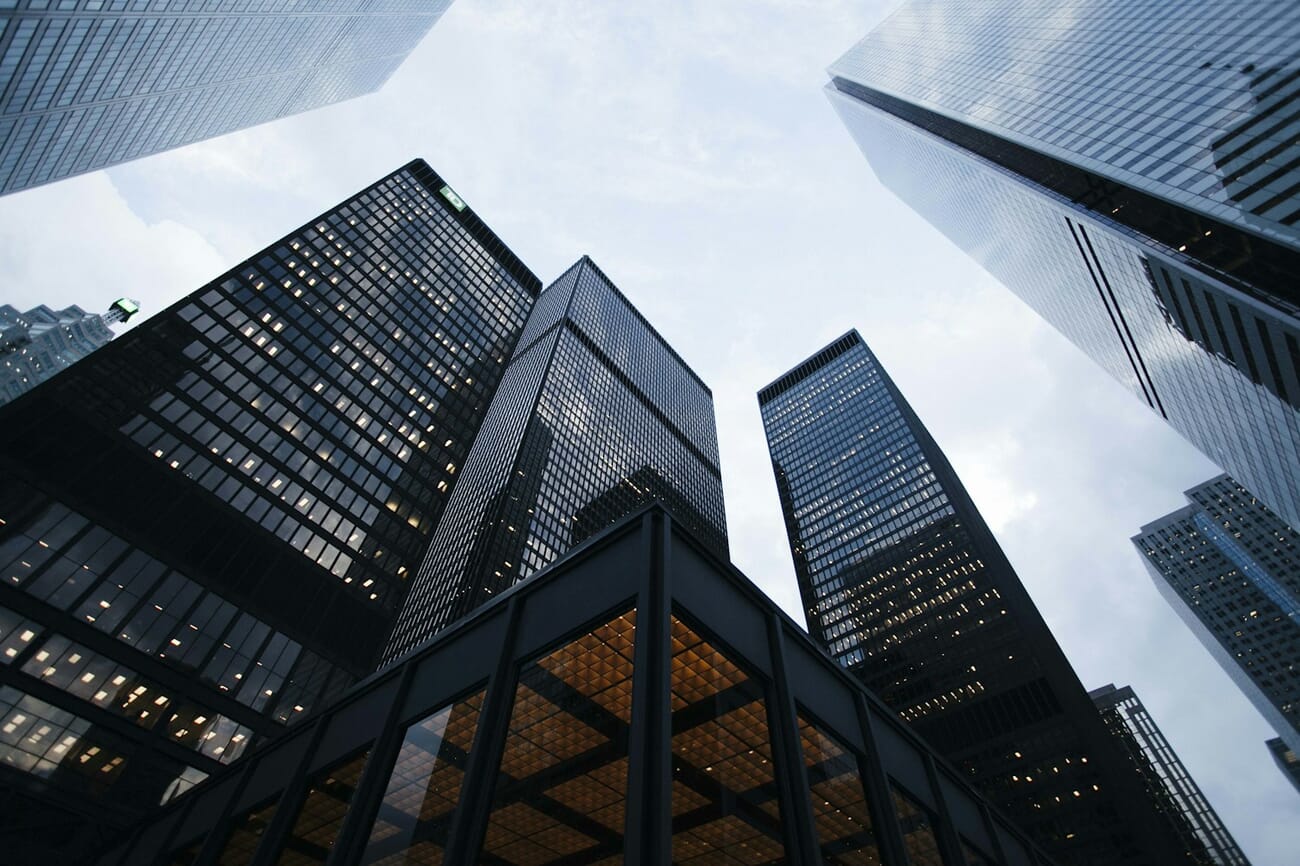
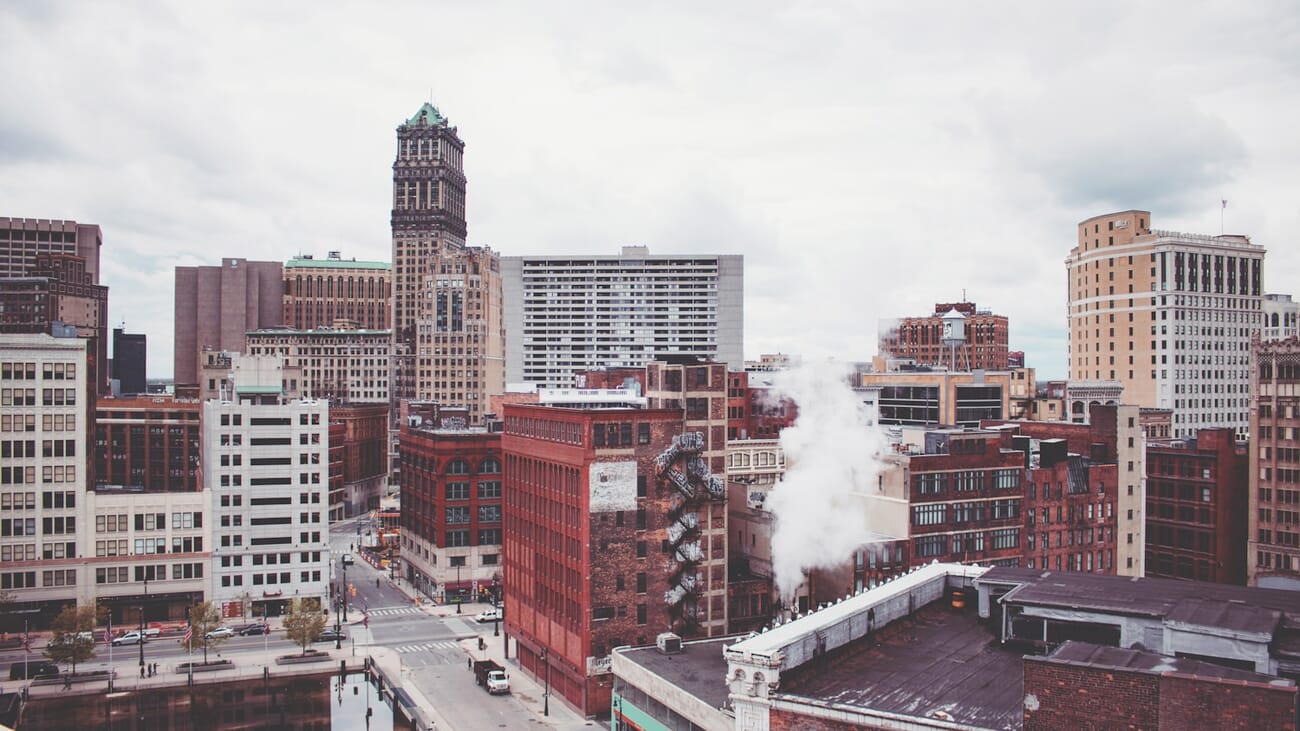
A low angle with an ultra-wide lens on urban subjects turns ordinary buildings into towering geometric studies
A low angle with an ultra-wide lens on urban subjects turns ordinary buildings into towering geometric studies. Shot on Canon EOS 5D Mark III at f/6.3, 1/100, ISO 160, 16mm. Photo by Matthew Henry via Unsplash · curated on SampleShots.
Low-angle architecture works best directly under the structure — the vanishing point pulls the eye straight up the walls
Low-angle architecture works best directly under the structure — the vanishing point pulls the eye straight up the walls. Shot on Canon EOS 5D Mark II at f/4, 1/125, ISO 400, 17mm. Photo by Sean Pollock via Unsplash · curated on SampleShots.
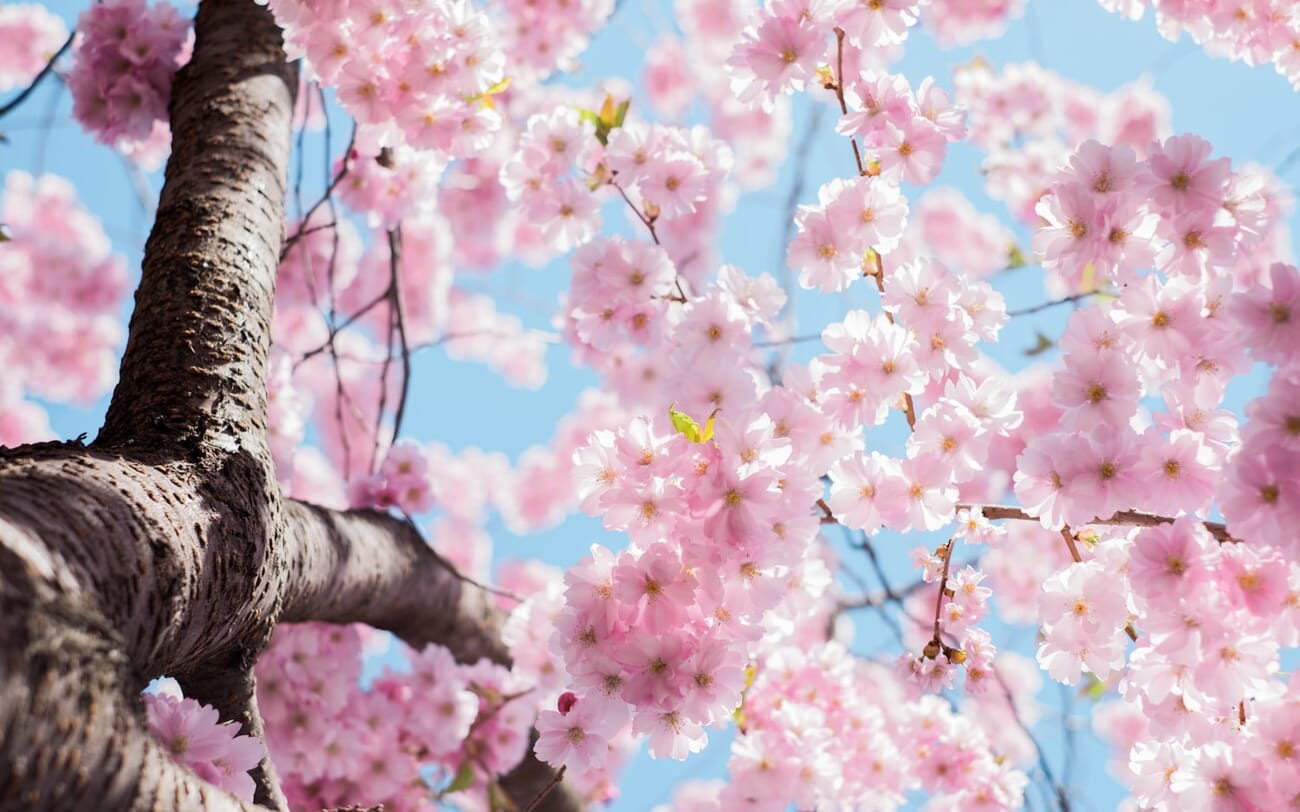
A low-angle close-up on cherry blossoms frames the tree against a clean sky and gives the scene a lift that a standing shot would never achieve
A low-angle close-up on cherry blossoms frames the tree against a clean sky and gives the scene a lift that a standing shot would never achieve. Shot on Fujifilm X-T10 at f/2.8, 1/2000, ISO 200, 35mm. Photo by Arno Smit via Unsplash · curated on SampleShots.
A forest path shot from a crouched low angle exaggerates the path's pull into the frame
A forest path shot from a crouched low angle exaggerates the path’s pull into the frame. Shot on DJI Phantom 3 Pro at f/2.8, 1/100, ISO 103, 3.6mm. Photo by Geranimo via Unsplash · curated on SampleShots.
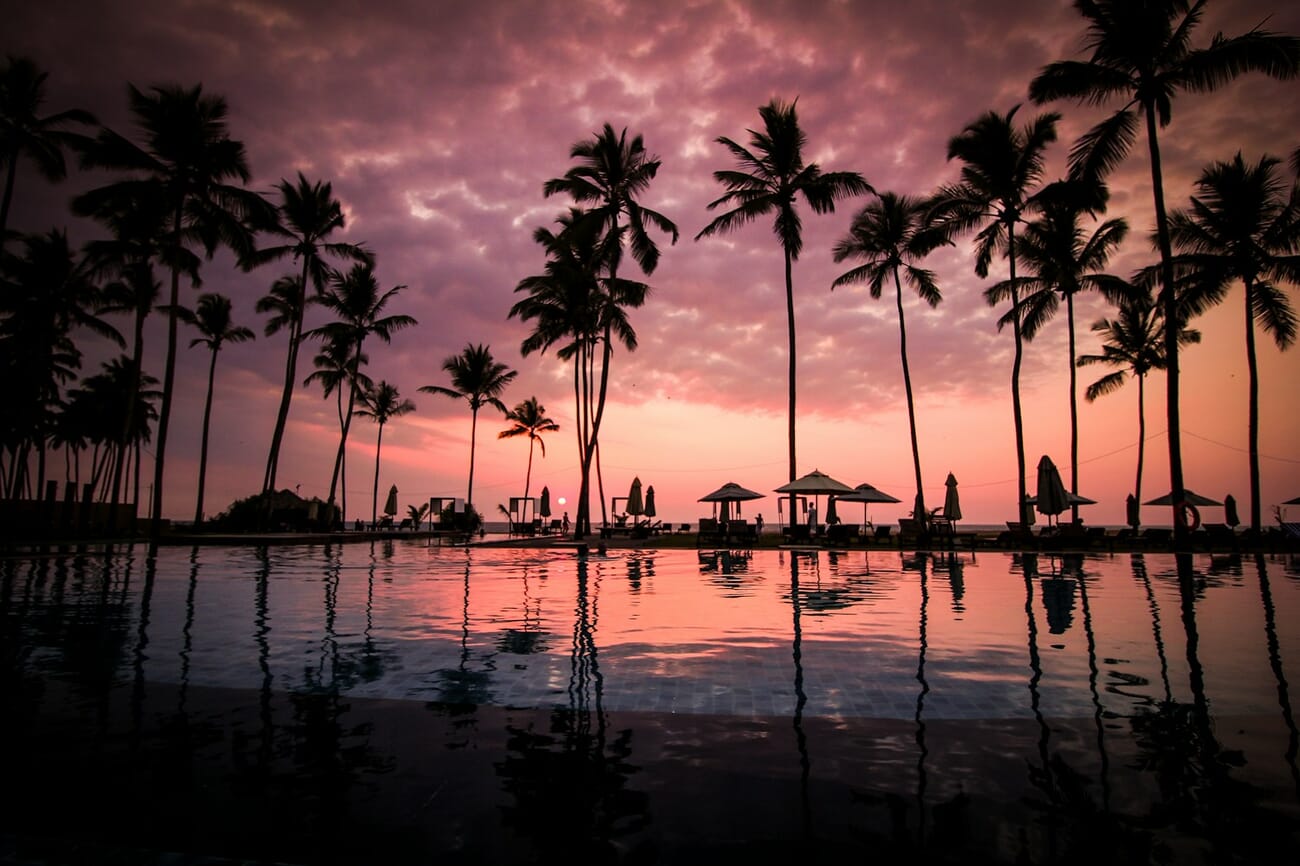
Poolside low-angle framing uses the water's edge as a leading line and the palms as framing elements overhead
Poolside low-angle framing uses the water’s edge as a leading line and the palms as framing elements overhead. Shot on Canon EOS 60D at f/5, 1/250, ISO 200, 12mm. Photo by Recal Media via Unsplash · curated on SampleShots.

Worm’s-Eye: The Extreme Low Vantage

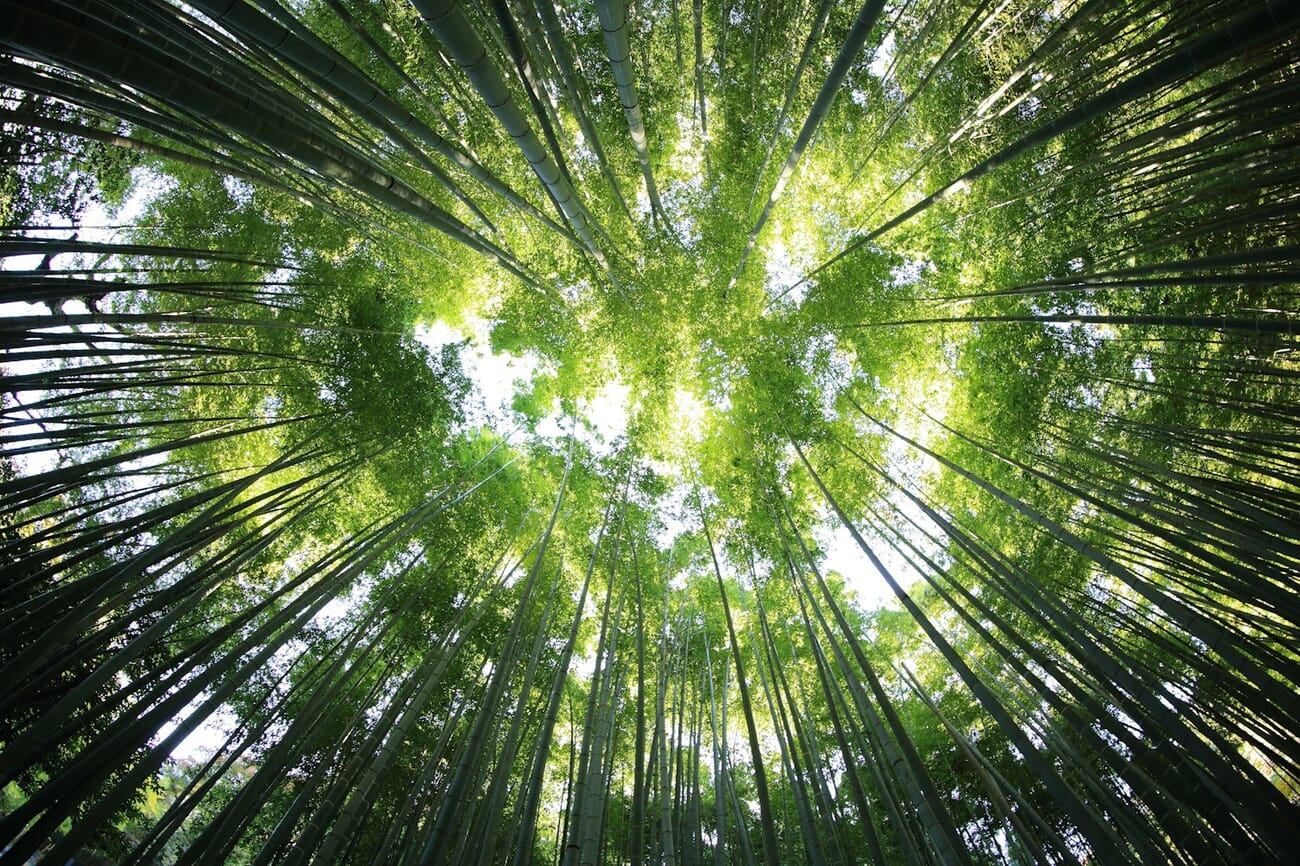
Worm’s-eye framing sits the camera at ground level, lens pointing directly up. It is the most extreme vantage, rarely useful on its own but striking when the scene has strong verticals — trees, columns, buildings — that pull the frame upward. Use wide-angle glass and accept that everything will look distorted.

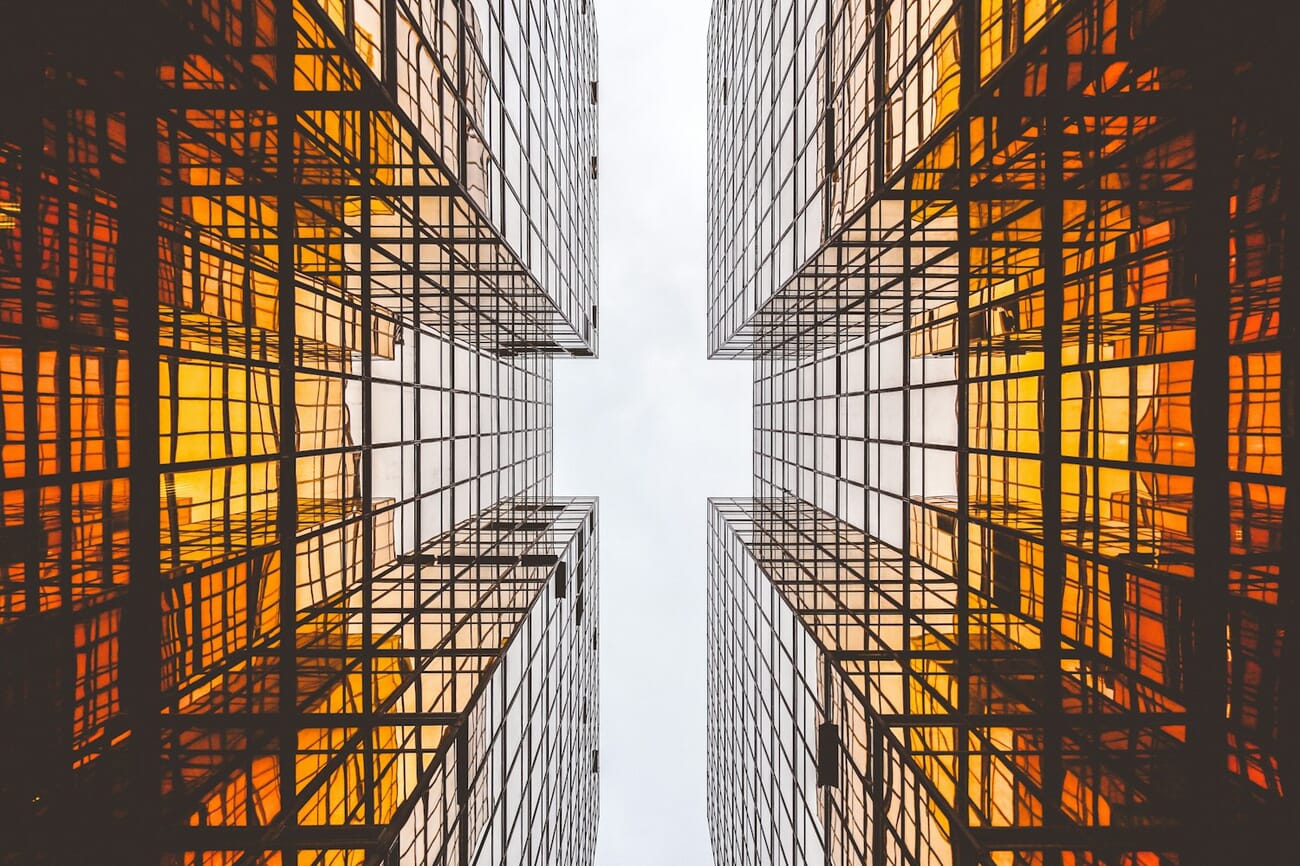
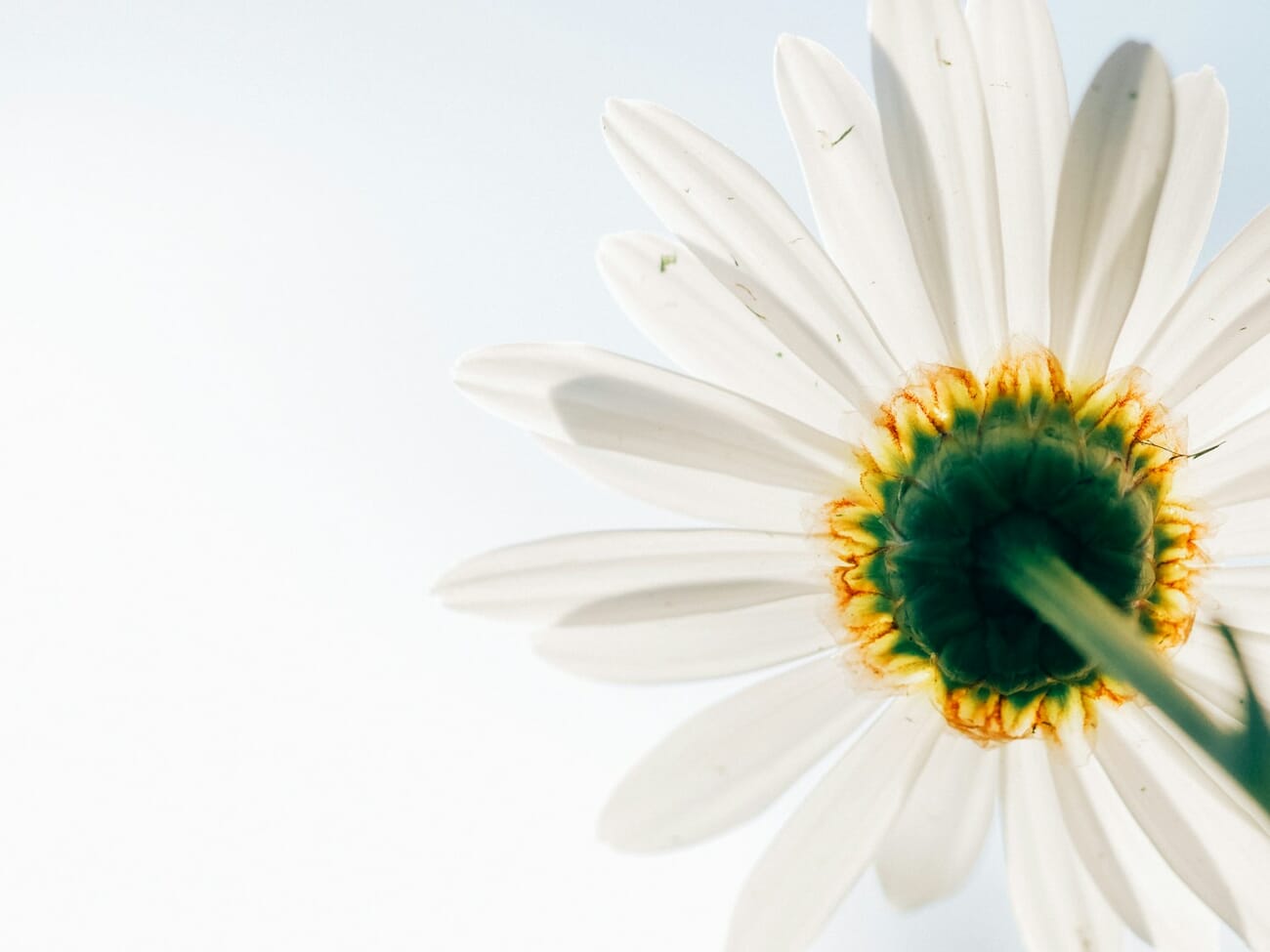
A true worm's-eye view sits the camera on the ground, lens pointing straight up — extreme, rarely-used, and instantly recognisable
A true worm’s-eye view sits the camera on the ground, lens pointing straight up — extreme, rarely-used, and instantly recognisable. Shot on Sony Alpha 7S at f/4, 1/60, ISO 1600, 16mm. Photo by Joshua Sortino via Unsplash · curated on SampleShots.
Worm's-eye works best with strong verticals: buildings, trees, poles
Worm’s-eye works best with strong verticals: buildings, trees, poles. Without something reaching toward the sky, the shot has nowhere to go. Shot on Canon EOS 5D Mark III at f/4, 1/250, ISO 500, 24mm. Photo by Alex wong via Unsplash · curated on SampleShots.
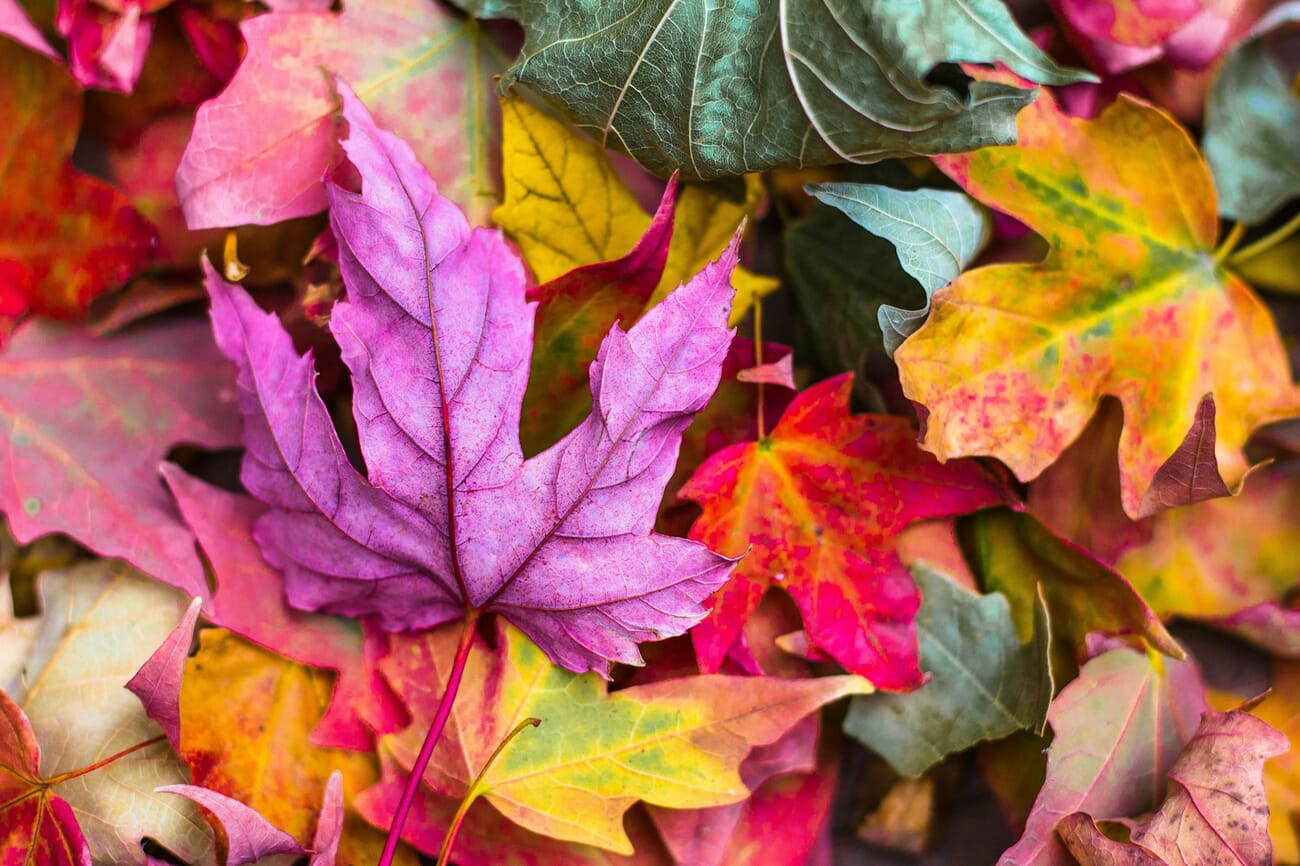
Autumn canopies shot from the forest floor turn leaves into a painterly fill of warm colour
Autumn canopies shot from the forest floor turn leaves into a painterly fill of warm colour. Shot on Panasonic Lumix GX7 at f/2.8, 1/8000, ISO 800, 60mm. Photo by Aaron Burden via Unsplash · curated on SampleShots.
On snowy mountain trails, a worm's-eye from the path gives the viewer a sense of scale no normal shot can match
On snowy mountain trails, a worm’s-eye from the path gives the viewer a sense of scale no normal shot can match. Shot on Canon EOS 5D Mark III at f/4, 1/30, ISO 250, 15mm. Photo by kazuend via Unsplash · curated on SampleShots.
Luca Bravo's Dolomites series uses worm's-eye framing to make the peaks feel monumental — a trick that wide-angle plus ground level makes almost automatic
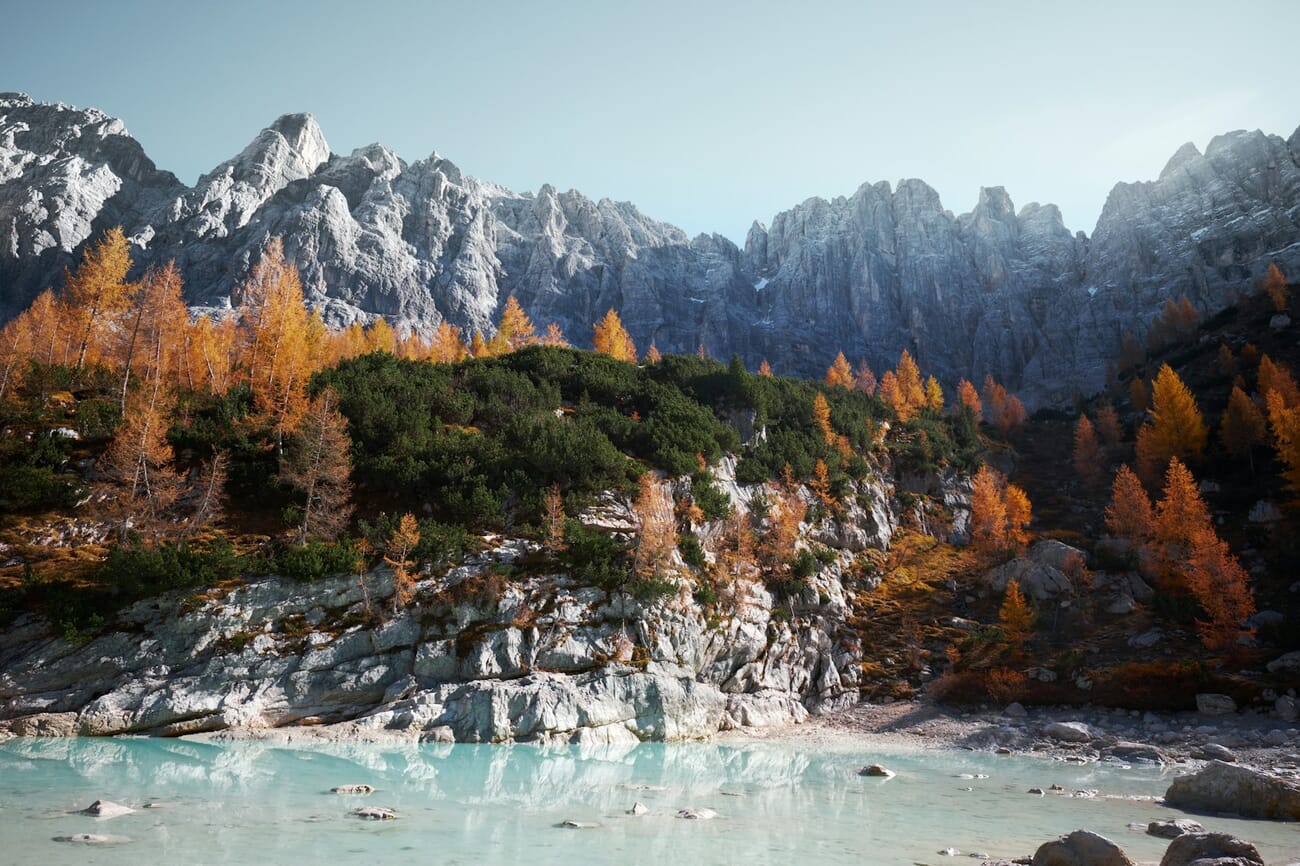
Luca Bravo’s Dolomites series uses worm’s-eye framing to make the peaks feel monumental — a trick that wide-angle plus ground level makes almost automatic. Shot on Fujifilm X-T20 at f/9, 1/280, ISO 200, 14mm. Photo by Luca Bravo via Unsplash · curated on SampleShots.

Vantage Point in Photography: Final Words

Vantage point is the composition decision most photographers never consciously make — which is exactly why making it consciously works so well. On any given shoot, the first question worth asking is not “what lens?” or “what aperture?” but “where is the camera?”

The five canonical vantages — eye-level, high, bird’s-eye, low, worm’s-eye — cover almost every situation. Drones have made the bird’s-eye view accessible for the first time. Getting low — or getting on the ground — requires nothing but willingness. The cost of any vantage experiment is a squat, a climb, or a lens cap.

Vantage Point FAQ

What is a vantage point in photography?

A vantage point is the camera’s position and angle relative to the subject. The five core vantage points are eye-level, high angle, bird’s-eye, low angle, and worm’s-eye. Each changes how the subject reads on the viewer’s eye.

What is a low vantage point?

A low vantage point means the camera is positioned below the subject and tilted upward. It is used to dramatise subjects, make them appear taller or more imposing, and emphasise vertical lines. Classic uses include architecture, trees, and portraits meant to feel heroic.

What is a bird’s-eye view in photography?

A bird’s-eye view looks straight down at the subject from directly overhead. It is the vantage behind flat-lay product photography, overhead food shots, and many aerial landscape images. Drones have made the true aerial bird’s-eye view accessible to photographers without helicopter budgets.

What drone is best for vantage-point photography?

For image quality at a reasonable price, the DJI Mavic 3 and Air 3S are the strongest picks in 2026 — both shoot 20MP RAW on a 1-inch sensor. The DJI Mini 4 Pro is the best option where sub-250-gram weight limits apply (many cities, many national parks). The older Mavic 2 Pro is still excellent used if budget is tight.

When should I shoot at eye level?

Eye-level works best for portraits, street photography, and documentary work — any scene where the goal is for the viewer to feel like they are standing next to the subject. It is the most neutral and relatable vantage, which is precisely why it is the right choice for work that emphasises connection over drama.

Written by

Andreas De Rosi

Andreas De Rosi is the founder and editor of PhotoWorkout.com and an active photographer with over 20 years of experience shooting digital and film. He currently uses the Fujifilm X-S20 and DJI Mini 3 drone for real-world photography projects and personally reviews gear recommendations published on PhotoWorkout.