

- Canon EOS R6 Mark III features a 32.5MP sensor — a 34% resolution boost over the 24.2MP Mark II.
- Internal 7K RAW video at 60p, 4K 120p slow motion, and Canon Log 2 with 15+ stops of dynamic range.
- 40fps burst shooting with electronic shutter and 20-frame pre-continuous shooting buffer.
- Improved Dual Pixel CMOS AF II with enhanced subject detection for people, animals, vehicles, and more.
- Body-only price: $2,799. Kit with RF 24-105mm F4-7.1: $3,149. Now shipping.
Canon has officially launched the EOS R6 Mark III, the third generation of its best-selling full-frame mirrorless all-rounder. Originally announced in November 2025, this camera represents the biggest generational leap in the R6 lineup to date — jumping from 24.2MP to 32.5MP, adding internal 7K RAW video, and borrowing heavily from Canon’s cinema camera technology.
The R6 Mark III slots neatly between the EOS R6 Mark II and the EOS R5 Mark II in Canon’s lineup, blending the best of both worlds for hybrid shooters who refuse to compromise on stills or video.
When you buy through links on our site, we may earn a commission at no cost to you. We evaluate products independently. Commissions do not affect our evaluations. As an Amazon Associate, we earn from qualifying purchases.
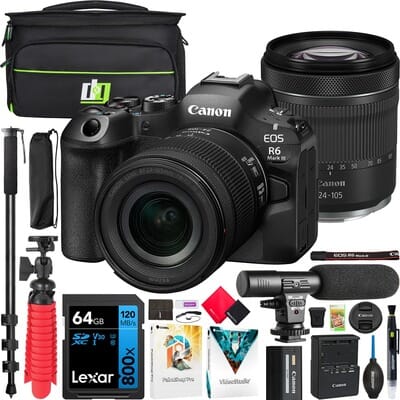
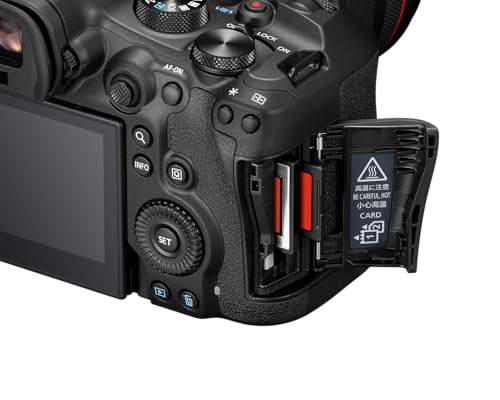
The EOS R6 Mark III delivers a 32.5MP full-frame sensor, DIGIC X processor, 7K RAW 60p internal video, 40fps burst shooting, Dual Pixel CMOS AF II with enhanced subject detection, and 8.5-stop IBIS — all in a weather-sealed magnesium alloy body with dual card slots (CFexpress Type B + SD).
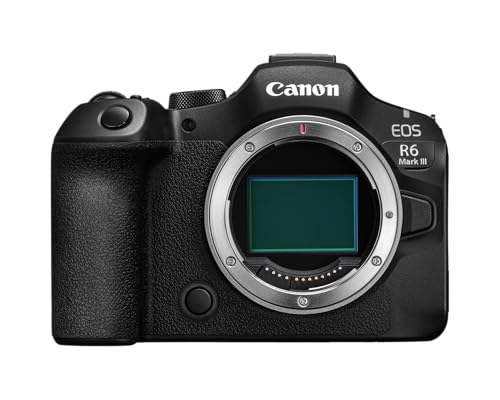
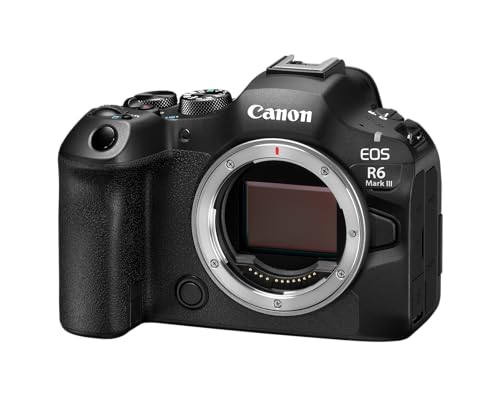
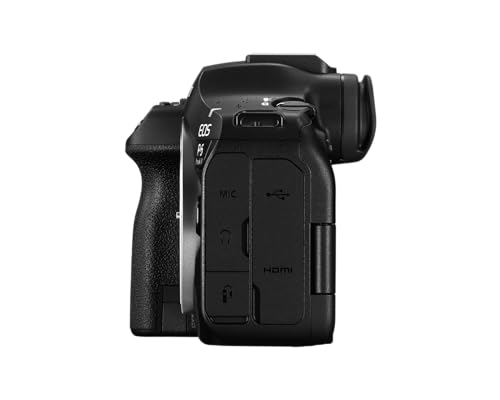
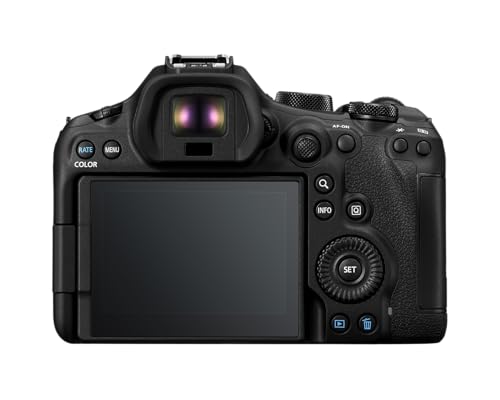
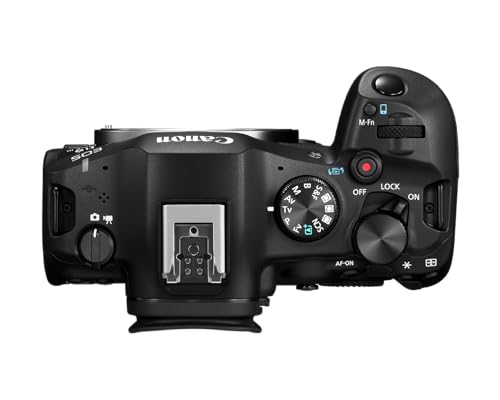
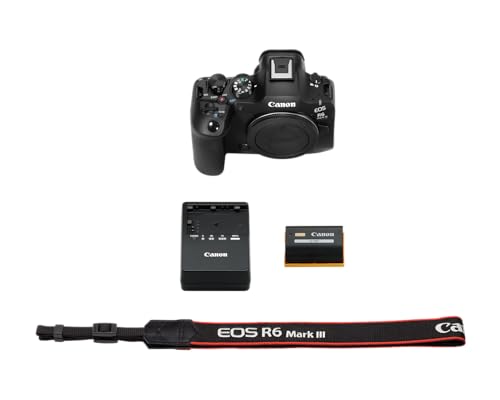
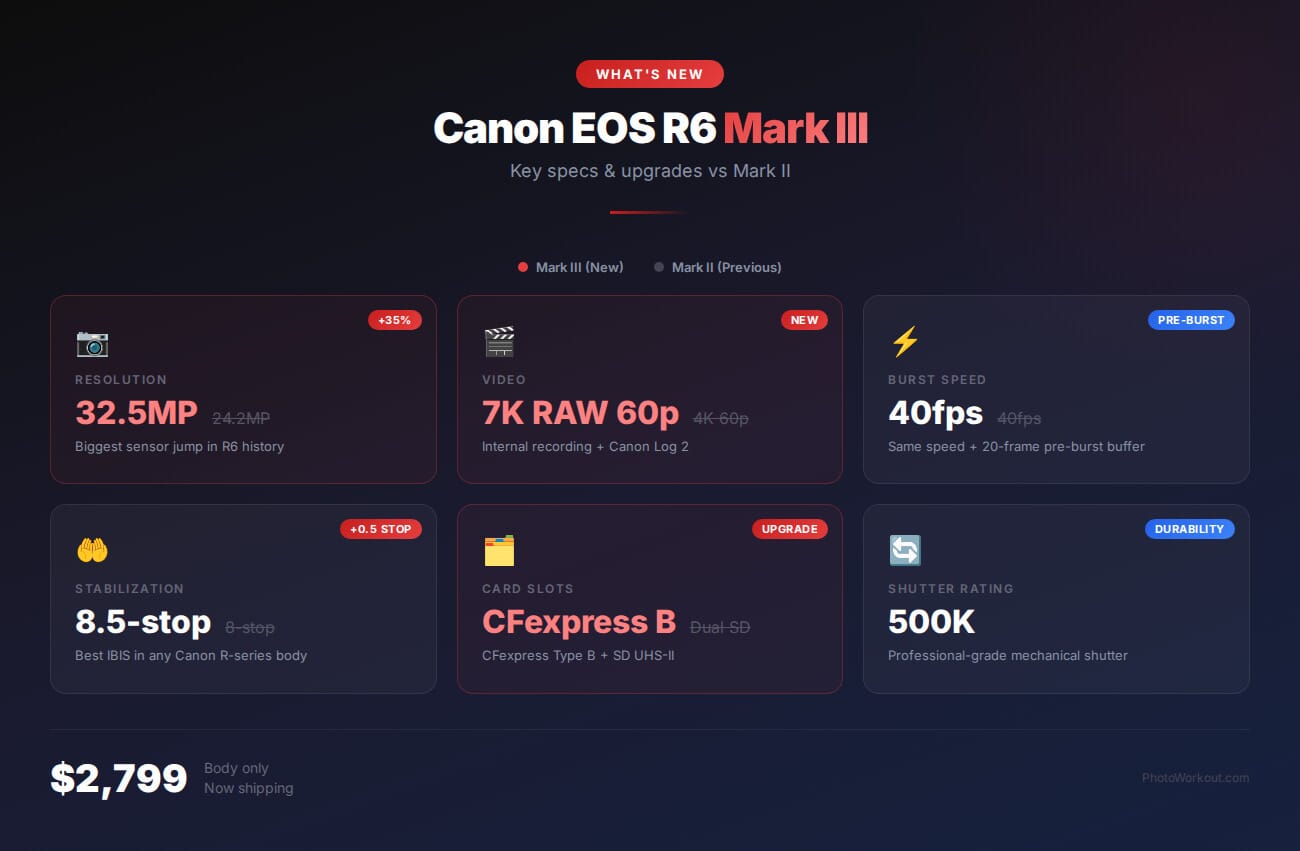
Key Specs: What’s New in the Mark III
At the heart of the EOS R6 Mark III is a brand-new 32.5-megapixel full-frame CMOS sensor paired with Canon’s DIGIC X image processor. This is the same sensor-processor combination found in Canon’s EOS C50 cinema camera — and the spec sheet reflects that pedigree.
Here’s how the Mark III stacks up against its predecessor:
| Feature | EOS R6 Mark III | EOS R6 Mark II |
|---|---|---|
| Sensor | 32.5MP Full-Frame | 24.2MP Full-Frame |
| Processor | DIGIC X | DIGIC X |
| Max Video | 7K RAW 60p internal | 4K 60p oversampled |
| Slow Motion | 4K 120p / 1080p 180p | 4K 60p / 1080p 180p |
| Burst Rate | 40fps (electronic) | 40fps (electronic) |
| Pre-Burst | 20 frames (in H+ drive) | Raw Burst mode only |
| IBIS | 8.5 stops (center) | 8 stops (center) |
| Card Slots | CFexpress Type B + SD | Dual SD UHS-II |
| ISO Range | 100–64,000 | 100–102,400 |
| HDMI | Full-size HDMI | Micro HDMI |
| Shutter Life | 500,000 cycles | 400,000 cycles |
| Body Price | $2,799 | $2,499 (at launch) |
32.5MP Sensor: The Biggest Upgrade
The jump from 24.2MP to 32.5MP is the headline change here. That’s a 34% increase in resolution over the Mark II’s 24.2MP sensor, giving photographers significantly more detail for cropping and large prints.
Canon appears to be using the same sensor found in the EOS C50 cinema camera, which speaks to the chip’s video-first design philosophy. The sensor supports full-width 7K readout with a low-pass filter to minimize moiré — a feature that benefits both stills and video shooters.
For context, the Mark III’s 32.5MP resolution puts it closer to the best Canon full-frame cameras like the EOS R5 Mark II (45MP) than the outgoing Mark II ever was. It’s a sweet spot that balances resolution with file size and high-ISO performance.
7K RAW Video: Cinema Camera in a Mirrorless Body
The video specifications are where the R6 Mark III truly separates itself from its predecessor. Internal 7K RAW Light recording at up to 60fps is a massive upgrade — the Mark II topped out at 4K 60p.
Here’s the full video feature breakdown:
- 7K RAW Light 60p — Full sensor readout for maximum post-production flexibility
- 7K Open Gate 3:2 — Full-sensor recording with frame markers for flexible reformatting, ideal for vertical social content
- 4K 120p — High-quality slow motion with oversampled 4K from the 7K sensor
- Full HD 180p — Ultra-slow motion for creative work
- Canon Log 2 and Log 3 — 15+ stops of dynamic range for cinematic color grading
- 10-bit 4:2:2 internal — Various formats and frame rates
- Full-size HDMI output — Replacing the micro HDMI of the Mark II
- Waveform monitor and electronic level — Available even while recording
- In-camera LUTs — Preview graded footage on the LCD while shooting Log
That said, Canon was transparent about overheating limitations. At 73°F (23°C), expect approximately 23 minutes of continuous recording in 7K RAW 60p or oversampled 4K, and about 28-36 minutes in 4K 120p mode. Standard 4K modes at lower frame rates have no overheating restrictions.
If you need those video specs without recording limits, Canon’s EOS C50 (around $1,000 more) is the dedicated cinema alternative with the same sensor.
40fps Burst and Improved AF Tracking
The R6 Mark III retains the 40fps electronic shutter burst rate from the Mark II, but the implementation is significantly improved. The biggest change: pre-continuous shooting now works directly in the H+ drive mode, buffering up to 20 frames before you fully press the shutter. No more switching to a special Raw Burst mode.
A larger buffer (up to 150 files) combined with the new CFexpress Type B card slot means the camera clears images much faster than the dual-SD setup in the Mark II. For sports and action photography, that’s a game-changer.
The Dual Pixel CMOS AF II system has also been enhanced with improved subject recognition algorithms. It now tracks:
- People (face, eye, head, body)
- Animals (dogs, cats, birds)
- Vehicles (cars, motorcycles)
- Trains and airplanes
- Horses
A new Register People Priority feature lets you pre-register specific faces so the camera prioritizes them — useful for wedding photographers or parents who want the AF to always lock onto their child in a group.
Build Quality and Stabilization
Canon gave the Mark III meaningful upgrades in durability and stabilization:
- 8.5-stop coordinated IBIS (center) / 7.5 stops (periphery) — up from 8 stops on the Mark II
- Weather-sealed magnesium alloy body — same rugged construction as the R5 series
- 500,000-cycle mechanical shutter — up from 400,000 on the Mark II
- 5GHz Wi-Fi and FTP transfer — faster wireless file delivery
- Low-light AF sensitivity down to EV -6.5 — for reliable focusing in near-darkness
Who Is the Canon EOS R6 Mark III For?
The R6 Mark III is aimed squarely at hybrid creators — photographers who also shoot video and need one body that does both exceptionally well. It’s also a strong pick for:
- Wedding and event photographers who need fast burst, reliable AF, and enough resolution for large prints
- Wildlife and sports shooters who benefit from the improved buffer and CFexpress speeds
- Content creators who want cinema-grade 7K RAW without buying a dedicated cinema body
- R6 Mark II owners looking for a meaningful upgrade (the resolution and video jump is substantial)
Dedicated videographers who need unlimited recording times should consider the EOS C50 instead, which shares the same sensor but without thermal restrictions.
Pricing and Availability
The Canon EOS R6 Mark III is now shipping and available at the following price points:
- Body only: $2,799 on Amazon
- Kit with RF 24-105mm F4-7.1 IS STM: $3,249 on Amazon
- Kit with RF 24-105mm F4 L IS USM: $4,049
That’s a $300 premium over the Mark II’s launch price of $2,499 — reasonable given the sensor upgrade, 7K video, and CFexpress slot. The Mark II remains available at a lower price point for those who don’t need the extra resolution or video capabilities.
Frequently Asked Questions
How much does the Canon EOS R6 Mark III cost?
The EOS R6 Mark III is priced at $2,799 body-only, $3,149 with the RF 24-105mm F4-7.1 IS STM lens kit, and $4,049 with the RF 24-105mm F4 L IS USM lens kit.
What’s the biggest difference between the R6 Mark III and Mark II?
The sensor resolution jumps from 24.2MP to 32.5MP, and the Mark III adds internal 7K RAW video recording at 60fps — a massive leap over the Mark II’s 4K 60p limit. The new CFexpress Type B card slot and improved IBIS (8.5 stops vs 8) are also notable upgrades.
Does the Canon R6 Mark III overheat during video recording?
Yes, in demanding modes. Canon reports approximately 23 minutes of continuous 7K RAW 60p or oversampled 4K recording at 73°F (23°C). Standard 4K at lower frame rates has no overheating restriction. If you need unlimited recording, consider the Canon EOS C50.
Is the Canon EOS R6 Mark III good for sports photography?
Excellent. The 40fps burst with 20-frame pre-continuous shooting, improved AF tracking (including horses and trains), larger 150-file buffer, and CFexpress Type B card slot make it one of the best mid-range options for fast action.
Sources used for this article:
Featured image: Photo by Dimitri Karastelev on Unsplash. This article contains affiliate links. If you purchase through our links, we may earn a commission at no extra cost to you.
Related Posts
Disclosure/Disclaimer: As an Amazon Associate, we earn from qualifying purchases. Certain content was provided "as is" from Amazon and is subject to change or removal at any time. Product prices and availability: Amazon prices are updated daily or are accurate as of the date/time indicated and are subject to change. Any price and availability information displayed on Amazon.com at the time of purchase will apply to the purchase of this product.
Get the Weekly Photography News Digest
Join photographers who get our top stories delivered every Monday morning. No spam, unsubscribe anytime.