


- Leica launches the Leitzphone powered by Xiaomi globally — the first Leitzphone available outside Japan.
- The Xiaomi 17 Ultra features a Leica-tuned triple camera with a 1-inch main sensor, 200MP telephoto, and physical camera ring.
- Both devices launched at MWC 2026 in Barcelona on February 28, with the Leitzphone priced at €1,999.
- PetaPixel’s Chris Niccolls calls it “a camera that happens to also be a phone.”
Leica has officially taken the Leitzphone global for the first time, partnering with Xiaomi to bring a photography-focused smartphone to markets well beyond its traditional Japan-only availability. Alongside it, the Xiaomi 17 Ultra launched worldwide with the same Leica-tuned camera hardware — marking a significant moment for smartphone photography.
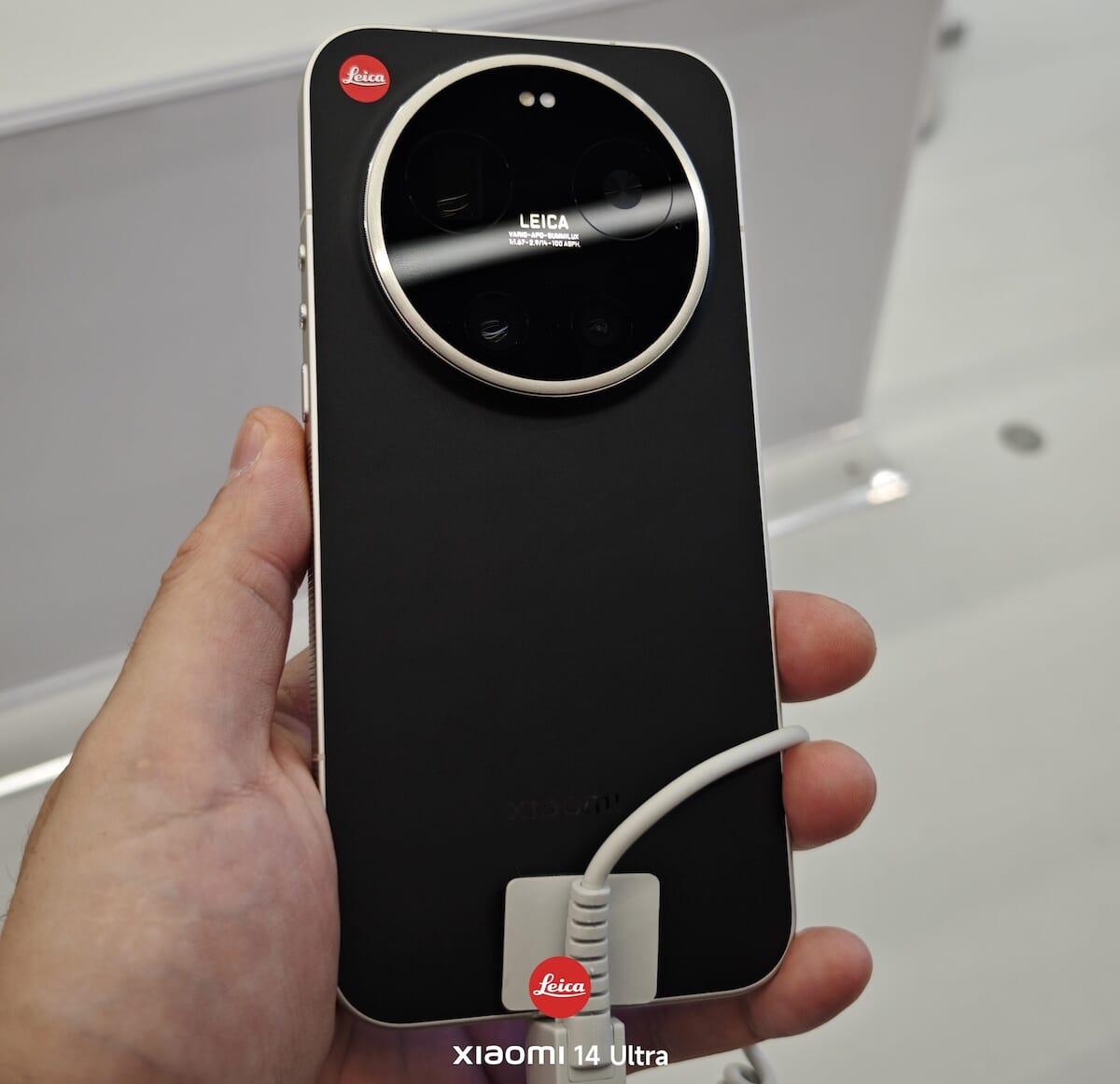
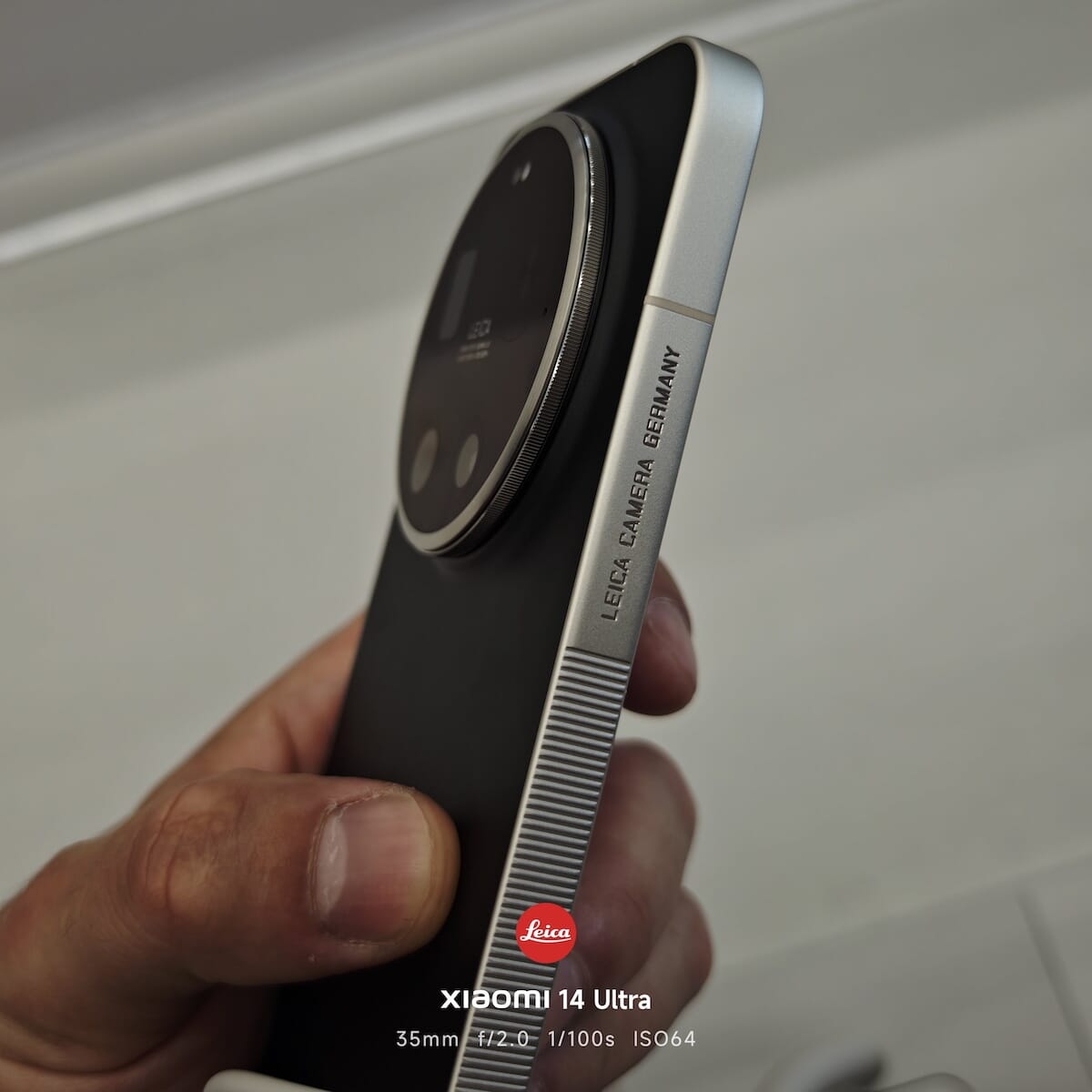
Both devices were unveiled at Xiaomi’s MWC 2026 press conference in Barcelona on February 28, 2026.
The Leica Leitzphone Goes Global
Previous Leitzphone models were produced in partnership with Sharp and sold exclusively in Japan. This new generation changes everything: the Leica Leitzphone powered by Xiaomi is essentially the international version of the China-exclusive Xiaomi 17 Ultra Leica Edition, rebuilt with Leica branding and a few key design distinctions.
The Leitzphone arrives in a single configuration — 16GB RAM with 1TB storage — in an all-black finish. It’s priced at €1,999 in Europe and £1,699 in the UK, positioning it as a premium photography tool rather than a mainstream smartphone.
What sets the Leitzphone apart from the standard 17 Ultra is the inclusion of a physical rotating Leica Camera Ring around the camera module. This ring allows photographers to manually adjust zoom and exposure — a feature that gives the device a distinctly camera-like shooting experience.
Xiaomi 17 Ultra: The Camera System
Both the Leitzphone and the Xiaomi 17 Ultra share an identical Leica-tuned triple camera system:
- 50MP 1-inch main sensor — the large sensor size captures significantly more light than typical smartphone cameras
- 200MP telephoto — with a variable focal range between 75mm and 100mm equivalent
- 50MP ultrawide — for architecture, landscapes, and environmental shots
- 50MP front-facing camera — for selfies and video calls
The camera software includes a Leica Essential mode that recreates the look of classic Leica cameras like the M3 and M9 — applying film-like color science and rendering that Leica shooters will recognize.
The Photography Kit Pro
For photographers who want to push the smartphone-as-camera concept even further, Xiaomi offers the Photography Kit Pro — a grip accessory that adds a 2,000mAh battery extension and physical shooting controls including a shutter button, zoom wheel, and customizable function buttons.
PetaPixel’s Chris Niccolls, who tested the Xiaomi 17 Ultra with the grip in China, described it as “a camera that happens to also be a phone.” In his review, Niccolls noted that the grip “enhanced the shooting experience in a huge way, giving me exposure control, zoom functionality, and customizability” — transforming the device from a typical phone camera experience into something that feels genuinely purpose-built for photography.
From Sharp to Xiaomi: Leitzphone’s Evolution
The Leitzphone name has an interesting history. Leica originally partnered with Sharp to produce Leitzphone models sold exclusively in Japan starting in 2021. Those devices featured Leica’s signature aesthetic and camera tuning but were limited to the Japanese market.
Xiaomi and Leica began their partnership in 2022, and the collaboration has deepened steadily. The companies recently renewed their agreement under the slogan “A New Era of Strategic Co-Creation Redefining Mobile Photography.” This global Leitzphone launch represents the fullest expression of that partnership yet.
Key Specs
Beyond the cameras, both devices pack flagship hardware:
- Processor: Qualcomm Snapdragon 8 Elite Gen 5
- Display: 6.9-inch LTPO OLED, 1-120Hz adaptive, 3,500 nits peak brightness
- Battery: 6,000mAh (global version), 90W wired / 50W wireless charging
- OS: HyperOS 3 (Android-based)
- Protection: IP68 dust and water resistance
- Audio: Dolby Atmos, stereo speakers, Hi-Res Audio
Pricing and Availability
The Xiaomi 17 Ultra starts at €1,499 and comes in Black, White, and Starlit Green with 16/512GB and 16GB/1TB configurations. The Leica Leitzphone is available in a single black 16GB/1TB variant at €1,999 (£1,699).
In the US, Xiaomi phones are typically available through Amazon and other third-party retailers, though official US carrier support remains limited.
Why This Matters for Photographers
The gap between dedicated cameras and smartphones continues to narrow, but the Xiaomi 17 Ultra and Leitzphone represent something different — devices designed from the ground up with serious photography in mind. The 1-inch sensor, the physical camera controls, the optional grip, and Leica’s color science all point toward a future where the best camera you have with you might genuinely rival a dedicated compact.
For photographers interested in improving their mobile photography skills, these devices raise the bar for what’s possible in a pocket-sized package.

What is the difference between the Leica Leitzphone and Xiaomi 17 Ultra?
Both share identical camera hardware and processors. The Leitzphone adds a physical rotating Leica Camera Ring for manual zoom/exposure control, comes in a single all-black 16GB/1TB configuration, and carries Leica branding. The 17 Ultra is available in more colors and storage options at a lower price point (€1,499 vs €1,999).
Is the Leica Leitzphone available in the US?
While officially launched in Europe and the UK, Xiaomi phones are typically available in the US through Amazon and third-party retailers. Official US carrier support remains limited.
What sensor does the Xiaomi 17 Ultra use?
The Xiaomi 17 Ultra features a 1-inch type 50-megapixel main sensor co-developed with Leica, paired with a 200MP telephoto and 50MP ultrawide camera.
What is the Xiaomi Photography Kit Pro?
It’s an optional grip accessory that adds a 2,000mAh battery and physical camera controls (shutter button, zoom wheel, function buttons) to transform the phone into a more camera-like shooting experience.
Featured image: Photo by Amanz on Unsplash.
Sources used for this article: