


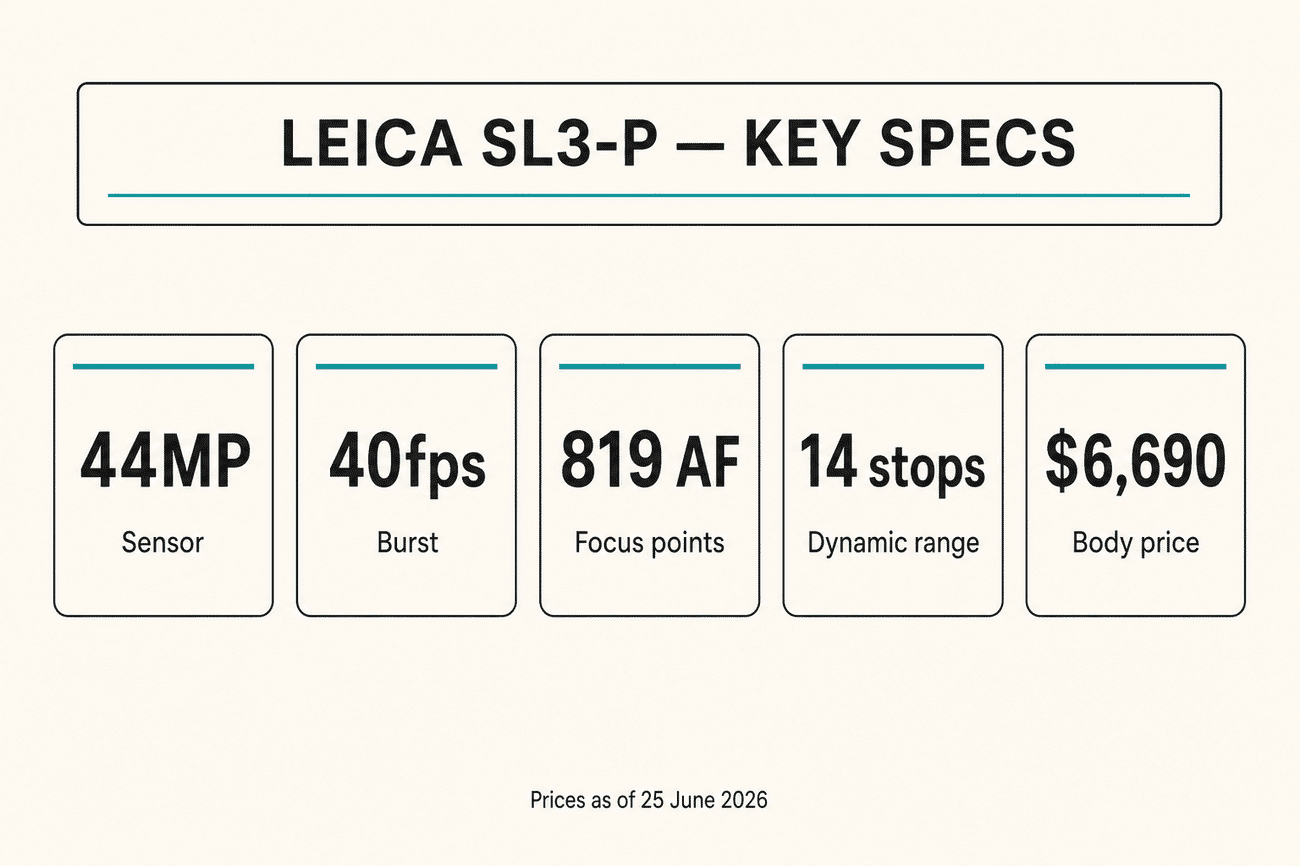
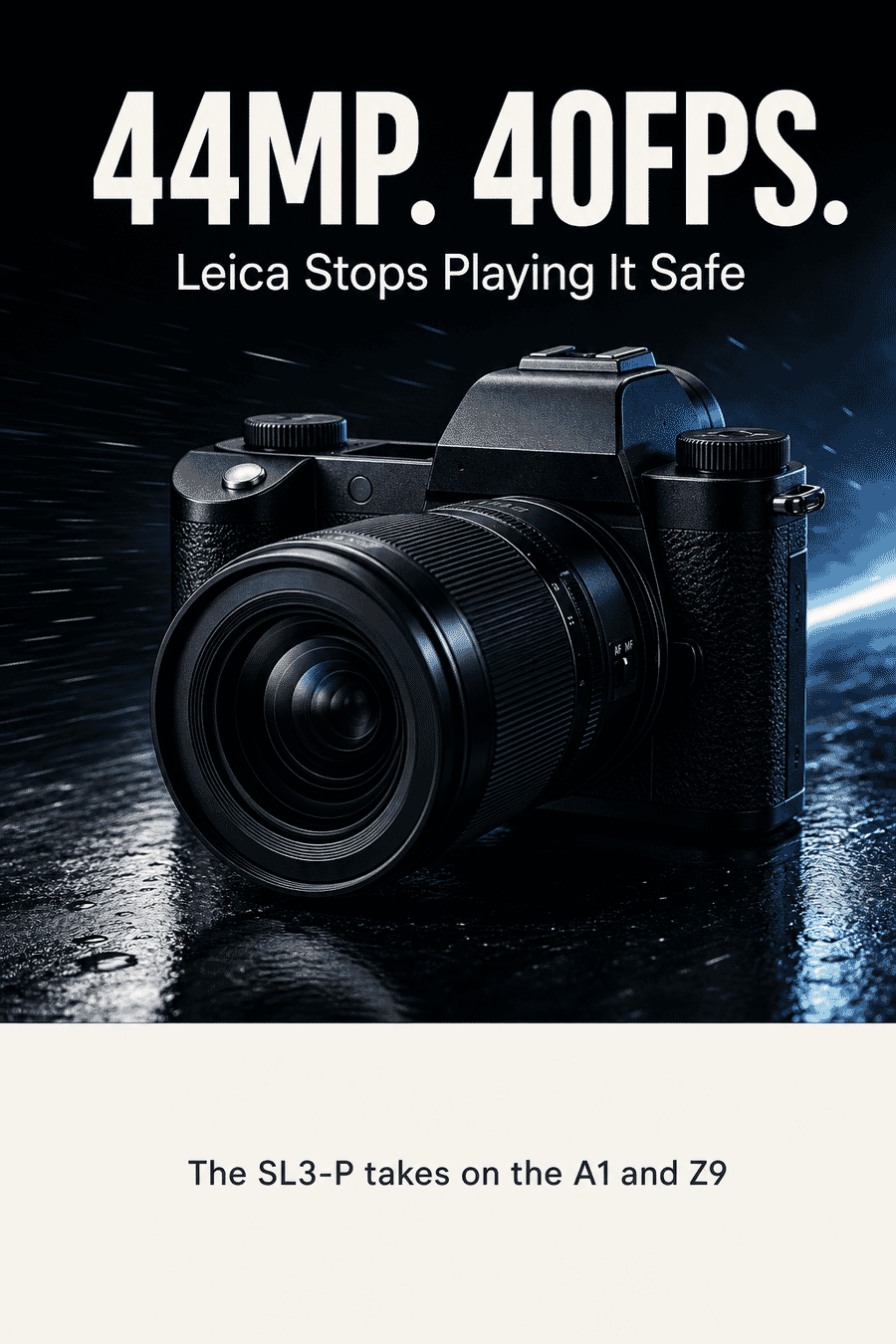
- Leica announced the SL3-P, a 44-megapixel L-Mount full-frame body it calls its best-performing camera ever, at $6,690 (body only).
- The headline numbers are speed: 40fps with the electronic shutter (12-bit), 25fps at 14-bit, plus a new 819-point hybrid autofocus system with people, animal and vehicle detection.
- It slots between the 24MP SL3-S and the 60MP SL3 — the speed-focused middle child, and the first Leica positioned squarely in Sony a1 and Nikon Z9 territory rather than as a pure luxury piece.
- The catch is the ecosystem and the price: L-Mount’s long telephoto options trail Sony and Nikon, and 44MP RAW at 40fps fills the buffer fast.
- DPReview calls it the fastest-shooting Leica ever and, in principle, the only SL the company needs.
Leica has spent its modern life selling restraint. Red dot, manual focus heritage, M-series rangefinders that ask you to slow down — the brand is a byword for prestige, not frame rates. So the SL3-P, announced today, reads as something genuinely out of character: a 44-megapixel full-frame camera that fires at 40 frames per second. That is not a luxury refresh. That is a spec sheet aimed at the Sony a1 and the Nikon Z9.
Leica itself admits the SL3-P is “swimming in a bigger sea” now, competing with the same mainstream flagships it once stood apart from. At $6,690 for the body, the question is whether a Leica can actually play the speed game — or whether the badge is doing the heavy lifting. The early reviews are already in, and they are more interesting than the usual Leica reverence.
What Leica Actually Built
The SL3-P pairs a 44-megapixel backside-illuminated full-frame sensor with Leica’s Maestro IV processor, and the gains are real. The faster readout lets the electronic shutter shoot 12-bit files at 40fps, or 14-bit files at 25fps; the mechanical shutter tops out at a more ordinary seven frames per second. The sensor is rated for 14 stops of dynamic range, ISO runs from 50 to 200,000, and a 176-megapixel multi-shot high-resolution mode is on board for static subjects.
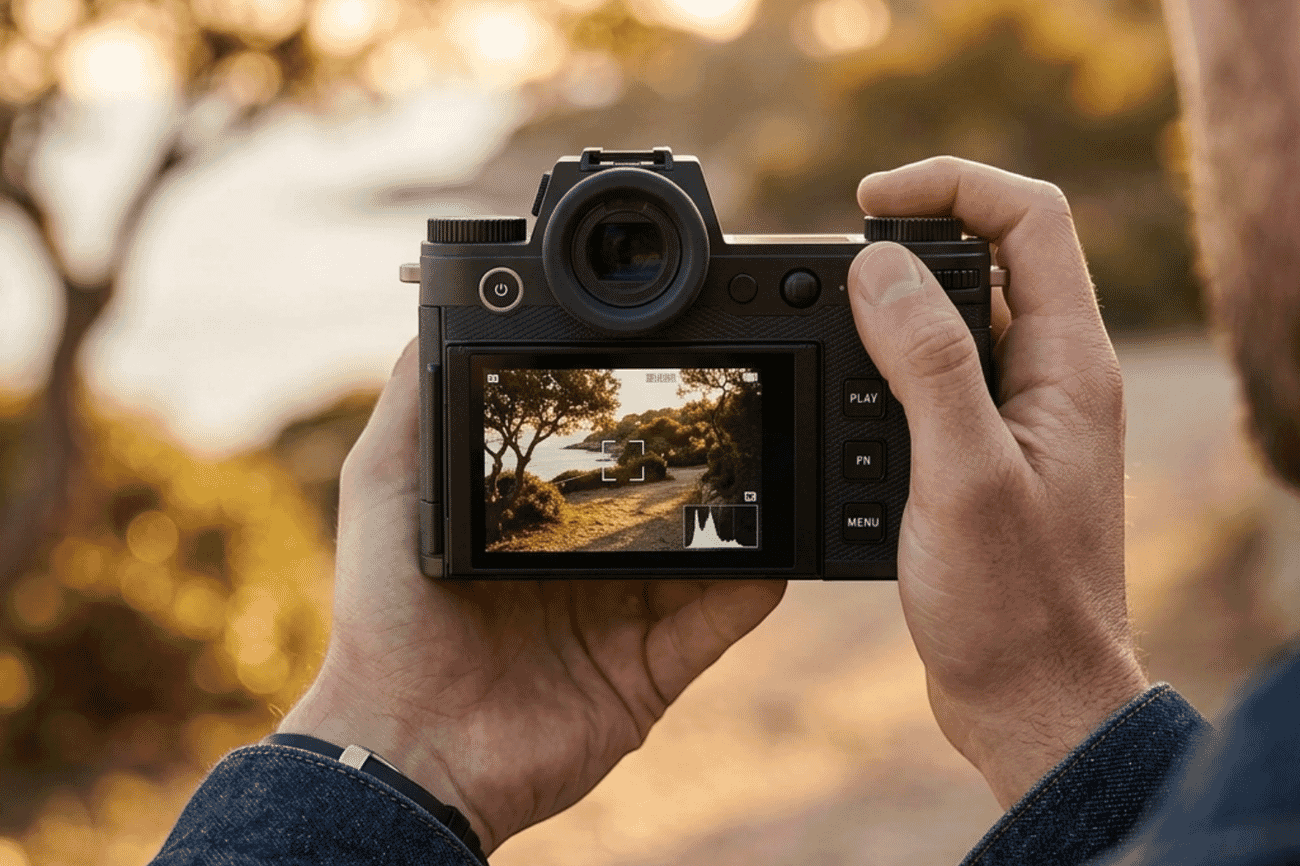
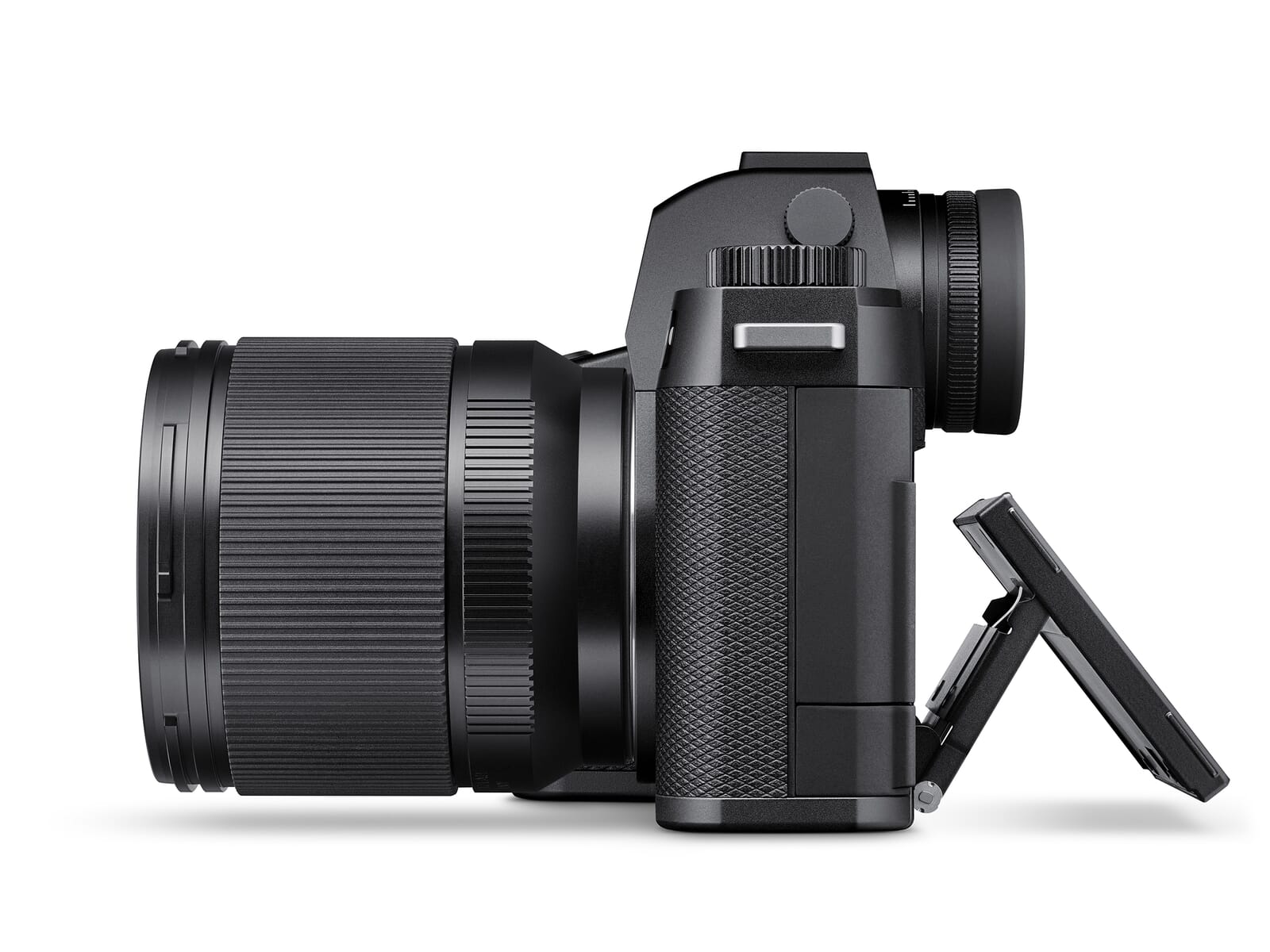
The bigger story is autofocus. Leica’s new 819-point hybrid system combines phase and contrast detection with subject recognition for people, animals and vehicles — historically the weakest part of the SL line, and the exact area where Sony and Nikon have dominated. Five-axis in-body stabilization (rated up to five stops), an all-metal body, an IP54 weather rating, and an improved grip round out a camera Leica is openly pitching at working professionals, not just collectors.
What the “P” Probably Means
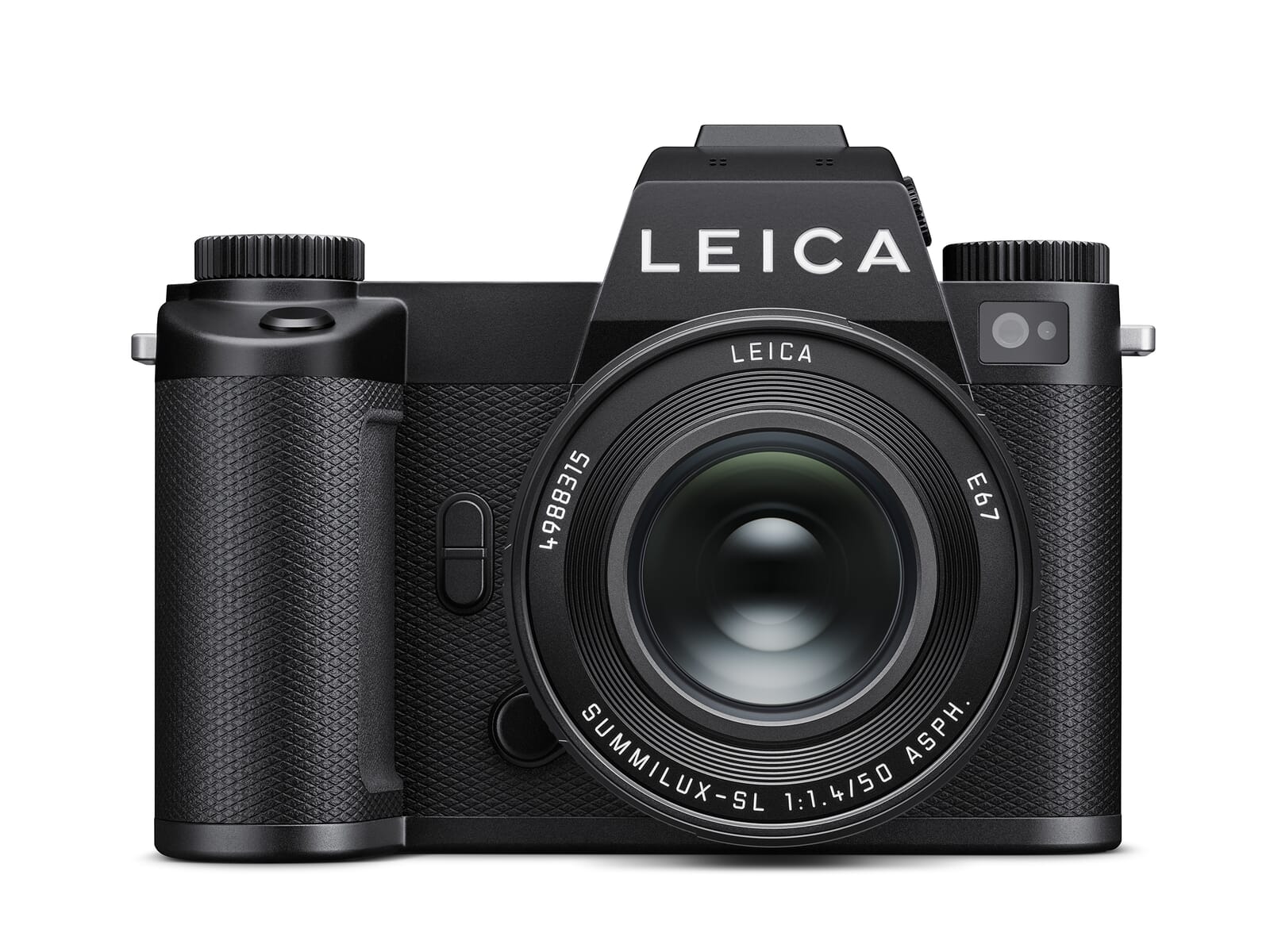
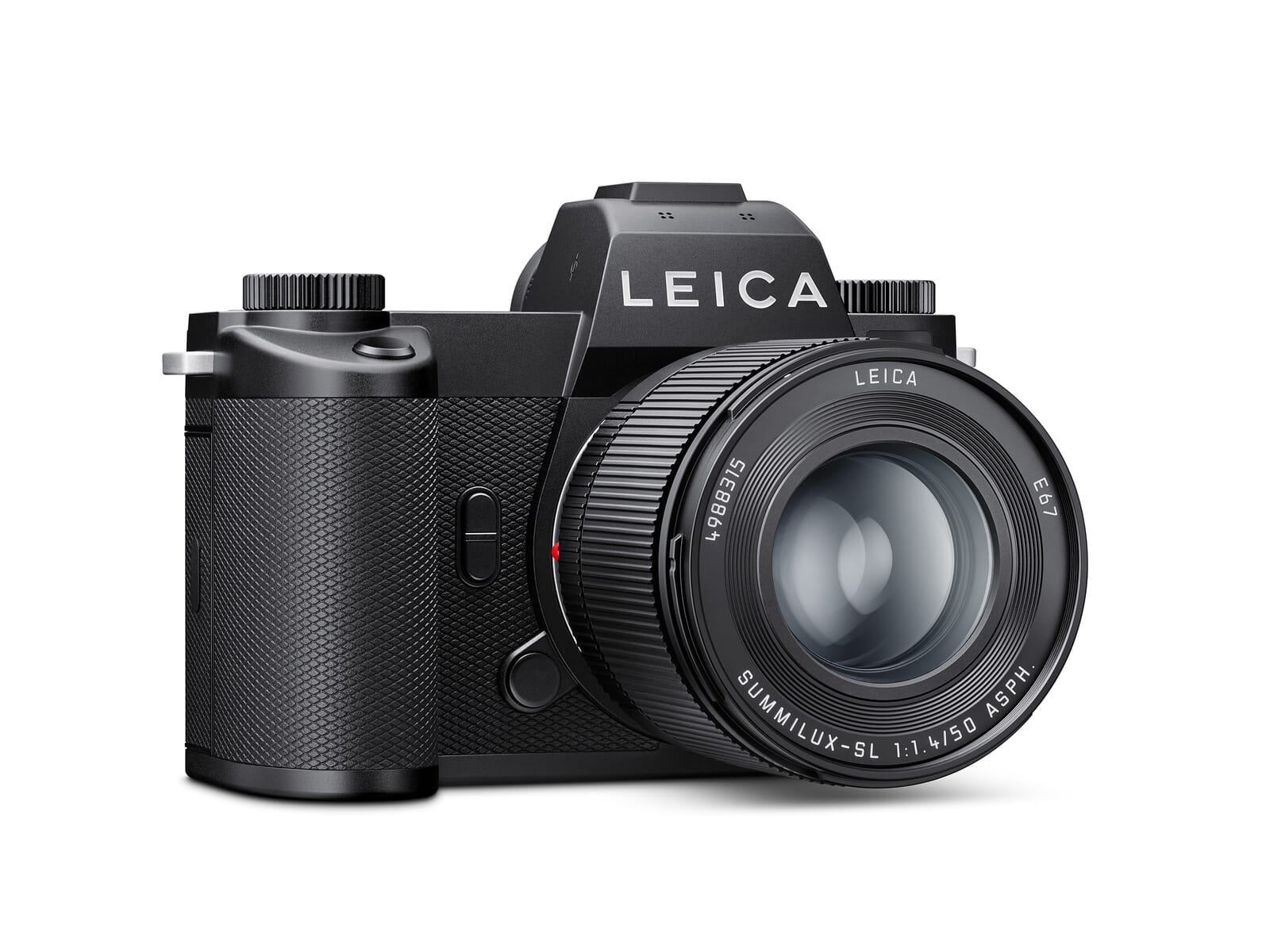
Leica didn’t spell it out, but the “P” almost certainly stands for the same thing it has on past M-P and Q-P models: a more discreet, professional variant. The tell is the design. Leica has stripped the famous red dot from the front and gone for what it calls a deliberately understated look — the long-running signal on its “P” cameras that the body is meant to disappear on a job rather than announce itself. For photojournalists and event shooters who find a glowing red logo a liability, that is a feature, not an omission. Leica’s broader mount strategy is worth understanding here; our guide to mirrorless lens mounts explains where the L-Mount fits.
Aiming at the a1 and the Z9
Inside Leica’s own range, the SL3-P is the speed-focused middle child: it sits between the 24-megapixel SL3-S (around $5,665) and the 60-megapixel SL3 (around $7,485), splitting the difference on resolution while beating both on burst speed. But the more provocative comparison is external. A 44MP sensor that shoots 40fps with deep subject-detection AF is, on paper, squarely in Nikon-flagship and Sony a1 territory.
Reviewers noticed. Tony and Chelsea Northrup framed the launch bluntly as Leica taking on wildlife and action — a sentence almost nobody expected to write about an SL. The skeptic’s case, voiced by technical reviewers like Gerald Undone, is the necessary counterweight: 40fps lives on the electronic shutter with its rolling-shutter trade-offs, and the L-Mount’s long telephoto lineup still trails what Sony and Nikon offer wildlife and sports shooters. Speed on the body matters little without the glass to use it. (The L-Mount ecosystem is growing fast at the affordable end, though — see the new Viltrox 28mm f/4.5 pancake.)
What Working Photographers Should Take From It
DPReview’s early verdict is striking for a Leica: it calls the SL3-P the fastest-shooting camera the company has ever made and argues it should, in principle, be the only SL model Leica needs to keep. That is a meaningful endorsement of the camera as a do-everything tool rather than a niche luxury.
The practical caveats are just as useful. Hands-on first impressions flagged that 44-megapixel RAW files at 40fps fill the buffer quickly — sustained action shooting is not the same as a headline burst number, and anyone buying for sports or wildlife should test their own workflow before committing. The mechanical shutter’s seven-frames-per-second ceiling is unchanged from the rest of the SL line, so the 40fps figure is an electronic-shutter story with the usual asterisks. For the photographer it actually fits — someone who wants one body for high-resolution work and occasional fast action, values Leica color and build, and is invested in L-Mount glass — it is the most flexible camera Leica has made. For a dedicated wildlife or sports shooter on a budget, a Sony or Nikon flagship plus its mature telephoto range is still the more rational buy.
Leica SL3-P: Official Press Gallery
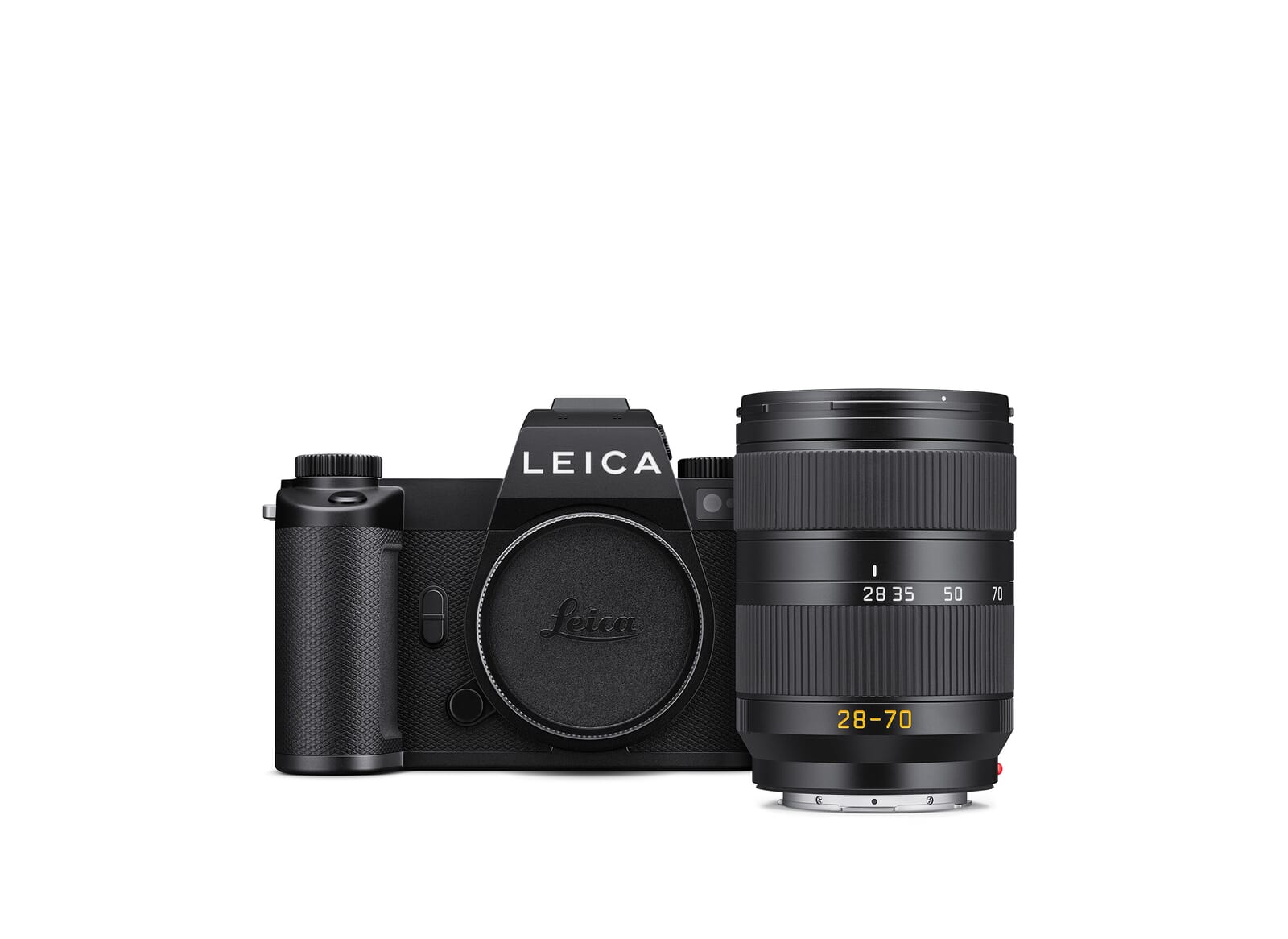
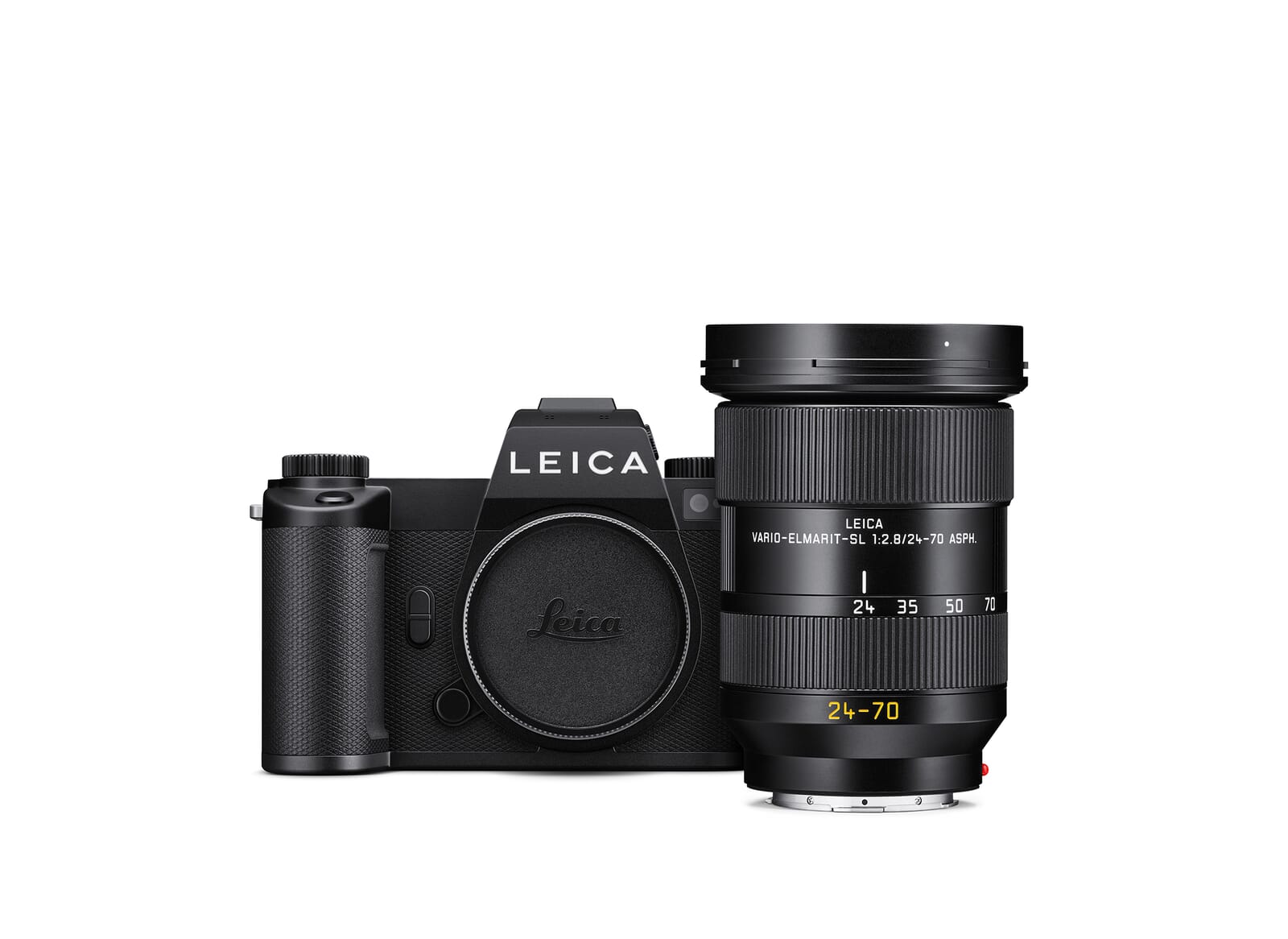
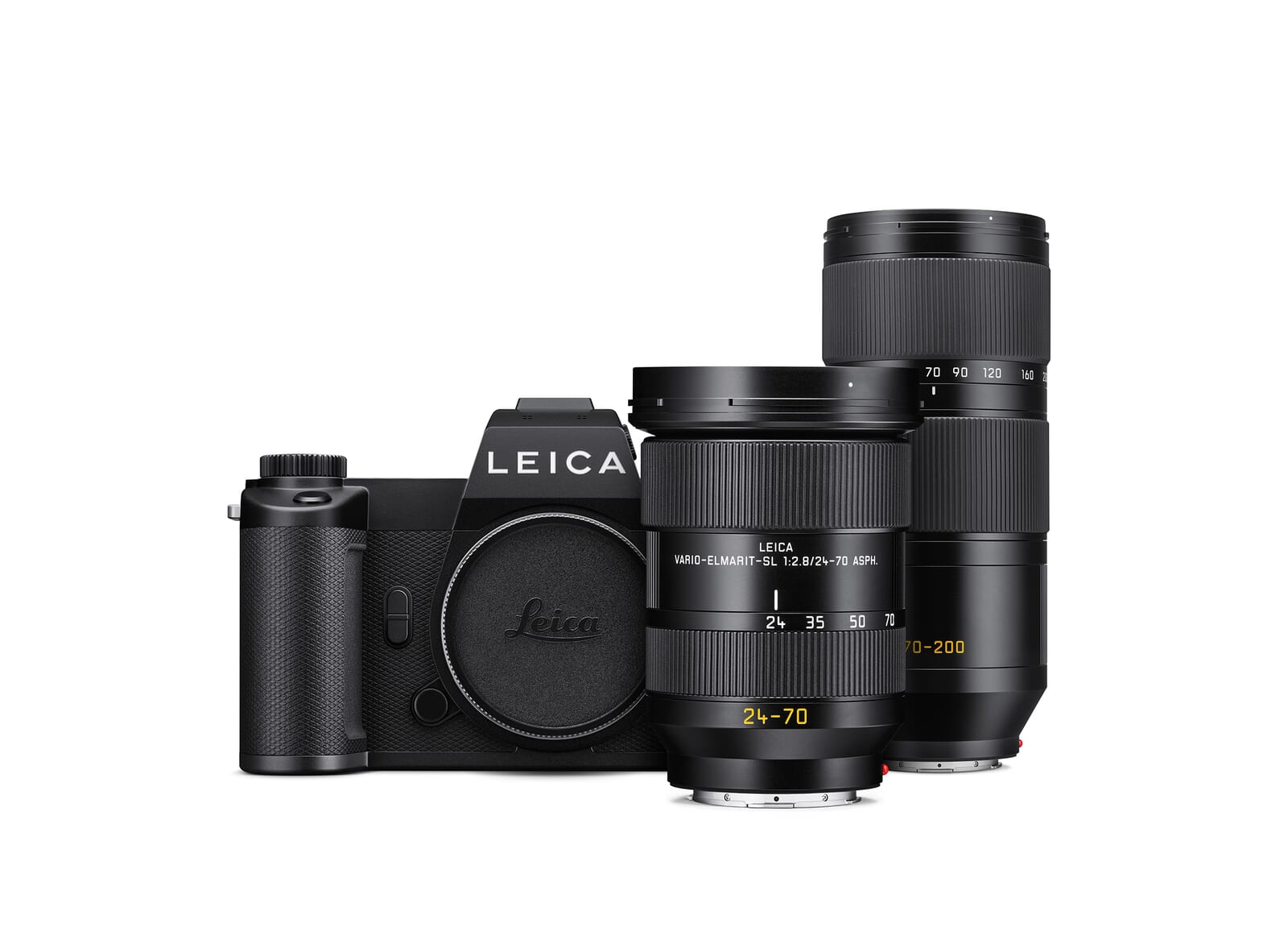
Leica’s official press images of the SL3-P, including the body with the Summilux-SL 50mm f/1.4 and the full zoom kit. Click any image to enlarge.
Frequently Asked Questions
How much does the Leica SL3-P cost?
$6,690 for the body only (about £5,150 in the UK). That positions it between the 24MP SL3-S and the 60MP SL3 in Leica’s lineup.
Can the SL3-P really shoot 40fps?
Yes, but with the electronic shutter at 12-bit; it does 25fps at 14-bit. The mechanical shutter is limited to seven frames per second. And 44MP RAW files at those speeds fill the buffer quickly, so sustained bursts depend on your cards and workflow.
What does the “P” in SL3-P stand for?
Leica hasn’t defined it explicitly, but it follows the brand’s M-P and Q-P naming: a discreet, professional variant. The SL3-P notably drops the red Leica dot for a more understated, job-ready look.
Is it a real alternative to the Sony a1 or Nikon Z9?
On sensor resolution, burst speed and autofocus, it is finally in the conversation — which was never true of past Leica SL bodies. The gap is the lens ecosystem: L-Mount’s long telephoto options still trail Sony and Nikon for wildlife and sports.
The Bottom Line
The SL3-P is the first Leica SL that competes on specs instead of asking you to pay for the badge and ignore them. 44 megapixels, 40fps and a genuinely modern autofocus system put it in flagship territory, and DPReview’s “fastest Leica ever” framing isn’t hype. Whether it unseats the a1 or Z9 comes down to glass and budget more than the body itself — but the fact that the question is even worth asking is the real news here.
Primary Coverage
- PetaPixel — The 44-Megapixel Leica SL3-P Is the Company’s Most Capable Camera Ever – Specs, positioning, and price.
- DPReview — Leica SL3-P review: is Leica’s fastest camera its best? – Early verdict and findings.
Reviewer Reactions
- Tony & Chelsea Northrup — LEICA Takes on Wildlife and Action – The 40fps action/wildlife angle.
- Gerald Undone — SL3-P hands-on (skeptic take) – Technical counterweight on the speed claims.
Image Sources
- Official press gallery — Leica SL3-P product images (Leica Camera) – Official Leica press photography.
- Featured & rear images — Leica SL3-P press renders (staged via Photoroom) – Official Leica press imagery composited into editorial scenes.
- Key-specs infographic & Pinterest pin — stylized PhotoWorkout illustrations – Original PhotoWorkout editorial graphics.