


- The Xiaomi 17 Ultra’s 1-inch LOFIC sensor captures highlights and shadows in a single exposure — no multi-frame HDR stacking needed.
- A 200MP variable zoom periscope (75–100mm) replaces two separate telephoto cameras, delivering optical zoom without lens-switching artifacts.
- Variable aperture (f/1.8–f/4.0) gives photographers real depth-of-field control on a smartphone for the first time.
- LOFIC technology is coming to dedicated cameras too — Sony is developing it for future mirrorless sensors.
Every flagship phone launch promises a better camera. Most of the time, that means bigger numbers on a spec sheet — more megapixels, more lenses, more computational tricks. The Xiaomi 17 Ultra, announced at MWC 2026, is different. Its camera system introduces hardware innovations that change how the sensor itself captures light, and replaces a two-camera telephoto setup with a single, mechanically adjustable zoom lens.
If you’ve been following our coverage of the Leica Leitzphone and Xiaomi 17 Ultra global launch, you already know the headline specs. This article goes deeper — explaining the actual technology behind the marketing terms, and why it matters for photographers.
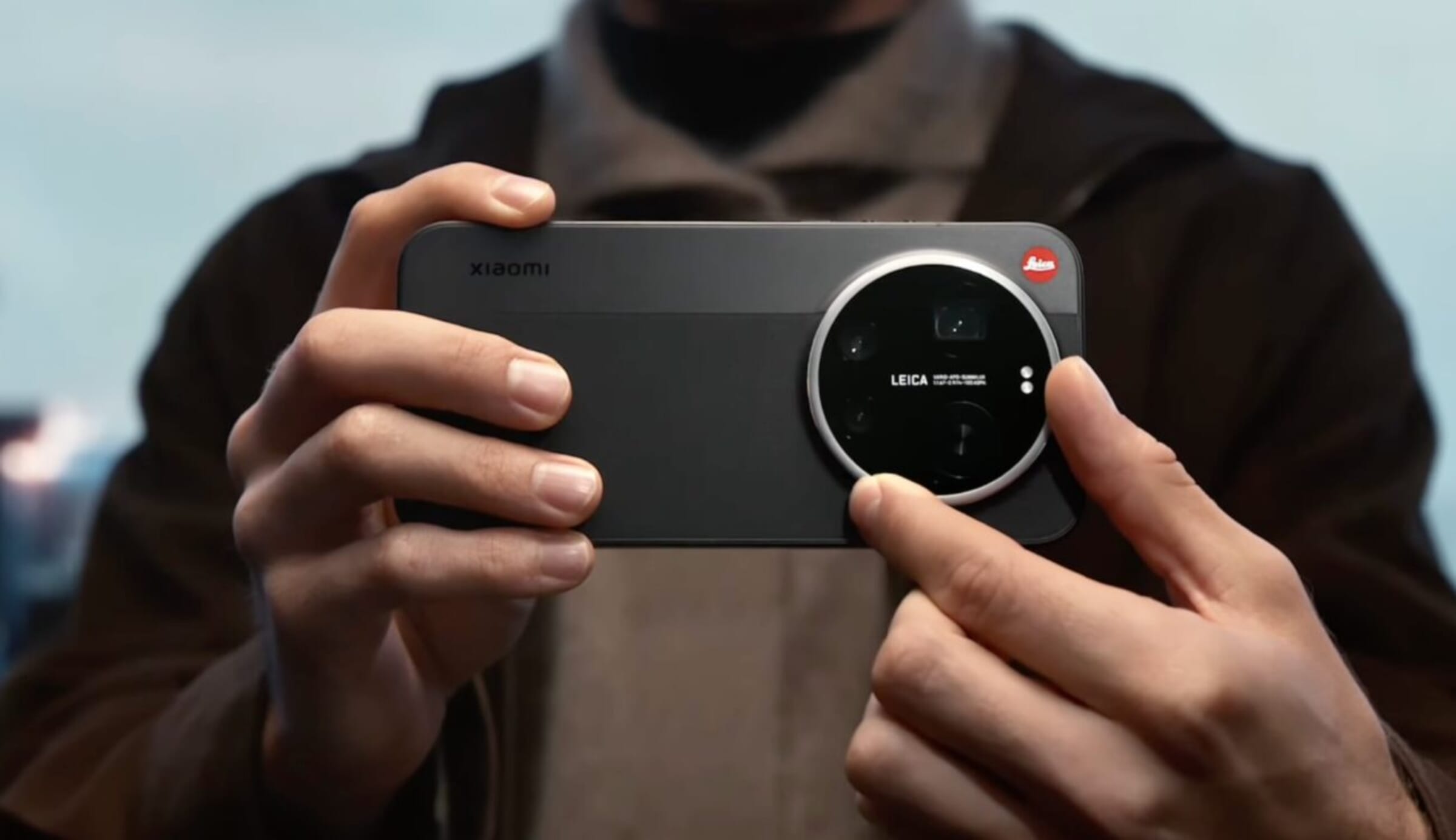
What Is a LOFIC Sensor?
LOFIC stands for Lateral Overflow Integration Capacitor. It’s a hardware-level change to how individual pixels on a camera sensor handle light — and it solves one of photography’s oldest problems.
Here’s the issue: every pixel on a camera sensor has a tiny light-collecting well (a photodiode). When light hits it, electrical charge builds up. The brighter the light, the more charge accumulates. But every well has a maximum capacity — its full well capacity. Once it’s full, any additional light is simply lost. That’s why blown-out skies appear as featureless white blobs in your photos. The sensor literally ran out of room to store the light information.
Traditional solutions to this problem involve multi-frame HDR: the camera takes several exposures at different brightness levels and combines them computationally. Google’s HDR+ algorithm popularized this approach, and it works well — most of the time. But it struggles with moving subjects (ghosting artifacts), consumes processing power, and doesn’t work for video.
LOFIC takes a fundamentally different approach. Instead of relying on software to merge multiple frames, it adds overflow capacitors directly next to each pixel. Think of it as giving each pixel a second bucket. When the primary light-collecting well fills up from bright highlights, the excess charge \u201cspills over\u201d laterally into the overflow capacitor instead of being lost.
The sensor then reads both the main well and the overflow capacitor separately, using different gain values for each. The main well captures shadow detail with high sensitivity, while the overflow capacitor preserves highlight information at lower gain. The result: dramatically extended dynamic range in a single exposure.

Why does this matter in practice? Three reasons:
- Moving subjects — No multi-frame stacking means no ghosting. A child running through dappled sunlight gets properly exposed highlights and shadows in one shot.
- Video — You can’t stack frames for video. LOFIC’s single-exposure HDR works natively at 8K/30fps and 4K/120fps.
- Real-time preview — What you see in the viewfinder actually matches what you’ll capture, because the HDR is happening at the sensor level, not in post-processing.
The Xiaomi 17 Ultra’s main camera uses the Light Fusion 1050L, a 1-inch-type LOFIC sensor. According to Xiaomi, it delivers \u201cnext-generation HDR performance\u201d with significantly increased full-well capacity. Based on published research on LOFIC technology, sensors with two-stage overflow capacitors can achieve over 120dB of dynamic range — approaching what high-end cinema cameras deliver.
The Variable Zoom Periscope
The Xiaomi 15 Ultra had two telephoto cameras: a 50MP 3x zoom and a 200MP 4.3x zoom. The 17 Ultra replaces both with a single 200MP periscope lens that mechanically adjusts between 75mm and 100mm equivalent focal length (roughly 3.2x to 4.3x optical zoom).
This isn’t just a cost-cutting measure. Multi-camera telephoto setups have an inherent problem: when you zoom past one camera’s range and the phone switches to the next lens, there’s often a visible jump in color, exposure, and sharpness. A single variable zoom lens eliminates this entirely.
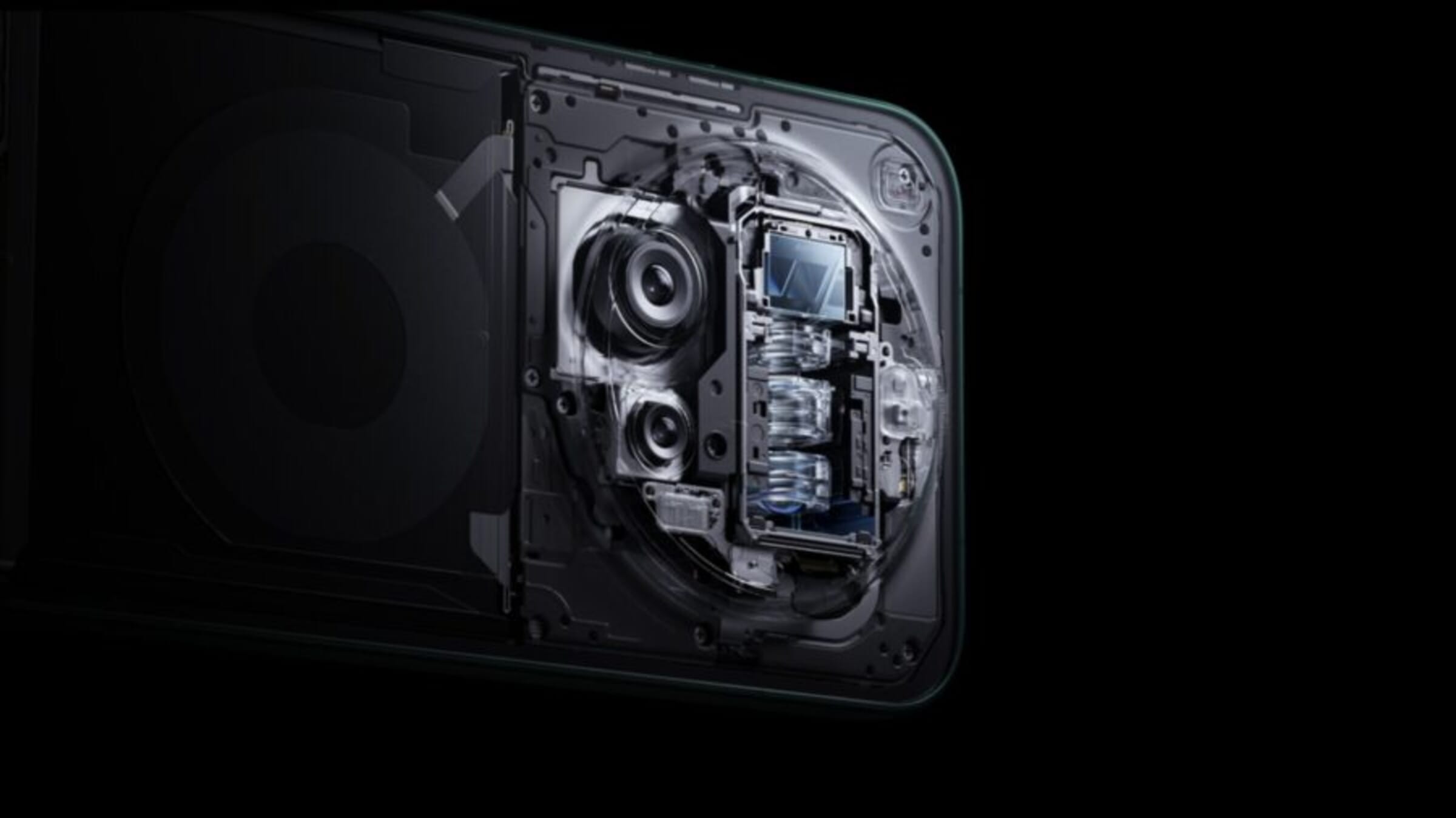
The lens sits behind a 1/1.4-inch 200MP sensor with an f/2.4–f/3.0 aperture range. You can select specific focal lengths — 85mm for portraits, 100mm for tighter crops — with genuine optical adjustment, not just digital cropping. And that 200MP resolution does double duty: it enables a crop to 400mm equivalent (17.2x zoom) while retaining enough detail for usable images.
Built to Leica’s APO (apochromatic) optical standard, the lens is designed to minimize chromatic aberration and ghosting across its entire zoom range. Previous smartphone variable zoom attempts — like Sony’s Xperia 1 III — suffered from small sensors and limited light gathering. Xiaomi’s combination of a large sensor with mechanical zoom is a meaningful step forward.
Variable Aperture: Real Exposure Control
The main camera also features a variable aperture, adjustable from approximately f/1.8 to f/4.0. On a dedicated camera, this is basic functionality. On a smartphone, it’s rare and genuinely useful.
A wider aperture (f/1.8) lets in more light for low-light shooting and creates shallower depth of field. A narrower aperture (f/4.0) increases depth of field for landscapes and group shots, and avoids the diffraction softening that plagues some phone cameras at their widest settings. It also gives the camera more flexibility in bright conditions without relying entirely on electronic shutter speed adjustments.
Combined with LOFIC’s extended dynamic range, variable aperture means the Xiaomi 17 Ultra has more hardware-level exposure control than any previous smartphone. Less reliance on computational processing means more predictable, more natural-looking results.
How It Compares
Here’s how the Xiaomi 17 Ultra’s sensor technology stacks up against its main competitors:
- Xiaomi 17 Ultra — 1-inch LOFIC sensor, single-exposure HDR, 200MP variable zoom periscope (75–100mm), variable aperture (f/1.8–f/4.0)
- iPhone 16 Pro Max — 48MP main sensor with staggered HDR (dual-readout, not LOFIC), fixed 5x telephoto, no variable aperture
- Samsung Galaxy S25 Ultra — 200MP main sensor with multi-frame HDR, fixed 5x telephoto (50MP), no variable aperture
- Google Pixel 10 Pro — 50MP main sensor relying heavily on computational HDR (HDR+), fixed 5x telephoto (48MP), no variable aperture
The key difference isn’t megapixels — it’s the approach to dynamic range. Apple’s staggered HDR reads the sensor at two different timings, which is better than traditional multi-frame but still isn’t a true single-exposure solution. Samsung and Google rely primarily on computational stacking. Xiaomi’s LOFIC sensor is the only one capturing extended dynamic range in hardware, in a single readout.

What This Means for Photography
LOFIC isn’t just a smartphone feature. Sony — which manufactures most of the world’s camera sensors, including those used in iPhones — has been developing LOFIC technology for dedicated camera sensors too. Research papers from Sony Semiconductor Solutions demonstrate LOFIC sensors achieving over 120dB dynamic range with 11.4 million electron full-well capacity.
If LOFIC makes it into future Sony Alpha mirrorless cameras or other full-frame systems, it could fundamentally change how photographers handle high-contrast scenes. No more bracketing for HDR. No more choosing between highlight and shadow detail. The sensor would simply capture it all in one shot.
The broader trend here is clear: the best smartphone cameras are no longer just throwing software at hardware limitations. They’re investing in sensor-level innovation — LOFIC for dynamic range, mechanical zoom for optical quality, variable aperture for exposure control. This hybrid approach, combining genuine hardware advancement with computational photography, is where the industry is heading.
The Xiaomi 17 Ultra starts at €1,499 in Europe and launches in India on March 11, 2026.
What does LOFIC stand for in camera sensors?
LOFIC stands for Lateral Overflow Integration Capacitor. It’s a sensor design that adds extra charge-storage capacitors next to each pixel, allowing the sensor to capture highlight and shadow detail in a single exposure without multi-frame HDR processing.
Is the Xiaomi 17 Ultra’s camera better than the iPhone 16 Pro Max?
They take different approaches. The Xiaomi 17 Ultra uses LOFIC hardware for single-exposure HDR and offers variable zoom and aperture. The iPhone 16 Pro Max relies on staggered HDR and computational processing. Xiaomi’s hardware approach has advantages for video and moving subjects, while Apple’s computational pipeline excels in consistency and color accuracy.
What is variable zoom on a smartphone?
Variable zoom means the telephoto lens can mechanically adjust its focal length — in the Xiaomi 17 Ultra’s case, between 75mm and 100mm equivalent. This is different from digital zoom (cropping) or switching between separate fixed lenses. It provides smoother zoom transitions and consistent image quality.
Will LOFIC technology come to mirrorless cameras?
It’s likely. Sony Semiconductor Solutions, which makes sensors for most major camera brands, has published research on LOFIC for larger sensors. The technology could appear in future Sony Alpha cameras and potentially sensors supplied to Canon, Nikon, and others.
How does LOFIC compare to multi-frame HDR?
Multi-frame HDR takes several photos at different exposures and combines them in software, which can cause ghosting with moving subjects and doesn’t work well for video. LOFIC captures extended dynamic range in a single exposure at the hardware level, eliminating motion artifacts and working natively for both photos and video.
Sources used for this article:
Featured image: Xiaomi 17 Ultra official product render. Image credit: Xiaomi.