


- The iPhone 17e ($599) brings a single 48MP Fusion camera with 2x digital telephoto, while the Pixel 10 ($799) packs a triple camera system with 48MP wide, 13MP ultrawide, and a 10.8MP 5x optical telephoto.
- For computational photography, Apple leans on Photonic Engine and Deep Fusion, while Google’s Tensor G5 powers Night Sight, Camera Coach, and Magic Eraser — two very different AI approaches.
- The Pixel 10’s 5x optical telephoto is the single biggest camera advantage over the iPhone 17e, which relies entirely on digital zoom beyond 2x.
- At $200 less, the iPhone 17e is the better value if you primarily shoot with the main camera. The Pixel 10 is worth the premium if you need versatility, especially ultra-wide and telephoto range.
Apple’s iPhone 17e and Google’s Pixel 10 sit at interesting price points — $599 and $799 respectively — making them natural alternatives for anyone who wants a strong camera phone without stepping up to Pro territory. But their camera philosophies couldn’t be more different.
The iPhone 17e bets everything on a single excellent sensor backed by Apple’s computational photography stack. The Pixel 10 spreads its bets across three cameras and Google’s AI-first processing pipeline. For photographers trying to decide between them, the question isn’t which phone is “better” — it’s which approach matches how you actually shoot.
Here’s a detailed breakdown of how these two camera systems compare, based on confirmed specs and real-world reviews.
Camera Hardware at a Glance
The spec sheets tell an immediate story about priorities. Apple chose to invest in one great sensor at a lower price. Google packed three cameras into the standard Pixel for the first time, matching its Pro models’ versatility at a premium.

The iPhone 17e carries a 48MP Fusion camera (f/1.6, 25mm equivalent) with optical image stabilization. It delivers an optical-quality 2x telephoto crop from the 48MP sensor, effectively giving you two focal lengths from one lens. The front camera is a 12MP TrueDepth shooter.
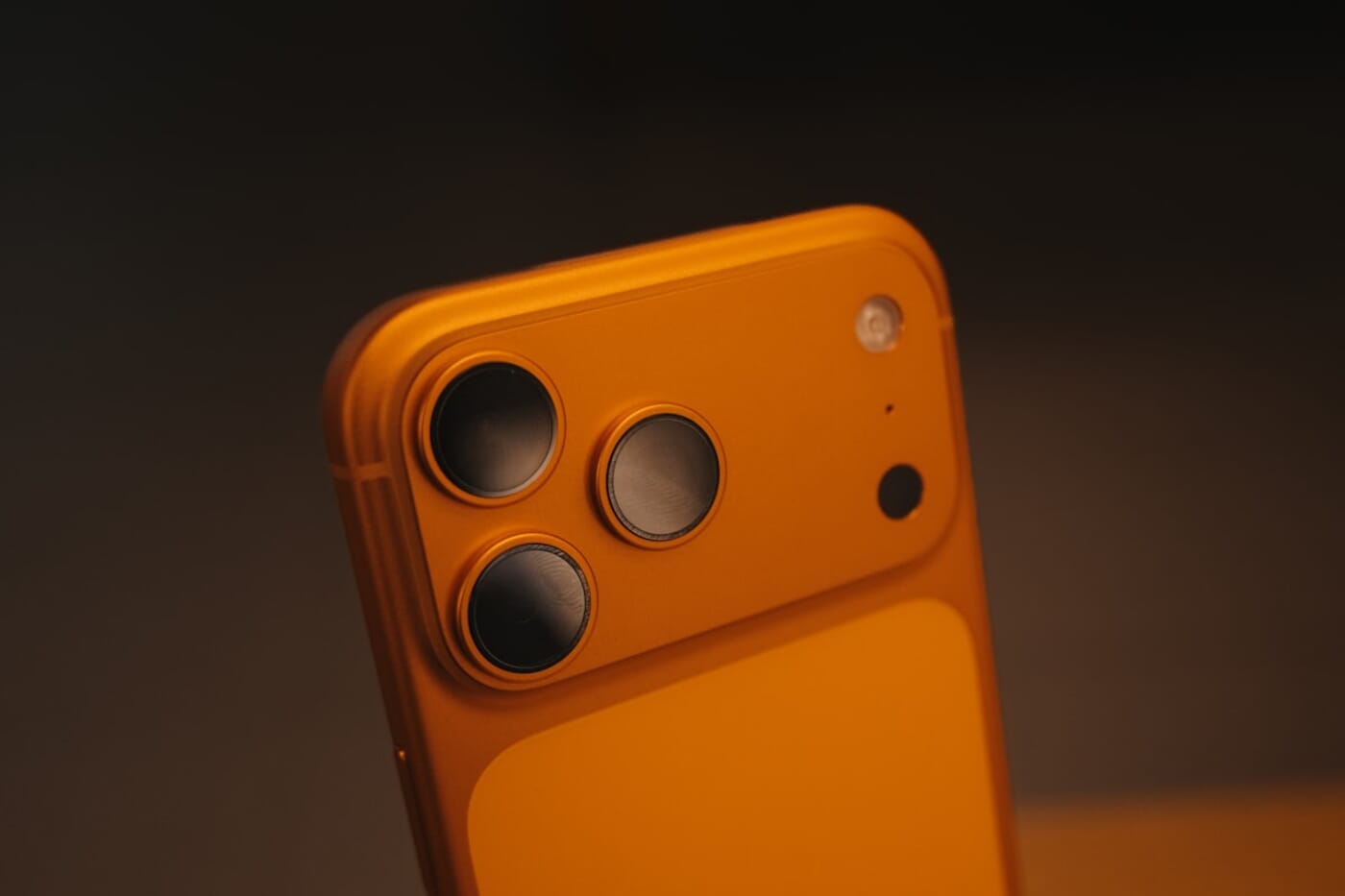
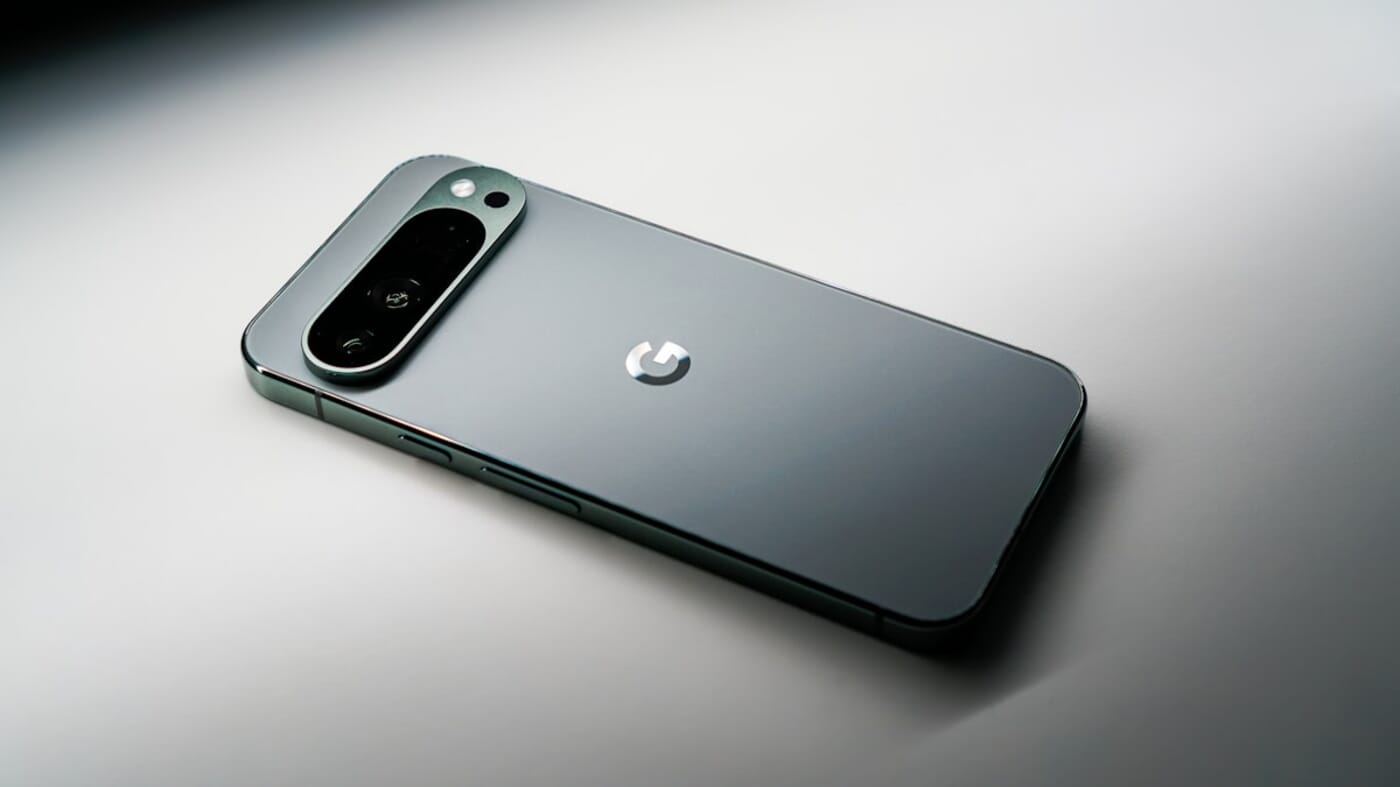
The Pixel 10 brings a triple camera system: a 48MP wide (f/1.7, 25mm), a 13MP ultrawide (f/2.2, 120°), and a 10.8MP telephoto (f/3.1, 112mm) with 5x optical zoom. The front camera is a 10.5MP ultrawide (95°) with autofocus. For a deeper look at what the iPhone 17e offers, check out our full iPhone 17e camera breakdown.
Main Camera: Similar Sensors, Different Processing
Both phones share a 48MP main sensor with similar fast apertures (f/1.6 on the iPhone, f/1.7 on the Pixel) and OIS — the core specs are essentially identical. The real difference is what happens after the light hits the sensor.
Apple’s Photonic Engine and Deep Fusion pipeline tends to produce images with accurate colors, excellent dynamic range, and a natural — sometimes warm — look. Photos are consistently clean, with skin tones that lean true-to-life. The 48MP full-resolution mode is available, but the default 24MP output (pixel-binned) strikes a solid balance between detail and file size.
Google’s Tensor G5 processing takes a more aggressive computational approach. Colors are often more saturated and punchy, with slightly more contrast out of the camera. Google’s HDR+ algorithm layers multiple exposures to pull detail from shadows and highlights simultaneously, producing images that look polished — sometimes almost over-processed to purists, but undeniably eye-catching.
In good lighting, both cameras produce excellent results that most photographers would struggle to tell apart in a blind test. The processing differences become more apparent in challenging conditions — backlit scenes, mixed lighting, and low light.
Telephoto and Zoom: The Pixel 10’s Biggest Advantage
This is where the $200 price difference shows most clearly. The Pixel 10’s 10.8MP 5x optical telephoto is a genuine telephoto lens with its own sensor and OIS — the same hardware that was previously exclusive to Google’s Pro models. It delivers clean, detailed shots at 5x with no digital cropping involved, and Super Res Zoom pushes usable results to about 20x.
The iPhone 17e’s “telephoto” is a 2x crop from the 48MP sensor. It’s good — Apple calls it “optical quality” and it delivers sharp 12MP images at 2x — but beyond that, you’re into pure digital zoom territory. At 5x, the Pixel 10 produces noticeably sharper, more detailed images because it’s using dedicated optics rather than cropping pixels.
For photographers who shoot wildlife, sports, street photography from a distance, or candid portraits where you can’t get physically closer, the Pixel 10’s telephoto is a significant advantage. If you rarely zoom past 2x, the iPhone 17e’s crop approach is perfectly adequate.
Ultra-Wide Angle: Present vs Absent
The iPhone 17e has no ultra-wide camera. Period. This is the single biggest compromise Apple made to hit the $599 price point.
The Pixel 10 includes a 13MP ultrawide with a 120° field of view and phase-detection autofocus. It’s not the highest resolution ultrawide on the market, but it’s competent for landscapes, architecture, and fitting large groups into tight spaces. The addition of Macro Focus on the main camera also gives the Pixel close-up capabilities the iPhone 17e lacks.
If you’re a landscape photographer, architectural shooter, or someone who frequently needs to capture wide scenes, the iPhone 17e is immediately disqualified. There’s no software workaround for a missing lens.
Night Photography: Two AI Heavyweights
Both phones have dedicated night modes, and both produce impressive low-light results — but their approaches differ.
The iPhone 17e’s Night mode activates automatically in dim conditions. It uses the Photonic Engine to merge multiple frames, brightening shadows while keeping noise under control. Results tend to look natural, retaining the mood of the scene without over-brightening. Night mode works on both the rear and front cameras.
Google’s Night Sight on the Pixel 10 is arguably the gold standard for smartphone night photography. The Tensor G5 processes multiple exposures with aggressive noise reduction and detail enhancement. Night Sight is available across all three rear cameras, including the telephoto — meaning you can shoot low-light telephoto shots that the iPhone 17e simply can’t match.
Real-world reviews consistently note that the Pixel 10 produces slightly brighter night shots with more recovered shadow detail, while the iPhone 17e maintains a more natural, warmer tone. Neither is objectively “better” — it depends on whether you prefer drama or realism in your night photos.
Computational Photography and AI Features
This is where both phones flex their respective ecosystems’ strengths.
Apple Intelligence (iPhone 17e)
The iPhone 17e runs Apple’s A19 chip with full Apple Intelligence capabilities. Camera-specific AI features include:
- Automatic portrait depth capture — detects people, dogs, and cats and records depth data without switching to Portrait mode
- Post-capture focus adjustment — change the focus point after you’ve taken the shot
- Advanced HDR — true-to-life skin tones with rich midtones and deep shadows
- Clean Up tool — remove unwanted objects from photos (similar to Magic Eraser)
Google AI (Pixel 10)
The Pixel 10’s Tensor G5 was designed specifically for on-device AI, and the camera features reflect that:
- Camera Coach — real-time AI guidance on composition, lighting, and framing while you shoot
- Magic Eraser — Google’s pioneering tool for removing distractions from photos
- Best Take — swaps faces in group photos so everyone looks their best
- Auto Best Take — automatically selects the best frame from a burst
- Magic Editor — AI-powered editing that can reposition subjects, change backgrounds, and adjust lighting
- Pixel Shift — multi-frame processing for enhanced detail
Google’s AI feature set is broader and more photography-focused, while Apple’s approach is more subtle and integrated into the default shooting experience. For photographers interested in mastering smartphone photography fundamentals, both platforms offer powerful tools — but Camera Coach specifically aims to teach you to shoot better, which is uniquely valuable for learning photographers.
Video Capabilities
Both phones shoot 4K video at up to 60fps, but the details diverge.
The iPhone 17e records 4K Dolby Vision HDR, which produces video with excellent dynamic range that plays beautifully on Apple devices and most modern TVs. Apple’s video stabilization is consistently smooth, and Cinematic mode (though limited to 1080p) adds shallow depth-of-field effects to video.
The Pixel 10 shoots 4K with 10-bit HDR and benefits from both gyro-EIS and OIS for stabilization. It supports 4K at 24fps for a cinematic look, and 1080p at up to 240fps for slow motion. The Pixel 10 also added ProRes Zoom — maintaining video quality during zoom transitions, which is a meaningful upgrade for content creators.
Apple has traditionally held the edge in video consistency and color science, and the iPhone 17e continues that trend. But the Pixel 10’s video has improved significantly with the Tensor G5, and the ability to shoot video across three different focal lengths gives it more creative flexibility.
Portrait Mode and Bokeh
Both phones excel at computational bokeh and portrait photography, but their implementations feel different in practice.
The iPhone 17e’s portrait mode benefits from automatic depth capture — the camera records depth data whenever it detects a person, dog, or cat, even in standard photo mode. You can convert any qualifying photo into a portrait after the fact, adjusting blur intensity and focus point. The bokeh simulation is smooth and natural-looking, with good edge detection.
The Pixel 10 can shoot portraits with its main camera or telephoto, giving you more framing options. Google’s portrait processing has been refined over multiple generations and produces natural-looking depth separation. The 5x telephoto is particularly good for portrait work — the longer focal length creates natural background compression that no amount of computational blur can fully replicate.
Pricing and Who Should Buy Which
The pricing gap tells you a lot about what each company prioritizes:
- iPhone 17e: $599 with 256GB storage
- Pixel 10: $799 with 128GB storage (256GB for $749+ depending on deals)
The iPhone 17e actually starts with more storage at a lower price. The Pixel 10 costs $200 more but adds two entire camera lenses, more RAM (12GB vs 8GB), and Google’s deeper AI photography toolkit.
Buy the iPhone 17e if:
- You primarily shoot with the main camera and rarely need ultra-wide or telephoto
- Video quality and Dolby Vision matter to you
- You’re already in the Apple ecosystem (AirDrop, iCloud, MacBook editing workflow)
- Budget is a priority — $200 saved is money for photography courses or accessories
- You’re upgrading from an older iPhone and want the familiar interface
Buy the Pixel 10 if:
- You want maximum camera versatility — ultra-wide, main, and 5x telephoto
- Night photography is a priority (Night Sight across all three cameras)
- You want AI features like Camera Coach to improve your photography skills
- You shoot at longer focal lengths — sports, wildlife, candid street photography
- You value Google’s 7 years of software updates and Pixel-exclusive features
The Bottom Line
The iPhone 17e and Pixel 10 represent two fundamentally different answers to the same question: how much camera do you need in a non-Pro smartphone?
Apple says one great camera at a lower price is enough for most people — and they’re probably right. The 48MP Fusion sensor is excellent, the computational photography is mature, and $599 makes it the most accessible way to get current-generation Apple camera tech.
Google says camera versatility shouldn’t be a Pro-only privilege — and bringing a triple camera system with 5x telephoto to the standard Pixel 10 at $799 backs that up. For photographers who want the flexibility to shoot wide, normal, and telephoto without switching phones or adding external lenses, the Pixel 10 delivers more creative range.
Neither choice is wrong. But knowing which trade-offs matter to your shooting style will save you from buyer’s remorse.
Frequently Asked Questions
Is the iPhone 17e camera as good as the Pixel 10?
The iPhone 17e’s main 48MP camera produces comparable image quality to the Pixel 10’s main sensor. However, the Pixel 10 has a significant advantage in versatility with its additional ultra-wide and 5x telephoto cameras. For single-lens shooting, they’re neck and neck.
Which phone is better for night photography?
The Pixel 10 has a slight edge for night photography thanks to Night Sight being available across all three cameras, including the telephoto. The iPhone 17e’s Night mode produces excellent results on its main camera, but lacks night telephoto capability. Both phones perform well in low light.
Does the iPhone 17e have an ultra-wide camera?
No. The iPhone 17e has a single rear camera (48MP main). This is the biggest compromise Apple made to keep the price at $599. If you need ultra-wide photos for landscapes or architecture, you’ll need the standard iPhone 17 ($799) or the Pixel 10.
Which phone shoots better video?
The iPhone 17e has a slight advantage in video consistency and Dolby Vision HDR support. The Pixel 10 counters with 10-bit HDR video, ProRes Zoom for smooth zoom transitions, and the ability to shoot video at three different focal lengths. For most casual videographers, both are excellent.
Is the Pixel 10 worth $200 more than the iPhone 17e for photography?
If you regularly shoot with ultra-wide or telephoto lenses, yes — the Pixel 10’s triple camera system and 5x optical zoom add genuine creative versatility you can’t replicate on the iPhone 17e. If you mainly shoot with the standard wide camera, the iPhone 17e at $599 delivers very similar main camera quality at a meaningful savings.
Sources and references:
Featured image: Photo by Vlad R on Unsplash. iPhone camera photo by Sam Grozyan on Unsplash. Google Pixel photo by Triyansh Gill on Unsplash.
Related Posts
Get the Weekly Photography News Digest
Join photographers who get our top stories delivered every Monday morning. No spam, unsubscribe anytime.