


- Sony FE 14mm f/1.8 GM tops the list with unmatched edge sharpness and the widest f/1.8 aperture at 14mm – the gold standard for astrophotography.
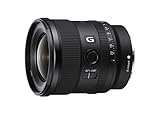
- Sony FE 20mm f/1.8 G is the runner-up – compact, sharp, and versatile enough for both night landscapes and astro work at a lower price.
- Sigma 20mm f/1.4 DG DN Art offers the fastest 20mm with a rear filter holder designed specifically for astrophotography.
- Aperture matters most for night lenses – every fraction of a stop means shorter exposures, less noise, and sharper stars.
- Budget astrophotography is possible – the Rokinon AF 14mm f/2.8 delivers ultra-wide night sky coverage for under $450.
Best Lenses for Night Photography
Choosing the right lens makes or breaks night photography. A camera body can only do so much – it is the lens that determines how much light reaches the sensor, how wide a slice of the Milky Way fits in the frame, and whether stars render as pinpoints or smeared blobs in the corners. For a deeper introduction to the craft itself, the complete beginner’s guide to night photography covers camera settings, composition, and technique in detail.
This guide compares 10 lenses purpose-built for low-light work – from ultra-wide primes designed for Milky Way photography to fast 35mm lenses built for nighttime cityscapes and street scenes. Every lens was evaluated on aperture speed, edge-to-edge sharpness (critical for point light sources), coma control, build quality, and real-world value. The Sony FE 14mm f/1.8 GM leads the pack for astrophotography, while Canon and Nikon shooters will find strong options across multiple price points.
The selection covers Sony E-mount, Canon RF, and Nikon Z systems, plus third-party options from Sigma, Rokinon, and Samyang. Whether the goal is photographing the Milky Way arc from a dark sky site or capturing neon-lit city streets after midnight, there is a lens here for every budget and mount system.
When you buy through links on our site, we may earn a commission at no cost to you. We evaluate products independently. Commissions do not affect our evaluations. As an Amazon Associate, we earn from qualifying purchases.
Best Lenses for Night Photography





How to Choose a Night Photography Lens
Night photography places unique demands on a lens that daytime shooting simply does not. The factors below separate a good night lens from a great one – and understanding them helps avoid expensive mistakes.

Why Aperture Matters More at Night
In daylight, the difference between f/1.4 and f/2.8 is a creative choice about depth of field. At night, it is the difference between a usable image and a noisy mess. An f/1.4 lens gathers four times more light than an f/2.8 lens – meaning exposures can be four times shorter at the same ISO. For astrophotography, where the 500 rule (or NPF rule) limits exposure time before stars begin to trail, that extra light-gathering ability is critical.
Choosing the Right Focal Length
For Milky Way photography, 14-20mm on a full-frame sensor captures the broadest sweep of the night sky. At 14mm, the galactic core and surrounding star fields fill the frame dramatically. At 24mm, the composition tightens to include more foreground context – useful for nightscapes that balance sky and landscape. For urban night photography, 35mm provides a natural perspective that works well for streets, architecture, and environmental portraits.
Understanding Coma in Night Lenses
Coma is an optical aberration that stretches point light sources (like stars) into small comet-like shapes, particularly in the corners of an image. It is most visible when shooting wide open and is the primary reason cheap wide-angle lenses produce disappointing astrophotography results. Premium night lenses from Sony’s GM line and Sigma’s Art series are specifically engineered to minimize coma, keeping stars as tight dots from center to edge.
Night Photography Lens Comparison
Night Photography Lens Comparison
| Specifications | ||||||||||
|---|---|---|---|---|---|---|---|---|---|---|
| Focal Length | 14mm | 20mm | 20mm | 24mm | 14-24mm | 35mm | 24mm | 35mm | 14mm | 12mm (18mm equiv) |
| Max Aperture | f/1.8 | f/1.8 | f/1.4 | f/1.4 | f/2.8 | f/1.4 | f/1.8 | f/1.8 | f/2.8 | f/2.0 |
| Mount | Sony E | Sony E | Sony E / L | Sony E | Nikon Z | Canon RF | Canon RF | Canon RF | Sony E | Canon RF-S / Sony E / Fuji X |
| Weight | 460g | 373g | 630g | 445g | 650g | 555g | 270g | 305g | 485g | 260g |
| Weather Sealed | Yes | Yes | Yes | Yes | Yes | Yes | No | No | No | No |
| Score | 97 | 93 | 91 | 90 | 89 | 88 | 86 | 85 | 83 | 80 |


Night Photography Lenses Reviewed
Sony FE 14mm f/1.8 GM
Astrophotographers and dedicated night shooters who need the widest, fastest prime available
- Widest f/1.8 full-frame prime at 14mm
- Exceptionally sharp edge-to-edge even wide open
- Lightweight for a 14mm ultra-wide (460g)
- Minimal coma and sagittal flare on point light sources
- Weather-sealed magnesium alloy body
- Premium price point
- Sony E-mount only (no native Canon/Nikon version)
- No image stabilization
The gold standard for astrophotography. Its f/1.8 maximum aperture at 14mm captures more night sky light than almost any other lens, and edge sharpness keeps stars pinpoint even in corners.


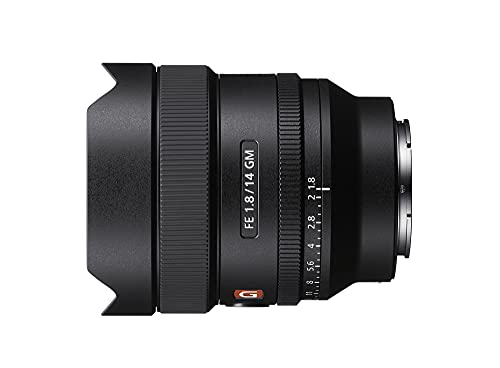
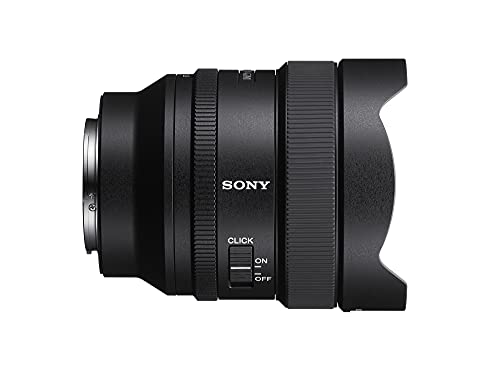
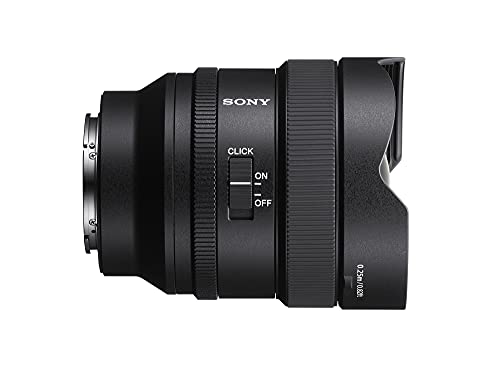
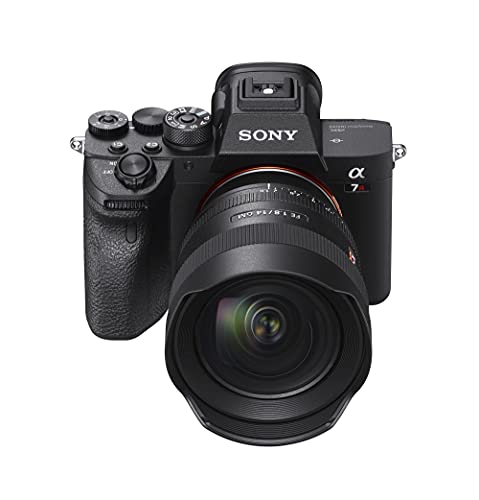
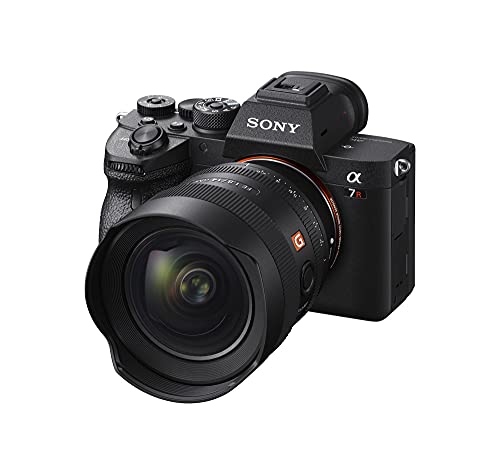
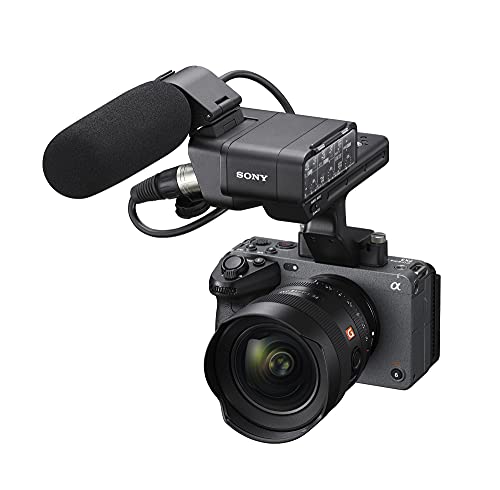

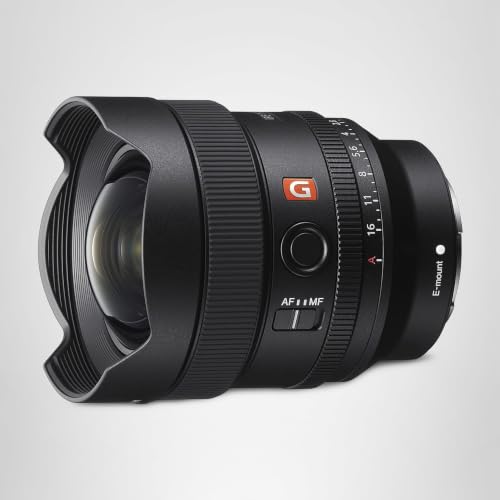
The Sony FE 14mm f/1.8 GM is the lens astrophotographers measure every other option against. At 14mm with an f/1.8 maximum aperture, it captures more of the night sky with more light than any comparable prime. Sony’s GM (G Master) optical design virtually eliminates coma – the aberration that turns corner stars into tiny wings – making it possible to shoot wide open with confidence.
Edge-to-edge sharpness is where this lens separates itself from the competition. Even at f/1.8, corner performance stays remarkably consistent with center sharpness. For Milky Way photography, this means stars remain pinpoints from the center of the galactic core all the way to the edges of the frame – something budget ultra-wides simply cannot match.
At 460g, the Sony 14mm GM is lighter than most 14mm alternatives, which matters for astrophotographers who hike to dark sky locations. The compact size also balances well on Sony bodies like the A7 IV and A7R V without creating a front-heavy setup that strains lightweight tripod heads. Weather sealing throughout the barrel and mount provides peace of mind during long night sessions where dew and condensation are inevitable.
The only real limitation is price – at $1,748 (as of March 2026), this is an investment lens. Photographers who primarily shoot urban night scenes rather than astrophotography may find the 14mm focal length too extreme and would be better served by the Sony FE 20mm f/1.8 G or the 24mm f/1.4 GM.
Pricing & Where to Buy
The Sony FE 14mm f/1.8 GM is priced at $1,748 (as of March 2026). This is a professional-grade G Master lens positioned at the top of Sony’s ultra-wide lineup.
- Buy on Amazon – Prime shipping available
- Check price at B&H Photo
- Check price at Adorama
- Buy used at KEH Camera – save with certified pre-owned
Sony FE 20mm F1.8 G
Night photographers who want ultra-wide versatility without the extreme 14mm distortion
- Outstanding sharpness at f/1.8
- Compact and lightweight (373g)
- Excellent coma control for stars
- Close minimum focus distance (0.19m)
- Reliable AF in low light
- Narrower than 14mm for Milky Way panoramas
- No optical stabilization
- Filter thread is 67mm (less common)
A versatile 20mm that balances field of view with manageable distortion. Exceptional coma control makes it a strong astrophotography contender, while its compact size suits nighttime street and travel photography.
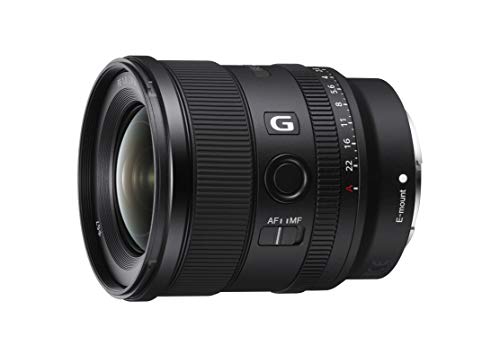

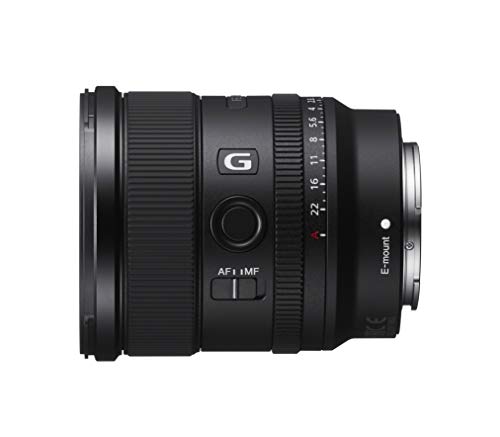




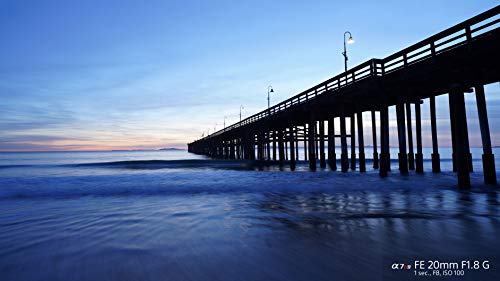

The Sony FE 20mm f/1.8 G is the most versatile night photography lens in this roundup. At 20mm, it captures enough sky for compelling Milky Way shots while offering a slightly more natural perspective than 14mm – reducing the extreme distortion that can stretch foreground elements near the frame edges.
Coma control is exceptional for a lens at this price point. Stars remain tight dots well into the corners at f/1.8, which is remarkable given that many lenses in this focal range show visible coma-induced smearing. The 373g weight makes it one of the lightest full-frame ultra-wide options available – nearly 100g lighter than the 14mm GM and significantly lighter than the Sigma 20mm f/1.4.
The 0.19m minimum focus distance opens up creative possibilities for night photography compositions that include close foreground elements – think wildflowers under the Milky Way or frost crystals on a moonlit fence. Autofocus performance remains reliable in very low light, making this lens practical for nighttime street photography and bokeh-rich night portraits with city lights in the background.
At $1,048 (as of March 2026), the 20mm f/1.8 G sits $700 below the 14mm GM – a meaningful saving that could fund a quality tripod or star tracker. For photographers who want one lens that handles both astrophotography and general night shooting, this is the strongest all-around choice.
Pricing & Where to Buy
The Sony FE 20mm f/1.8 G is priced at $1,048 (as of March 2026), positioning it as Sony’s most compelling value in the ultra-wide prime lineup.
- Buy on Amazon – Prime shipping available
- Check price at B&H Photo
- Check price at Adorama
- Buy used at KEH Camera – save with certified pre-owned
Sigma 20mm F1.4 DG DN Art
Photographers who want the fastest 20mm available and shoot Sony E or L-mount systems
- Fastest 20mm available at f/1.4
- Excellent optical performance with minimal coma
- Available for Sony E-mount and L-mount
- More affordable than Sony’s own 20mm
- Rear filter holder for astrophotography
- Heavier than Sony FE 20mm f/1.8 G (630g vs 373g)
- No Canon RF or Nikon Z mount option
- Larger front element diameter
The extra two-thirds of a stop over f/1.8 lenses translates to noticeably shorter exposures for astrophotography, reducing star trails. The rear filter holder is a thoughtful addition for night sky shooters.


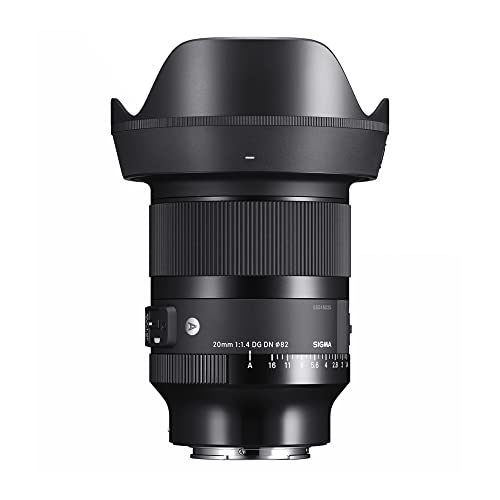
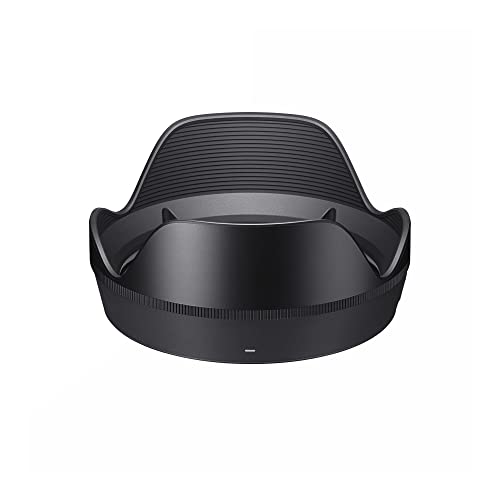
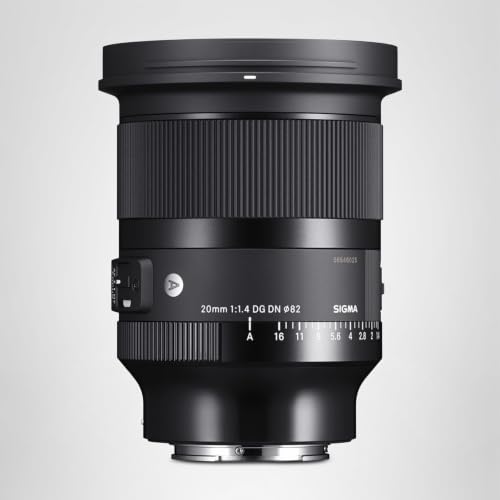
The Sigma 20mm f/1.4 DG DN Art is the fastest 20mm lens available for mirrorless cameras. That extra two-thirds of a stop compared to f/1.8 alternatives means meaningfully shorter exposures for astrophotography – at ISO 3200, the Sigma can use a 15-second exposure where an f/1.8 lens would need 25 seconds, reducing star trailing noticeably.
Sigma designed this lens with astrophotography specifically in mind. The rear filter holder accepts gel filters – including light pollution and narrowband filters – without the need for bulky front filter systems that can cause vignetting on ultra-wide lenses. This is a feature typically found only on professional zoom lenses, and having it on a fast prime is a genuine advantage for night sky shooters.
Optical quality is firmly in Art-series territory, with well-controlled coma and sagittal flare. It does not quite match the Sony FE 14mm GM’s corner performance, but at 20mm the demands are slightly less extreme. The lens is noticeably heavier at 630g compared to Sony’s 373g 20mm f/1.8 G – a trade-off for the faster aperture and larger optical elements.
At $989 (as of March 2026), the Sigma undercuts Sony’s own 20mm while offering a faster aperture. It is available for Sony E-mount and L-mount (Panasonic, Leica, Sigma bodies). Canon RF and Nikon Z shooters will need to look elsewhere – the Nikon Z 14-24mm f/2.8 S is the best native ultra-wide option for that system.
Pricing & Where to Buy
The Sigma 20mm f/1.4 DG DN Art is priced at $989 (as of March 2026). The Sony E-mount version is the most widely available.
- Buy on Amazon – Prime shipping available
- Check price at B&H Photo
- Check price at Adorama
- Buy used at KEH Camera – save with certified pre-owned
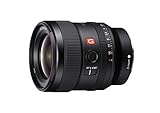
Sony FE 24mm F1.4 GM
Night photographers who want a versatile focal length for both cityscapes and environmental night portraits
- Fast f/1.4 aperture for low-light shooting
- Remarkably compact for a 24mm f/1.4 (445g)
- Superb autofocus speed and accuracy
- Beautiful bokeh rendering for night portraits
- Nano AR coating reduces ghosting from light sources
- Expensive for a 24mm prime
- Sony E-mount only
- Narrower field of view limits Milky Way compositions
At 24mm, this lens sits at the sweet spot between ultra-wide and standard – wide enough for nightscapes with foreground interest, yet controlled enough for urban night photography and environmental portraits with creamy background blur.
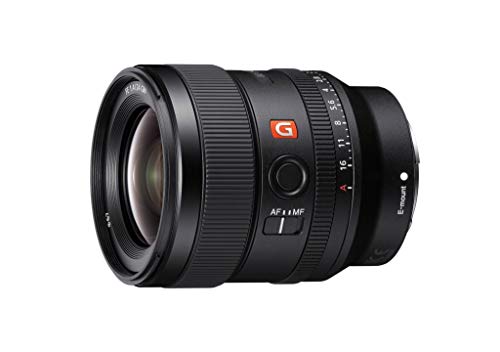


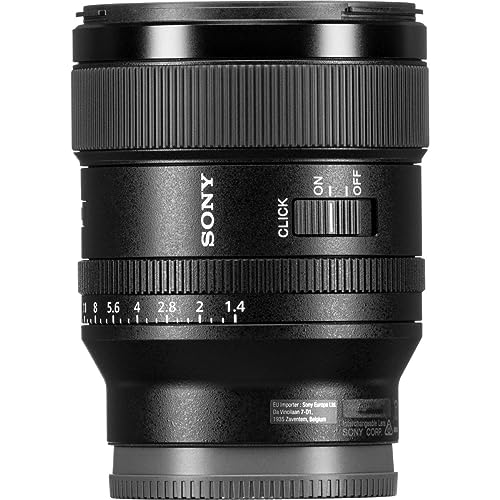


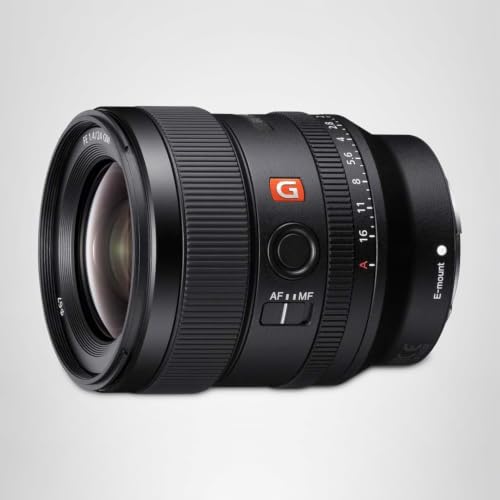
The Sony FE 24mm f/1.4 GM occupies the sweet spot between ultra-wide astrophotography lenses and standard primes. At 24mm, the field of view is still wide enough to capture impressive nightscapes with foreground interest, but controlled enough to avoid the extreme barrel distortion of 14mm optics. The f/1.4 aperture is the fastest in this roundup, gathering more light than any f/1.8 alternative.
For urban night photography, the 24mm focal length excels. City streets, illuminated architecture, and neon-lit storefronts are rendered with a natural perspective that feels immersive without looking distorted. The f/1.4 aperture creates beautiful bokeh from city lights in the background – useful for environmental night portraits where background blur quality matters as much as sharpness.
Sony’s Nano AR coating is specifically relevant for night work, where bright point light sources (streetlights, headlights, neon signs) create flare and ghosting in lesser lenses. The coating significantly reduces both, keeping contrast high even when shooting into or near direct light sources. Autofocus tracks reliably in challenging low-light conditions – a notable advantage over manual-focus alternatives.
The $1,598 price (as of March 2026) places this firmly in professional territory. For Canon RF shooters looking for similar speed at a wider focal length, the Canon RF 24mm f/1.8 Macro IS STM offers a compelling budget alternative with built-in stabilization.
Pricing & Where to Buy
The Sony FE 24mm f/1.4 GM is priced at $1,598 (as of March 2026). As an established G Master lens, it is widely available across retailers.
- Buy on Amazon – Prime shipping available
- Check price at B&H Photo
- Check price at Adorama
- Buy used at KEH Camera – save with certified pre-owned
Nikon NIKKOR Z 14-24mm f/2.8 S
Nikon Z shooters who need flexible ultra-wide framing for night landscapes and astrophotography
- Constant f/2.8 across 14-24mm zoom range
- Accepts 112mm front filters or rear gel filters
- Sharp edge-to-edge across zoom range
- Excellent flare control with ARNEO coating
- Weather-sealed professional build
- f/2.8 gathers less light than f/1.4 or f/1.8 primes
- Premium price point over $2,000
- Heavier than equivalent primes (650g)
The flexibility to zoom from 14mm to 24mm is invaluable for night composition. While primes are faster, this zoom covers the entire astrophotography focal length range in a single lens with excellent optical quality.
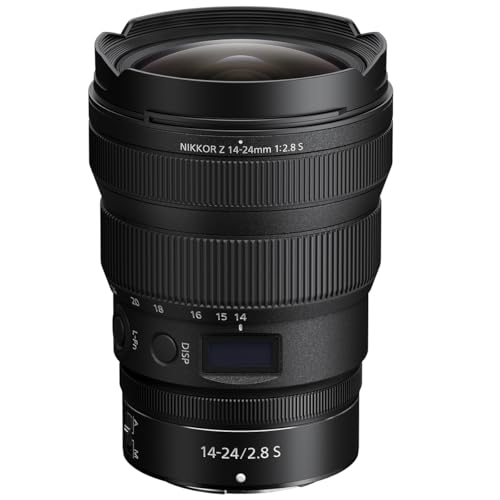

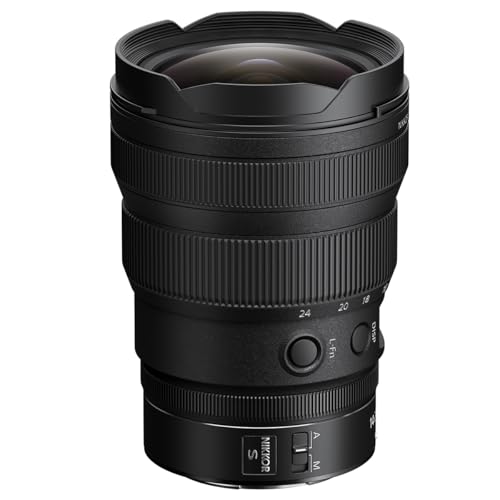

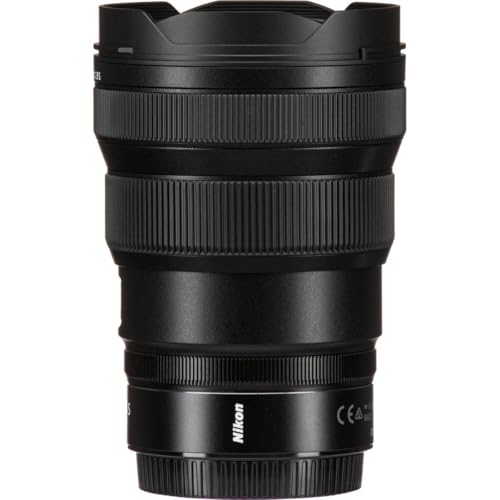
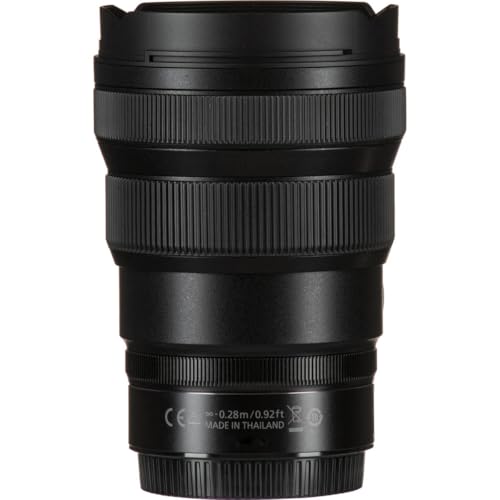
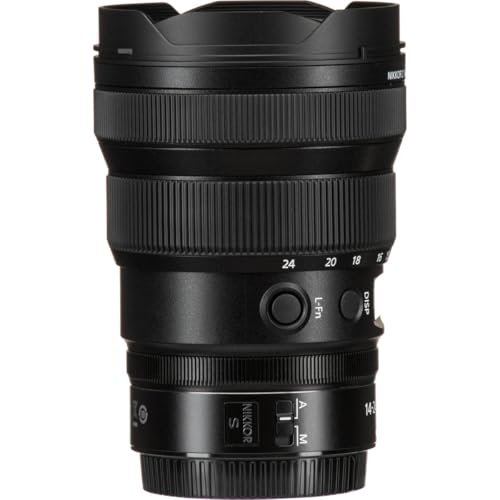
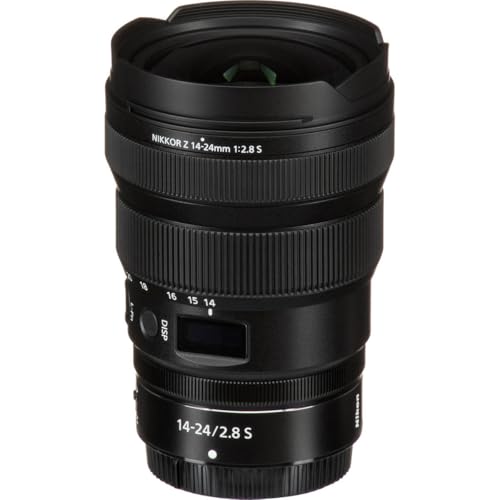

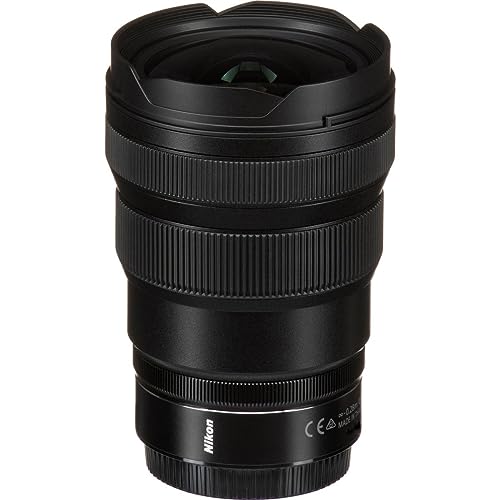
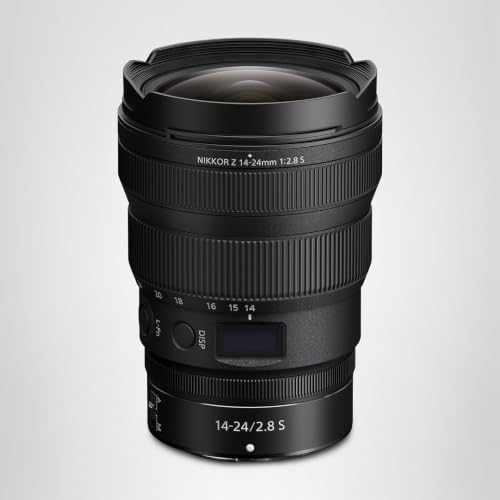
The Nikon Z 14-24mm f/2.8 S is the only zoom lens in this roundup, and it earns its place by covering the entire astrophotography focal length range – from the ultra-wide 14mm Milky Way view to the tighter 24mm nightscape perspective – in a single, weather-sealed package. For Nikon Z system shooters, this is the definitive night photography zoom.
Unlike the famous F-mount 14-24mm f/2.8G that preceded it, the Z-mount version features a much flatter front element that accepts 112mm screw-on filters. It also accommodates rear gel filters, making it compatible with light pollution filters for astrophotography – something the bulbous-fronted predecessor could never do. Edge sharpness at f/2.8 across the zoom range is excellent, with well-controlled coma even at the 14mm extreme.
The f/2.8 aperture is the main compromise. Compared to the f/1.8 primes in this list, it gathers roughly half the light, requiring either longer exposures (which risk star trails) or higher ISO settings (which increase noise). For Nikon shooters who pair this with a high-ISO performer like the Z6 III, the noise penalty is manageable. Pairing it with one of the best cameras for night photography helps offset the aperture limitation.
At $2,097 (as of March 2026), it is the most expensive lens in this roundup. The price reflects professional S-line build quality, ARNEO coating for flare control, and the versatility of replacing two or three primes with a single zoom.
Pricing & Where to Buy
The Nikon Z 14-24mm f/2.8 S is priced at $2,097 (as of March 2026). As Nikon’s flagship ultra-wide zoom, it is available from all major camera retailers.
- Buy on Amazon – Prime shipping available
- Check price at B&H Photo
- Check price at Adorama
- Buy used at KEH Camera – save with certified pre-owned
Canon RF 35mm f/1.4 L VCM
Canon RF shooters who want a fast, modern 35mm for nighttime street, documentary, and environmental photography
- Fast f/1.4 aperture for challenging low light
- Voice Coil Motor (VCM) for near-silent AF
- L-series build quality with weather sealing
- Excellent sharpness wide open
- 0.5x macro magnification for close-up detail
- Premium L-series pricing
- 35mm narrower than ideal for astrophotography
- Heavier than budget alternatives (555g)
Canon’s newest 35mm f/1.4 brings modern AF technology and exceptional optics to night photography. The VCM autofocus motor is virtually silent – useful for video and discreet nighttime shooting.

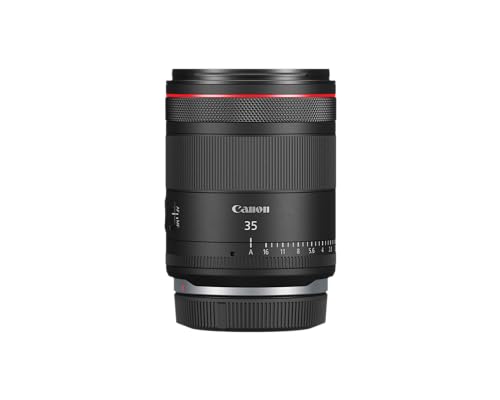
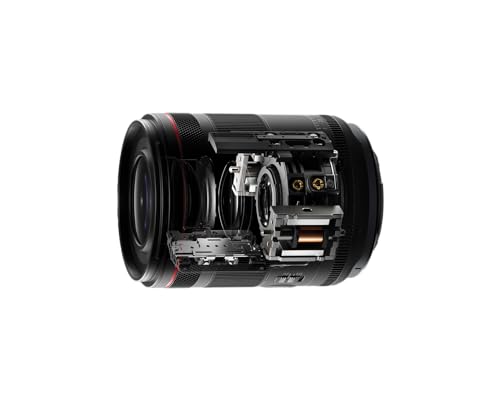
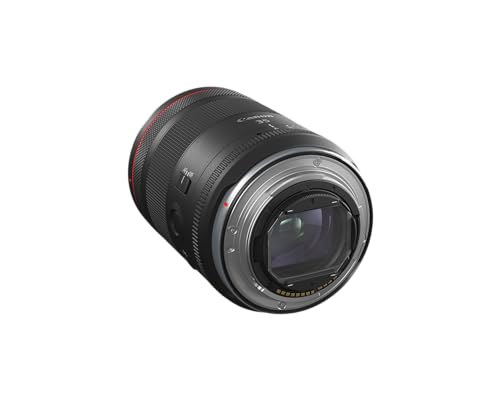
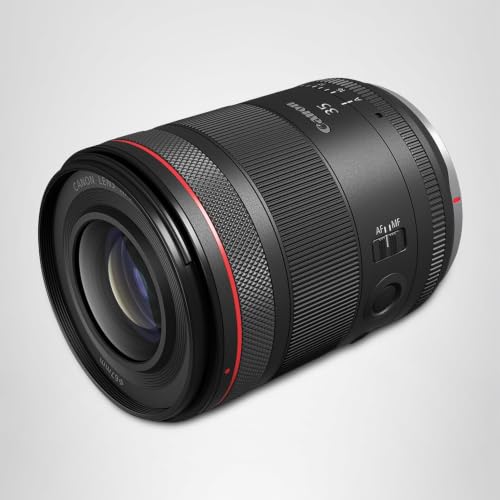
The Canon RF 35mm f/1.4 L VCM is Canon’s flagship 35mm prime and the best option for Canon RF system night photographers who prioritize image quality and autofocus performance. The Voice Coil Motor (VCM) delivers near-silent focusing that is practically inaudible – valuable for video shooters capturing nighttime b-roll or documentary photographers working discreetly.
At f/1.4, this lens gathers roughly two-thirds of a stop more light than the f/1.8 alternatives in this list. For nighttime street photography – where handheld shooting at fast shutter speeds is essential – that extra light allows lower ISO settings and cleaner files. Sharpness wide open is excellent, with the L-series optical design keeping corner performance strong even at maximum aperture.
The 35mm focal length is not the first choice for astrophotography (14-20mm is preferred for that), but it excels at nighttime cityscapes, urban exploration, and environmental portraits. The natural perspective renders city streets with a sense of being present in the scene rather than observing from a distance. Weather sealing throughout provides confidence during rainy or dewy night shoots.
At $1,599 (as of March 2026), this is a significant investment. Canon photographers who want similar night capability at a lower price should consider the Canon RF 35mm f/1.8 Macro IS STM, which adds image stabilization at one-third the price.
Pricing & Where to Buy
The Canon RF 35mm f/1.4 L VCM is priced at $1,599 (as of March 2026). As Canon’s newest L-series prime, it is available from all major retailers.
- Buy on Amazon – Prime shipping available
- Check price at B&H Photo
- Check price at Adorama
- Buy used at KEH Camera – save with certified pre-owned
Canon RF 24mm f/1.8 Macro IS STM
Canon shooters on a budget who need a fast wide-angle for night cityscapes and casual astrophotography
- Affordable entry to fast wide-angle shooting
- Built-in image stabilization (up to 5 stops)
- 0.5x macro capability adds daytime versatility
- Lightweight and compact (270g)
- f/1.8 gathers plenty of light for night scenes
- STM motor slower than USM or Nano USM
- Some corner softness wide open
- Not as sharp as L-series alternatives
Built-in IS is a standout feature for handheld night shooting in cities where tripods are impractical. At 270g, it barely adds weight to a camera bag – making it an easy lens to always have available.




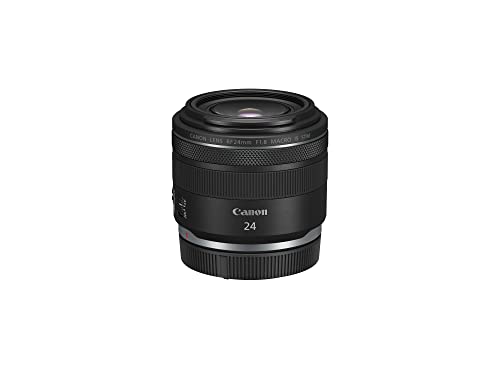
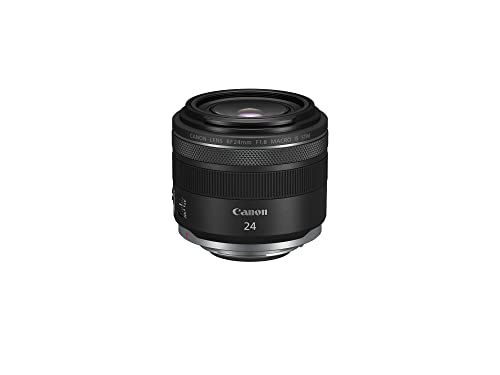

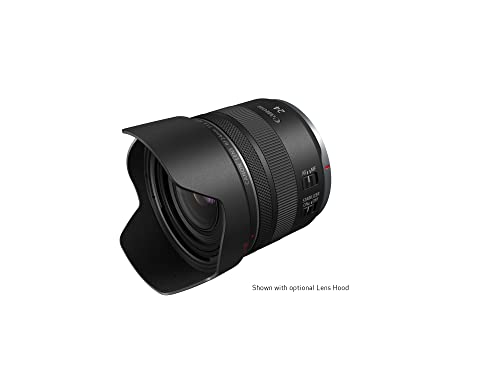
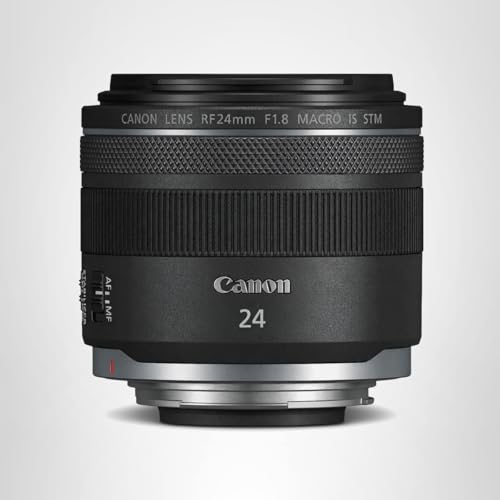
The Canon RF 24mm f/1.8 Macro IS STM is the most affordable Canon RF lens in this roundup and one of the lightest night photography lenses available at just 270g. Its standout feature for night work is built-in optical image stabilization – up to 5 stops when paired with an IBIS-equipped Canon body – which makes handheld night photography in urban environments genuinely practical.
In cities where tripods are prohibited or impractical (museums, busy sidewalks, transit stations), the IS system allows handheld shots at shutter speeds that would produce unusable camera shake with unstabilized lenses. Combined with the f/1.8 aperture, it is possible to shoot handheld at ISO 1600 or lower in well-lit urban environments – producing clean files with minimal noise processing needed.
The 0.5x macro capability adds significant daytime versatility, making this a genuine do-everything lens rather than a night-only specialist. For photographers who carry one or two lenses on a trip, the ability to shoot night cityscapes and then capture close-up detail the next morning is a practical advantage that pure night lenses do not offer.
Corner sharpness at f/1.8 is the main limitation – stopping down to f/2.8 tightens things up considerably but reduces the low-light advantage. For serious astrophotography, the wider and faster options at the top of this list are better suited. But for casual night shooting and urban photography, the Canon RF 24mm f/1.8 at $599 (as of March 2026) is hard to beat for Canon RF system owners.
Pricing & Where to Buy
The Canon RF 24mm f/1.8 Macro IS STM is priced at $599 (as of March 2026), making it one of the most affordable fast wide-angle options for Canon’s mirrorless system.
- Buy on Amazon – Prime shipping available
- Check price at B&H Photo
- Check price at Adorama
- Buy used at KEH Camera – save with certified pre-owned
Canon RF 35mm f/1.8 Macro IS STM
Budget-conscious Canon RF shooters who want a reliable fast prime for night photography and everyday use
- Excellent value under $550
- Built-in image stabilization
- Dual-purpose with 0.5x macro mode
- Sharp center performance at f/1.8
- Lightweight at just 305g
- Corner sharpness drops at f/1.8
- 35mm not wide enough for serious astrophotography
- Older STM motor design
One of Canon’s original RF-mount lenses and still a strong performer for the price. The built-in IS lets handheld night shooters push shutter speeds 3-4 stops slower than unstabilized alternatives.

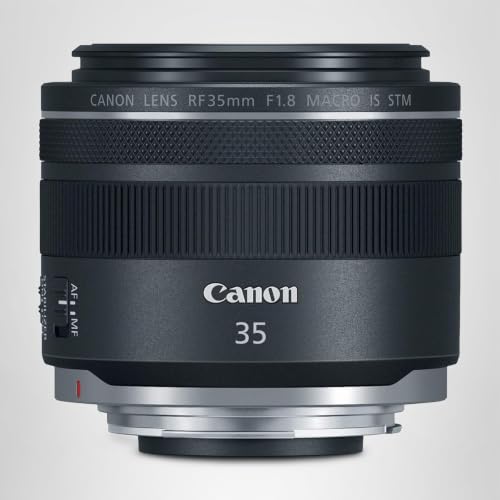
The Canon RF 35mm f/1.8 Macro IS STM was one of the first lenses available for Canon’s RF mount system, and it remains one of the best values for night photography on any Canon mirrorless body. At $539 (as of March 2026), it costs one-third the price of the RF 35mm f/1.4 L VCM while delivering most of the night-shooting capability a non-professional needs.
Built-in image stabilization is the key differentiator from the more expensive L-series option above. For handheld night shooting in urban environments, 3-4 stops of stabilization means the difference between sharp shots at 1/8 second and blurry results at 1/60 second. Combined with f/1.8 and modern Canon sensor ISO performance, this lens enables surprisingly effective handheld night photography without a tripod.
Center sharpness at f/1.8 is very good, though corners are noticeably softer than the L-series alternative – a trade-off that matters for astrophotography (where corner stars would smear) but is largely irrelevant for night street photography and cityscapes where the subject is typically centered. The 0.5x macro mode is identical to the RF 24mm, adding the same daytime versatility.
At 305g, it is compact enough to serve as a permanent carry lens on a Canon R6 or R8 body. For Canon photographers who are just getting into night photography and want to test the waters before committing to premium glass, this is the ideal starting point. Those ready to invest more in Canon’s astro lineup should also consider the best Canon lenses for astrophotography guide for wider options.
Pricing & Where to Buy
The Canon RF 35mm f/1.8 Macro IS STM is priced at $539 (as of March 2026). As one of Canon’s most popular RF-mount lenses, it is widely available and occasionally discounted.
- Buy on Amazon – Prime shipping available
- Check price at B&H Photo
- Check price at Adorama
- Buy used at KEH Camera – save with certified pre-owned
Rokinon AF 14mm F2.8
Astrophotographers on a budget who want ultra-wide coverage without spending over $500
- Affordable 14mm ultra-wide with autofocus
- Full-frame coverage at f/2.8
- Decent edge sharpness for the price
- Available for Sony E-mount
- Built-in lens hood
- f/2.8 requires longer exposures than f/1.4 or f/1.8 lenses
- Some coma visible in extreme corners
- Build quality below premium alternatives
- AF accuracy can be inconsistent in very low light
At under $450, this is the most affordable way to get autofocus at 14mm for astrophotography. It won’t match the Sony 14mm GM’s optical perfection, but the price difference buys a lot of other gear.
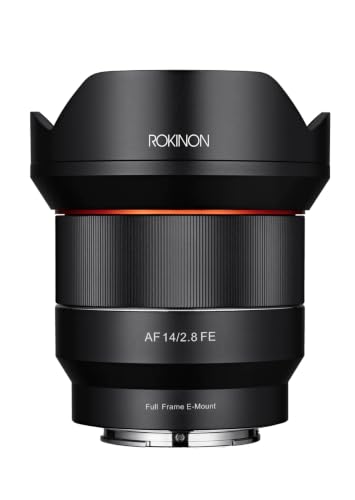
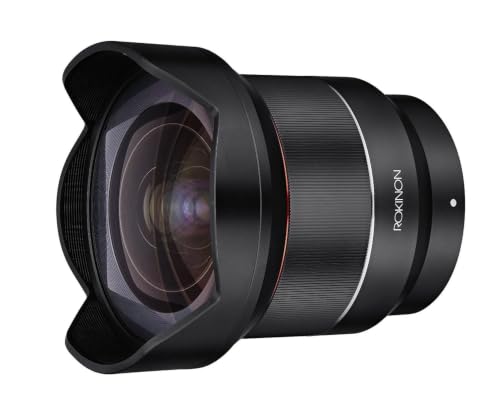
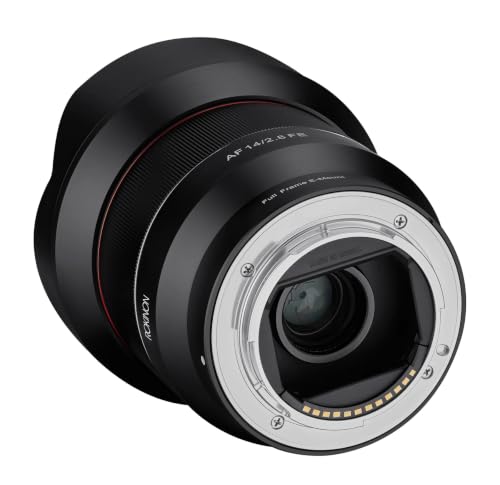
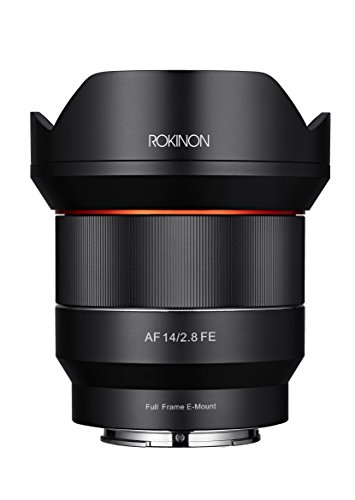
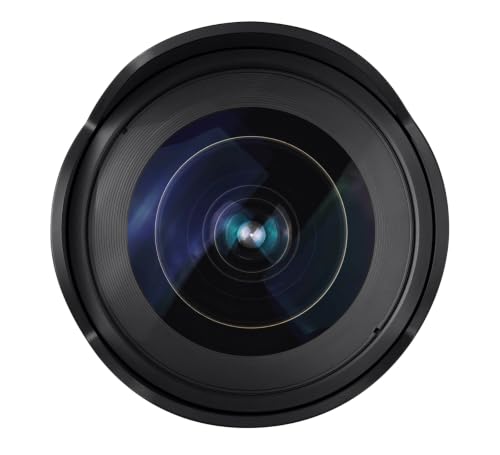
The Rokinon AF 14mm f/2.8 proves that astrophotography does not require a $1,500+ lens. At $439 (as of March 2026), it delivers the same 14mm ultra-wide field of view as the Sony GM at roughly a quarter of the price. The trade-off is a slower f/2.8 aperture and less refined optical performance – but the images are still impressive for the investment.
The autofocus version (this model) solves the biggest complaint about Rokinon/Samyang’s earlier manual-focus 14mm lenses. While AF accuracy in very dark conditions can occasionally miss, for most night photography scenarios – especially when pre-focusing on infinity for star shots – it works reliably enough. The built-in lens hood provides some protection against stray light sources at the edge of the frame.
Corner performance at f/2.8 shows some coma and softness, particularly in the extreme corners where stars stretch into small shapes. Stopping down to f/4 cleans this up significantly, though it further reduces light gathering. For photographers who are learning astrophotography or shoot it occasionally rather than as a primary focus, these optical compromises are acceptable given the enormous price advantage.
The $1,300 saved compared to the Sony 14mm GM can fund a star tracker, a quality tripod, or a trip to a dark sky location – all of which arguably improve astrophotography results more than marginal optical improvements in lens corners. Rokinon and Samyang are the same manufacturer (Samyang Optics), so this lens is also available as the Samyang AF 14mm f/2.8 in some markets.
Pricing & Where to Buy
The Rokinon AF 14mm f/2.8 is priced at $439 (as of March 2026). Available for Sony E-mount with full-frame coverage.
- Buy on Amazon – Prime shipping available
- Check price at B&H Photo
- Check price at Adorama
- Buy used at KEH Camera – save with certified pre-owned
Samyang 12mm F2.0 AF
APS-C camera owners who want an affordable ultra-wide for night sky photography
- Ultra-wide 12mm on APS-C (18mm equivalent)
- Fast f/2.0 aperture for the price
- Autofocus capability
- Compact and lightweight design
- Available for Canon RF-S, Sony E, and Fuji X mounts
- APS-C only – not compatible with full-frame cameras
- Smaller sensor gathers less light than full-frame equivalents
- Some barrel distortion at 12mm
- Fewer reviews as a newer release
APS-C shooters don’t need to feel left out of night photography. This 12mm f/2.0 provides an 18mm equivalent field of view with enough speed for casual Milky Way shots on crop-sensor bodies.
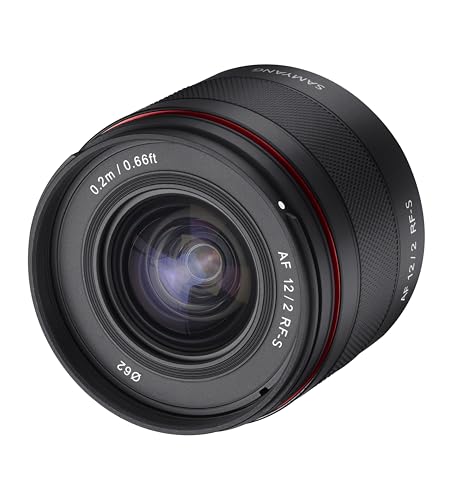
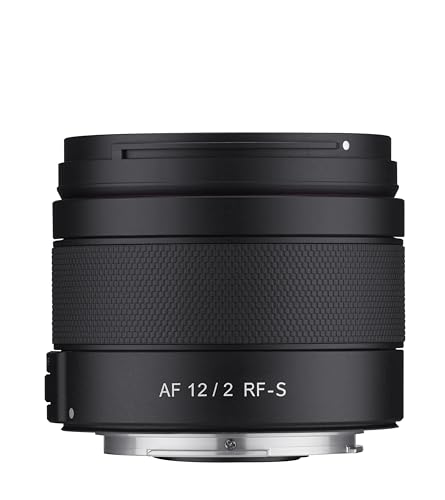
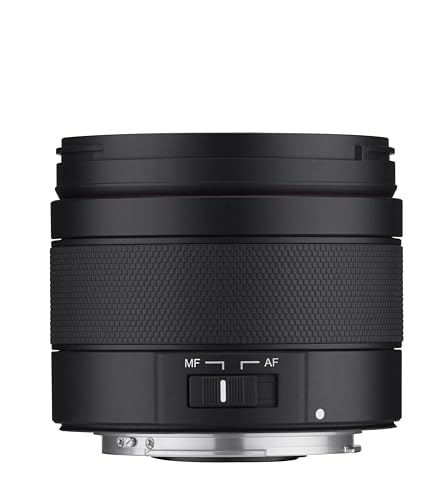
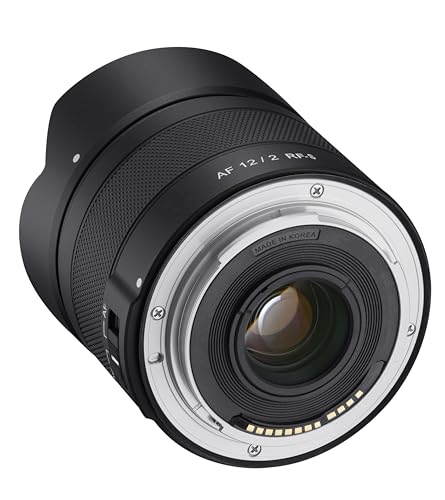
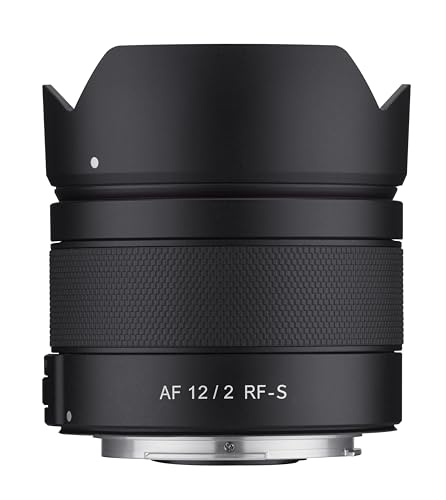
The Samyang 12mm f/2.0 AF is included for the significant number of photographers shooting APS-C (crop sensor) systems. Not everyone owns a full-frame camera, and this lens proves that compelling night sky photography is possible on smaller sensors. At 12mm on APS-C, it provides an 18mm equivalent field of view – wide enough for impressive Milky Way compositions.
The f/2.0 maximum aperture is fast for an APS-C ultra-wide. While a smaller APS-C sensor gathers less total light than a full-frame sensor at the same settings, the f/2.0 aperture partially compensates by allowing more light per pixel. Paired with a modern APS-C camera that handles high ISO well (Canon R7, Sony A6700, Fuji X-T5), results can be surprisingly good for casual astrophotography.
The autofocus version of this lens is a significant upgrade over Samyang’s earlier manual-focus 12mm f/2.0 models. AF makes it much easier to focus in the dark – pre-focusing on a distant light source and then recomposing for the sky is faster and more reliable than manually finding infinity focus on a focus ring. Available for Canon RF-S, Sony E (APS-C mode), and Fuji X mounts, it covers the three most popular crop-sensor mirrorless systems.
At $418 (as of March 2026), this is the most affordable lens in the roundup. For astrophotography enthusiasts upgrading from phone cameras, the Samyang 12mm paired with an entry-level mirrorless body represents a dramatic quality jump at a reasonable combined cost.
Pricing & Where to Buy
The Samyang 12mm f/2.0 AF is priced at $418 (as of March 2026) for the Canon RF-S mount version. Pricing may vary slightly by mount.
- Buy on Amazon – Prime shipping available
- Check price at B&H Photo
- Check price at Adorama
Choose the Best Night Photography Lens
The right night photography lens depends on what subjects dominate the shooting schedule. For dedicated astrophotography – Milky Way arcs, star fields, and aurora – the Sony FE 14mm f/1.8 GM is the clear top pick. Its combination of ultra-wide coverage, fast aperture, and virtually zero coma makes it the reference lens for night sky work.
For photographers who split time between astrophotography and general night shooting, the Sony FE 20mm f/1.8 G offers the best all-around value. It handles both disciplines well at $700 less than the 14mm GM. The Sigma 20mm f/1.4 DG DN Art is an excellent alternative for those who prioritize maximum light gathering and want the rear filter holder for astrophotography filters.
Canon RF system owners are best served by the Canon RF 24mm f/1.8 Macro IS STM for budget night shooting or the Canon RF 35mm f/1.4 L VCM for premium quality. Nikon Z shooters should look at the Nikon Z 14-24mm f/2.8 S for the most flexible night photography zoom available. And for anyone just getting started or working with a tight budget, the Rokinon AF 14mm f/2.8 delivers ultra-wide astrophotography capability for under $450.
For a comprehensive overview of camera settings, composition techniques, and subject ideas for shooting after dark, the complete guide to night photography covers everything from light trails and blue hour photography to long-exposure techniques and planning for the Milky Way season.
Final Picks by Category
Sony FE 14mm f/1.8 GM
Sony FE 20mm f/1.8 G
Sigma 20mm f/1.4 DG DN Art
Canon RF 35mm f/1.4 L VCM
Rokinon AF 14mm f/2.8
Samyang 12mm f/2.0 AF
Related Articles
Disclosure/Disclaimer: As an Amazon Associate, we earn from qualifying purchases. Certain content was provided "as is" from Amazon and is subject to change or removal at any time. Product prices and availability: Amazon prices are updated daily or are accurate as of the date/time indicated and are subject to change. Any price and availability information displayed on Amazon.com at the time of purchase will apply to the purchase of this product.