


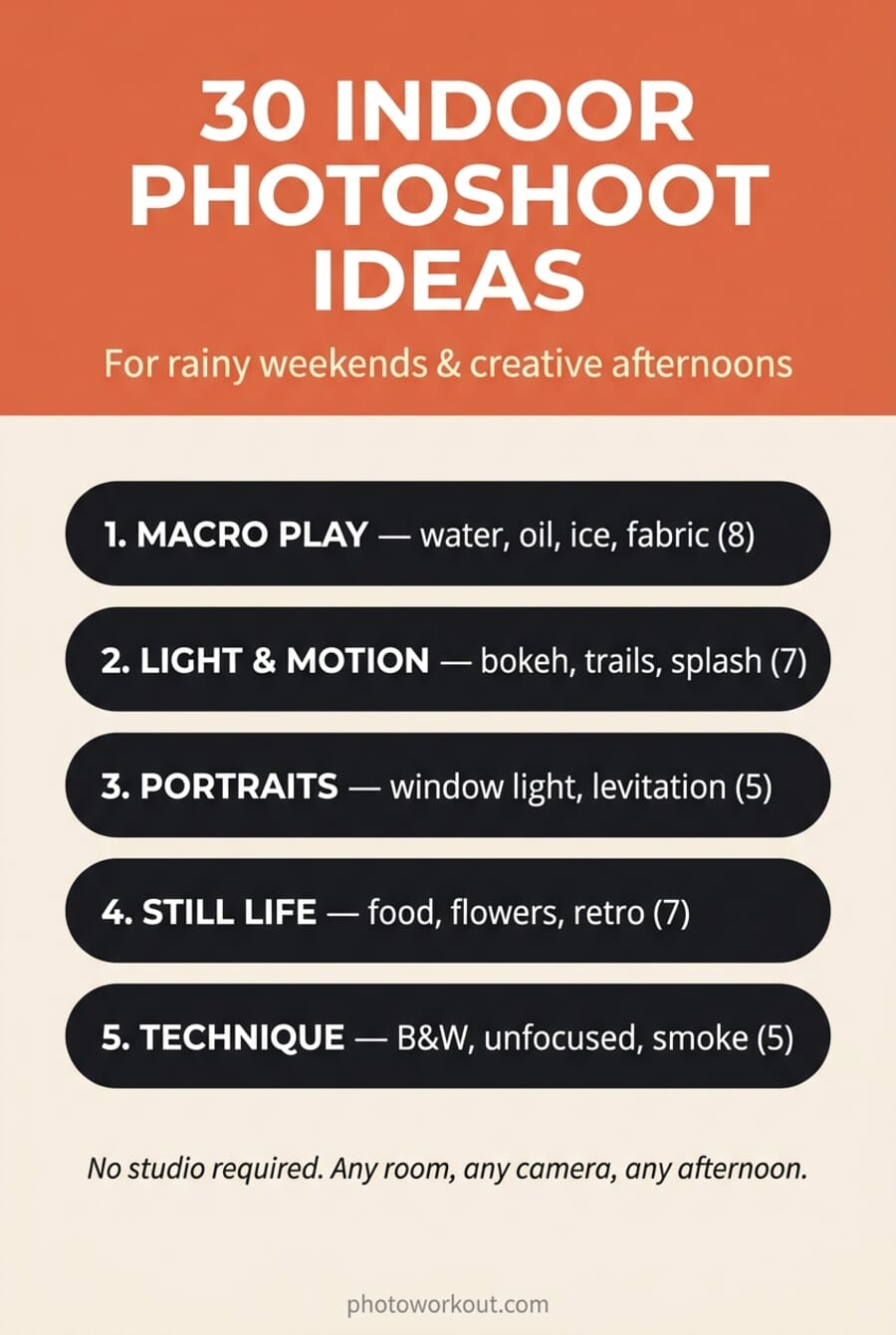
- 32 indoor photoshoot ideas grouped into 5 categories — experimental macro, light and motion, portraits, still life, and technique play. Pick the category that fits the afternoon you have.
- New 2026 trend: water-and-oil macro, frozen droplets, and ice-crystal close-ups are the experimental-macro projects competitors are winning traffic on.
- Mini-guide inside: window-light portraits in 60 seconds — the technique SLR Lounge made popular this April.
- Total gear required to do 80% of these ideas: one LED panel, one reflector, one tripod, one set of macro extension tubes. Budget picks linked below.
- Every idea works from any camera — phone, mirrorless, DSLR. The creative limit is your patience, not your gear.
Weather ruined your outdoor shoot. You have two hours at home and a camera you haven’t picked up in a week. What now? This guide is the answer — 32 indoor photoshoot ideas organized by category, from simple still-life work to experimental macro projects that didn’t exist in photography blogs two years ago.
Every idea below works in any ordinary home, with any camera or phone, and needs nothing fancier than a lamp and a reflector. A dedicated gear section at the end points to the handful of items worth owning if you’re doing this more than once or twice a year.
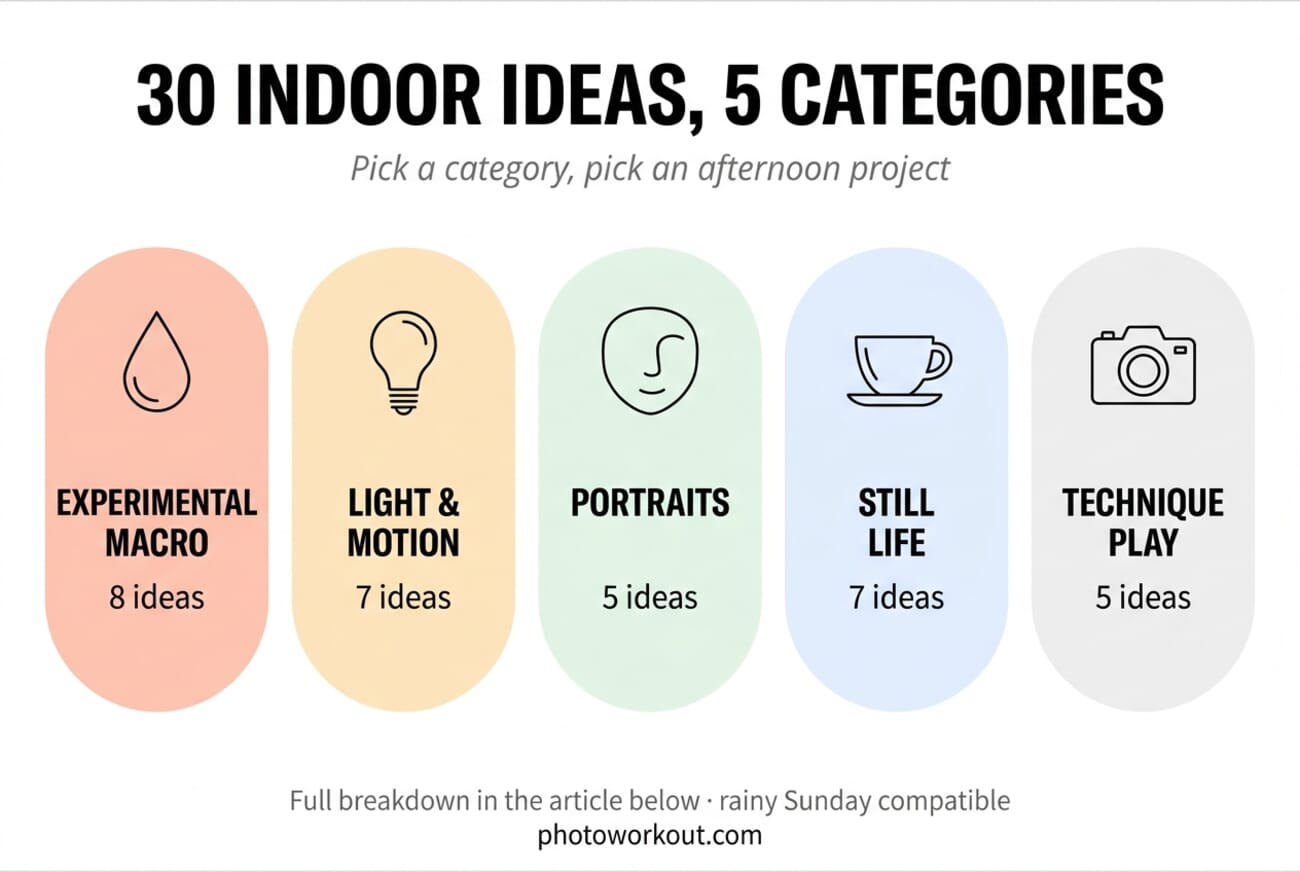
Category 1: Experimental Macro (8 ideas)
Extreme close-ups are the category where indoor photography is genuinely thriving in 2026. Most of these projects need only a dedicated macro lens or a $15 set of extension tubes on your existing glass. Competitors are winning on creative studio experiments — water-and-oil swirls, frozen droplets, ice crystals. They’re all here.
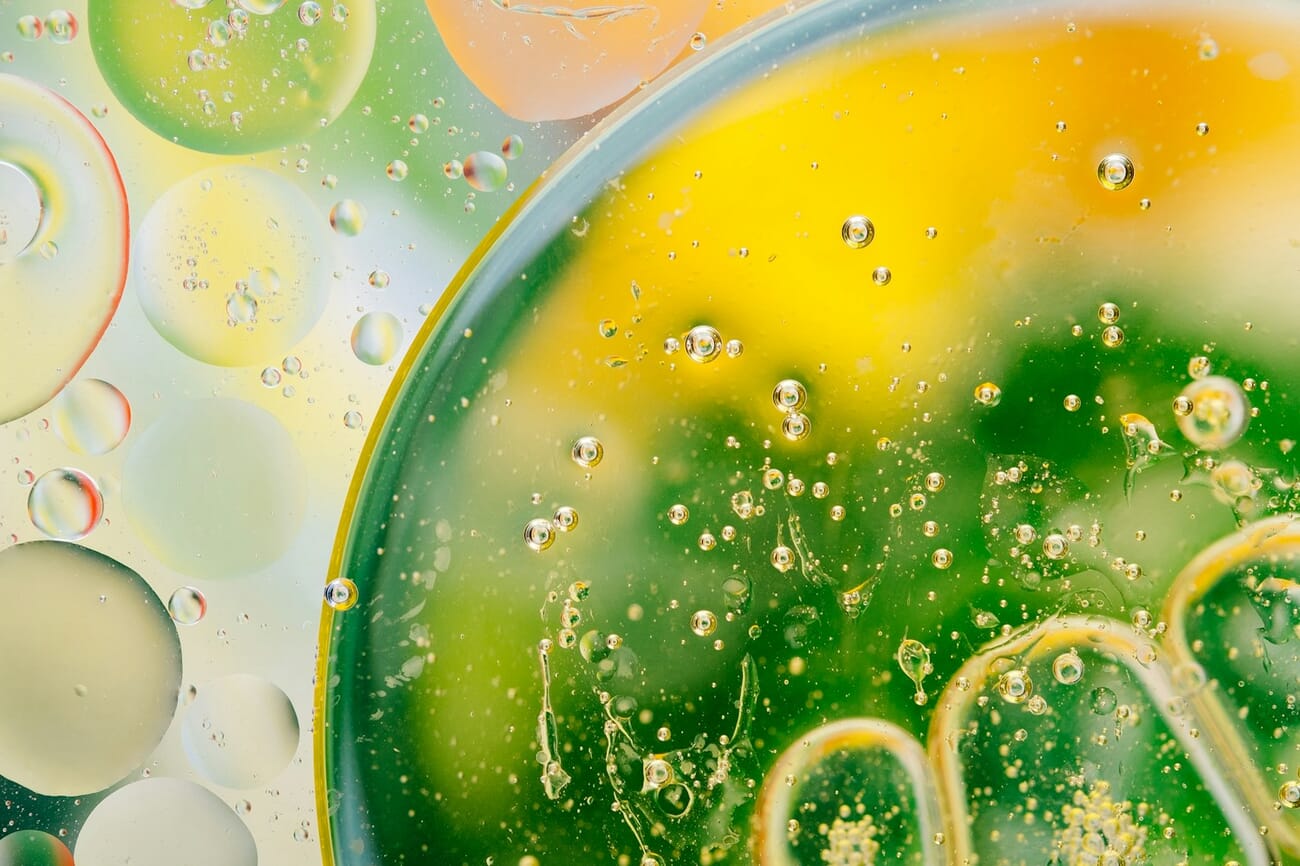
1. Water and Oil Magic
Pour water into a glass dish, add a few drops of cooking oil, and place a printed pattern (or a colorful phone screen) underneath. The oil forms floating lenses that magnify whatever’s below. Use a macro lens or extension tubes, a phone flashlight from the side for rim lighting, and stop down to f/8 for sharp droplet edges. The 2026 version: layer two dishes at different heights for compound focus.
2. Frozen Water Droplets
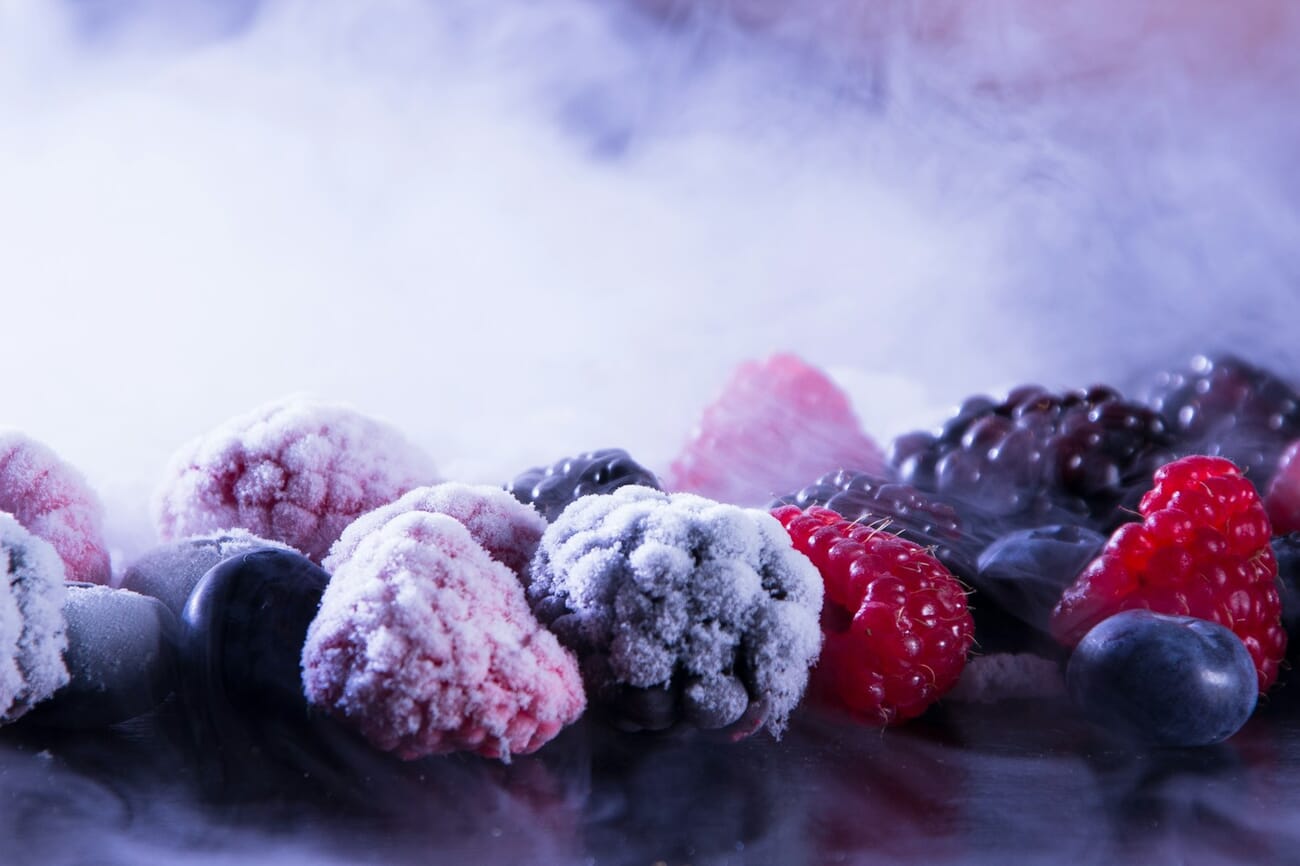
Freeze individual water droplets or ice cubes with embedded objects (coins, small leaves, flower petals) and shoot them at room temperature as they start to melt. The condensation adds drama. Backlight with a small LED panel through frosted parchment paper for an even translucent glow.
3. Ice Crystals Close-Up
Snowflake-style ice crystals grow on cold glass. Chill a glass pane in the freezer for 30 minutes, breathe on it lightly, and photograph the frost formations before they melt. Side-light with a directional LED to reveal the crystal structure. A macro lens or extension tubes are essential.
4. Psychedelic Soap Bubbles
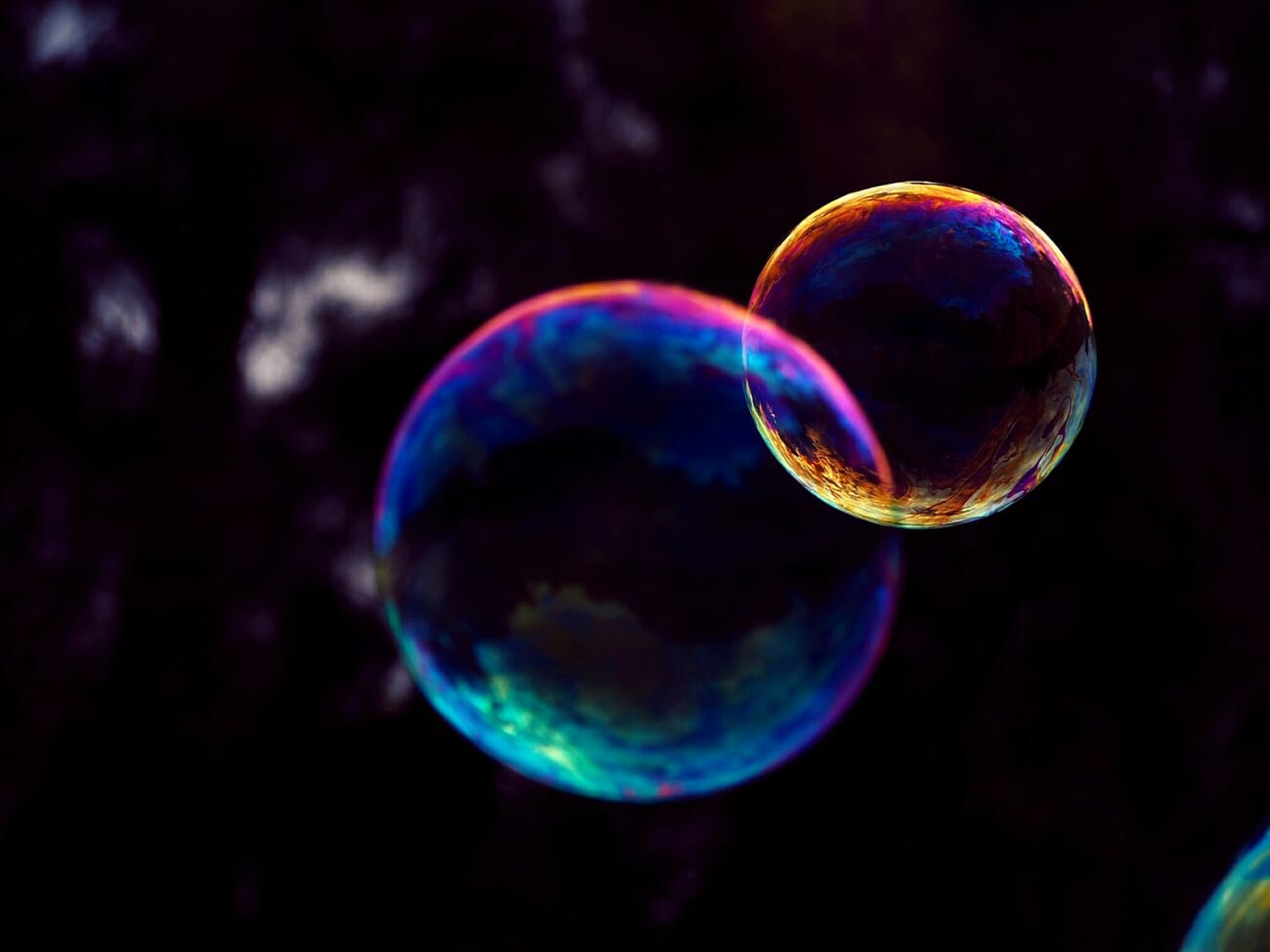
A classic that still works. Fill a shallow dish with dish soap and water, blow bubbles with a straw, and photograph the swirling color patterns on the bubble surface as light refracts through. Dark background, side lighting, f/8, fast shutter to freeze the motion.
5. Feathers, Fabric, and Thread Textures
Close-up on materials you wouldn’t normally notice — a velvet couch cushion, a wool blanket, the iridescence of a peacock feather, the weave of a denim jacket. Extension tubes let you work at reproduction ratios up to 1:1 without buying a true macro lens.
6. Fruits and Vegetables Cross-Sections
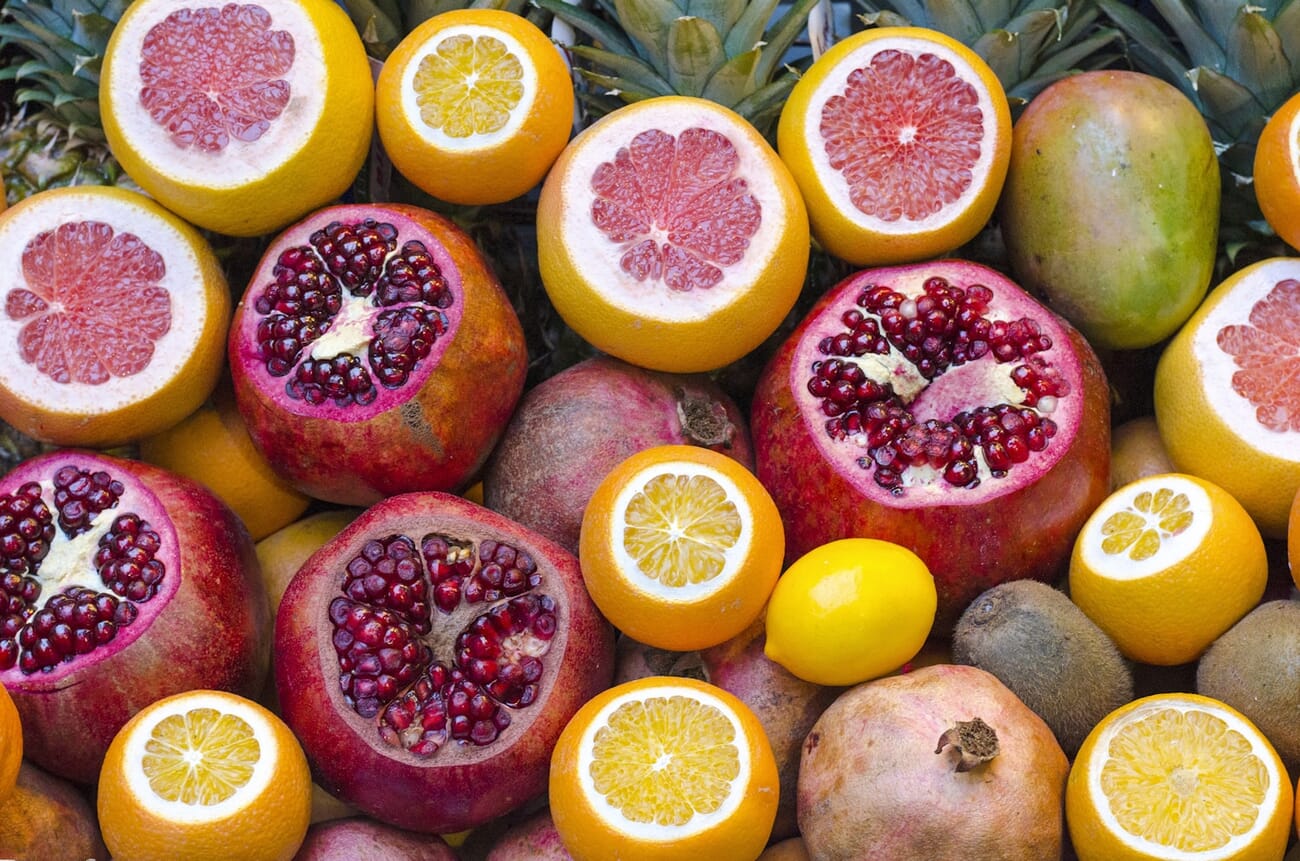
Cut a kiwi, a strawberry, a citrus, or a red cabbage in half and photograph the interior pattern. The radial symmetry of citrus and the fibrous lines of celery are especially photogenic. Shoot on a white plate with side lighting; add a single drop of water for sparkle.
7. Items Suspended in Ice
Freeze small objects (a flower, coins, a toy figure) inside ice. Photograph the ice block against a dark background with backlight. As the ice starts melting, the trapped bubbles and cracks add texture. Patience matters — the best shots come 10-15 minutes into melting, not at the start.
8. Household Macro Scavenger Hunt
The training exercise. Set a timer for 60 minutes and find 10 macro subjects within 3 feet of where you’re sitting. Paper clip, keyboard key, a drop of wine on the glass rim, the grain of a wooden table, threads on a loose button. Forces you to see texture in ordinary things — the single most valuable skill for macro photographers.
Category 2: Light & Motion (7 ideas)
9. Brilliant Bokeh Practice
Set up a string of small LED fairy lights 6-8 feet behind a foreground subject. Open your aperture as wide as it goes (f/1.8, f/1.4 if you have a prime), focus on the foreground, and let the lights melt into soft circles. See our bokeh guide for focal-length and distance math.
10. Light Trails with Sparklers or Glow Sticks
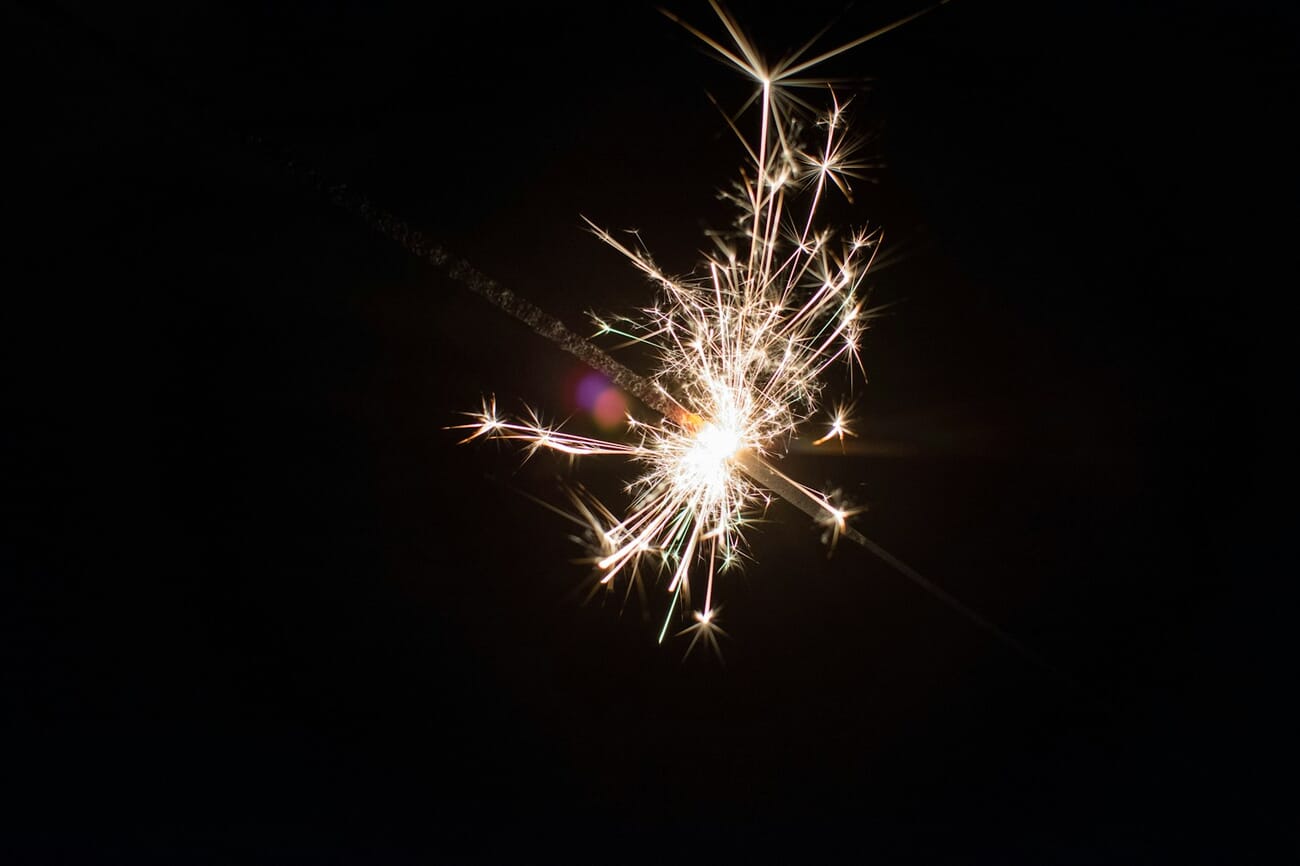
Dim the room, put your camera on a tripod, set shutter to 5-10 seconds at f/11 ISO 100, and have someone trace shapes in the air with a sparkler or glow stick. Kids will never forget this one. Works equally well with a phone’s flashlight if you don’t have sparklers.
11. Freeze Motion with Water Splashes
Drop a strawberry, a lime, or ice cubes into a full wine glass. Pre-focus at the impact zone, use your flash at 1/1000s or faster, and fire the moment you drop. The first 10 shots will miss the moment; by shot 30 you’ll have a keeper.
12. Bend Light with a Prism
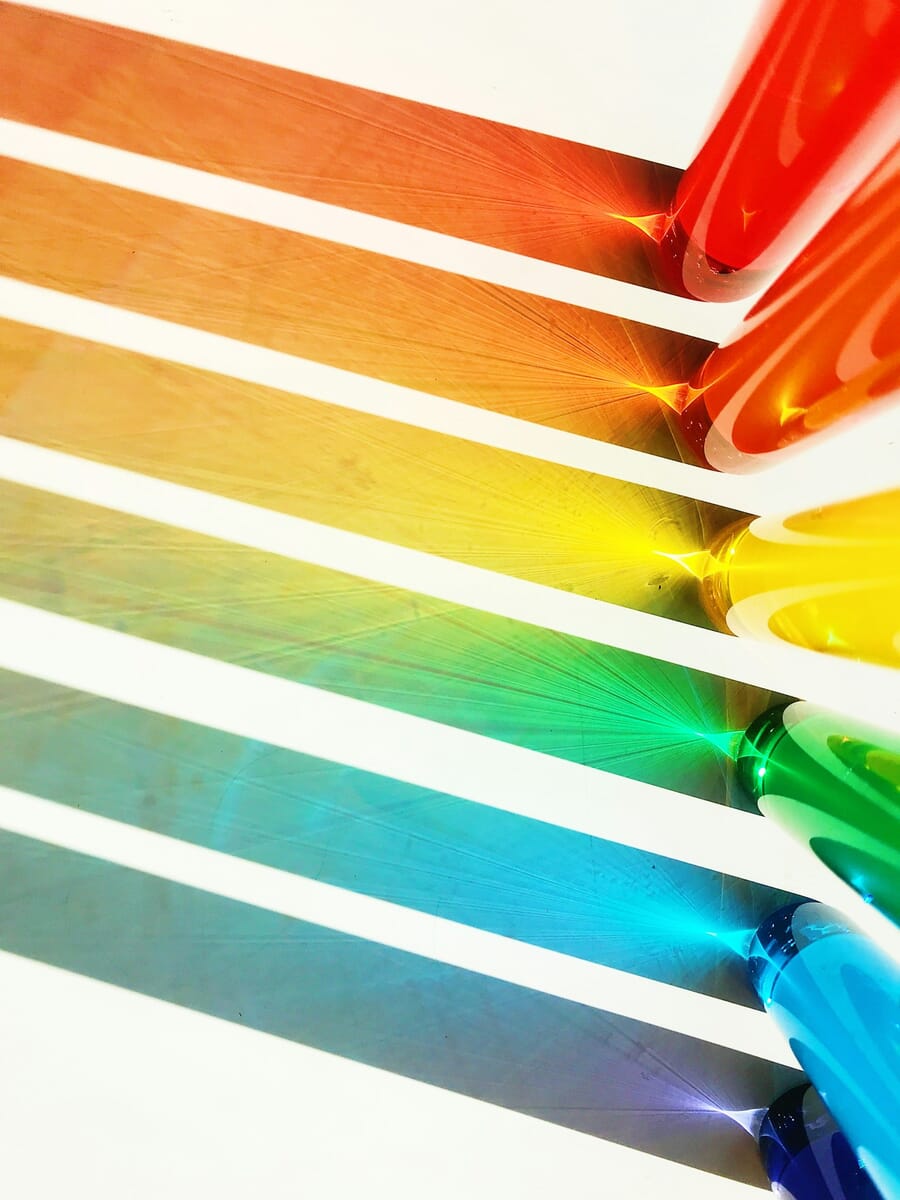
A small glass prism ($10) in direct afternoon sun creates rainbow color spills across any surface. Use the colored light as a composition element — across a face, a flower, a still-life arrangement. Cinematic and genuinely unique.
13. Make a Splash (Colored Milk)
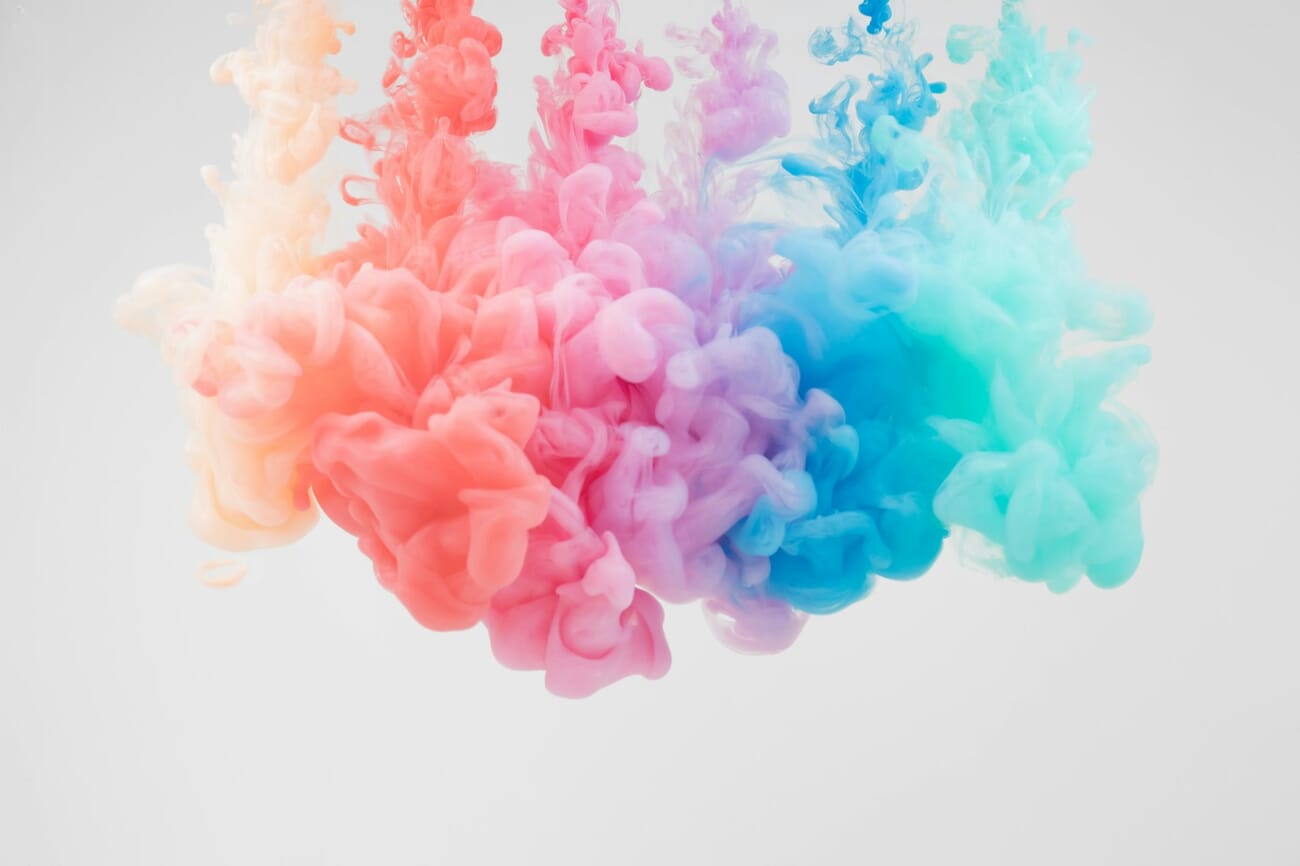
Pour colored milk (milk + food dye) into a shallow tray with a single drop of dish soap in the center. Pour a second drop from height for an instant swirling reaction. Pre-focus, continuous burst, side-light with a single LED panel.
14. Rainy-Window Abstractions
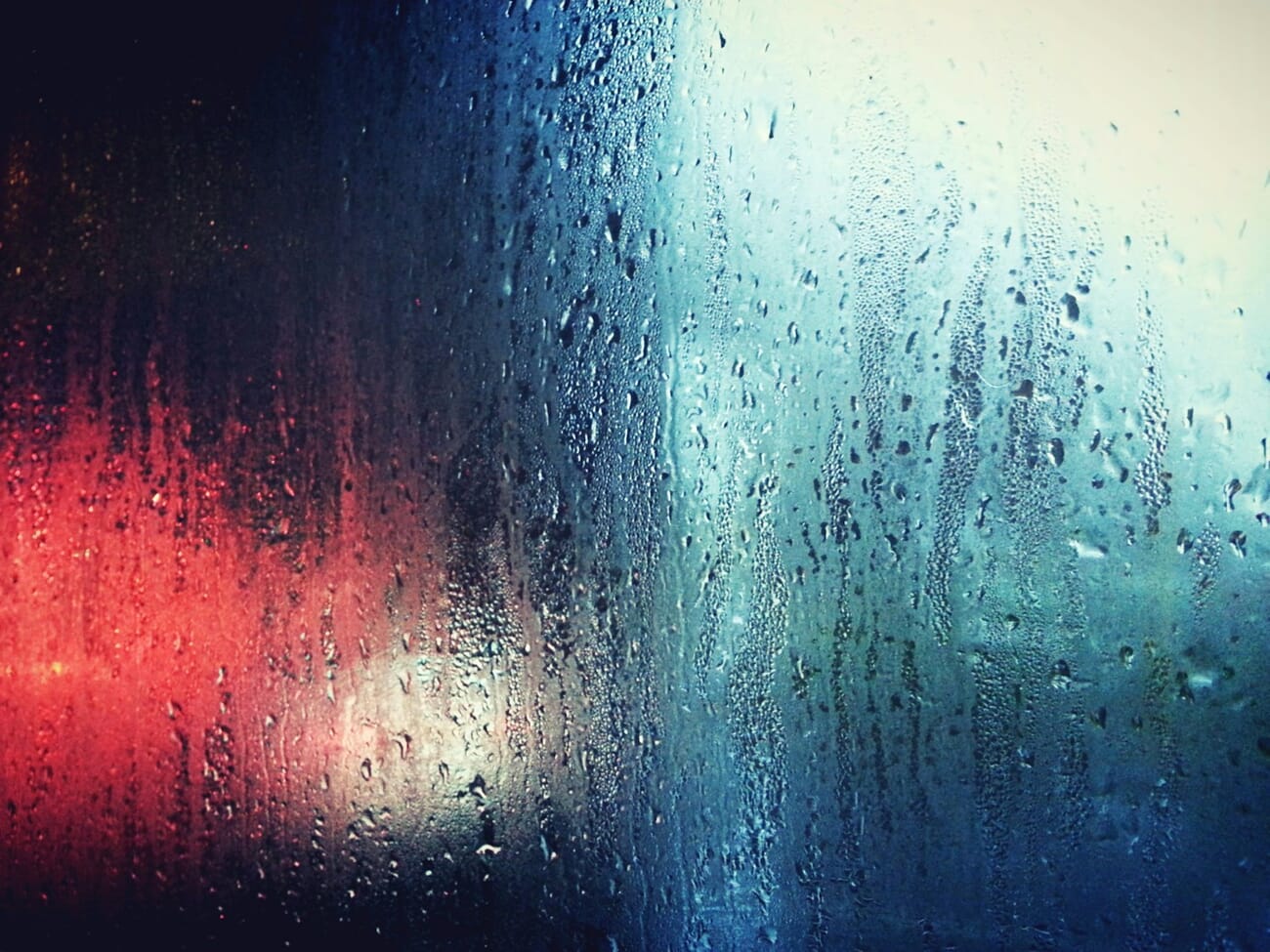
If it’s actually raining, photograph the window from inside with a focal length long enough to compress the scene. Focus on the raindrops themselves (close) or through them to a blurred street scene (far). Overcast light is ideal.
15. Shadow Pattern Play
Cut a piece of cardboard or foamcore with geometric shapes (circles, slits, lattice) and use it as a gobo in front of a single LED or lamp. The patterns it casts on a wall, face, or still-life subject do the composition work for you. See our shadow photography guide for five more variations.
Category 3: Portraits (5 ideas)
16. The Window-Light Portrait Mini-Guide
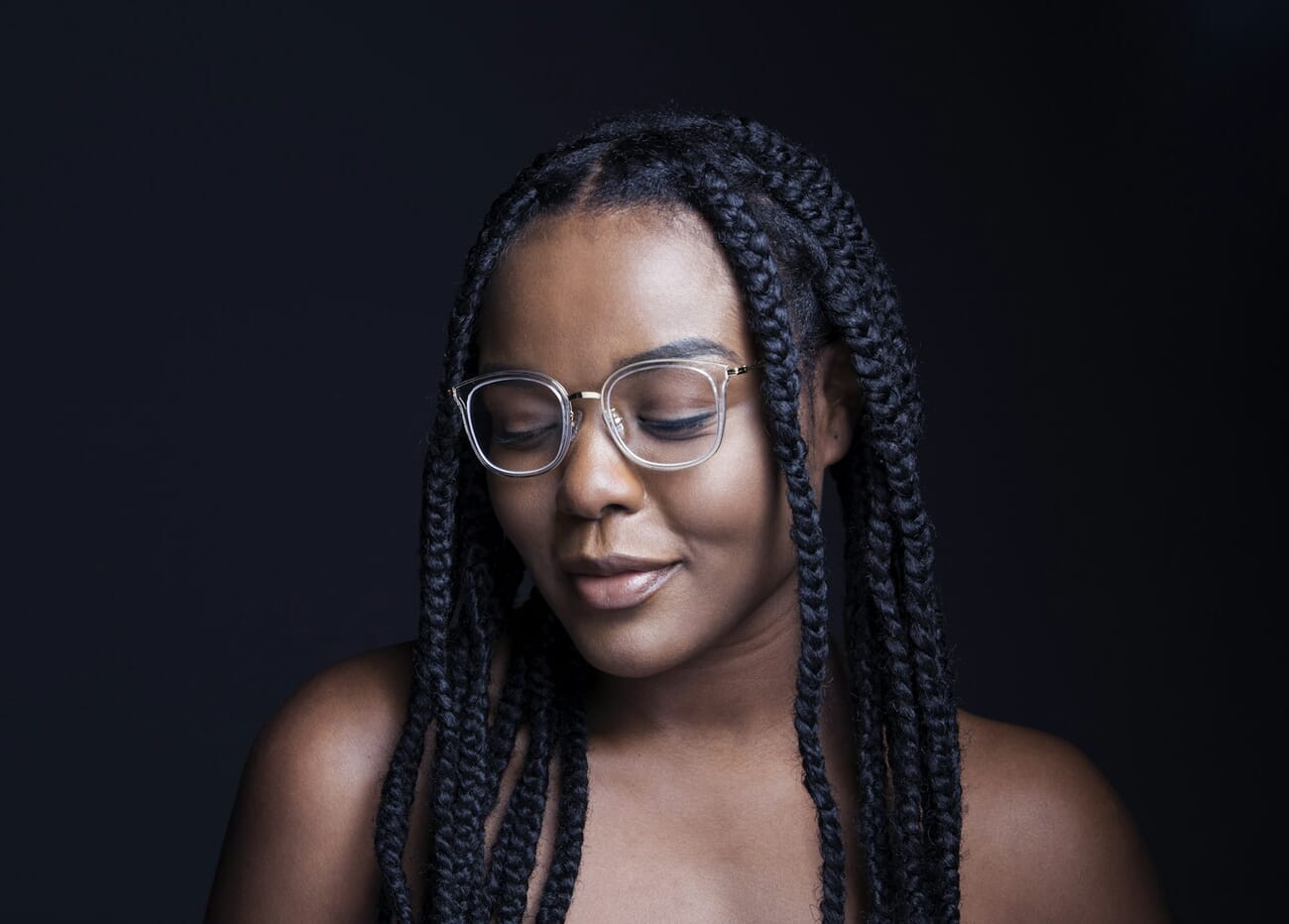
The single most valuable portrait technique to learn at home — and the one competitors like SLR Lounge are winning traffic on in April 2026. The formula:
- Window: north-facing if possible (even light all day, no direct sun). If you only have south or west, wait for an overcast day or hang a white sheer curtain as a diffuser.
- Subject placement: 2-3 feet from the window, facing it at 45°. This gives Rembrandt lighting — classic portrait triangle of light on the shadow-side cheek.
- Reflector on the shadow side: a 5-in-1 reflector (or a piece of white foamcore) held about 4 feet away, bouncing window light back into the shadows. This is the one extra $20 piece of gear that matters.
- Settings: f/2.8 if you have the aperture; f/4 if you don’t. 1/125s handheld, ISO 400-800 depending on window light level. Focus on the eye closest to the window.
- Crop: tight, chest-up. The shadow-side of the face does the visual work; don’t crop it off.
Try it with a family member, a friend, or yourself with a tripod and remote. 20 minutes of practice with window light will make every subsequent portrait you take better, including outdoors.
17. Clone Yourself
Self-portrait composite. Put the camera on a tripod, lock focus and exposure, and shoot yourself in multiple positions across the frame. In Lightroom or Photoshop, mask each position from separate frames into one final composite. Classic indoor creativity project.
18. Levitation
Photograph someone on a stool or chair in pose, then remove the stool in post. Requires a locked-off tripod and careful positioning — the two frames need to match pixel-for-pixel. A fun one-afternoon project even for beginners.
19. Pet Portraits
Get down to their eye level. Use treats to direct attention. Window light is flattering here too. Cats reward patience; dogs reward speed. For long-fur breeds, side-light with a reflector on the opposite side to pick up texture.
20. Family Portrait in Available Light
The hardest and most rewarding category. Gather everyone near a window. Use a tripod and a 10-second self-timer so you can be in it. A small LED panel at 45° behind the camera fills the shadow side if the window light is too dramatic. Shoot 30 frames; keep 2.
Category 4: Still Life (7 ideas)
21. Moody Food Close-Ups
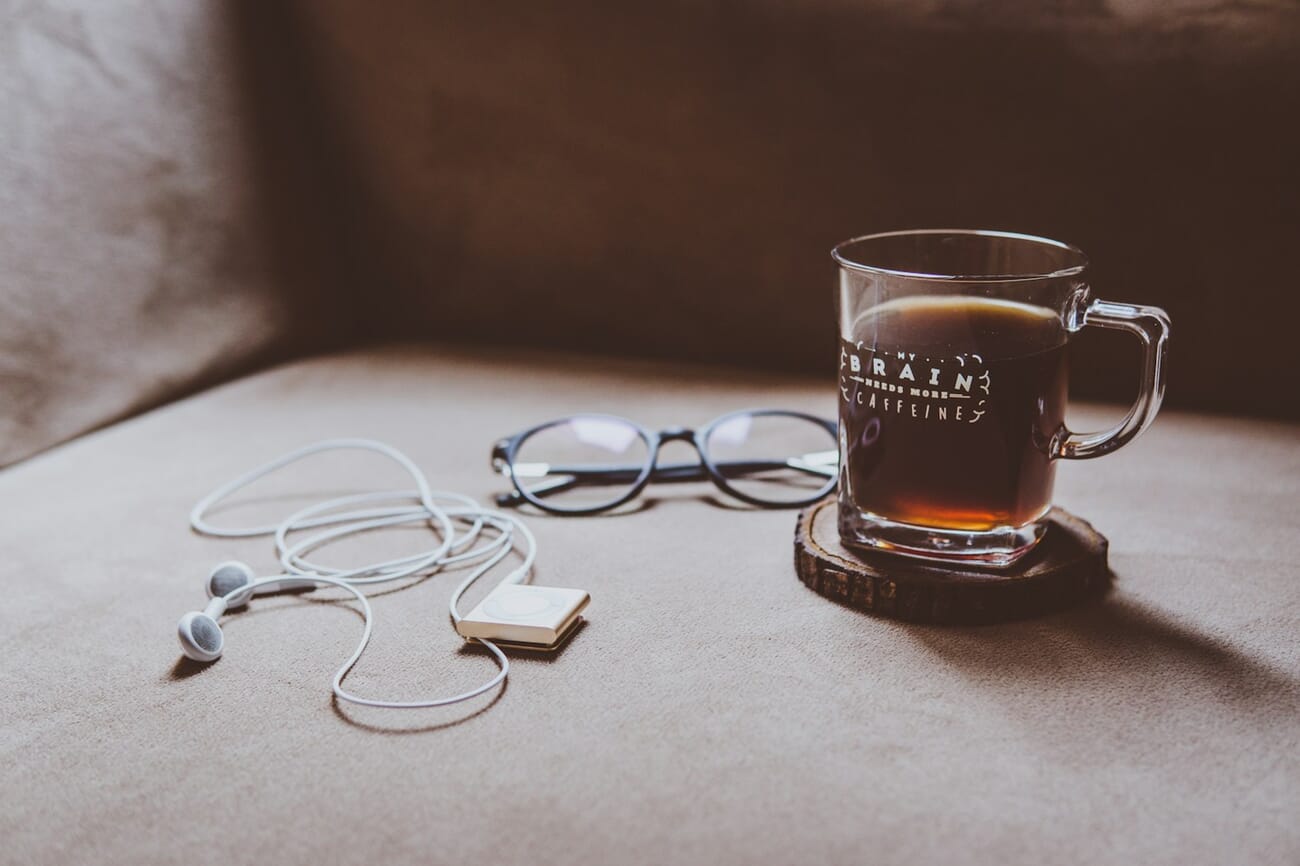
Food styling is its own art. Pour coffee, tea, or broth into dishware with character. Shoot from a 30-45° angle (not flat-lay for this style). Side-light to emphasize steam and surface texture. Dark wood table or a piece of slate as backdrop. Dust a little cinnamon or chocolate powder for visual grain.
22. Flat-Lay Accessory Composition
Top-down shot of your everyday-carry items — watch, wallet, pen, headphones, coffee cup — on a textured surface. Works for any hobby set: art supplies, camera gear, kitchen tools, travel kit. Composition rule: rule of thirds still applies; the main subject goes on an intersection point, not dead-center.
23. Retro Items Still Life
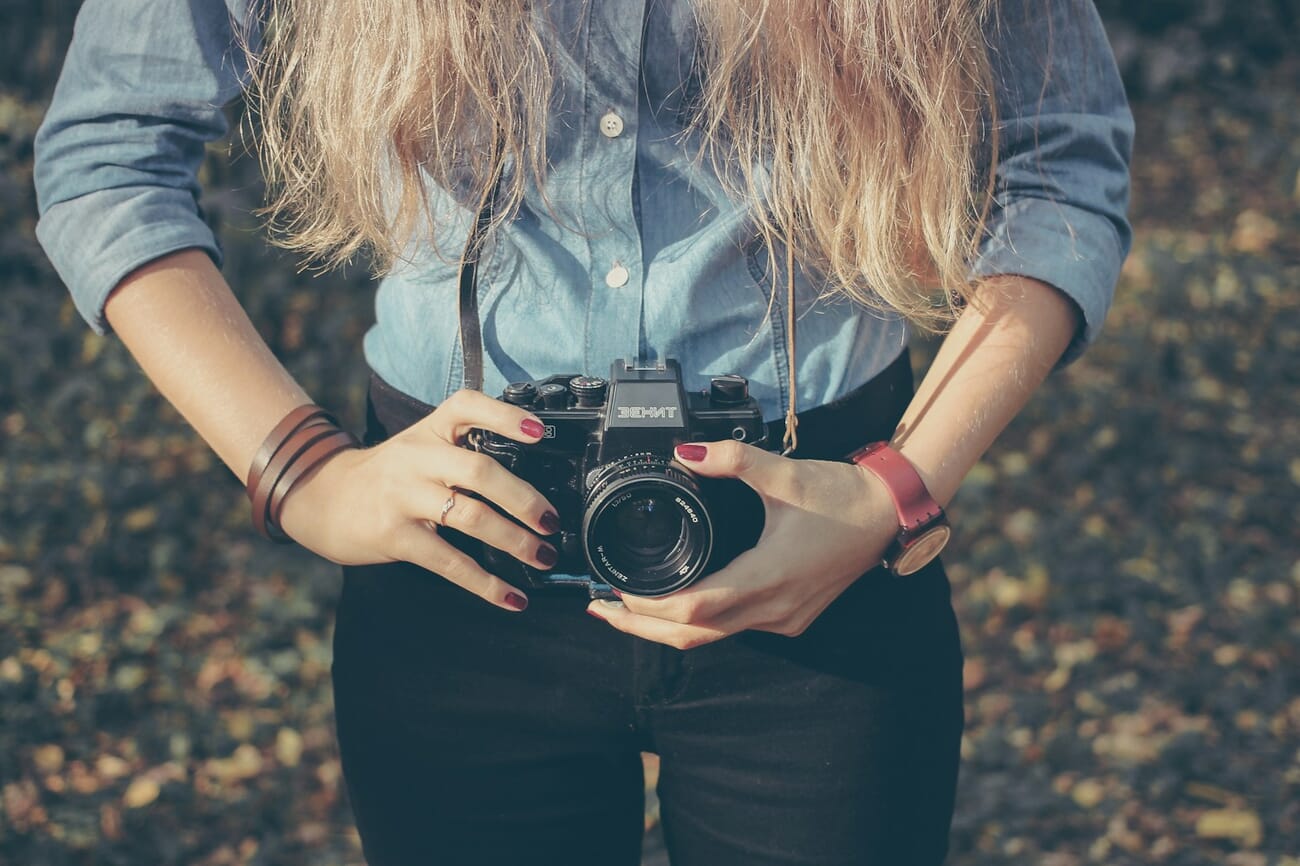
Film cameras, vinyl records, vintage books, old watches, rotary phones — anything with visible age and material character. Warm lamp lighting (not cool LED), f/5.6 for selective focus, shoot against a fabric backdrop with subtle texture.
24. Flower Arrangements in Natural Light
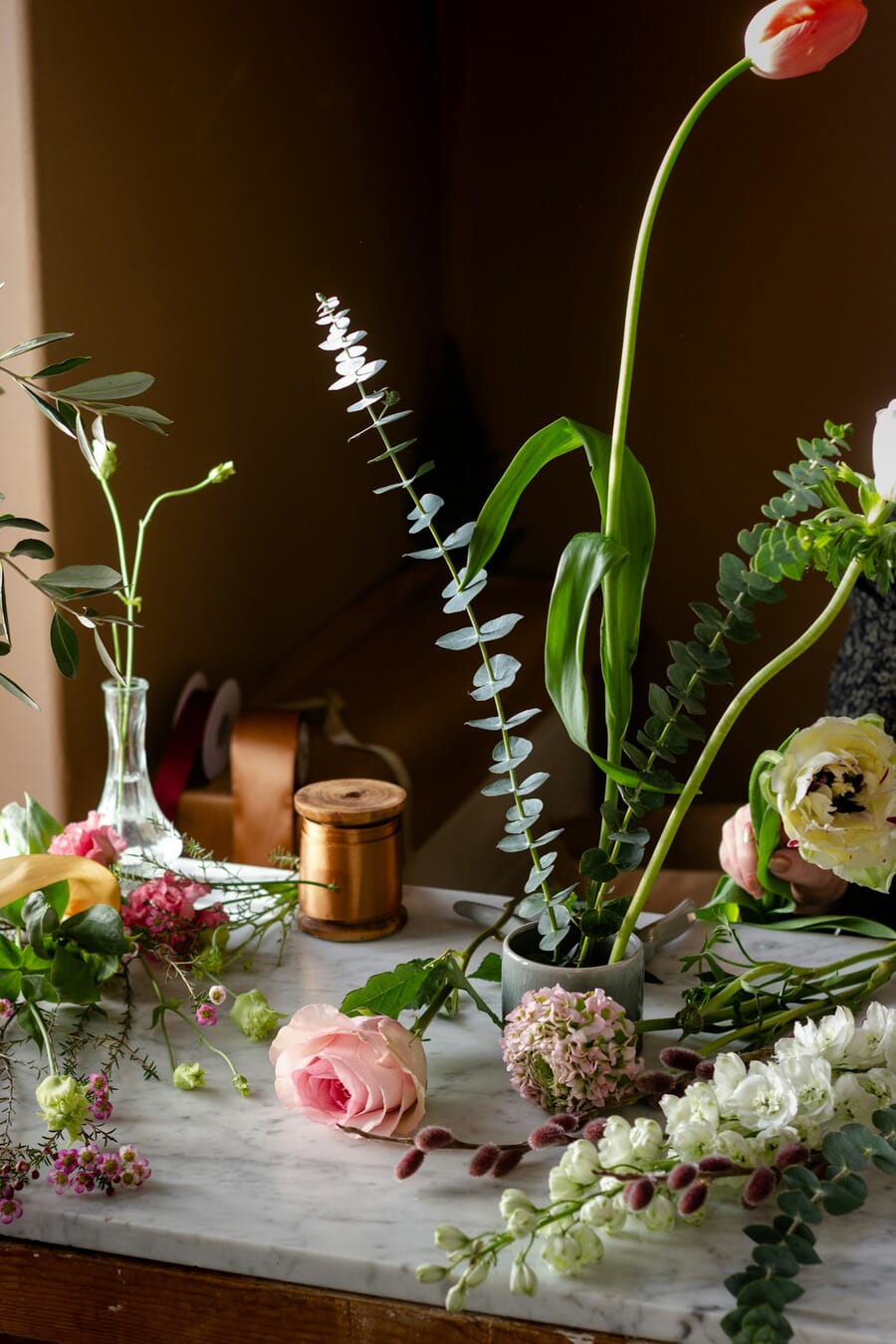
Fresh grocery-store flowers, a simple vase, and a window. Shoot at different times of day — morning light is cool and quiet, afternoon light is warm and dramatic. Try both single-bloom close-ups (f/2.8, shallow DOF) and full-arrangement context shots (f/8, deep DOF).
25. Houseplants and Botanical Detail
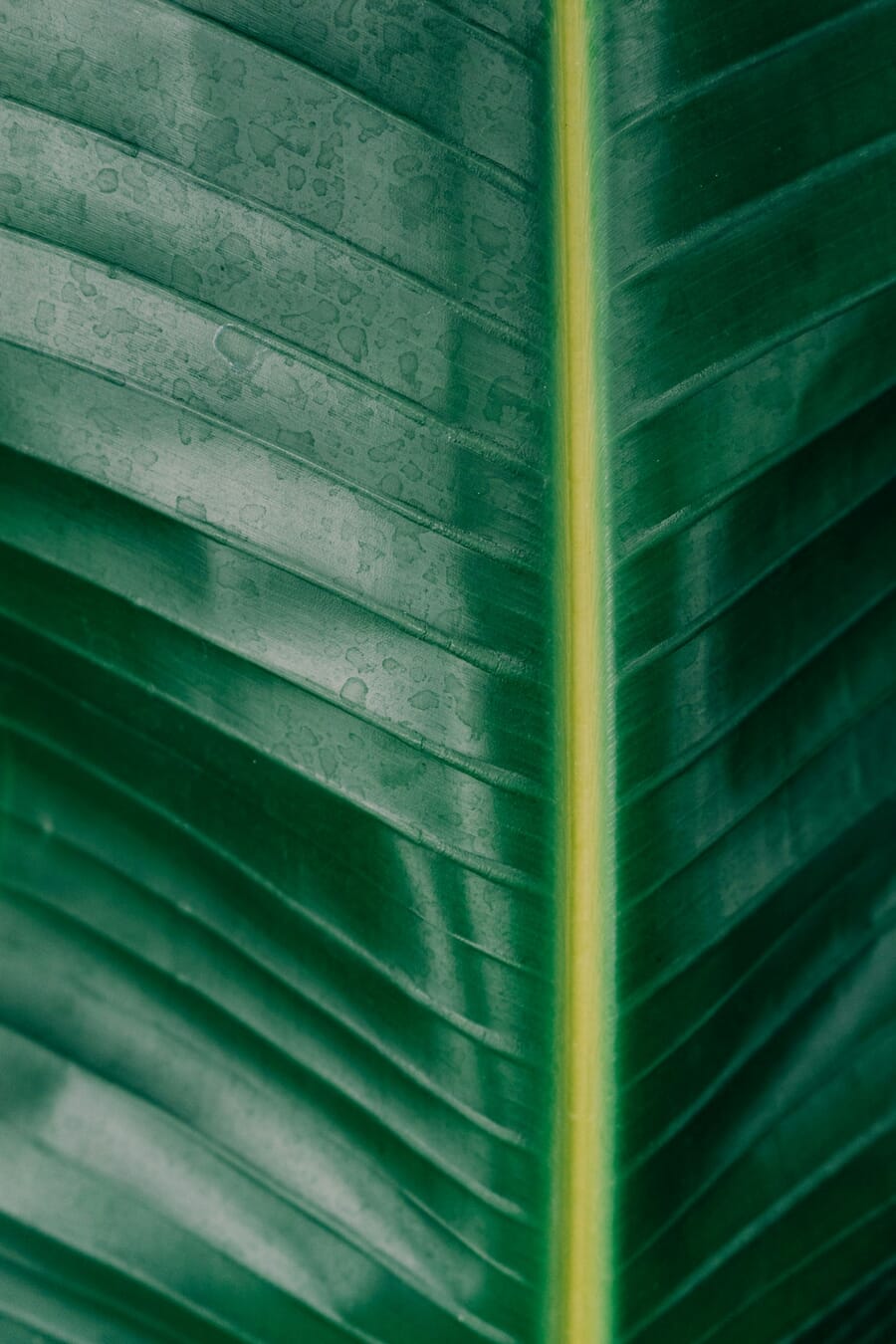
If you have houseplants, shoot them like specimens. Backlight leaves to show vein structure. Close on new growth and water droplets. Monstera and fiddle-leaf figs are especially photogenic; succulents reward macro attention at their tips.
26. Cozy Fireside Feet
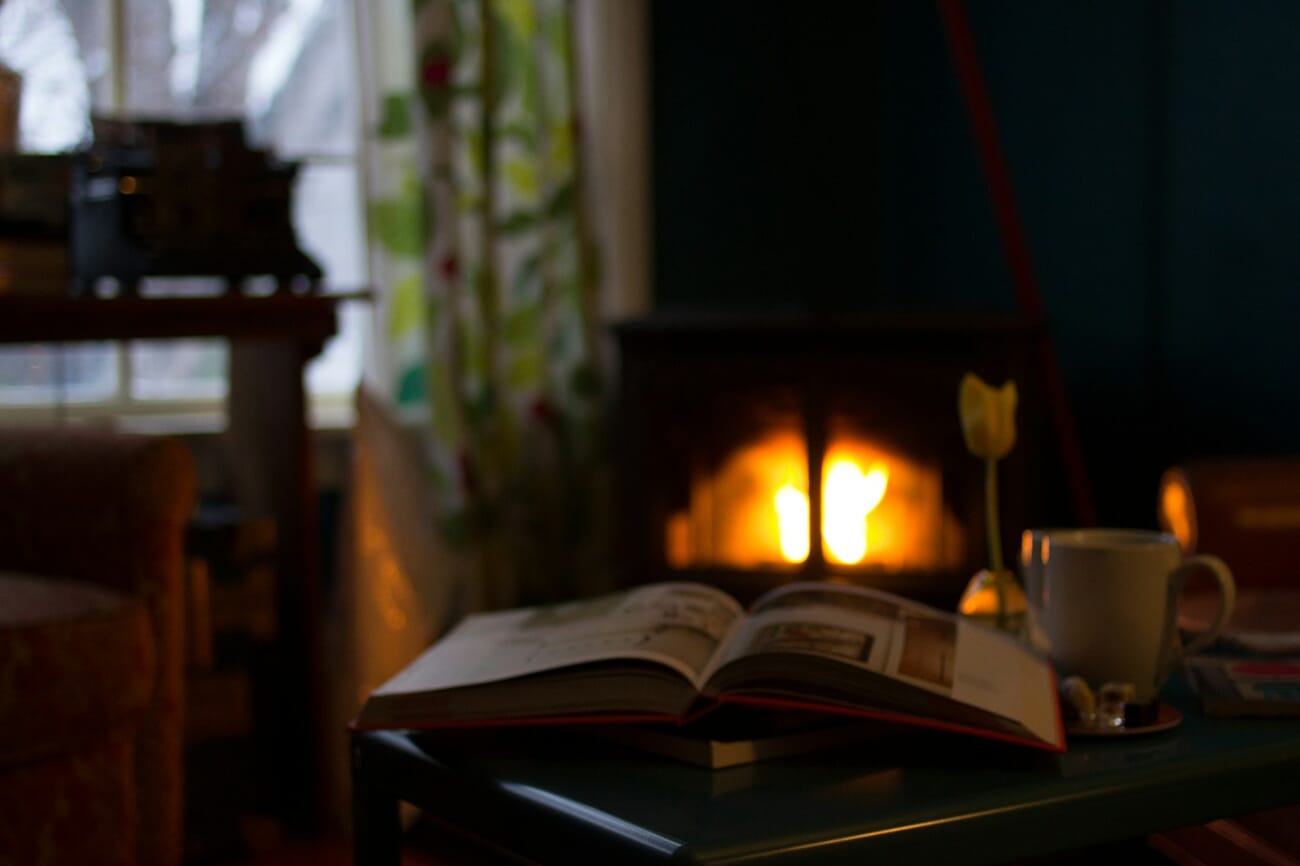
Self-portrait cliché for a reason: feet by the fireplace, steaming mug in hand, blanket across the lap. Warm lamp lighting, tripod, 10-second self-timer. Works with a candle if you don’t have a fireplace. Cozy content never stops performing on Pinterest and Instagram.
27. Product-Shot Practice
Pick one product from your life — a favorite kitchen gadget, a bottle of wine, a pair of shoes. Set up a single-light-plus-reflector scene on a white backdrop and shoot it like a commercial. Valuable because product photography pays well and the technique scales: the same setup handles everything from jewelry to watches.
Category 5: Technique Play (5 ideas)
28. Smoke and Steam Abstract
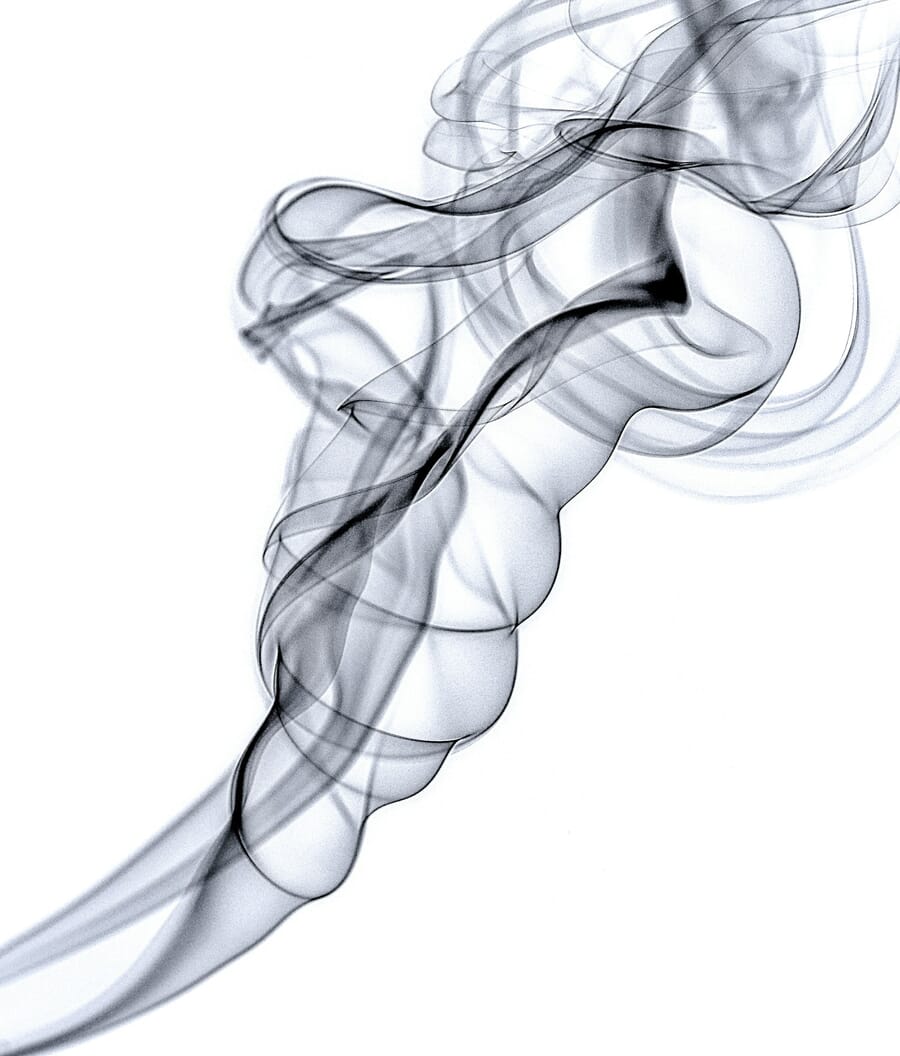
Light a stick of incense (or use a kettle with a precise spout) against a dark background. Side-light with a single hard light source. Shoot at 1/250s and above to freeze patterns. Processing: heavy black-point boost in Lightroom to isolate the smoke trails against pure black.
29. Black and White Day
Spend one full afternoon shooting everything in monochrome. Switch your camera or phone to B&W preview mode (most have it). Forces you to see light, texture, and contrast instead of color. Every other idea in this list is worth re-doing once in black and white.
30. Deliberately Unfocused
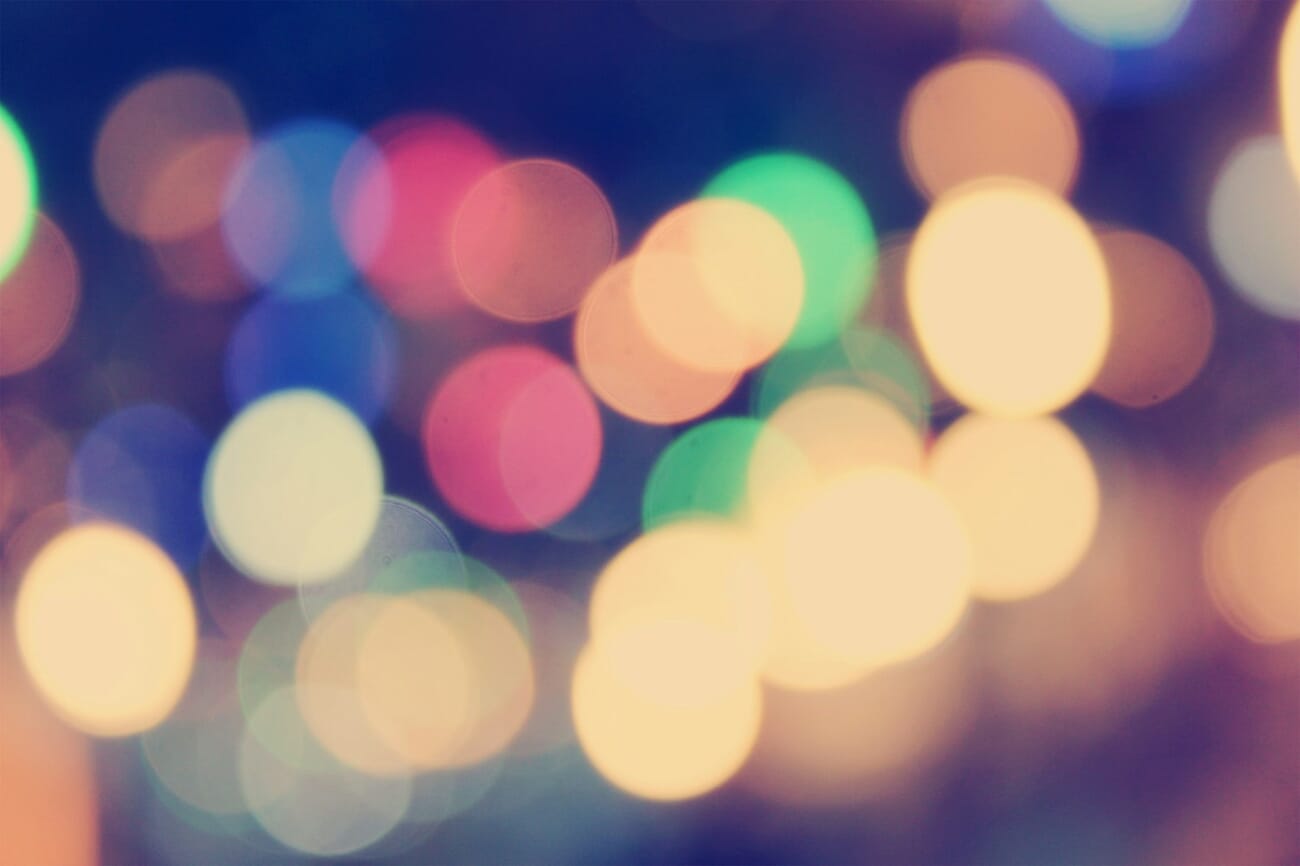
Abstract composition with the lens intentionally defocused. A Christmas tree becomes pure bokeh; a cityscape becomes color blocks. Focus manually to the minimum focus distance, then shoot at anything beyond that. Freeing for shooters too anxious about tack-sharp focus.
31. Minimalist Color Studies
Arrange objects of a single dominant color — a lime, a green apple, a green plate — and compose them as a single-color still life. Then try red, yellow, blue. The discipline of monochromatic color scenes trains your eye to notice tonal variation within a color, not just between colors.
32. Create a Photo Collage
Shoot 6-12 related images (a morning routine, a single coffee cup from different angles, a whole meal being cooked) and combine them in Lightroom, Photoshop, or a phone app (Layout, PicCollage) into one composite piece. Storytelling, not just an image.
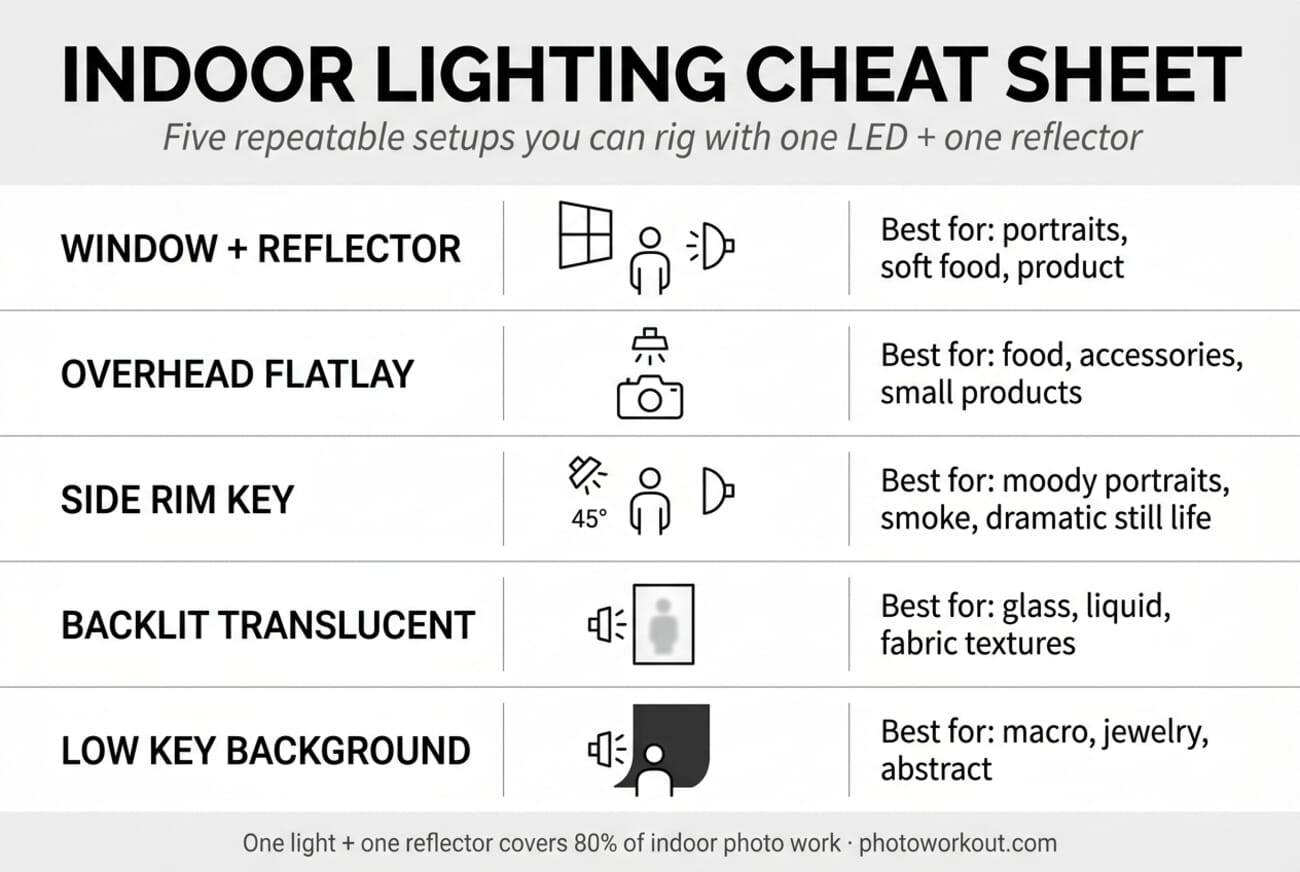
The Indoor Lighting Cheat Sheet
Before buying more gear, learn to rearrange what you have. These five setups cover roughly 80% of all the photos in this article. You only need one continuous light (window or LED) plus a reflector to do any of them.
Essential Indoor Photography Gear
Four items handle almost everything in this article. None is expensive and none is optional if you want to do this more than a few times.
- LED panel: the NEEWER 2-Pack LED Video Panels ($42.99) covers most indoor scenarios at a price where buying two doesn’t hurt. Bi-color adjustable between 3200K and 5600K, dimmable, NP-F battery-compatible. The single-LED upgrade path is the NEEWER 9″ LED Panel ($49.99) if you want one brighter source instead of two small ones.
- Reflector: the Etekcity 43″ 5-in-1 Reflector ($29.99) — 6,500+ Amazon reviews, 4.7★ average, folds into a slim disc. Five reflective surfaces (white, silver, gold, black, translucent diffuser) cover every indoor lighting situation.
- Macro extension tubes: Fotodiox Macro Extension Tubes for Canon EF/EF-S ($14.39) — the cheapest way to turn any 50mm lens into a 1:1 macro. 2,900+ reviews at 4★. For Canon shooters specifically; equivalent Sony/Nikon versions exist at similar price.
- Compact tripod: Manfrotto Element MII Aluminum Tripod ($132.95) — stable enough for any indoor photo in this list, folds small enough to live in a closet. If you want lighter/portable, the Manfrotto Befree Advanced ($171.45) is the travel-first alternative.
Total investment if you already have a camera: about $220 for all four. That covers every idea in this article plus the next year of indoor photo projects. For our broader tripod recommendations see our beginner tripod roundup.
Frequently Asked Questions
What camera do I need for indoor photography?
Any camera works. A smartphone handles the portrait, still-life, and motion ideas in this list at a high level. A mirrorless or DSLR with a 50mm f/1.8 prime makes bokeh and low-light portraits significantly better. Macro ideas benefit from a dedicated macro lens or extension tubes. You don’t need a pro kit to start.
Do I need studio lighting?
No. Window light plus a single LED panel and a reflector covers 80% of the ideas here. Real studio strobes are useful if you’re shooting commercial product or fashion work, but they’re overkill for anything in this list. The $220 total gear budget above is sufficient.
Which ideas work best for beginners?
Start with: (1) window-light portrait of a family member or pet, (2) coffee cup moody still-life with window light and a reflector, (3) basic macro with extension tubes on a flower or feather. These three will teach you soft directional light, composition, and focus discipline. Everything else builds on those skills.
What camera settings should I use indoors?
Aperture: f/2.8-f/4 for portraits and bokeh, f/5.6-f/8 for still life and macro. Shutter: 1/125s handheld (faster with a long lens). ISO: whatever it takes to keep the shutter fast enough — modern sensors handle ISO 800-1600 cleanly. See our camera settings cheat sheet for scenario-by-scenario starting points.
Can these ideas be done with just a phone?
Yes. The experimental-macro ideas benefit most from a dedicated camera, but all portrait, still-life, and light-and-motion ideas work on modern iPhone and Pixel phones. Use Pro or Raw mode when available, set ISO manually, and tap-to-focus. Phone macro is genuinely good in 2026.
How do I keep indoor photos from looking flat?
Flatness comes from light that’s too even. The fix is directional light — window at 45°, LED from the side, a lamp behind a subject. Avoid lighting the subject head-on. Use a reflector (or a white piece of foamcore) on the shadow side to lift shadows without killing contrast.
What’s the best Pinterest-ready indoor idea?
The cozy still-life category wins on Pinterest consistently. Steaming coffee on a rainy window, a candle beside an open book, flat-lay breakfast scenes, cozy fireside feet. These align with Pinterest’s strongest organic-traffic categories (home, wellness, lifestyle).
How do I practice without getting bored?
Commit to one category per weekend, not one idea. Spending three hours on several macro experiments in a row teaches you more than scattering one idea each from five categories. Repetition is where technique actually gets internalized.
Source photographs curated via SampleShots and Unsplash: Rodion Kutsaiev (macro), Joyce Hankins (refraction), Jessica Felicio (window portrait), Sabri Tuzcu (food), Scott Webb (houseplant), Robert Zunikoff (smoke). Featured hero, 5-category infographic, lighting cheat-sheet, and Pinterest pin by PhotoWorkout editorial.
Companion reading and technique deep-dives — all verified April 23, 2026.
Companion guides
- PhotoWorkout — Capturing Bokeh – Deep dive on bokeh technique — focal length, distance, aperture math.
- PhotoWorkout — Flower Macro Photography – Dedicated guide to flower macro — the natural next step from the macro ideas above.
- PhotoWorkout — Shadow Photography – Full breakdown of shadow-as-subject composition — extends idea #15.
- PhotoWorkout — Exposure Triangle – The foundation every idea in this list depends on — aperture, shutter, ISO.
- PhotoWorkout — Best Beginner Tripods – Tripod roundup for the low-light work in most of these ideas.
This post contains affiliate links. If you buy through them, PhotoWorkout may earn a commission at no extra cost to you.