

You dial in perfect skin tones and soft-proof for gallery prints in Lightroom, but the lab proof comes back warm and flat. The issue is not your edit — it is a drifting display that has wandered off D65 and gamma 2.2. Across OLED, mini-LED, and Apple XDR panels, a good calibrator keeps your screen and final output in lockstep.
We researched and compared 9 monitor calibrators for photographers in 2026, analyzing sensor accuracy, HDR support, software quality, and user feedback. The Datacolor SpyderPro (90/100) leads with 12,000-nit support and 3D LUT capability, while the budget-friendly Datacolor SpyderExpress ($99) makes accurate color accessible to beginners.
Here are our top picks for the best monitor calibrators for photography in 2026.
When you buy through links on our site, we may earn a commission at no cost to you. We evaluate products independently. Commissions do not affect our evaluations. As an Amazon Associate, we earn from qualifying purchases.
Top Picks


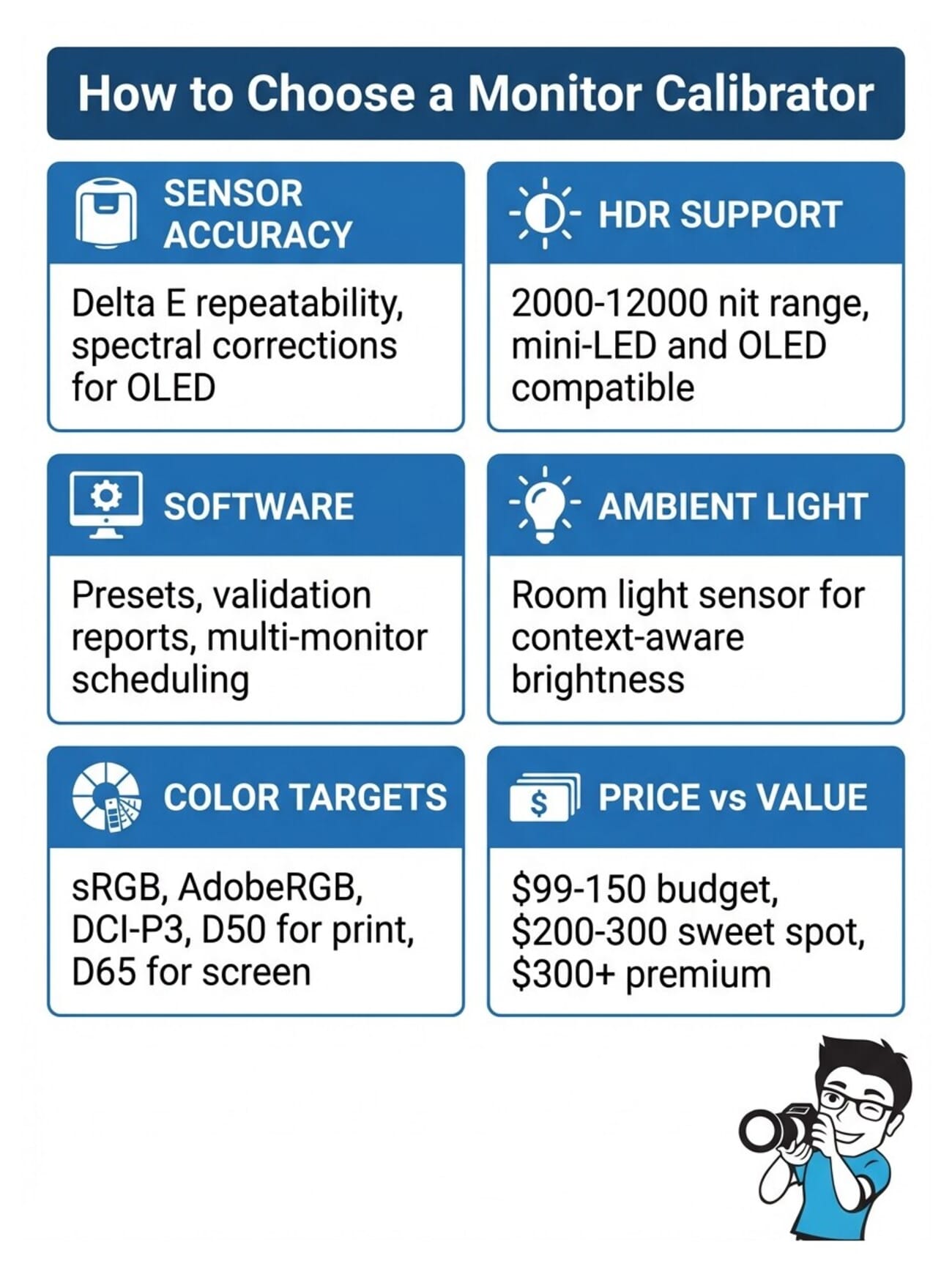
Best Monitor Calibrators for Photography 2026: 9 Picks Compared
| Specifications | |||||||||
|---|---|---|---|---|---|---|---|---|---|
| Rating | 90/100 | 88/100 | 86/100 | 85/100 | 84/100 | 82/100 | 80/100 | 78/100 | 76/100 |
| Max Luminance | 12,000 nits | 10,000 nits | 3,000 nits | 10,000 nits | Not specified | Not specified | Not specified | Not specified | Not specified |
| OLED/Mini-LED Support | Yes | Yes | Yes | Yes | Yes | No | No | No | No |
| 3D LUT Export | Yes | No | No | No | No | No | No | No | No |
| Ambient Light Sensor | Yes | Yes | Yes | Yes | Yes | Yes | Yes | No | No |
| Multi-Display Support | Yes | Yes | Yes | Yes | Yes | Yes | Yes | 2 displays | No |
| Best For | HDR + Print pros | Video + HDR creators | Serious photographers | Hybrid photo/video | Mid-budget shooters | Hybrid photo/video SDR | SDR color work | Beginners | Budget entry |

Datacolor SpyderPro – Monitor Calibration Up to 12,000 nits, 3D LUT, Device Preview Plus
Photographers who need precise screen-to-print matching on modern OLED, mini-LED, or Apple XDR displays, plus videographers who export LUTs for consistent color across devices.
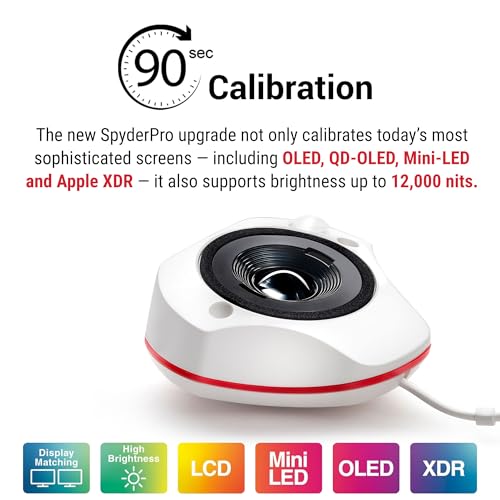
- Supports QD-OLED, OLED, mini-LED, and Apple XDR displays with calibration up to 12,000 nits — the highest luminance range in this roundup.
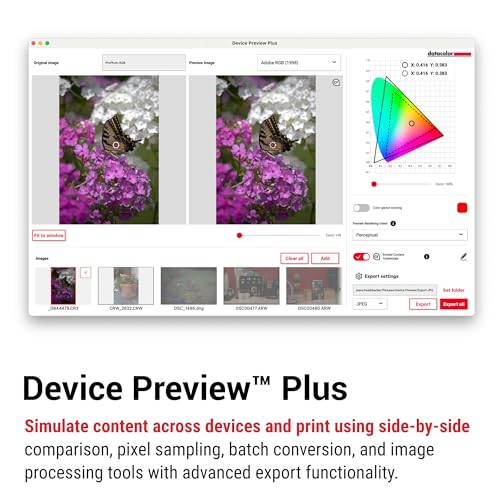
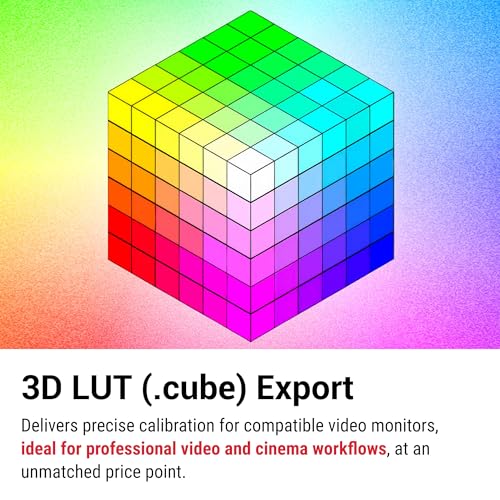
- 3D LUT export and Device Preview Plus enable cross-device color consistency and side-by-side image comparisons across workflows.
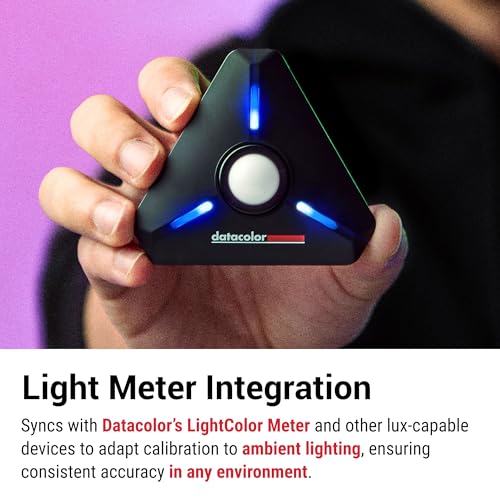
- Integrated ambient light meter syncs with room conditions for context-aware brightness and white point calibration.
- Advanced features like 3D LUT export and Device Preview have a learning curve — expect initial setup time.
- 4.2-star average across 437 reviews suggests some users encounter software friction or setup issues.
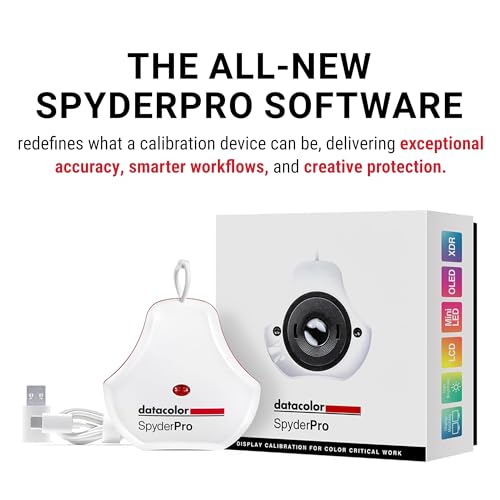
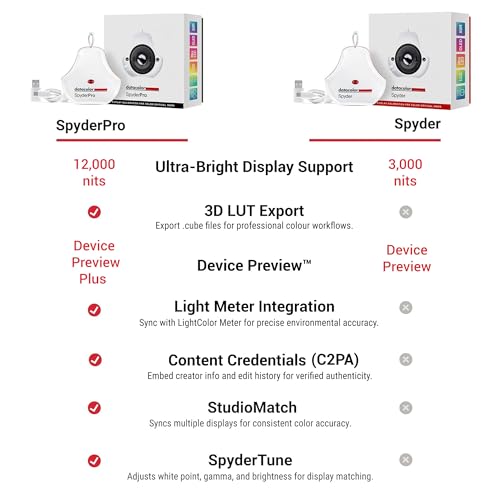
The SpyderPro is the most capable calibrator for photographers working with modern high-brightness displays. You get 12,000-nit support that future-proofs your workflow, 3D LUT export for video consistency, and ambient-aware calibration that adapts to your studio lighting. The tradeoff is a denser feature set that takes time to learn — but once configured, calibration runs take about 90 seconds.
Performance and Value Overview:
Our #1 pick with a score of 90/100, the Datacolor SpyderPro delivers the best combination of sensor accuracy, HDR support, and professional workflow features for serious photographers. Based on our research, it handles everything from basic sRGB calibration to extreme HDR profiling.

Sensor and Accuracy:
The SpyderPro uses Datacolor’s latest lens-based colorimeter engine with spectral corrections for QD-OLED, OLED, and mini-LED panel types. User reviews highlight tight Delta E results and reliable repeatability across sessions. The 12,000-nit measurement ceiling means this calibrator will not clip highlights on even the brightest HDR displays currently available.
Software and Workflow Features:
The Spyder software includes 3D LUT export for translating calibration profiles across video monitors and color spaces, Device Preview Plus for side-by-side comparisons of original and converted images, and Content Credentials (C2PA) integration for verifiable authorship metadata. The ambient light meter syncs with compatible Datacolor LUX meters to factor room lighting into your calibration targets.
Who It Is For:
Based on our research, the SpyderPro is ideal for photographers who print regularly and need tight screen-to-print matching, especially on modern wide-gamut or HDR displays. Hybrid photo-video creators benefit from the 3D LUT export. If you only shoot for web on a standard SDR display, the less expensive Spyder or SpyderExpress may be all you need.
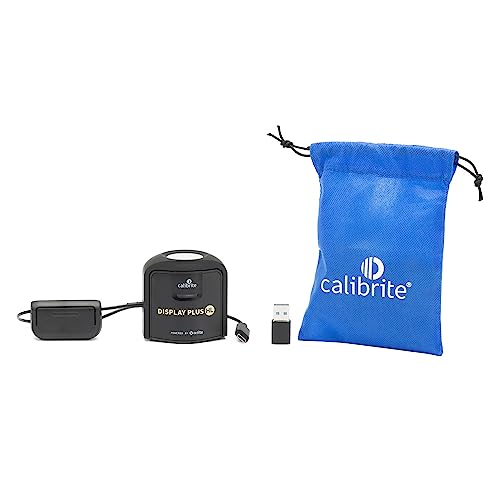
Calibrite Display Plus HL – 10,000 Nit Monitor Calibration for Mini-LED, OLED, Super…
Photographers and videographers with high-brightness HDR displays who need broadcast-standard calibration targets and professional validation tools.
- Measures up to 10,000 nits with advanced HL sensor — handles extreme HDR content on mini-LED and OLED panels with accurate high-luminance readings.
- Supports broadcast standards including Rec.709 and BT.1886 tone curves — essential for hybrid photo-video creators working to delivery specs.
- Professional validation suite with Quick Check, profile validation, uniformity check, and flare correction for verifiable accuracy.
- At $339 it is the most expensive standalone calibrator in this roundup — overkill for SDR-only photographers.
- No 3D LUT export capability — videographers needing LUT workflows should consider the SpyderPro instead.
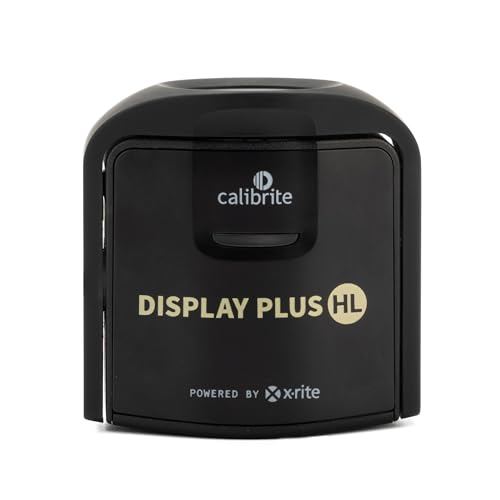
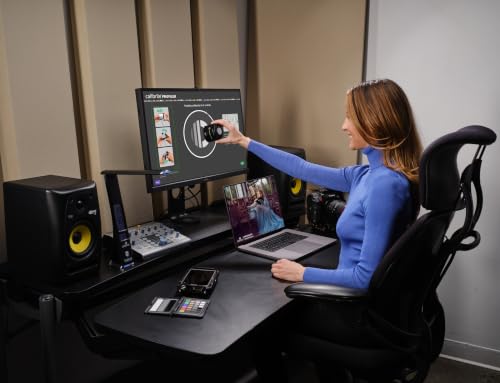
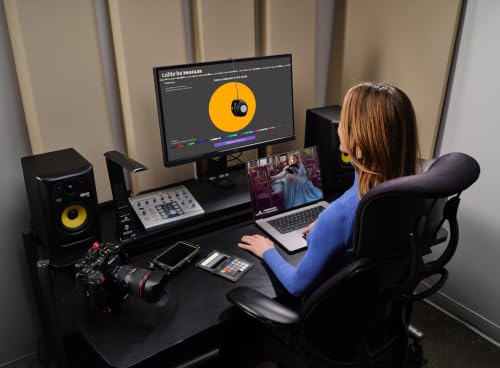
The Display Plus HL is Calibrite’s flagship calibrator for high-brightness workflows. You get 10,000-nit measurement range, broadcast-standard tone curve support, and a comprehensive validation toolkit. Specs indicate it excels on modern mini-LED and OLED panels where standard calibrators clip. The tradeoff is the premium price and lack of LUT export — pure photographers who need maximum HDR accuracy will love it, but hybrid shooters may prefer the SpyderPro’s broader feature set.
Performance and Value Overview:
Ranked #2 with an 88/100 score, the Calibrite Display Plus HL represents the top of Calibrite’s lineup with the most advanced HL sensor available. User reviews highlight its accuracy on high-brightness panels and the reliability of its PROFILER software.


Sensor and HDR Performance:
The advanced HL sensor measures up to 10,000 nits, making it one of the highest-range calibrators available. This matters for photographers working on Apple XDR displays or high-brightness mini-LED monitors where standard calibrators produce inaccurate readings above 1,000 nits. The sensor also handles OLED’s narrow spectral output correctly.
Software and Validation:
Calibrite’s PROFILER software offers Basic and Advanced modes with full adjustment over white point, luminance, gamma, and ICC profile settings. The validation toolkit includes Quick Check for fast verification, profile validation with Delta E reporting, uniformity check to map screen hotspots, and flare correction to compensate for ambient light reflections. Multi-display presets can be shared across workgroups.
Who It Is For:
Based on our research, the Display Plus HL is best for photographers and content creators with premium HDR displays who demand verified, broadcast-grade accuracy. If you own an Apple Pro Display XDR, Samsung QD-OLED, or high-end mini-LED panel, this calibrator ensures your investment in display quality translates to accurate color. SDR-only users should save money with the Display Pro HL or Display 123 instead.
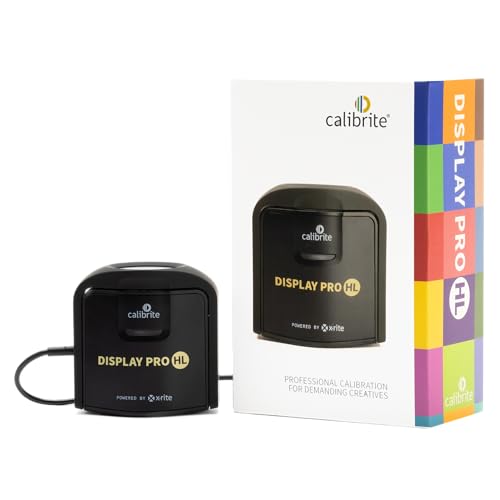
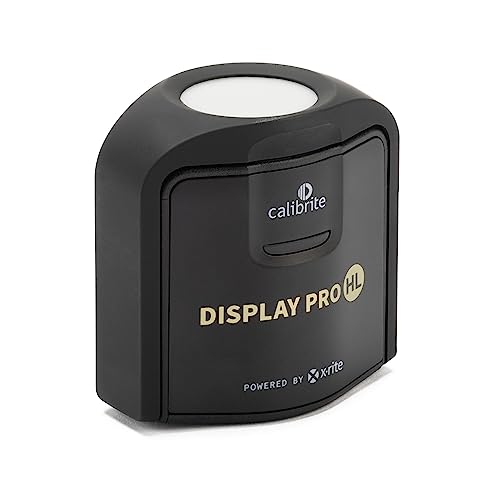
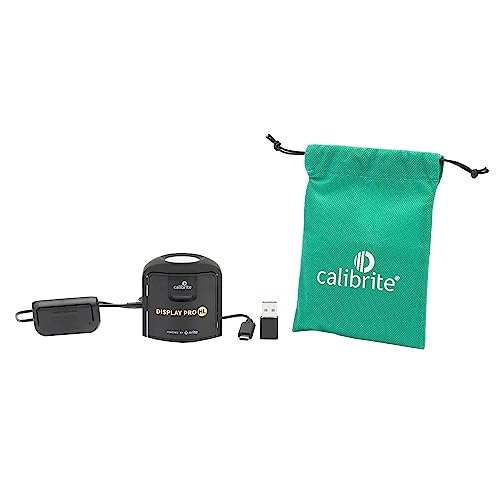
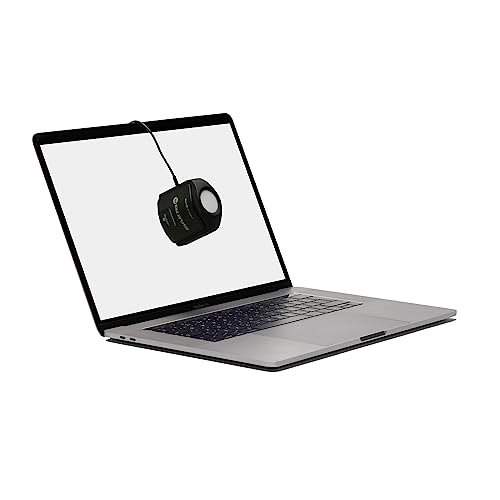
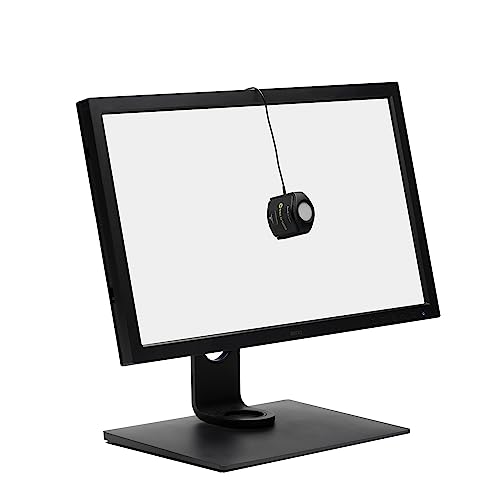
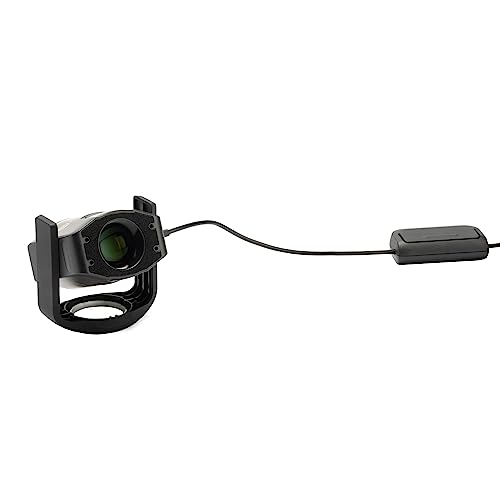
Calibrite Display Pro HL – 3,000 Nit Monitor Calibration for LCD, Mini-LED, and OLED…
Serious photographers who want high-luminance calibration accuracy at a more accessible price point than the Display Plus HL.
- HL sensor measures up to 3,000 nits — covers the vast majority of current HDR displays including most mini-LED and OLED panels.
- Full PROFILER software with validation, uniformity checks, flare correction, and multi-display workflow support at $260.
- 4.3-star rating across 448 reviews with strong user feedback on accuracy and ease of use — a proven, reliable choice.
- 3,000-nit ceiling means it cannot fully calibrate the brightest HDR displays — serious HDR users should step up to the Plus HL.
- No 3D LUT export or broadcast tone curve presets — pure video workflows may need additional tools.
The Display Pro HL hits the sweet spot for most photographers: HL-level accuracy that handles modern OLED and mini-LED panels, professional validation tools, and a price that does not require justifying a premium purchase. If your display peaks below 3,000 nits — which covers most photography monitors — this delivers everything the Plus HL does at $80 less.
Performance and Value Overview:
Ranked #3 with an 86/100 score, the Display Pro HL offers the best balance of HL sensor accuracy and value in the Calibrite lineup. User reviews consistently praise its reliability and the PROFILER software’s clear workflow.
Sensor and Accuracy:
The HL sensor measures up to 3,000 nits with high repeatability across LCD, mini-LED, and OLED panel types. Based on our research, 3,000 nits covers the peak brightness of most current photography monitors including popular models from BenQ, Dell, and ASUS. The sensor delivers accurate readings at both highlights and shadow detail levels.
Software and Multi-Display Support:
The PROFILER software mirrors the Plus HL’s feature set with Basic and Advanced calibration modes, ICC v4 profile output, and multi-display workflow presets. You can share calibration presets across workgroups — useful for studios with multiple editing stations. The validation toolkit catches drift before it affects your prints.
Who It Is For:
The Display Pro HL is our recommendation for photographers who want professional-grade calibration without the premium price of the Plus HL. If your monitor peaks at 1,000-2,000 nits (most photography displays), you get identical accuracy at $80 less. Step up to the Plus HL only if you work with displays above 3,000 nits or need broadcast tone curve presets.
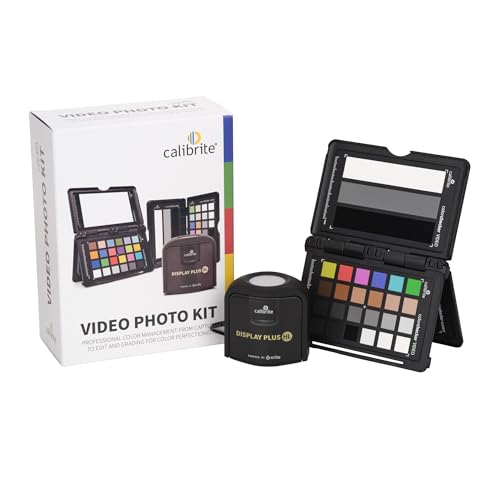
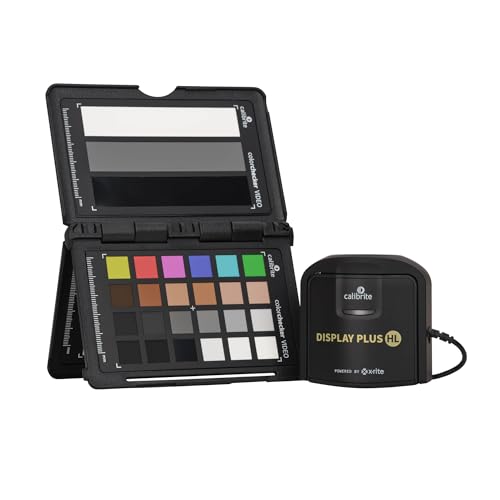
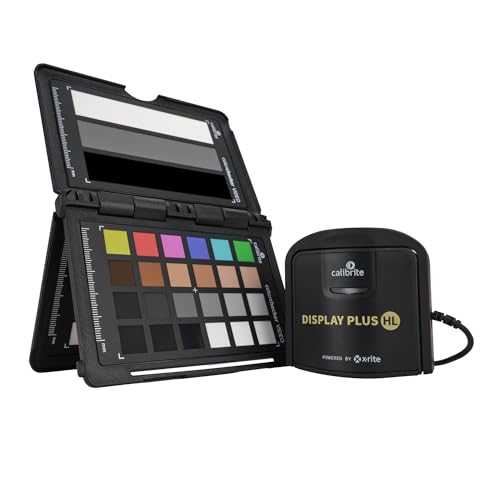
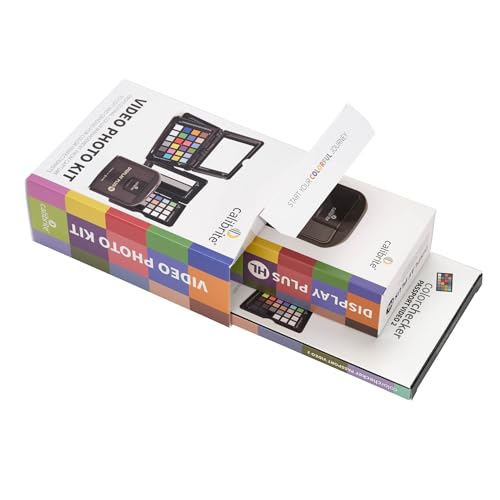
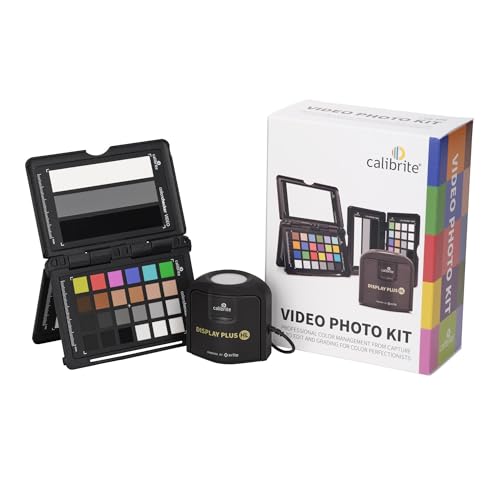
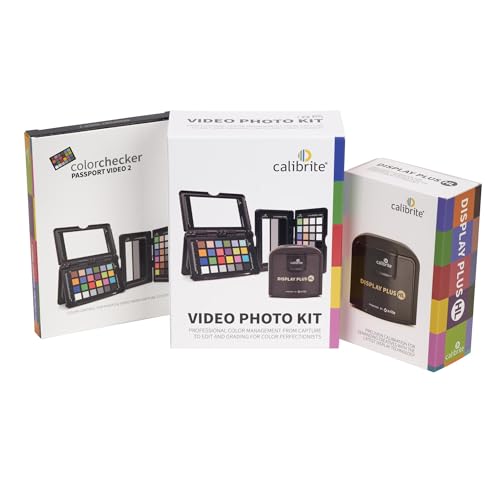
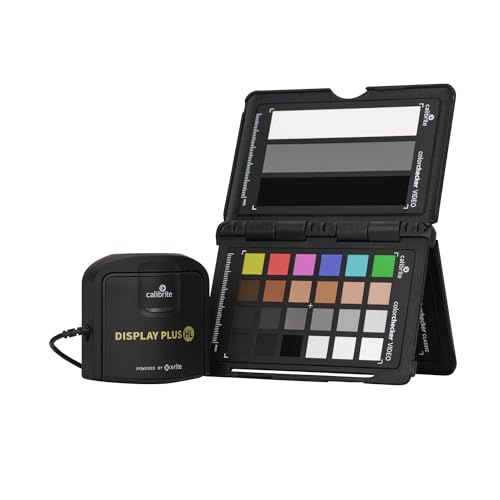
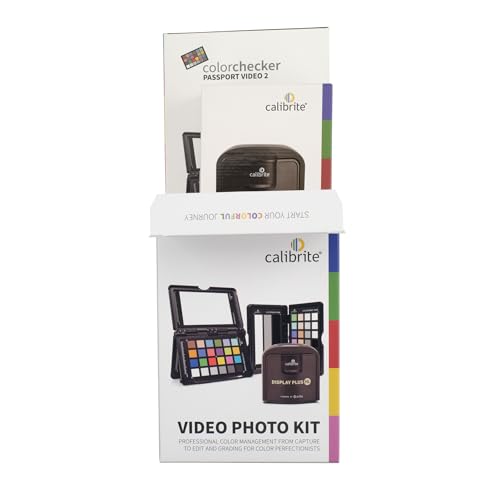
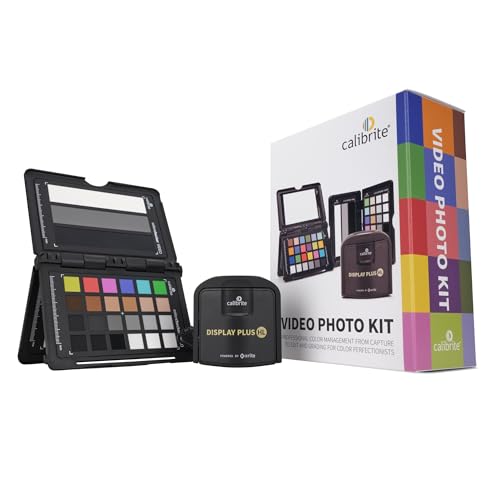
Calibrite Video Photo Kit – Display Plus HL Colorimeter with ColorChecker Passport Video 2
Hybrid photo-video creators who want a complete color management pipeline from camera capture through display calibration.
- Bundles the Display Plus HL (10,000 nits) with ColorChecker Passport Video 2 for end-to-end color accuracy from capture to screen.
- Passport Video 2 enables custom camera DNG profiles and white balance verification — tighter color from the moment of capture.
- Display Plus HL component handles mini-LED, OLED, and Apple XDR panels with extreme luminance measurement capability.
- At $303 you pay a premium for the Passport Video 2 — pure display-calibration users get better value from the standalone Display Plus HL.
- Camera profiling adds workflow complexity that stills-only photographers may not need or use.
The Video Photo Kit makes the most sense for hybrid creators who shoot both stills and video. You get the Display Plus HL’s 10,000-nit calibration plus a physical color target for building accurate camera profiles. This closes the color gap at both ends of the pipeline — capture and display. If you only need display calibration, buy the standalone Display Plus HL and save $35.
Performance and Value Overview:
Ranked #4 with an 85/100 score, the Calibrite Video Photo Kit addresses the full color pipeline — from camera sensor to calibrated display. User reviews highlight the convenience of having both tools in one package for consistent results.
Camera Profiling with Passport Video 2:
The included ColorChecker Passport Video 2 lets you photograph a standardized color target under your shooting conditions and build custom DNG camera profiles. This means your RAW files start closer to accurate color before you even open Lightroom. For video work, it serves as a white balance and exposure reference that keeps multiple cameras matched on multi-cam shoots.
Display Calibration Component:
The kit includes the full Display Plus HL calibrator with its 10,000-nit HL sensor, PROFILER software, and complete validation toolkit. Everything discussed in our #2 pick applies here — you get identical display calibration capability bundled with the camera profiling target.
Who It Is For:
Based on our research, the Video Photo Kit is ideal for hybrid photo-video creators who want one purchase to cover both capture-side and display-side color management. Wedding photographers who also deliver video, content creators producing both stills and reels, and anyone who wants to eliminate the variable of camera color interpretation will find strong value here.
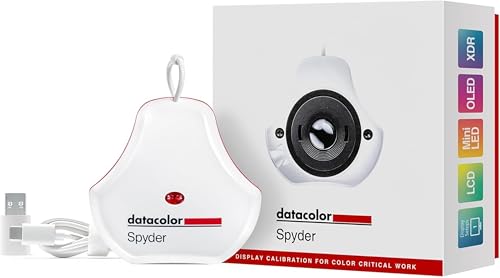
Datacolor Spyder – Monitor Calibrator for Photographers, OLED and LED Support
Photographers who want reliable, fast calibration on modern displays including OLED without paying for advanced pro features they may not need.
- 90-second calibration with OLED and LED support — fast enough to encourage regular recalibration without disrupting your workflow.
- Device Preview Beta simulates how your images appear on other devices — useful for checking client screen appearance.
- Ambient light sensor tracks room lighting changes so your calibration accounts for real studio conditions.
- No 3D LUT export, no Content Credentials integration, and lower HDR headroom than the SpyderPro — limited for video workflows.
- Maximum luminance support not specified by Datacolor — may not fully calibrate the brightest HDR displays.
The standard Spyder delivers the core calibration experience most photographers need: fast profiling, OLED support, ambient light awareness, and reliable color on dual-monitor setups. At $169 it costs $83 less than the SpyderPro while sharing the same sensor hardware. Skip the Pro upgrade unless you specifically need 3D LUT export or extreme HDR headroom.
Performance and Value Overview:
Ranked #5 with an 84/100 score, the Datacolor Spyder offers the same sensor technology as the SpyderPro at a significantly lower price point. User reviews highlight fast calibration times and reliable results for standard photography workflows.


Calibration Speed and Ease of Use:
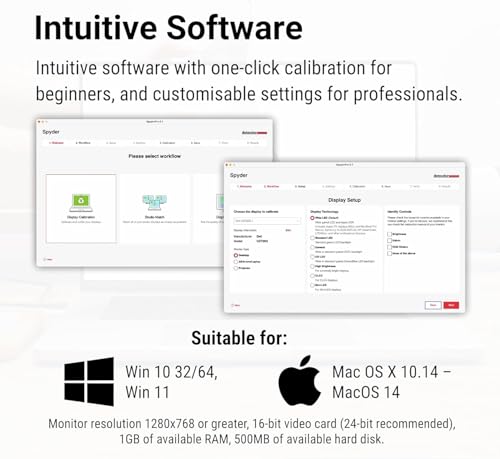
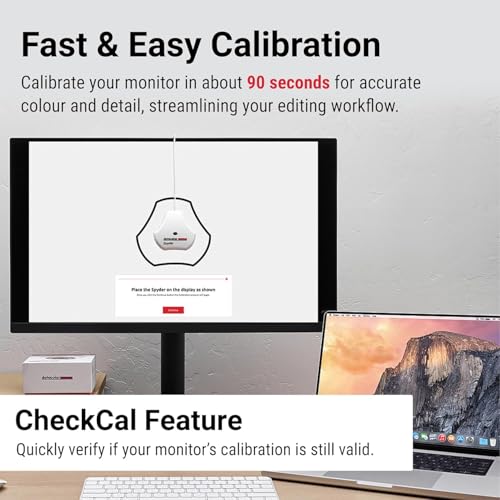
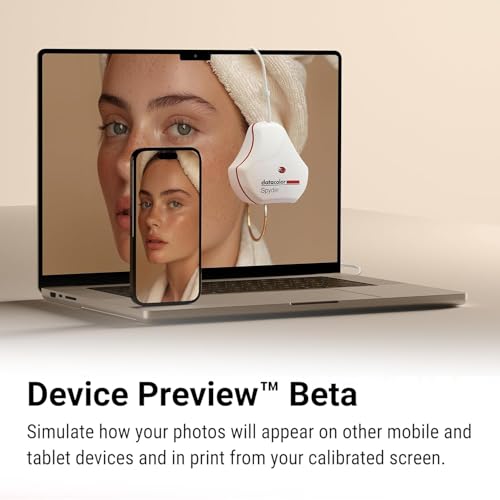
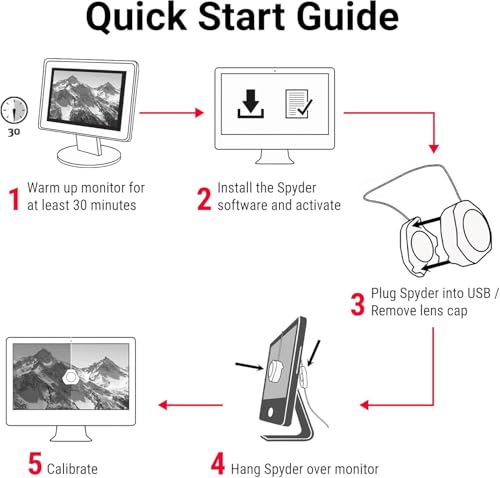
Datacolor emphasizes a 90-second calibration that makes regular recalibration painless. The software guides you through pre-set calibration options suitable for most photography workflows, and the Device Preview Beta feature simulates how your edited images appear on different device types — helpful for photographers who deliver digital files to clients viewing on phones or laptops.
Display Compatibility:
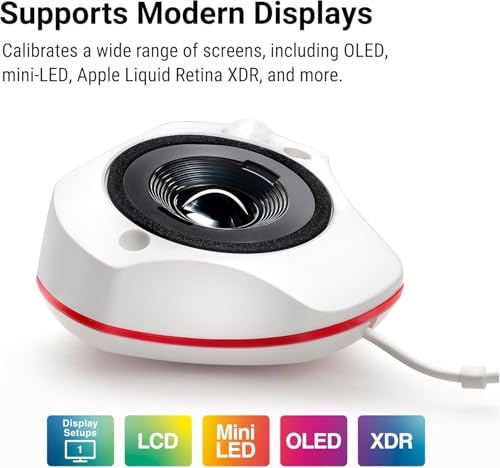
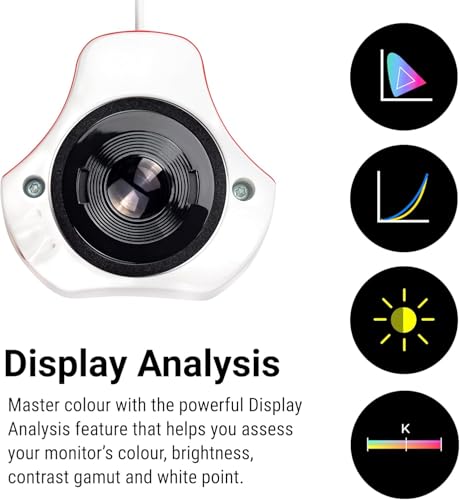
The Spyder supports OLED, LED, and standard LCD panels with spectral corrections for modern display technologies. The ambient light sensor helps you set appropriate brightness targets for your studio environment and alerts you when lighting conditions change enough to warrant recalibration.
Who It Is For:
Based on our research, the Datacolor Spyder is the best value in the mid-range for photographers who need modern OLED support without paying for advanced features. Portrait photographers, event shooters, and landscape photographers who print regularly will find it delivers accurate, consistent color at a fair price. Upgrade to the SpyderPro only if you need 3D LUT export or work with displays above standard HDR brightness levels.
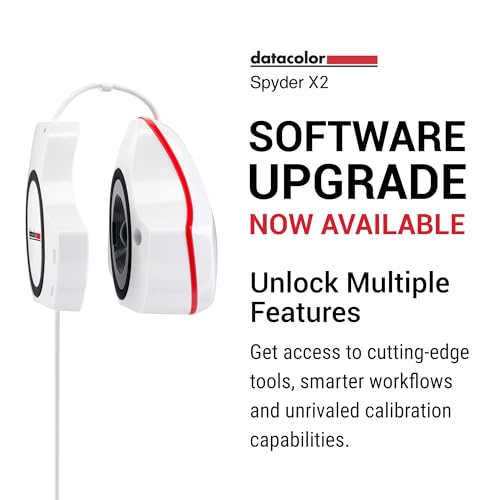
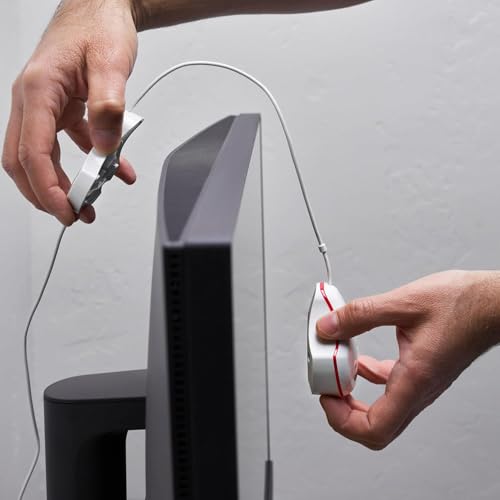
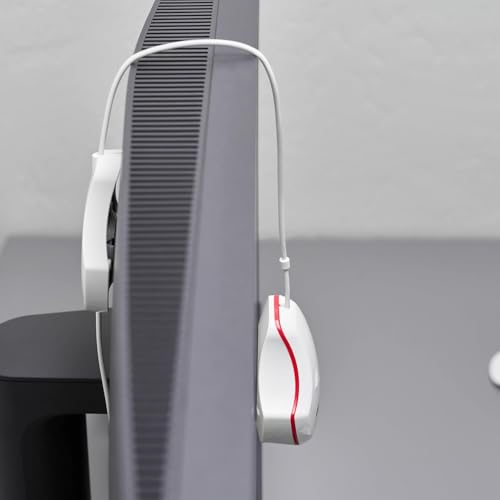
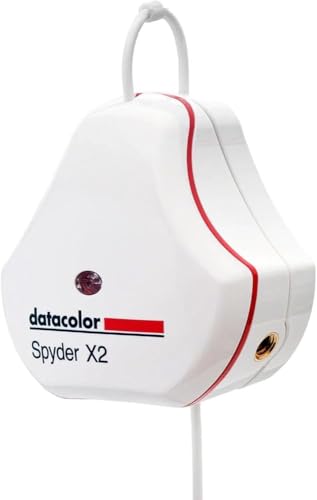
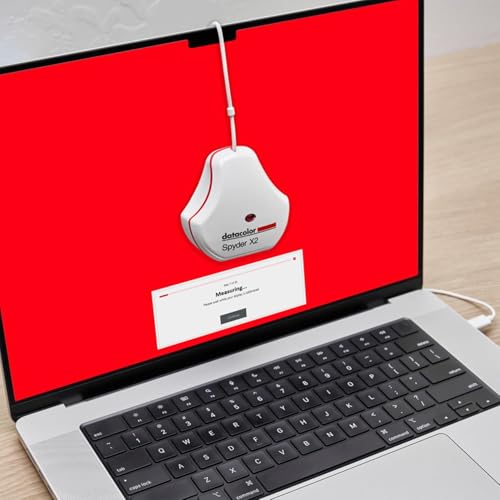
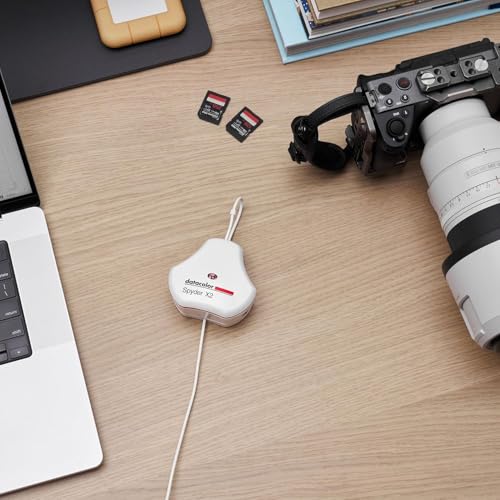
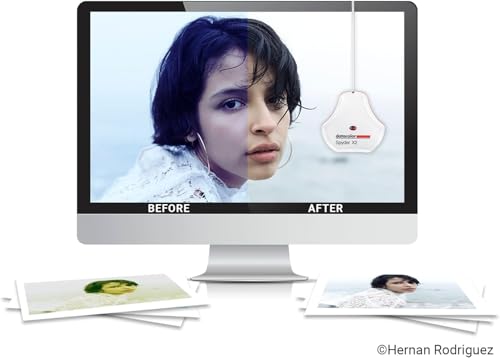
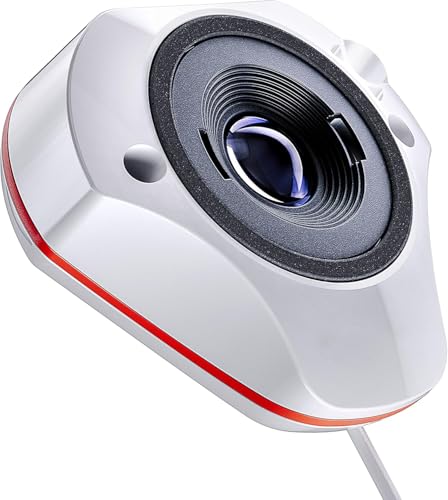
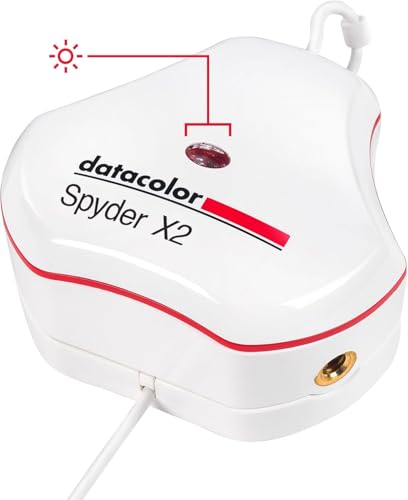
Datacolor Spyder X2 Elite — Monitor Color Calibrator for Photography, Video & Digital…
Photographers and videographers who want advanced calibration features including video/cinema targets, soft proofing, and multi-monitor matching at a mid-range price.
- 4.4-star rating with 1,729 reviews — the most-reviewed calibrator in this roundup with a strong track record of reliability.
- Lens-based color engine with USB-C connectivity delivers fast calibrations with high repeatability and video/cinema target support (Rec. 709, Rec. 2020).
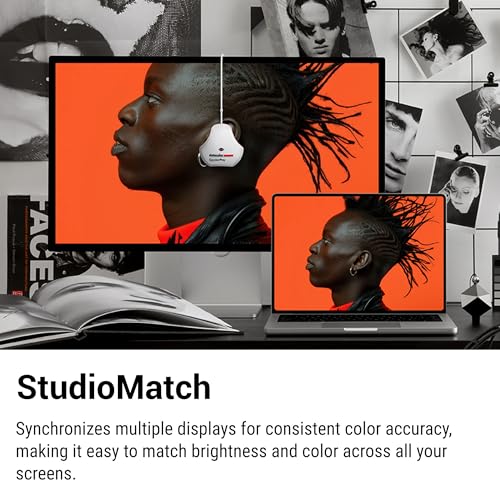
- Advanced Display Mapping, Soft Proofing, and Studio Match for multi-monitor calibration — ideal for hybrid photo/video workflows.
- Released in 2019 — lacks OLED-specific corrections and high-luminance HDR support found in newer models.
- At $280, it sits close in price to the SpyderPro which adds 3D LUT export and 12,000-nit support for only slightly more.
The Spyder X2 Elite is a strong mid-range calibrator that bridges photo and video workflows with cinema target support and advanced display mapping. Its 1,739 reviews and 4.4-star rating reflect broad satisfaction. For photographers on traditional LCD/IPS displays who want more than basic calibration, it hits the sweet spot — though OLED or mini-LED users should step up to the SpyderPro.
Performance and Value Overview:
Ranked #6 with an 82/100 score, the Spyder X2 Elite is a proven workhorse that has earned trust across thousands of photography workflows. Its lower ranking reflects age rather than poor performance — it simply lacks the modern display corrections found in newer calibrators.


Hybrid Photo/Video Calibration:
With 1,739 ratings and a 4.4-star average, the Spyder X2 Elite is one of the most popular calibrators available. Users praise its native USB-C connection, fast calibration speed, and support for both photo and video workflows. The Studio Match feature makes multi-monitor calibration straightforward, and video targets including Rec. 709 and Rec. 2020 make it a genuine hybrid tool.
SDR Focus — No OLED/HDR Corrections:
The Spyder X2 Elite was designed before OLED and mini-LED displays became mainstream in photography. It lacks the spectral corrections that newer calibrators use to handle narrow-spectrum backlights accurately. On traditional IPS and VA LCD panels, it performs excellently — but OLED and mini-LED users should choose a newer model for best results.
Who It Is For:
Based on our research, the Spyder X2 Elite is ideal for hybrid photo/video creators who use IPS or VA LCD displays and want advanced features like cinema targets and soft proofing. At $280, it competes on price with the SpyderPro — but the SpyderPro’s OLED support and 12,000-nit range make it the better choice for anyone with a modern display.
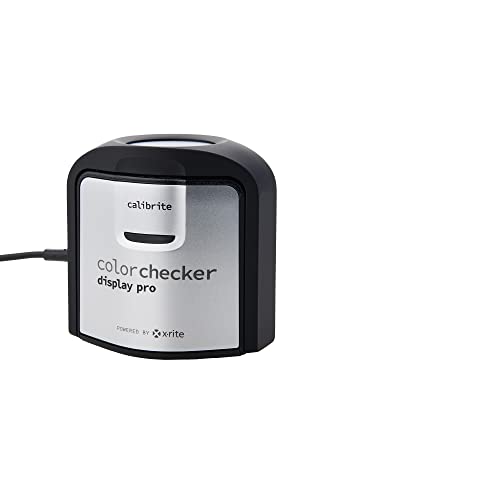
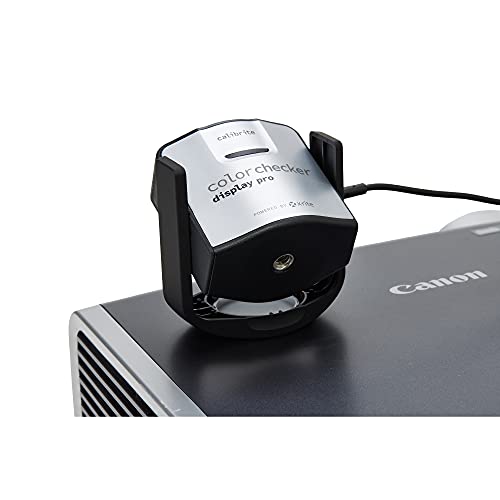
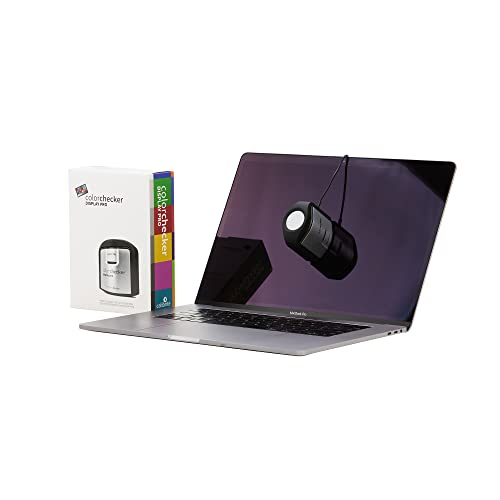
Calibrite ColorChecker Display Pro (CCDIS3)
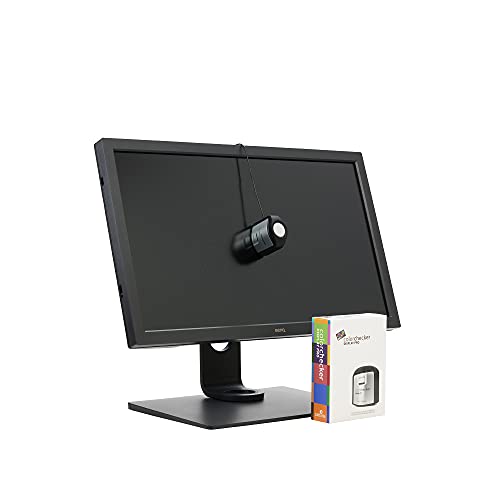
Photographers who need proven SDR accuracy with ccProfiler/i1Profiler software compatibility and rotatable diffuser for projector profiling.
- Powered by X-Rite technology with optical design that delivers high repeatability across different display types and profiling sessions.
- Rotatable diffuser arm doubles as a stand for tabletop projector profiling and ambient light measurement — versatile hardware design.
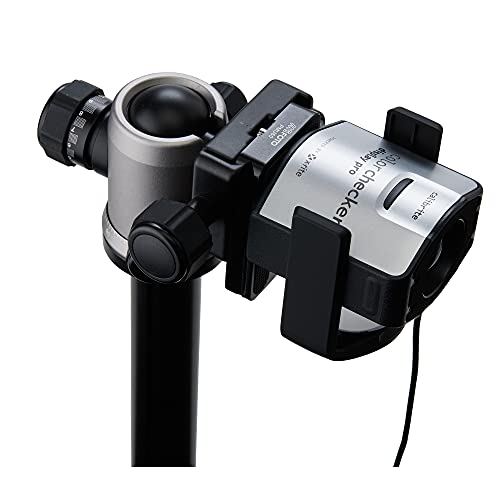
- Integrated tripod mount for projector profiling in larger venues — unique feature for photographers who present or teach.
- No HL (high luminance) sensor — struggles with accurate readings on modern HDR displays above standard brightness levels.
- Released in 2021 without OLED-specific corrections — Calibrite’s newer HL lineup handles modern panels more accurately.
The ColorChecker Display Pro remains a capable SDR calibrator with a solid X-Rite optical heritage. Its projector profiling capability is unique in this roundup and valuable for photographers who present work in galleries or workshops. For standard LCD displays, it delivers reliable accuracy — but modern OLED and HDR display owners should look at the Display Pro HL instead.
Performance and Value Overview:
Ranked #7 with an 80/100 score, the ColorChecker Display Pro carries X-Rite’s optical engineering legacy into the Calibrite era. User reviews praise its accuracy on standard displays, though some note that newer HL models offer better value for modern panels.


X-Rite Heritage and Build:
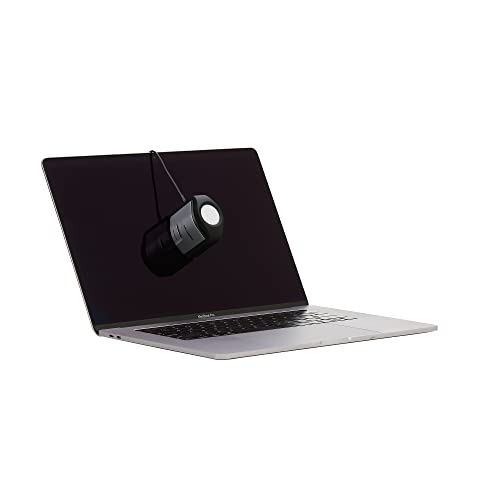
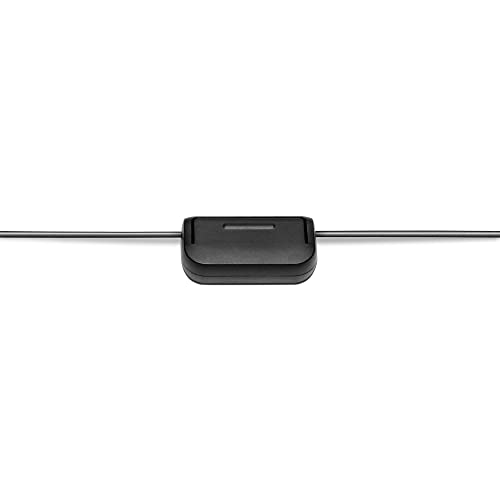
The ColorChecker Display Pro inherits X-Rite’s optical design with a sensor optimized for high repeatability across different display types. The rotatable diffuser arm is a thoughtful hardware feature — it pivots to measure ambient light, sits flat for tabletop projector profiling, and accepts a tripod mount for large-venue projector calibration.
Software Compatibility:
Works with Calibrite’s ccProfiler (successor to i1Profiler) and is also compatible with third-party calibration software like DisplayCAL. This flexibility matters for photographers who prefer open-source calibration workflows or need custom CCSS files for specific display models.
Who It Is For:
Based on our research, the ColorChecker Display Pro is best for photographers using standard SDR displays who value the X-Rite optical heritage, need projector profiling capability, or prefer using DisplayCAL. At $279, it competes directly with the Calibrite Display Pro HL ($260) — and for most users, the newer HL model offers better value with its high-luminance sensor.
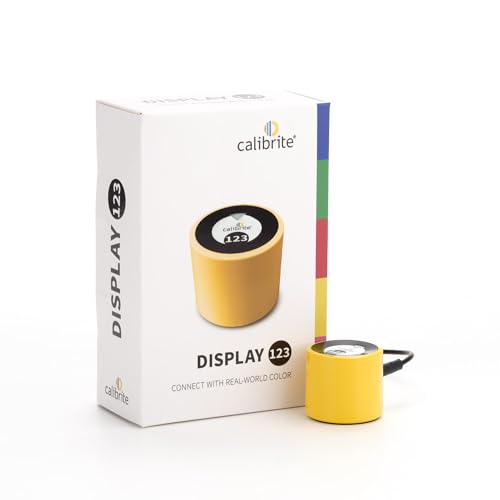
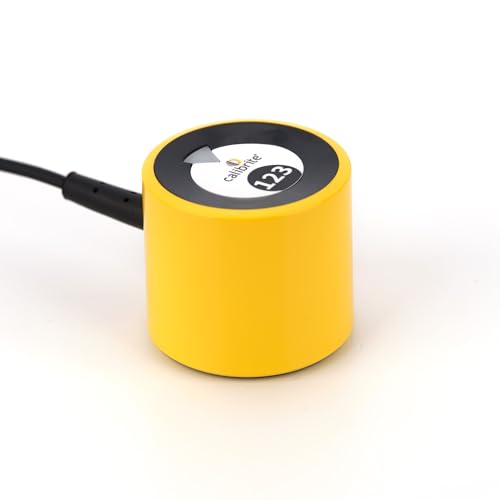
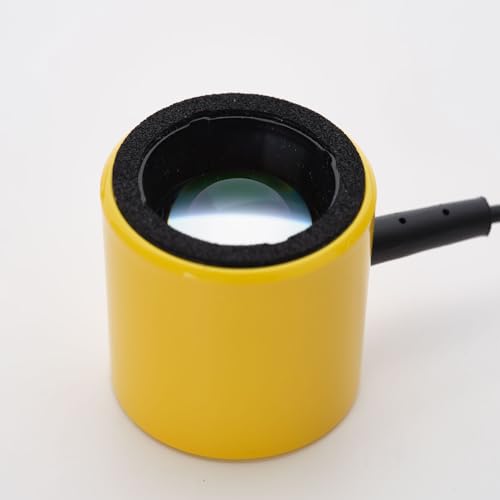
Calibrite Display 123 – Easy Monitor Calibration for Photo Editing, USB-C, Dual Display
Beginner and hobbyist photographers who want simple, guided calibration without technical complexity.
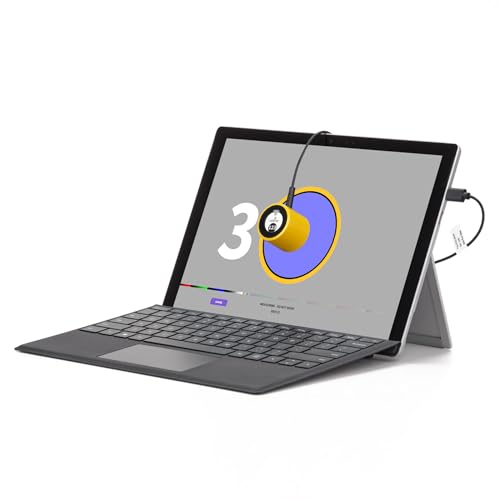
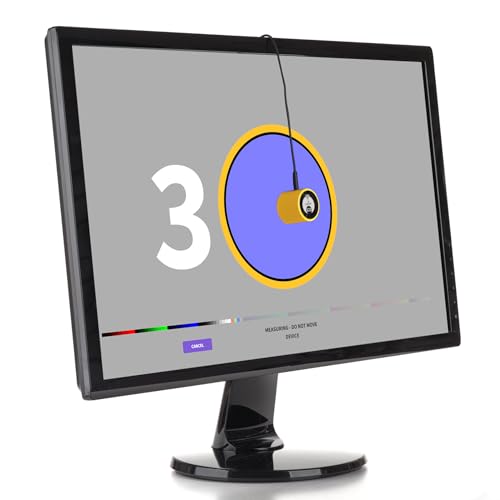
- Guided 1-2-3 workflow makes first-time calibration approachable — no color science knowledge required to get accurate results.
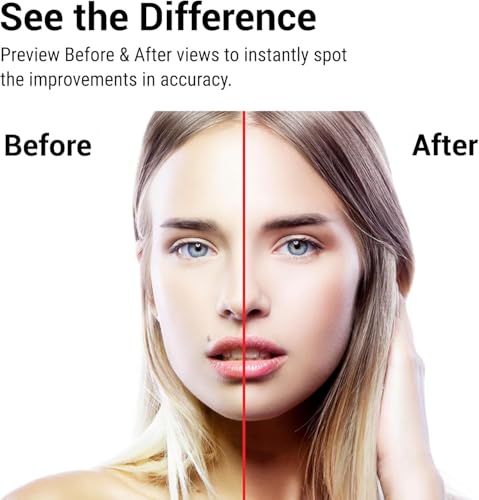
- Built-in before/after comparison view shows the immediate difference calibration makes — motivating for new users.
- USB-C connection and dual display support at $119 — the most affordable Calibrite option with modern connectivity.
- No HL sensor, no ambient light measurement, and no advanced validation tools — outgrown quickly by serious photographers.
- Limited to 2 displays and basic presets — no custom targets, no uniformity checks, no multi-workgroup preset sharing.
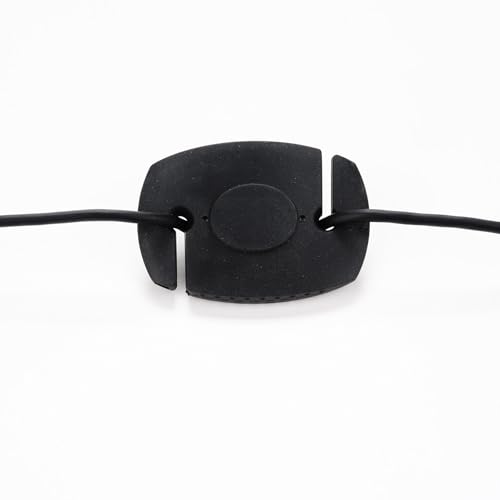
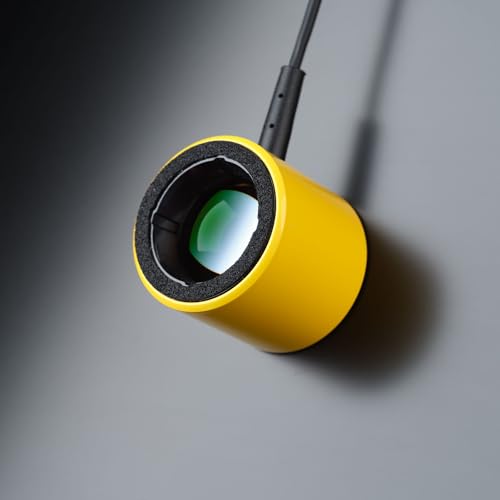
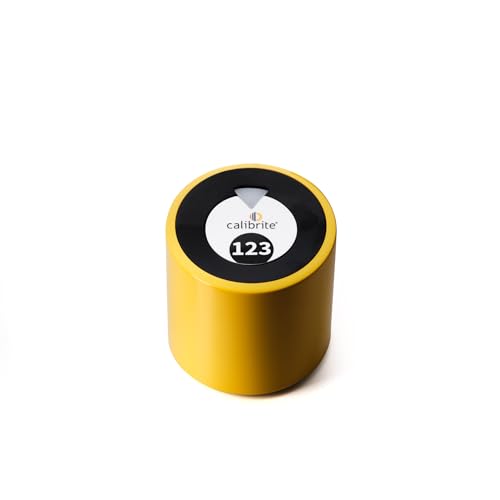
The Display 123 is designed for photographers who know they need calibration but do not want to learn color science. The guided workflow gets you from uncalibrated to accurate in minutes. At $119, it is the right entry point for hobbyists and part-time shooters — but photographers who grow into print work or HDR displays will eventually need to upgrade to a Pro HL model.
Performance and Value Overview:
Ranked #8 with a 78/100 score, the Calibrite Display 123 prioritizes simplicity over feature depth. User reviews highlight how easy it is to set up and the visible improvement it makes even on basic displays.
Simplicity as a Feature:
The 1-2-3 workflow is genuinely beginner-friendly: plug in, follow three steps, and your display is calibrated. No choosing white points, no setting luminance targets, no interpreting Delta E reports. The software makes sensible defaults and the before/after check shows you exactly what changed — a powerful motivator for photographers who have never calibrated before.
Practical Limitations:
The simplicity that makes the Display 123 approachable also limits its ceiling. There is no ambient light sensor, no custom calibration targets, no uniformity mapping, and no validation reports. Advanced photographers will quickly outgrow these limitations, especially when moving to print work where precise D50 targeting matters.
Who It Is For:
Based on our research, the Display 123 is ideal for hobbyist photographers, students, and anyone making their first calibration purchase. It delivers meaningful color improvement for $119 and the USB-C connection works with modern laptops without adapters. Upgrade to the Display Pro HL when you start printing or working with wide-gamut displays.
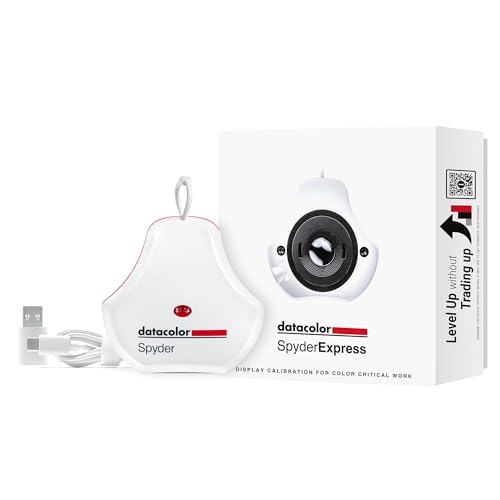
Datacolor SpyderExpress – Quick and Easy Monitor Color Calibrator
Budget-conscious photographers and beginners who want accurate color without a large investment, with the option to unlock advanced features later.
- At $99, the most affordable calibrator in this roundup — makes accurate color accessible for any budget.
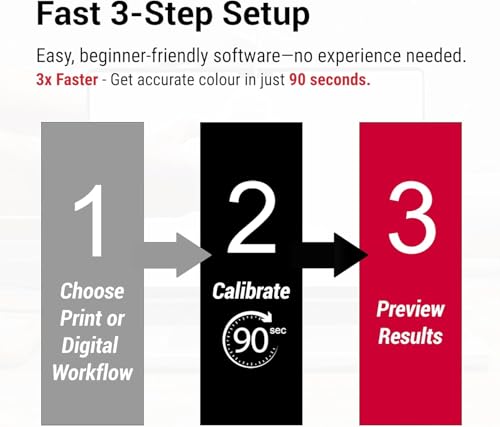
- 90-second calibration with the same sensor hardware as the Spyder lineup — fast and accurate for basic SDR workflows.
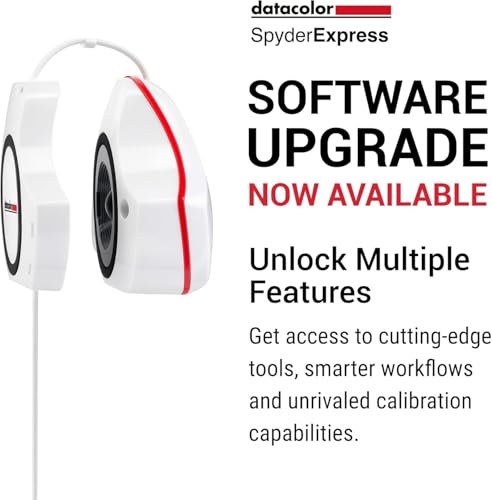
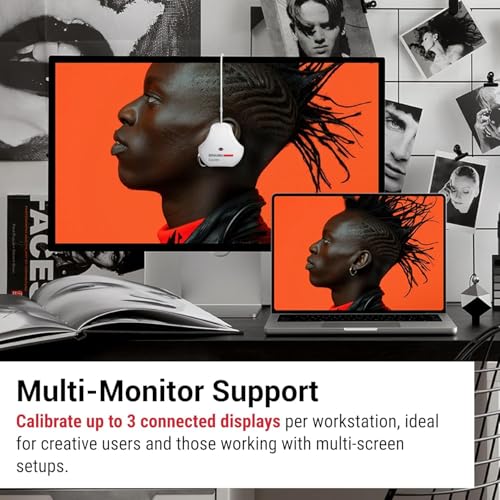
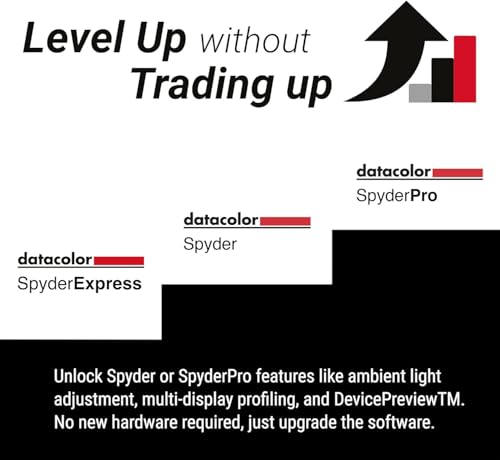
- Software upgrade path lets you unlock advanced features like ambient light adjustment and multi-monitor support as you grow.
- Limited to basic presets out of the box — no custom targets, no ambient light measurement, and no multi-monitor support without paid upgrades.
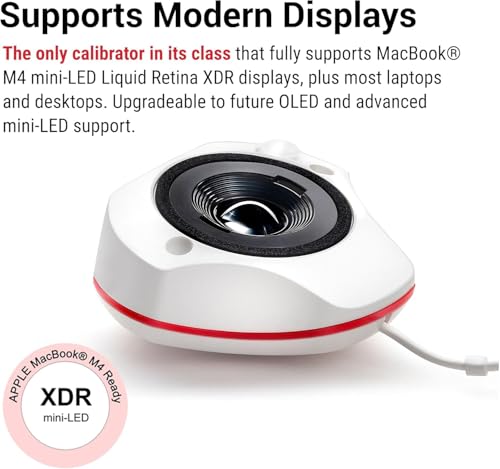
- No OLED-specific corrections or HDR support — strictly for standard LCD and LED displays.
The SpyderExpress proves that accurate calibration does not have to be expensive. For $99 you get the same Datacolor sensor technology that powers the Spyder and SpyderPro, with a streamlined software experience that handles basic calibration in 90 seconds. The upgrade path is smart — you can unlock advanced features via software purchase when you need them, rather than buying new hardware.
Performance and Value Overview:
Ranked #9 with a 76/100 score, the SpyderExpress is the most affordable path to accurate monitor color in this roundup. User reviews praise the speed and simplicity, with many noting it made an immediately visible difference in their editing workflow.

Budget Entry with Real Results:
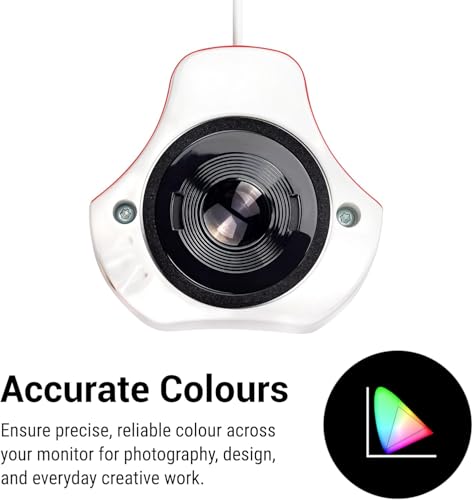
At $99, the SpyderExpress removes the cost barrier that keeps many photographers from calibrating at all. The 90-second calibration uses Datacolor’s current sensor technology — you are not getting an inferior sensor, just simplified software. User reviews highlight that the color improvement is immediately visible and makes a real difference in print accuracy and client delivery consistency.
Upgrade Path:
Datacolor designed the SpyderExpress with a software upgrade path that lets you unlock features like ambient light adjustment, multi-monitor support, and advanced calibration controls without buying new hardware. This makes it a low-risk entry point — start with basics, and add features as your needs grow.
Who It Is For:
Based on our research, the SpyderExpress is perfect for photography students, hobbyists, and anyone who has been putting off calibration because of cost. It is also a smart choice for photographers who want a backup calibrator or a travel unit. The only reason to spend more is if you need OLED support, HDR calibration, or advanced features right away.
When you buy through links on our site, we may earn a commission at no cost to you. We evaluate products independently. Commissions do not affect our evaluations.
Choosing the Best Monitor Calibrator for Your Photography
The right monitor calibrator depends on your display technology, your output medium, and your budget. Here is how to match our picks to your situation:
For HDR and modern display owners working with OLED, mini-LED, or Apple XDR panels, the Datacolor SpyderPro offers the widest compatibility with 12,000-nit support and 3D LUT export. If you prefer Calibrite’s ecosystem, the Display Plus HL measures up to 10,000 nits with professional validation tools.
Apple’s newly announced Studio Display XDR — with 2,304 mini-LED dimming zones and 2,000-nit HDR — is one display that will particularly benefit from proper calibration to unlock its full color accuracy potential.
For serious photographers on standard displays, the Calibrite Display Pro HL hits the sweet spot with 3,000-nit HL measurement at $260 — enough for current displays with headroom for your next monitor upgrade. The Datacolor Spyder at $169 offers the best value for basic OLED support.
For beginners and budget-conscious photographers, the Calibrite Display 123 ($119) provides guided simplicity, while the Datacolor SpyderExpress ($99) offers the lowest cost of entry with an upgrade path for growing needs.
Whichever calibrator you choose, the most important step is to actually use it regularly. A $99 calibrator used monthly delivers far better color accuracy than a $339 unit collecting dust. Calibrate, validate, and print with confidence.
Our Final Picks: Best Monitor Calibrators for Photography 2026
Datacolor SpyderPro
Calibrite Display Plus HL
Calibrite Display Pro HL
Datacolor SpyderExpress
Disclosure/Disclaimer: As an Amazon Associate, we earn from qualifying purchases. Certain content was provided "as is" from Amazon and is subject to change or removal at any time. Product prices and availability: Amazon prices are updated daily or are accurate as of the date/time indicated and are subject to change. Any price and availability information displayed on Amazon.com at the time of purchase will apply to the purchase of this product.