


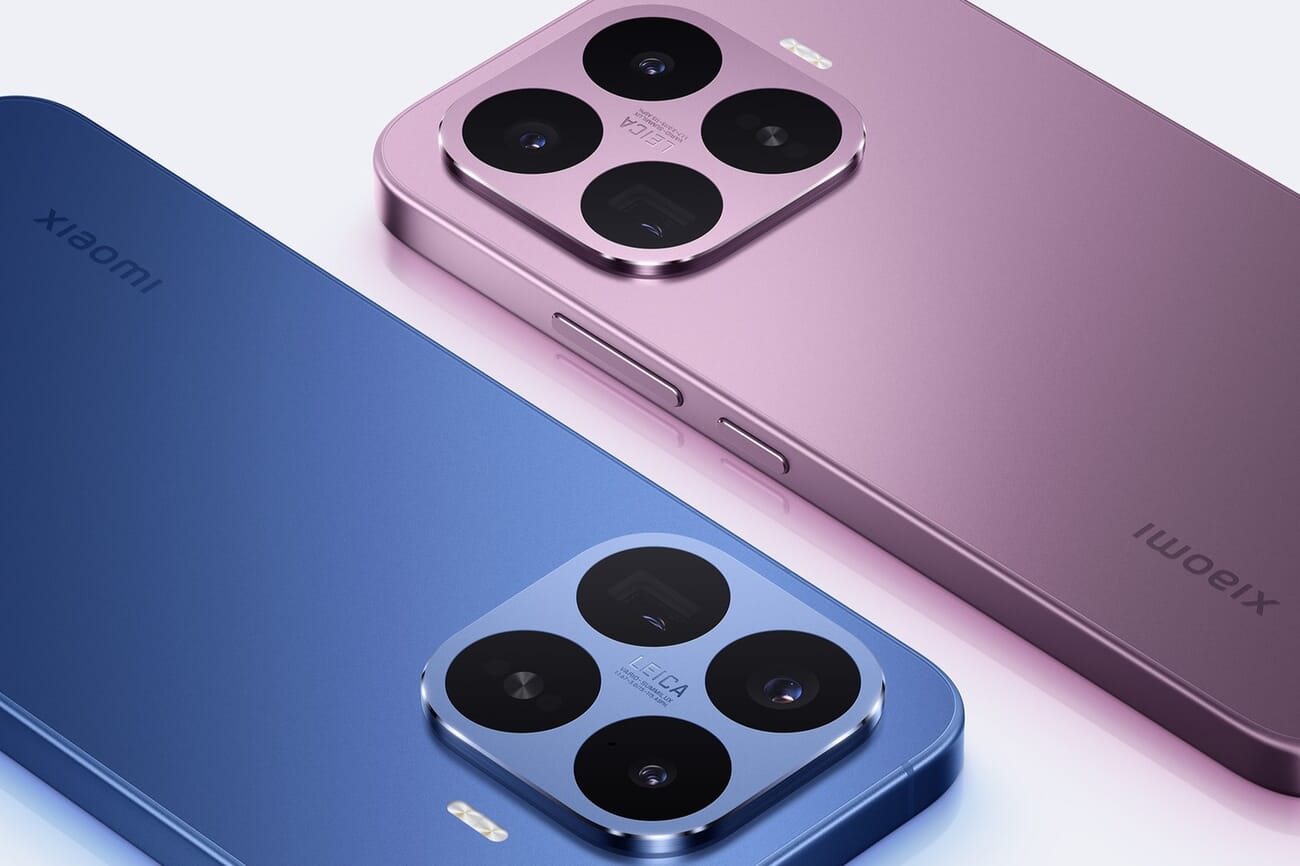
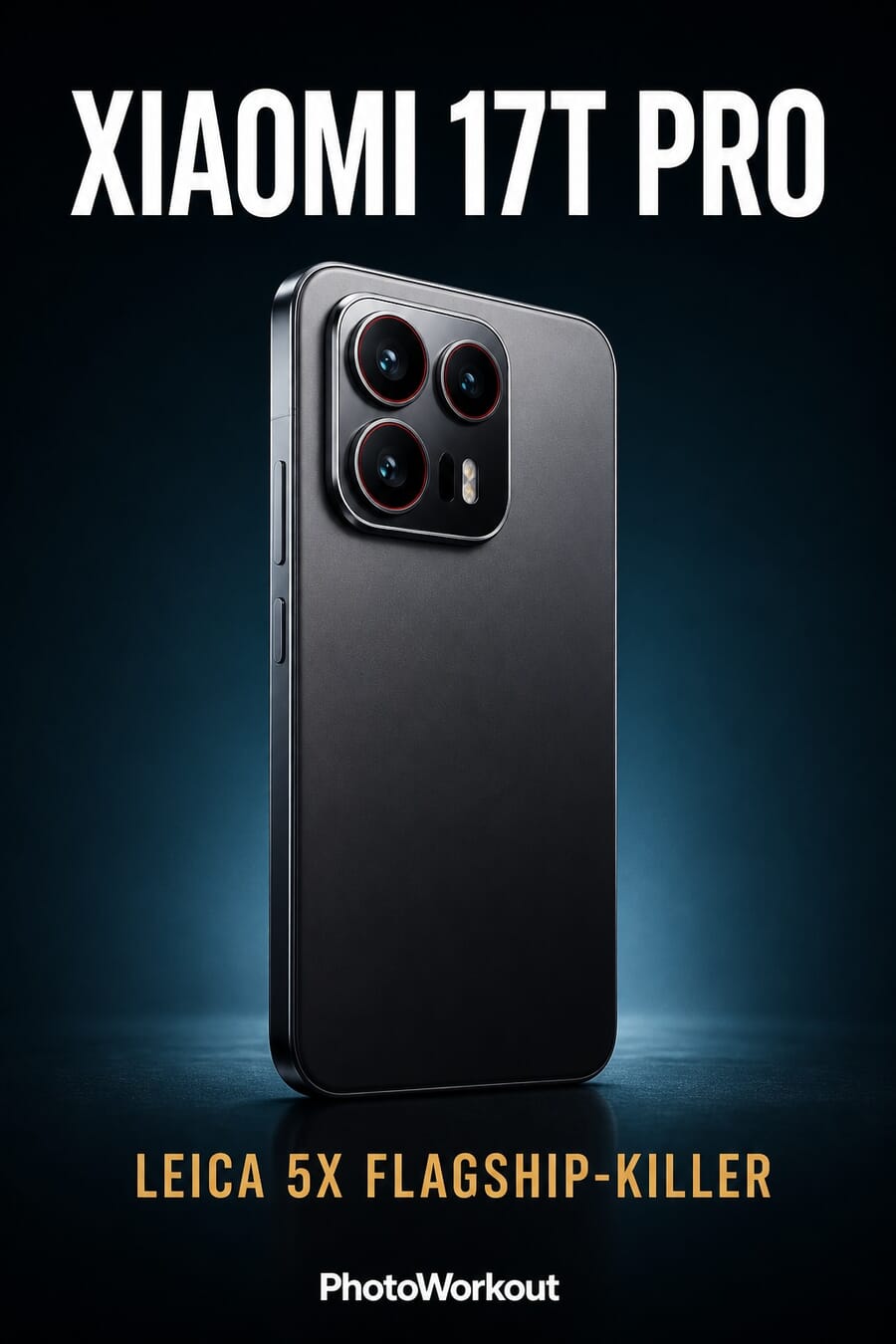
- Xiaomi launched the 17T and 17T Pro on May 28, 2026 — Leica co-engineered cameras and, for the first time on a T-series phone, a dedicated 5x periscope telephoto.
- The 17T Pro is a flagship-killer: the flagship Dimensity 9500 chip, a 50MP 1/1.31-inch main camera, a 50MP 5x periscope, 8K video, a 6.83-inch 144Hz display and a 7,000mAh battery — from €899.
- Leica’s role here is mostly color science and tuning (the “Leica look”), not the 1-inch sensor and APO optics of the pricier 17 Ultra. The cameras are genuinely strong — excellent main, flagship-level 5x — with the ultrawide as the weak link.
- You can’t buy it in the US: Xiaomi doesn’t sell here. Importing works, and band support is actually good for T-Mobile, workable on AT&T, and a no-go on Verizon — with no US warranty.
- For most US buyers, an officially-sold rival (Google Pixel 10 Pro, iPhone 17 Pro, Galaxy S26 Ultra) is the saner choice. Alternatives are at the bottom.
For €899, the Xiaomi 17T Pro is one of the most camera-capable phones you can get this year: a Leica co-engineered triple camera, a brand-new 5x periscope telephoto, and genuine flagship internals. Xiaomi unveiled it alongside the cheaper 17T on May 28, 2026 — the earliest the T-series has ever gone global.
There’s the familiar Xiaomi catch for anyone reading from the United States, though: you can’t walk into a store and buy one. So this guide does the work that matters — what the cameras actually deliver, how the Pro compares to the standard 17T and the range-topping 17 Ultra, whether it’s worth importing, and the camera phones you can buy in the US instead.
What the 17T Pro’s Leica Cameras Actually Deliver
The headline is the new periscope. For the first time, a T-series Xiaomi gets a dedicated 5x telephoto, and on paper the 17T Pro’s setup is serious:
- Main: 50MP f/1.7, 23mm, large 1/1.31-inch Light Fusion 950 sensor, OIS
- Periscope telephoto: 50MP f/3.0, 115mm (5x), 1/2.76-inch sensor, OIS, with 10x “optical-grade” and AI zoom beyond
- Ultrawide: 12MP f/2.2, 120°
- Front: 32MP. Video: up to 8K/30 and 4K/120, 10-bit Log
The main camera: a genuinely big sensor
The 50MP main shoots through a 1/1.31-inch Light Fusion 950 sensor — physically large for a non-Ultra phone, and the single spec that does the most for image quality. A bigger sensor gathers more light, so the 17T Pro holds detail and controls noise after dark where smaller-sensor rivals smear, and its dynamic range copes with high-contrast scenes (bright sky over a shadowed street) without blowing highlights. Early reviews call its daylight and low-light output “excellent,” which for the price is the headline most photographers should care about. The 50MP full-resolution mode exists, but as with most phones it’s a party trick — the default pixel-binned 12.5MP shots are sharper and cleaner.
The f/1.7 aperture and OIS also make it a capable everyday camera for handheld low light and shallow-depth portraits at the 23mm focal length, and the Leica tuning gives skin tones a slightly warm, film-like rendering rather than the over-sharpened look phones often default to.
The 5x periscope: real reach, finally on a T-series
This is the upgrade that changes how you shoot. A dedicated 50MP periscope at 115mm (5x) with its own OIS means genuine telephoto reach — tight portraits with natural compression, distant detail, candid street frames from across the road — none of which the digital crops on cheaper phones can fake. Xiaomi rates a 10x “optical-grade” mode (a high-res crop from the 50MP sensor) that stays usable, with AI super-resolution pushing further for casual shots. Reviewers rate the telephoto as proper flagship-level glass — sharp and dependable, not the soft afterthought a 5x so often is at this price. For anyone who shoots portraits, events or wildlife, this lens alone is the reason to look at the Pro over most rivals in its bracket.
Ultrawide and video
The 12MP ultrawide is the weak link: fine in daylight for landscapes and architecture, but noticeably softer and noisier after dark — the lens to use sparingly at night. Video, though, is a strength: up to 8K/30 and 4K/120 with 10-bit Log capture, which gives creators real latitude to color-grade footage in post rather than being locked into the phone’s baked-in look. Combined with the OIS on both the main and telephoto, it’s a competent run-and-gun video phone, not just a stills shooter.
As for the Leica name, be clear-eyed about it. On the 17T Pro the partnership shows up mainly as color science — the Leica Authentic profile (truer-to-life, lower contrast) and Leica Vibrant (punchier, more saturated), plus Leica’s signature filters and watermark, all carried consistently across the three lenses. That look is genuine and likeable. But the underlying hardware is upper-mid, not the 1-inch sensor and APO-certified optics Leica co-develops for the 17 Ultra. The red dot here buys you a look and solid tuning, while the big main sensor and 5x periscope do the heavy lifting. Judge it on that basis and it’s a strong shooter; expect Ultra-tier imaging and you’ll be let down.
17T vs 17T Pro: Which One Should You Get?
Both phones share the 50MP 5x periscope and the 12MP ultrawide, so the reach is the same. The differences are the main sensor, the silicon and the video ceiling:
- Xiaomi 17T (€749): smaller 1/1.55-inch main sensor, Dimensity 8500-Ultra chip, 6.59-inch 120Hz screen, 6,500mAh/67W, video capped at 4K/60.
- Xiaomi 17T Pro (€899): larger 1/1.31-inch main sensor, flagship Dimensity 9500, 6.83-inch 144Hz 3,500-nit display, 7,000mAh with 100W wired + 50W wireless, and 8K/4K-120 video.
For a photographer, the Pro is the one to want — the bigger main sensor and 8K/Log video are the upgrades that actually change results. The standard 17T is the value play if you mainly care about that 5x reach and can live with a smaller main sensor.
17T Pro vs Xiaomi 17 Ultra: Which Leica Phone Is Worth It?
This is the comparison most photographers will actually weigh. The Xiaomi 17 Ultra is the halo — Xiaomi’s “Leitzphone” — and the gap is real:
| 17T Pro | 17 Ultra | |
|---|---|---|
| Main sensor | 1/1.31″ 50MP | 1-inch 50MP (Light Fusion 1050L) |
| Telephoto | 50MP 5x periscope | 200MP periscope |
| Chipset | Dimensity 9500 | Snapdragon 8 Elite Gen 5 |
| Leica optics | Leica color + tuning | Leica APO-certified, manual zoom ring |
| Price | from €899 | ~$1,500–1,800 landed in the US |
The verdict: the 17 Ultra is the genuine imaging flagship — a true 1-inch sensor, a 200MP zoom and APO optics — and it’s worth the premium only if you’re chasing absolute image quality and willing to pay roughly $1,600+ landed once you import it. The 17T Pro gets you perhaps 80% of the Leica look and a very capable 5x telephoto at around half that landed cost. For most enthusiasts, the Pro is the smarter buy; the Ultra is for people who treat the phone as their primary camera. (We broke down the Ultra’s 1-inch sensor and variable-zoom system separately.)
Can You Buy the Xiaomi 17T in the US?
Short version: not from any store, carrier or Amazon listing. Xiaomi doesn’t officially sell phones in the United States, and the 17T series is no exception — we covered the tangle of economics, law and geopolitics behind that in our Xiaomi 17 Ultra US guide, and none of it has changed.
What you can do is import one. Reputable channels include Giztop and Wonda Mobile (Hong Kong-based, DHL/FedEx in roughly 5–10 days), Xiaomi’s official AliExpress store, and vetted eBay sellers. Two rules: buy the Global Version (Google Play preloaded), not the China version, and accept that there’s no US warranty — a repair means shipping the phone back overseas.
US Carrier Reality: Better Than You’d Expect
Here’s the pleasant surprise. Imported Xiaomis have historically been hobbled by missing US bands, but the 17T Pro’s band list is much friendlier. It includes 5G n41 (T-Mobile mid-band), n71 (T-Mobile 600MHz), and n77/n78 (AT&T and Verizon C-band), plus the key LTE bands. Practically:
- T-Mobile — the best bet. n71 is present (it wasn’t on older imports), so extended-range coverage should work, and VoLTE generally functions on T-Mobile for imported phones.
- AT&T — workable on bands (C-band n77 is there), but VoLTE provisioning for a non-whitelisted IMEI is the real friction point, and AT&T can be fussy about unrecognized devices.
- Verizon — historically a no-go for non-certified devices, regardless of bands.
- No mmWave on either phone — you lose ultra-fast urban 5G, but that’s niche.
Bottom line: if you’re on T-Mobile, an imported 17T Pro is a smooth path. On AT&T it’s a maybe (test VoLTE). On Verizon, don’t bother. Always confirm your carrier’s current stance before spending.
Should You Import the 17T Pro? An Honest Take
For a flagship-killer at €899 with a real 5x periscope and the Leica look, importing is easier to justify than chasing a halo Ultra — if you’re on T-Mobile and you specifically want this camera package. But weigh the friction honestly: no US warranty, VoLTE headaches on AT&T, a hard no on Verizon, and a converted ~$1,045 price that climbs toward official-flagship money once shipping and any import fees land.
So: import the 17T Pro if you’re a T-Mobile user who wants the Leica 5x and accepts the tradeoffs. If you want warranty, carrier support and zero hassle — which is most people — a phone you can actually buy here makes more sense. Those are next.
Camera Phones You Can Buy in the US Today
If importing sounds like too much hassle, or you want the peace of mind of a full US warranty and carrier support, these are the strongest camera-focused phones you can buy right now in the States:
Samsung Galaxy S26 Ultra
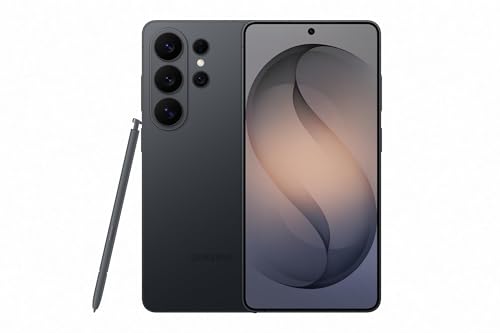
- 200MP main sensor with faster f/1.4 aperture
- 5x optical zoom periscope telephoto
- Full US carrier support and warranty
- Snapdragon 8 Elite Gen 5 + 8K video
- $1,299 starting price
- Large and heavy at 214g
Google Pixel 10 Pro
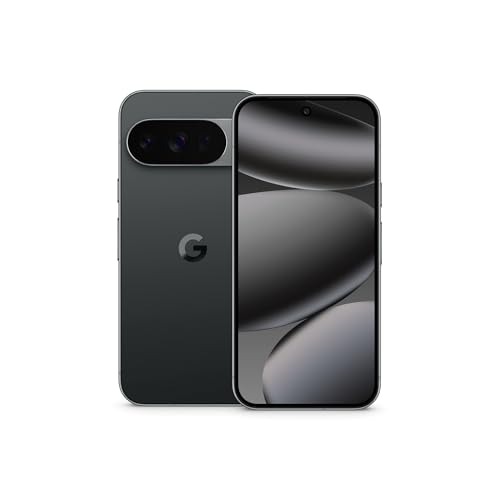
- Best-in-class computational photography and AI editing
- 7 years of OS and security updates
- Excellent 5x periscope telephoto
- Great value starting at $749
- Tensor G5 less powerful than Snapdragon 8 Elite Gen 5
- Smaller main sensor than Samsung S26 Ultra
Apple iPhone 17 Pro Max
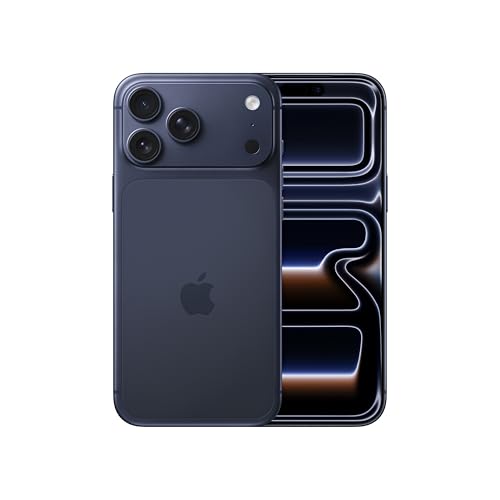
- ProRes and Log video for professional creators
- Triple 48MP Fusion camera system
- LiDAR scanner for depth and AR
- Best-in-class video stabilization
- 48MP telephoto lags behind 200MP rivals
- $1,199+ starting price (higher on Amazon)
Samsung Galaxy Z Fold7
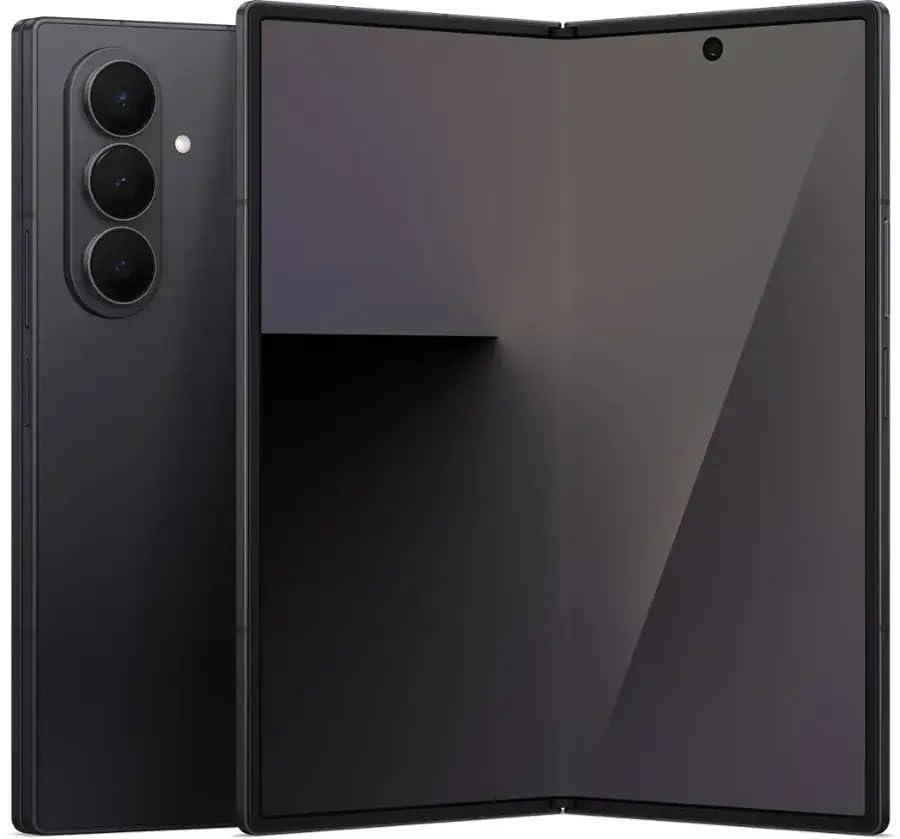
- 200MP main camera, the best ever on a Fold
- 8-inch folding AMOLED for shooting and editing
- Snapdragon 8 Elite for Galaxy plus Galaxy AI edits
- Slimmest, lightest Fold yet, full US warranty
- Premium price at around $1,800
- Ultrawide and telephoto trail the 200MP main
OnePlus 15
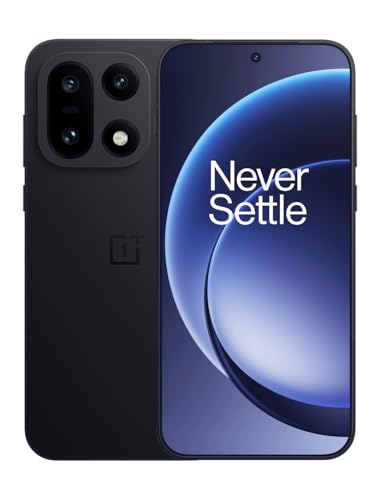
- Latest Snapdragon 8 Elite Gen 5 chipset
- Massive 7,300mAh battery
- 165Hz display + 80W fast charging
- Excellent value at $899
- Only 3x telephoto zoom vs 5x on Samsung/Google
- Camera tuning still trails Samsung and Pixel in low light
Frequently Asked Questions
Does the Xiaomi 17T Pro work on US carriers?
Best on T-Mobile — it has the n71 and n41 bands plus working VoLTE for most imports. It’s workable on AT&T (C-band n77 is present) but VoLTE provisioning for an imported IMEI can be a hassle. Verizon is effectively a no-go. There’s no mmWave on either model.
Is the 17T Pro’s Leica camera as good as the 17 Ultra’s?
No. The 17 Ultra has a true 1-inch main sensor, a 200MP periscope and APO-certified Leica optics. The 17T Pro’s hardware is upper-mid; what it shares is the Leica color science and tuning. It’s an excellent camera for the price — just not Ultra-tier.
How much does the Xiaomi 17T Pro cost?
€899 (256GB), €999 (512GB) and €1,099 (1TB); the standard 17T starts at €749. That converts to roughly $1,045 for the base Pro, but there’s no official US price because Xiaomi doesn’t sell here — expect import shipping on top.
Should I import the 17T Pro or buy an alternative?
If you’re on T-Mobile and want the Leica 5x specifically, importing is reasonable. Otherwise, an officially-sold rival — Pixel 10 Pro, iPhone 17 Pro or Galaxy S26 Ultra — gets you warranty, carrier support and comparable cameras with none of the import risk.
The 17T Pro is the most interesting thing to happen to Xiaomi’s T-series in years: flagship silicon, a genuine 5x periscope and the Leica look, all from €899. The catch is the same as always for US readers — you’ll have to import it, and for many the smarter move is one of the flagships you can buy down the street. But if you’re a T-Mobile user who wants a Leica-tuned 5x without paying Ultra money, it’s a tempting grey-market pickup.
Image: Xiaomi.
Primary Coverage
- GSMArena — Xiaomi 17T Pro full specifications – Confirmed camera, chipset, display and band specs.
- GSMArena — Xiaomi 17T Pro camera review – Real-world camera assessment across all lenses.
- PetaPixel — Xiaomi 17T series with Leica tech and a new 5x camera – Launch coverage and Leica camera detail.
- Gizmochina — Xiaomi 17T vs 17T Pro differences – Model differences and pricing.
Image Sources
- Xiaomi — official 17T series product imagery – Camera-module photography of the Xiaomi 17T and 17T Pro.
- PhotoWorkout — original editorial pin graphic – Illustration created by PhotoWorkout.


Disclosure/Disclaimer: As an Amazon Associate, we earn from qualifying purchases. Certain content was provided "as is" from Amazon and is subject to change or removal at any time. Product prices and availability: Amazon prices are updated daily or are accurate as of the date/time indicated and are subject to change. Any price and availability information displayed on Amazon.com at the time of purchase will apply to the purchase of this product.