


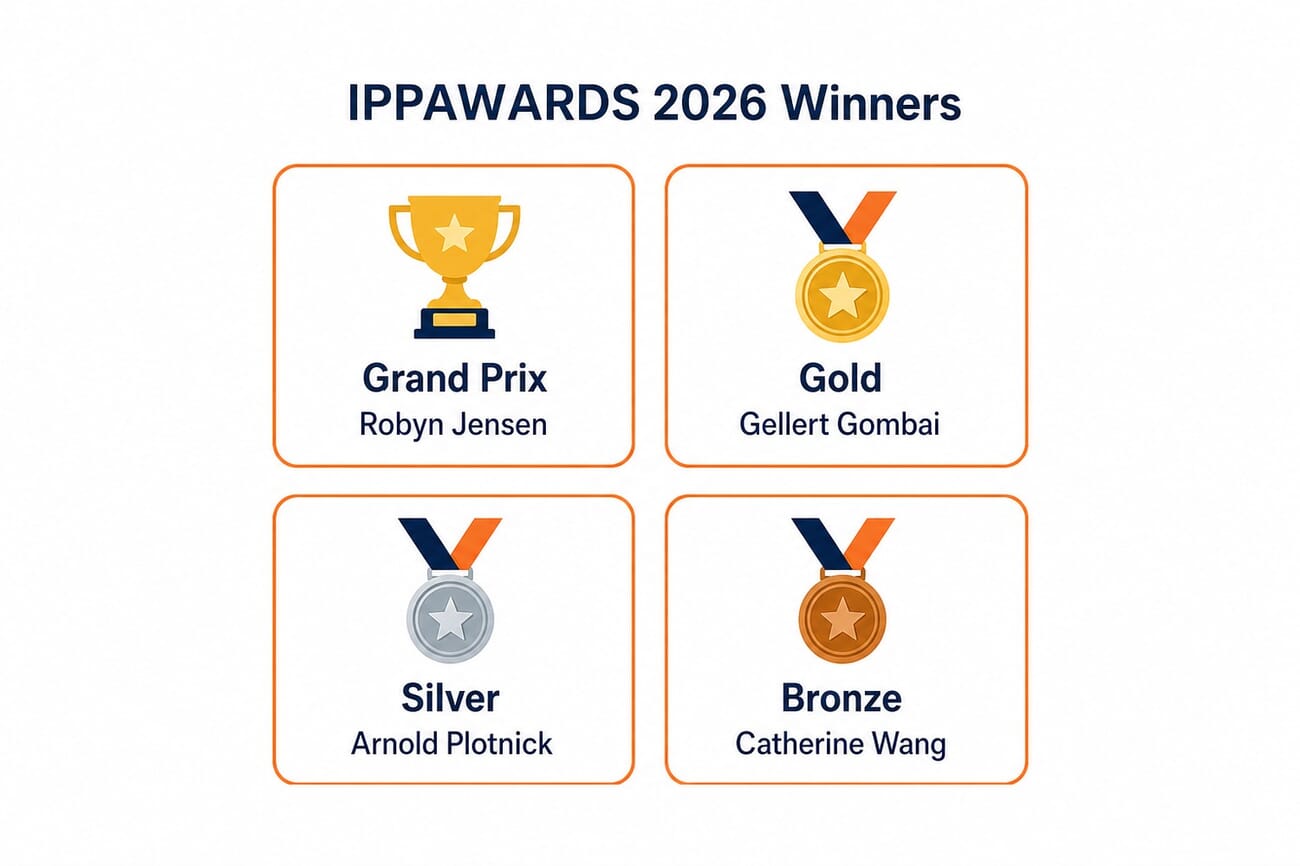
- Robyn Jensen of the Cayman Islands won the 2026 iPhone Photography Awards Grand Prix with a night shot of an erupting volcano in Yepocapa, Guatemala, taken on an iPhone 15 Pro.
- The EXIF tells the real story: 1 second, f/1.8, ISO 12,500. A night eruption with stars is one of the hardest exposures in photography, on any camera.
- The Gold award went to Gellert Gombai of Hungary for a photo taken on a 2017 iPhone X, a phone with a sensor so small it has roughly a 7x crop factor.
- Winners across 12 categories were selected from thousands of entries from more than 140 countries. The full galleries are on ippawards.com.
The 19th iPhone Photography Awards (IPPAWARDS) announced its winners this month, and the Grand Prix image is the kind of photograph that starts arguments. It shows glowing lava pouring down the slopes of an erupting volcano beneath a star-filled sky in Yepocapa, Chimaltenango, Guatemala. Most viewers would guess it came from a full-frame mirrorless body on a tripod with a fast prime. It came from an iPhone, and not even a current one.
Robyn Jensen of the Cayman Islands captured the winning frame on an iPhone 15 Pro, a phone that launched in 2023. The result renewed one of photography’s longest-running debates, and this year’s winner list gives that debate some genuinely surprising data points.
The Winning Shot: Lava, Stars, and ISO 12,500
Night-time volcanic eruptions sit near the top of any list of brutal exposure problems. A single frame has to hold blazing lava that behaves like a light source, deep shadow on the surrounding slopes, drifting ash and smoke, and a sky full of stars. The dynamic range between the brightest and darkest parts of that scene overwhelms plenty of dedicated cameras.
According to Digital Camera World’s coverage, Jensen shot the image at 1 second, f/1.8, and ISO 12,500 on the iPhone 15 Pro’s stabilized 48MP main camera (24mm equivalent). Those numbers deserve a pause. A one-second handheld exposure at ISO 12,500 would be unusable noise-soup on most cameras without a tripod. On a modern iPhone, the sensor-shift stabilization and multi-frame computational stacking quietly do the tripod’s job.
The exposure choice is textbook: Jensen exposed for the lava, the brightest element, and let the mountains fall into darkness. That simplifies the composition, pulls the eye straight to the eruption, and preserves the stars instead of blowing out the sky. It is the same discipline a landscape photographer applies with a dedicated camera, which is exactly the point the jury seems to be making.
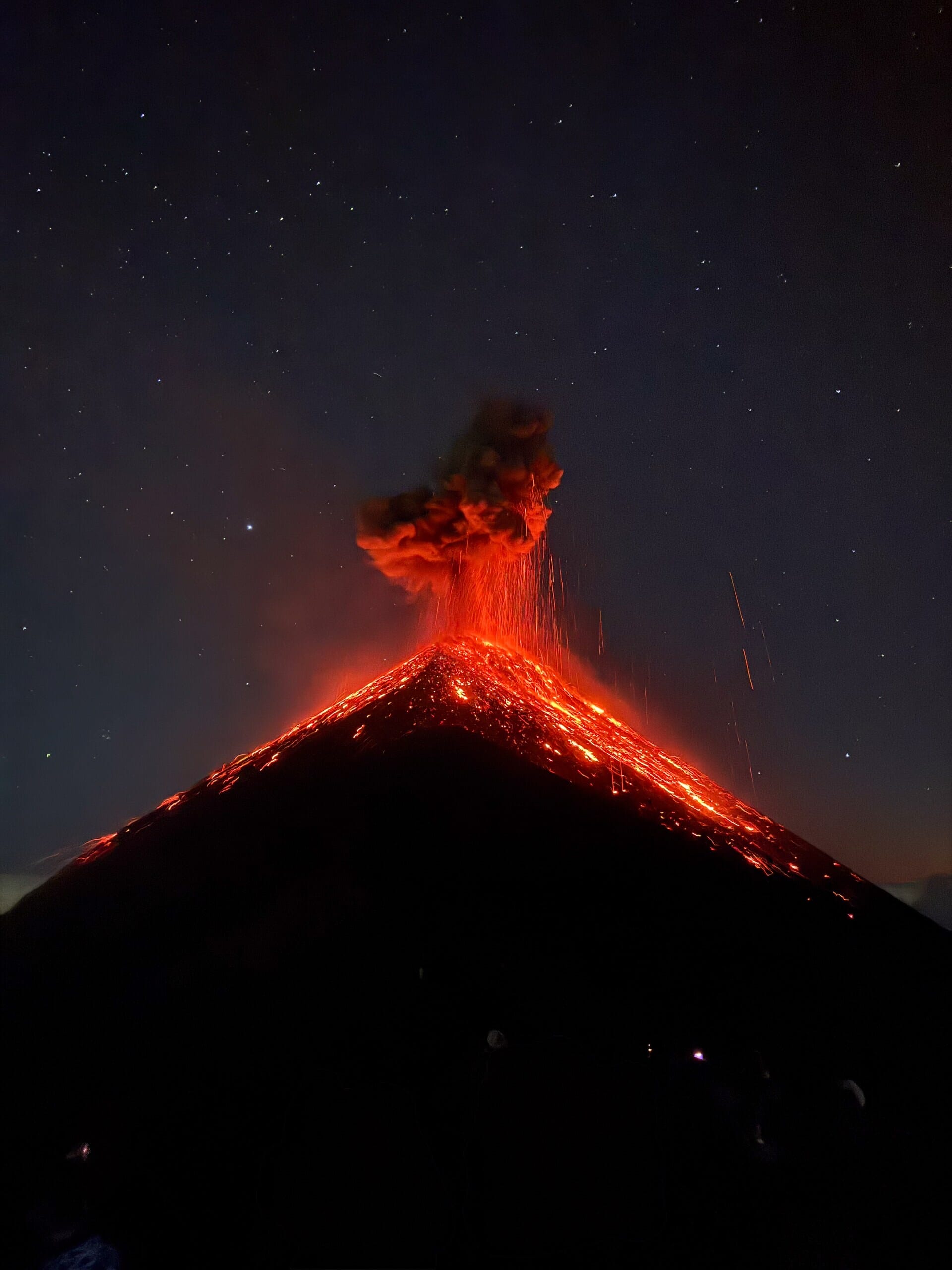
The winning image, along with all category winners, can be viewed in full on the official IPPAWARDS site.
The Gold Winner Used a 2017 iPhone X
If the Grand Prix undercuts the gear argument, the Gold award demolishes it. Gellert Gombai of Hungary took Photographer of the Year Gold with an intimate black-and-white frame of two children on grass, one holding a badminton racket that casts a shadow pattern across their face. The phone: an iPhone X, released in 2017.
The iPhone X’s main sensor is tiny even by phone standards, with roughly a 7x crop factor, as PetaPixel noted. Nine generations of computational photography have shipped since that phone launched. None of it stopped Gombai from out-shooting thousands of entries taken on far newer hardware.

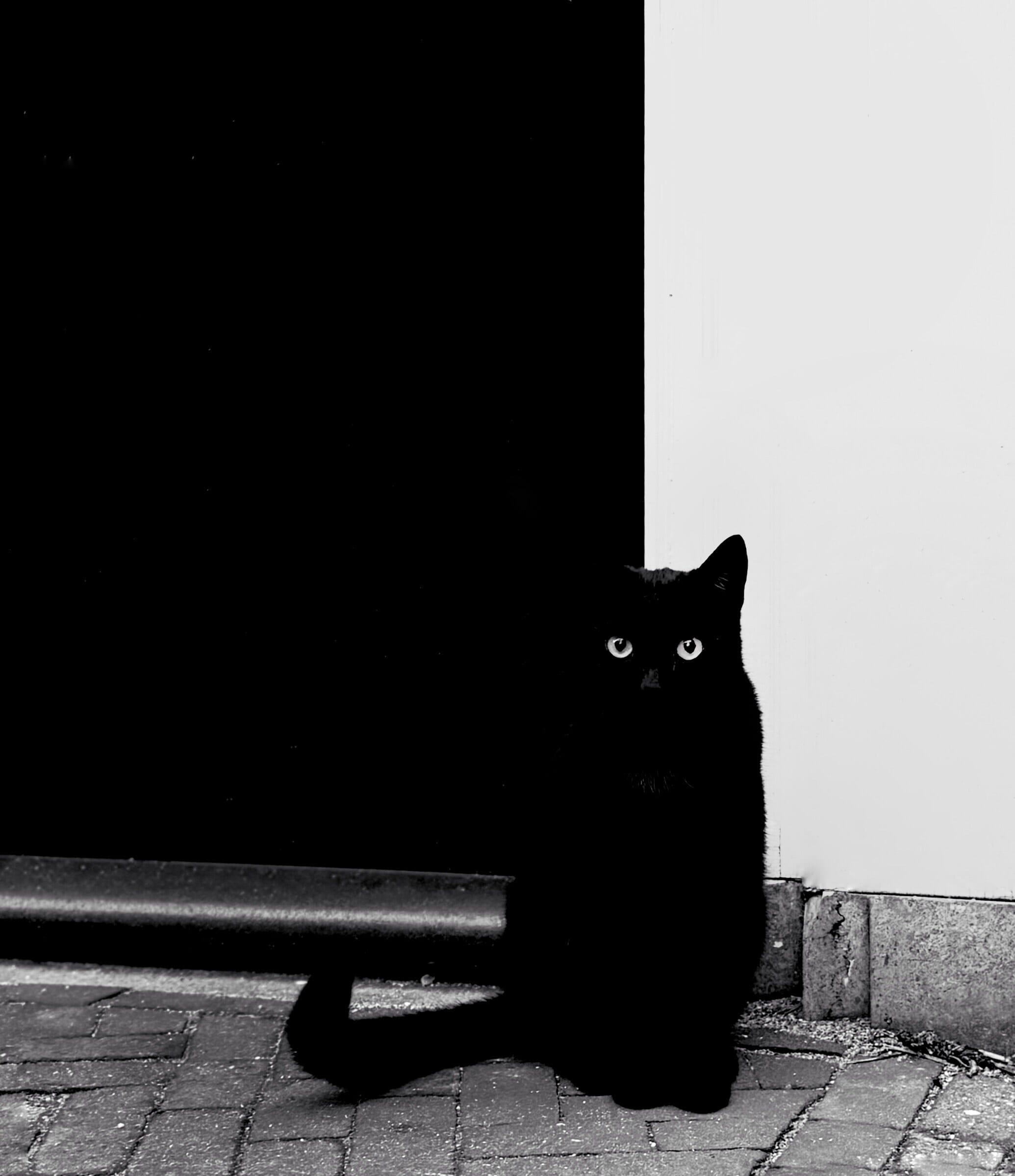
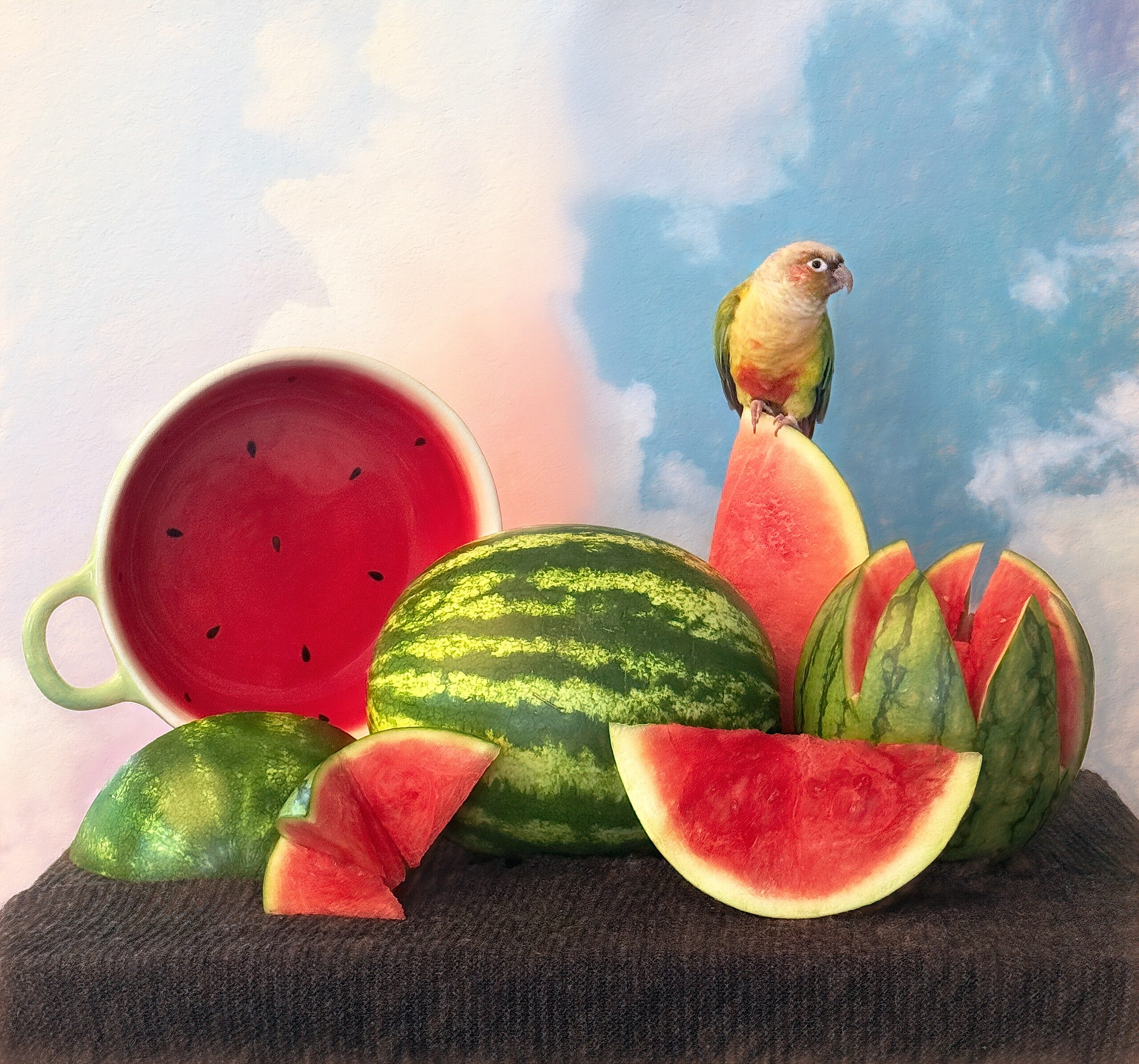
Arnold Plotnick of the United States took Silver with a minimalist shot of a black cat nearly dissolving into a black-and-white backdrop, and Catherine Wang, also of the United States, earned Bronze with a colorful parrot perched on a watermelon slice.
Category Winners From 140+ Countries
Beyond the four Photographer of the Year awards, the 2026 competition named winners across 12 categories, selected from thousands of submissions from more than 140 countries. The subjects range from frost patterns on a windshield to an S-curve of illuminated road cutting through night greenery.
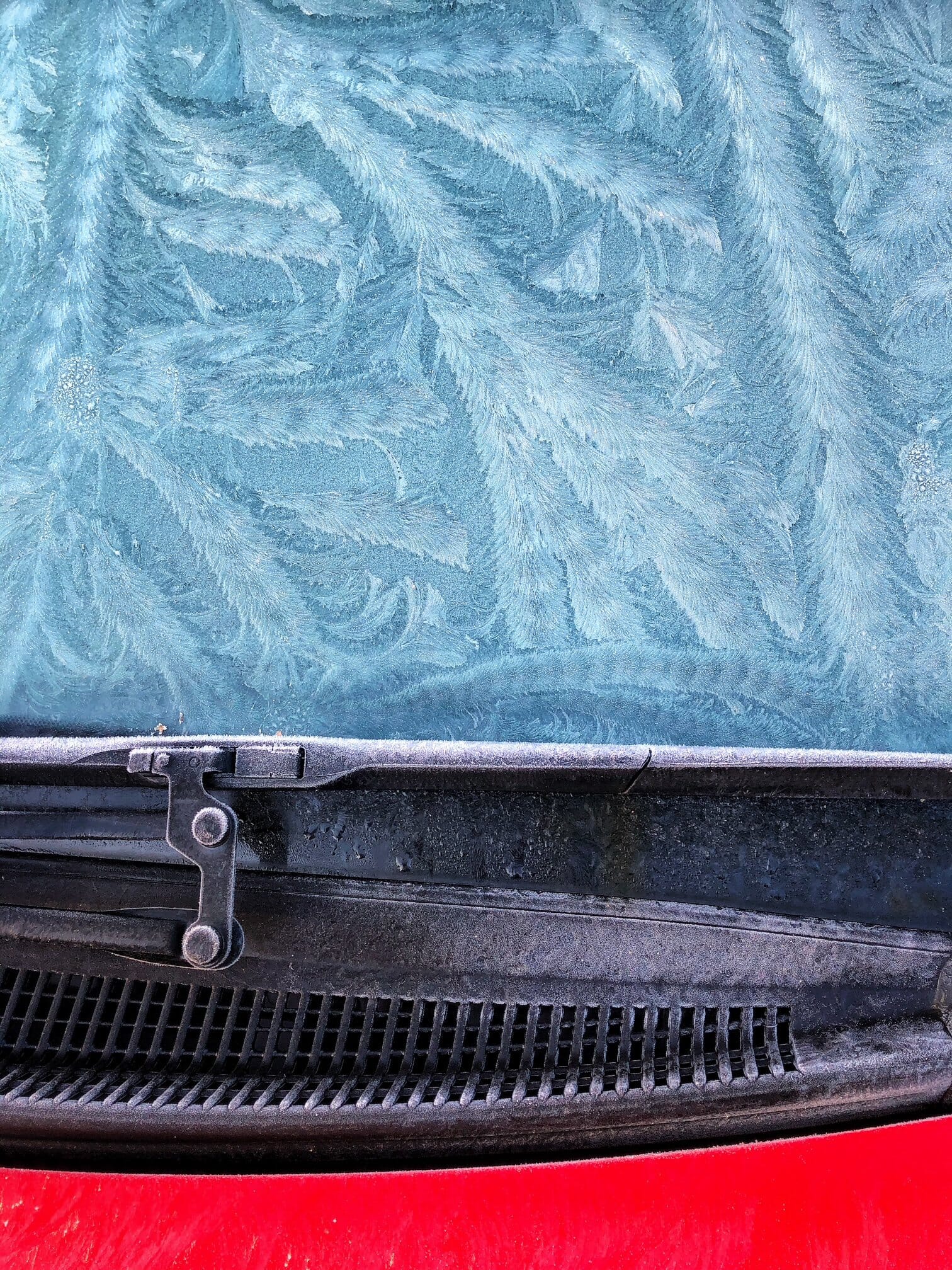

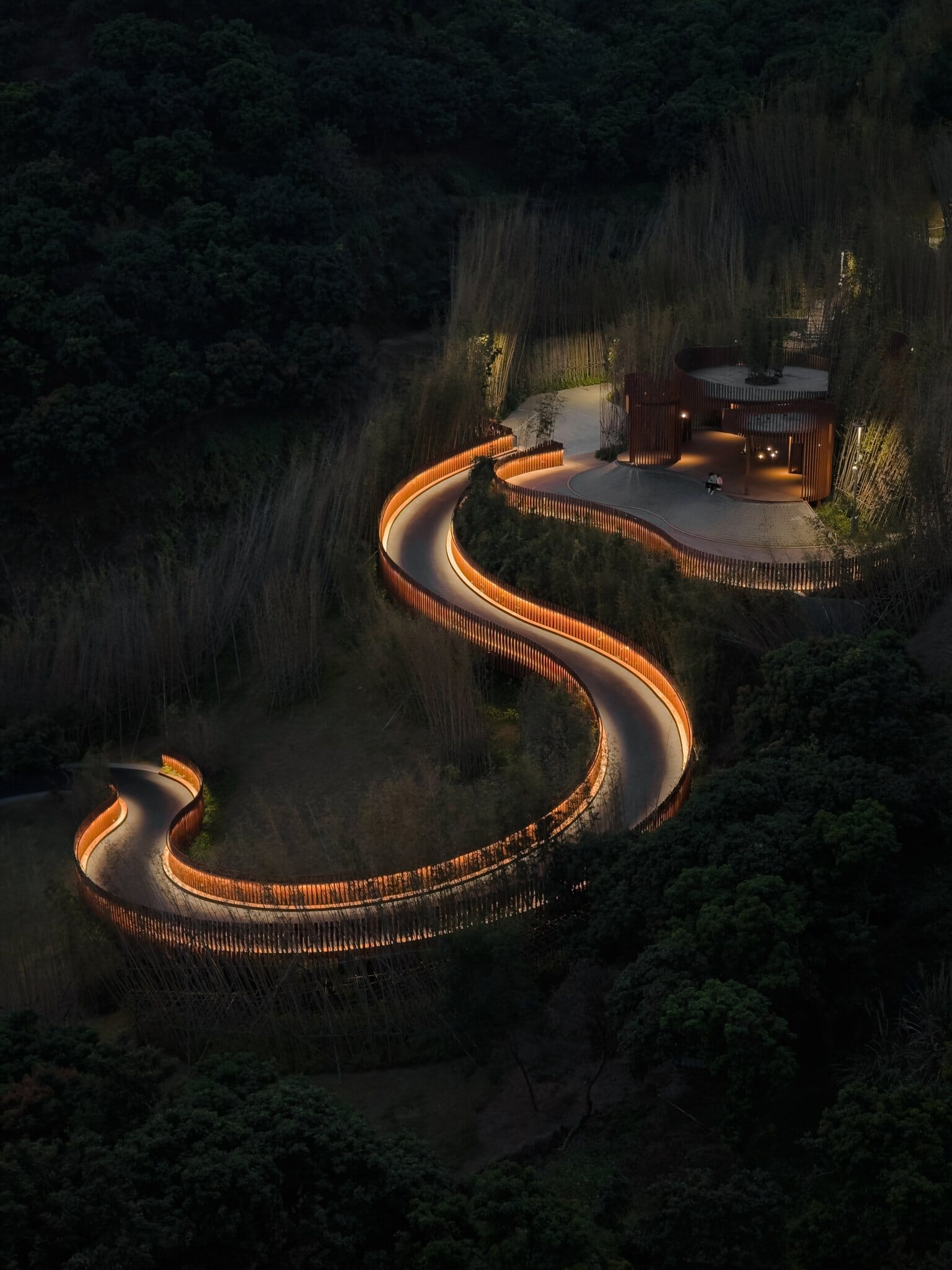

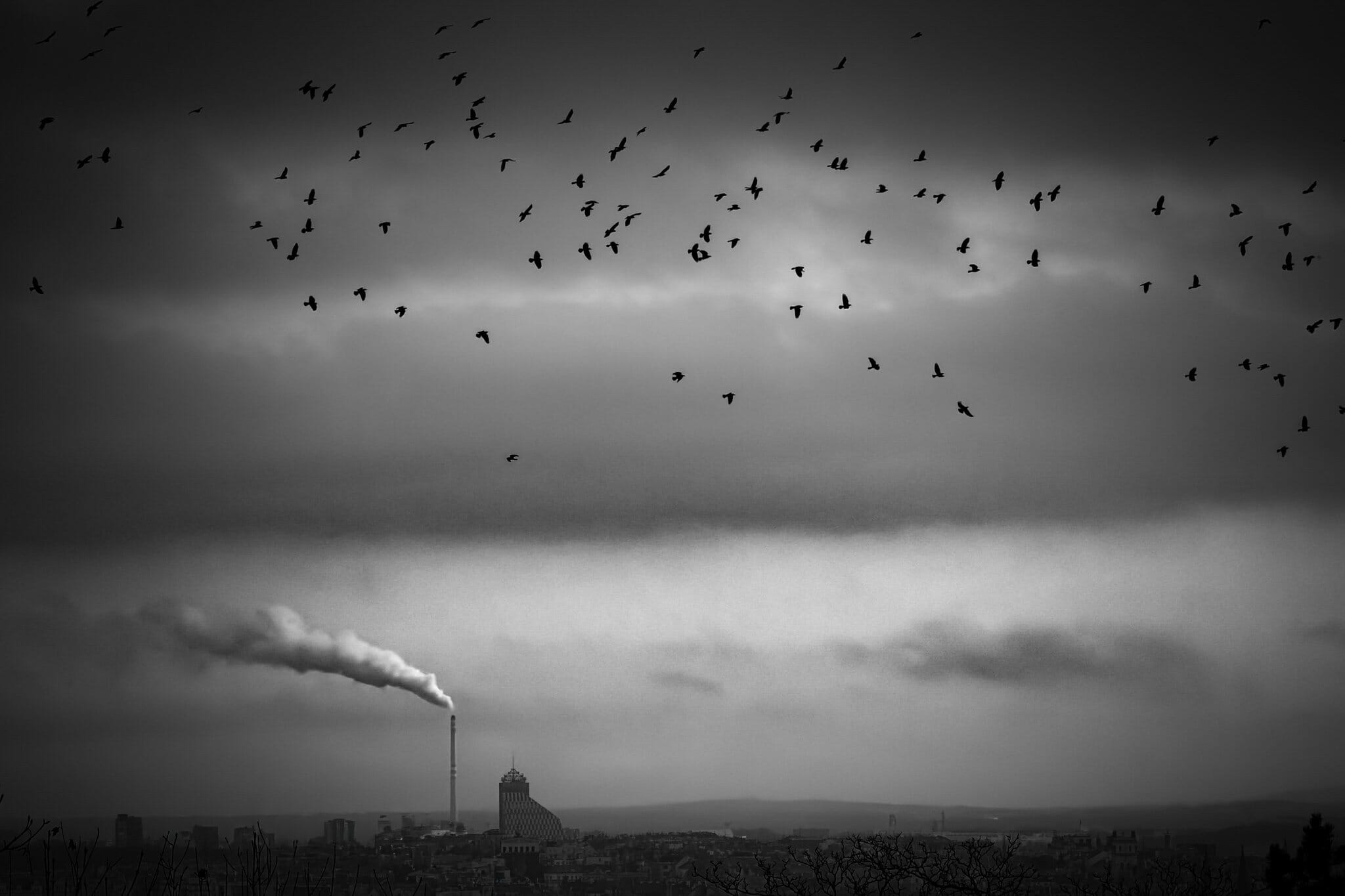
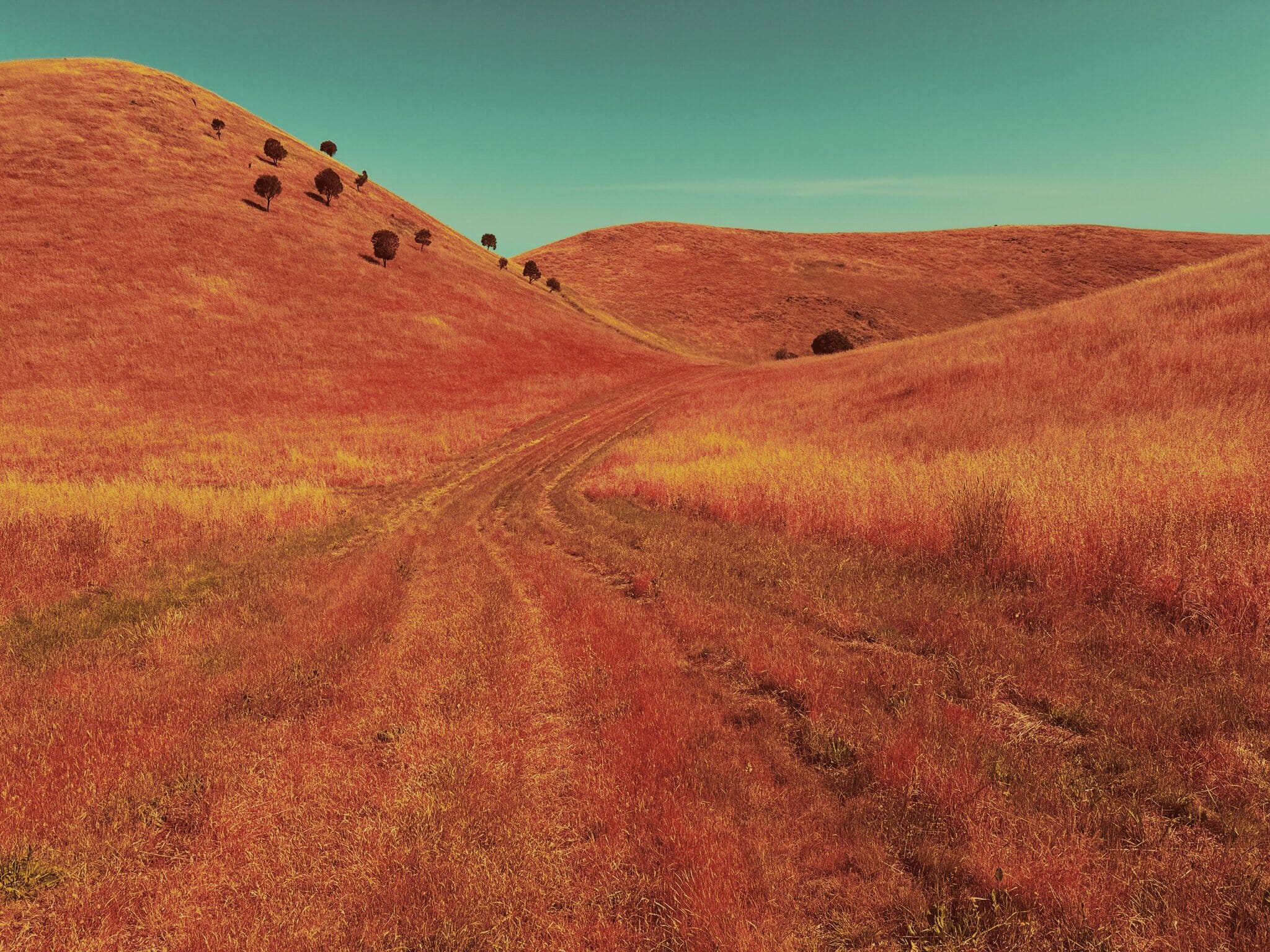
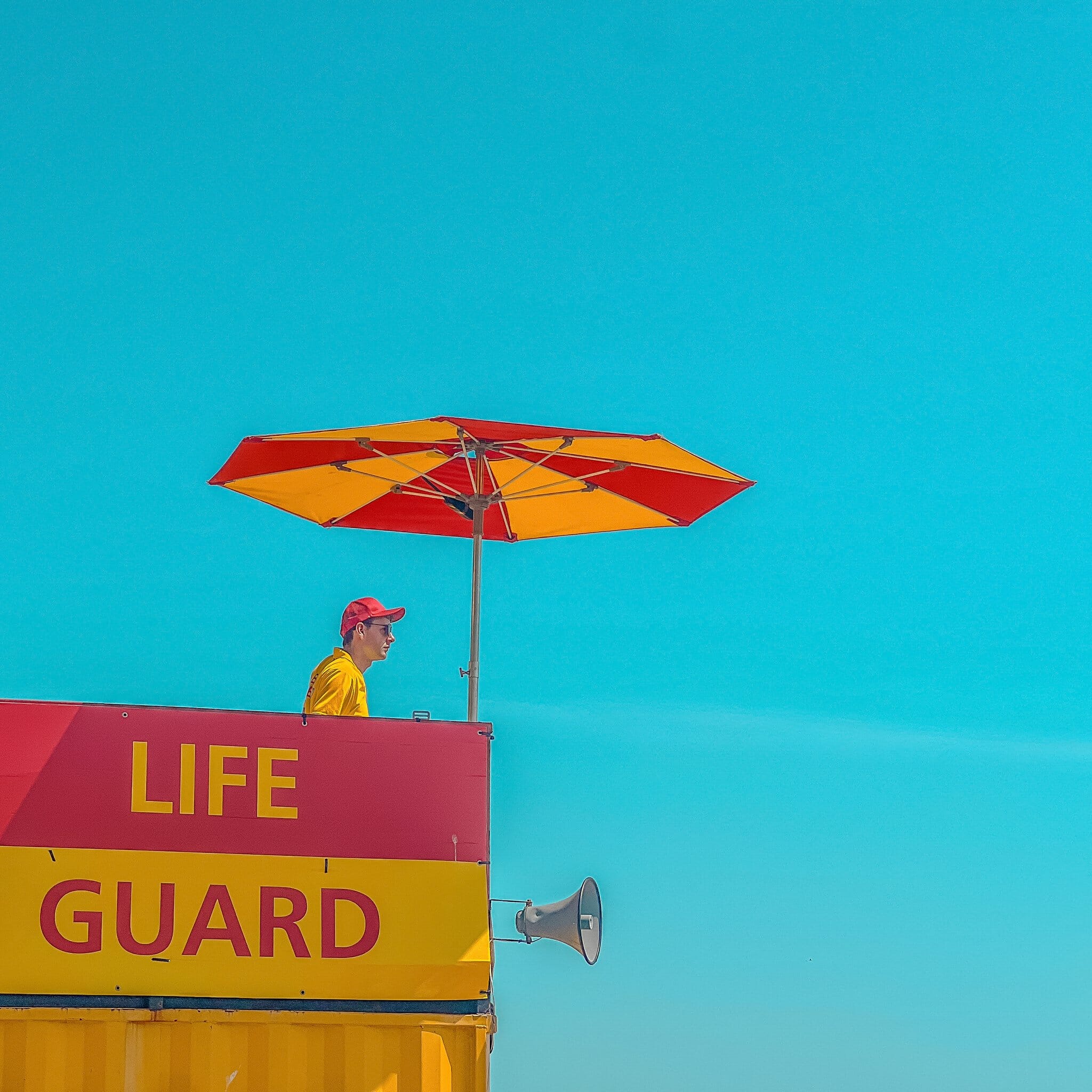
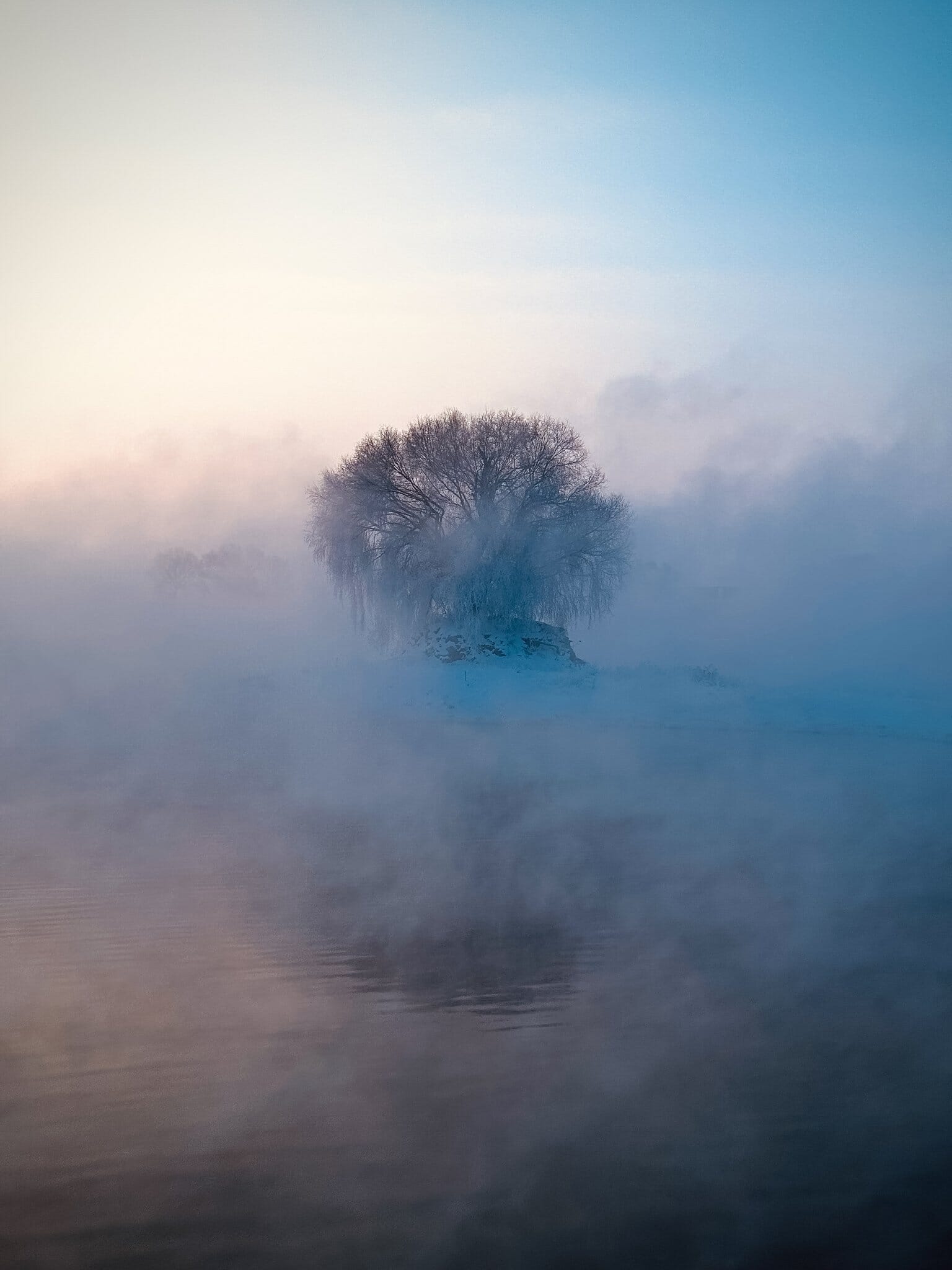
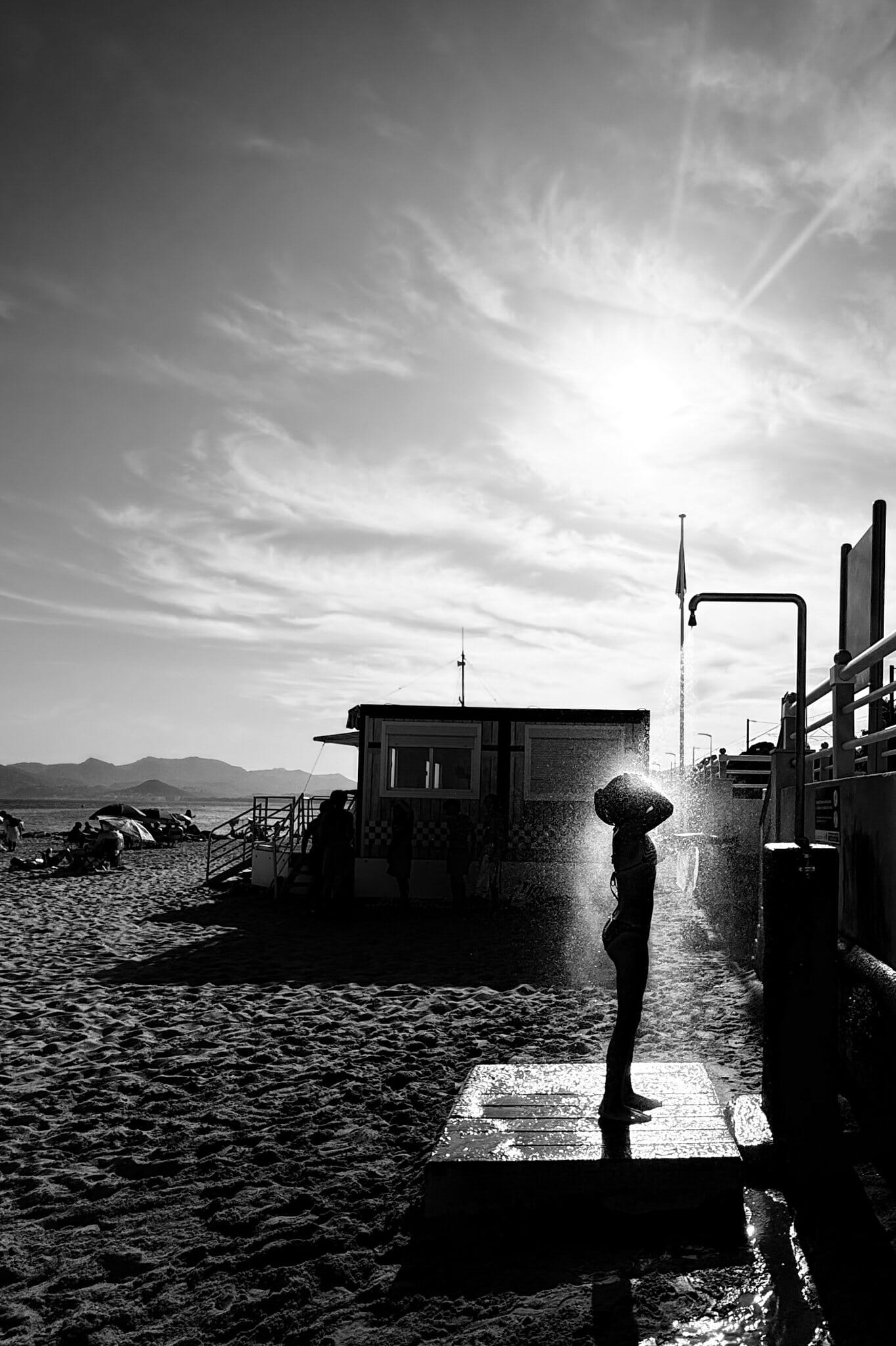
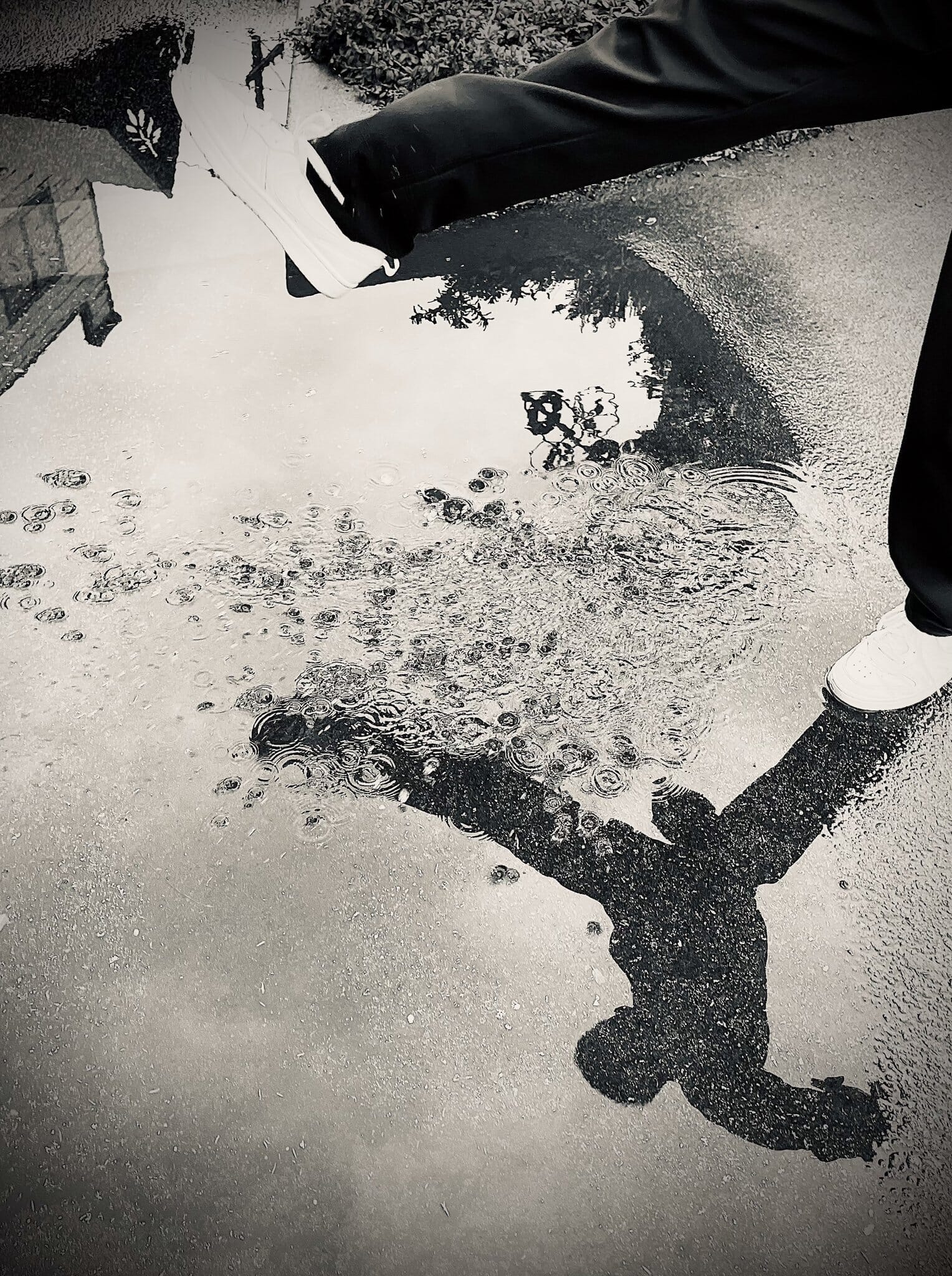
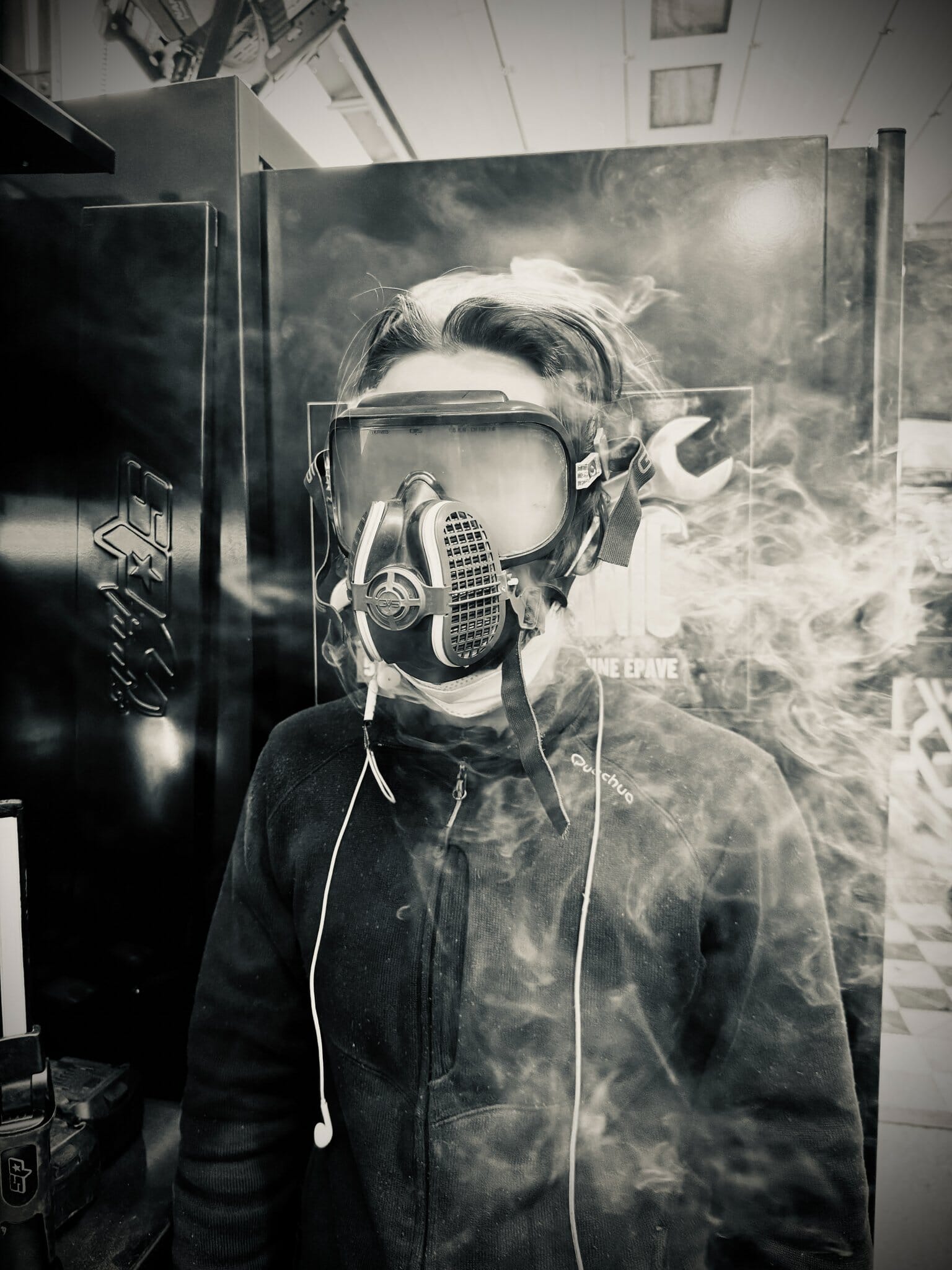
The Series winner, Lugu by Lasda Takbanuaz of Taiwan, is a three-frame sequence of misty forest in Nantou County, all shot on an iPhone 17 Pro within about five minutes of each other.
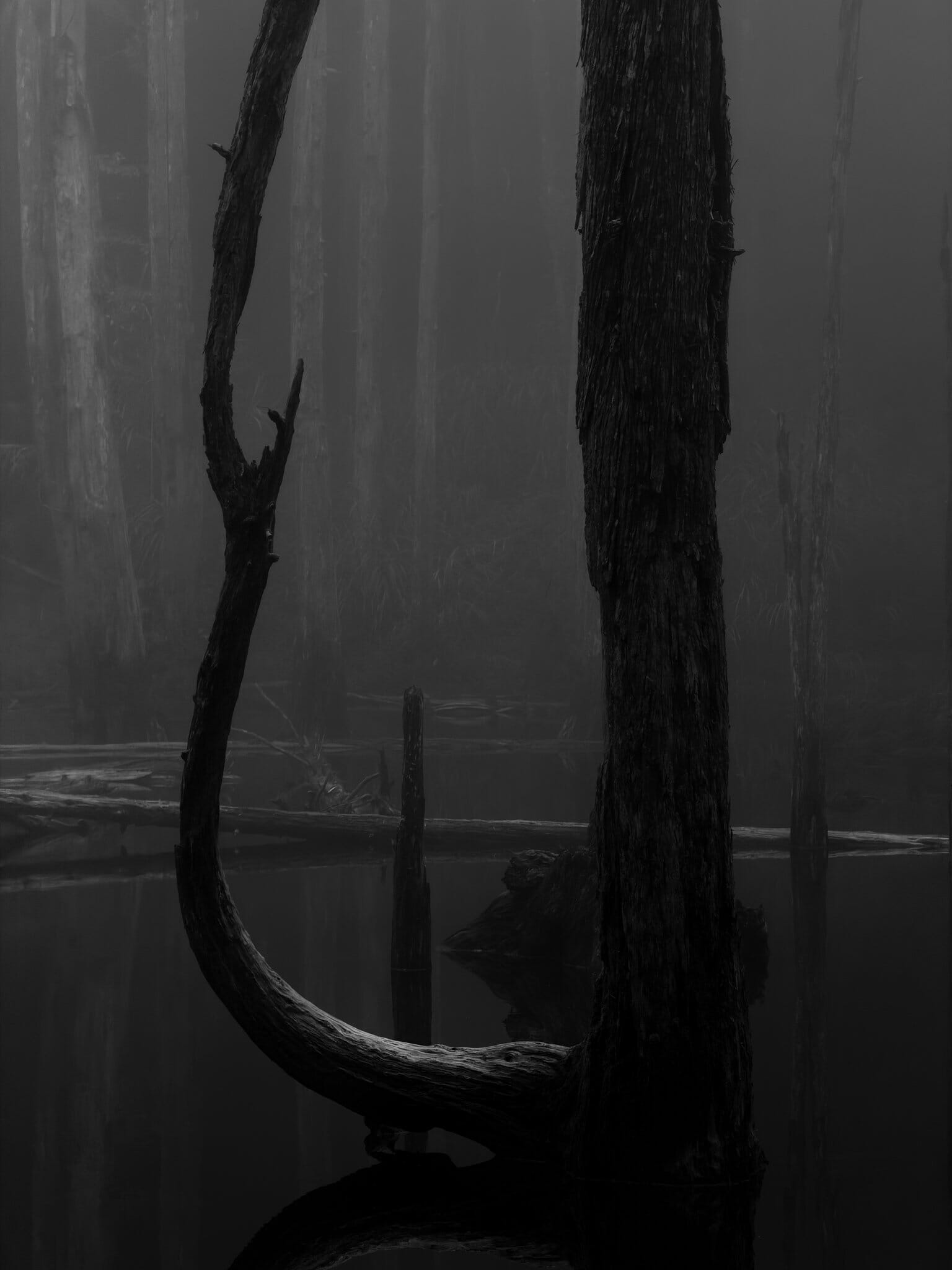
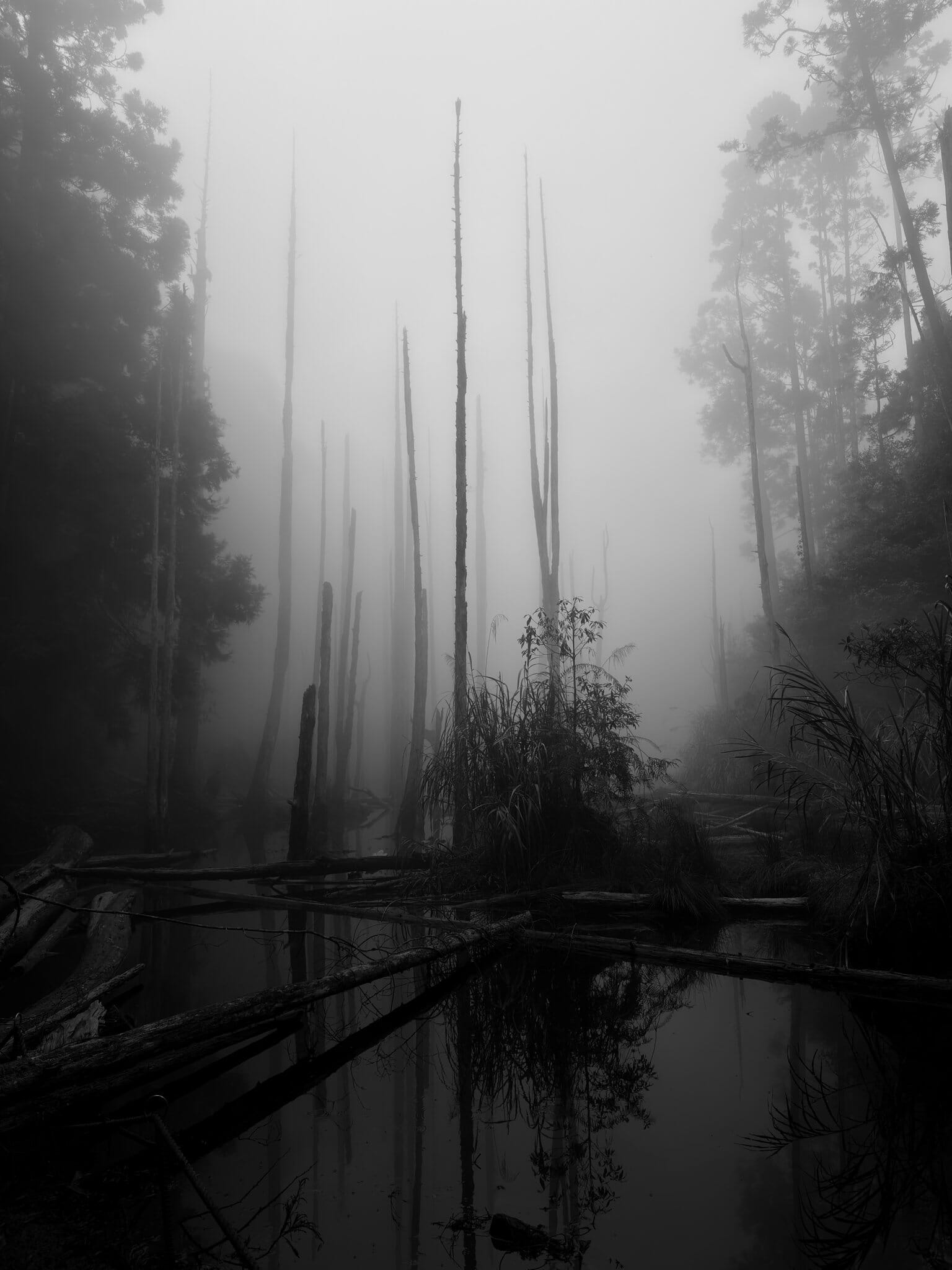
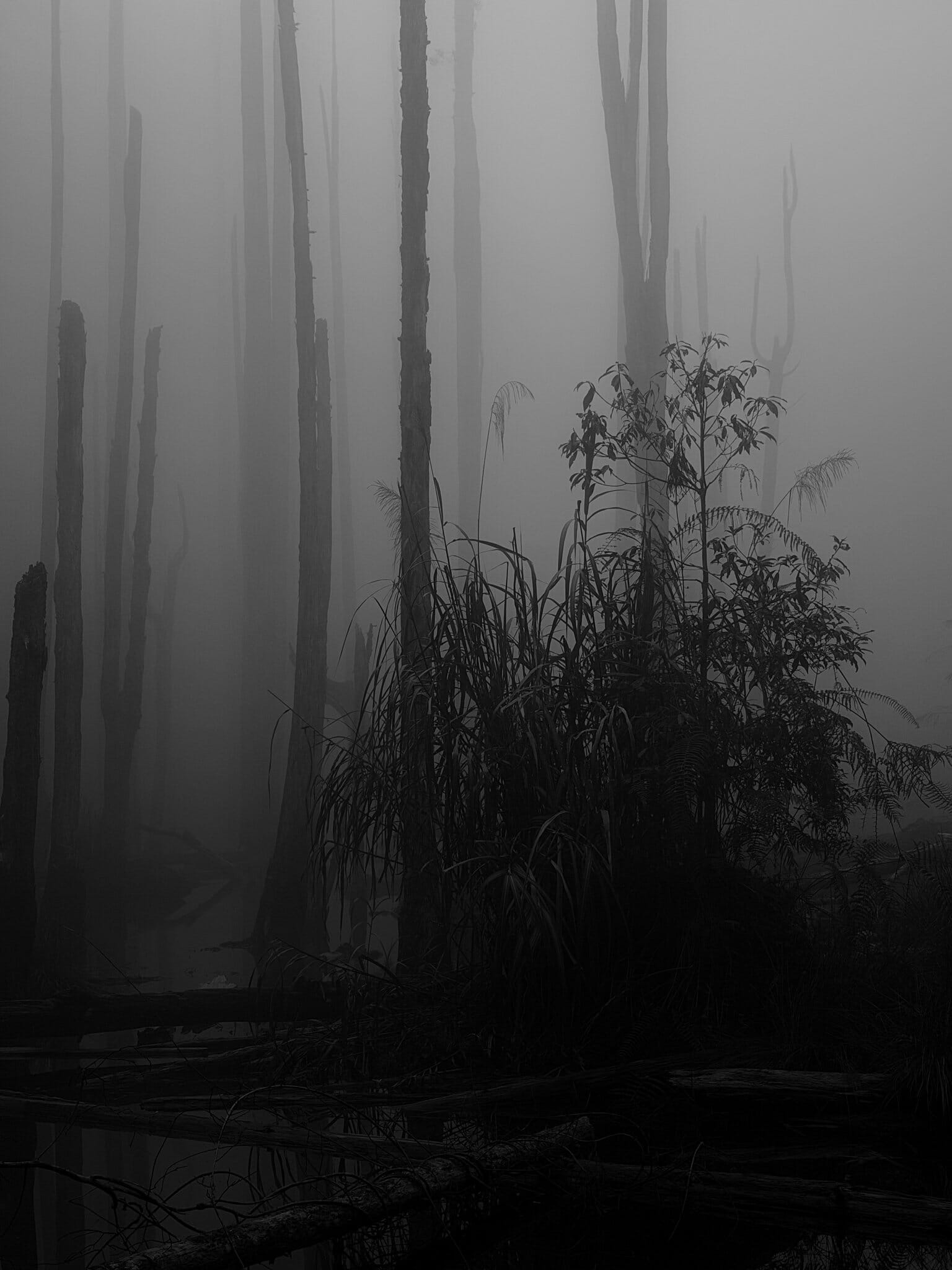
Founded in 2007, IPPAWARDS is the first and longest-running iPhone photography competition, and this 19th edition doubles as a milestone: nearly two decades of work shot entirely on a device that fits in a pocket. The complete galleries, including runners-up and honorable mentions, are at ippawards.com.
What This Actually Says About Phones vs. Real Cameras
Every year this competition produces a round of “you don’t need a real camera anymore” takes, and every year the truth is more specific. The volcano shot won because the scene plays directly to what modern phones do best: extreme dynamic range handled by multi-frame stacking, and stabilization that replaces a tripod for static subjects. Sensor development is pushing the same direction, with LOFIC-based phone sensors now promising around 17 stops of dynamic range.
What the winner list does not show is just as telling. There are no fast-action wildlife frames, no shallow depth-of-field telephoto portraits shot from across a field, no multi-minute astro exposures. Those remain the territory where dedicated cameras, real glass, and big sensors still earn their weight and their price.
The honest reading is not that phones beat cameras. It is that the eye behind the device matters more than the device, and that for static scenes with hard light, the phone in a photographer’s pocket stopped being the limiting factor several years ago. Jensen’s 2023-era iPhone and Gombai’s 2017-era iPhone X are the proof. The gap that remains is a genre gap, not a quality gap, a distinction that also shapes how Apple is rethinking its own camera hardware.
There is also a quieter subtext in 2026: at a moment when audiences increasingly assume any spectacular photo is AI, a competition built on single-device authenticity, judged by a human jury, lands differently than it did five years ago.
How to Steal the Winning Technique on Your Own Phone
Nobody needs an erupting volcano to use what made Jensen’s frame work. The underlying decisions transfer to any high-contrast night scene: city lights, a bonfire, fireworks, a lightning storm.
- Expose for the brightest element, not the scene. Tap the light source to set focus, then drag the exposure slider down until the highlights hold detail. Let the shadows go black; that is a choice, not a flaw.
- Lock focus and exposure before the moment. A long press on the subject locks AE/AF on an iPhone, so the phone stops re-metering when the light spikes.
- Brace instead of tripod. Elbows against the ribs, phone against a rail or rock. Sensor-shift stabilization plus multi-frame stacking will do the rest for exposures around a second.
- Shoot RAW if the phone offers it. ProRAW (or the Android equivalent) keeps the highlight data that makes a lava-orange or streetlight-sodium tone gradable later instead of clipped.
- Simplify the frame. The winning image works because almost everything in it is dark. One bright subject, one supporting element (the stars), nothing else competing.
The gap between a snapshot of a spectacular scene and an award frame is rarely the phone. It is metering discipline and the nerve to underexpose.
The winning volcano is not a fluke of one photographer’s luck with hardware. The SampleShots gallery for the iPhone 15 Pro collects over a hundred real, unstaged photos from everyday shooters on the same phone, and the night work in it makes the Grand Prix feel less like magic and more like a repeatable ceiling. For a sense of how far the platform has moved since, the iPhone 17e camera review covers the newest (and cheapest) iPhone sensor PhotoWorkout has tested.
Want to close the gap between your phone photos and these? The jury picks images, not gear. Structured learning is the fastest route: see the 10 best iPhone photography courses of 2026, reviewed and compared.
Frequently Asked Questions
Who won the 2026 iPhone Photography Awards?
Robyn Jensen of the Cayman Islands won the Grand Prix (Photographer of the Year) for a night photograph of an erupting volcano in Yepocapa, Guatemala. Gellert Gombai of Hungary took Gold, Arnold Plotnick (United States) Silver, and Catherine Wang (United States) Bronze.
What iPhone was the winning photo taken on?
An iPhone 15 Pro, using its 48MP main camera at the 24mm equivalent focal length. The exposure was 1 second at f/1.8 and ISO 12,500. The phone launched in 2023, making it three years old at the time of the award.
Can any phone photo win, or are edits allowed?
IPPAWARDS requires images to be shot on an iPhone or iPad. Basic adjustments through mobile apps are permitted, but the competition’s identity is built around images made on the device rather than heavy desktop manipulation. Winners are chosen by a jury through a multi-step process.
How do photographers enter the next iPhone Photography Awards?
Entries are submitted through ippawards.com, where the competition runs year-round with a deadline typically in the spring. Photographers from any country can enter, and past winners have ranged from current flagship iPhones to models many generations old.
The Bottom Line
The 2026 IPPAWARDS winner list is the strongest version yet of the competition’s founding argument: strong photography depends far less on the gear than on the eye behind it. A three-year-old phone won with one of the hardest exposures in the craft, and a nine-year-old phone took Gold. For most photographers, the useful takeaway is not to sell the camera bag. It is that the next award-worthy frame is more likely to be lost to hesitation than to hardware.
Primary Coverage
- IPPAWARDS — 2026 winners announcement and galleries – Official winners list, category galleries, and press release for the 19th annual competition
- Digital Camera World — volcano Grand Prix coverage – Exposure details (1s, f/1.8, ISO 12,500) and location reporting for the winning image
- PetaPixel — 16 award-winning photographers showcase the power of iPhone – Full category winner rundown, including the iPhone X detail on the Gold-winning photo
Image Sources
- Winning photographs © Robyn Jensen, Gellert Gombai, Arnold Plotnick, Catherine Wang / IPPAWARDS – The Grand Prix, Gold, Silver, and Bronze images of the 2026 iPhone Photography Awards, shown as part of editorial coverage of the competition; featured image is a crop of the Grand Prix photograph
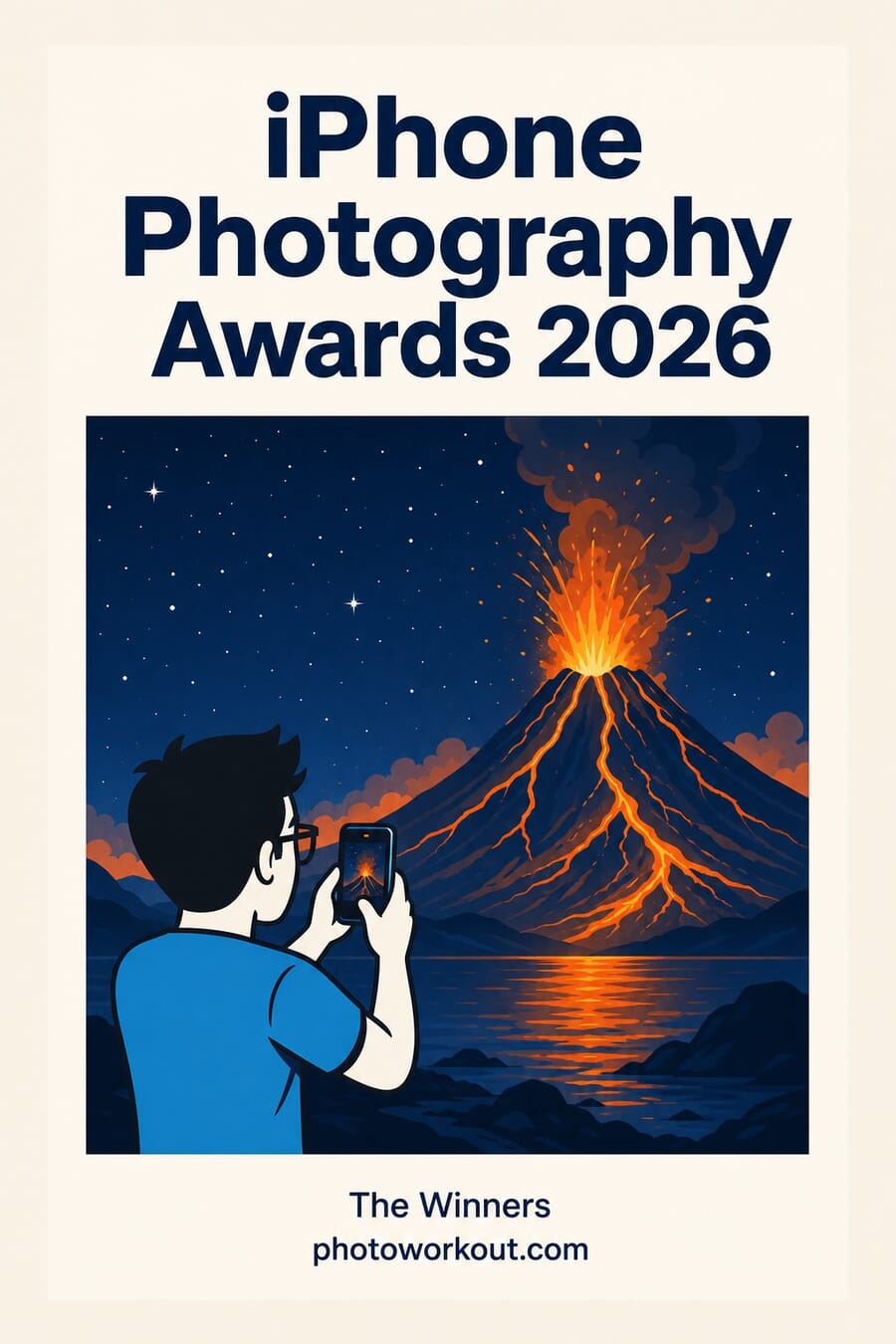
- Pin image: stylized PhotoWorkout illustration – Editorial concept art; not a competition photograph
- Winners infographic: PhotoWorkout – Original PhotoWorkout editorial infographic