


- On June 25, 2026 Apple raised prices on every Mac and iPad — plus Apple TV, HomePod and Vision Pro — its first-ever mid-cycle hike, ranging from +$30 to +$1,300.
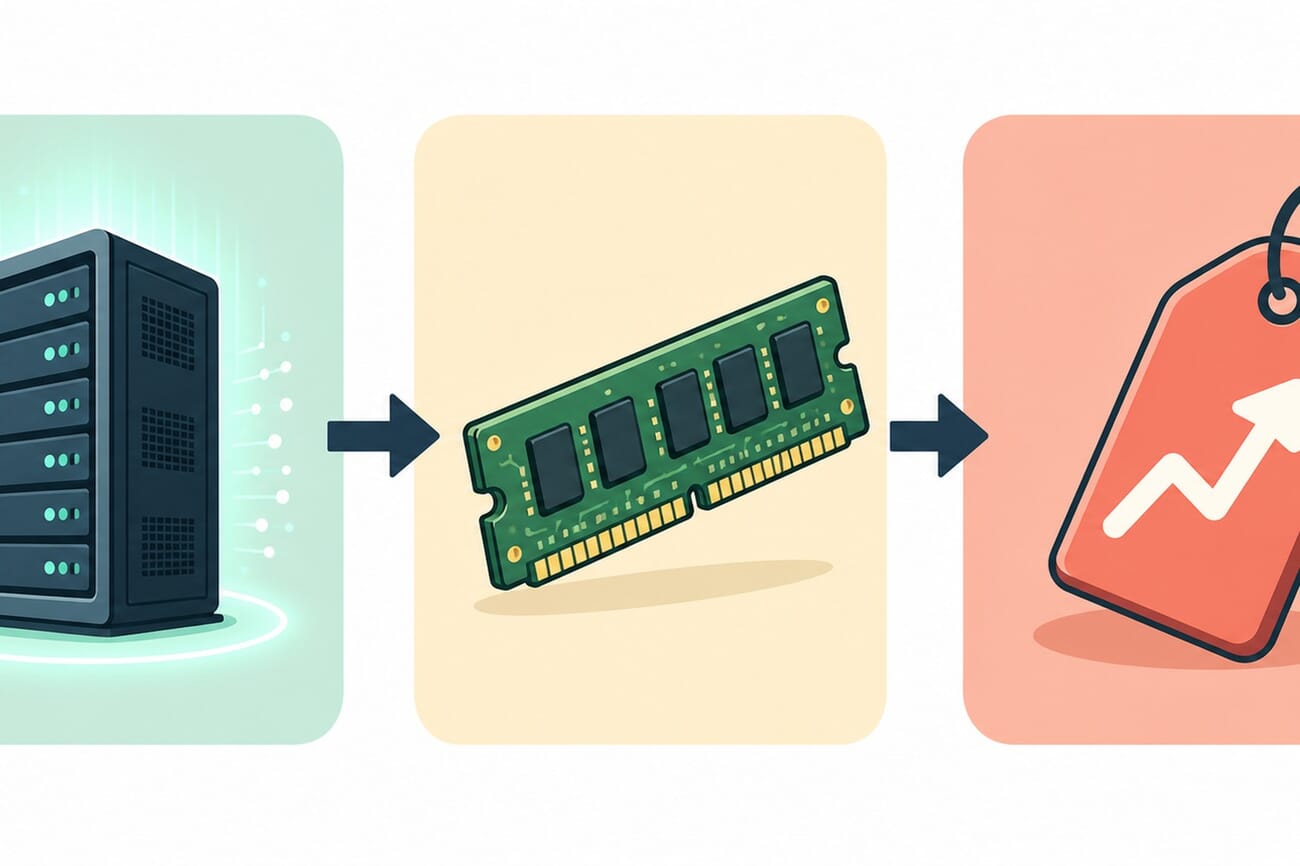
- The cause is a global memory and storage shortage: AI data centers are buying up the DRAM and NAND that Macs rely on, and Apple says it can no longer absorb the cost.
- Photographers get hit hardest because the increases track RAM and storage — the exact components a Lightroom, Capture One or video-editing Mac needs most.
- The Mac Studio, the go-to photo and video workstation, took the biggest jump: +$500 on the M4 Max and +$1,300 on the M3 Ultra.
- The iPhone was spared for now, but analysts expect a hike at the fall launch — and external SSDs and RAM are climbing too, so buying sooner and maxing your config now is the smart play.
For years, Apple’s prices were the one fixed point in a turbulent tech market — you knew what a MacBook Air cost, and it stayed that way until the next model arrived. On Thursday, June 25, 2026, that changed. Apple raised prices across its entire Mac and iPad lineup, the first time the company has ever pushed through a mid-cycle increase outside of a new-product launch. The MacBook Air now starts at $1,299, the MacBook Pro at $1,999, and the top-end Mac Studio leapt a staggering $1,300 to $5,299.
For a huge share of photographers, this is the rare Apple announcement that hits the wallet directly. If your editing machine is a Mac — and for the photo and video world, it usually is — the question stops being academic. And the increases aren’t arbitrary: they track memory and storage, the two components a photo or video workstation leans on hardest. That’s why this particular price hike lands harder on photographers than on almost anyone else buying a Mac.
Here’s exactly what changed, why it happened, why photographers are more exposed than the average buyer, and the concrete moves worth making now — including the iPhone increase analysts say is already on the way.
What Apple Changed Overnight
Apple raised prices on 14 products in a single day. The increases span the lineup — from a modest $30 on the HomePod mini all the way to $1,300 on the M3 Ultra Mac Studio — and they hit every Mac and iPad, plus the Apple TV, both HomePods and the Vision Pro. Here is the full breakdown:
| Product | Was | Now | Change |
|---|---|---|---|
| HomePod mini | $99 | $129 | +$30 |
| HomePod | $299 | $349 | +$50 |
| Apple TV | $129 | $199 | +$70 |
| iPad Air | $599 | $749 | +$150 |
| iPad Pro | $999 | $1,199 | +$200 |
| MacBook Neo | $599 | $699 | +$100 |
| MacBook Air | $1,099 | $1,299 | +$200 |
| MacBook Pro | $1,699 | $1,999 | +$300 |
| iMac | $1,299 | $1,499 | +$200 |
| Mac mini (M4 Pro) | $1,399 | $1,599 | +$200 |
| Mac Studio (M4 Max) | $1,999 | $2,499 | +$500 |
| Mac Studio (M3 Ultra) | $3,999 | $5,299 | +$1,300 |
| Vision Pro | $3,499 | $3,699 | +$200 |
One clarification for the sharp-eyed: the base Mac mini (M4) isn’t on this list because it was left untouched in this round — only the M4 Pro configuration went up. The entry-level mini had already moved separately back in early May 2026, when Apple dropped the old $599 model and reset the cheapest Mac mini to $799 (M4, 16GB of RAM, 512GB of storage). So the $799 starting price you see today predates this hike.
Notice the pattern: the higher up the range you go, the bigger the jump. The MacBook Pro climbed $300, and the Mac Studio — the machine built for the most demanding creative work — absorbed the two largest increases on the board. That slope matters for photographers, and we’ll come back to why.
Apple didn’t hide behind a vague statement, either. “We have never seen a component price increase this much, this quickly,” the company said. “We have shielded our customers from these increases so far, but we have now reached a point where we need to begin raising prices on a number of products, including today’s increases for iPad and Mac.” The iPhone, Apple Watch and AirPods were left alone in this round.

Why It Happened: Blame the AI Memory Boom
The trigger isn’t tariffs or a weak dollar — it’s the AI gold rush. Memory makers like Micron have spent recent months prioritizing orders from AI chipmakers such as Nvidia, whose data-center buildout devours enormous quantities of DRAM and high-bandwidth memory. That has delivered record profits for the memory industry, but it has left far less supply for everyone making phones, laptops and cameras. With demand outstripping supply, prices spiked — DRAM contract prices have surged well over 100% in this cycle.
Even Apple, with supply-chain leverage that is the envy of the industry, couldn’t fully absorb it. That’s the real story here: if the world’s most valuable consumer-electronics company has to pass these costs on, the squeeze is severe. Investors noticed — Apple stock fell roughly 6% on the announcement, its worst single day in more than a year.
Why Photographers Get Hit Hardest
Here’s the part most coverage glosses over. Because this hike is driven by memory and storage costs, it falls heaviest on exactly the configurations photographers buy. A casual user who picks the base MacBook Air with 256GB feels a $200 bump. A photographer who needs 32GB of RAM to keep Lightroom responsive across a 50,000-image catalog, plus 1TB or 2TB of internal storage for a working library, is buying deep into the very components that are inflating — and Apple’s upgrade tiers for RAM and storage just became an even steeper tax.
The reporting bears this out: a MacBook Air with 512GB went up $200, while a MacBook Pro with 1TB jumped $300. The more storage and memory a machine carries, the larger the increase — and photo and video editors live at that end of the menu. Lightroom Classic, Capture One, Photoshop and DaVinci Resolve are all memory-hungry, and RAW files, layered PSDs and 4K timelines fill drives fast. There is no “edit photos casually” config that sidesteps this.
It stings more on Apple Silicon specifically, because RAM and storage are soldered to the board. You cannot pop in another stick of memory or swap a bigger SSD two years from now the way you could on an old Intel tower. Whatever you buy on day one is what you live with — so the upgrade you skip to save money today is gone for the life of the machine.

Nowhere is that clearer than the Mac Studio. It’s the machine wedding photographers, retouchers and hybrid shooters reach for when a laptop runs out of headroom — prized for its unified-memory bandwidth and the ability to chew through massive catalogs and high-resolution video. It also just became dramatically more expensive, with the M3 Ultra configuration crossing $5,000. If a Studio was on your horizon, the math changed overnight.
The iPhone Hike Is Coming Next
The iPhone escaped this round, but almost no one believes that lasts. “It was incredibly strategic for Apple to make the price-hike announcements prior to the iPhone fall launch, so the headline at launch is not the price hikes but the value the new phones bring,” IDC’s Nabila Popal noted. Translation: the increase is likely already baked into the fall lineup, where a brighter camera or a new design gives Apple cover to raise the number quietly.
For mobile and computational photographers, that’s worth planning around. If you upgrade your iPhone primarily for its camera — the ProRAW pipeline, the telephoto reach, the computational stacking — the current generation may be the last at today’s price. It’s a reasonable moment to buy the phone you actually want now rather than waiting for fall and paying more for it. (If you’re weighing where the iPhone camera is headed before you commit, our breakdown of Apple’s three-year iPhone camera roadmap lays out what each upcoming generation actually adds.)
It’s Not Just Apple — Your Whole Kit Is Inflating
The instinct to escape Apple’s pricing by jumping to Windows is understandable, but it doesn’t dodge the real problem. The memory shortage is industry-wide. DDR5 RAM and SSD prices have been climbing all year, and PC makers are widely expected to be next in line to raise prices — this is a component crunch, not an Apple-specific decision. A capable Windows editing rig like NVIDIA’s RTX Spark platform is still worth a look, but it’s subject to the same memory math.
It reaches past your computer, too. The external SSDs you offload cards to, the backup drives in your 3-2-1 strategy, the RAM in a NAS — all of it draws on the same NAND and DRAM supply that’s tightening. If a fast portable drive like the Lexar D70E or a new backup SSD is on your list, the same “buy sooner rather than later” logic applies. The entire photographer storage-and-compute stack is getting more expensive at once, which is exactly why a thoughtful plan beats panic.
What Photographers Should Do Right Now
This isn’t a reason to panic-buy — it’s a reason to be deliberate. A few moves make sense in this market:
- If you need the machine, buy now. With the shortage forecast to persist, today’s price is the floor, not the ceiling. Deferring a genuine need is a bet against the component market that few analysts would make.
- Max the config you’ll actually use — up front. Because Apple Silicon RAM and storage can’t be upgraded later, choose for the next three to four years, not just today. For most enthusiasts that means 32GB of memory and at least 1TB of storage. Buy what your workflow needs, not theoretical headroom.
- Shop refurbished and last-generation. Apple Certified Refurbished and remaining previous-gen stock often still carry pre-hike pricing while supply lasts — frequently the same silicon for meaningfully less.
- Lean on external storage. Rather than paying Apple’s now-steeper internal-storage tax, pair a sensibly-specced internal drive with fast external SSDs — but buy those drives soon, before NAND prices climb further.
- Match the Mac to the work. A current MacBook Air or base MacBook Pro handles Lightroom and everyday editing for the vast majority of photographers. Reserve the Mac Studio for heavy 4K/8K video or genuinely massive catalogs — don’t overpay for a workstation you won’t saturate.
- Time the iPhone. If a camera-driven iPhone upgrade is on your radar, doing it before the fall launch may beat the increase analysts expect.

Frequently Asked Questions
Did Apple raise iPhone prices too?
Not on June 25. The iPhone, Apple Watch and AirPods were left untouched in this round. But IDC analyst Nabila Popal was blunt about what comes next: “The iPhone isn’t spared. Its hike is coming.” The expectation is that Apple folds an increase into the fall iPhone launch, where new features can soften the headline. If you upgrade your iPhone mainly for the camera, the current generation may be the last one at today’s price.
Should I buy a Mac now or wait for prices to drop?
If you genuinely need the machine for editing work, buy now. The memory shortage driving these increases is forecast to run through the second half of 2026 and likely into 2027, so the realistic options are “today’s price” or “possibly higher.” Waiting only makes sense if you can comfortably use your current machine for another year and are betting on the component market loosening — a bet most analysts wouldn’t take right now.
How much RAM and storage does a photo-editing Mac actually need?
For Lightroom and Capture One with large RAW catalogs, 16GB of unified memory is the floor and 32GB is the comfortable sweet spot; serious 4K/8K video or heavy Photoshop compositing wants 64GB or more. On storage, 1TB internal is the practical minimum once you account for the operating system, apps and a working scratch library — with the rest of your archive on external SSDs. Because Apple Silicon RAM and storage are soldered in and can’t be upgraded later, you have to buy what you’ll need up front.
Is a Windows PC cheaper for photo editing now?
Not in the way it used to be. The same DRAM and NAND shortage that pushed up Mac prices is hitting Windows laptops and desktops too — DDR5 and SSD prices have been climbing all year, and PC makers are widely expected to raise prices next. A well-specced Windows editing machine can still undercut a comparable Mac, but the gap is narrowing, and the “just switch to PC to save money” advice is weaker than it was six months ago.
Will these prices ever come back down?
History says official Apple price cuts are rare; the company usually holds a price and adds value at the next generation rather than dropping the number. A more realistic path to relief is buying last-generation or Apple Certified Refurbished stock, which often still reflects pre-hike pricing while supply lasts.
The Bottom Line
Apple’s first mid-cycle price hike is a milestone, and not a happy one for the photo community. Because it’s rooted in a memory and storage shortage rather than a one-off tariff, it lands squarely on the high-RAM, high-storage Macs that photo and video editors depend on — and it’s unlikely to reverse soon. The smart response isn’t fear; it’s timing and intent: if you need an editing Mac, buy the right configuration now, lean on external storage, keep an eye on refurbished stock, and move on a camera-driven iPhone upgrade before the fall. The market got more expensive overnight — the goal is to spend once, spend right, and not get caught by the next increase.
Primary reporting and Apple's own statements on the June 25, 2026 price changes, plus the memory-market context behind them.
Primary Coverage
- MacRumors — Apple Explains Why It Raised Prices on 14 Products Today – Full product-by-product price list and Apple's statement.
- The Guardian — Apple raises iPad and MacBook prices, blaming cost of chips amid AI boom – Memory-shortage context and the IDC forecast that an iPhone hike is coming.
- CNBC — Apple posts worst day in over a year after MacBook and iPad price hikes – Market reaction: Apple stock fell roughly 6% on the news.
- TechCrunch — Apple raises Mac and iPad prices, spares iPhone for now – Confirms which product lines were and weren't affected.
Image Sources
- Apple — MacBook Air product image (staged via Photoroom) – Manufacturer render, composited into an editorial scene.
- Apple — Mac Studio product image (staged via Photoroom) – Manufacturer render, composited into an editorial scene.
- Featured image, memory-shortage diagram and vertical pin — stylized PhotoWorkout illustrations – Original editorial graphics.