

Your teen is already telling stories between classes, at practice, and on trips, and those moments deserve better than dim, shaky phone clips. A starter mirrorless should feel familiar, with smartphone-like ease, tap-to-send wireless sharing, crisp 4K video, and enough room to grow without turning into homework. Compact bodies slip into backpacks while controls stay simple until curiosity kicks in.
For 2026, we analyzed and ranked 6 mirrorless cameras. The OM SYSTEM OM SYSTEM Olympus E-M10 (100/100) and the Canon EOS R50 Mirrorless (100/100) lead for clean 4K, reliable autofocus, and beginner-friendly guides. We also highlight specialized picks for vlogging and smart budget choices that still sync instantly to social apps.
Use this guide to match a camera to your teen’s budget and use case. We compare autofocus speed, stabilization, battery life for school days, app quality for easy transfers, and creator extras like flip screens and mic inputs, so you can buy once and let skills grow.
When you buy through links on our site, we may earn a commission at no cost to you. We evaluate products independently. Commissions do not affect our evaluations. As an Amazon Associate, we earn from qualifying purchases.
Top Picks






Best Starter Mirrorless Cameras for Teen Creators 2026: Top 6 Compared
| Specifications | ||||||
|---|---|---|---|---|---|---|
| Rating | 100/100 | 100/100 | 100/100 | 95/100 | 94/100 | 94/100 |
| Max video | 4K | 4K | 4K | 4K | 4K | 4K UHD 30p |
| Included lens | M.Zuiko Digital ED 14-42mm F3.5-5.6 EZ | RF-S18-45mm F4.5-6.3 IS STM | 16-50mm Lens | RF-S18-45mm F4.5-6.3 IS STM | LUMIX G VARIO 14-42mm Mega O.I.S. | Body Only |
| Sensor resolution | 20MP | 24.2MP | 24.2MP | 24.1MP | 16MP | 20.9 million |
| Sensor size | Micro Four Thirds | APS-C | APS-C | APS-C | 17.3 x 13.0 mm | 23.5 mm x 15.7 mm |
| Year | 2020 | 2022 | 2018 | 2023 | 2020 | 2022 |
| Articulating screen | tilting | vari-angle | tilting | fixed | vari-angle | vari-angle |
OM SYSTEM Olympus E-M10 Mark IV Black Micro Four Thirds System Camera M.Zuiko Digital ED…
Parents wanting a durable, straightforward gift and teens who want a compact, phone-upgrade camera for 4K vlogs and quick social sharing without a steep learning curve.
- Compact, travel-friendly body with consistently positive notes on compactness and build quality
- 5-axis in-body image stabilization (≈4.5 stops) and 4K video — great for handheld vlogging and shaky-phone upgrade
- Flip-down selfie screen + always-on Bluetooth/OI Share app for instant transfers and easy social posting
- Micro Four Thirds sensor and kit 14–42mm f/3.5–5.6 lens limit low-light performance and shallow depth-of-field compared with APS-C alternatives
- Autofocus and burst performance are solid for casual use but not class-leading for fast action or advanced tracking
Want a straightforward upgrade from a phone for TikTok and vlogs? You get a pocket-friendly mirrorless that shoots sharp 4K, stabilizes handheld footage so you won’t need a gimbal for most clips, and wirelessly pushes photos to your phone for instant posting. Tradeoff: you don’t get the low-light depth or fast action AF of higher-end APS-C or full-frame rigs, but you’ll gain portability, easy sharing, and room to add better lenses later.
Sample Photos with Olympus OM-D E-M10 Mark IV


Overview & Ranking:
As our #1 choice, this camera brings a compact body, creator-friendly controls, and effortless sharing for teens who want to level up from a phone — and for parents who want a gift that just works. It earned a perfect 100/100 for combining 4K video, strong stabilization, and a flip-down screen in a travel-ready kit.


Video & Stabilization:
Shoot smooth clips with 4K video and rely on 5-axis in-body image stabilization to keep handheld footage steady, even while walking. The flip-down touchscreen makes selfies and vlogs easy to frame, and the 20MP sensor gives your photos crisp detail for posts, prints, and school projects.
Build & Connectivity:
The lightweight body slips into a small bag, while Wi‑Fi & Bluetooth move photos to your phone for instant TikTok, Reels, or YouTube Shorts. You also get the flexible Micro Four Thirds lens mount, so you can start with the kit and add brighter lenses later. Standout highlights include 5-axis in-body image stabilization, 4K video, a flip-down selfie screen, and reliable wireless sharing, delivering excellent value for creators on the go.
Who It’s For:
Who is this for? Parents who want a durable, straightforward gift and creative teens who want an easy upgrade from a phone. Perfect for: social video, travel & school events, everyday family photos, beginner photography skills.
Our Verdict:
Final recommendation: Choose this model if you want sharp photos, stable handheld video, and fast sharing in a small package with room to grow. It delivers an excellent price-to-performance balance, so you can spend more time creating and less time learning settings.
Canon EOS R50 Mirrorless Camera RF-S18-45mm F4.5-6.3 is STM Lens Kit, 24.2 Megapixel CMOS…
Parents and teens who want a compact, easy-to-use mirrorless for vlogging and social content — an upgrade from a smartphone with room to grow into interchangeable-lens shooting.
- Designed for creators — compact, lightweight body with a fully featured APS-C 24.2MP sensor and 4K (6K-oversampled) video suitable for vlogging
- Best-in-class autofocus for the class (Dual Pixel CMOS AF II with subject detection) — great for teens making fast-moving TikTok/YouTube content
- Beginner-friendly modes, strong wireless connectivity, and solid sales/ratings (500+ sold last month, 4.7★ from 1,750 reviews) — good balance of ease-of-use and future upgradeability
- No in-body image stabilization (IBIS) — you’ll rely on lens stabilization or electronic stabilization for smooth handheld 4K
- Kit lens is slow (RF-S 18–45mm f/4.5–6.3) — limited low-light performance and shallow-depth-of-field compared with faster lenses or full-frame bodies
Want a camera your teen will actually use instead of their phone? You get a pocketable mirrorless that shoots oversampled 4K video, locks focus on faces and pets, and sends clips to a phone for instant posting. The tradeoff: the included 18–45mm kit lens is light and travel-friendly but not fast, so you’ll trade some low-light and background-blur performance for portability and lower cost — and you can add faster lenses later as needs grow.
Sample Photos with Canon EOS R50


Overview & Ranking:
This compact mirrorless camera brings creator-friendly power in a body your teen will actually carry. It lands as our #2 pick thanks to a top score for ease of use, quick setup, and social-ready results that outshine a phone without extra fuss.


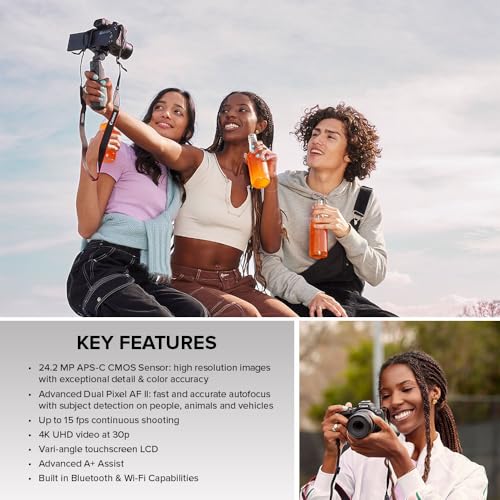
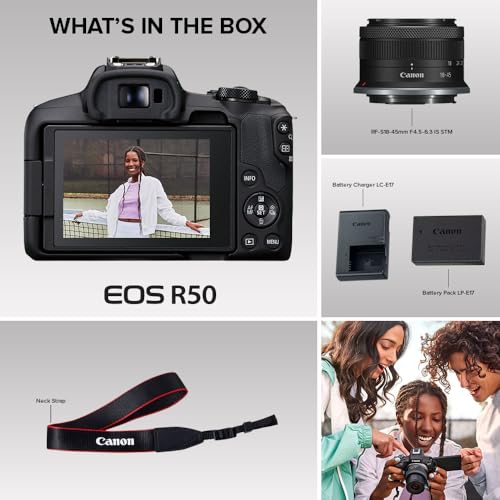
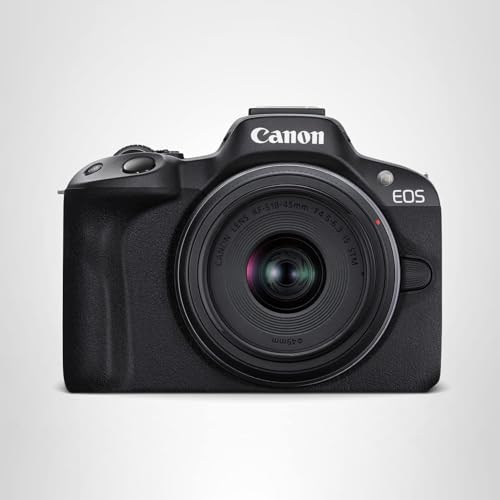
Image Quality & Sensor:
The 24.2MP APS-C sensor with DIGIC X processing delivers crisp photos and smooth color for everyday shoots. Expect cleaner indoor shots at school events, better-looking travel photos, and natural background blur for portraits. You get a real step up from a smartphone, with files that hold detail for edits and prints.
Standout Features & Value:
Fast, reliable focus comes from Dual Pixel CMOS AF II with subject detection, and oversampled 4K adds pro-level clarity to vlogs and reels. The flip-out vari-angle touchscreen makes framing selfies and top-down shots simple, while wireless connectivity moves clips to a phone for instant posting. With the RF mount, you can start with the RF-S 18–45mm kit and add creative lenses as skills grow, giving this pick an excellent price-to-performance balance.
Who It’s For:
Perfect for: vlogging, short-form clips, family events, and travel content. If you want an easy camera your teen can learn in an afternoon and keep using every day, this option fits that path from beginner to confident creator.
Our Verdict:
Choose this model if you want simple controls, sharp 4K, and confident Dual Pixel CMOS AF II that keeps faces tack-sharp. It offers standout creator features in a light kit with room to grow through the RF mount. We recommend the bundled zoom for a ready start, then add faster lenses as your style evolves.
Sony Alpha a6400 Mirrorless Camera: Compact APS-C Interchangeable Lens Digital Camera…
Teens and parents who want a compact, future-proof mirrorless that shoots sharp 4K vlogs and better photos than a phone, and hobbyists who plan to expand with lenses over time.
- Industry-leading autofocus (Real-Time Eye AF) — great for quick-moving teens and reliable face focus for vlogs
- True 4K video plus a flip/tiltable screen — ready for TikTok/YouTube-style content out of the box
- Compact APS-C body with an interchangeable-lens system — portable now with room to grow into better lenses
- No in-body image stabilization (relies on lens OSS) — handheld low-light video may need care or a gimbal
- Kit 16–50mm lens is compact but slow (limited low-light/bokeh) — you’ll likely want a faster lens later
Want an easy upgrade from a phone for TikTok/YouTube? You’ll get rock-solid face/eye tracking that keeps your subject sharp, 4K clips ready to edit or share, and a compact body you can carry to school or on trips. The tradeoff: the small kit lens limits low-light and background blur, so plan to add a faster lens or stabilize your shots if you want cinematic low-light footage.
Sample Photos with Sony Alpha 6400


Image Quality & Sensor:
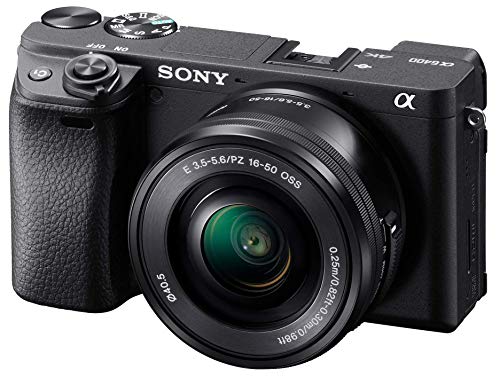
This camera brings crisp detail from a 24.2MP APS-C sensor and clean files across ISO 100-32000, so photos look sharp at school events and on trips. It comes in at #3 in our guide for delivering creator-ready results with a perfect 100/100 score — a standout mix of quality and portability.


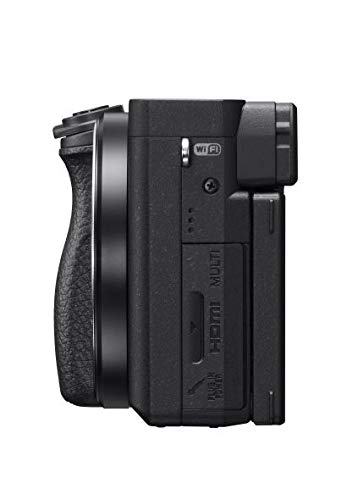
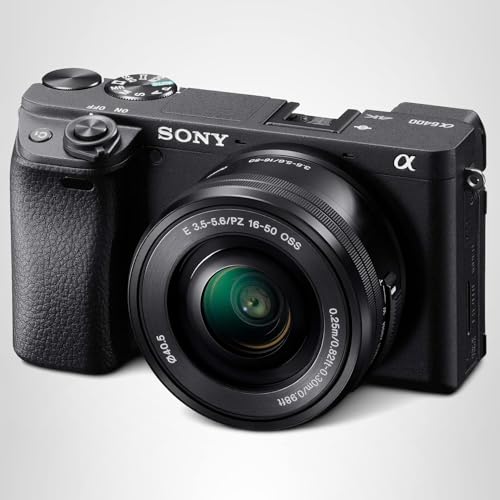
Autofocus & Tracking:
Real-time Eye AF locks onto faces for selfies, vlogs, and quick-moving teens, giving you tack-sharp shots without fuss. With up to 11 fps bursts, you can freeze dances, sports plays, and candid moments you used to miss.
Standout Tools & Value:
Core highlights include Real-time Eye AF, 11 fps burst, and 4K HDR (HLG), delivering fast focus, action-stopping speed, and detailed video in one compact body. The 180-degree tilting screen and open Sony E-mount ecosystem make self-shooting easy and future lens upgrades simple, offering an excellent price-to-performance balance.
Who It’s For:
If you want easy, reliable focus for vlogs and a pathway to better photos than a phone, this choice fits. Who is this for? Perfect for: content creation, travel & school events, portraits & family moments.
Our Verdict:
Final recommendation: Pick the a6400 if you want sticky focus, sharp 4K, and a compact body that grows with Sony E-mount lenses. It delivers excellent value for parents and Gen Z creators who want pro-looking results today and room to add a fast prime for low light tomorrow.
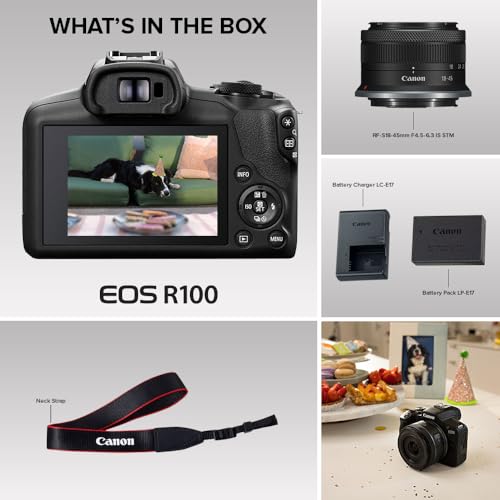
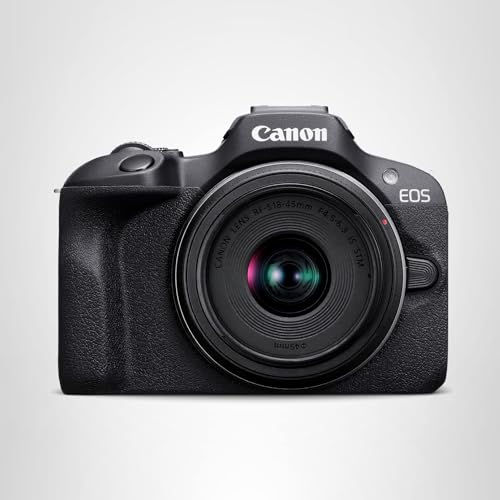
Canon EOS R100 Mirrorless Camera RF-S18-45mm F4.5-6.3 is STM Lens Kit, 24.1 Megapixel…
Parents seeking a durable, easy-to-use first interchangeable-lens camera for a teen; teens who want a step-up from smartphone video/photo with compact size, reliable AF, and 4K for vlogs
- Compact, lightweight EOS R design — easy to carry for school, travel, and daily vlogging
- Strong autofocus (Dual Pixel CMOS AF with face & eye detect) — reliable subject tracking for handheld video and selfies
- Good video/stills mix — 24.1MP APS-C stills, 4K video (up to 24 fps) and 120 fps Full HD for slow-motion clips
- Kit lens is slow (f/4.5–6.3) — limits low-light performance and creamy background blur compared to faster lenses
- No listed in-body image stabilization (IBIS) — handheld 4K vlogging may need stabilization (lens IS or gimbal)
Want a step-up from a phone that still feels easy? You’ll get a lightweight, easy-to-carry mirrorless that nails vlog-friendly autofocus and gives you 4K clips and 120 fps slow-motion in Full HD — so you’ll capture cleaner, more polished TikToks and YouTube clips without a steep learning curve. The tradeoff: the included 18–45mm lens is compact but slow in low light, so you may need better lenses or simple stabilization for night shoots — still, you gain noticeably better image quality and creative control than a smartphone.
Sample Photos with Canon EOS R100


Image Quality & Sensor:
This camera brings crisp detail and rich color from a 24.1MP APS-C sensor, so photos and videos look cleaner than a phone and ready to share. It ranks #4 on our list with a confident 95/100 score — thanks to a smart balance of image quality, video tools, and portability for growing creators.
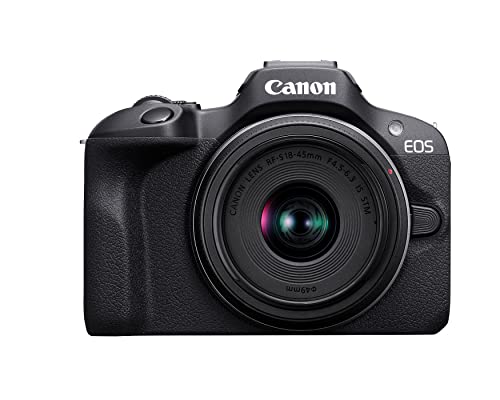


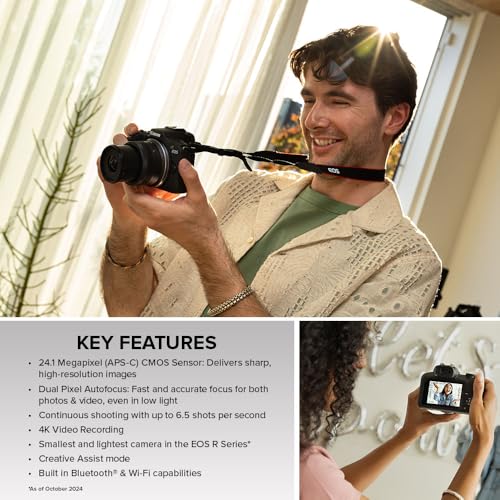
Autofocus & Tracking:
Face-first content is easy with Dual Pixel CMOS AF and eye detect that locks onto your subject for sharp selfies, dance clips, and group moments. Kids, pets, or friends on the move stay in focus, helping you nail more keepers with less fuss.
Video Capabilities:
Create polished clips with 4K for cinematic detail and 120 fps in Full HD for smooth slow motion that pops on Reels and TikTok. The compact RF-S18-45mm kit lens keeps your setup light for daily vlogs, and the RF mount gives you room to grow with more lenses as your style evolves.
Who It’s For:
Who is this for? Parents gifting a first “real” camera or teens ready to step up from a phone who want reliable focus, easy handling, and content that looks pro without feeling complicated. Perfect for: content creation, school events, travel & family moments.
Our Verdict:
Final recommendation: Choose this model if you want a lightweight starter camera that delivers better image quality, dependable autofocus, and creator-ready video at a budget-friendly level. It offers an excellent price-to-performance mix for everyday shooting and vlogging, making it a smart, confidence-building upgrade.
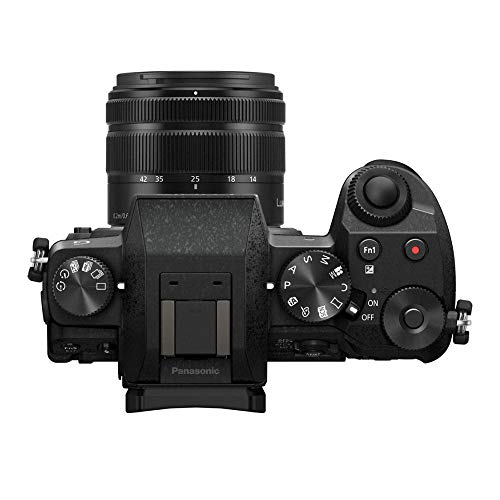
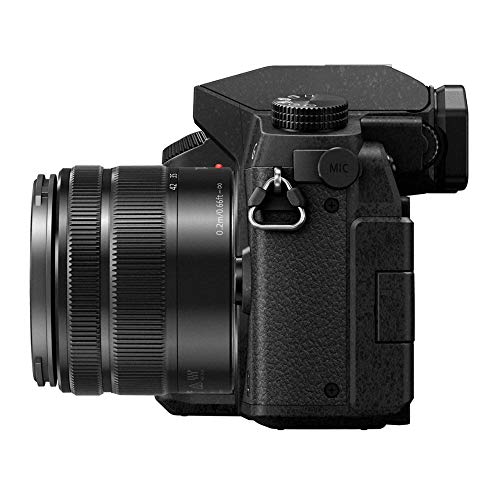
Panasonic LUMIX G7 4K Digital Camera, with LUMIX G VARIO 14-42mm Mega O.I.S. Lens, 16…
Parents who want a durable, well-reviewed gift that’s more capable than a phone but still affordable; teens who want a compact, stylish step-up for 4K vlogs and creative growth without diving into pro complexity.
- 4K video & 4K photo-extract — great for vlog clips and grabbing high-res stills from action
- Flip/touch LCD and electronic viewfinder — easy framing for selfies/vlogs and traditional shooting
- External mic input — lets you record much better audio for TikTok/YouTube
- No in‑body image stabilization (IBIS) — handheld 4K video can be shakier unless you use OIS lenses or a gimbal
- Older AF system compared with modern mirrorless — less reliable continuous/face tracking for run‑and‑gun vlogging
Want a camera that’s a clear step up from a phone for making TikToks and YouTube clips? You’ll get true 4K capture, a flip touch screen for selfie-style shooting, and a mic input so your sound actually sounds good — all in an affordable kit that still lets your teen expand with better lenses. The tradeoff: autofocus and handheld stabilization aren’t as slick as today’s newest models, so plan to use a stabilizing lens, gimbal, or quick handheld technique for the smoothest video.
Sample Photos with Panasonic Lumix G7


Value & Overview:
This mirrorless camera brings phone-beating video and creator-friendly controls — ideal for teens who want to level up fast. It comes in at #5 on our list thanks to a strong 94/100 score for value, ease of use, and room to grow. You get a compact kit that captures in 4K and pairs with interchangeable lenses for long-term creativity.



Video Capabilities:
Record crisp 4K at 30 fps with a 3-inch flip touch screen that makes selfie framing simple. Plug in an external mic via the 3.5mm input for cleaner TikTok and YouTube audio, then move clips to your phone with built-in Wi‑Fi. 4K photo modes let you pull sharp stills from action, so you never miss key moments.
Build & Handling:
The body is light and comfortable, so your teen can shoot all day without fatigue. The included 14–42mm Mega O.I.S. lens covers everyday scenes from room tours to weekend trips, while the electronic viewfinder helps in bright light. The 16MP Micro Four Thirds sensor delivers detailed photos for thumbnails, school projects, and prints.
Standout Features & Value:
You get creator must-haves like 4K video, a flip/touch LCD, an electronic viewfinder, an external mic input, and Wi‑Fi sharing in a compact package. Choose the compact 14–42mm kit, the longer 14–140mm zoom, or the dual-lens bundle, and expand later with the broad Micro Four Thirds lineup. This combination offers excellent value compared to many starter setups while staying easy to learn.
Who It’s For:
If you want a clear step up from a phone for vlogs and school projects, this model fits beautifully. Perfect for: content creation, vlogging & TikTok, travel & family moments. Parents will appreciate the growth path and approachable controls.
Our Verdict:
Final recommendation: Choose the Panasonic LUMIX G7 4K if you want 4K video, a flip screen, and better audio options in a compact, budget-friendly kit. It balances creative features and simplicity for rapid learning and long-term flexibility. Who is this for? Teens and students building channels who want reliable tools without pro complexity.
Nikon Z 30
Parents buying a durable, easy-to-use gift and teens/Gen Z creators who want a compact 4K vlogging camera that is more capable than a phone but won’t overwhelm them with pro complexity.
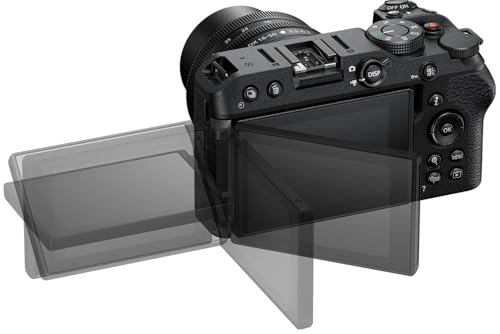
- Designed for creators: flip-out touchscreen, built-in stereo mic, red REC light and easy streaming/webcam support
- Strong video features: 4K recording with reliable autofocus and eye-detection for people and pets
- Compact and lightweight body that’s easy to carry for school, travel, and vlogging
- No in-body image stabilization (spec lists digital stabilization), so handheld 4K video in low light may be shakier without a gimbal or stabilized lens
- Base listing is body-only — you’ll need to buy a lens (or pick a kit) to start shooting, which raises total cost
Want your teen to level up from phone videos to real 4K vlogs without a steep learning curve? You’ll get a lightweight, creator-focused camera that makes selfie-style shooting, quick streaming, and eye-aware autofocus feel familiar—so you capture higher-quality videos and portraits that stand out on TikTok/YouTube. The tradeoff: you may want to buy a kit lens (or a stabilized lens) to avoid extra spending or shaky handheld footage, but in return you get a compact, upgradeable system that keeps growing with your skills.
Sample Photos with Nikon Z30


Overview & Ranking:
This compact mirrorless option brings creator-friendly tools to your teen without the complexity—one reason it ranks #6 with a strong 94/100 score. It is lightweight and streaming-ready, so stepping up from a phone to polished vlogs and portraits feels natural.








Video & Creator Tools:
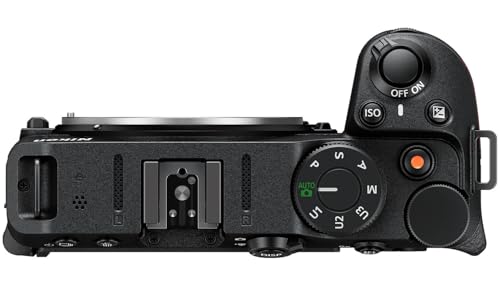
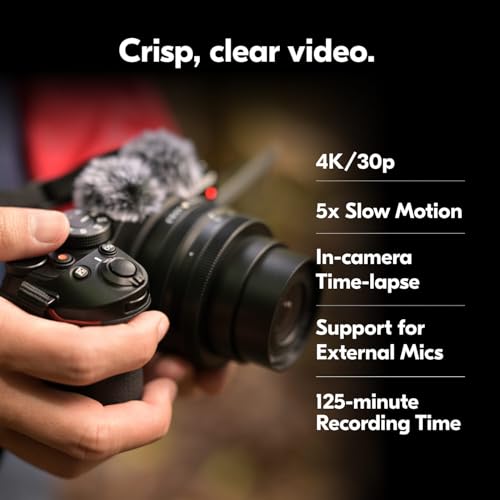
Capture crisp 4K UHD at 30p and frame yourself with the fully articulating vari-angle touchscreen for easy selfie shoots. The built-in stereo mic with wind reduction keeps audio clear, a red REC light confirms you’re rolling, and USB-C streaming makes going live straightforward.
Autofocus & Image Quality:
Reliable eye detection tracks faces (and pets) so walk-and-talk clips stay sharp without hunting. The 20.9MP APS-C sensor delivers detailed photos and clean video for everyday scenes, and the Nikon Z mount lets you add lenses over time to match new skills. If you film at night, pair it with a stabilized lens or small tripod for smoother handheld results.
Who It’s For:
Who is this for? Parents who want a simple upgrade from a phone and teens who want a real camera that supports daily vlogs, class projects, and travel. Perfect for: selfie-style vlogs, school assignments, travel content.
Our Verdict:
Final recommendation: Choose this pick if you want creator-first design, reliable autofocus, and easy streaming in a compact body that grows with you. It offers an excellent price-to-performance balance, and kits with the 16-50mm lens provide a fast start for new creators.
Your Perfect Mirrorless Camera: Final Picks by Use Case
Panasonic LUMIX G7 Digital Camera
Canon EOS R100 Mirrorless Camera
Canon EOS R50 Mirrorless Camera
Sony Alpha a6400 Mirrorless Camera:
OM SYSTEM Olympus E-M10 Mark
Disclosure/Disclaimer: As an Amazon Associate, we earn from qualifying purchases. Certain content was provided "as is" from Amazon and is subject to change or removal at any time. Product prices and availability: Amazon prices are updated daily or are accurate as of the date/time indicated and are subject to change. Any price and availability information displayed on Amazon.com at the time of purchase will apply to the purchase of this product.