


- Canon RF 15-35mm F2.8 L IS USM is the top pick (94/100): bright f/2.8 at 15mm, L-series weather sealing, and clean corners for sharp Milky Way frames.
- For astro, a fast aperture of f/2.8 or wider matters more than resolution, because it lets you keep ISO low and star trails short.
- Canon RF 28-70mm F2 L USM gathers the most light of any zoom here, a full stop past f/2.8, though it starts at 28mm.
- Canon RF16mm F2.8 STM is the budget entry point at about $299, a light native ultra-wide prime that packs easily for any hike.
- Ultra-wide focal lengths from 14mm to 16mm frame the widest star fields and let you include dramatic foregrounds.
- Every lens here mounts natively on the Canon R5, R6, and R3, so no adapter is needed for full autofocus and control.
You hike to a moonless ridge, R5 on a tracker, and the Milky Way is peaking—then the corners sprout seagulls as coma ruins the frame. For astro, fast glass at f/2.8 with clean sagittal stars matters more than megapixels. Add dew and wind, and weather sealing becomes essential.
We analyzed and ranked 11 products. The Canon RF 15-35mm F2.8 (94/100) leads with crisp corners at 15 mm wide open and robust sealing. The Canon RF15-35mm F2.8 is (89/100) follows closely, trading a touch of sagittal acuity for smoother vignetting. We also compared lighter backpacking options, panorama friendly zooms, and designs that play nicely with front filters.
Expect clear picks by use case and budget, with body-specific notes for R5/R6/R3. We break down coma at f/2.8, field curvature at infinity, edge illumination, and manual focus throw, plus filter compatibility and sealing, so you can choose confidently for Milky Way arches or tracked mosaics.
When you buy through links on our site, we may earn a commission at no cost to you. We evaluate products independently. Commissions do not affect our evaluations. As an Amazon Associate, we earn from qualifying purchases.
Top Picks


Best Canon RF Lenses for Astrophotography 2026: 11 Ultra-Wides Compared
| Specifications | |||||||||||
|---|---|---|---|---|---|---|---|---|---|---|---|
| Rating | 94/100 | 89/100 | 82/100 | 82/100 | 81/100 | 80/100 | 80/100 | 79/100 | 78/100 | 73/100 | 73/100 |
| Widest Focal Length (mm) | 15mm | 15mm | 24mm | 28mm | 24mm | 14mm | 24mm | 16mm | 35mm | 70mm | 85mm |
| Max Aperture | f/2.8 | f/2.8 | f/2.8 | f/2 | f/4 | f/4 | f/2.8 | f/2.8 | f/1.4 | f/4 | f/1.2 |
| Image Stabilization | Yes | Yes | Yes | N/A | Yes | Yes | Yes | N/A | N/A | Yes | N/A |
| Focus Motor | USM | USM | USM Z | USM | USM | USM | USM | STM | VCM | USM | USM |
| Year | 2023 | 2019 | 2023 | 2018 | 2018 | 2021 | 2019 | 2021 | 2024 | 2020 | 2019 |
| Filter Thread Size (mm) | 82mm | 82mm | 82mm | 95mm | 77mm | 77mm | 82mm | 43mm | 67mm | 77mm | 82mm |




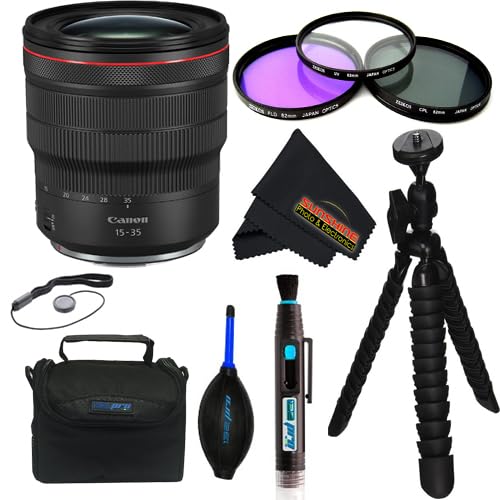
Canon RF 15-35mm F2.8 L is USM Lens w/Sunshine Photo Basic Accessories Bundle (Renewed)…
Hobbyists who want a high-end, flexible ultra-wide zoom that stays native to Canon R bodies—shooting Milky Way landscapes, star-trails, and wide-field nightscapes where flexibility (15–35mm) and f/2.8 light-gathering matter more than absolute prime-level coma control.
- Native RF L-series optics: designed for R-system bodies with three aspheric and two UD elements for strong center-to-corner sharpness
- Fast constant f/2.8 aperture across 15–35mm—useful for Milky Way and low-light wide-field work
- Weather-sealed build and high-quality USM focus drive—durable in night outdoor conditions and reasonably precise for manual-focus framing
- Not as ultra-wide as some astro-specific primes (starts at 15mm vs 14mm or wider), so slightly narrower field for very wide Milky Way panoramas
- Zoom optics—even high-end zooms can show more coma/field curvature at the extreme corners versus the best ultra-wide primes optimized for pinpoint stars
Want one high-quality native RF lens that lets you cover tight-to-ultra-wide Milky Way compositions without swapping glass? You get a rugged L-series 15–35mm f/2.8 that keeps your workflow on R5/R6/R3 bodies and delivers sharp, contrasty nightscapes across most of the frame. The tradeoff: you give up the extreme edge-to-edge pinpoint stars and slightly wider field a dedicated astro prime (14mm or similar) can deliver, but you gain framing flexibility and professional build that will handle wet, cold nights.
Top Pick Overview:
As our #1 pick, this ultra-wide RF zoom brings pro-grade sharpness and night-ready speed—scoring 94/100 for its balance of performance and reliability. On Canon R5, R6, and R3 bodies, it gives you a clean, flexible tool for landscapes and astrophotography without adapters.
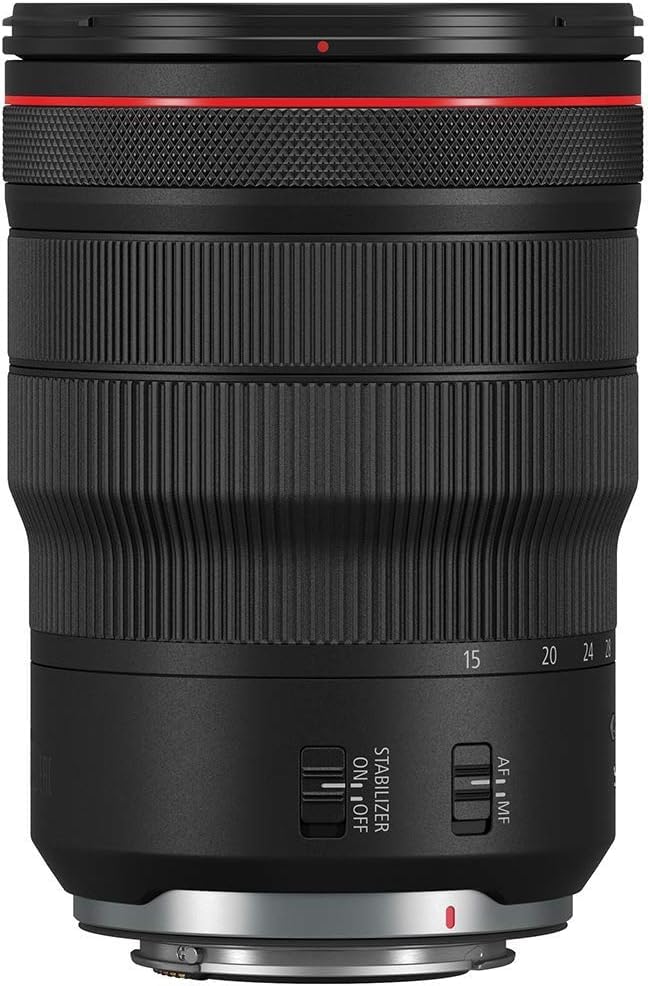
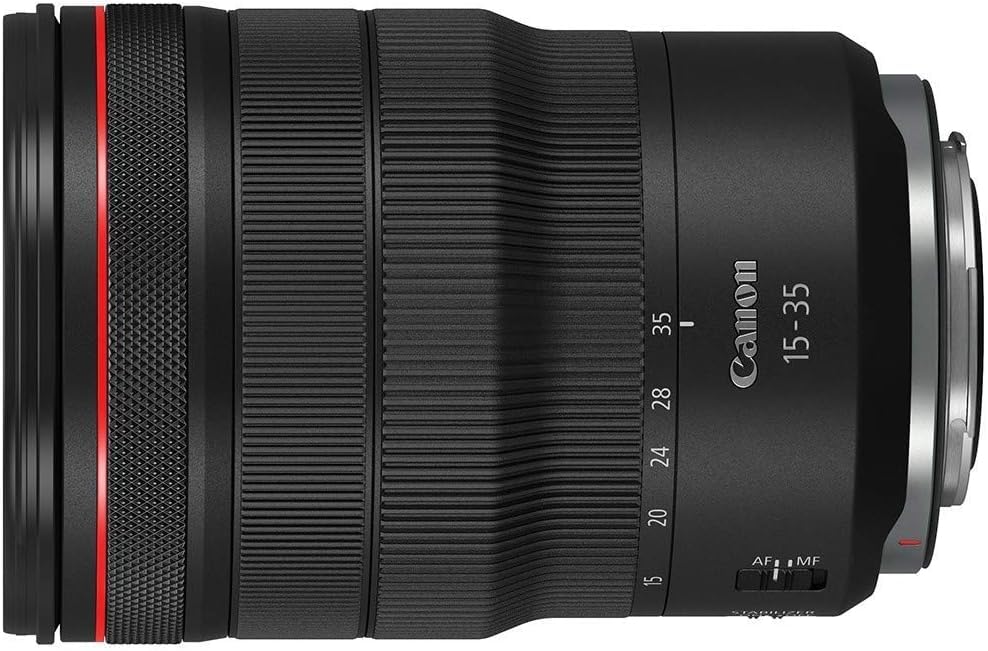
Optical Performance:
The 15–35mm range with a constant f/2.8 aperture lets you compose the Milky Way at 15mm, then refine foreground balance at 20–35mm while keeping exposures bright. Advanced optics (3 aspheric, 2 UD) maintain contrast across the frame, and built-in image stabilization supports steady twilight handhelds and tack-sharp foregrounds on tripod-based night work.
Standout Features & Value:
Rely on L-series build, full weather sealing, and quick, precise USM focus for cold, wet, and windy nights. Native RF integration keeps operation seamless and maximizes your body’s capabilities, giving you a streamlined kit for remote treks. Perfect for: Milky Way landscapes, wide-field nightscapes, blue-hour seascapes. Pair it with the techniques in our night photography guide for the best results.
Who It’s For:
High-end landscape photographers and astro specialists who want one lens that handles sweeping vistas, aurora bursts, and star trails with confidence. If you value framing flexibility, bright night performance, and a rugged build that matches your R5/R6/R3, this choice fits your workflow.
Our Verdict:
Final recommendation: choose this if you want a native ultra-wide that pairs flexibility with professional results in harsh conditions. It offers a strong price-to-performance ratio for creators who prioritize sharp, contrasty files and dependable handling. Who is this for? Shooters who need a single, do-it-all ultra-wide for demanding landscapes and night skies on Canon R-system bodies.
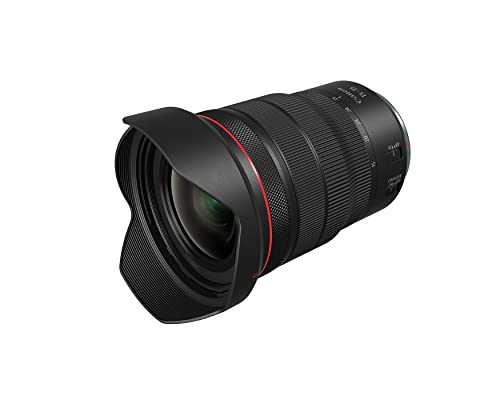
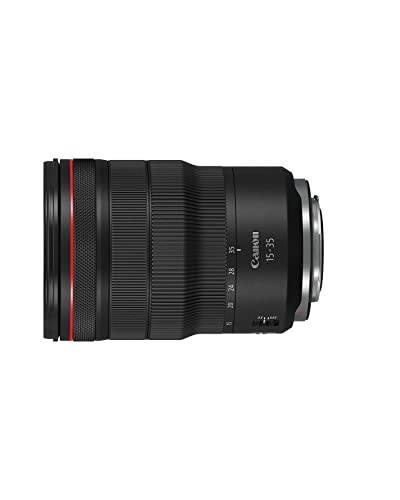
Canon RF15-35mm F2.8 L is USM Lens, Standard Zoom Lens, Compatible with EOS R Series…
Hobbyists upgrading from adapted EF glass who want a high-quality, versatile wide-angle zoom for Milky Way landscapes, star-trail panoramas, and occasional wide-field deep-sky work without switching lenses constantly.
- Native RF L-series optics: designed for Canon R bodies with excellent overall sharpness
- Constant bright f/2.8 across 15–35mm: good low-light speed for Milky Way and star-scene framing
- Weather-sealed, pro build and control ring—built for night field work
- Not a dedicated astro prime—corner coma and star shape at extreme edges can be worse than top-rated astro primes
- 15mm minimum (not 14mm) — slightly narrower ultra-wide field than some astro-specific lenses
Shooting the Milky Way with your R5/R6 and want flexibility without changing lenses? You’ll get a pro-grade, weather-sealed wide zoom that lets you frame from very wide to short-wide (15–35mm) and shoot at f/2.8 for brighter night skies. You gain fast AF for scouting, optical stabilization for handheld low-light work, and the convenience of one high-quality lens in the field. Tradeoff: you’ll sacrifice the absolute best corner-to-corner pinpoint stars and the extra reach of a dedicated 14mm astro prime—so if you prioritize maximum coma control and the widest possible field, keep an astro prime in mind as a companion.
Wide-Angle Versatility & Ranking:
This native RF zoom brings pro-grade flexibility to your R5/R6/R3—earning #2 in our guide with a strong 89/100. You get one lens that covers 15–35mm with a constant f/2.8, so framing nightscapes and blue-hour vistas feels effortless.
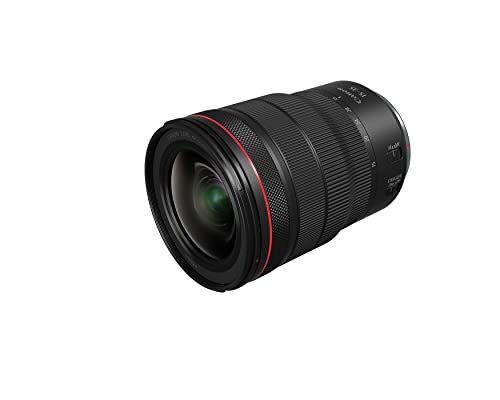
Optical Performance:
Expect excellent edge-to-edge detail, clean contrast, and bright stars at f/2.8 thanks to L-series optics. The range lets you anchor strong foregrounds at 15mm or tighten to 35mm for layered ridgelines, while the close 0.28 m minimum focus adds depth with sharp foreground elements.
Standout Features & Value:
Built for the field, you get weather sealing, a customizable control ring, and optical image stabilization (up to 5 stops) that steadies handheld scouting and twilight shots. Nano USM delivers quick, quiet autofocus for composing in the dark and locking focus on distant peaks. This versatile package offers a strong price-to-performance ratio if you prefer one dependable wide zoom over multiple primes.
Who It’s For:
Who is this for? High-end landscape and astro shooters on Canon R bodies who want speed, range, and reliability in one tool. Perfect for: Milky Way landscapes, star-trail panoramas, wide-field nightscapes (and fast-moving blue-hour work when you need quick framing).
Our Verdict:
Final recommendation: Choose this lens if you want a premium, weather-ready wide zoom that keeps pace from dusk to dawn. Pair it with an ultra-wide prime when you need an even wider view or extreme star-point precision, but for most trips this single lens delivers pro results with less gear to carry.
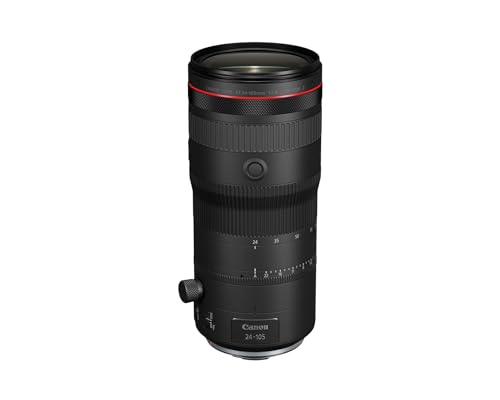
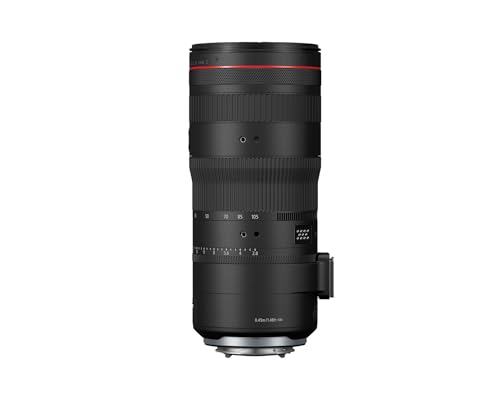
Canon RF 24–105mm F2.8 L is USM Z Standard Zoom Lens, Full-Frame Mirrorless, Image…
Hobbyists who want one high-quality, fast standard zoom that handles twilight and occasional nightscapes while remaining excellent for portraits, events, and video — not for those chasing the best corner-to-corner star performance.
- Constant f/2.8 aperture across 24–105mm — very useful for low-light/night handheld shots and consistent exposure when framing
- Canon L-series build: likely excellent weather sealing, solid build and smooth control (iris ring, close-focusing, USM)
- Image Stabilization helps for handheld twilight/nightscapes and general versatility for daytime use
- Not ultra-wide — 24mm base focal length is narrower than the 14–20mm primes the audience prefers for Milky Way work
- Zoom optics (even high-end ones) typically show more coma and corner softness than dedicated astro primes — compromises corner star points
Want one fast, rugged zoom that covers everything from dusk portraits to handheld nightscapes? You get a pro-grade 24–105mm f/2.8 that lets you shoot low-light scenes and twilight Milky Way frames without swapping lenses — the tradeoff is that you won’t get the ultra-wide field of view or the pristine corner stars that dedicated 14–20mm astro primes deliver.
Sample Photos with Canon RF24-105mm f/2.8 L IS USM Z


Overview & Ranking:
From blue-hour ridgelines to moonrise portraits, this RF 24–105mm F2.8 brings pro flexibility to your R5, R6, or R3 workflow — and stays consistent as light fades. It ranks #3 with a strong 82/100, thanks to a rare blend of speed, zoom range, and stabilization that keeps you shooting when others pack it in.


Optical Performance:
The f/2.8 aperture across 24–105mm helps you hold shutter speeds at dusk, capture clean foregrounds under stars, and keep ISO lower for crisper files. Built-in image stabilization supports handheld scouting, quick panoramas, and steady blue-hour frames when a tripod move would slow you down. Controls like the iris ring, fast USM autofocus, and internal zoom with power zoom support streamline both stills and hybrid work.
Use Cases & Field Scenarios:
Perfect for: twilight landscapes, moonlit scenes, stitched panoramas, aurora & night events. You can glide from environmental 24mm vistas to 50–85mm foreground studies without changing lenses, keeping exposure consistent and momentum high on location.
Who It’s For:
Who is this for? R-system landscape specialists and astro shooters who want a single fast zoom for blue hour, night scouting, and travel jobs with pro reliability. Pair it with your ultra‑wide prime to cover everything from dusk cityscapes to compressed mountain layers in one weather-sealed package.
Our Verdict:
Final recommendation: Choose the Canon RF 24–105mm F2.8 if you value speed, flexibility, and durability in a do-it-all lens that complements dedicated astro glass. You get pro versatility with a constant f/2.8, dependable image stabilization, and tough L‑series build, delivering a strong price-to-performance balance for high-end landscape and night work.
Canon RF28-70mm F2 L USM Lens, Zoom Lens, Compatible with EOS R Series Mirrorless…
You want a high-quality, very fast native RF zoom for low-light landscapes, foreground-lit night scenes, and versatile shooting on R-series bodies — but not for dedicated ultra-wide Milky Way or pin-sharp corner-star work.
- Very bright constant f/2 — excellent low-light throughput compared with typical f/2.8 zooms
- Canon L-series build: weather/dust resistance, fluorine coating and solid ergonomics (control ring, USM)
- High center sharpness and overall image quality for portraits, events, and low-light landscape foregrounds
- Not ultra-wide — 28mm is too long for many Milky Way/landscape compositions that prefer 14–24mm
- Optical design not optimized for astro: likely more coma and corner star elongation than dedicated astro-wide primes
Need a single, very fast native RF zoom that covers low-light landscapes and foreground-lit night shots? You get usable low-light reach and flexibility (28–70mm at f/2) so you can freeze airglow-lit foregrounds, shorten star-exposure times for better foreground detail, and shoot versatile scenes without swapping lenses. The tradeoff: you give up true ultra-wide framing and the best corner-star/anti-coma performance — so choose this if you prioritize a fast, versatile all-purpose lens over pixel-perfect corner stars in wide-field Milky Way shots.
Sample Photos with Canon RF28-70mm f/2 L USM


Overview & Ranking:
Fast native RF glass brings serious low-light flexibility to your R5, R6, or R3. The Canon RF28-70mm F2 USM is our #4 choice — it earned an 82/100 by pairing a bright f/2 zoom with pro-grade build so you can shoot cleaner night landscapes without juggling primes.


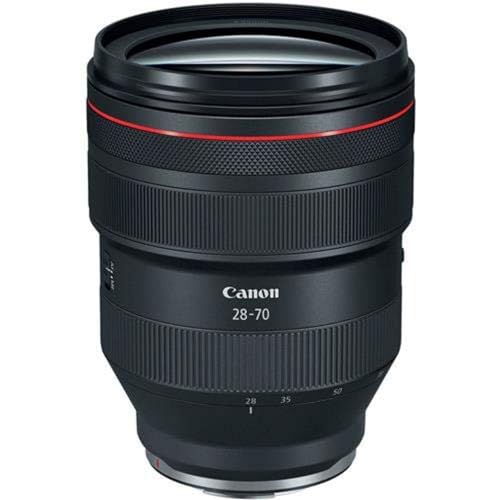
Optical Performance:
A constant f/2 across 28–70mm lets you drop ISO and raise shutter speed, preserving sharper foreground detail while keeping stars tighter in single exposures. High center sharpness delivers crisp textures in rocks, trees, and city glow, and stopping down brings excellent across-frame clarity for sunrise or blue hour scenes. The zoom range also helps you reframe quickly, from expansive vistas to tighter tele-landscapes, without swapping lenses in the dark.
Standout Advantages:
You get Canon L-series build, weather sealing, and a fluorine coating that shrugs off moisture and grime for dependable field use. The customizable control ring and USM focusing feel precise and quiet at night, while the solid 3.15 lbs adds stability on a sturdy tripod and balances well on larger R bodies. Premium positioning is offset by the ability to replace multiple fast primes and streamline your kit for travel and backcountry work.
Who It’s For:
Who is this for? If you want one fast, native RF zoom to carry you from dusk into the stars with minimal gear changes, this model fits your R-system workflow. Perfect for: low-light landscapes, foreground-lit night scenes, stitched panoramas. Choose it when flexibility and speed matter more than ultra-wide specialty coverage.
Our Verdict:
Final recommendation: Pick the RF28-70mm F2 if you want pro-level sharpness, speed, and ruggedness in a single do-it-all night-and-day landscape lens. It brings real efficiency to R5/R6/R3 kits, delivering clean files and reliable handling while reducing lens swaps and simplifying your field workflow.
Canon RF 24-105mm f/4L Is USM Zoom Lens, Black – 2963C002
Photographers who want a rugged, all-purpose L-series zoom on Canon R bodies for landscapes, travel, and low-light handheld shooting — not for dedicated wide-field or pinpoint-star astrophotography.
- L-series build and weather sealing — solid for nights in the field
- Versatile 24–105mm range covers landscapes, framing, and travel use
- Optical Image Stabilization (up to ~5 stops) helps handheld low-light shooting
- Aperture limited to f/4 — too slow for many wide-field astrophotography needs
- Not ultra-wide (starts at 24mm) — misses the preferred 14–24mm field for Milky Way panoramas
Shooting trips where you want one durable, versatile lens that handles landscapes, horizon-to-horizon panoramas, and some low-light handheld work? You get a top-quality 24–105mm L zoom that keeps you shooting in poor weather and gives reliable center sharpness; the tradeoff is that you won’t capture the widest Milky Way vistas or the brightest, pin-sharp stars you get from a 14–24mm f/2.8 or dedicated astro prime — so expect to rely on stacking, higher ISO, or cropping for serious star detail.
Sample Photos with Canon EF 24-105mm f/4L IS USM


Overview & Ranking:
Field-ready coverage for Canon R5, R6, and R3 shooters—this Canon RF 24–105mm f/4L balances versatility and reliability. It comes in at #5 with a score of 81/100 thanks to its flexible range, effective stabilization, and rugged construction. Choose it when you want dependable results without swapping lenses in harsh conditions.


Optical Performance & Range:
With a 24–105mm range and f/4 constant aperture, you can frame grand vistas at 24mm, compress distant ridgelines at 105mm, and build seamless multi-row panoramas. The built-in optical image stabilization delivers up to 5 stops, so blue-hour scenes stay sharp handheld and motion in water renders smoothly at slower shutter speeds. Fast, quiet Nano USM focus helps you nail fleeting light breaks and shifting foreground elements.
Build & Handling:
The durable L-series build with full weather sealing keeps you shooting through wind, dust, and light rain. At 1.54 lb and 3.3 x 4.2 inches, it carries well on long hikes and mountain approaches. The customizable control ring lets you adjust exposure by touch, which is great when working in the dark or with gloves.
Who It’s For:
If you want one dependable zoom for scouting, twilight landscapes, and travel assignments, this choice fits your kit and your pace. Perfect for: blue-hour landscapes, panoramic stitching, tele-landscapes with compression.
Our Verdict:
Pick the Canon RF 24–105mm f/4L if you value range, stabilization, and field-ready toughness in a single lens that pairs seamlessly with Canon R bodies. It offers an excellent price-to-performance balance for pro-grade landscape work, and it complements an astro prime when you plan to stack frames or use a lightweight tracker. This is a reliable workhorse that keeps you creating when conditions change fast.
Canon RF14-35mm F4 L is USM Lens, Wide-Angle Zoom Lens, Compatible with EOS R Series…
Enthusiasts using Canon R-series bodies who want a compact, weather-sealed native ultra-wide that balances portability and optical quality — great for Milky Way landscapes, star-trail composites, and tracked wide-field imaging when paired with a mount or stacking workflow.
- True 14mm ultra-wide coverage — excellent for expansive Milky Way landscapes and foreground composition.
- Canon L-series build and weather sealing plus lightweight (≈1.2 lb) — durable and easy to carry for night hikes.
- Native RF optic with SWC/ASC coatings and image stabilization — strong overall optical performance and modern flare control.
- Maximum aperture is f/4 — slower than the f/2.8 (or faster) glass favored by most dedicated astrophotographers.
- Not the best choice if minimal coma and the shortest possible exposures are your top priority (AUDIENCE MISMATCH: aperture/coma expectations).
Want a native RF ultra-wide that you can hike to a dark-sky site and not regret bringing? You get a true 14mm field of view in a weather-sealed, lightweight L-series lens that makes composing dramatic Milky Way foregrounds easy and keeps your pack weight down. The tradeoff: you’ll need longer exposures, higher ISOs, or a star tracker to match the noise and pinpoint stars that f/2.8 glass gives you — but if you value portability and all-around daytime/astro use, this lens delivers reliable results.
Overview & Ranking:
This ultra-wide RF zoom balances reach and portability for Canon R shooters. It ranks at #6 with an 80/100 score for delivering true 14mm coverage, native RF handling, and reliable weather sealing in a light body. If you want dramatic skies without a heavy pack, this pick is an easy carry.
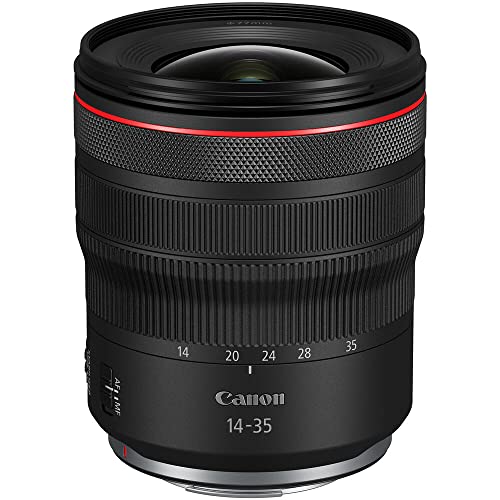

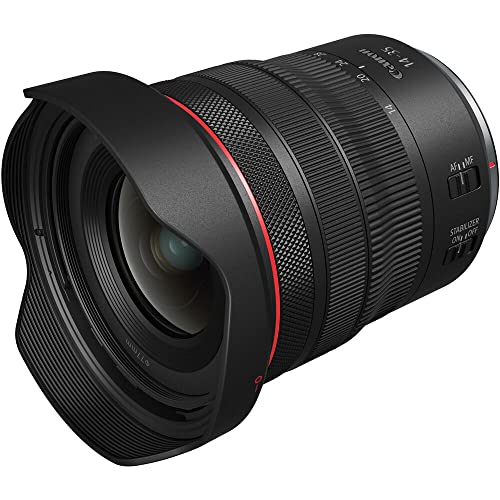
Optical Performance & Field of View:
At 14-35mm, you can frame sweeping Milky Way arches and tight canyon walls without swapping lenses. The f/4 constant design paired with image stabilization supports sharp blue-hour scenes and smoother handheld scouting, while Canon’s SWC/ASC coatings help tame ghosting around bright points.
Use Cases & Standout Features:
Perfect for: Milky Way landscapes, star-trail composites, backpacking to dark-sky sites. Standouts include weather sealing, a compact 1.2 lb build, responsive USM autofocus, a close-focus of 7.9 inches for foreground leading lines, and a tactile control ring—a strong price-to-performance fit for field work.
Who It’s For:
Who is this for? Landscape pros and astro specialists on R5/R6/R3 who prize mobility and a native RF setup with dependable sealing. If you like to track or stack at night and need a lens that also excels for daytime vistas, this model keeps your kit light and versatile.
Our Verdict:
Final recommendation: Choose this option if you want a weather-sealed, ultra-wide zoom that travels easily yet delivers clean, modern rendering for sky-and-foreground work. It offers excellent value compared to heavier alternatives and rewards careful technique with consistent, portfolio-ready files.
Canon RF24-70mm F2.8 L is USM Lens, Standard Zoom Lens, Compatible with EOS R Series…
Landscape and travel shooters who want a high-quality, weather-sealed, versatile standard zoom for low-light scenes and general use — not for hobbyists focused on best-in-class wide-field astrophotography.
- Premium build and optics (Canon L-series) with reliable weather sealing — solid for night outdoor use
- Constant f/2.8 across the zoom range gives usable low-light capability at 24mm and up
- Native RF mount with Nano USM and a customizable control ring — good ergonomics and modern RF performance
- Not ultra-wide: starts at 24mm, so it misses the 14–20mm sweet spot many Milky Way shooters prefer
- Not optimized for astrophotography: zoom design typically shows more coma and field curvature than high-quality wide primes
Need a versatile, pro-grade lens you can use for landscapes and occasional nightscapes? You get a rugged, weather-sealed f/2.8 zoom that handles low-light general work and gives you the convenience of a single native RF lens from 24–70mm. The tradeoff: you sacrifice the ultra-wide field of view and the best-in-class star rendering (minimal coma) that dedicated 14–24mm or fast wide primes deliver — so if your priority is pinpoint stars across the frame, you should look at native ultra-wide primes instead.
Sample Photos with Canon RF24-70mm f/2.8 L IS USM


Overview & Ranking:
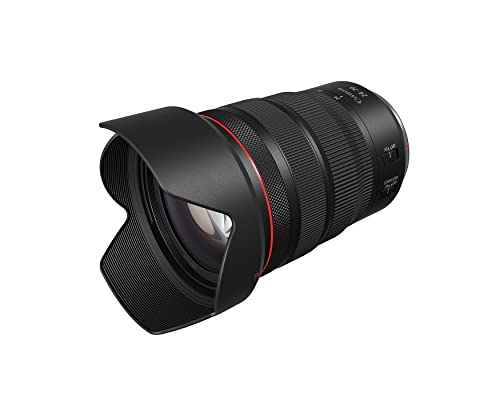
When you hike to a dark-sky overlook with an EOS R5 or R6, this pro zoom provides dependable, day-to-night coverage. It comes in at #7 with a solid 80/100 for its mix of rugged construction, sharp optics, and real-world flexibility across landscapes and night scenes.
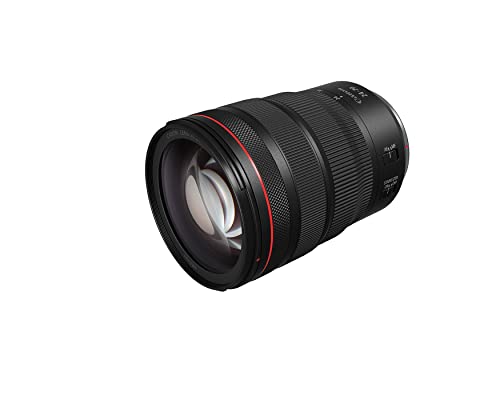

Optical Performance & Range:
The constant f/2.8 across 24-70mm lets you frame broad vistas at 24mm, then capture distant peaks at 70mm without swapping lenses. 5-stop optical stabilization supports handheld twilight work and moonlit foregrounds, while Nano USM focusing is quick and precise at infinity. A close focus of 0.69 ft brings foreground textures into play for layered compositions.
Standout Features & Value:
The L-series build with effective weather sealing gives confidence in wind, mist, and alpine chill. A customizable control ring speeds exposure tweaks, and the native RF mount keeps handling balanced on R5/R6/R3 bodies. You get a one-lens solution with an excellent price-to-performance ratio for professionals who want reliability on every assignment.
Who It’s For:
Designed for high-end landscape creators and astro specialists who want a trusted zoom that goes from daytime scouting to blue-hour production. If you enjoy traveling light and framing night scenes at 24mm, this lens fits your kit. Perfect for: sunrise-to-blue-hour landscapes, travel scenics on hiking trips, occasional nightscapes at 24mm.
Our Verdict:
Choose this option if you want a versatile, native RF zoom that delivers crisp results, stable handheld performance, and seamless handling with Canon R-system bodies. It balances premium construction, useful speed, and everyday versatility, making it a confident pick for landscape specialists who also tackle night scenes.
Canon RF16mm F2.8 STM Lens, Ultra-Wide-Angle Prime, Compatible with EOS R Series…
Budget-minded Canon R shooters who want a fast, featherweight ultra-wide prime for Milky Way and wide-field nightscapes without carrying a heavy L-series zoom
- Fast f/2.8 aperture gathers a full stop more light than the f/4 zooms, ideal for shorter, cleaner Milky Way exposures
- Extremely compact and light at about 0.36 lb, an easy add to any Canon R travel or hiking kit
- Just $299, by far the most affordable native RF ultra-wide for getting into astrophotography
- No weather sealing, so it needs more care on dewy, cold nights than the sealed L-series picks
- Visible coma and softer corners wide open at f/2.8, so stopping down slightly helps corner star shapes
Want the cheapest way onto the Milky Way with a Canon R body? At about $299 this 16mm f/2.8 prime gathers a full stop more light than the f/4 L zooms here, so you can drop ISO or shorten exposures for cleaner stars. The tradeoffs: it has no weather sealing and shows some coma and softer corners wide open, so stopping down slightly to about f/3.5 tightens the star points.
Overview & Ranking:
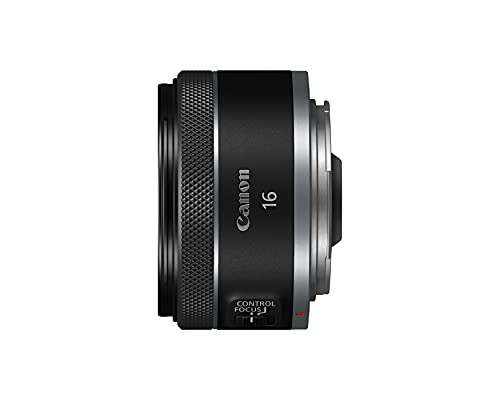
Fast, pocketable ultra-wide coverage puts the whole Milky Way in reach on your R5, R6, or R3. It comes in at #8 in our guide with a solid 79/100 for its blend of speed, portability, and price. The wide 16mm view and bright f/2.8 aperture let you frame a sweeping star field over a ridge while keeping ISO in check.



Optical Performance:
Expect sharp central detail and pleasing contrast, with a bright f/2.8 aperture that shines at dusk, blue hour, and wide-field night scenes. Wide open you will see some coma in the extreme corners, so stopping down to about f/3.5 tightens star points. The lens has no optical stabilization, so lean on your R body in-body IS for handheld twilight frames, and use a tracker or short exposures to keep stars pinpoint.
Build & Standout Features:
You get a smooth, quiet STM autofocus motor and a control ring for direct exposure tweaks in a remarkably small body that weighs only about 0.36 lb. It skips weather sealing to hit its low price, so it needs a little more care on dewy, cold nights, but the featherweight size makes it the easiest ultra-wide here to pack for a hike. For the money it delivers a strong price-to-performance ratio as a native RF prime.
Who It’s For:
Who is this for? Budget-minded Canon R shooters who want a fast, tiny ultra-wide prime for night skies without the weight or cost of an L-series zoom. Perfect for: Milky Way landscapes, twilight scenics, lightweight travel astro kits.
Our Verdict:
Final recommendation: Choose the Canon RF16mm F2.8 STM if you want the most affordable, lightest way onto the Milky Way with a Canon R body. It trades weather sealing and edge-to-edge perfection for speed, size, and a $299 price, making it a smart first astro lens or a grab-and-go wide for R-system shooters.
Canon RF35mm F1.4 L VCM Lens
Hobbyists who want a very fast native RF prime for low-light scenes, star portraits, tight Milky Way frames, and some wide-field deep-sky targets — not ideal if your priority is ultra-wide Milky Way landscapes or maximum edge-to-edge coma control.
- Very fast f/1.4 aperture — excellent light-gathering for shorter exposures and higher SNR on stars
- Native RF L-series build with weather resistance — good for cold night shoots and long-term reliability
- Modern coatings (ASC) and minimal focus breathing plus Nano USM/VCM focus system — smooth, precise focus control and reduced flare
- Focal length mismatch for this audience — 35mm is not in the ultra-wide 14–24mm range most Milky Way landscape shooters prefer (AUDIENCE MISMATCH)
- Not explicitly optimized for coma/corner correction at extreme wide apertures — corners may be soft or show coma at f/1.4 compared with specialized astro-wide primes
Want a native RF prime that lets you capture brighter stars and shorter exposure times? You get the huge light-gathering advantage of f/1.4 and rock-solid, weather-sealed L-series build that helps you shoot cold, damp nights without worry. The tradeoff: you’ll lose the ultra-wide field-of-view most landscape Milky Way shooters want — choose this if you plan tighter nightscapes, star portraits, or single-frame deep-sky targets where light-gathering beats ultra-wide coverage.
Optical Performance:
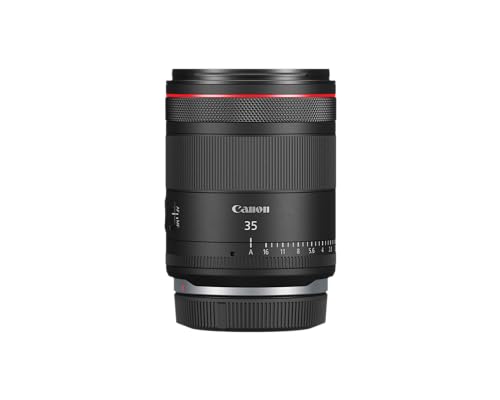
Shooting night scenes where every stop of light matters—this lens brings brighter stars and cleaner files to your R5, R6, or R3. The Canon RF35mm F1.4 L VCM comes in at #9 with a solid 78/100 for its fast f/1.4 speed and dependable L-series optics. Use 35mm to frame tighter Milky Way cores, constellations, and layered foregrounds without stitching.

Build Quality & Controls:
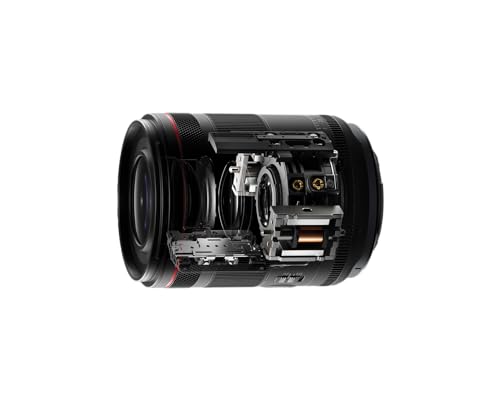
Count on a rugged L-series shell with weather sealing that shrugs off dew and cold mountain air, yet weighs only 1.4 lbs for comfortable hikes. Air Sphere (ASC) coatings help keep contrast intact under moonlight or light pollution. The tactile manual iris ring gives smooth exposure changes for aurora clips and night timelapses.
Where It Shines:
That bright f/1.4 aperture lets you shorten exposures for pinpoint stars or raise ISO headroom for cleaner stacks. The hybrid Nano USM + VCM drive is fast and quiet for day-to-night transitions, and minimal focus breathing helps when pulling focus between foreground and infinity. Perfect for: tight Milky Way frames, star portraits, wide-field deep-sky targets.
Who It’s For:
Who is this for? High-end landscape and astrophotographers on Canon R-system bodies who want a native Canon RF prime that excels in low light and handles harsh conditions with ease. If you like tighter nightscapes, constellations with foreground, or hybrid stills-and-video work, this choice fits beautifully.
Our Verdict:
Final recommendation: Choose the RF35mm F1.4 L VCM if you value speed, clean star rendering, and a tough build for demanding nights and versatile daytime use. It offers excellent value for the features, with standout elements like f/1.4 light-gathering, weather sealing, Air Sphere (ASC) flare control, and a smooth manual iris ring. A reliable, premium prime that complements ultra-wides in a serious astro kit.
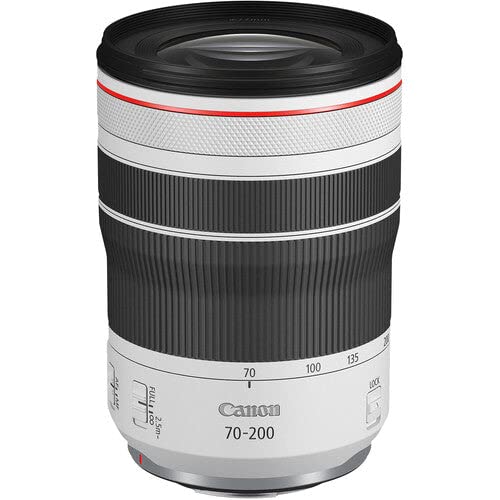
Canon RF70-200mm F4 L is USM Lens, Telephoto Zoom Lens, Compatible with EOS R Series…
Photographers who want a lightweight, high-quality 70–200mm telezoom on Canon R bodies for portraits, compressed landscapes, and telephoto nightscapes — not for wide-field Milky Way or deep-sky work.
- Canon L-series build and optical quality — reviewers praise sharpness and construction
- Constant f/4 across the zoom and very effective image stabilization (up to 7.5 stops with IBIS)
- Lightweight and portable for a 70–200 (makes it easier to carry on night shoots where hiking is involved)
- Not an ultra-wide — 70–200mm is the wrong focal range for wide-field Milky Way and star-scapes
- Maximum aperture f/4 is too slow for most wide-field, single-frame astrophotography where f/2.8 or faster is preferred
Looking to upgrade to native RF glass for better Milky Way and wide-field star shots? You won’t get the ultra-wide field, low-light speed, or coma performance you need from this lens. You do get a compact, very sharp 70–200mm that lets you isolate portions of the sky, compress landscapes at night, and shoot stabilized telephoto dusk/blue-hour frames while hiking. Tradeoff: you sacrifice wide-field single-frame Milky Way capability and peak low-light star performance — so buy this only if you also need telephoto reach in your kit.
Sample Photos with Canon RF70-200mm f/4 L IS USM


Overview & Ranking:
A compact telephoto zoom that brings clean reach for landscape and astro specialists on Canon R bodies — without weighing down your pack. We place it at #10 with a confident 73/100 because it smartly complements your ultra-wide kit with stabilized, high-quality framing at mid- to long focal lengths.


Optical Performance:
L-series optics deliver crisp detail and strong microcontrast across the frame, so distant ridgelines and moonlit textures pop. The constant f/4 at 70–200mm keeps exposure consistent for stitched panoramas, and built-in image stabilization pairing with IBIS unlocks up to 7.5 stops of shake reduction for cleaner handheld blue-hour shots.
Build & Handling:
At just 1.5 lbs and 3.3 x 4.7 inches retracted, this lens packs small, rides light, and is easy to carry on long approaches. You get weather sealing for rough nights and a smooth control ring for quick exposure tweaks, while Dual Nano USM focusing is fast and quiet when locking onto infinity or distant peaks.
Who It’s For:
If you want a native RF telephoto to isolate portions of the sky, compress foregrounds, and work handheld at twilight, this choice fits your workflow. Who is this for? Photographers who already rely on an ultra-wide for Milky Way scenes and want a lightweight complement for reach. Perfect for: telephoto nightscapes, compressed mountain vistas, blue-hour handhelds.
Our Verdict:
This model offers excellent sharpness, reliable stabilization, and pro-grade construction in a travel-friendly package, giving you versatile reach without the bulk of faster zooms. Final recommendation: Choose it if you value portability and stabilized framing at mid-telephoto lengths, and you want a strong price-to-performance addition to your Canon RF landscape and astro kit.
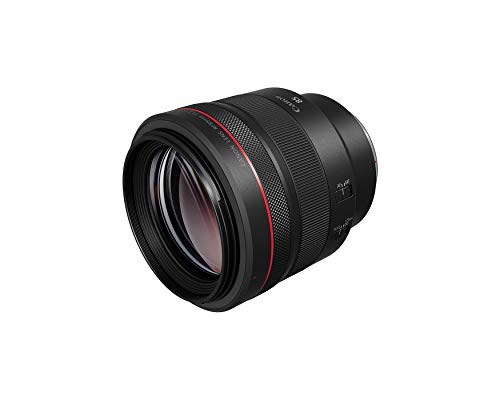
Canon RF 85mm F1.2 L USM Lens, Black
Photographers who need an ultra-fast short telephoto for portrait and low-light subject work on Canon R bodies — not for wide-field Milky Way or star-scape imaging.
- Outstanding optical quality and center sharpness — Canon L-series construction with BR optics and aspheric/UD elements
- Extremely fast f/1.2 aperture for exceptional low-light subject isolation and very short exposure flexibility
- Robust build and weather sealing suitable for rugged night shoots on Canon R bodies
- AUDIENCE MISMATCH — 85mm focal length is unsuitable for Milky Way landscapes and ultra-wide star fields
- Not optimized for coma/edge stars in wide-field astrophotography (design target is portrait/subject imaging, not stars-to-edge correction)
Want a lens that lets you shoot very low-light scenes and isolate subjects with dreamy background separation? You get extraordinary subject-level low-light performance and tack-sharp results on your R5/R6/R3 with this lens. The tradeoff: you won’t get the ultra-wide field or coma-corrected edges you need for Milky Way panoramas and wide star fields, and you’ll pay a premium (and carry extra weight) to get those portrait-grade results.
Sample Photos with Canon RF85mm f/1.2 L USM


Why It Matters:
For high-end landscape and astro shooters on Canon R bodies, this lens brings subject-first low-light power — the kind that turns blue hour into a keeper window. It comes in at #11 with a solid 73/100 score because it delivers elite sharpness and control when you want striking, isolated subjects at night.

Optical Performance:
The ultra-fast f/1.2 aperture at 85mm keeps shutter speeds short and ISO low, so you can capture crisp detail in dim scenes without sacrificing dynamic range. Canon’s Blue Spectrum Refractive (BR) optics plus aspheric and UD elements produce excellent center sharpness with refined contrast, ideal for a lit summit cross against starry skies or a hiker under the aurora. The weather sealing means you can work confidently through mist, frost, or sea spray.
Standout Features & Value:
You get a durable L-series build, fast and precise USM autofocus for twilight subjects, and a close working distance of 0.85 m for intimate foreground details at night. The substantial design feels planted on a tripod, which helps during long exposures, and the smooth rendering complements high-resolution files from R5/R6/R3 bodies. Expect premium pricing backed by pro-grade output, giving you reliable low-light tools when your project demands the best.
Who It’s For:
Who is this for? Landscape specialists and astro creatives using Canon R5/R6/R3 who want dramatic subject isolation in challenging light, plus robust build quality for harsh environments. Perfect for: night portraits, compressed landscapes, moonrise and telephoto astro details.
Our Verdict:
Final recommendation: Choose the Canon RF 85mm F1.2 if you prioritize low-light freedom, refined rendering, and rugged reliability for subject-led night work. It’s a specialty prime that elevates blue-hour scenes, star-lit environmental portraits, and tele-landscape moments, offering excellent value when you need uncompromising optical quality on your Canon R system.
Your Perfect Canon RF Lens: Final Picks by Use Case
Canon RF 15-35mm F2.8 L
Canon RF28-70mm F2 L USM
Canon RF 85mm F1.2 L
Canon RF 24-105mm f/4L Is
Canon RF70-200mm F4 L is
Product specifications, ratings, and prices were verified against live Amazon listings and Canon official lens pages in August 2026 and are subject to change.
Manufacturer Specifications
- Canon USA, official RF lens pages – RF 15-35mm F2.8L IS USM, RF 14-35mm F4L IS USM, RF16mm F2.8 STM, RF 28-70mm F2L USM, and RF 85mm F1.2L USM optical specs, weight, and filter sizes
- Amazon.com product listings – Live pricing, availability, and customer ratings for each lens featured in this guide
Image Sources
- Amazon.com product galleries – Lens product photography for each pick shown in the galleries above
- PhotoWorkout editorial – Pin graphic and comparison layout created in-house
PhotoWorkout is reader-supported. When you buy through links on our site we may earn an affiliate commission at no extra cost to you.


Disclosure/Disclaimer: As an Amazon Associate, we earn from qualifying purchases. Certain content was provided "as is" from Amazon and is subject to change or removal at any time. Product prices and availability: Amazon prices are updated daily or are accurate as of the date/time indicated and are subject to change. Any price and availability information displayed on Amazon.com at the time of purchase will apply to the purchase of this product.