


- Canon RF 100-500mm f/4.5-7.1L IS USM is the top pick for versatile wildlife and outdoor sports photography.
- Canon RF 70-200mm f/2.8L IS USM is the best choice for indoor sports and low-light action.
- Canon RF 100-400mm f/5.6-8 IS STM is the best budget-friendly telephoto for casual wildlife and sideline shooting.
- Canon RF 200-800mm f/6.3-9 IS USM delivers the most reach in a single zoom for birding and plane spotting.
- Canon RF 100-300mm f/2.8L IS USM is the ultimate pro-level zoom for stadium sports and fast-moving subjects.
- Budget tip: the Canon RF-S 55-210mm f/5-7.1 IS STM gives APS-C shooters a solid starting point under $420.
Best Canon RF Sports Lenses for Wildlife and Action Photography
Choosing the right lens is the single biggest factor in capturing sharp, impactful sports and wildlife photos with a Canon RF mirrorless camera. Whether the subject is a bird in flight, a sprinting wide receiver, or a child scoring a goal, focal length, autofocus speed, and image stabilization make or break the shot.
Looking ahead: Canon’s rumored RF 300-600mm F5.6L IS VCM with DO elements could soon shake up this list — it’s tipped for a pre-World Cup launch and would slot perfectly between the RF 100-500mm and the big-white primes.
Canon’s RF lens lineup covers everything from compact budget telephotos to exotic super-telephoto primes used at the Olympics. This guide compares the 9 best Canon RF lenses for sports and wildlife photography, ranked by versatility, image quality, and real-world value. Each pick is backed by community feedback from photographers on Reddit, photography forums, and social media.
The top pick, the Canon RF 100-500mm f/4.5-7.1L IS USM, consistently earns praise as a “game-changer” from birders and safari shooters for its combination of reach, sharpness, and stabilization. For indoor sports, the Canon RF 70-200mm f/2.8L IS USM remains the gold standard for low-light action.
When you buy through links on our site, we may earn a commission at no cost to you. We evaluate products independently. Commissions do not affect our evaluations. As an Amazon Associate, we earn from qualifying purchases.
Best Canon RF Sports Lenses




How to Choose a Canon RF Sports Lens
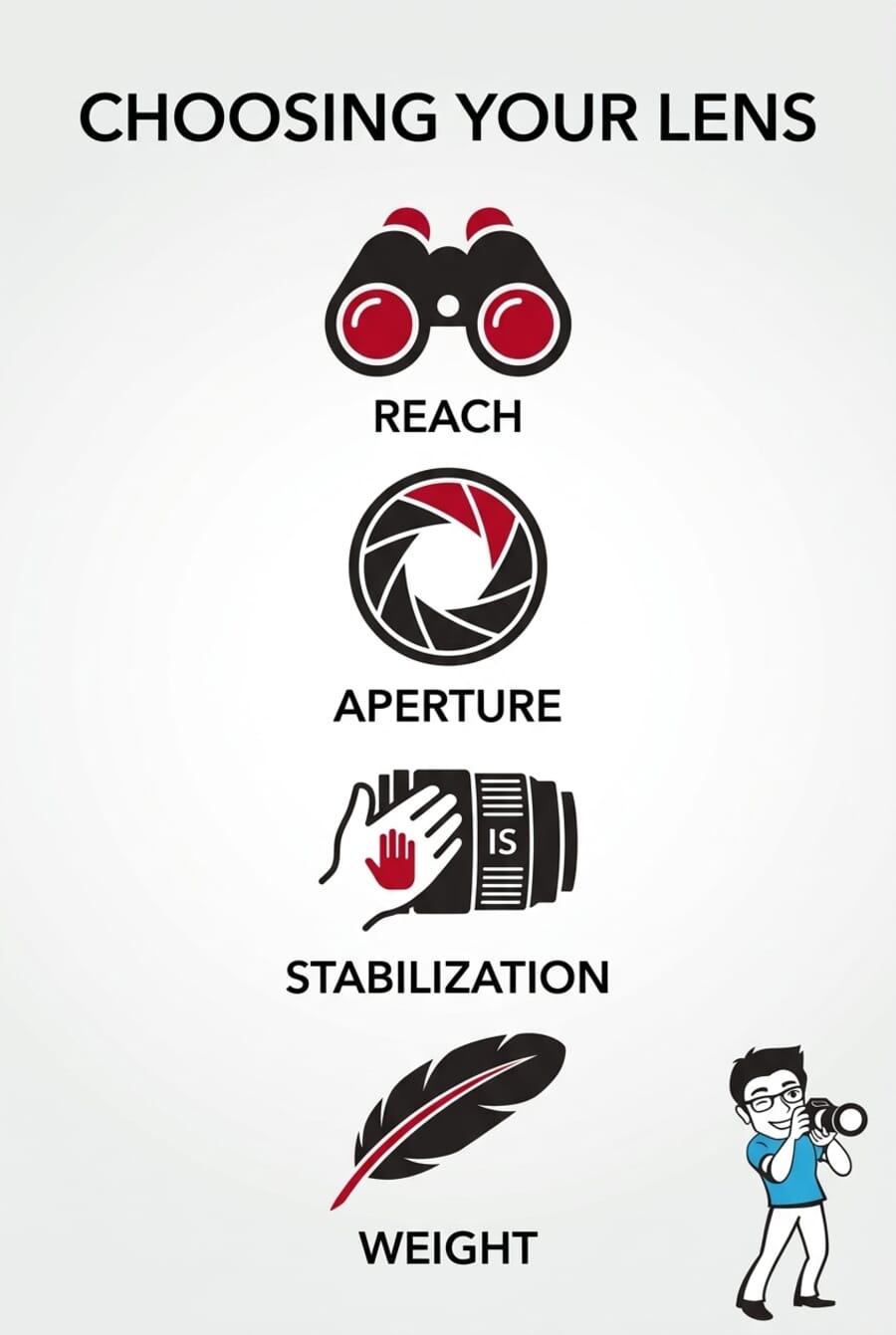
Sports and wildlife photography demand lenses that can handle fast-moving subjects, variable lighting, and sometimes extreme distances. Here are the key factors that separate a good action lens from a great one.
Focal Length and Reach
Focal length determines how close the subject appears. For sideline sports (football, soccer, track), 200-400mm is typically enough. Wildlife and birding usually demand 400mm or more. A zoom like the 100-500mm offers flexibility to frame tight on distant subjects or pull back for wider compositions, while a prime like the 600mm f/4 delivers maximum sharpness at a fixed distance.
Maximum Aperture
A wider aperture (lower f-number) lets in more light, enabling faster shutter speeds in dim conditions. For indoor arenas and evening games, f/2.8 is the standard. Outdoor daytime sports and wildlife can work fine with f/4-f/7.1. Keep in mind that Canon’s Dual Pixel CMOS AF II works best at f/5.6 or wider for full cross-type coverage, though it functions down to f/22.
Image Stabilization
Canon’s optical IS in RF L-series lenses provides up to 5.5 stops of stabilization. Combined with IBIS on bodies like the EOS R5 and R6 series, coordinated IS can deliver up to 8 stops. This matters most for handheld wildlife shooting at long focal lengths where even slight movement causes blur.
Weight and Handling
A lens that’s too heavy to hold steady defeats the purpose of fast autofocus. The RF 100-500mm at 1,370g strikes a practical balance for handheld use, while the RF 100-400mm at just 635g is easy to carry all day. Super-telephoto primes like the 600mm f/4 and 800mm f/5.6 typically need monopod or tripod support.
Canon RF Sports Lenses Compared
| Specifications | |||||||||
|---|---|---|---|---|---|---|---|---|---|
| Best For | Versatile wildlife/outdoor sports | Indoor sports, low light | Budget wildlife/sideline | Extreme reach birding | Pro stadium sports | Lightweight travel sports | Pro wildlife prime | Pro sideline prime | APS-C budget telephoto |
| Focal Length | 100-500mm | 70-200mm | 100-400mm | 200-800mm | 100-300mm | 70-200mm | 600mm | 400mm | 55-210mm (88-336mm equiv.) |
| Max Aperture | f/4.5-7.1 | f/2.8 | f/5.6-8 | f/6.3-9 | f/2.8 | f/4 | f/4 | f/2.8 | f/5-7.1 |
| Image Stabilization | 5 stops | 5 stops | 5.5 stops | 5.5 stops | 5.5 stops | 5 stops | 5 stops | 5 stops | 4.5 stops |
| Weight | 1,370g (3.02 lbs) | 1,070g (2.36 lbs) | 635g (1.40 lbs) | 2,050g (4.52 lbs) | 2,590g (5.71 lbs) | 695g (1.53 lbs) | 3,090g (6.81 lbs) | 2,890g (6.37 lbs) | 210g (0.46 lbs) |
| Weather Sealed | Yes | Yes | No | Yes | Yes | Yes | Yes | Yes | No |
| Filter Size | 77mm | 77mm | 67mm | 95mm | 112mm drop-in | 77mm | 52mm drop-in | 52mm drop-in | 55mm |


Canon RF 100-500mm f/4.5-7.1L IS USM
Wildlife photographers, birders, and outdoor sports shooters who need versatile reach
- Massive 100-500mm zoom range covers nearly every outdoor scenario
- 5-stop optical IS, coordinated with IBIS for up to 7.5 stops
- L-series build quality with full weather sealing
- Sharp across the entire zoom range, even wide open at 500mm
- Relatively compact at 1,370g for a 500mm L zoom
- Variable aperture reaches f/7.1 at 500mm, limiting low-light use
- 77mm filter thread adds cost for quality filters
- No built-in teleconverter compatibility below 300mm
The RF 100-500mm is the single most versatile wildlife and outdoor sports lens in the Canon RF system. It replaces what used to require two separate lenses, making it ideal for photographers who need to react quickly to subjects at varying distances.
The Canon RF 100-500mm f/4.5-7.1L IS USM dominates community recommendations for Canon RF wildlife and outdoor sports photography. Birders and safari shooters consistently call it a “game-changer” for its ability to cover everything from mid-range action to distant wildlife in a single lens. The 100-500mm zoom range eliminates the need to swap between a 100-400mm and a longer prime, which is critical when a bird suddenly takes flight or a player breaks away.
Optical performance is impressive throughout the zoom range. At 500mm, the lens remains sharp enough for heavy cropping on high-resolution bodies like the Canon EOS R5. The 5-stop optical IS works in coordination with in-body stabilization on compatible cameras, delivering up to 7.5 stops of shake correction. For handheld wildlife shooting at 500mm, that’s the difference between a keeper and a blurry frame.
The main trade-off is the variable aperture. At 500mm, the maximum aperture narrows to f/7.1, which limits performance in low light and reduces background blur compared to faster primes. For outdoor daytime shooting, this is rarely an issue. For late-afternoon wildlife or overcast conditions, bumping the ISO to 3200-6400 on modern Canon bodies compensates well. The lens also accepts Canon’s 1.4x extender (at focal lengths above 300mm), pushing reach to 700mm at f/10.
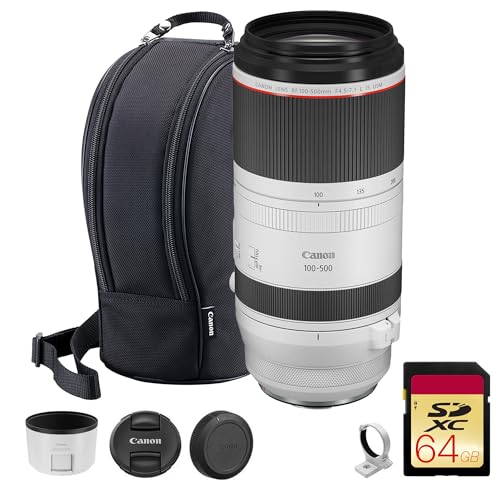
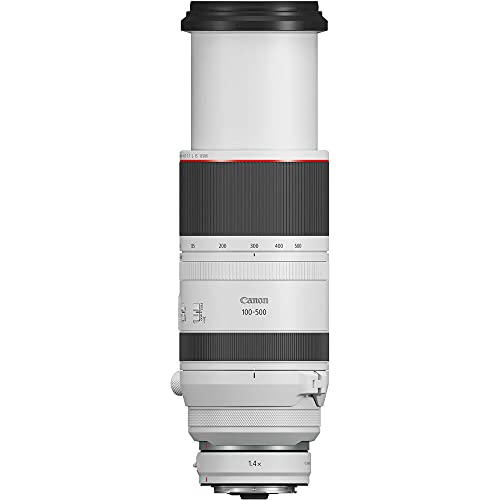


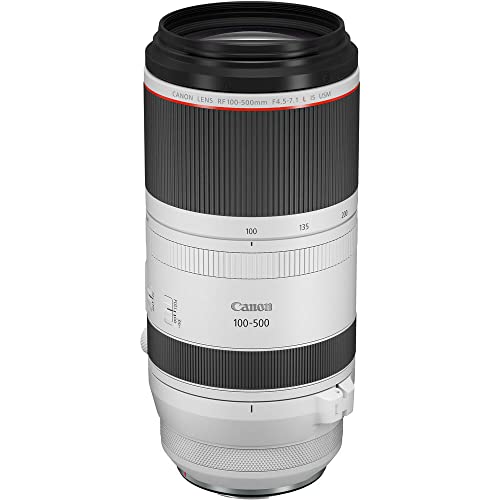

Build quality reflects L-series standards with full weather sealing, a customizable control ring, and a smooth zoom action that locks at any focal length. At 1,370g (about 3 lbs), it’s manageable for extended handheld sessions, though a monopod helps during long wildlife stakeouts. The 77mm filter thread is standard enough to share with other L-series zooms.
Pricing & Where to Buy
The Canon RF 100-500mm f/4.5-7.1L IS USM is priced at $2,899 (as of March 2026). It’s an investment, but it effectively replaces the need for multiple telephoto lenses in most wildlife kits.
- Buy on Amazon — Prime shipping available
- Check price at B&H Photo
- Check price at Adorama
- Buy used at KEH Camera — save with certified pre-owned
- Canon USA official store
Canon RF 70-200mm f/2.8L IS USM
Indoor sports, evening outdoor events, and any action in challenging lighting
- Constant f/2.8 aperture excels in low-light arenas and gyms
- Stunning background blur isolates athletes from distracting backgrounds
- Full weather sealing for rainy sideline conditions
- Lightning-fast Dual Nano USM autofocus tracks unpredictable movement
- Internal zoom design stays compact and balanced
- 200mm maximum reach is short for distant outdoor sports or wildlife
- 1,070g weight adds up during long events
- Premium price point at nearly $2,800
The RF 70-200mm f/2.8L is the go-to lens for indoor sports and any action photography where light is limited. The constant f/2.8 aperture allows shutter speeds fast enough to freeze motion without pushing ISO to extremes.
The Canon RF 70-200mm f/2.8L IS USM is the workhorse lens for indoor sports photographers and anyone shooting action under artificial lighting. Basketball arenas, hockey rinks, indoor track meets, and gymnasiums all present the same challenge: dim overhead lighting combined with fast-moving subjects. The constant f/2.8 aperture solves this by allowing shutter speeds of 1/500s or faster while keeping ISO in a manageable range.
Beyond pure light-gathering, the f/2.8 aperture produces noticeably smoother background blur than slower zooms. Photographers on social media describe the bokeh as “butter-smooth,” and for isolating a basketball player at the free throw line or a wrestler on the mat, that subject separation makes images look professional. The 5-stop optical IS adds further flexibility for static moments between plays.
The RF version of this classic zoom uses an internal zoom design, meaning the barrel doesn’t extend when zooming. This keeps the center of gravity consistent and makes panning with moving subjects smoother. Autofocus is driven by Canon’s Dual Nano USM motors, which are fast enough to track erratic subject movement like a midfielder changing direction. The lens is also fully weather-sealed, which matters for outdoor soccer, football, and lacrosse in rain or snow.

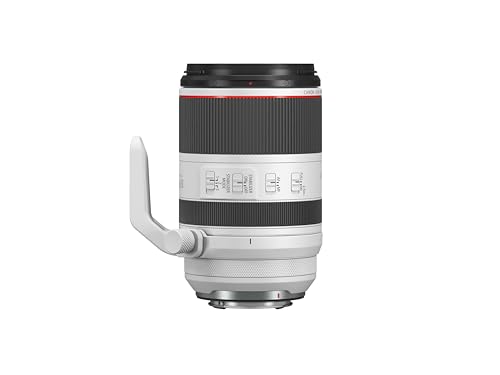
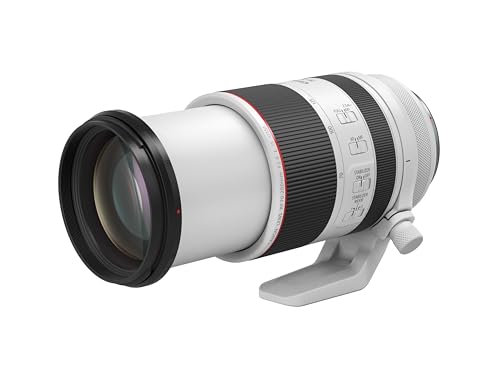
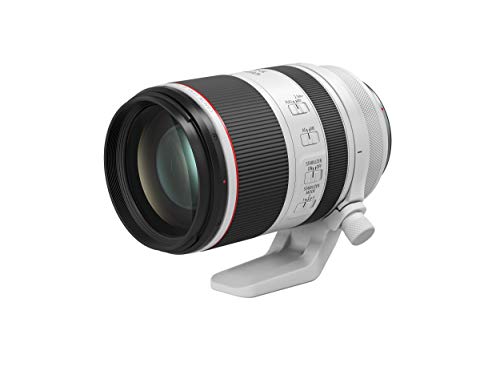
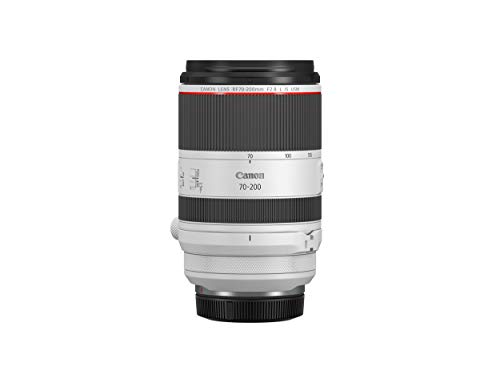
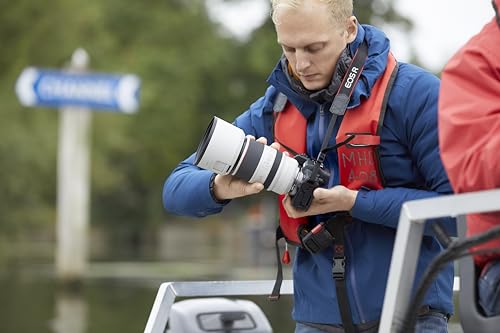

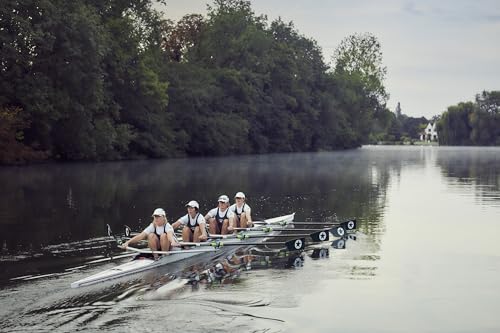
The limitation is reach. At 200mm, this lens can’t isolate distant subjects the way a 400mm or 500mm can. It’s best suited for shooting positions close to the action: courtside seats, track infield, soccer sidelines within 20-30 meters. For outdoor field sports where access is limited, pair it with a longer zoom like the RF 100-500mm for complete coverage.
Pricing & Where to Buy
The Canon RF 70-200mm f/2.8L IS USM is priced at $2,799 (as of March 2026). It’s a significant investment, but for anyone regularly shooting indoor sports, the low-light performance pays for itself.
- Buy on Amazon — Prime shipping available
- Check price at B&H Photo
- Check price at Adorama
- Buy used at KEH Camera — save with certified pre-owned
- Canon USA official store
Canon RF 100-400mm f/5.6-8 IS STM
Budget-conscious wildlife enthusiasts, casual sideline sports, and hiking photographers
- Extremely lightweight at just 635g (1.4 lbs) for all-day carrying
- Best value in the Canon RF telephoto lineup at $699
- 5.5-stop IS delivers surprisingly stable handheld shots at 400mm
- Sharp optics that punch well above the price point
- Compact enough to fit in a standard camera backpack
- Variable f/5.6-8 aperture struggles in low light and limits background blur
- STM motor is quieter but slower than USM for tracking erratic movement
- No weather sealing means rain and dust exposure require caution
The RF 100-400mm is the entry ticket to Canon RF telephoto photography. At 635g and $699, it makes wildlife and sideline sports accessible to photographers who aren’t ready to invest in L-series glass.
The Canon RF 100-400mm f/5.6-8 IS STM is the lens that Reddit and photography forums most frequently recommend when someone asks “what’s the cheapest way to get into wildlife photography on Canon RF?” At $699 and just 635g, it demolishes the barrier to entry that has historically kept long telephoto lenses out of reach for hobbyists and beginners.
Optical quality is genuinely impressive for the price. Center sharpness at 400mm rivals lenses costing three times as much, and while the corners soften slightly, wildlife and sports subjects are almost always centered in the frame. The 5.5-stop IS is better than what many L-series lenses offered just a few years ago, making handheld shooting at 400mm realistic for patient photographers.
The trade-offs are real, though. The f/8 maximum aperture at 400mm means autofocus point coverage is reduced on some older bodies, and background blur is minimal compared to faster lenses. The STM motor focuses accurately but not as aggressively as USM motors, so tracking a bird in erratic flight or a sprinting athlete can produce more misses. For predictable movement patterns (runners on a track, animals at a feeder), it performs admirably.


This lens shines for hiking photographers who want wildlife capability without the weight penalty. Paired with a Canon EOS R8 or R6 III, the combined kit weighs under 1.2kg and fits in a daypack. It’s also a popular choice for parents shooting kids’ outdoor sports from the sidelines, where 400mm of reach gets close to the action from the bleachers.
Pricing & Where to Buy
The Canon RF 100-400mm f/5.6-8 IS STM is priced at $699 (as of March 2026), making it the most affordable telephoto zoom in the RF lineup.
- Buy on Amazon — Prime shipping available
- Check price at B&H Photo
- Check price at Adorama
- Buy used at KEH Camera — save with certified pre-owned
Canon RF 200-800mm f/6.3-9 IS USM
Birders, plane spotters, and wildlife photographers who need extreme reach without a prime
- Unprecedented 200-800mm zoom range in a single lens
- 5.5-stop IS for handheld super-telephoto shooting
- Weather-sealed L-class construction for field reliability
- USM autofocus motor handles fast-moving subjects well
- Compatible with 1.4x extender for 1120mm maximum reach
- f/9 at 800mm severely limits low-light capability
- Heavy at 2,050g, bordering on monopod territory for long sessions
- 95mm filter thread makes filters expensive
The RF 200-800mm delivers reach that previously required $15,000+ super-telephoto primes. At around $2,100, it opens up extreme wildlife and aviation photography to enthusiasts who could never justify a dedicated 800mm prime.
The Canon RF 200-800mm f/6.3-9 IS USM has generated significant buzz since its release, and for good reason. No other Canon zoom lens offers 800mm of reach in a package that costs around $2,100. For context, the RF 800mm f/5.6L prime costs over $20,000. This zoom democratizes extreme telephoto photography.
Birders are the primary beneficiaries. At 800mm on a full-frame body (or an effective 1280mm on an APS-C body like the EOS R7), small songbirds and shorebirds that were previously impossible to photograph without hides and exotic primes become reachable. Aviation photographers also praise the zoom flexibility: 200mm for takeoff sequences, then rack out to 800mm for in-flight tracking, all without changing lenses.
The f/9 maximum aperture at 800mm is the obvious compromise. In bright daylight, it performs well with modern high-ISO sensors. On overcast days or in forest shade, the effective shutter speeds may drop below what’s needed to freeze wing motion. Pairing this lens with a body that handles ISO 6400-12800 cleanly (the R5 II, R6 III, or R7) is strongly recommended. Adding the 1.4x extender pushes the aperture to f/13, which is usable for perched birds but impractical for flight.
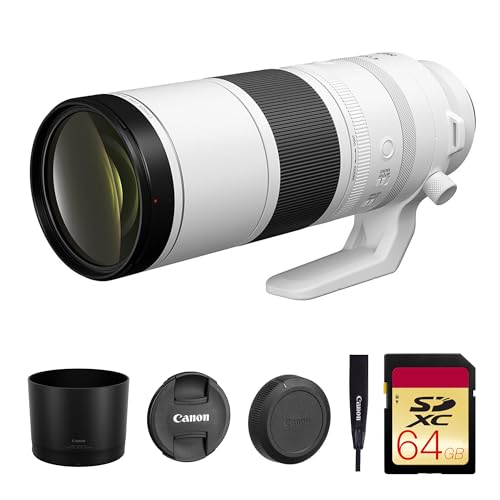
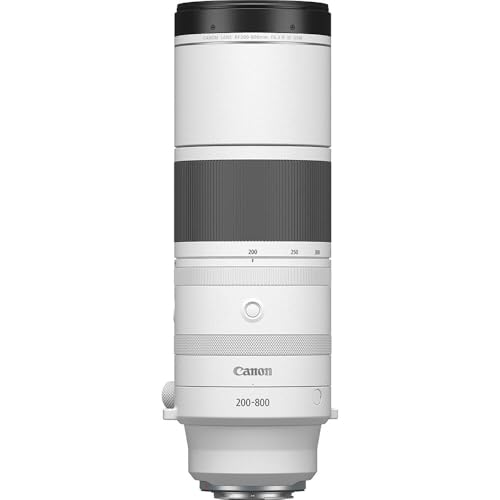
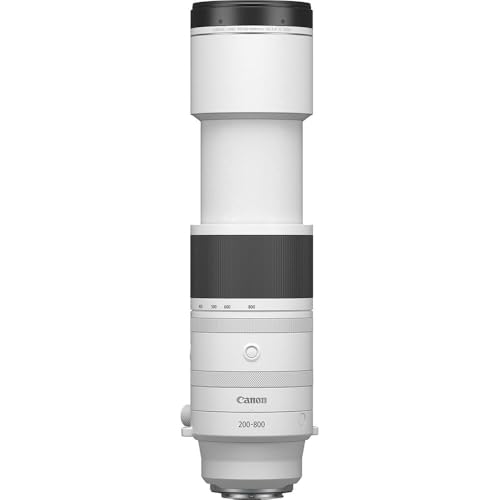
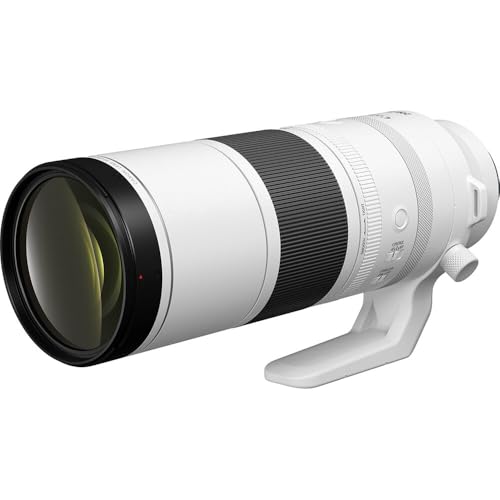
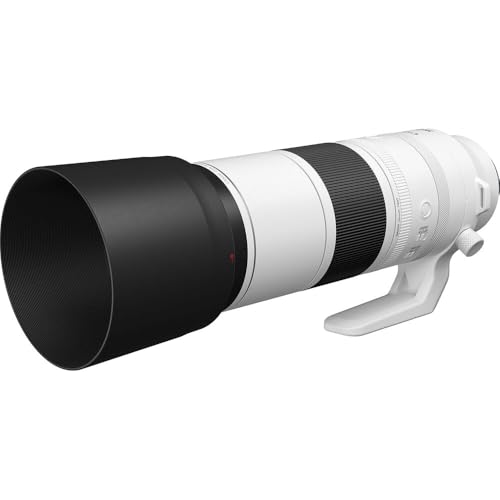
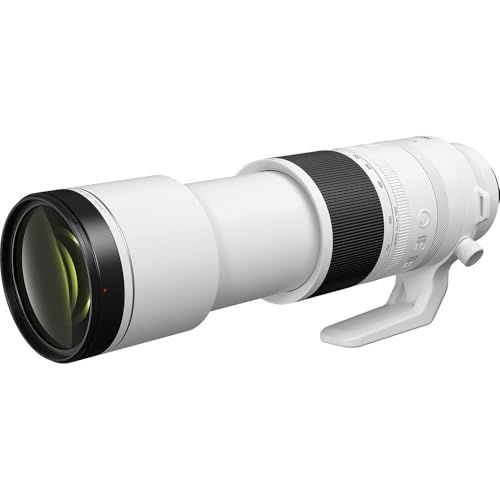
At 2,050g, this lens is heavier than the RF 100-500mm but lighter than any 800mm prime. The 5.5-stop IS makes handheld shooting possible for short bursts, though most photographers find a monopod essential for extended birding sessions. Weather sealing means it handles field conditions without issue.
Pricing & Where to Buy
The Canon RF 200-800mm f/6.3-9 IS USM is priced at approximately $2,106 (as of March 2026), making it remarkably affordable for the reach it delivers.
- Buy on Amazon — Prime shipping available
- Check price at B&H Photo
- Check price at Adorama
- Canon USA official store
Canon RF 100-300mm f/2.8L IS USM
Professional sideline sports photographers and photojournalists covering stadium events
- Constant f/2.8 aperture from 100-300mm for maximum low-light versatility
- Replaces the need to carry both a 70-200mm and a 300mm prime
- 5.5-stop IS with coordinated stabilization on compatible bodies
- Compatible with 1.4x and 2x extenders (effective 140-420mm at f/4 or 200-600mm at f/5.6)
- Pro-grade build with full weather sealing and fluorine coating
- Extremely expensive at $10,599
- Heavy at 2,590g, requiring monopod support for long events
- 112mm drop-in filter system adds complexity
The RF 100-300mm f/2.8L is Canon’s answer to the ‘two-lens problem’ at professional sporting events. It covers the entire sideline range at a constant f/2.8, replacing a 70-200mm and 300mm prime combination.
The Canon RF 100-300mm f/2.8L IS USM is the lens that professional sideline photographers dream about. Competitor roundups from The Digital Picture and Amateur Photographer consistently rank it among the top Canon RF sports lenses, and it’s easy to see why: a constant f/2.8 aperture across a 100-300mm zoom range means photographers can move from tight portraits to wide action coverage without losing light-gathering ability.
The practical advantage over the 70-200mm f/2.8 is the extra 100mm of reach at the long end. At a football game, 200mm from the sideline captures the quarterback’s upper body. At 300mm, the frame tightens to just the throwing motion. That difference matters for magazine covers and editorial use. With the 1.4x extender, the lens becomes a 140-420mm f/4, which is still fast enough for indoor arenas.
Autofocus uses Canon’s latest Dual Nano USM system, which is among the fastest in any Canon lens. It tracks subjects smoothly through acceleration changes, direction shifts, and partial obstructions. For motorsports, the lens locks onto cars through heat haze at track distances. For team sports, it follows a single player through a group of defenders.
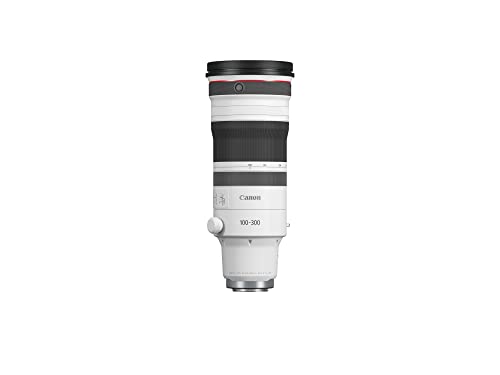
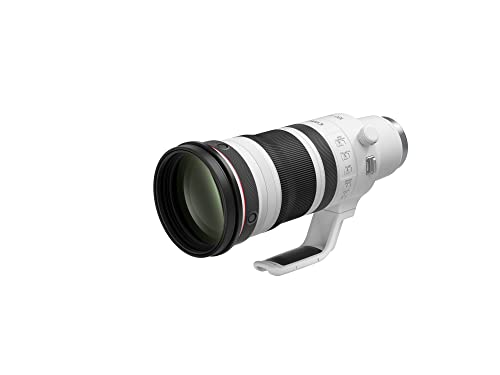
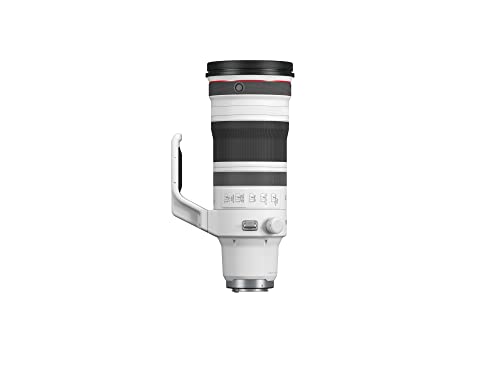
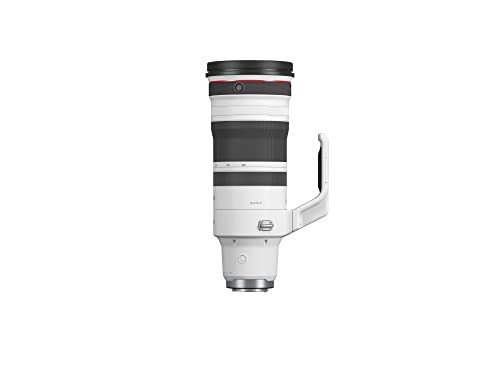
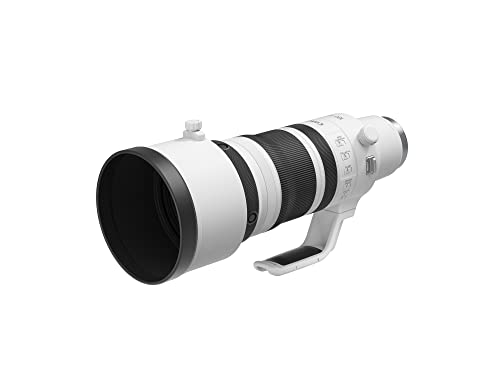
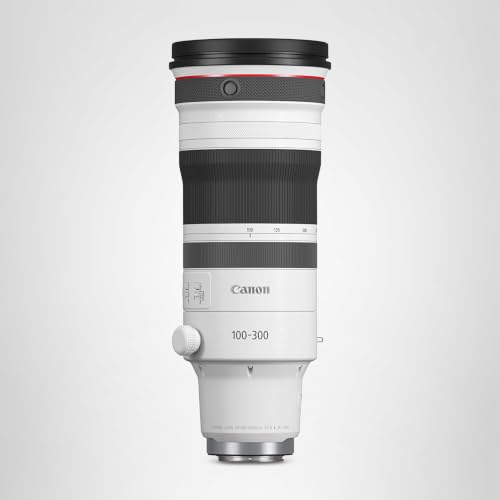
The price tag of $10,599 limits this lens to working professionals and serious enthusiasts. At 2,590g, it’s a two-handed (or monopod-mounted) lens. The 112mm drop-in filter system means traditional screw-on filters won’t work. For photographers who make a living from sports coverage, the RF 100-300mm pays for itself in versatility. For everyone else, the RF 70-200mm f/2.8 at a quarter of the price covers most needs.
Pricing & Where to Buy
The Canon RF 100-300mm f/2.8L IS USM is priced at $10,599 (as of March 2026). This is professional-grade glass priced accordingly.
- Buy on Amazon — Prime shipping available
- Check price at B&H Photo
- Check price at Adorama
- Buy used at KEH Camera — save with certified pre-owned
- Canon USA official store
Canon RF 70-200mm f/4L IS USM
Travel sports photographers and shooters who want L-series quality at reduced weight and cost
- Just 695g, nearly 40% lighter than the f/2.8 version
- L-series optical quality and weather sealing at $1,599
- 5-stop IS compensates for the one-stop aperture difference
- Internal zoom maintains balance during panning
- Excellent edge-to-edge sharpness even wide open
- One stop slower than f/2.8 limits indoor sports capability
- 200mm maximum limits reach for distant subjects
- Background blur is noticeably less than the f/2.8 version
The RF 70-200mm f/4L gives photographers 90% of the optical quality of the f/2.8 at 65% of the weight and 57% of the price. For outdoor daytime sports and travel, it’s the smarter choice for many shooters.
The Canon RF 70-200mm f/4L IS USM occupies the sweet spot between professional performance and practical portability. At 695g, it’s light enough to carry alongside a wider zoom without back fatigue. Photographers who cover marathons, trail running, and outdoor cycling events consistently praise its reliable AF lock on moving subjects without the weight penalty of the f/2.8.
Optically, the f/4L version is remarkably sharp. Edge-to-edge resolution matches or exceeds many older f/2.8 designs, and Canon’s latest coatings minimize flare when shooting into stadium lights or late-afternoon sun. The 5-stop IS makes handheld shooting at 200mm at 1/60s realistic for steady hands, though sports typically demand much faster shutter speeds anyway.
The one-stop aperture difference versus the f/2.8 is most noticeable indoors. Under gymnasium lighting, f/4 might require ISO 6400 where f/2.8 could stay at ISO 3200. On modern Canon bodies with excellent high-ISO performance, this gap is manageable, but it does reduce the maximum achievable shutter speed. For daytime outdoor sports in good light, the difference between f/2.8 and f/4 is negligible.


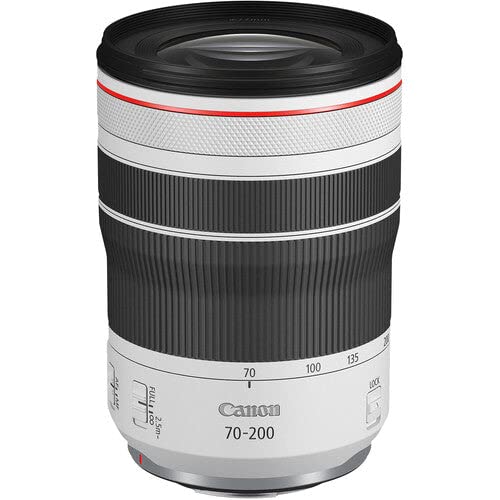
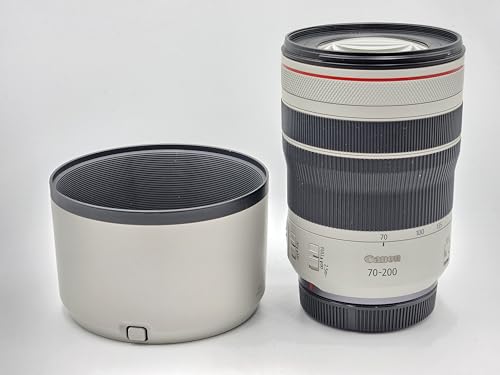

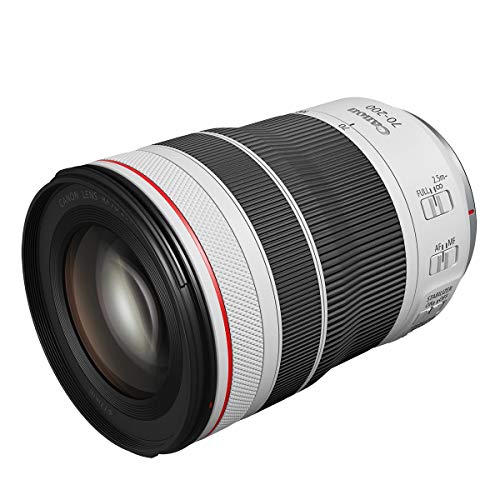
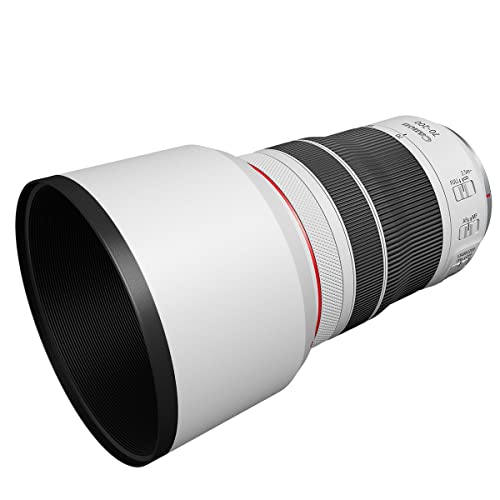
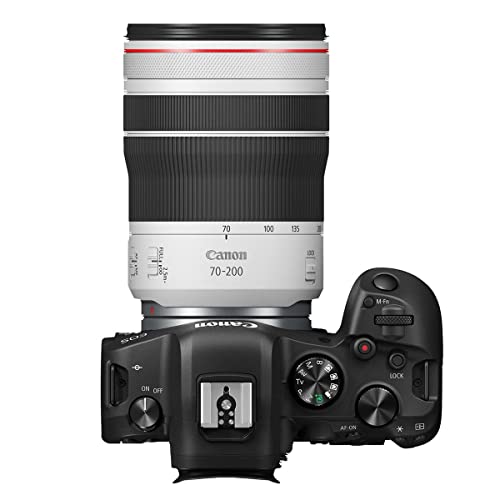

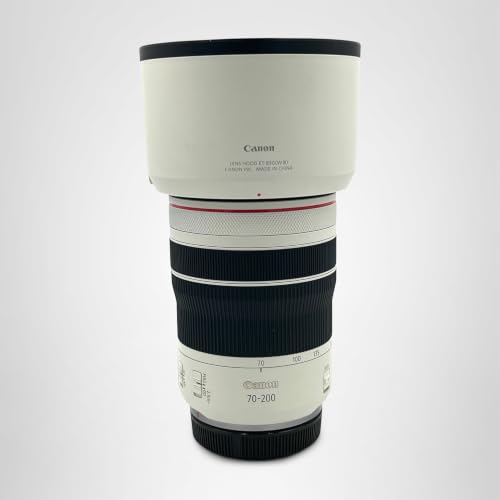
This lens is especially popular as a travel sports kit: pack it with an RF 24-70mm f/2.8L or RF 24-105mm f/4L and the combined weight is still under 2kg. For photographers who shoot sports photography as part of a broader assignment, rather than exclusively, it’s the practical choice.
Pricing & Where to Buy
The Canon RF 70-200mm f/4L IS USM is priced at $1,599 (as of March 2026), representing strong value for L-series telephoto performance.
- Buy on Amazon — Prime shipping available
- Check price at B&H Photo
- Check price at Adorama
- Buy used at KEH Camera — save with certified pre-owned
Canon RF 600mm f/4L IS USM
Professional wildlife photographers and sports agencies covering large venues
- f/4 aperture at 600mm delivers unmatched subject isolation and low-light reach
- Razor-sharp optics, the gold standard for wildlife image quality
- 5-stop IS enables handheld shooting in short bursts
- Accepts 1.4x extender for 840mm at f/5.6
- Full weather sealing with fluorine coatings
- $14,499 price puts it beyond most enthusiast budgets
- 3,090g requires tripod or monopod for sustained shooting
- Fixed focal length demands precise positioning
The RF 600mm f/4L is the professional wildlife and sports prime that agencies and full-time nature photographers rely on. The f/4 aperture at 600mm creates backgrounds that zoom lenses simply cannot replicate.
The Canon RF 600mm f/4L IS USM is the lens that defines professional wildlife photography. Every major nature documentary production crew, National Geographic field team, and Olympics sports photographer has used some version of a 600mm f/4 prime. The RF version brings this capability to Canon’s mirrorless system with improved autofocus integration and updated optical coatings.
The optical advantage of a fast 600mm prime over a zoom is visible in every frame. At f/4, backgrounds dissolve into smooth, creamy blur that makes subjects pop from the environment. A lion at 50 meters looks like it’s been cut out from a painting. A wide receiver catching a pass appears to float against the defocused crowd. No zoom lens at this focal length can create this effect.
With Canon’s 1.4x RF extender, the lens becomes an 840mm f/5.6, which is still fast enough for reliable autofocus and strong subject isolation. The 2x extender pushes it to 1200mm f/8, usable in bright conditions for extreme reach. These combinations give the 600mm f/4 owner effective coverage from 600-1200mm without carrying additional lenses.

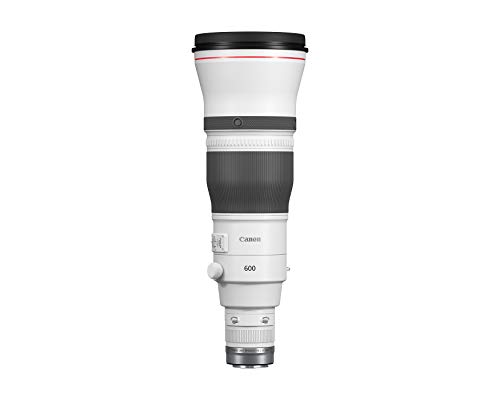
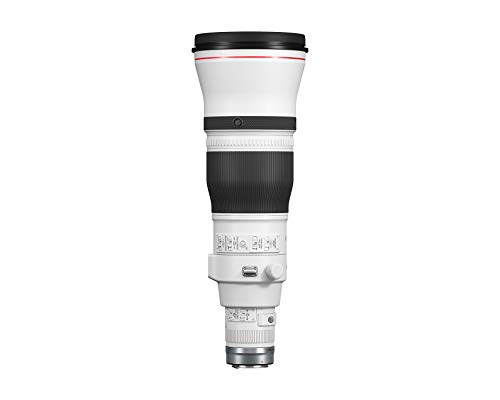
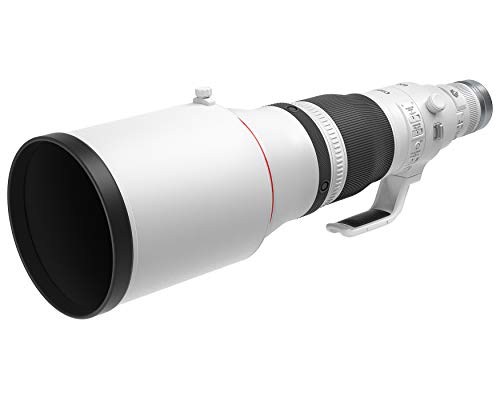
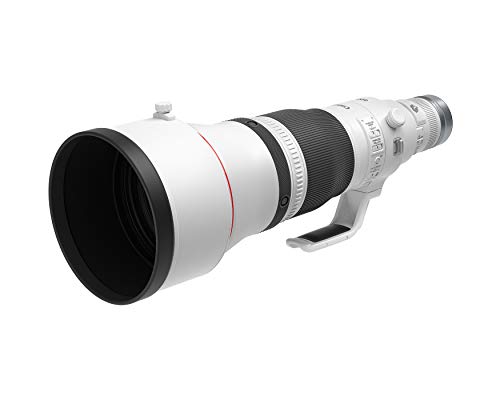
At $14,499 and 3,090g, this is an investment in both money and physical commitment. A sturdy tripod with a gimbal head or a monopod is essential equipment. Most wildlife photographers who own this lens consider it the centerpiece of their kit, with everything else serving as backup. For serious wildlife photography, it remains the standard.
Pricing & Where to Buy
The Canon RF 600mm f/4L IS USM is priced at $14,499 (as of March 2026). This is a professional investment-grade lens.
- Buy on Amazon — Prime shipping available
- Check price at B&H Photo
- Check price at Adorama
- Buy used at KEH Camera — save with certified pre-owned
Canon RF 400mm f/2.8L IS USM
Elite sports photographers shooting under stadium lights and at indoor arenas at distance
- f/2.8 at 400mm is the ultimate combination for low-light telephoto sports
- Under 2,890g, lighter than previous 400mm f/2.8 designs
- With 1.4x extender: 560mm f/4, a complete sports kit in one lens
- Exceptional sharpness and color rendition across the frame
- 5-stop IS allows handheld use despite the focal length
- $13,399 is an extreme investment
- Fixed 400mm focal length requires precise working distance
- Still requires monopod or gimbal for extended sessions
The RF 400mm f/2.8L is the single fastest long telephoto in the Canon RF system. Professional sports agencies choose this lens for its ability to capture sharp, well-exposed images under the worst stadium lighting conditions.
The Canon RF 400mm f/2.8L IS USM is the lens of choice at the world’s biggest sporting events. At f/2.8, it lets in twice as much light as an f/4 lens, enabling shutter speeds fast enough to freeze a sprinter mid-stride even under dim stadium lights. The background blur at f/2.8 and 400mm creates the instantly recognizable “sports photo” look: a tack-sharp athlete against a smooth, colorful wash of crowd and field.
Canon engineered the RF version to be lighter than its EF predecessor, coming in at 2,890g. While that’s still a substantial lens, users on social media note that the weight reduction makes handheld shooting more feasible. With the 1.4x extender attached, it becomes a 560mm f/4, which is essentially a 600mm f/4 with slightly less reach. Some sports photographers use this combination as their primary kit: bare lens for near action, extender for distant plays.
The autofocus system in the RF 400mm f/2.8L is among the fastest Canon has ever produced. Combined with the subject detection and tracking on the R3 or R1, it locks onto and follows athletes through complex movements with near-perfect consistency. Wildlife photographers also use this lens for larger mammals where the slightly shorter reach (versus 600mm) is compensated by the faster aperture for dawn and dusk shooting.

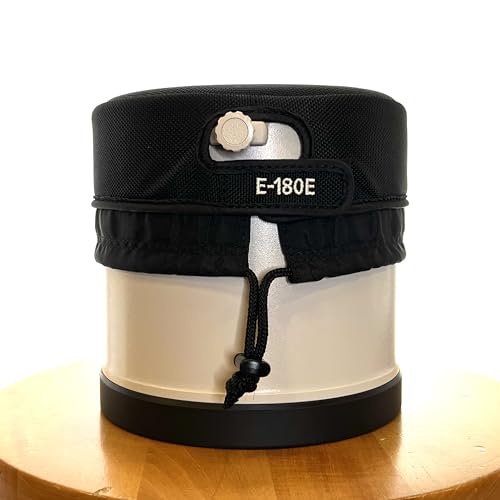
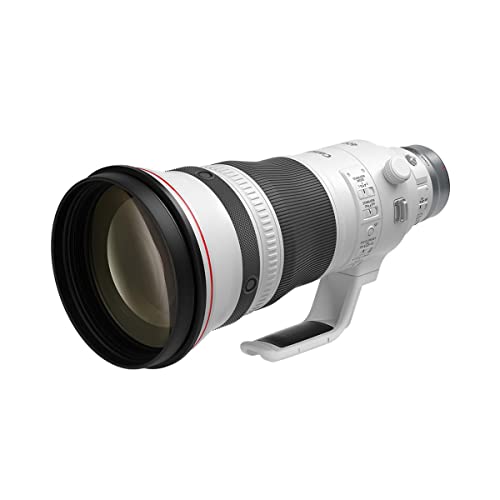
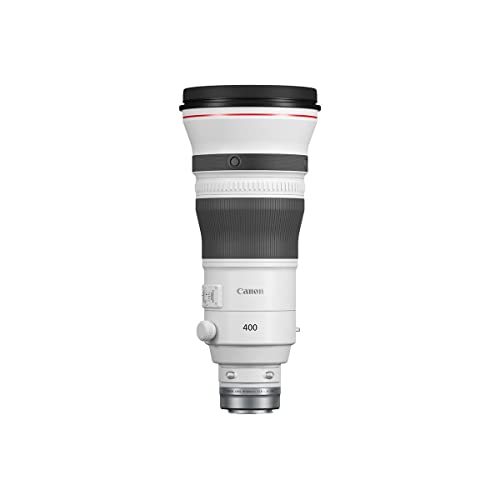
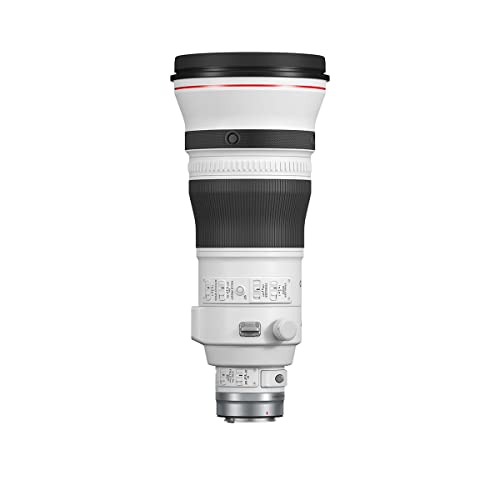
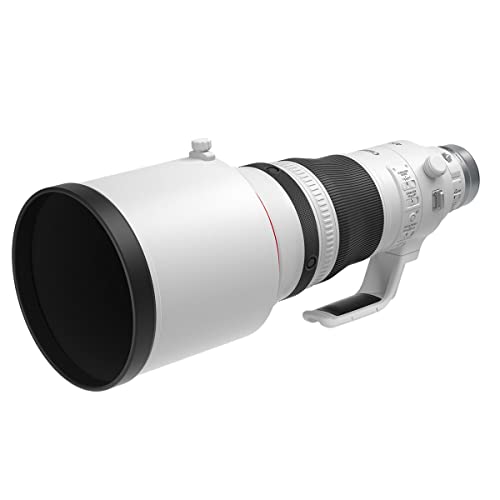
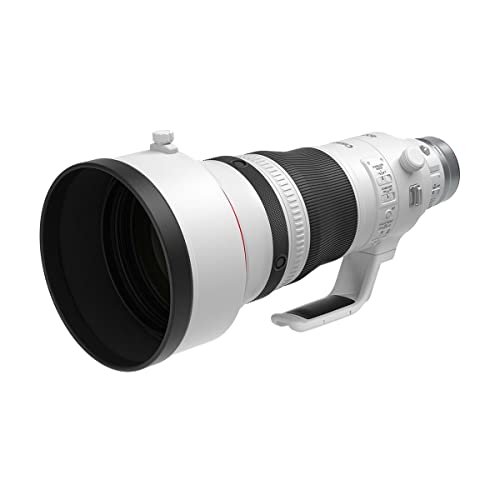
At $13,399, this is a professional tool that most photographers will never own. Rental services offer it for major events, and for agencies that cover sports full-time, it’s a business expense that directly impacts the quality of their output. If budget is the primary concern, the RF 70-200mm f/2.8L provides similar light-gathering ability at a quarter of the price, albeit with less reach.
Pricing & Where to Buy
The Canon RF 400mm f/2.8L IS USM is priced at $13,399 (as of March 2026). Consider rental options for occasional use.
- Buy on Amazon — Prime shipping available
- Check price at B&H Photo
- Check price at Adorama
- Buy used at KEH Camera — save with certified pre-owned
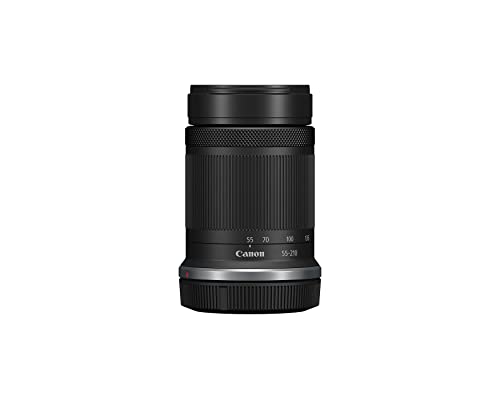
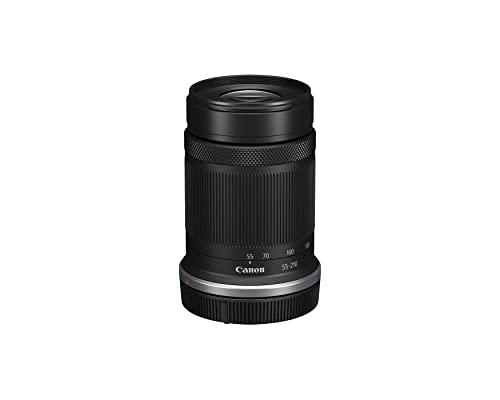
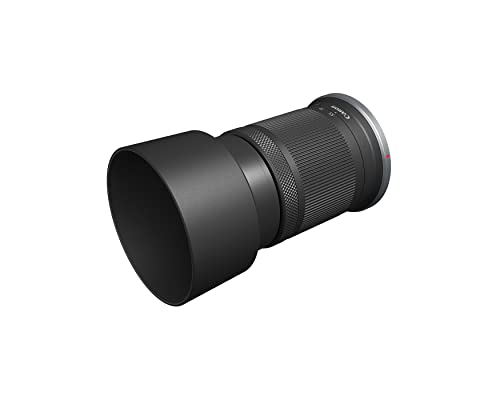
Canon RF-S 55-210mm f/5-7.1 IS STM
APS-C Canon RF shooters on a tight budget who want basic telephoto reach
- Incredibly lightweight at just 210g, barely noticeable on the camera
- Affordable at $409, the cheapest RF telephoto option
- 88-336mm equivalent on APS-C provides useful sports reach
- 4.5-stop IS helps compensate for the slow aperture
- Highly rated at 4.7 stars across 254 reviews
- APS-C only, not compatible with full-frame RF bodies
- Variable f/5-7.1 aperture severely limits indoor use
- STM motor is adequate but not fast enough for erratic bird-in-flight tracking
The RF-S 55-210mm is the starting point for APS-C Canon shooters who want to try wildlife or sideline sports without a large investment. At 210g and $409, it’s the lowest-commitment way to see if long-telephoto photography is worth pursuing.
The Canon RF-S 55-210mm f/5-7.1 IS STM is the lens for Canon APS-C mirrorless shooters who want telephoto reach without the cost or weight of full-frame glass. On an EOS R7, R10, or R50, it provides an effective 88-336mm equivalent focal length, which is enough for sideline youth sports and garden wildlife at close range.
At just 210g, this lens practically disappears on the camera. Combined with a lightweight APS-C body, the total kit weighs under 700g, making it effortless to carry on hikes or trips where wildlife encounters are a possibility rather than the primary goal. The 4.5-stop IS keeps images sharp during casual handheld use, and autofocus is reliable for subjects that aren’t moving at extreme speeds.
The limitations are proportional to the price. At f/7.1 on the long end, indoor sports and overcast conditions push ISO requirements high, resulting in visible noise on APS-C sensors. Autofocus tracking lags behind USM-equipped lenses when subjects change direction rapidly. This lens works best in bright outdoor conditions where the slow aperture isn’t a bottleneck.


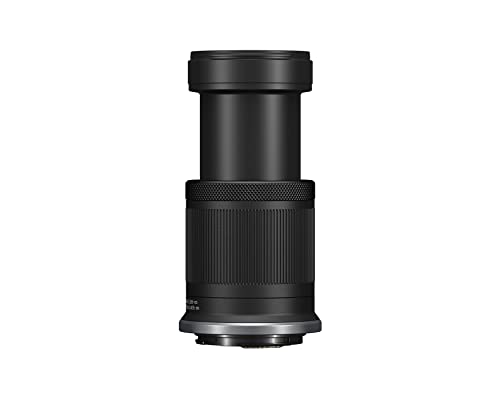
For photographers testing whether they enjoy wildlife or sports photography before committing to expensive glass, the RF-S 55-210mm is a low-risk way to find out. If the hobby sticks, the natural upgrade path is the RF 100-400mm f/5.6-8 (which also works on APS-C bodies for 160-640mm equivalent reach) or the full-frame RF 100-500mm L.
Pricing & Where to Buy
The Canon RF-S 55-210mm f/5-7.1 IS STM is priced at $409 (as of March 2026), making it the most affordable entry point for Canon RF telephoto photography.
- Buy on Amazon — Prime shipping available
- Check price at B&H Photo
- Check price at Adorama
Choose the Best Canon RF Sports Lens
The right Canon RF sports lens depends entirely on the shooting scenario and budget. For the broadest capability in a single lens, the Canon RF 100-500mm f/4.5-7.1L IS USM earns the top recommendation. It covers outdoor sports from the sidelines, wildlife from a hide, and birds in flight, all without changing lenses.
Indoor sports photographers should prioritize the Canon RF 70-200mm f/2.8L IS USM for its low-light advantage, while budget-conscious photographers will find the Canon RF 100-400mm f/5.6-8 IS STM at $699 delivers impressive reach for casual wildlife and youth sports.
For extreme reach, the Canon RF 200-800mm f/6.3-9 IS USM opens up birding and aviation photography at a fraction of the cost of super-telephoto primes. Professional sports photographers who need the best low-light performance should consider the RF 100-300mm f/2.8L or the RF 400mm f/2.8L, depending on whether zoom flexibility or maximum reach is the priority. Whatever the budget or use case, Canon’s RF lens lineup has a sports option that fits.
Best Canon RF Sports Lenses: Final Recommendations
Canon RF 100-500mm f/4.5-7.1L IS USM
Canon RF 70-200mm f/2.8L IS USM
Canon RF 100-400mm f/5.6-8 IS STM
Canon RF 200-800mm f/6.3-9 IS USM
Canon RF 100-300mm f/2.8L IS USM
Canon RF 70-200mm f/4L IS USM


Disclosure/Disclaimer: As an Amazon Associate, we earn from qualifying purchases. Certain content was provided "as is" from Amazon and is subject to change or removal at any time. Product prices and availability: Amazon prices are updated daily or are accurate as of the date/time indicated and are subject to change. Any price and availability information displayed on Amazon.com at the time of purchase will apply to the purchase of this product.