

A distant harrier sweeps across the estuary at dusk. At 2000mm+ equivalent, every gust becomes a blur multiplier, and a slow autofocus lock means the bird clears the frame before the shutter fires. Superzoom bridge cameras solve a specific problem: they concentrate extreme telephoto reach, image stabilization, and usable controls into a single body light enough for all-day fieldwork without a bag full of interchangeable lenses.
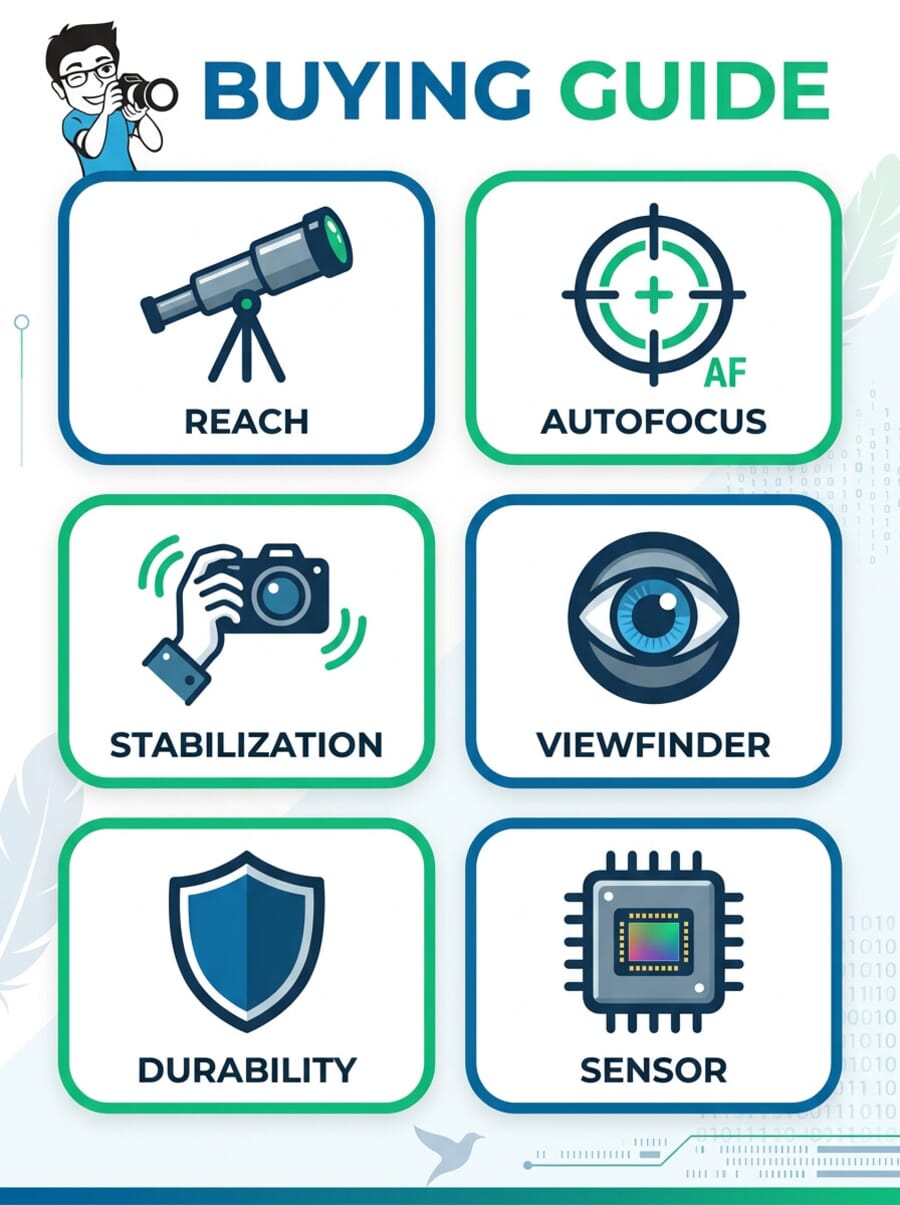
This guide compares the 4 best superzoom cameras for birding currently available, scored on optical reach, autofocus tracking, stabilization at full telephoto, EVF quality, and real-world durability. The Nikon COOLPIX P1100 leads with a 92/100 for its 125x zoom, improved stabilization, and bird-watching mode, while the Nikon COOLPIX P1000 earns 78/100 as a proven 3000mm workhorse with RAW and 4K at a lower price.
Each pick below includes honest pros, cons, pricing with multi-retailer links, and practical guidance on who each camera suits best, whether that is shorebird identification across mudflats or backyard feeder photography.
When you buy through links on our site, we may earn a commission at no cost to you. We evaluate products independently. Commissions do not affect our evaluations. As an Amazon Associate, we earn from qualifying purchases.
Top Picks


Superzoom Birding Camera Comparison
| Specifications | ||||
|---|---|---|---|---|
| Rating | 92/100 | 78/100 | 63/100 | 61/100 |
| Optical Zoom | 125x | 125x | 83x | 83x |
| Equivalent Focal Length | 24-3000mm | 24-3000mm | 24-2000mm | 24-2000mm |
| Image Stabilization | Dual Detect Optical VR | Dual Detect Optical VR | Dual Detect Optical VR | Lens Shift VR |
| Video | 4K UHD | 4K UHD | 4K UHD | 1080p 60fps |
| RAW Format | Yes (NRW) | Yes (NRW) | Yes (NRW) | No |
| Sensor | 16MP 1/2.3" BSI CMOS | 16MP 1/2.3" BSI CMOS | 16MP 1/2.3" BSI CMOS | 16MP 1/2.3" BSI CMOS |
| EVF | 2.36M-dot OLED | 2.36M-dot OLED | 2.36M-dot OLED | 921k-dot EVF |
| Max Aperture (Tele) | f/8 | f/8 | f/6.5 | f/6.5 |
| Release Year | 2024 | 2018 | 2020 | 2015 |
Nikon COOLPIX P1100 Superzoom Digital Camera | 125x Optical Zoom with Image Stabilization…
Birders who want the longest reach available in a single portable body with modern features including bird-watching mode, RAW capture, 4K video, and improved stabilization.
- 125x optical zoom reaching 24-3000mm equivalent covers even the most distant subjects
- Dual Detect Optical VR keeps handheld shots usable at extreme focal lengths
- Bird-watching mode, 4K UHD video, RAW (.NRW), and USB-C charging for modern workflow
- AF can hunt on fast-moving or erratic birds at maximum zoom
- No official weather sealing for harsh field conditions
The P1100 puts 3000mm equivalent reach in one body with Dual Detect Optical VR, a dedicated bird-watching mode, 4K UHD, and RAW (.NRW) output. It handles perched and slow-moving subjects confidently but may hunt on erratic flyers at maximum zoom. No official weather sealing means a rain cover is essential for all-weather fieldwork.
Sample Photos with Nikon Coolpix P1100


The Nikon COOLPIX P1100 takes the top spot with the strongest combination of reach, stabilization, and modern features in this category. Its 125x optical zoom covers a 24-3000mm equivalent range, letting birders frame distant shorebirds, perched raptors, and even the moon without swapping lenses. The 16MP BSI CMOS sensor paired with Nikon’s EXPEED processor delivers clean files at ISO 100-800, and RAW (.NRW) capture preserves feather detail for sharpening in post.
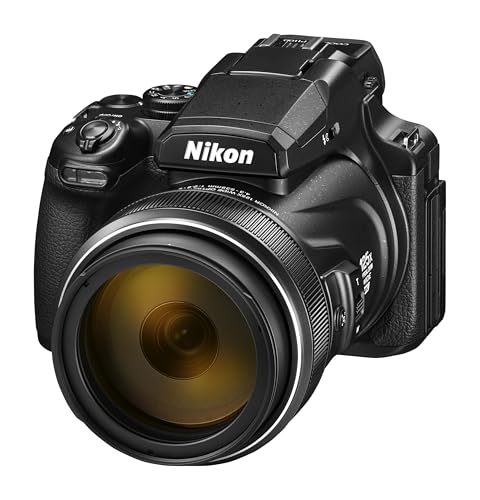
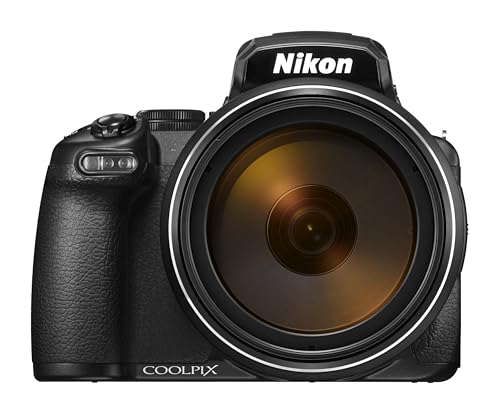
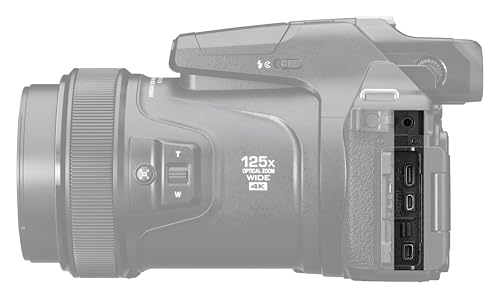
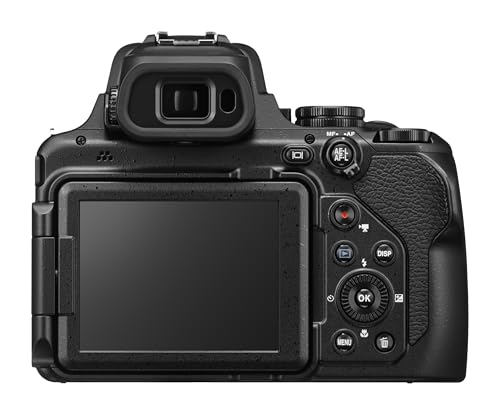
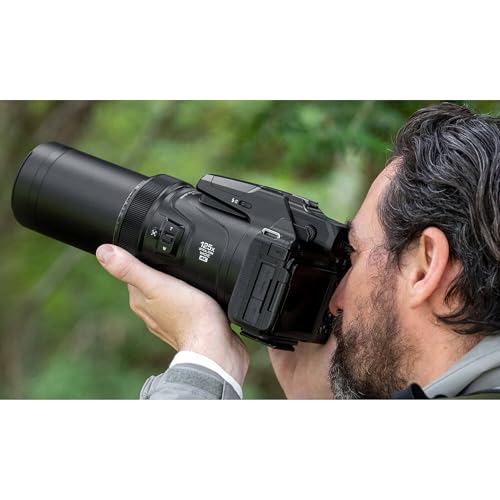
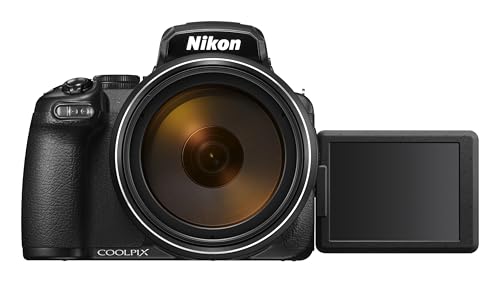
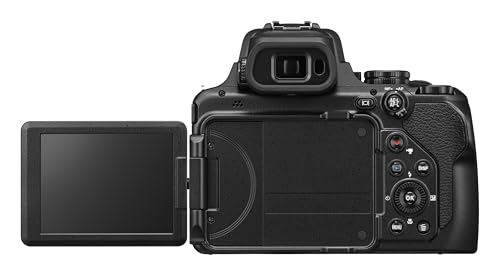
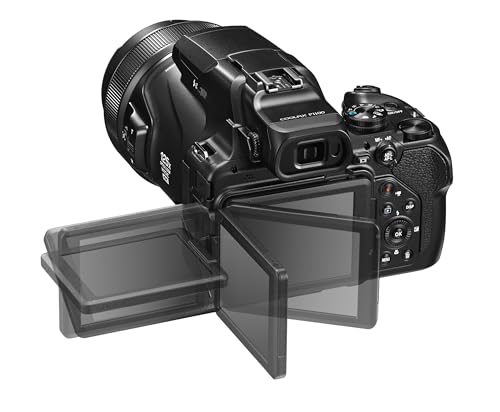
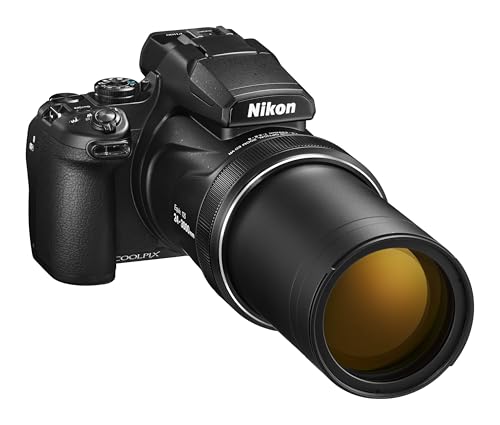
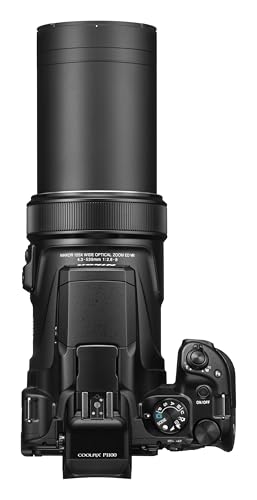
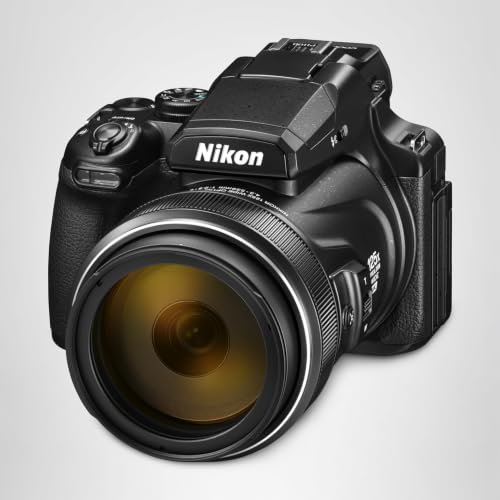
Dual Detect Optical VR is the standout upgrade over the older P1000. It reads both lens and image sensor movement to counteract shake more effectively at extreme focal lengths, which matters most when handholding at 2000mm+ in variable wind. The dedicated bird-watching mode optimizes settings for feathered subjects, and a snap-back zoom button lets birders temporarily zoom out to relocate a bird that has drifted out of frame, then snap back to the original focal length.
The 2.36M-dot OLED EVF is bright enough for tracking in direct sunlight, and the vari-angle LCD works well for low-angle shots from hides or boardwalk railings. 4K UHD video captures behavior footage with full stabilization, and USB-C charging means a power bank extends shooting past the roughly 250-shot battery rating. The main limitation is autofocus, which can hesitate on fast, erratic flyers at maximum zoom since the P1100 lacks dedicated bird-eye detection AF found on mirrorless systems. For perched birds and slow gliders, though, it locks on reliably.
Pricing & Where to Buy
The Nikon COOLPIX P1100 is priced at $1,047 (as of March 2026) for the camera body only. It includes a lens cap, battery, USB-C cable, and strap.
- Buy on Amazon — Prime shipping available
- Check price at B&H Photo
- Check price at Adorama
- Nikon official store
Nikon COOLPIX P1000 Superzoom Digital Camera | 125x Optical Zoom with Image Stabilization…
Birders who want the same 125x / 3000mm reach as the P1100 at a lower price and are willing to accept an older AF system and slightly less effective stabilization.
- 125x optical zoom reaching 24-3000mm equivalent — same class-leading reach as the P1100
- RAW (.NRW) and 4K UHD video with full manual controls for serious post-processing
- Proven reliability with 737 reviews and 4.4-star average over years of field use
- Contrast-detect AF is slower than newer systems — struggles with fast birds in flight
- No weather sealing or bird-specific shooting modes
The P1000 delivers identical 3000mm equivalent reach as the P1100 with RAW, 4K, and Dual Detect VR. AF is contrast-detect based and slower to lock than the P1100, especially on fast birds. No weather sealing and no bird-watching mode, but the proven 125x lens and strong 737-review track record make it a reliable choice for patient birders.
Sample Photos with Nikon Coolpix P1000


The Nikon COOLPIX P1000 remains the camera that put consumer 3000mm reach on the map. Its 125x optical zoom covers the same 24-3000mm equivalent range as the newer P1100, making it capable of isolating distant raptors on ridgelines, pulling in shorebirds across wide mudflats, and even capturing detailed moon shots. The 16MP BSI CMOS sensor and EXPEED processor produce clean results at low ISO, and RAW (.NRW) capture gives full post-processing flexibility.
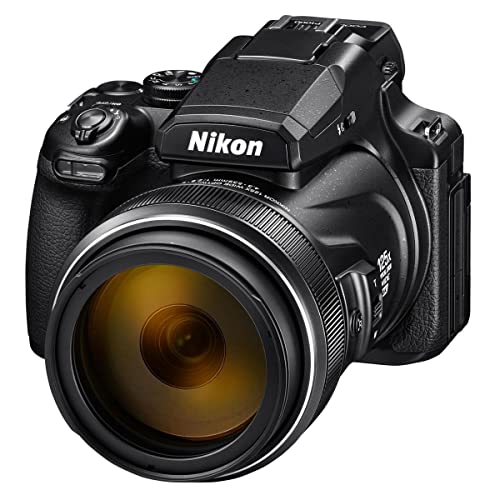
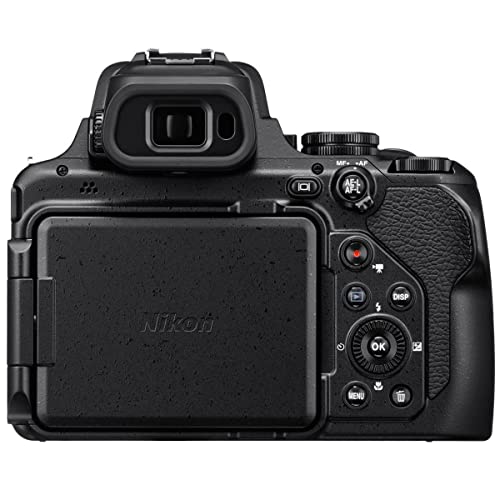
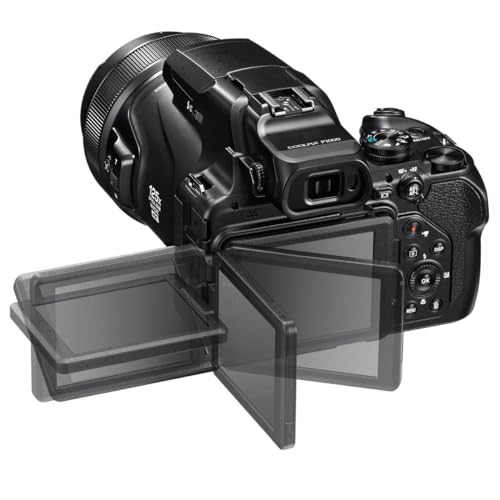
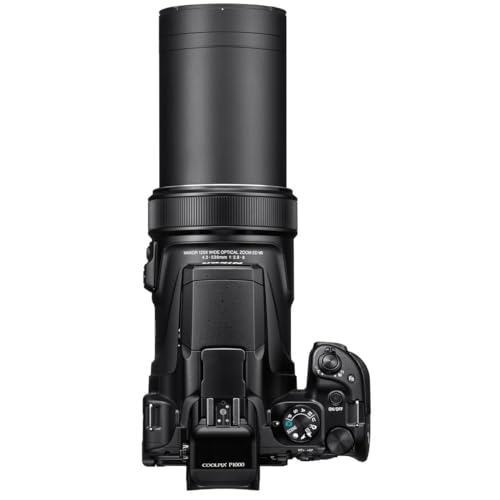
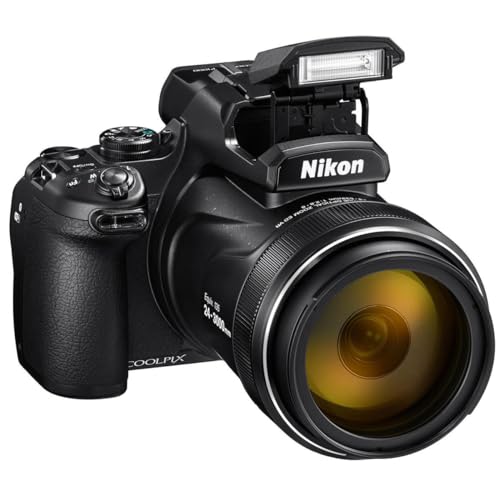
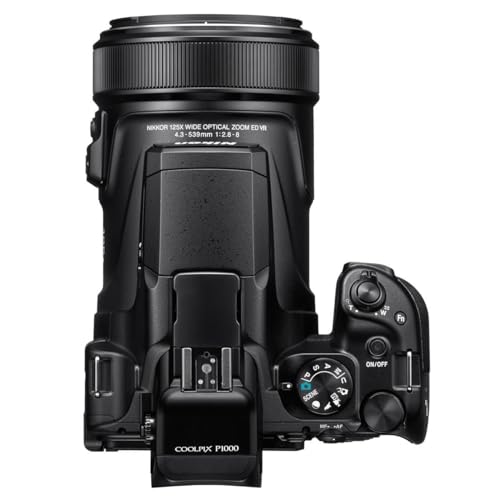
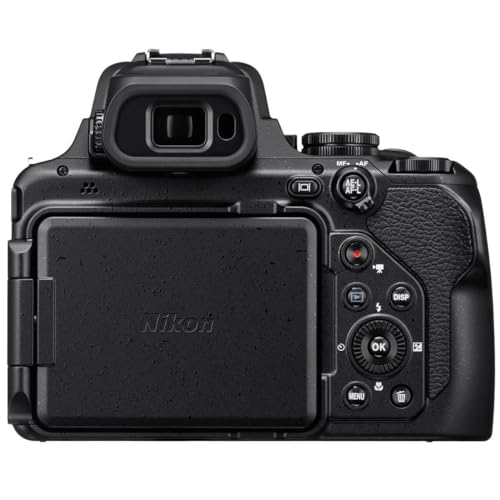
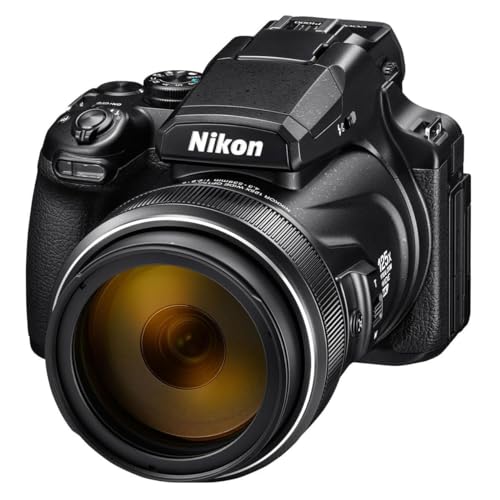
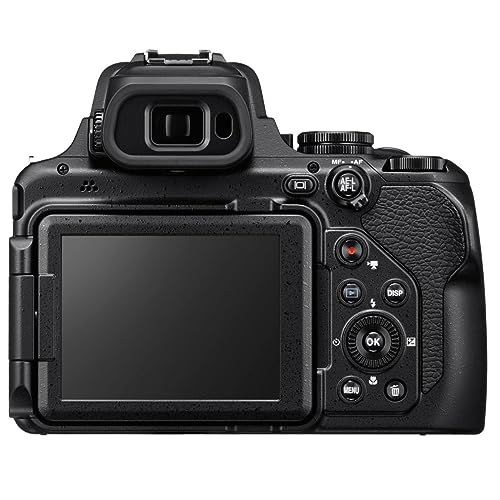
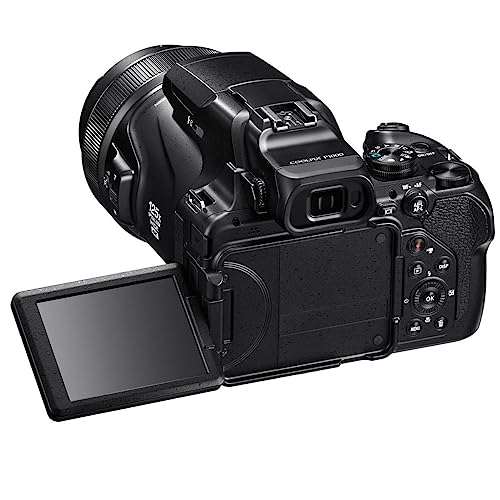
Dual Detect VR stabilization keeps handheld shooting practical at moderate zoom ranges, though at 3000mm a monopod or window clamp noticeably improves sharpness. The 2.36M-dot OLED EVF matches the P1100’s specification, delivering a bright, lag-free view for tracking moving subjects. The vari-angle 3.2-inch LCD handles low-angle framing from hides, and 4K UHD video records behavior footage with full stabilization.
Where the P1000 shows its age is autofocus. It uses contrast-detect AF without bird or animal recognition, meaning birders need to be more patient and deliberate with focus acquisition, especially on small or fast-moving targets at full zoom. The grip and controls are comfortable for long sessions, and quick-access zoom controls make reacquiring lost subjects smoother. At roughly $970 (as of March 2026), it undercuts the P1100 while delivering the same reach, making it the value pick for birders who prioritize maximum zoom over cutting-edge AF.
Pricing & Where to Buy
The Nikon COOLPIX P1000 is priced at $976 (as of March 2026). It includes a lens hood, lens cap, battery, charger, USB cable, and strap.
- Buy on Amazon — Prime shipping available
- Check price at B&H Photo
- Check price at Adorama
- Buy used at KEH Camera — save with certified pre-owned
Nikon COOLPIX P950 Superzoom Digital Camera | 83x Optical Zoom with Image Stabilization…
Birders who want strong 2000mm reach in a lighter, more affordable body and do not need the full 3000mm range of the P1000 or P1100.
- 83x optical zoom reaching 24-2000mm equivalent handles most birding distances comfortably
- Lighter and more compact than 125x models, making it easier to carry on long hikes
- RAW (.NRW), 4K UHD, hot shoe, and Dual Detect VR deliver solid versatility at a sub-$800 price
- 83x reach cannot match 125x models for ultra-distant subjects across open water
- No bird-detection AF or weather sealing limits confidence on fast birds and in harsh conditions
The P950 offers 83x zoom to 2000mm equivalent with RAW, 4K UHD, Dual Detect VR, and a hot shoe for accessories, all in a smaller body than the 125x models. It cannot match 3000mm reach and lacks bird-detection AF, but the lighter weight and lower price make it practical for travel birding and day hikes where portability matters.
Sample Photos with Nikon COOLPIX P950


The Nikon COOLPIX P950 strikes a practical balance between reach and portability. Its 83x optical zoom covers a 24-2000mm equivalent range, which handles the vast majority of birding situations: feeder photography, woodland trails, and shorebird identification from a reasonable distance. The 2000mm ceiling is shorter than the P1100 and P1000’s 3000mm, but it is more than enough for birders who typically shoot at 1000-1500mm and only occasionally need the extra reach.


The P950 shares the same 16MP BSI CMOS sensor and RAW (.NRW) capability as its bigger siblings, so image quality and post-processing flexibility are comparable. 4K UHD video records at 30fps with stabilization, and the hot shoe accepts an external flash or microphone for more versatile field setups. Dual Detect Optical VR keeps handheld shots steady, and the 2.36M-dot OLED EVF provides a clear, lag-free view for tracking.
The compact body is noticeably lighter and smaller than the P1000 or P1100, which matters on long hikes or multi-day trips where every gram counts. Controls are well-placed with assignable function buttons, and the vari-angle LCD handles low-angle compositions from ground-level hides. The main trade-off is reach: for shorebirds across wide estuaries or distant raptors on thermals, 2000mm may not be enough, and birders who routinely need more should step up to the P1000 or P1100.
Pricing & Where to Buy
The Nikon COOLPIX P950 is priced at $747 (as of March 2026) for the camera-only configuration. A starter kit with a 64GB card and basic accessories is also available.
- Buy on Amazon — Prime shipping available
- Check price at B&H Photo
- Check price at Adorama
- Buy used at KEH Camera — save with certified pre-owned
Nikon COOLPIX P900 Digital Camera (Black)
Budget-minded birders getting into superzoom photography who shoot in daylight and primarily photograph perched or slow-moving birds.
- 83x optical zoom reaching 24-2000mm equivalent for distant bird identification and perch shots
- Lens Shift VR, vari-angle LCD, and built-in GPS keep fieldwork practical and geotagged
- Lowest price point makes it accessible for beginners entering superzoom birding
- No RAW support limits post-processing flexibility for feather detail recovery
- Basic contrast-detect AF and 921k-dot EVF make tracking fast birds more difficult than newer models
The P900 delivers 83x zoom to 2000mm equivalent with lens-shift VR, GPS, and simple controls at the lowest price in this lineup. No RAW support, no 4K, and a basic EVF limit post-processing flexibility and tracking ease, but the price makes it the most affordable entry into long-reach birding.
Sample Photos with Nikon COOLPIX P900


The Nikon COOLPIX P900 is the budget gateway to superzoom birding. Its 83x optical zoom covers a 24-2000mm equivalent range, putting distant perching birds, wading shorebirds, and backyard feeder visitors within frame-filling distance. The 16MP 1/2.3-inch CMOS sensor produces clean JPEGs in good light, and lens-shift VR keeps handheld shooting viable at moderate focal lengths.
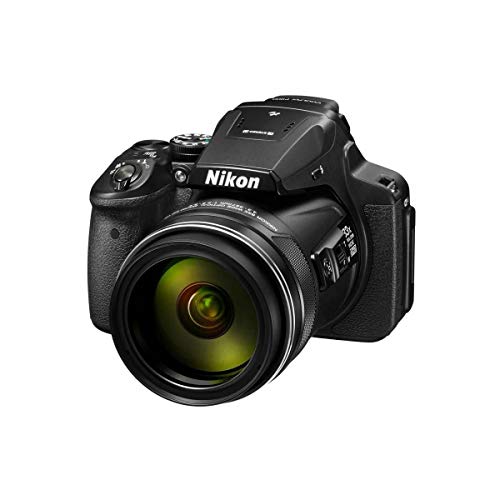
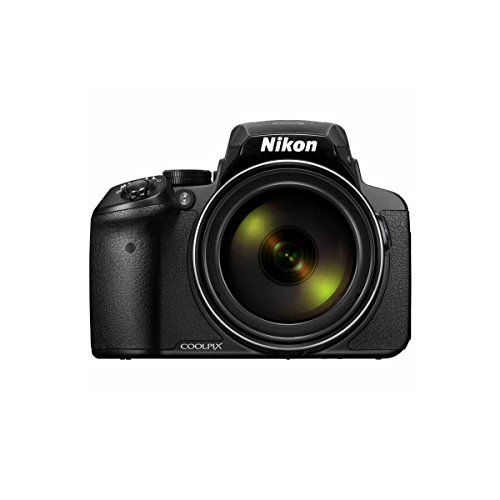
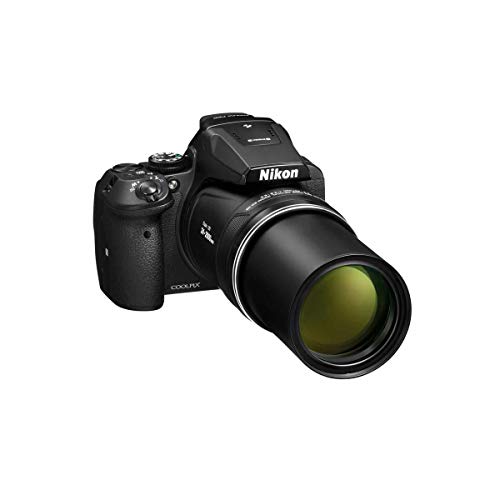
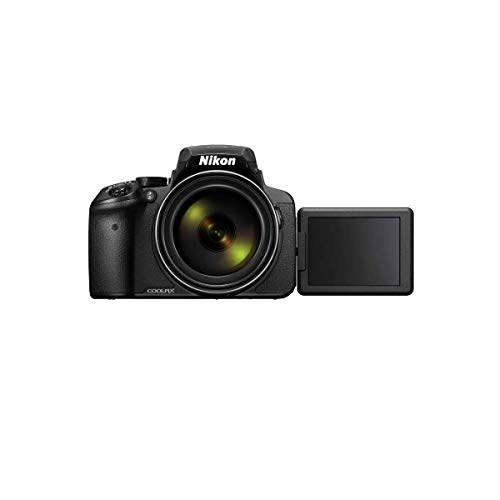
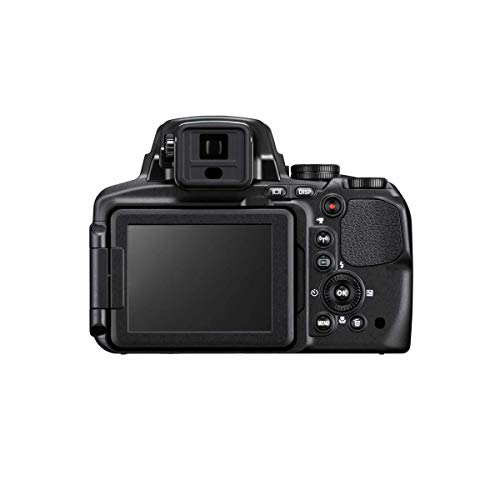
The P900 was the camera that proved consumer-level superzoom birding was viable, and its influence is visible in every model that followed. Built-in GPS geotags every shot with location data, which is genuinely useful for birders tracking sighting locations. Wi-Fi and NFC handle image transfer without cables, and the vari-angle LCD works for low-angle shots from hides. Full HD 1080p at 60fps records smooth behavior clips, though the lack of 4K is a clear limitation for those who crop footage.
The biggest compromises are the lack of RAW support and a less refined EVF. JPEG-only output means feather detail cannot be recovered as aggressively in post, and the 921k-dot EVF is noticeably less crisp than the 2.36M-dot OLED panels on the P950, P1000, and P1100. Autofocus is basic contrast-detect without any subject recognition, so fast or erratic birds require patience and technique. For daylight shooting of perched subjects, the P900 still delivers excellent results at a price that makes it the easiest recommendation for beginners.
Pricing & Where to Buy
The Nikon COOLPIX P900 is priced at $769 (as of March 2026). Note that as a discontinued model, prices fluctuate with remaining stock. It includes a battery, charger, lens cap, strap, and USB cable.
- Buy on Amazon
- Search at B&H Photo
- Buy used at KEH Camera — save with certified pre-owned
Choose the Best Superzoom Camera for Birding
The right superzoom depends on how far away the birds are and how much post-processing flexibility matters. For maximum reach across open water and estuaries, the Nikon COOLPIX P1100 is the strongest overall package with its improved stabilization and bird-watching mode. The Nikon COOLPIX P1000 delivers the same 3000mm reach at a lower price for birders who can work around slower AF.
For birders who rarely need beyond 2000mm and value a lighter kit, the Nikon COOLPIX P950 strikes the best balance of reach, weight, and price. And the Nikon COOLPIX P900 remains the most affordable way to start superzoom birding, even without RAW or 4K, because the 2000mm reach alone opens up subjects that no standard camera can frame.
Related Posts
Final Picks by Use Case
Nikon COOLPIX P1100 Superzoom
Nikon COOLPIX P1000 Superzoom
Nikon COOLPIX P950 Superzoom
Nikon COOLPIX P900
Disclosure/Disclaimer: As an Amazon Associate, we earn from qualifying purchases. Certain content was provided "as is" from Amazon and is subject to change or removal at any time. Product prices and availability: Amazon prices are updated daily or are accurate as of the date/time indicated and are subject to change. Any price and availability information displayed on Amazon.com at the time of purchase will apply to the purchase of this product.