


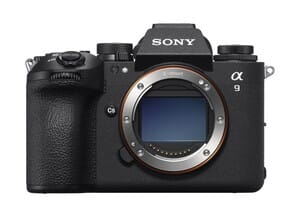
- Sony A9 III tops the list with a global shutter, 120 fps burst, and blackout-free shooting for zero-compromise sports coverage.
- Canon EOS R6 Mark III delivers 40 fps mechanical shutter bursts and deep buffers at a more accessible price point.
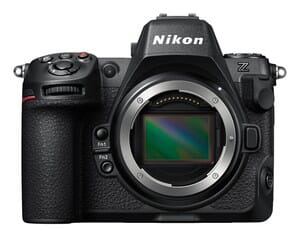
- Nikon Z8 pairs a 45.7 MP sensor with 20 fps continuous shooting and pro-grade weather sealing for all-conditions sports work.
- Canon EOS R7 offers APS-C reach advantage with 15 fps mechanical and 30 fps electronic burst at under $1,500.
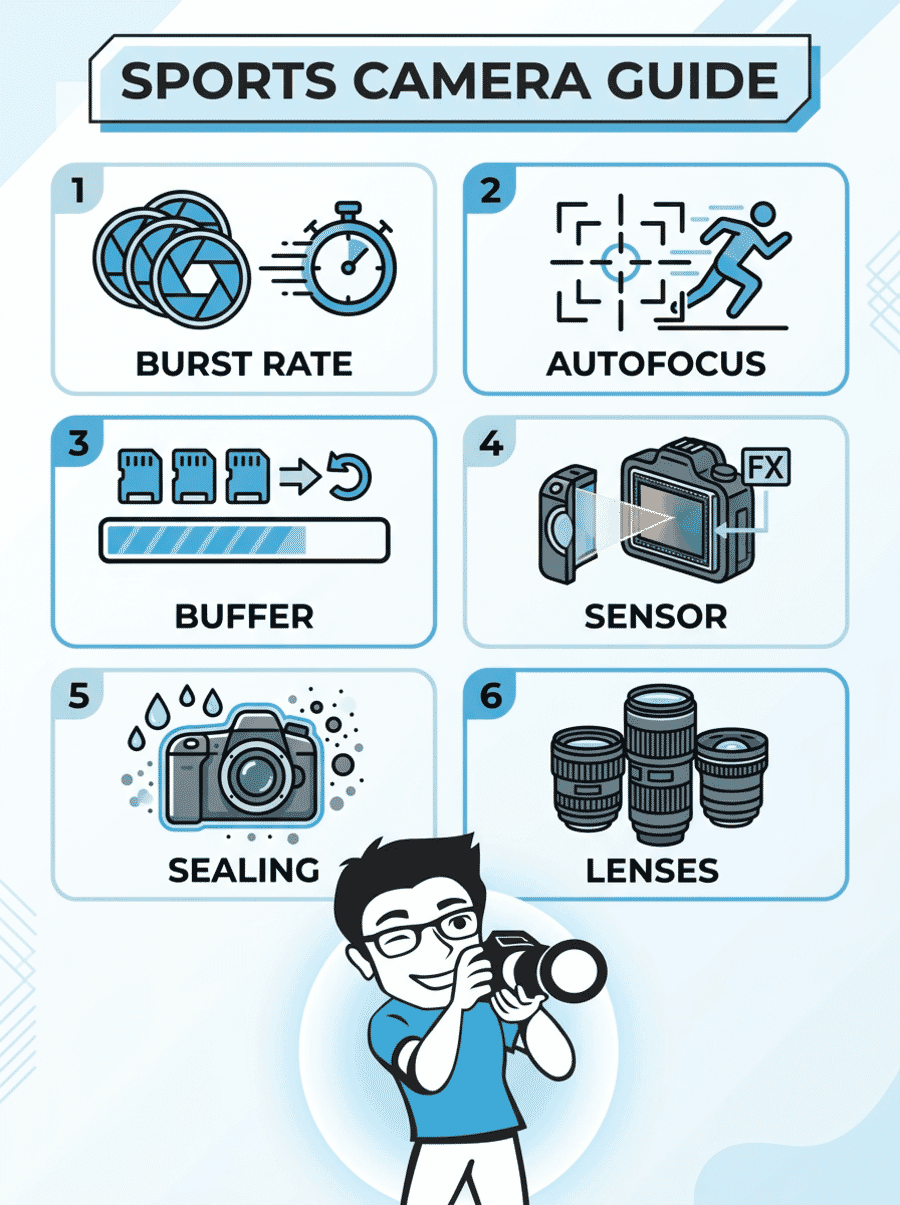
- Buying guide breaks down burst rate, autofocus systems, buffer depth, and weather sealing to match the right camera to your sport.
- Nikon Z50 II and Canon EOS R10 prove entry-level cameras can still track fast action under $1,000.
Best Cameras for Sports Photography
Sports photography demands more from a camera than almost any other genre. A split-second delay in autofocus tracking, a shallow buffer that chokes mid-burst, or a viewfinder blackout at the wrong moment can mean the difference between a cover-worthy frame and a blurry miss. The best sports cameras combine relentless continuous autofocus, high burst rates measured in double digits, and buffers deep enough to sustain long shooting sequences without slowing down.
Lens news: Canon’s rumored RF 300-600mm F5.6L IS VCM could arrive before the FIFA World Cup 2026 — a potential game-changer for Canon sports shooters.
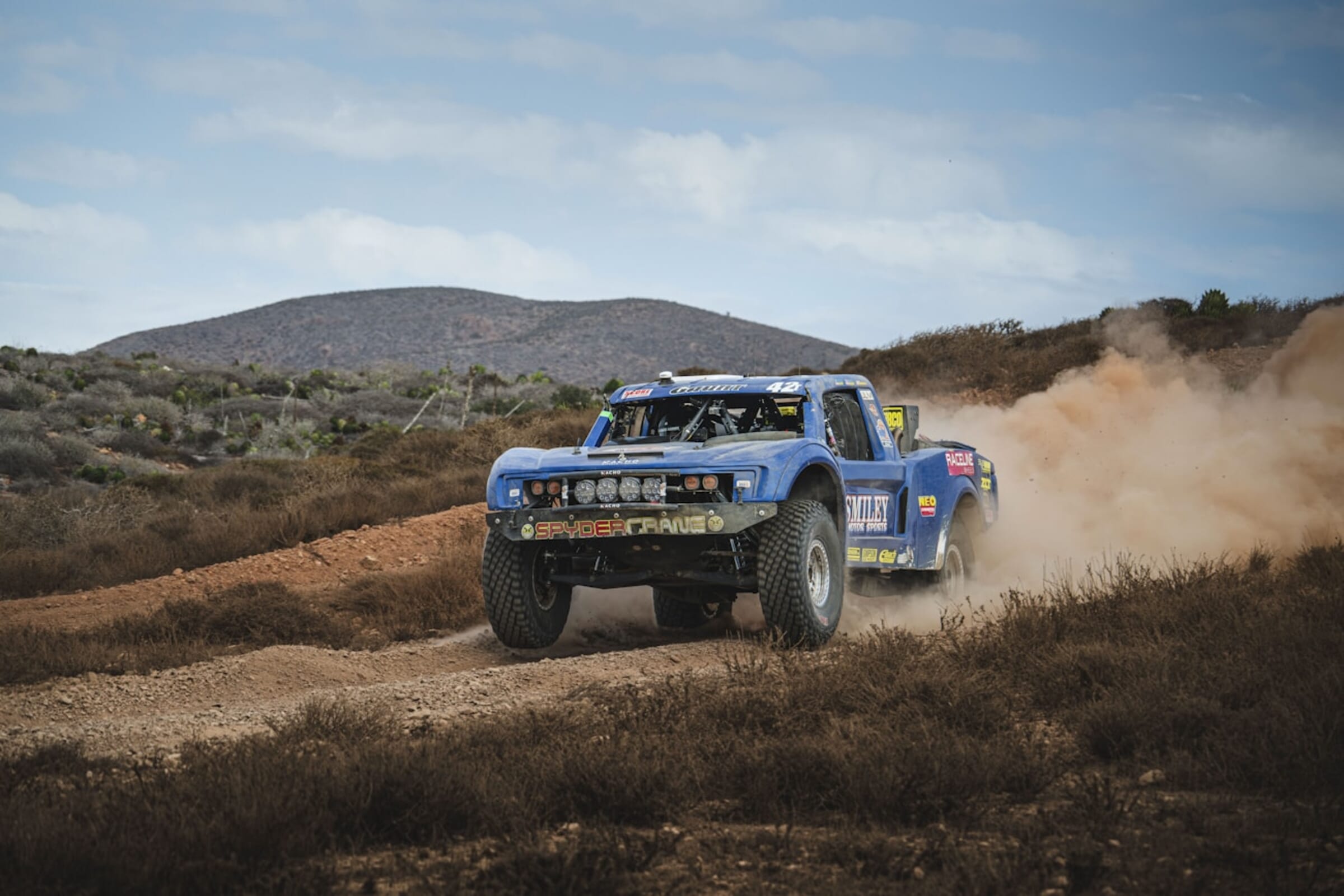
Choosing the right body also depends on the sport. Indoor basketball under mixed lighting puts a premium on high-ISO performance and fast aperture lens compatibility. Outdoor football and track benefit from APS-C crop factor for extra reach. Motorsports and cycling favor cameras with predictive AF and zero viewfinder blackout. This guide compares 9 mirrorless cameras across every price range, from the flagship Sony A9 III down to budget-friendly bodies that still deliver reliable action performance.
Each camera has been evaluated on the specs that matter most for sports: burst rate, autofocus speed and subject tracking, buffer depth, sensor size, and weather sealing. Scores reflect real-world sports shooting capability, not just spec-sheet numbers, with extra weight given to AF reliability and sustained burst performance.
When you buy through links on our site, we may earn a commission at no cost to you. We evaluate products independently. Commissions do not affect our evaluations. As an Amazon Associate, we earn from qualifying purchases.
Top Picks



How to Choose a Camera for Sports Photography
Not every fast camera is a great sports camera. The specs that matter most are burst rate, autofocus performance, buffer depth, sensor characteristics, and build quality. Understanding how these factors interact helps narrow down the right body for specific sports and shooting conditions.
Sports Camera Comparison
Sports Camera Specs Comparison
| Specifications | |||||||||
|---|---|---|---|---|---|---|---|---|---|
| Sensor | FF 24.6 MP | FF 24.2 MP | FF 45.7 MP | FF 24.5 MP | APS-C 32.5 MP | APS-C 26.1 MP | APS-C 26 MP | APS-C 24.2 MP | APS-C 20.9 MP |
| Max Burst (fps) | 120 fps | 40 fps | 20 fps | 14 fps | 30 fps (e-shutter) | 40 fps | 11 fps | 23 fps (e-shutter) | 11 fps |
| AF Points | 759 | 1,053 | 493 | 299 | 651 | 425 | 759 | 651 | 209 |
| Weight (body) | 702 g | 670 g | 910 g | 760 g | 612 g | 660 g | 493 g | 429 g | 450 g |


Sony Alpha 9 III
Professional sports and press photographers who need absolute reliability and zero-compromise speed
- World’s first full-frame global shutter eliminates rolling shutter distortion completely
- 120 fps continuous shooting with full AF/AE tracking
- Completely blackout-free EVF for uninterrupted subject tracking
- AI-powered 759-point AF with advanced subject recognition
- Pre-capture function saves frames from before the shutter press
- $6,798 body-only price puts it out of reach for most enthusiasts
- 24.6 MP resolution is lower than some competitors for heavy cropping
- Large file sizes at 120 fps demand fast CFexpress Type A cards
The Sony A9 III is the most capable sports camera ever made. Its global shutter eliminates flash banding and rolling shutter artifacts that plague other cameras during fast panning. The 120 fps burst rate with full autofocus tracking means peak-action moments are virtually impossible to miss. For working professionals covering the Olympics, NFL sidelines, or motorsports, nothing else comes close.

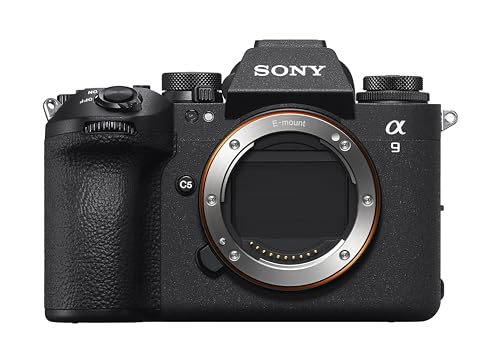
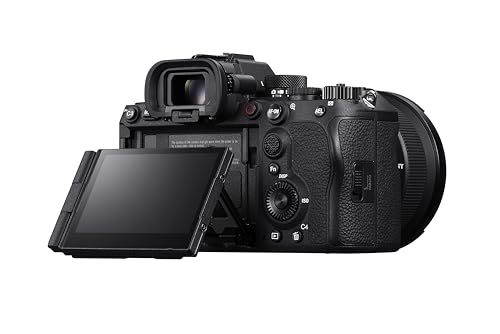
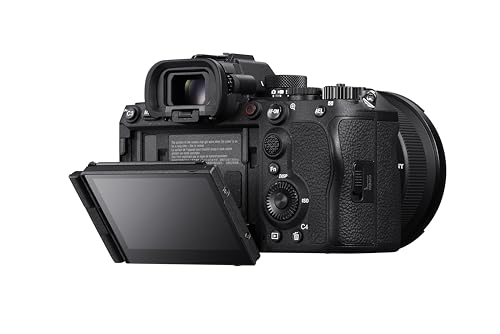
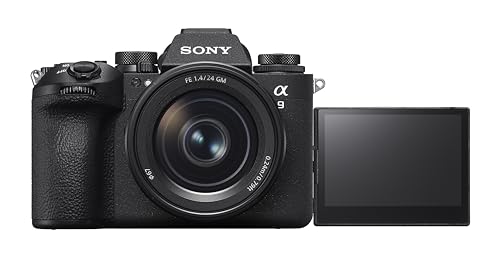
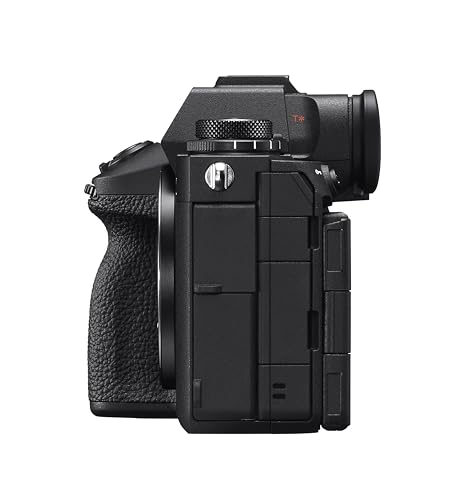
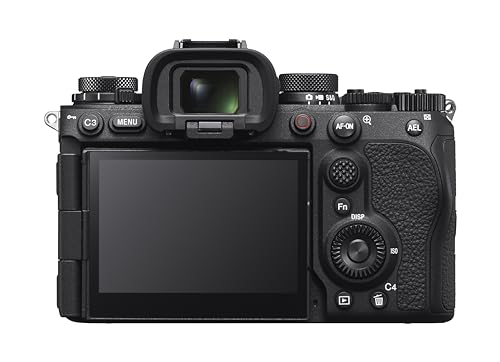
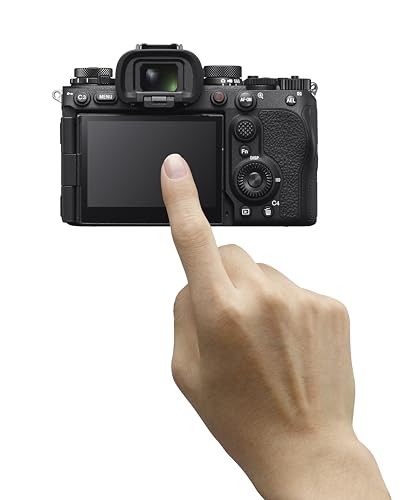
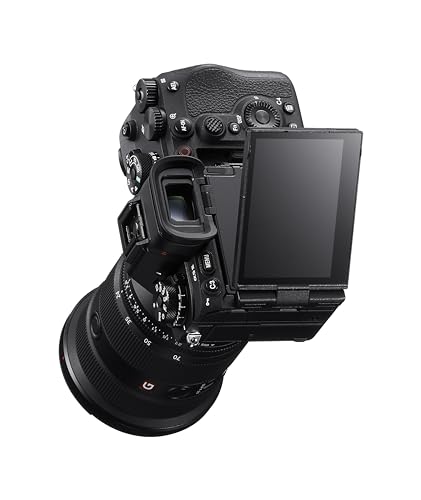
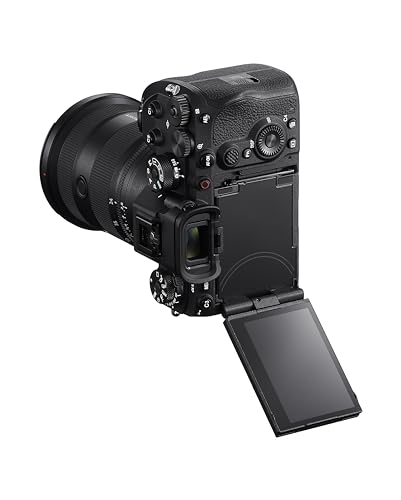
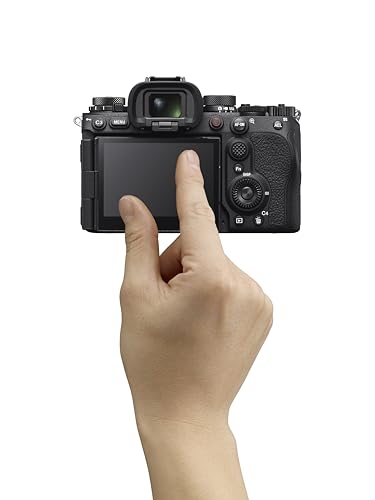
The Sony A9 III represents a generational leap for sports photography. Its 24.6 MP full-frame sensor uses a global shutter instead of the traditional rolling shutter found in every other full-frame mirrorless camera. This means every pixel across the entire sensor is exposed simultaneously, completely eliminating the jello effect and banding artifacts that appear when panning across fast-moving subjects or shooting under flickering artificial lights.
At 120 fps with continuous autofocus and autoexposure tracking, the A9 III captures action at rates previously reserved for specialized high-speed cameras. The 759-point phase-detection AF system covers approximately 95.6% of the frame and uses Sony’s AI-based subject recognition to track people, animals, birds, vehicles, and more. In real-world sports shooting, the hit rate is remarkably high even with erratically moving subjects.
The completely blackout-free electronic viewfinder allows continuous visual tracking of subjects without the momentary interruptions that can cause photographers to lose composition during critical moments. Combined with pre-capture capability that buffers frames before the shutter button is fully pressed, the A9 III ensures that even reaction-time limited moments are captured. The flash sync at all shutter speeds (up to 1/80,000s) is another global shutter advantage that opens creative possibilities with strobe lighting at sporting events.
The body features full magnesium alloy construction with comprehensive weather sealing, dual CFexpress Type A/SD card slots, and Sony’s familiar ergonomics. Battery life is rated at approximately 400 shots (LCD) which is modest for a sports body, though the efficient global shutter helps in practice. The substantial investment makes this camera most sensible for photographers whose livelihood depends on never missing a shot.
Pricing & Where to Buy
The Sony A9 III is priced at $6,798 body-only (as of March 2026). This positions it as a flagship professional tool comparable to Canon’s EOS R1 and Nikon’s Z9 in terms of target audience and pricing.
- Buy on Amazon – Prime shipping available
- Check price at B&H Photo
- Check price at Adorama
- Buy used at KEH Camera – save with certified pre-owned
- Sony official store
Canon EOS R6 Mark III

Serious sports photographers who want top-tier AF and burst speed without flagship pricing
- 40 fps mechanical shutter burst with full AF tracking
- Deep buffer sustains long continuous shooting sequences
- Canon’s latest Dual Pixel AF II with advanced eye and body tracking
- Excellent high-ISO performance for indoor sports under artificial light
- Backward compatible with EF lenses via adapter with full AF performance
- 24.2 MP resolution limits heavy cropping compared to higher-resolution bodies
- Electronic shutter at 40 fps may show rolling shutter with very fast lateral panning
- Single CFexpress slot (plus one SD) — second slot is slower
The Canon R6 Mark III hits an exceptional balance between speed, autofocus reliability, and price. The 40 fps burst with Canon’s refined Dual Pixel AF system delivers professional-grade hit rates at roughly $4,000 less than the Sony A9 III. For most sports photographers, this camera provides everything needed to capture fast action reliably.
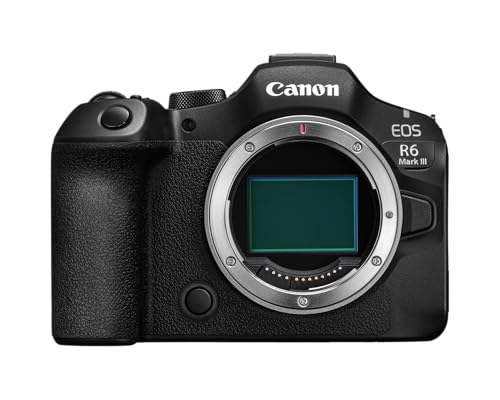
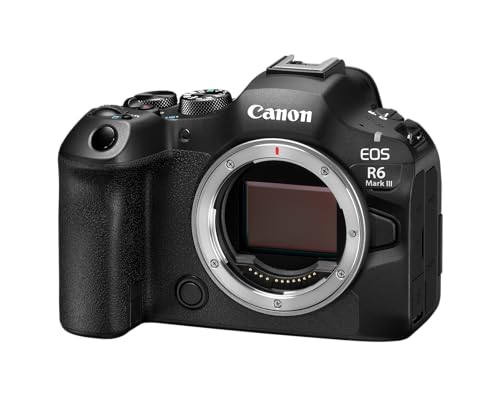
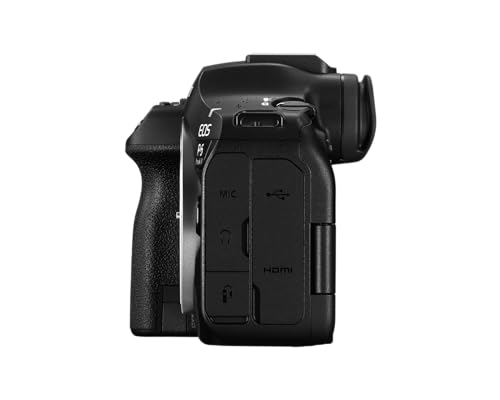
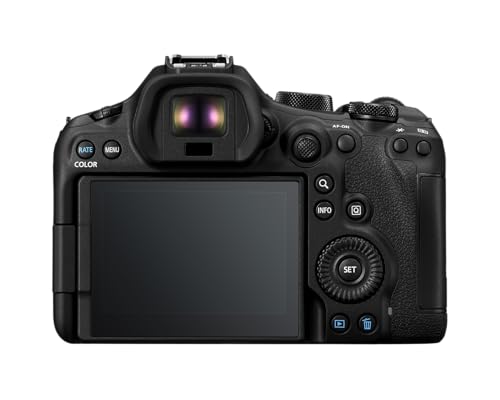
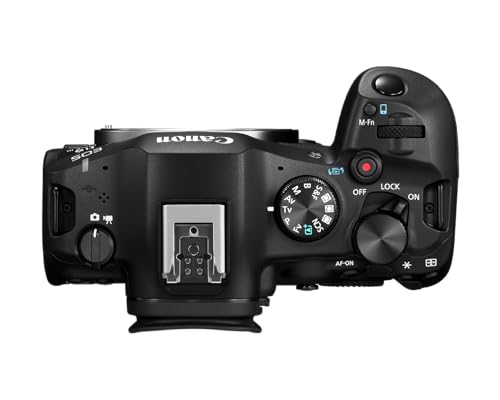
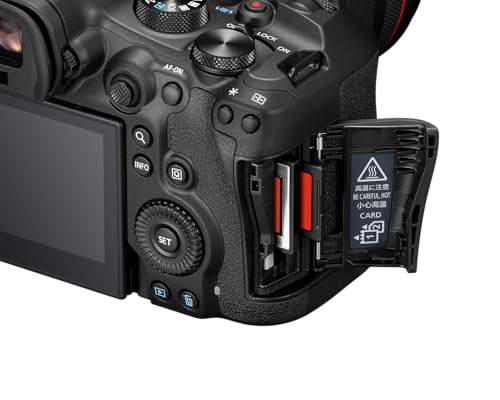
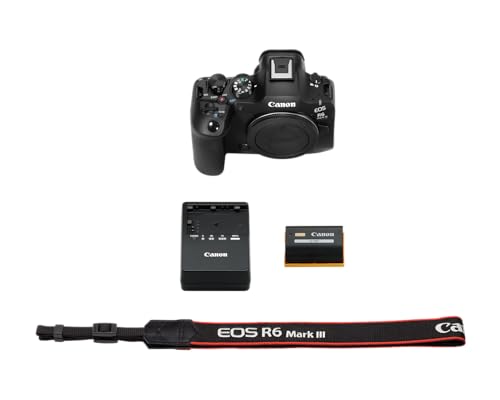
The Canon EOS R6 Mark III represents Canon’s most refined sports-capable body below the flagship R1. The 24.2 MP full-frame sensor paired with Canon’s DIGIC Accelerator processor delivers 40 fps continuous shooting with the electronic shutter, maintaining full autofocus and autoexposure tracking throughout. The mechanical shutter tops out at 12 fps, which is still competitive for most sports scenarios.
Canon’s Dual Pixel CMOS AF II system uses 1,053 AF areas covering virtually the entire frame. Subject detection has been expanded to recognize people (including eye, face, head, and body tracking), animals, vehicles, and aircraft. In sports shooting, the system excels at maintaining lock on athletes even as they move unpredictably through the frame, change direction, or become partially obscured by other players.
High-ISO performance is a standout strength. The sensor delivers clean, usable images at ISO 12800 and beyond, making the R6 III particularly well-suited for indoor sports like basketball, volleyball, and gymnastics where lighting is often challenging. In-body image stabilization rated at up to 8 stops helps when shooting at slower shutter speeds during warm-up sequences or environmental shots around the venue.
The buffer depth has been significantly improved over its predecessor, allowing sustained shooting sequences without the frustrating slowdowns that plagued earlier models. Dual card slots (one CFexpress Type B, one SD UHS-II) provide reliable backup recording. The weather-sealed magnesium alloy body withstands the rigors of outdoor sporting events. For photographers invested in the Canon RF or EF lens ecosystem, the R6 Mark III delivers exceptional value relative to its performance.
Pricing & Where to Buy
The Canon EOS R6 Mark III is priced at $2,799 body-only (as of March 2026). Kit options with the RF 24-105mm f/4-7.1 IS STM start at approximately $3,200.
- Buy on Amazon – Prime shipping available
- Check price at B&H Photo
- Check price at Adorama
- Buy used at KEH Camera – save with certified pre-owned
- Canon official store
Nikon Z 8
Sports photographers who also need high-resolution files for editorial and print work
- 45.7 MP stacked CMOS sensor delivers exceptional detail even when cropping
- 20 fps continuous shooting with full AE/AF tracking
- 3D tracking AF inherited from Nikon’s flagship Z9 system
- Dual CFexpress Type B and SD card slots for fast buffer clearing
- Extensive weather sealing for harsh outdoor sporting conditions
- 20 fps maximum burst is lower than some competitors at this price
- 910 g body weight is the heaviest in this roundup
- High-resolution files consume storage and processing resources quickly
The Nikon Z8 essentially puts the Z9 flagship’s sensor and AF system into a smaller body without the integrated vertical grip. For sports photographers who also shoot editorial, magazine, or billboard work where resolution matters, the Z8’s 45.7 MP sensor provides cropping flexibility that 24 MP bodies cannot match. The 3D tracking autofocus is among the best available for unpredictable subject movement.


The Nikon Z8 shares the same 45.7 MP stacked CMOS sensor and EXPEED 7 processor found in Nikon’s flagship Z9, packaged in a more compact body without the integrated vertical grip. This sensor uses a stacked design that enables fast readout speeds, minimizing rolling shutter distortion during electronic shutter shooting and supporting 20 fps continuous capture with full autofocus tracking.
Nikon’s 3D tracking autofocus system is one of the most reliable in the industry for sports photography. Using 493 focus points that cover approximately 90% of the frame, the system can lock onto a subject and follow it through complex movements, temporary obstructions, and rapid direction changes. Subject detection recognizes people, dogs, cats, birds, cars, motorcycles, bicycles, trains, and aircraft, making it versatile across a wide range of sporting disciplines.
The 45.7 MP resolution gives the Z8 a distinct advantage for photographers who need to crop aggressively. A tight crop from a Z8 frame still retains more than 20 MP of usable resolution, which is valuable when shooting from fixed positions at stadiums where physical proximity to the action is limited. This also makes the Z8 excellent for dual-purpose shooters who cover sports and editorial work with the same body.
Build quality is uncompromising, with full magnesium alloy construction, extensive dust and moisture sealing, and operating temperature ratings down to 0 degrees C. Dual card slots accept both CFexpress Type B and SD UHS-II cards. At 910 g body-only, the Z8 is the heaviest camera in this roundup, but the weight contributes to balanced handling with large telephoto lenses commonly used in sports photography.


Pricing & Where to Buy
The Nikon Z8 is priced at approximately $3,497 body-only (as of March 2026). It sits below the Z9 while sharing the same core imaging pipeline.
- Buy on Amazon – Prime shipping available
- Check price at B&H Photo
- Check price at Adorama
- Buy used at KEH Camera – save with certified pre-owned
- Nikon official store
Nikon Z6 III
Enthusiasts and semi-pros who want full-frame sports performance without the flagship price tag
- Partially stacked 24.5 MP sensor balances speed and image quality
- 14 fps mechanical shutter, 20 fps electronic with full AF tracking
- Subject detection AF inherited from Z8/Z9 system
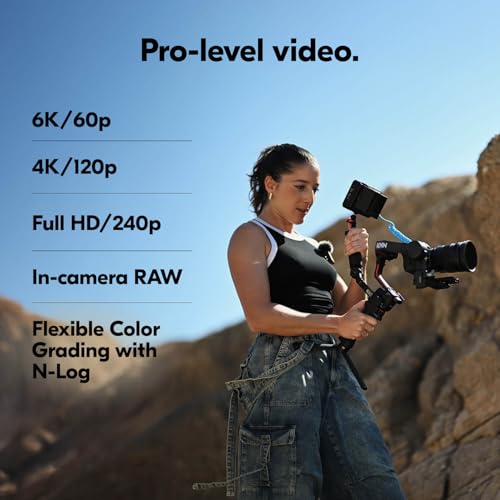
- 6K 60p internal video for sports videography dual-use
- Most affordable full-frame body with genuine sports-grade AF in this roundup
- Single card slot limits backup recording options
- Buffer depth is shallower than the Z8 for sustained bursts
- Weather sealing is a step below Z8/Z9 professional grade
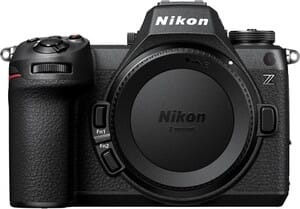
The Nikon Z6 III delivers an impressive portion of the Z8’s autofocus capability at roughly 60% of the price. Its partially stacked sensor provides faster readout than conventional designs, reducing rolling shutter artifacts. For sports shooters who want Nikon’s excellent 3D tracking AF without the investment of a Z8 or Z9, this is the smartest entry point into full-frame sports photography.
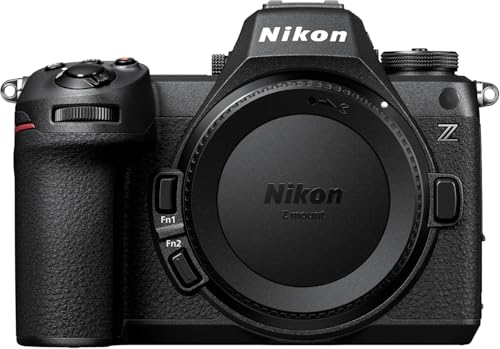


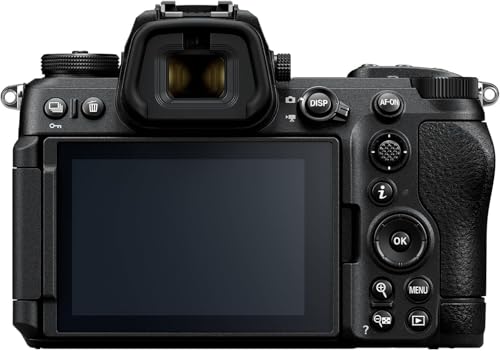
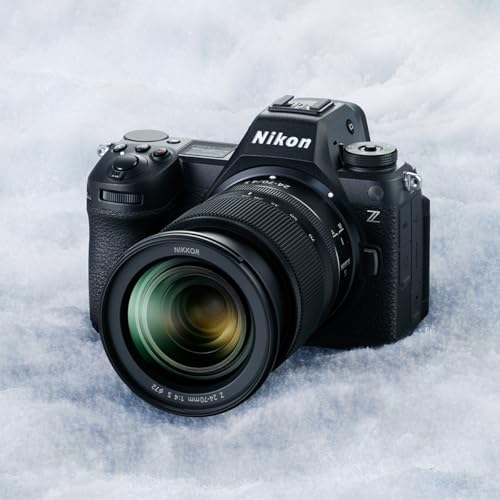
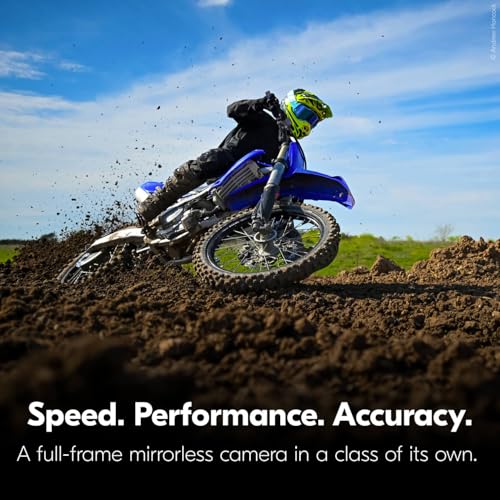

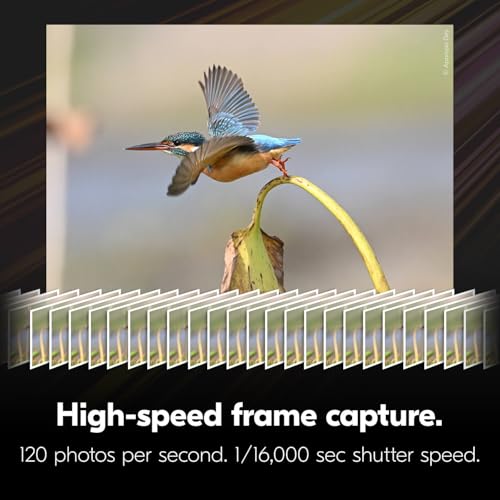


The Nikon Z6 III represents the best value proposition for full-frame sports photography in this roundup. Its 24.5 MP partially stacked CMOS sensor is a meaningful upgrade over the conventional sensor in the Z6 II, providing faster readout speeds that reduce rolling shutter effects during electronic shutter shooting and enable 20 fps continuous capture.
The autofocus system benefits directly from Nikon’s development work on the Z9 and Z8 flagships. Subject detection covers people, animals, birds, and vehicles with reliable tracking across the 299-point AF system. While the point count is lower than the Z8’s 493 points, real-world tracking performance is still excellent for most sports scenarios. The system is particularly strong at maintaining lock during predictable movement patterns like runners on a track or cyclists on a course.
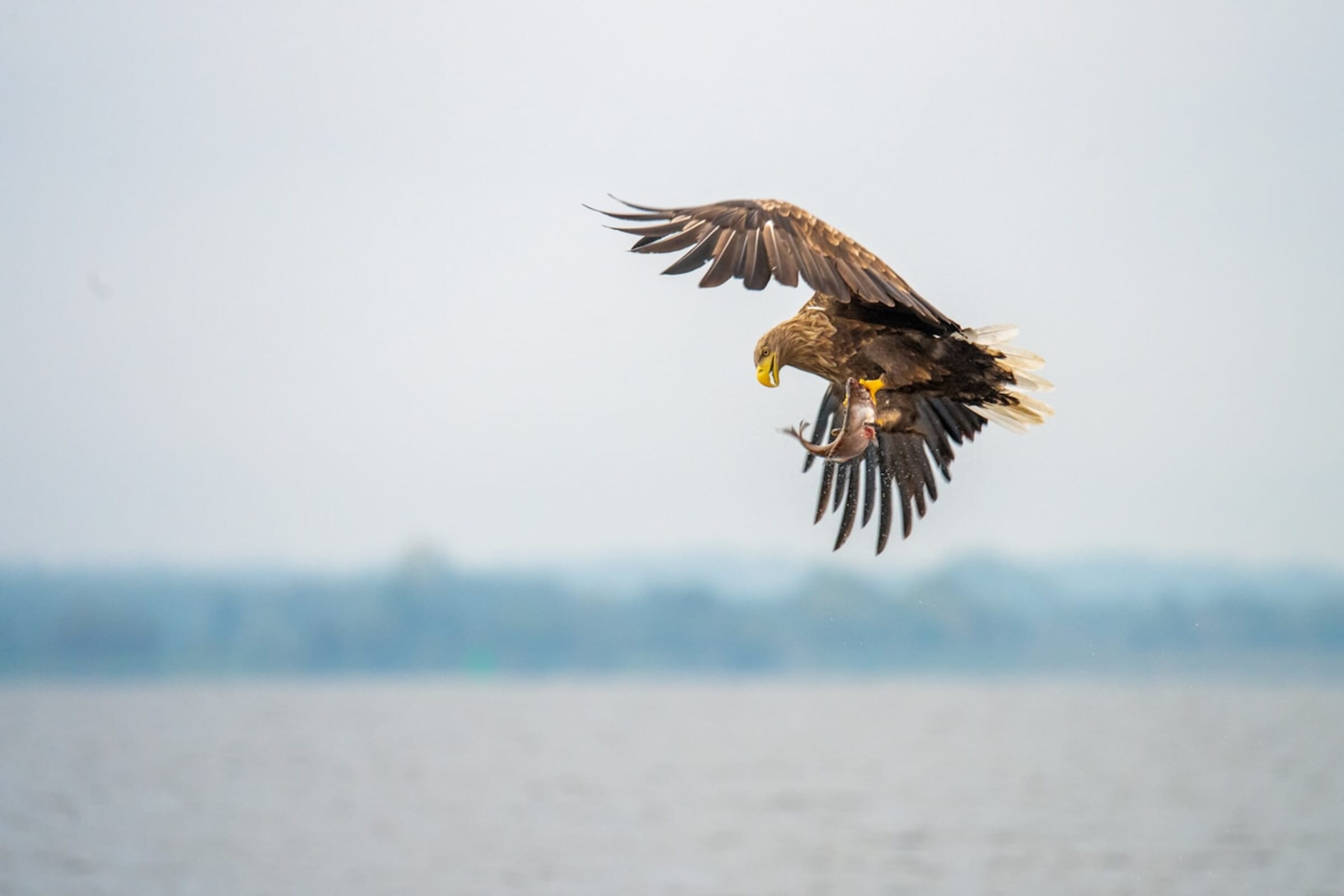
At 14 fps with the mechanical shutter and 20 fps electronic, the Z6 III provides sufficient burst speed for the vast majority of sports. The buffer handles approximately 50 compressed RAW frames before slowing, which covers most action sequences. High-ISO performance benefits from the full-frame sensor with clean output through ISO 6400 and usable results beyond ISO 12800, making it capable in indoor sports environments.
The single card slot (SD UHS-II) is the most notable limitation for professional use, as it eliminates redundant backup recording. However, for enthusiasts and semi-professionals who prioritize image quality and AF performance per dollar spent, the Z6 III at just over $2,000 is exceptionally competitive. The 6K 60p internal video capability also makes it a strong choice for photographers who shoot both stills and video at sporting events.
Pricing & Where to Buy
The Nikon Z6 III is priced at approximately $2,097 body-only (as of March 2026). This makes it the most affordable full-frame option in this roundup with sports-grade autofocus.
- Buy on Amazon – Prime shipping available
- Check price at B&H Photo
- Check price at Adorama
- Buy used at KEH Camera – save with certified pre-owned
- Nikon official store
Canon EOS R7
Sports photographers who want APS-C crop reach advantage with pro-level autofocus performance
- 1.6x APS-C crop extends telephoto reach without additional lens cost
- 15 fps mechanical, 30 fps electronic shutter with full AF tracking
- Dual Pixel CMOS AF II with 651 points covering 100% of the frame
- In-body stabilization rated at up to 7 stops for handheld shooting
- Weather-sealed body at under $1,500 body-only
- APS-C sensor shows more noise above ISO 6400 than full-frame alternatives
- Buffer depth can limit sustained electronic shutter burst sequences
- Rolling shutter at 30 fps electronic can affect very fast lateral motion
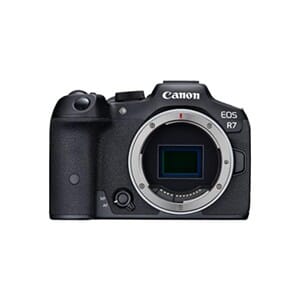
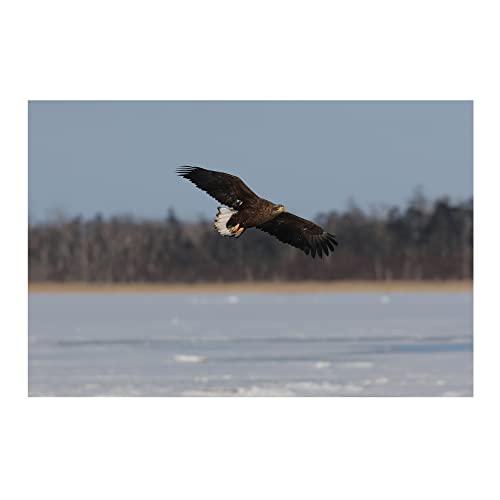
The Canon EOS R7 is the best APS-C sports camera available. Its 1.6x crop factor turns a 400mm lens into a 640mm equivalent, providing significant reach advantage for field sports and wildlife. Canon’s Dual Pixel AF II system delivers the same subject tracking intelligence found in full-frame RF bodies, making this a genuinely professional-grade AF system in a sub-$1,500 package.

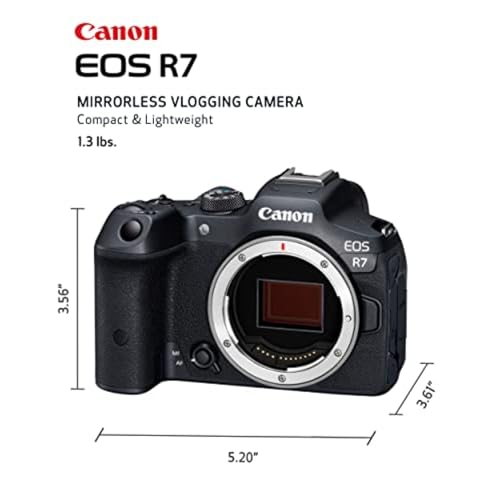
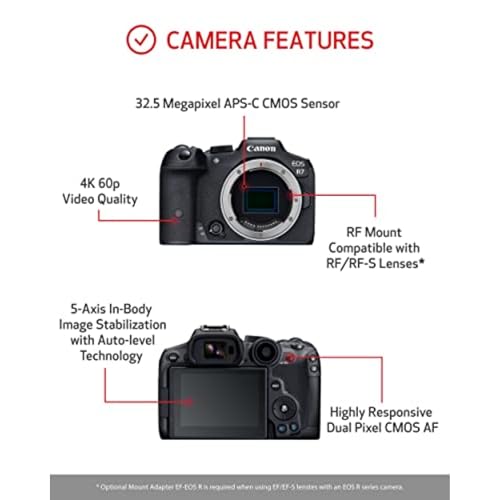
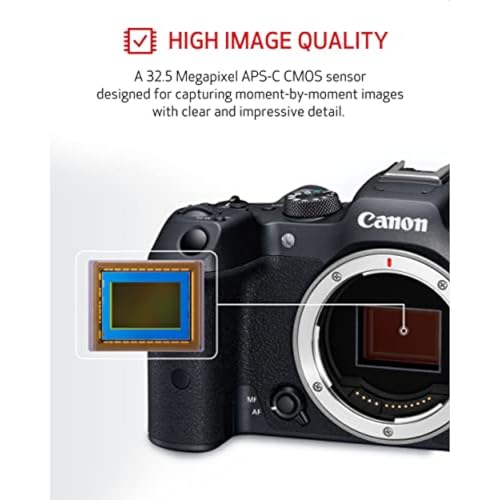

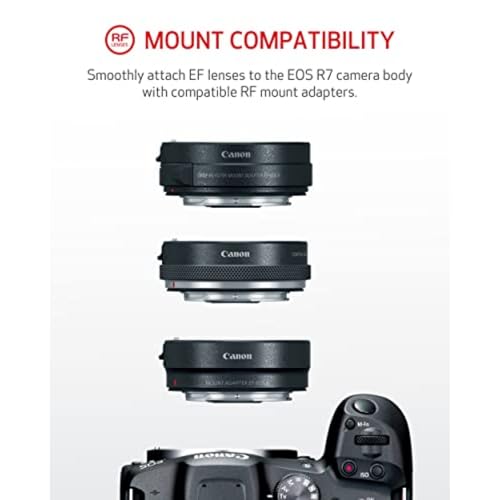

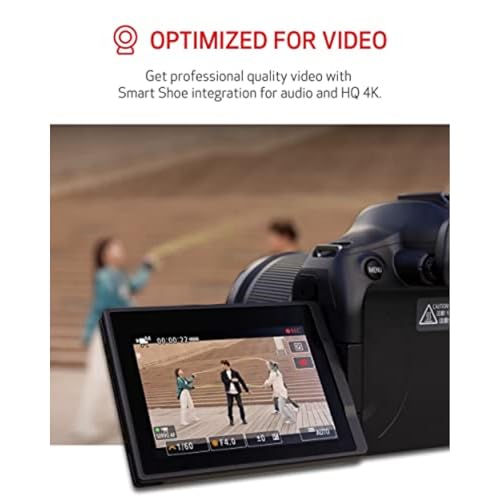
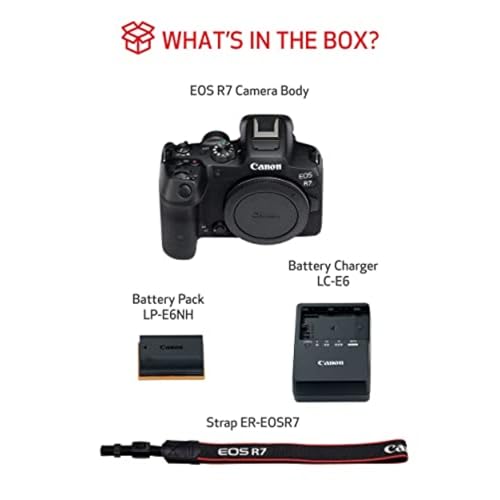
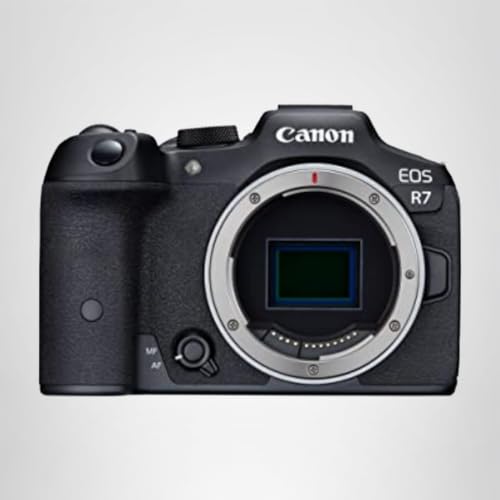
The Canon EOS R7 is the flagship of Canon’s APS-C RF-mount lineup, and it punches well above its price point for sports photography. The 32.5 MP APS-C sensor combined with the 1.6x crop factor effectively multiplies the reach of any attached lens, making expensive super-telephoto glass less necessary for sports like football, baseball, and track events where distance from the action is the primary challenge.
Canon’s Dual Pixel CMOS AF II system provides 651 AF points covering the entire sensor area. Subject detection and tracking work identically to Canon’s full-frame bodies, recognizing people (eyes, face, head, body), animals, and vehicles. In practice, the R7’s AF performance during sports shooting is remarkably close to the much more expensive R6 III, with the main difference being that the smaller sensor increases noise at higher ISO settings.
The R7 offers 15 fps with the mechanical shutter and 30 fps in electronic shutter mode, both with continuous AF. In-body image stabilization rated at up to 7 stops complements optical stabilization in compatible RF-S lenses for steady handheld shooting during lower-action moments. Weather sealing throughout the body provides confidence during rainy outdoor events.
For photographers who primarily shoot outdoor daytime sports and want maximum reach from their lens investment, the Canon R7 is hard to beat. Pairing it with the RF 100-400mm f/5.6-8 IS USM provides 160-640mm equivalent reach for under $2,100 total. The compromise is high-ISO noise for indoor events, where a full-frame body would be preferable.

Pricing & Where to Buy
The Canon EOS R7 is priced at $1,449 body-only (as of March 2026). It offers exceptional value for sports-capable APS-C performance.
- Buy on Amazon – Prime shipping available
- Check price at B&H Photo
- Check price at Adorama
- Buy used at KEH Camera – save with certified pre-owned
- Canon official store
Fujifilm X-H2S

Photographers who shoot both sports stills and high-quality video and prefer Fujifilm’s color science
- 40 fps electronic shutter burst with full AF tracking
- Stacked 26.1 MP APS-C sensor provides fast readout for minimal rolling shutter
- Fujifilm’s acclaimed color science with Film Simulation modes
- 6.2K 30p and 4K 120p video for sports videography
- CFexpress Type B slot for fast buffer clearing
- $2,900 price is high relative to Canon R7 and Sony A6700 for APS-C
- Fujifilm’s X-mount telephoto lens selection is smaller than Canon or Sony
- Subject detection AF is less refined than Sony or Canon for human tracking
The Fujifilm X-H2S is the fastest APS-C mirrorless camera available, with its stacked sensor enabling 40 fps burst shooting and minimal rolling shutter. Its standout strength is the combination of still and video performance — photographers who also produce video content from sporting events will appreciate the 4K 120p slow-motion capability and Fujifilm’s distinct color rendering.
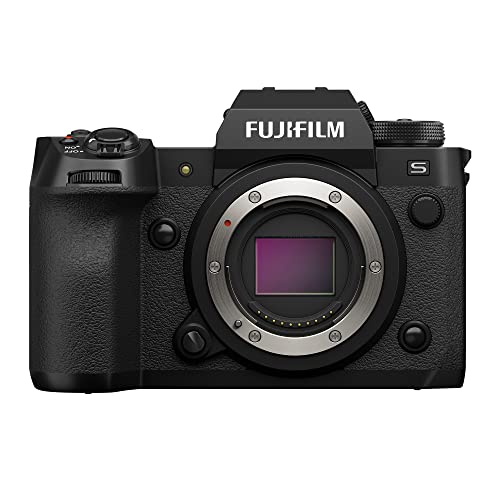


The Fujifilm X-H2S is Fujifilm’s speed-focused flagship, built around a 26.1 MP stacked BSI CMOS sensor that delivers the fastest readout of any APS-C camera. This translates to 40 fps electronic shutter burst shooting with AF tracking and significantly reduced rolling shutter compared to non-stacked sensor designs. The camera is designed for photographers and videographers who need both speed and image quality.
The autofocus system uses 425 points in a hybrid phase/contrast detection arrangement. Subject detection covers humans, animals, birds, cars, motorcycles, bicycles, airplanes, and trains. While the AF performance is strong, reviewers consistently note that Canon and Sony systems offer slightly more reliable subject tracking during the most erratic and unpredictable movements common in team sports. For more predictable sports like track, swimming, and motorsports, the X-H2S performs excellently.
Fujifilm’s Film Simulation modes are a genuine differentiator. Colors straight out of camera have a distinctive quality that many photographers prefer, reducing post-processing time. For sports shooters on tight deadlines who need to deliver images quickly, the ability to get excellent color rendition without extensive editing is practical. The CFexpress Type B card slot ensures rapid buffer clearing during extended burst sequences.
The video capabilities set the X-H2S apart from other APS-C sports cameras. Internal 6.2K 30p and 4K 120p recording with 10-bit color depth make it a legitimate dual-purpose tool for photographers who produce slow-motion highlight reels or documentary content alongside still coverage. The main drawback is pricing — at $2,900, it approaches full-frame territory — and Fujifilm’s more limited selection of fast telephoto lenses compared to Canon, Nikon, and Sony.

Pricing & Where to Buy
The Fujifilm X-H2S is priced at approximately $2,900 body-only (as of March 2026). Fujifilm occasionally offers promotional bundles that include battery grips or memory cards.
- Buy on Amazon – Prime shipping available
- Check price at B&H Photo
- Check price at Adorama
- Buy used at KEH Camera – save with certified pre-owned
- Fujifilm official store
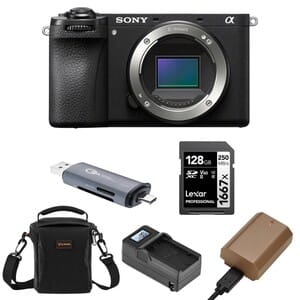
Sony Alpha a6700
Sports enthusiasts who want compact size with Sony’s advanced AI autofocus system
- AI-powered subject recognition with real-time tracking across 759 AF points
- Compact, lightweight body at 493 g for all-day carrying comfort
- 26 MP APS-C sensor with good high-ISO performance for its class
- In-body stabilization rated at up to 5 stops for handheld stability
- 4K 120p video capability for sports slow-motion content
- 11 fps burst rate is the lowest among APS-C options in this roundup
- Buffer depth is limited during sustained shooting at 11 fps
- Smaller grip may be less comfortable with heavy telephoto lenses
The Sony A6700 brings the same AI-based subject recognition found in the A9 III to an APS-C body at a fraction of the price. While 11 fps is modest for dedicated sports shooting, the AF tracking intelligence compensates by delivering high hit rates — it locks on accurately even when burst speed is lower. The compact body is ideal for photographers who want a capable sports camera they can carry without fatigue.
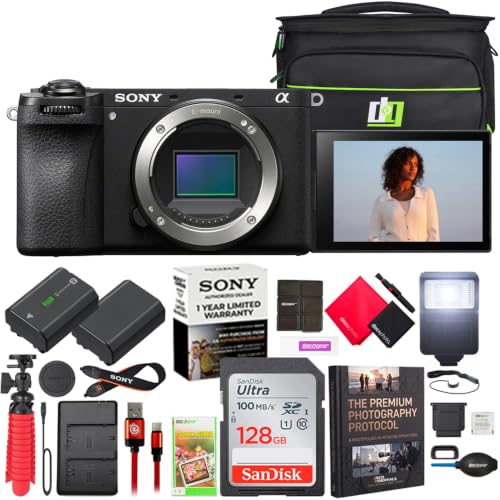
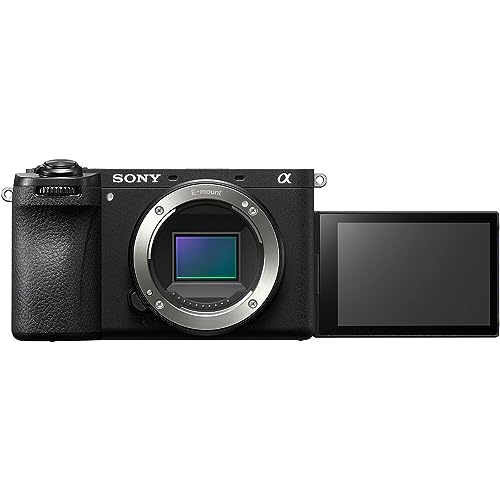
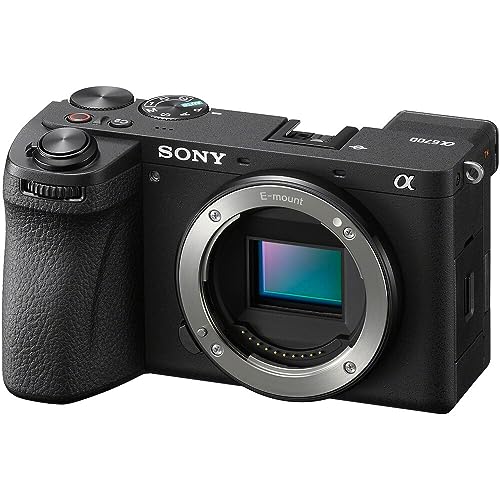
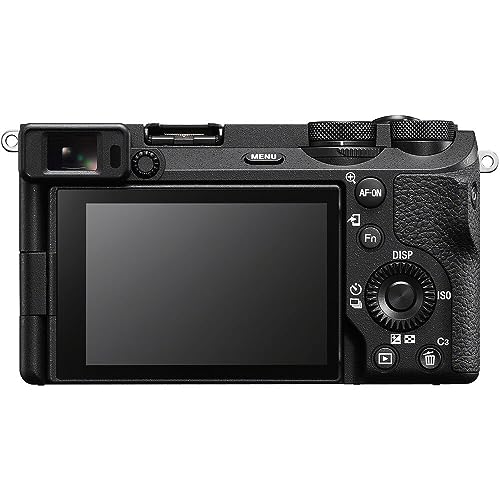
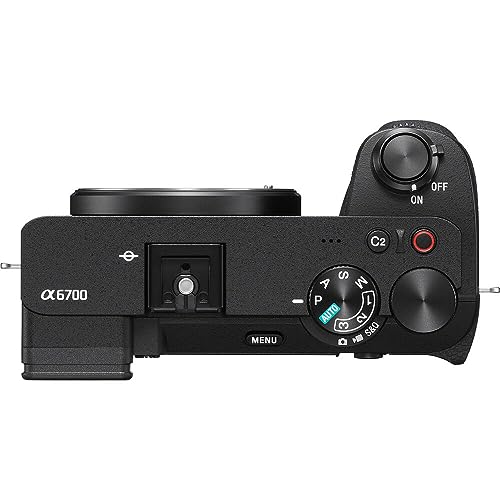
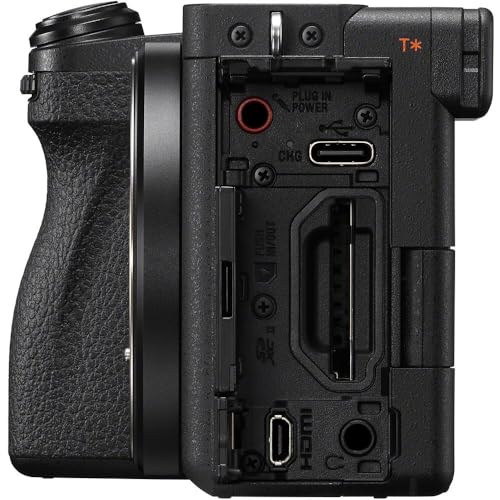

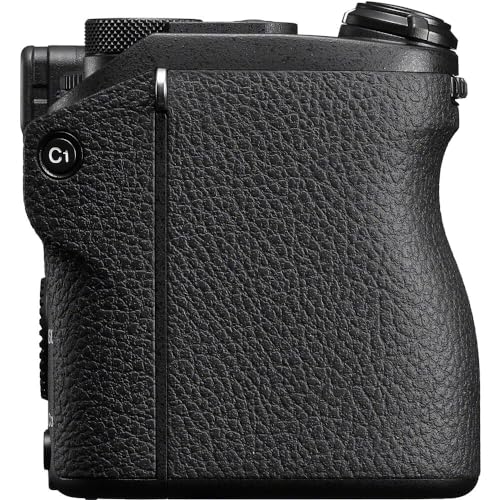
The Sony A6700 represents the most capable compact sports camera available. At just 493 g, it is significantly lighter than every other camera in this roundup, yet it features the same AI-powered subject recognition engine found in Sony’s flagship bodies. The 759 phase-detection AF points cover 93% of the sensor area, and the system can recognize and track humans, animals, birds, insects, cars, trains, and aircraft.
The 26 MP APS-C sensor with Sony’s latest BIONZ XR processor delivers clean images through ISO 6400 with usable results at higher sensitivities. The 1.5x crop factor provides useful telephoto reach extension, turning Sony’s popular FE 70-200mm f/2.8 GM II into a 105-300mm equivalent. For sports shooting, this additional reach often eliminates the need for heavier, more expensive super-telephoto lenses.
The main limitation for sports is the 11 fps continuous shooting speed, which is the lowest among APS-C cameras in this comparison. While the AF tracking is excellent, fewer frames per burst means fewer chances to capture the exact peak moment. For sports with clearly defined moments of action (goals, jumps, catches), this is less of an issue. For continuous unpredictable action like basketball or boxing, a higher burst rate camera would be more effective.
In-body stabilization rated at 5 stops helps with handheld shooting at slower shutter speeds for environmental and contextual shots around sporting events. The A6700 also offers excellent 4K 120p video capability, making it a versatile tool for photographers who produce multimedia sports content.
Pricing & Where to Buy
The Sony A6700 is priced at approximately $1,598 body-only (as of March 2026). It offers Sony’s latest AI autofocus at a competitive APS-C price point.
- Buy on Amazon – Prime shipping available
- Check price at B&H Photo
- Check price at Adorama
- Buy used at KEH Camera – save with certified pre-owned
- Sony official store
Canon EOS R10

Budget-conscious sports photographers who want Canon’s Dual Pixel AF tracking under $1,000
- Canon’s Dual Pixel CMOS AF II with full subject tracking at a budget price
- 23 fps electronic shutter burst rate is fast for this price range
- Lightweight 429 g body is easy to carry for extended events
- Full compatibility with Canon RF and EF (via adapter) lens ecosystem
- Under $1,000 body-only makes it the most affordable Canon with advanced AF
- No in-body image stabilization — relies entirely on lens-based IS
- Smaller battery provides limited shot count for all-day sports coverage
- No weather sealing limits reliability in rain or dust conditions
The Canon EOS R10 proves that effective sports AF does not require a flagship body. Canon’s Dual Pixel CMOS AF II system in the R10 provides the same subject detection and tracking intelligence as the R7 and R6 III — the main trade-offs are burst speed, buffer depth, weather sealing, and build quality. For youth sports parents, school newspaper photographers, and beginners learning sports photography, this is the best entry point in the Canon ecosystem.

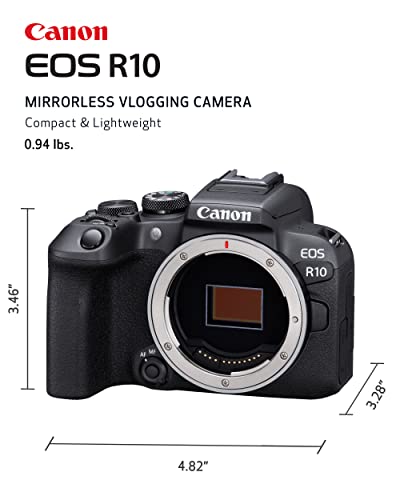
The Canon EOS R10 is the most affordable camera in this roundup, and it delivers surprisingly capable sports performance for its price. The 24.2 MP APS-C sensor is paired with Canon’s DIGIC X processor, enabling 15 fps mechanical shutter shooting and 23 fps with the electronic shutter, both with continuous autofocus tracking.
The standout feature at this price point is Canon’s Dual Pixel CMOS AF II system with 651 AF points covering the entire frame. This is the same fundamental AF technology found in Canon’s professional bodies, providing subject detection for people, animals, and vehicles. The tracking reliability is genuinely impressive for a sub-$1,000 camera and represents a substantial leap over previous-generation budget DSLRs and mirrorless bodies.
The R10 lacks in-body image stabilization, so lens-based IS is the only option for vibration reduction. Canon’s RF-S lenses with IS work well, but some popular third-party and adapted EF lenses lack stabilization. Battery life is modest at approximately 260 shots per charge (CIPA), which means carrying spare batteries is essential for all-day sporting events. The body also lacks weather sealing, limiting its reliability in rain or dusty conditions.
Despite these limitations, the Canon R10 at $999 body-only represents exceptional value for sports photography. Paired with the affordable RF-S 55-210mm f/5-7.1 IS STM or the RF 100-400mm f/5.6-8 IS USM, it creates a capable sports kit for under $1,400 total. For photographers who plan to upgrade later, the RF lens investment carries forward to any Canon mirrorless body.


Pricing & Where to Buy
The Canon EOS R10 is priced at $999 body-only (as of March 2026). Kit options with the RF-S 18-45mm f/4.5-6.3 IS STM start at $1,149.
- Buy on Amazon – Prime shipping available
- Check price at B&H Photo
- Check price at Adorama
- Buy used at KEH Camera – save with certified pre-owned
- Canon official store
Nikon Z50 II
Entry-level photographers and sports parents who want Nikon’s subject tracking AF on a budget
- Subject detection AF with person, animal, and vehicle tracking at entry-level pricing
- Improved grip and handling over the original Z50
- Lightweight 450 g body with good ergonomics for extended shooting
- Nikon’s DX lens ecosystem includes affordable telephoto options
- Easy-to-use interface with scene modes ideal for beginners
- 11 fps burst rate limits frame count during fast action sequences
- 209 AF points provide less coverage than Canon and Sony competitors
- No in-body stabilization and no weather sealing
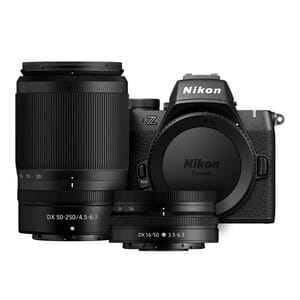
The Nikon Z50 II is Nikon’s answer for budget sports photography, offering subject detection autofocus that punches above its price class. While 11 fps and 209 AF points are modest compared to pricier options, the tracking intelligence is surprisingly capable for predictable sports like swimming, track, and outdoor field games. Paired with the affordable NIKKOR Z DX 50-250mm f/4.5-6.3 VR, it creates a capable entry-level sports kit.

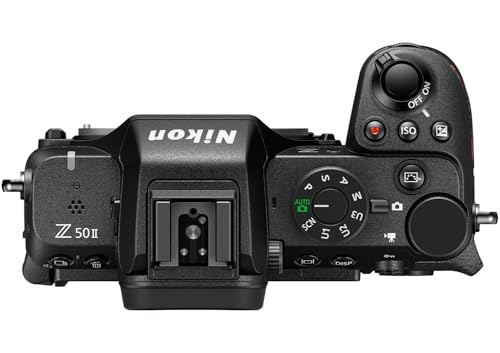
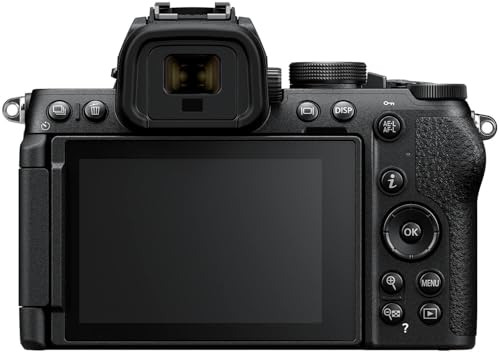

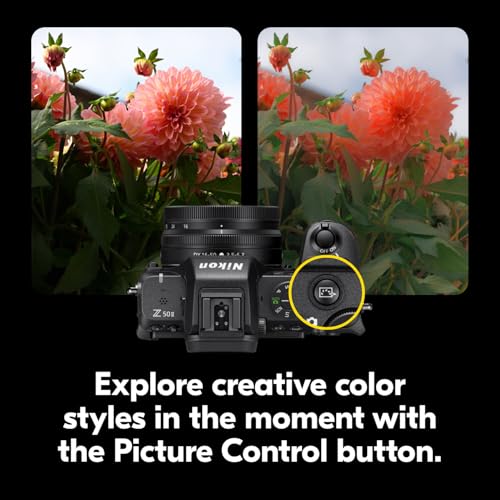
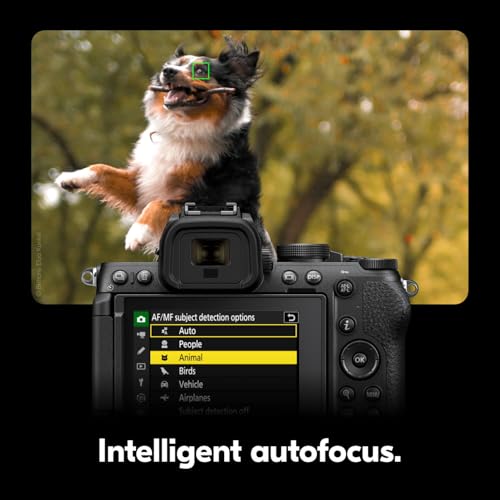
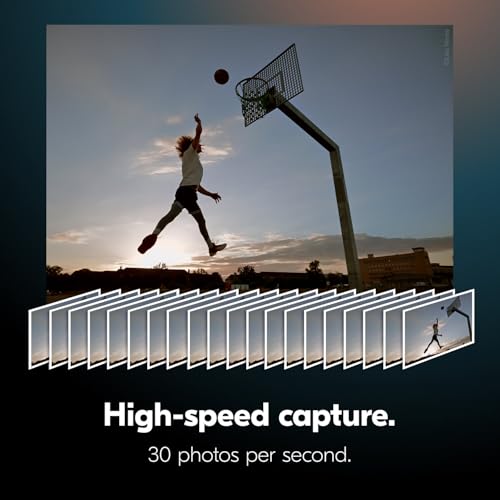
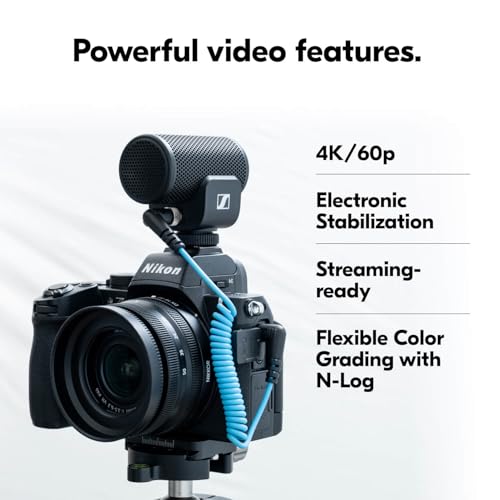
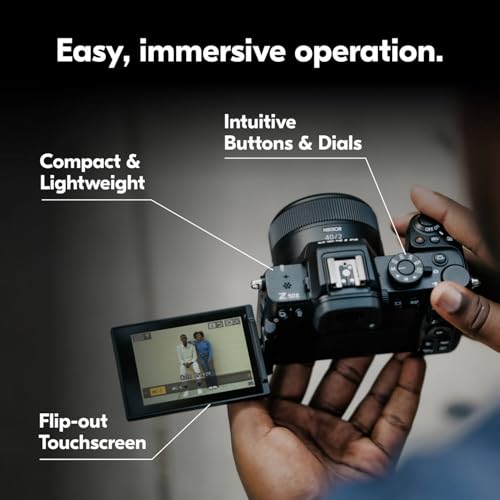


The Nikon Z50 II is the most accessible Nikon mirrorless camera with meaningful sports shooting capability. The 20.9 MP APS-C sensor paired with the EXPEED 7 processor provides 11 fps continuous shooting with autofocus tracking and subject detection that can recognize people, animals, and vehicles.
The Z50 II represents a substantial upgrade over the original Z50 in terms of autofocus intelligence. While the 209-point hybrid AF system has fewer points than competitors, the AI-powered subject detection provides reliable tracking for sports with predictable movement patterns. Nikon’s handling and ergonomic improvements include a deeper grip that provides more secure handling with telephoto lenses, which is essential for sports shooting.
Like the Canon R10, the Z50 II lacks in-body stabilization and weather sealing. Battery life is rated at approximately 350 shots per charge, which is reasonable for the class but may require spares for full-day coverage. The maximum ISO performance is adequate for outdoor daylight sports but shows noticeable noise above ISO 3200, limiting its effectiveness for indoor events.
The strongest argument for the Nikon Z50 II is its role as an entry point into the Nikon Z ecosystem. The NIKKOR Z DX 50-250mm f/4.5-6.3 VR provides 75-375mm equivalent reach for approximately $350, creating a sports-ready kit for under $1,400. Photographers who eventually upgrade to a Z6 III or Z8 can continue using their Z-mount lens investment. The user-friendly interface with scene modes and helpful guides makes it particularly suitable for parents photographing youth sports.
Pricing & Where to Buy
The Nikon Z50 II is priced at approximately $1,007 body-only (as of March 2026). Two-lens kits with the 16-50mm and 50-250mm start at around $1,397.
- Buy on Amazon – Prime shipping available
- Check price at B&H Photo
- Check price at Adorama
- Buy used at KEH Camera – save with certified pre-owned
- Nikon official store
Choose the Best Camera for Sports Photography
The right sports camera depends on the intersection of budget, shooting conditions, and the specific sports being covered. For photographers who need absolute reliability without compromise, the Sony A9 III with its global shutter and 120 fps burst is in a class of its own. For professional-grade performance at a more accessible price, the Canon EOS R6 Mark III offers an exceptional balance of speed, AF reliability, and value.
Photographers who prioritize resolution for editorial work should consider the Nikon Z8, while the Nikon Z6 III delivers the best value among full-frame options. For maximum telephoto reach on a budget, the APS-C Canon EOS R7 extends lens reach by 1.6x while maintaining excellent AF tracking.
Entry-level shooters and youth sports parents will find the Canon EOS R10 and Nikon Z50 II surprisingly capable, with modern subject tracking AF that makes capturing fast action far easier than older cameras at similar prices. The most important factor is choosing a system (Canon, Nikon, or Sony) and investing in good telephoto glass — the lens matters as much as the body for sports photography results.
Final Picks by Category
Sony A9 III
Canon EOS R6 Mark III
Nikon Z8
Canon EOS R7
Canon EOS R10
Sony A6700
Related Articles
Disclosure/Disclaimer: As an Amazon Associate, we earn from qualifying purchases. Certain content was provided "as is" from Amazon and is subject to change or removal at any time. Product prices and availability: Amazon prices are updated daily or are accurate as of the date/time indicated and are subject to change. Any price and availability information displayed on Amazon.com at the time of purchase will apply to the purchase of this product.