


- The Fujifilm X-T30 III packs the flagship X-Processor 5 into a $999 body – the biggest generational leap this line has ever seen.
- AI-powered subject detection AF (people, animals, birds, vehicles) replaces the basic contrast/phase hybrid system of the X-T30 II.
- A dedicated Film Simulation dial with 20 simulations including REALA ACE and NOSTALGIC Neg gives tactile creative control.
- Best suited for street, travel, and casual portrait shooters who want flagship Fuji color science without the flagship price tag.
Fujifilm X-T30 III: Flagship Brains in a Compact Body
Fujifilm just dropped the most significant update in the X-T30 line’s history. The X-T30 III, released in February 2026 at $999 body-only, isn’t a minor spec bump – it’s a generational leap. The camera inherits the X-Processor 5 from the X-T5 and X-H2, bringing flagship autofocus, video capabilities, and color science to Fuji’s most accessible interchangeable-lens body.
The X-T30 line has always been Fujifilm’s gateway drug – compact enough for everyday carry, capable enough to produce professional results. But the X-T30 II was showing its age with the older X-Processor 4. This third generation closes the gap between entry-level and flagship in a way no previous update has. It’s currently the #1 camera on Amazon’s Mirrorless New Releases list, and for good reason.
At $999, you’re getting the same processing engine that powers cameras costing twice as much. That’s not marketing fluff – it directly translates to better autofocus, better video, and access to Fujifilm’s latest Film Simulations that weren’t possible on the older processor.
When you buy through links on our site, we may earn a commission at no cost to you. We evaluate products independently. Commissions do not affect our evaluations. As an Amazon Associate, we earn from qualifying purchases.

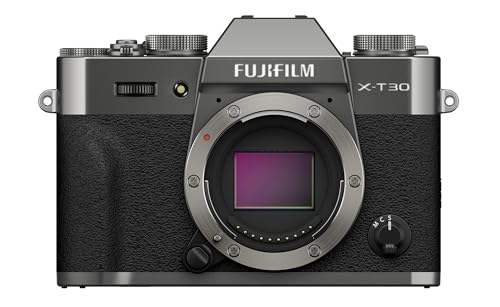
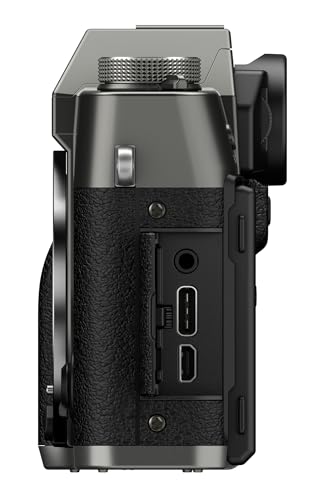
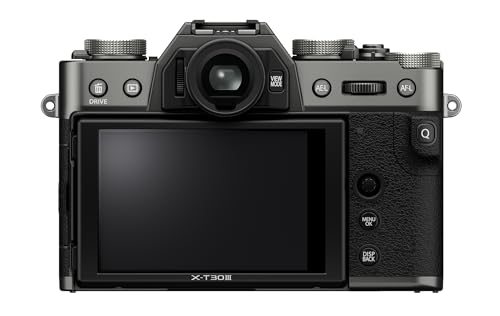
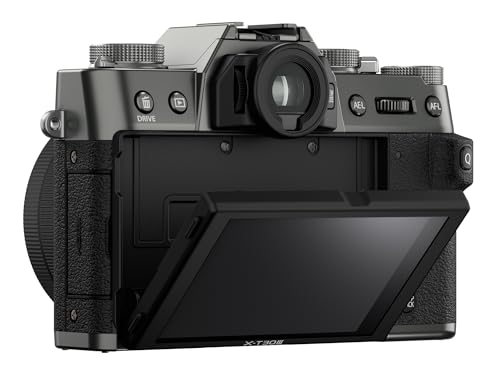
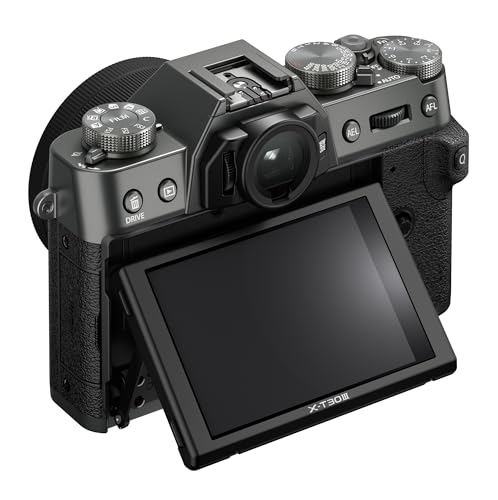
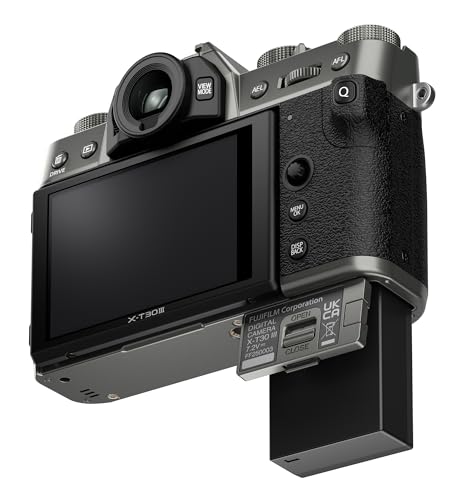
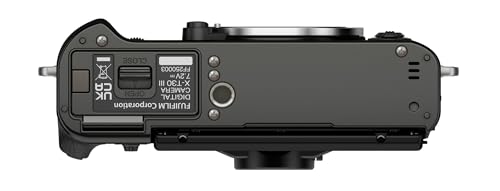
26.1MP APS-C mirrorless camera with X-Processor 5, AI subject detection AF, dedicated Film Simulation dial with 20 modes including REALA ACE, 6.2K/30p video, and a compact retro-styled body. Body only, Charcoal Silver.

Key Specifications
| Spec | Fujifilm X-T30 III |
|---|---|
| Sensor | 26.1MP APS-C X-Trans CMOS 4 |
| Processor | X-Processor 5 |
| Autofocus | Hybrid AF with AI subject detection (people, animals, birds, vehicles) |
| Film Simulations | 20 modes incl. REALA ACE, NOSTALGIC Neg (dedicated dial) |
| Video | 6.2K/30p, 4K/30p, Full HD/120p |
| Shutter Speed | 30s – 1/32,000s (electronic) |
| Display | 3.0″ tilting LCD touchscreen |
| Viewfinder | 0.39″ OLED EVF, 2.36M dots |
| Connectivity | USB-C, Bluetooth, Wi-Fi |
| Weight | ~383g (body only) |
| Price | $999 (body only) |
What’s New vs the X-T30 II
Let’s cut through the spec sheet and talk about what actually matters when you’re shooting.

X-Processor 5: The Real Upgrade
This is the headline. The X-T30 II ran on the X-Processor 4, which was fine for its time but increasingly felt like the bottleneck of the system. The X-Processor 5 is the same chip powering the $1,699 X-T5 and the $2,499 X-H2. It’s roughly twice as fast as its predecessor, and that speed advantage shows up everywhere – faster AF acquisition, quicker menu navigation, smoother EVF refresh, and access to processing-heavy features that simply weren’t possible before.
In practical terms, the camera feels more responsive. There’s less shutter lag, less time waiting for the buffer to clear, and the overall shooting experience is noticeably snappier. If you’ve ever felt frustrated by the X-T30 II’s occasional sluggishness during burst shooting, that’s gone.
AI Subject Detection Autofocus
The X-T30 II’s autofocus worked, but it was a basic contrast/phase hybrid system. It could track faces, but that was about it. The X-T30 III gets Fujifilm’s deep-learning subject detection AF, which recognizes and locks onto people (face + eye), animals, birds, and vehicles.
For street photography and travel, this is transformative. You can set the camera to track subjects and trust it to nail focus on a moving person in a crowd. For pet owners and wildlife enthusiasts shooting birds at the park, the animal and bird detection means you’re no longer fighting the AF system – it’s working with you.
Film Simulation Dial
Fujifilm’s Film Simulations are the reason many photographers choose the brand. The X-T30 III doesn’t just add new simulations – it gives you a dedicated physical dial to switch between them. No diving into menus. No cycling through the Q menu. Just click the dial to your preferred look and shoot.
The camera ships with 20 Film Simulations, including two that weren’t available on the X-T30 II:
- REALA ACE – A natural-toned simulation inspired by Fujifilm’s professional negative film. Low contrast, accurate skin tones, subtle color rendering. Think of it as the “I want beautiful colors without them screaming at you” option.
- NOSTALGIC Neg – Amber-tinted highlights with soft, desaturated tones. It’s the simulation that makes everything look like a half-remembered summer afternoon. Extremely popular for lifestyle and travel content.
Having a physical dial for this is a bigger deal than it sounds. It encourages experimentation. You’ll find yourself flipping through simulations while composing a shot, which is exactly the kind of tactile, creative shooting experience Fujifilm is known for.
Video: 6.2K Comes to the Entry Level
The X-T30 II topped out at 4K/30p with a crop. The X-T30 III jumps to 6.2K/30p, plus improved 4K/30p and Full HD at 120fps for slow motion. For content creators and vloggers, this puts the X-T30 III in a category that usually costs significantly more.
6.2K footage also gives you the flexibility to crop and reframe in post without losing resolution at 4K delivery – useful for solo shooters who can’t always nail the perfect framing in the moment.

Who Should Buy This
Upgrade If…
- You own an X-T30 or X-T30 II and want a meaningful upgrade without jumping to the larger, heavier X-T5. The processor and AF improvements alone justify the switch.
- You’re a street or travel photographer who values compact size but needs reliable subject tracking. The AI AF changes the game for fast-moving scenes.
- You shoot Fuji for the colors and want the latest Film Simulations plus a dedicated dial to access them instantly.
- You’re a content creator on a budget who needs capable video specs (6.2K, 120fps slow-mo) without spending $2,000+.
Skip If…
- You need IBIS. The X-T30 III still lacks in-body image stabilization. For handheld video or slow shutter work, consider the X-T5 instead.
- You want a new sensor. This is the same 26.1MP X-Trans CMOS 4 from the X-T30 II. If you need more resolution or a newer sensor design, look at the X-T5 (40MP).
- You’re heavily invested in another system. At $999 body-only, you still need Fuji X-mount lenses. Switching ecosystems is never cheap.
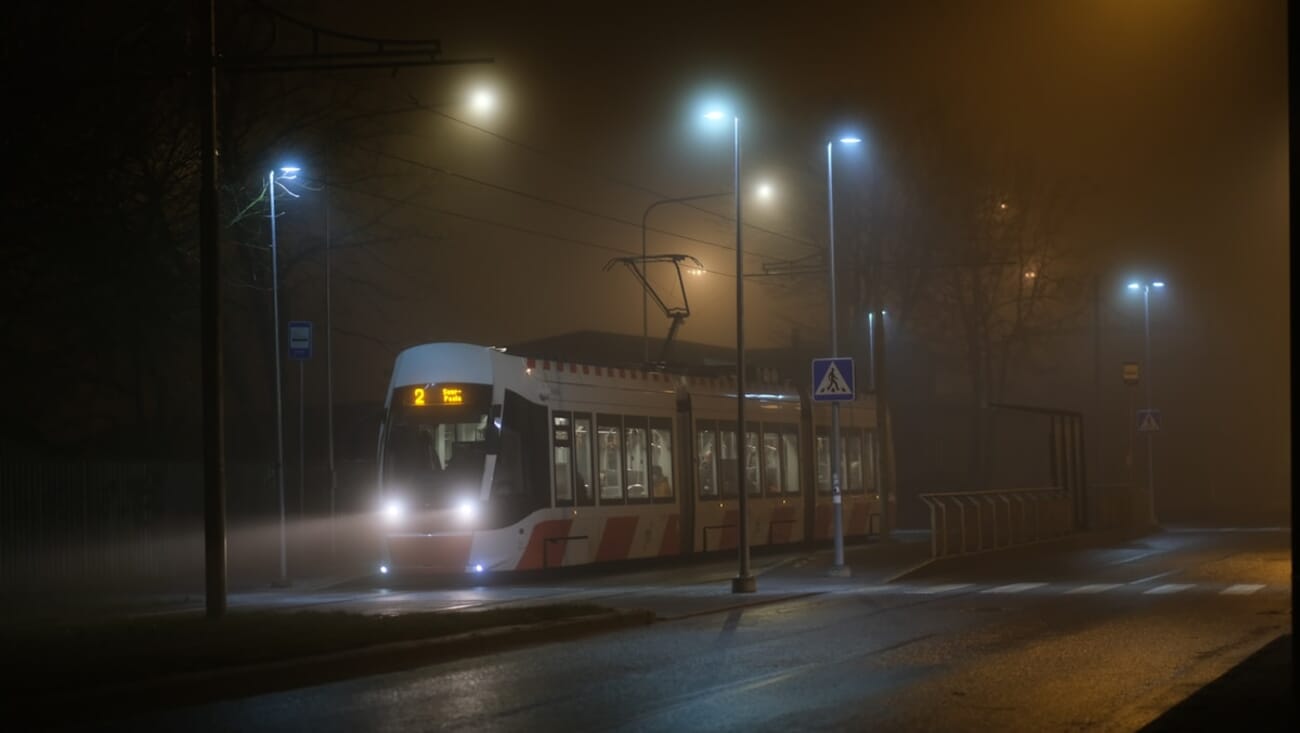
Sample Photos Shot on the X-T30
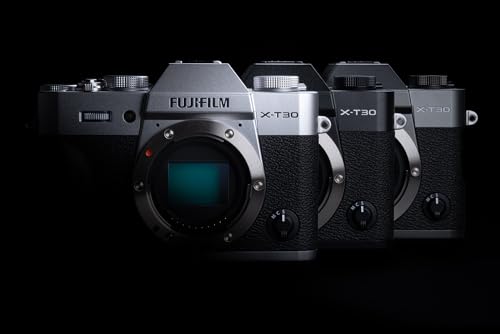
The following photos were shot on the Fujifilm X-T30 series, showcasing the camera’s color science and rendering across different subjects and conditions.

X-T30 III vs X-T30 II: Full Comparison
| Feature | X-T30 III | X-T30 II |
|---|---|---|
| Processor | X-Processor 5 | X-Processor 4 |
| Sensor | 26.1MP X-Trans CMOS 4 | 26.1MP X-Trans CMOS 4 |
| Subject Detection AF | Yes (people, animals, birds, vehicles) | No (face/eye detect only) |
| Film Simulations | 20 (incl. REALA ACE, NOSTALGIC Neg) | 18 |
| Film Simulation Dial | Yes (dedicated physical dial) | No (menu only) |
| Max Video Resolution | 6.2K/30p | 4K/30p |
| Slow Motion | Full HD/120p | Full HD/240p |
| Processing Speed | ~2x faster | Baseline |
| IBIS | No | No |
| Price (body) | $999 | $899 (at launch) |
The Verdict
The Fujifilm X-T30 III is the most compelling sub-$1,000 mirrorless camera you can buy right now. By dropping the X-Processor 5 into this compact body, Fujifilm has eliminated the biggest reasons to pay more for the X-T5 – unless you specifically need IBIS or 40MP. For street shooters, travelers, portrait photographers, and content creators who value Fuji’s color science, this is the sweet spot of the entire X-mount lineup.
Frequently Asked Questions
Does the X-T30 III have in-body image stabilization?
No. The X-T30 III does not include IBIS. You’ll need to rely on optically stabilized lenses (OIS) for shake reduction. If IBIS is a priority, look at the Fujifilm X-T5 or X-S20 instead.
Is the X-T30 III worth upgrading from the X-T30 II?
Yes, if you want significantly better autofocus, the new Film Simulations, and improved video specs. The X-Processor 5 makes the camera feel like an entirely different generation. If you’re happy with your X-T30 II and don’t need subject detection AF, you can wait – but this is a substantial upgrade, not a minor refresh.
What lenses work with the X-T30 III?
All Fujifilm X-mount lenses are compatible. Popular choices for this body include the XF 23mm f/2 R WR for street photography, the XF 35mm f/1.4 R for portraits, and the XF 18-55mm f/2.8-4 R LM OIS as a versatile everyday zoom. The new XC 13-33mm f/3.5-6.3 OIS is also available as a kit lens option.
How does the X-T30 III compare to the Sony a6700?
Both are excellent APS-C mirrorless cameras around the $1,000 mark. The Sony a6700 offers IBIS and a slightly newer sensor, while the X-T30 III wins on color science (Film Simulations), tactile controls (dials over menus), and 6.2K video. Choose Sony for stabilization and sports; choose Fuji for color, creative shooting experience, and that retro design.
Can the X-T30 III shoot professional work?
Absolutely. The 26.1MP sensor, flagship-level autofocus, and Fuji’s renowned color science are more than capable of professional output. Many working photographers use the X-T30 line as a second body or primary travel camera. The single card slot is the main limitation for professional use where redundancy matters.
Sources and references:
Featured image: Photo by Ravi Sharma on Unsplash. This article contains affiliate links. If you purchase through our links, we may earn a commission at no extra cost to you.
Related Posts
Disclosure/Disclaimer: As an Amazon Associate, we earn from qualifying purchases. Certain content was provided "as is" from Amazon and is subject to change or removal at any time. Product prices and availability: Amazon prices are updated daily or are accurate as of the date/time indicated and are subject to change. Any price and availability information displayed on Amazon.com at the time of purchase will apply to the purchase of this product.