


- Explore 26 creative photoshoot themes spanning bold color, earth tones, film grain revival, neon cyberpunk, and more.
- Three fresh themes for 2026: earth tones & quiet luxury, film grain revival, and golden hour mini-sessions.
- Mix classic concepts like Renaissance vibes and mysticism with modern techniques like AI-enhanced backdrops.
- Every theme includes practical shooting tips you can try with the gear you already own.
Introduction
Creative ruts happen to every photographer. Sometimes all you need is a strong concept to build a session around – a theme that shapes your lighting, wardrobe, location, and editing choices into a cohesive story.
These 26 photoshoot theme ideas range from timeless concepts like natural beauty and Renaissance styling to trends gaining momentum right now – quiet luxury earth tones, the film grain revival, and AI-generated backdrops. Each theme works whether you’re shooting portraits, products, or personal projects.
Photoshoot Theme Ideas
1. Diversity and Unity
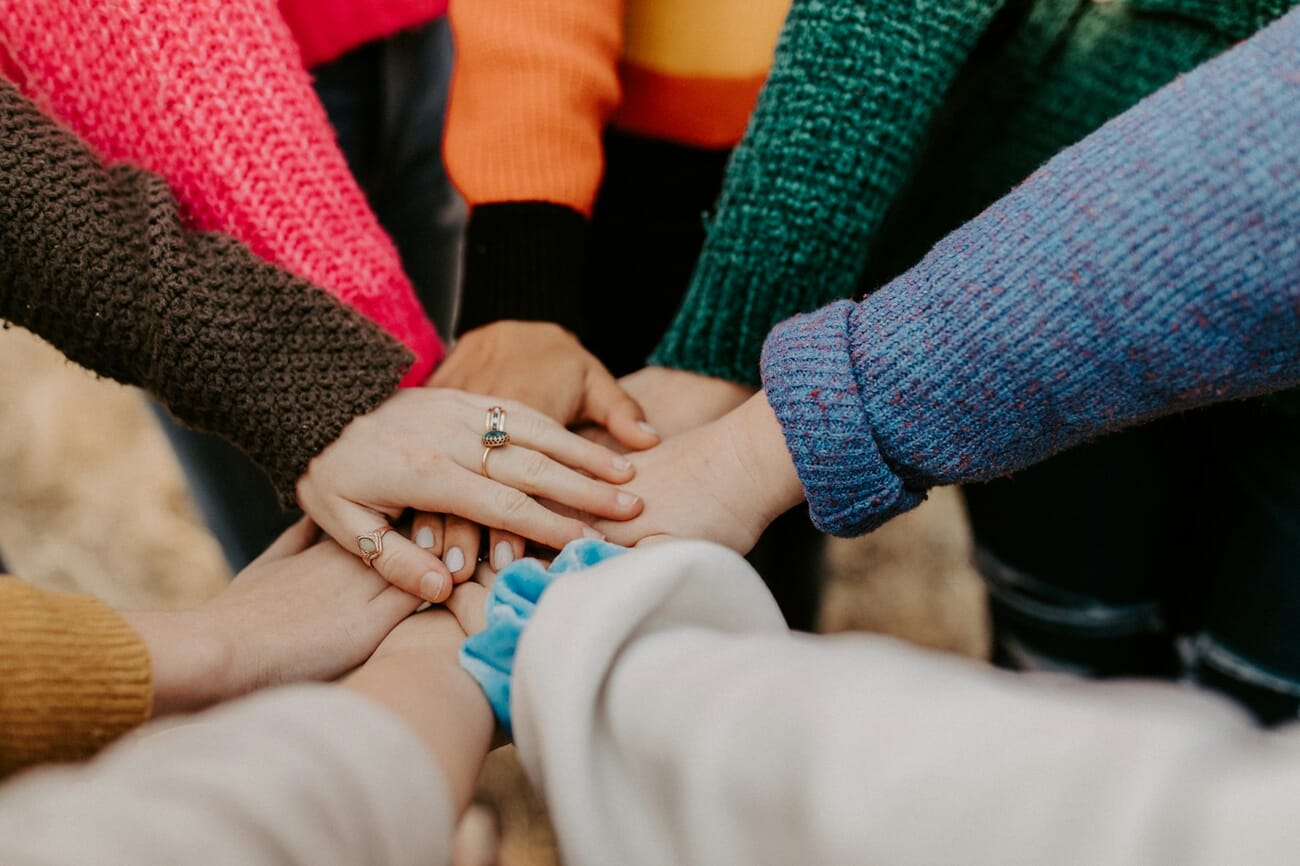
Conversations around representation and belonging are louder than ever, and photography is one of the most powerful ways to reflect that. Build a session around community, togetherness, and shared humanity – whether that means photographing a multi-generational family, a group of friends from different backgrounds, or a local community event.
The strongest diversity-themed shoots avoid feeling performative. Focus on genuine interactions: shared laughter, casual touch, real eye contact. Let the connection between your subjects carry the narrative rather than relying on staged poses.
2. Spacey Projections
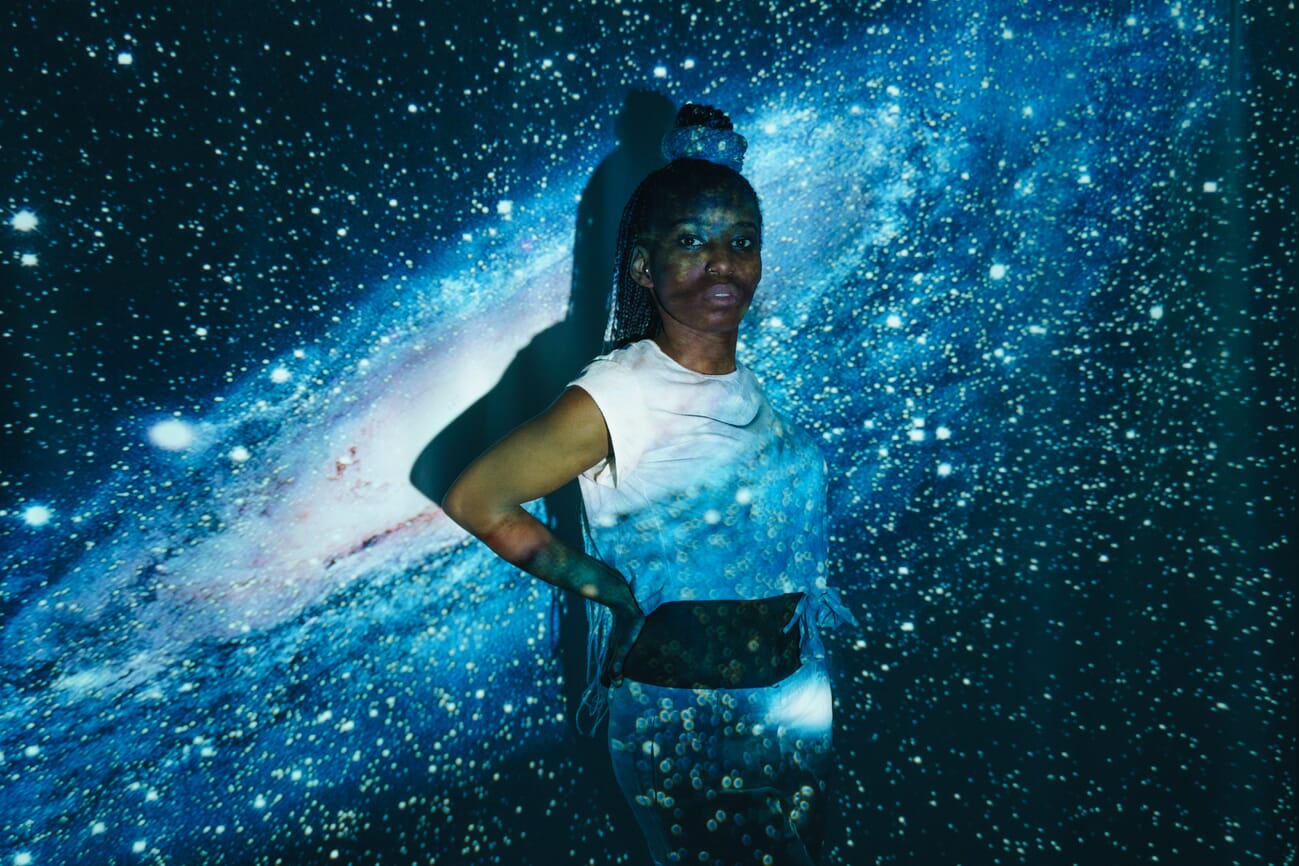
Projectors have become an affordable creative tool, and combining them with portrait photography produces some genuinely striking results. Layer images of nebulae, star fields, or planetary surfaces directly onto your subject’s skin and clothing.
The setup is simpler than you’d think: a basic projector, a dark room, and a laptop running space imagery. Shoot at a wider aperture to isolate your subject, and experiment with both tight headshots and full-body compositions. The projected light becomes part of your lighting setup, so you may not need much else.
3. Renaissance Vibes
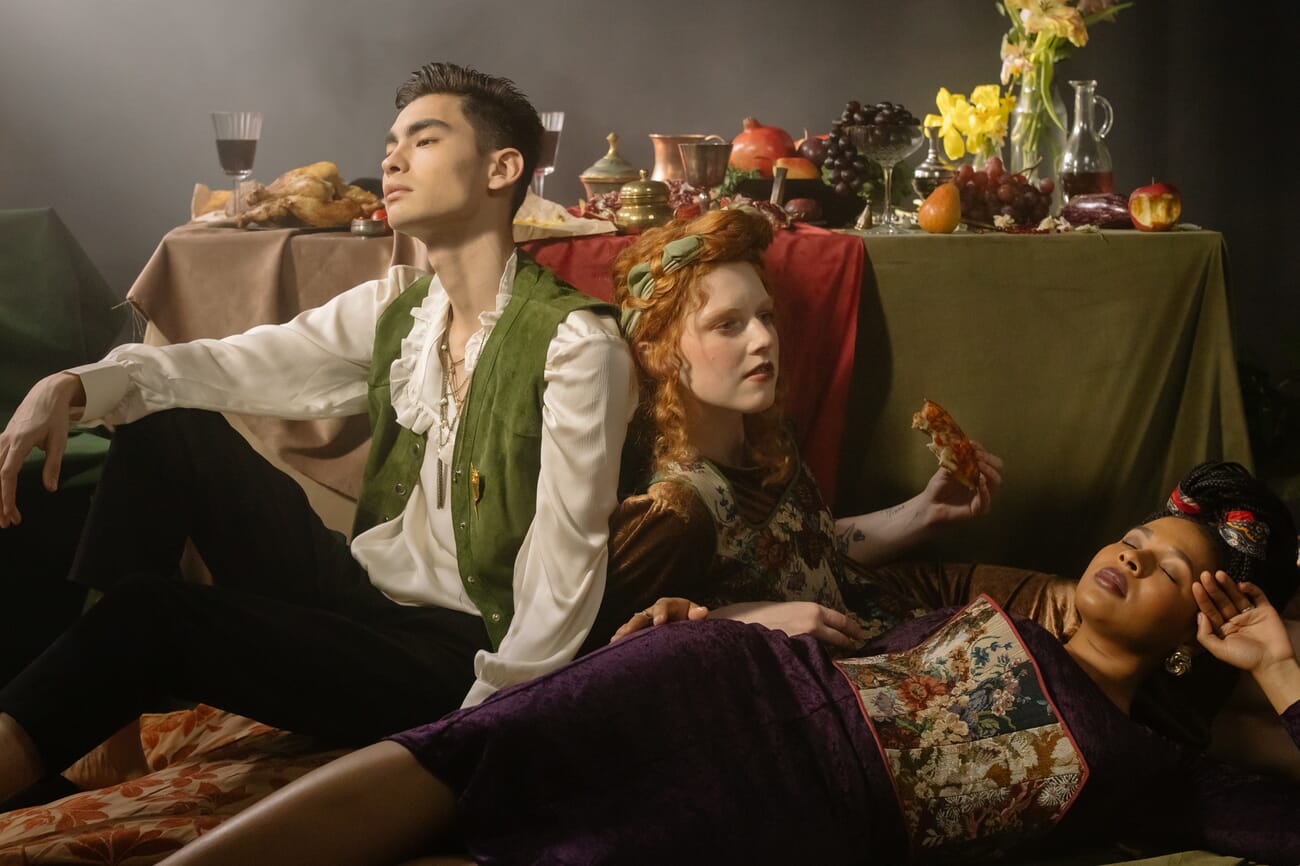
The Renaissance aesthetic keeps cycling back into fashion and fine art photography. Think corsets, puff sleeves, embroidered fabrics, and that characteristic Rembrandt-style directional lighting that makes portraits look like Old Master paintings.
You don’t need a museum to pull this off. A single window as your key light, a dark backdrop (even a black bedsheet works), and period-inspired wardrobe from a thrift store can produce stunning results. Lean into deep, rich tones during editing – think muted golds, burgundies, and forest greens.
4. Mysticism
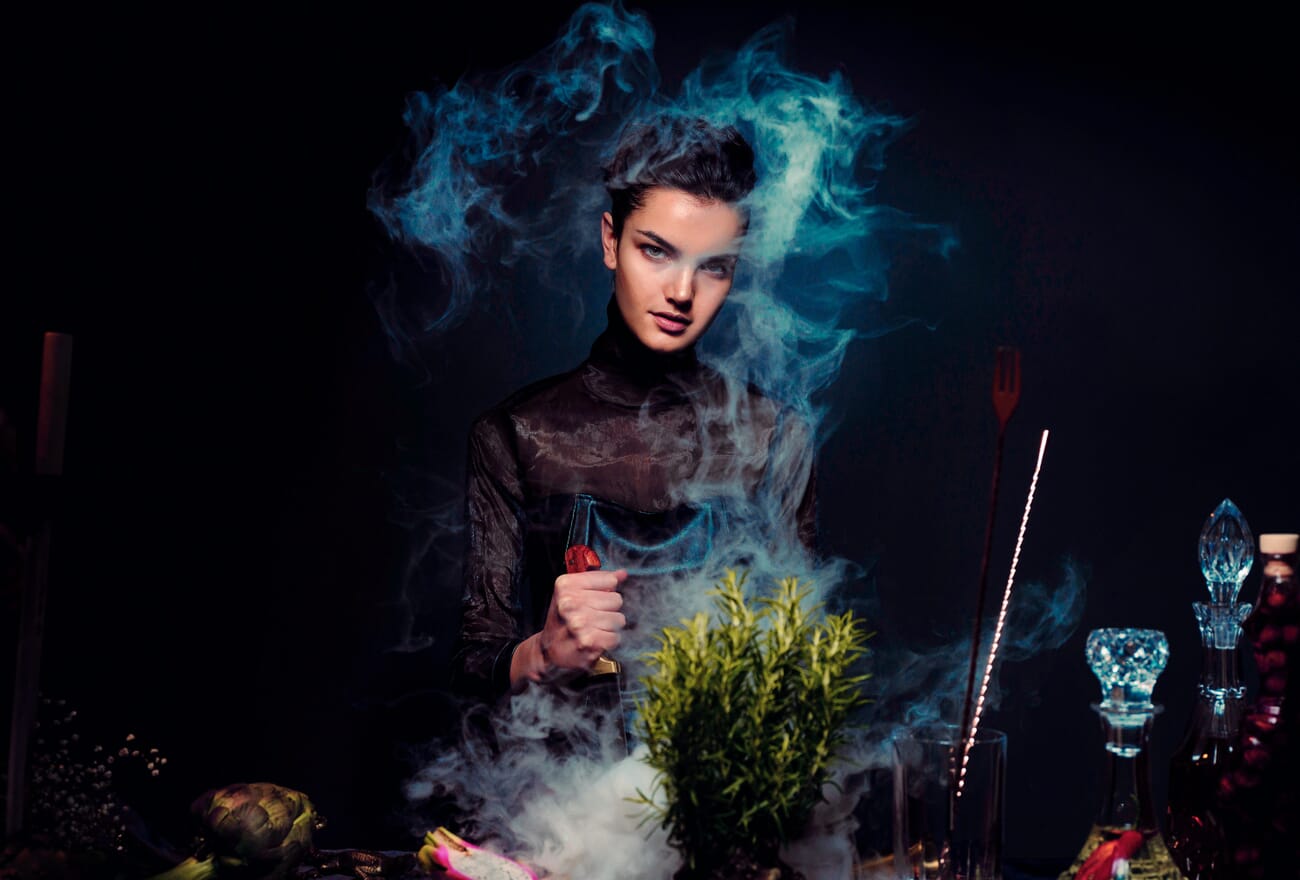
Mystical themes give you nearly unlimited creative freedom. Tarot cards, crystals, smoke machines, colored gels, flowing fabrics – the prop list is endless, and the mood can range from dark and brooding to ethereal and dreamy.
This is a fantastic theme for breaking out of a creative rut. Start with a single moody light source (a candle, a bare bulb, or a single strobe with a grid), add atmosphere with a fog machine or incense, and let your subject interact with props naturally. Some of the most compelling mystical portraits come from playing with shadows rather than filling every corner with light.
5. Bold Color
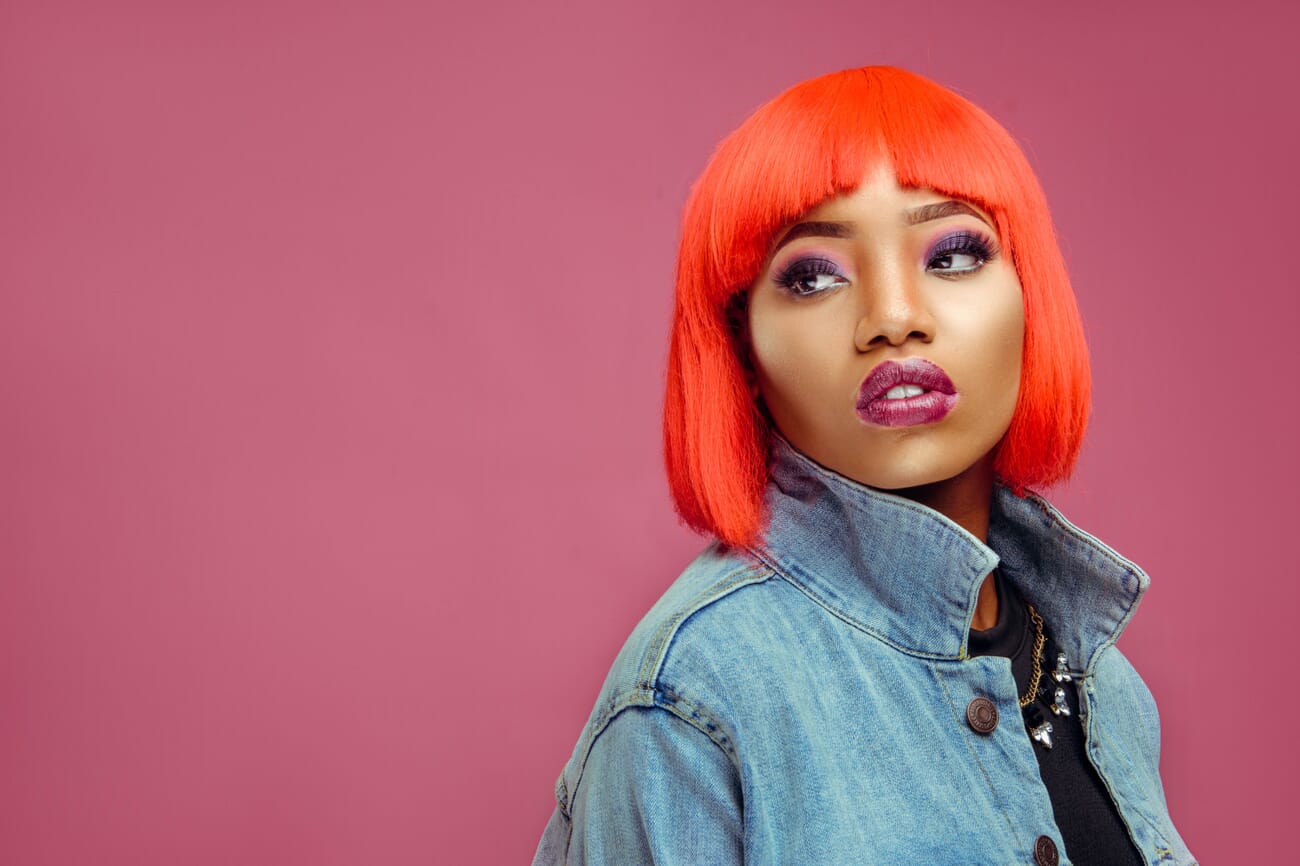
Saturated, unapologetic color is having a moment. Think monochromatic sets where the backdrop, wardrobe, and makeup all coordinate in a single vivid hue. Or go the opposite direction with deliberate color clashes that demand attention.
The key is commitment. Half-measures look accidental; going all-in looks intentional and editorial. If you’re new to working with color as a compositional tool, start with complementary pairings (blue/orange, purple/yellow) and build from there.
6. Quirky Products

Flat-lay and product photography don’t have to be sterile. This theme pushes you to inject personality into everyday objects – unexpected arrangements, clashing textures, absurd pairings, and compositions that make viewers do a double take.
This is particularly relevant if you shoot for brands or social media. The most shareable product images are the ones that surprise people. Try shooting a watch inside a block of ice, arranging skincare products like a still life painting, or photographing food in ways that break every food photography rule.
7. Vintage Throwback
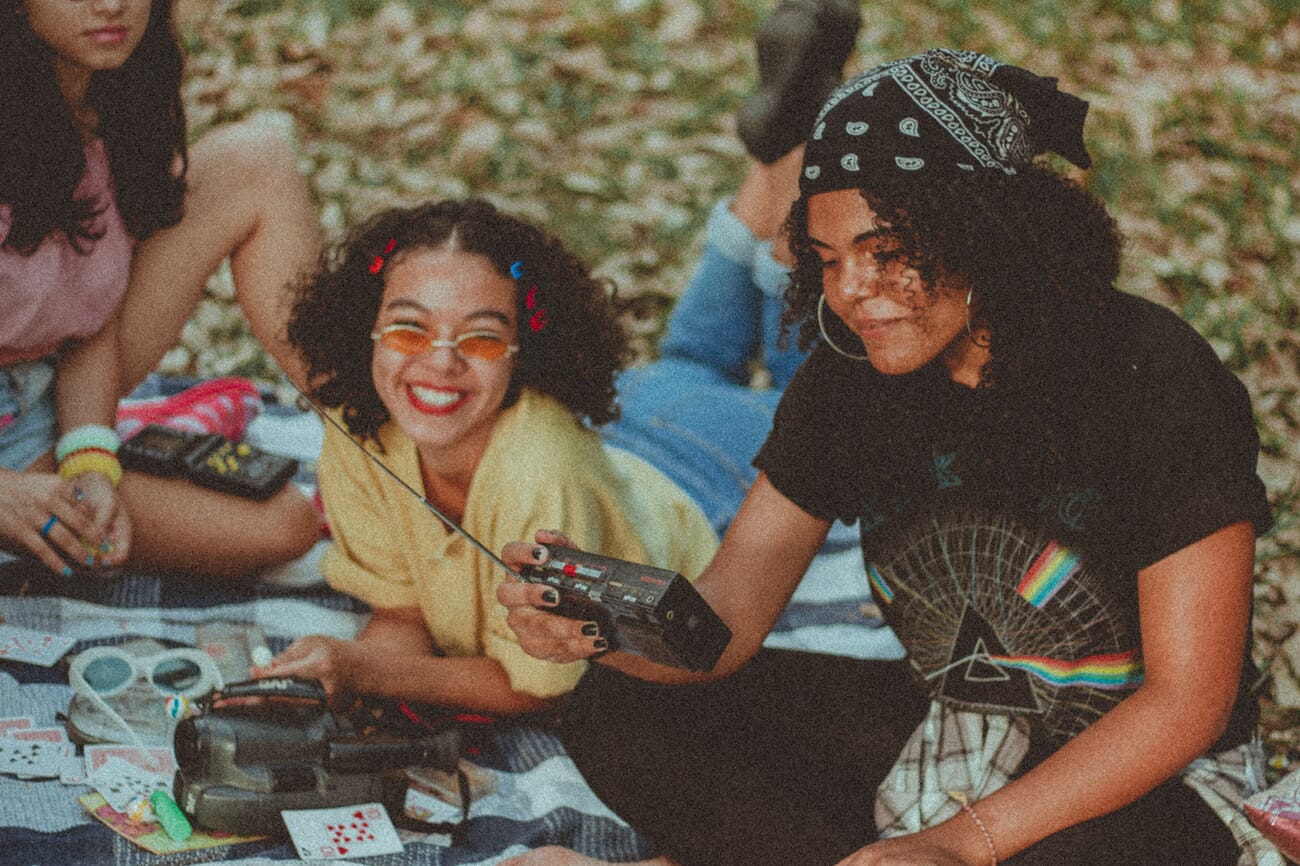
Nostalgia remains a powerful creative driver. This theme draws on the visual language of past decades – the warm color casts of the ’70s, the harsh flash of ’90s point-and-shoots, or the faded pastels of early Polaroids.
For authentic results, lean into brown and orange tones, direct flash without a diffuser, and slightly desaturated greens. Converting to sepia or black and white works too, but the most interesting vintage-style images often keep just enough color to feel era-specific. You’ll see this approach in a lot of current branding photography.
8. Let There Be Plants
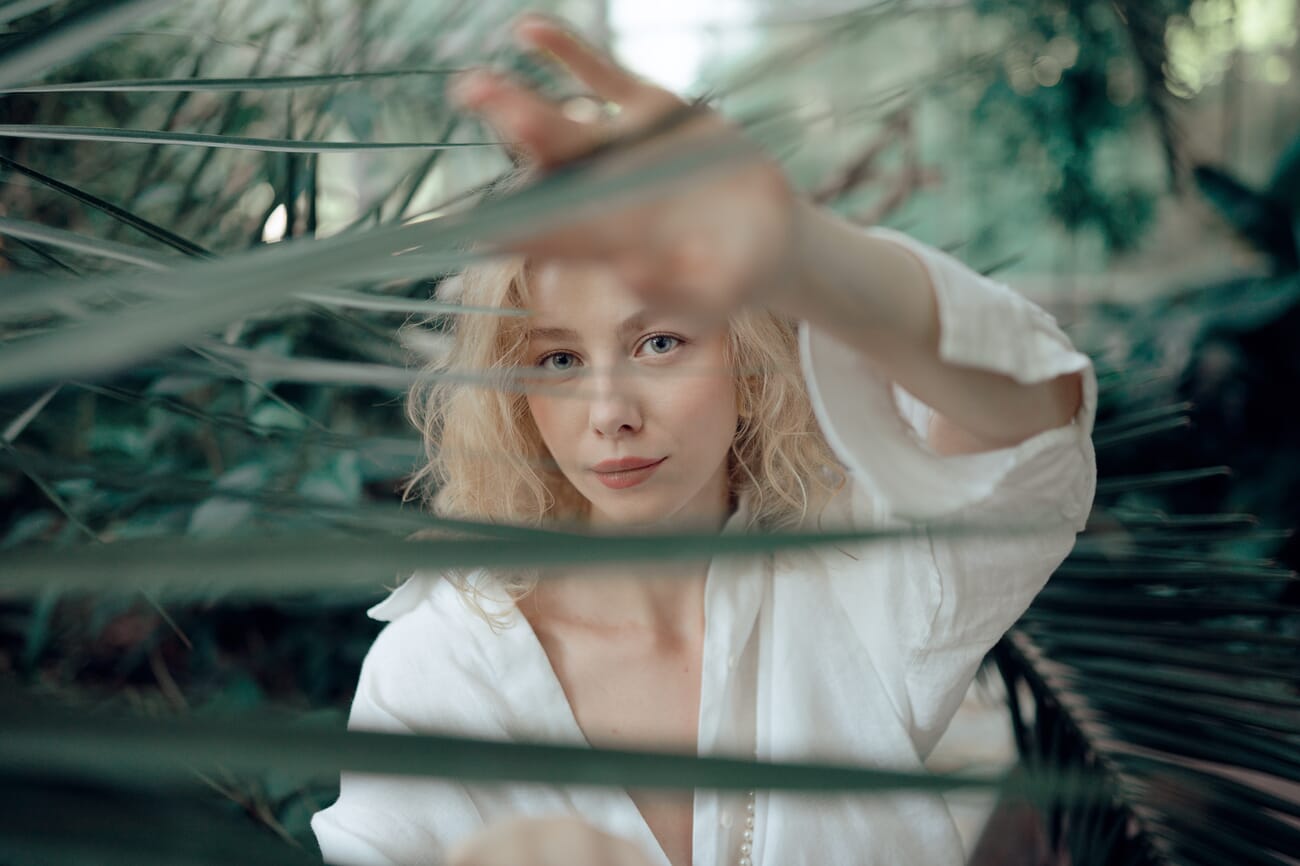
Plants aren’t just set decoration – they can be co-subjects. Build a session where greenery is as important as your portrait subject. Ask your model to pose with houseplants, shoot through branches and flowers to create organic foreground elements, and use botanical gardens or overgrown spaces as locations.
Play with both shallow and deep depth of field here. A wide aperture turns foreground leaves into soft, dreamy washes of green, while stopping down keeps both the subject and surrounding foliage sharp.
9. Natural Beauty
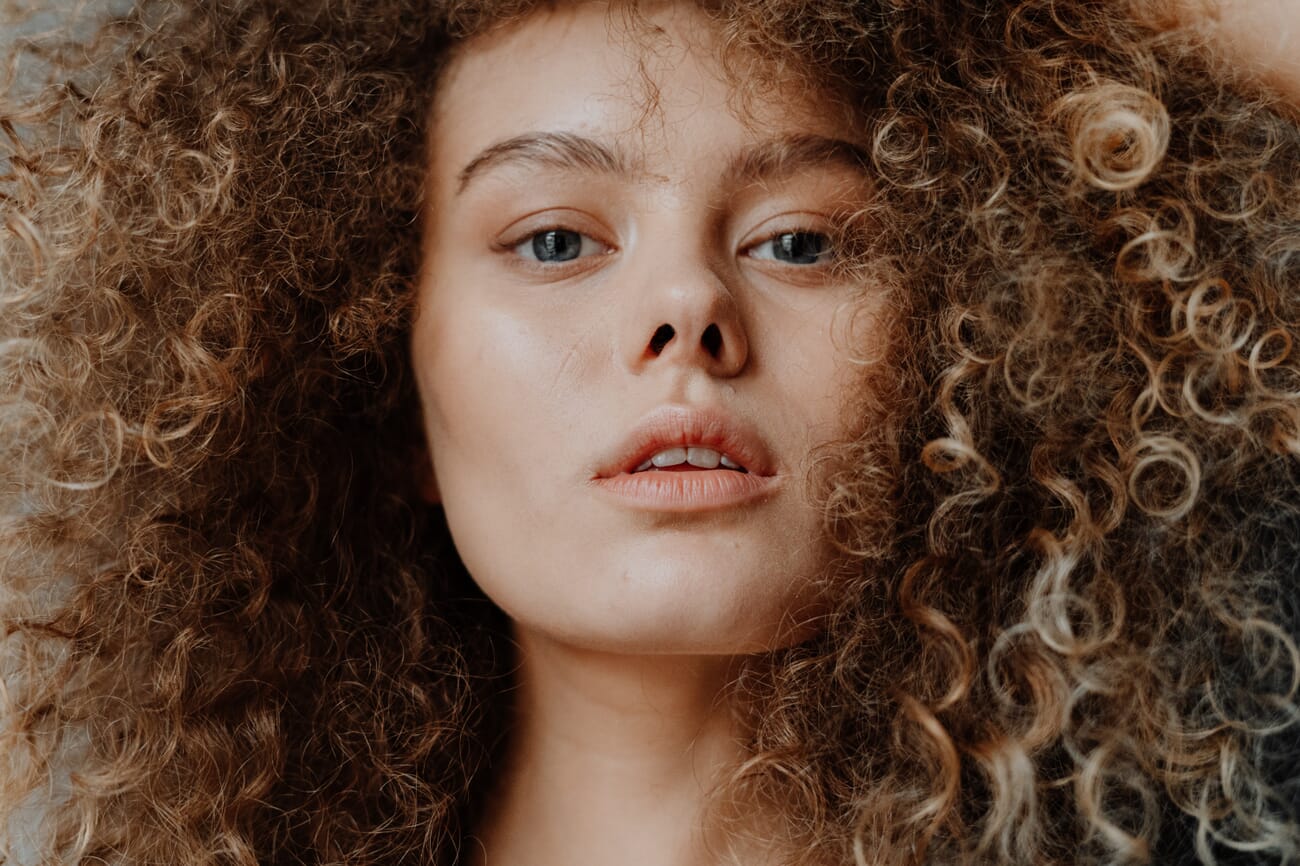
The #nofilter movement has matured into a genuine aesthetic preference. Photographers and clients alike are gravitating toward images that feel authentic – minimal retouching, soft natural light, and subjects presented as they truly are.
This theme works beautifully with window light. Place your subject near a large north-facing window, use a white reflector on the shadow side, and keep your editing hand light. The goal is to enhance rather than transform.
10. Cozy at Home

Lifestyle photography that celebrates the comfort of home has become a genre of its own. Blankets, morning coffee, sunlit reading nooks, lazy weekend mornings – these everyday moments make for surprisingly compelling images when photographed with intention.
Use pillows, textured throws, and warm-toned bedding to build cozy compositions. Natural light is your best friend here. Shoot during the morning or late afternoon when the light streaming through windows has that soft, golden quality that makes everything feel inviting.
11. Geometric Light
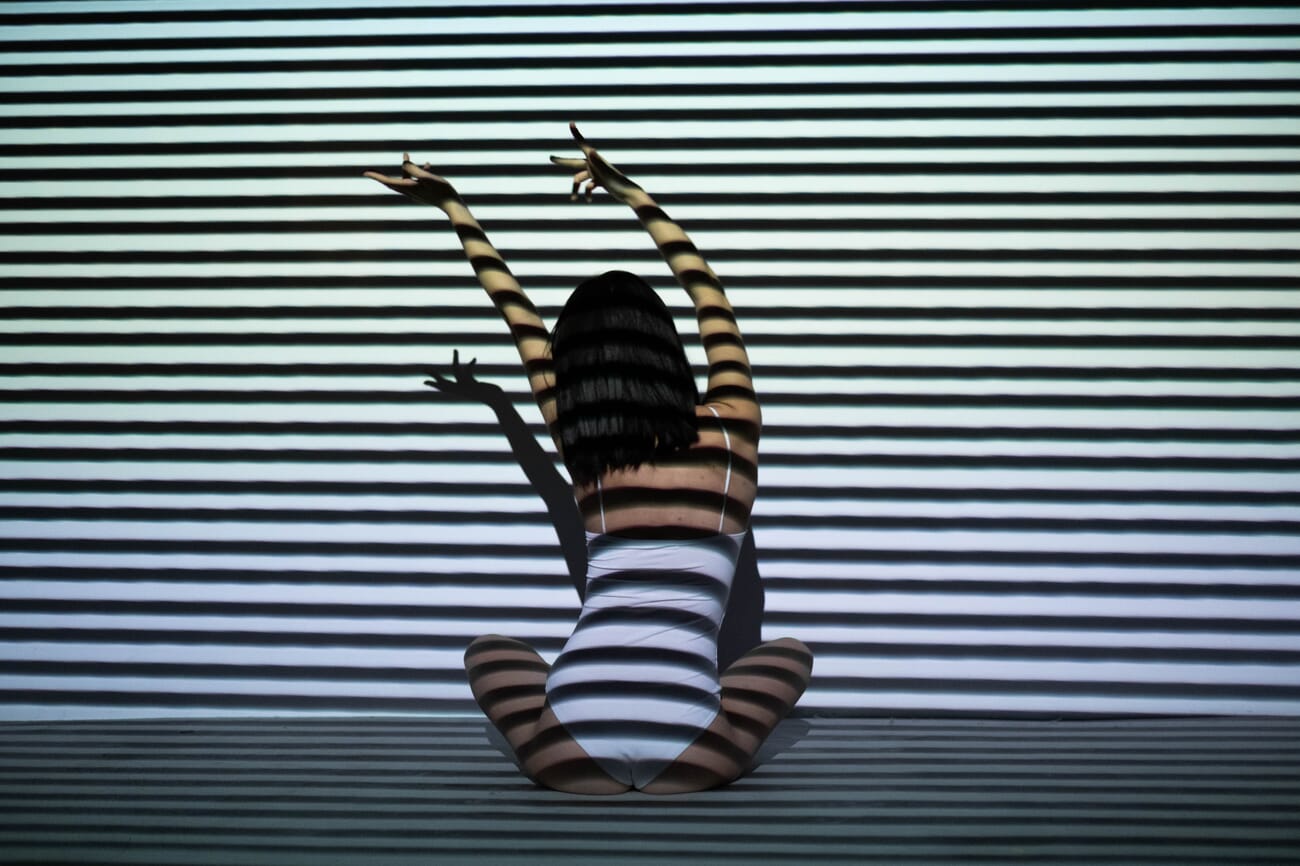
Humans are drawn to patterns and repetition, and geometric shadows on a subject’s face or body create instantly graphic, editorial-quality images. This technique transforms ordinary portraits into something that feels designed.
There are several ways to achieve this at home:
- Project a pattern onto a wall or your subject
- Cut geometric shapes from cardboard and place them in front of a light source
- Use window blinds on a sunny day for clean, parallel lines
- Shoot through perforated metal screens or lattice panels
12. Western Roots
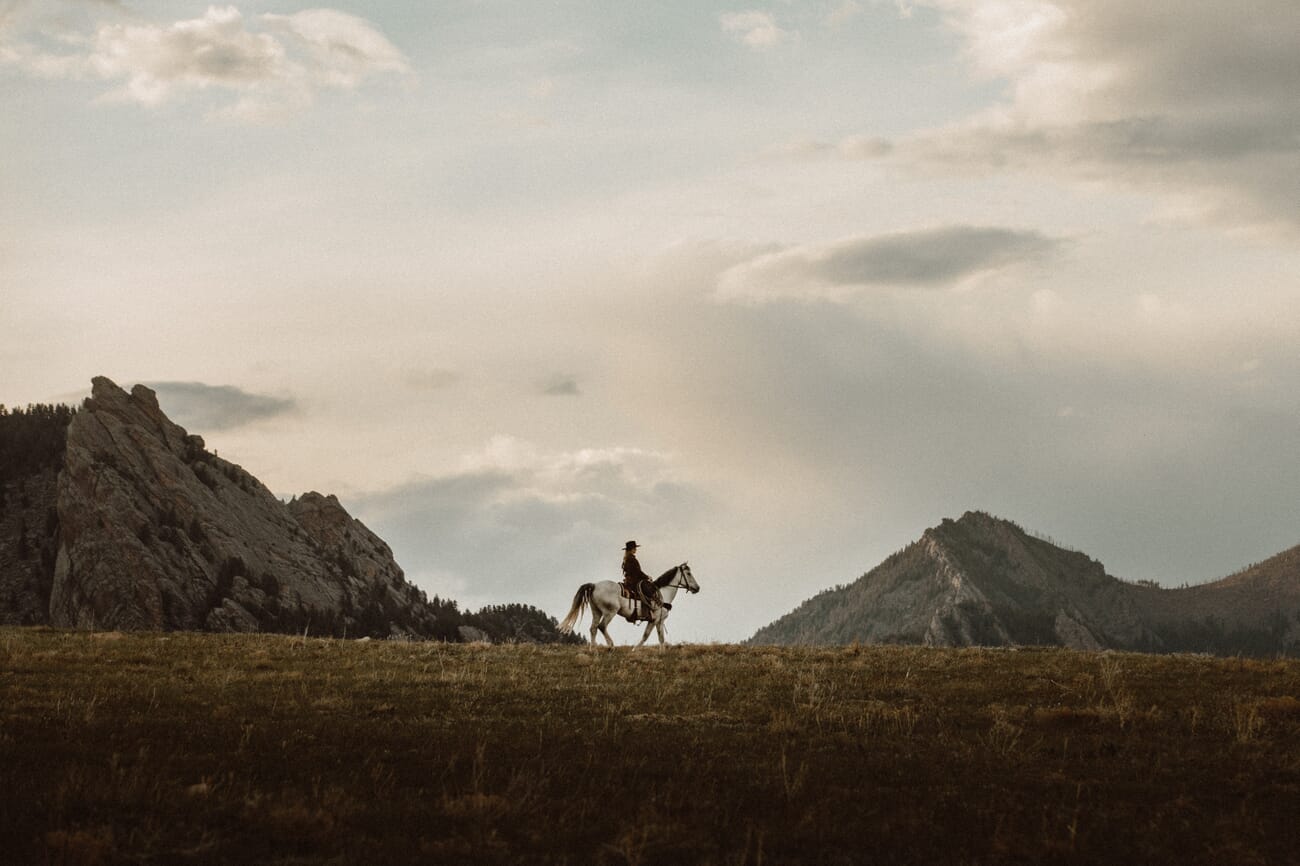
Western and ranch aesthetics have moved well beyond country music marketing. Fashion brands, editorial magazines, and portrait photographers are all drawing from this visual language – wide open landscapes, worn leather, denim, and the golden light of the American West.
If you can access a ranch, barn, or rural landscape, the locations practically style themselves. Shoot during golden hour for that warm, cinematic quality. Even without a horse or cowboy hat, the essence of this theme – ruggedness, wide spaces, hard light meeting soft dusk – translates to any portrait session.
13. Reality Warped
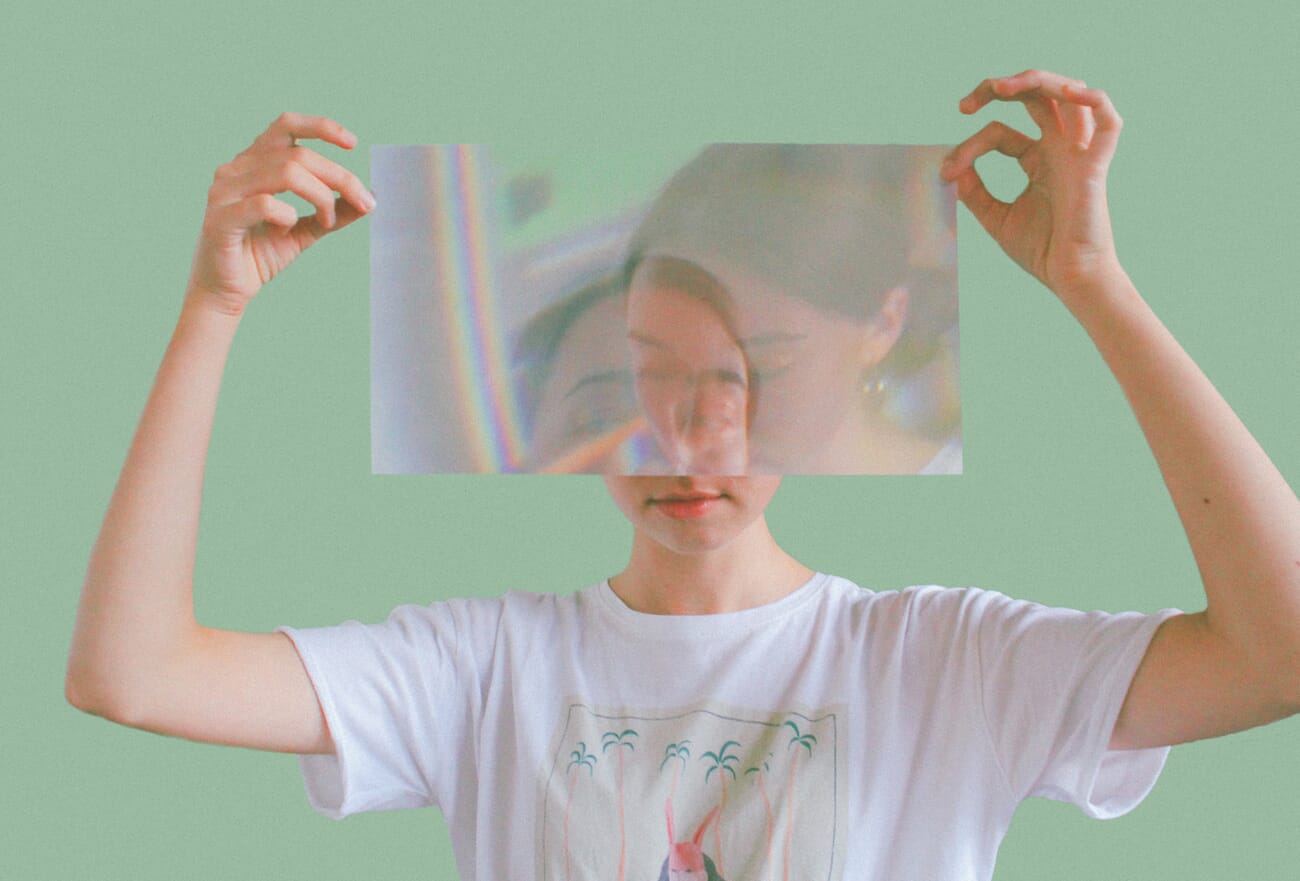
Distorted, surreal imagery challenges viewers to question what they’re seeing. This theme invites you to bend perception using physical tools and camera techniques rather than relying solely on post-processing.
Try coating a pane of glass with vaseline and shooting through it. Hold a prism in front of your lens for rainbow refractions. Use a freelensing technique (detaching your lens slightly) for selective focus with light leaks. The goal: make the viewer pause and look twice.
14. Capture Ordinary Life
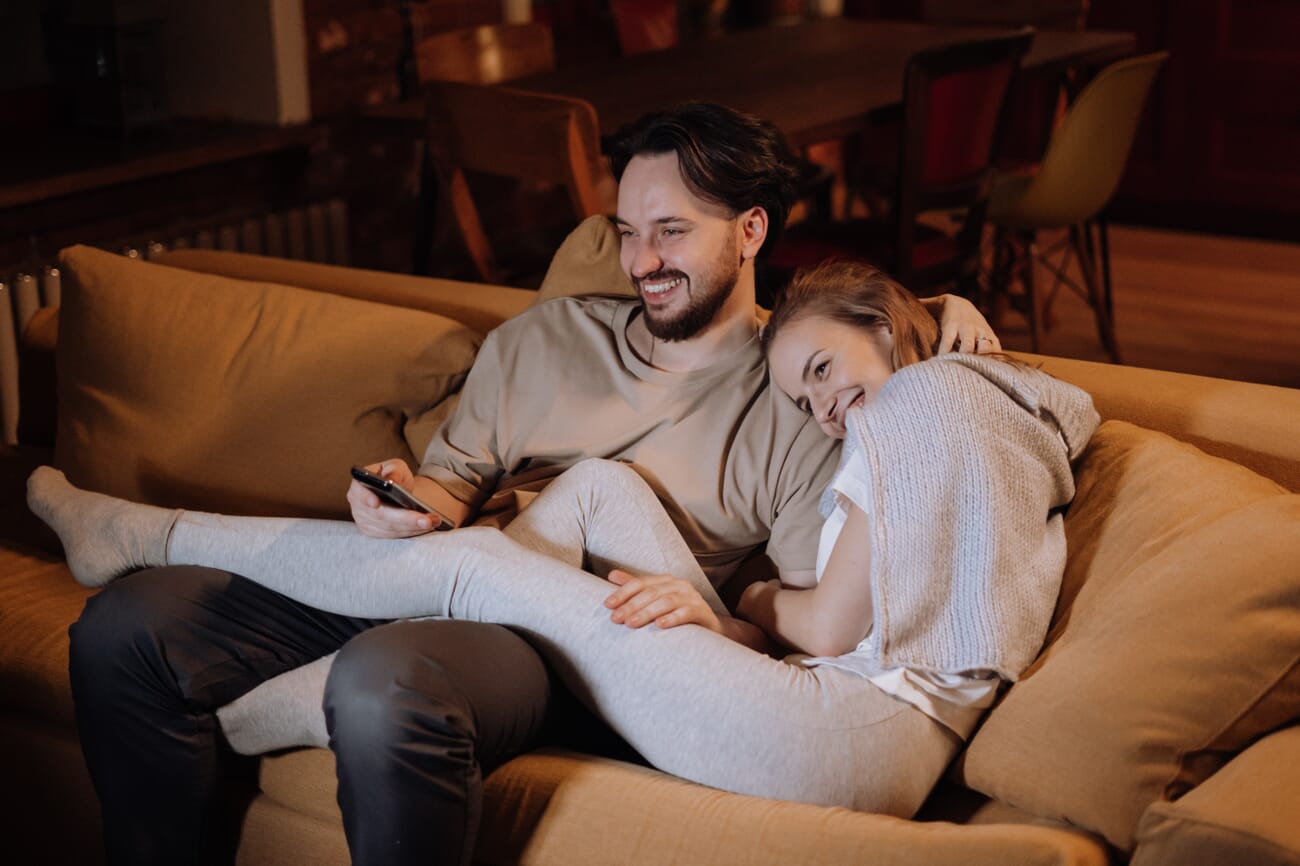
Some of the most powerful photography celebrates the unremarkable. A person reading on a park bench. Steam rising from a coffee cup. The way afternoon light falls across a kitchen table. This documentary-style approach finds beauty in moments most people overlook.
The trick is shooting with the same care and intentionality you’d bring to a commissioned shoot. Strong composition, thoughtful framing, and patience to wait for the right moment turn the ordinary into the extraordinary.
15. From Ground Level
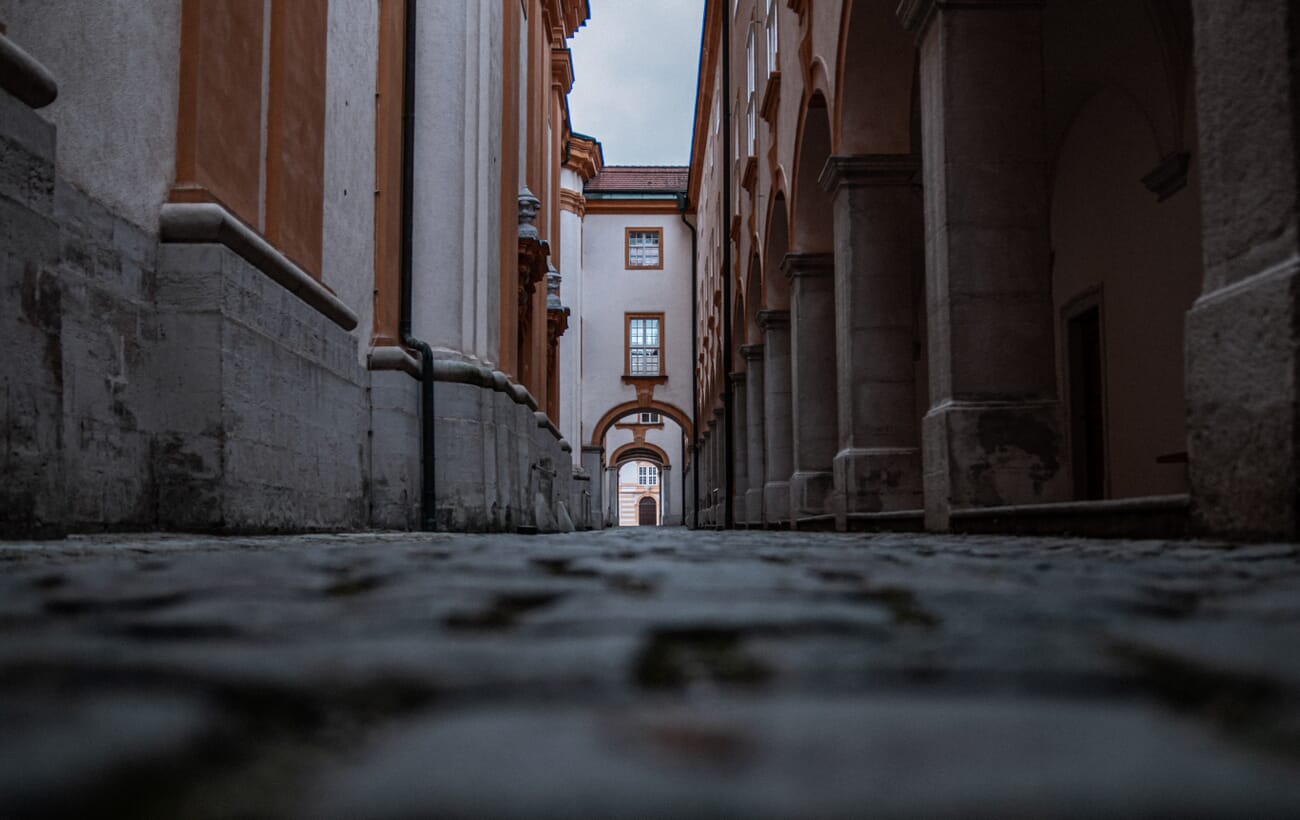
Changing your shooting angle is one of the simplest ways to create more dynamic images. Getting down to ground level – literally lying on the floor or the pavement – gives your subjects a sense of scale and importance that eye-level shots rarely achieve.
This perspective works especially well for fashion, architecture, and silhouette photography against dramatic skies. The foreground becomes a key compositional element, so look for interesting textures like wet pavement, grass, or patterned tiles.
16. Passion at Work

There’s something magnetic about photographing someone fully absorbed in their craft. A potter at the wheel, a chef plating a dish, a musician mid-rehearsal – these moments of genuine focus produce portraits with real emotional depth.
The key is to step back and observe rather than direct. Use a longer focal length to maintain distance without sacrificing intimacy. Let your subject forget you’re there, and the authentic expressions will follow.
17. Exploration and Adventure
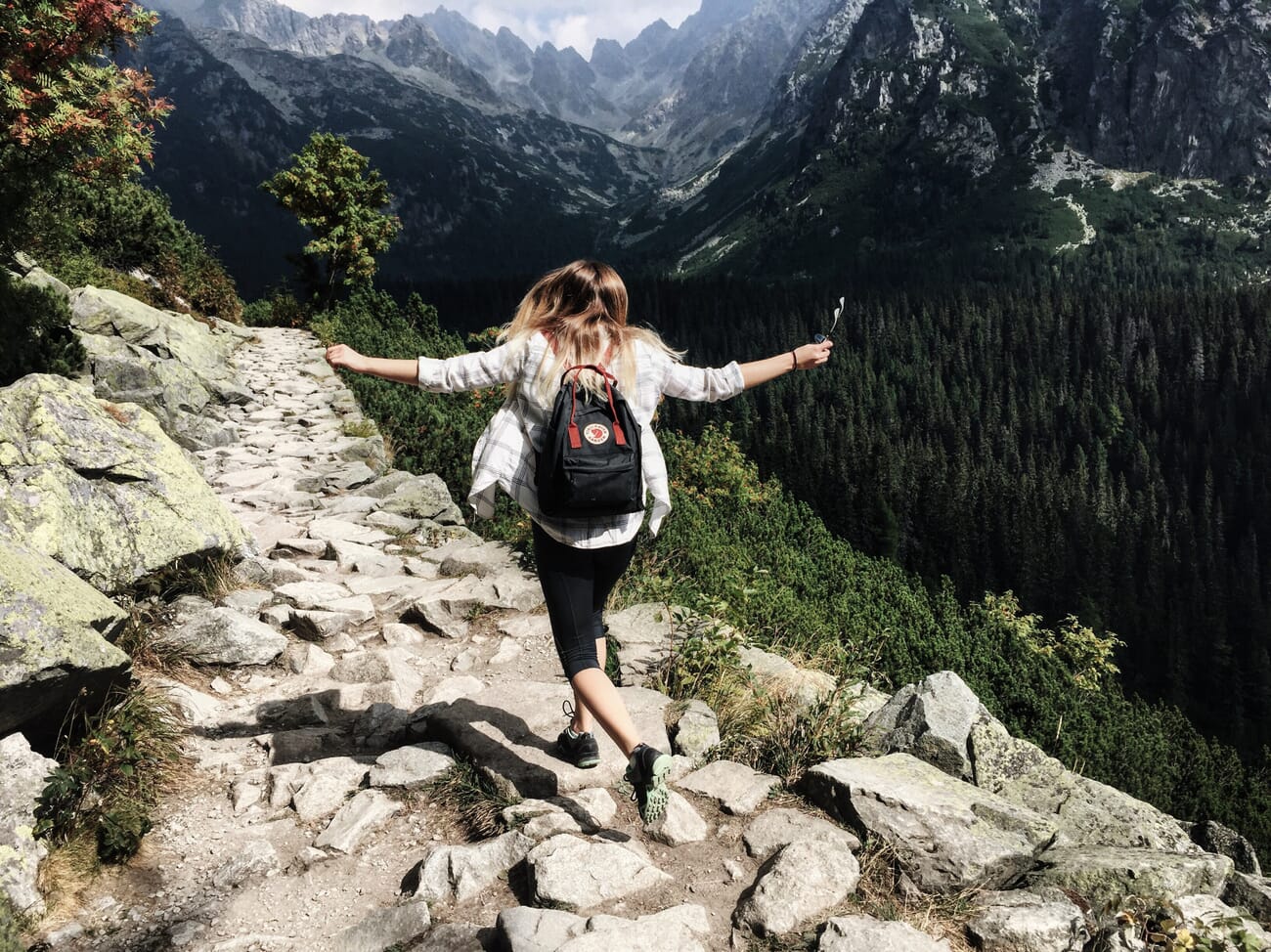
Adventure-themed shoots tap into that universal desire to explore somewhere new. Plan a session around a dramatic landscape – a mountain trail, coastal cliffs, a forest path – and let the environment drive the narrative.
Show your subjects interacting with the landscape: running, climbing, looking out over a vista. The human figure small against a vast backdrop creates a powerful sense of scale that resonates with viewers.
18. Lensball Photography
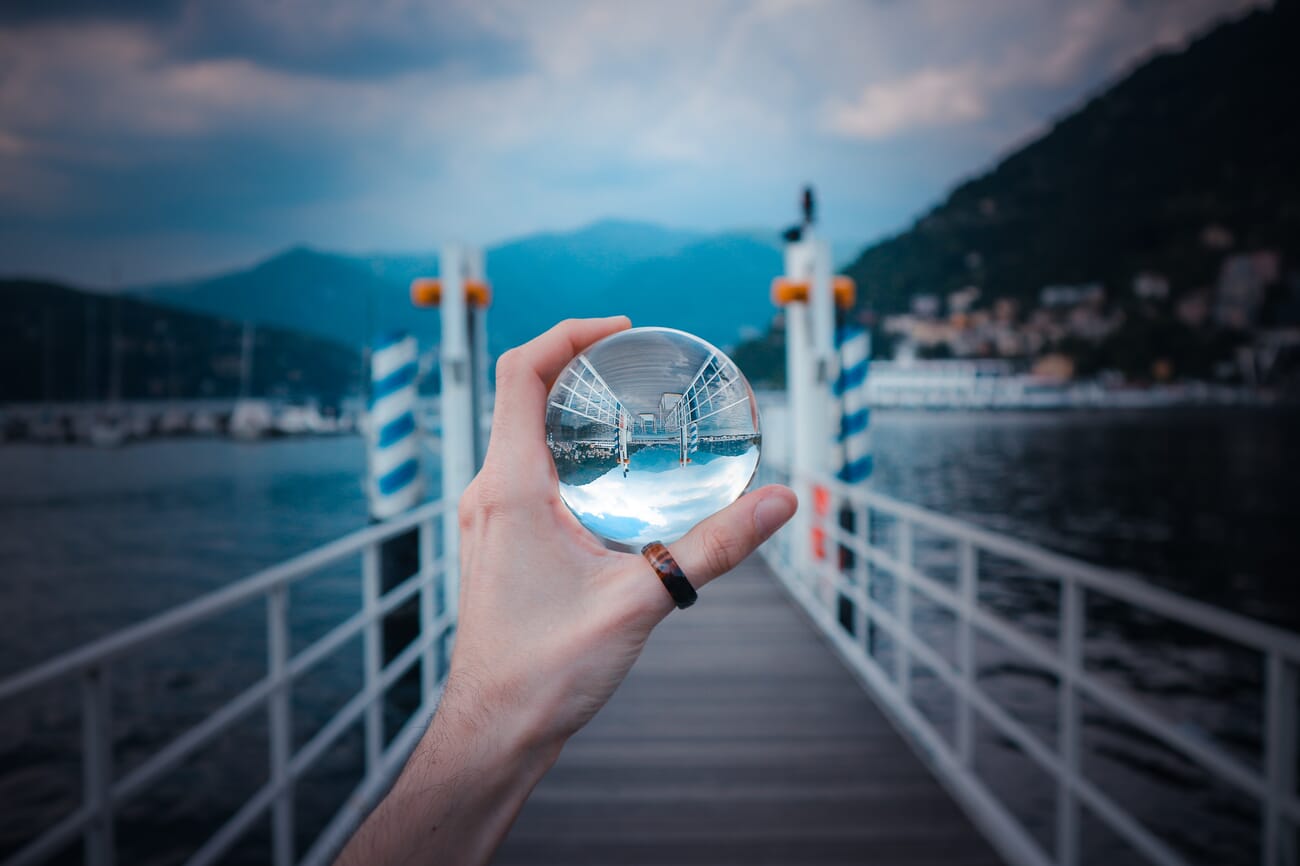
Lensballs remain one of the most accessible creative photography tools – affordable, portable, and endlessly versatile. The inverted, spherical perspective they create turns any scene into something visually unexpected.
For the strongest results, place the lensball on a stable surface near interesting backgrounds – cityscapes, sunsets, or detailed architecture work particularly well. Use a wide aperture (f/2.8 or wider) to soften the background while keeping the refracted image inside the ball tack-sharp.
19. Activism and Voice
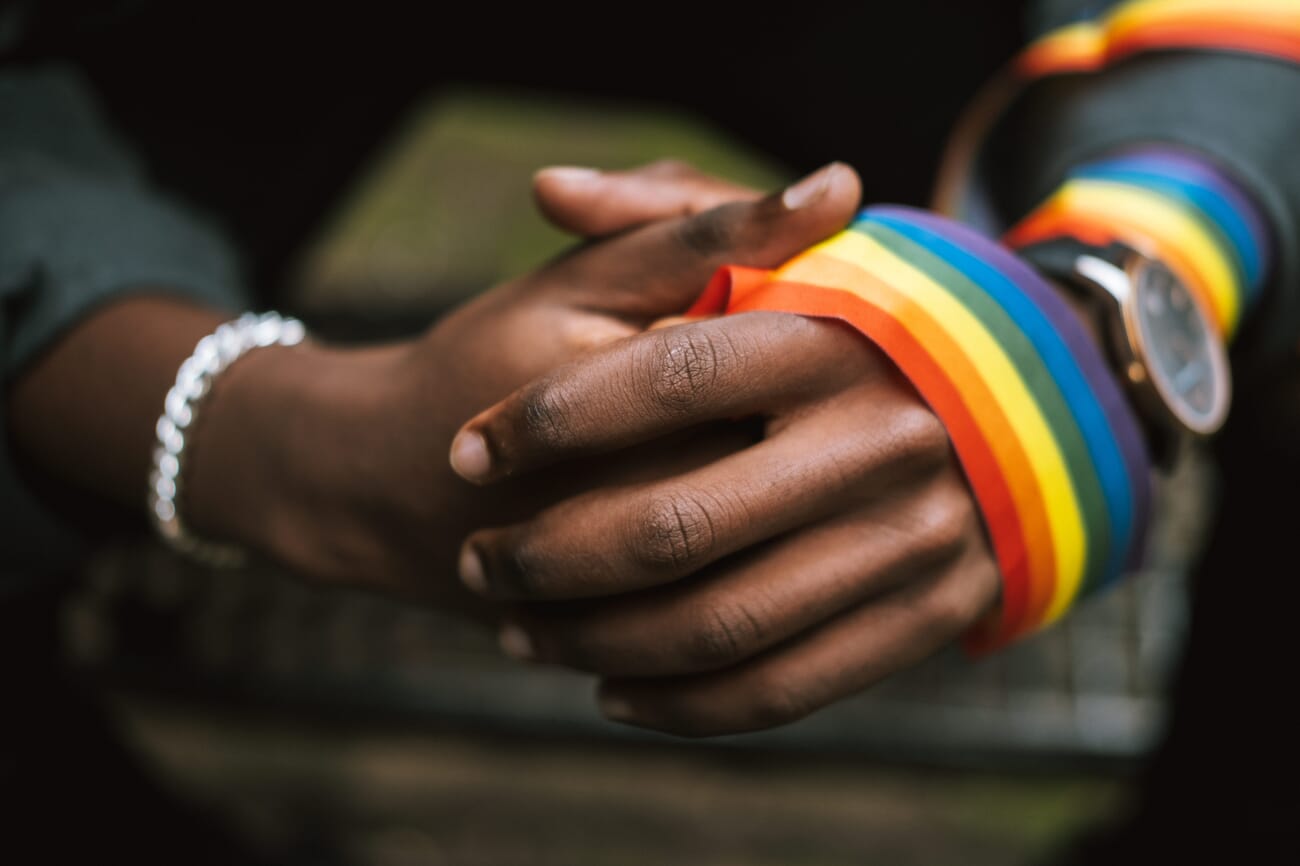
Photography has always been inseparable from social movements. Whether you’re documenting rallies and marches or creating studio portraits that center a cause, this theme puts message at the forefront of your visual storytelling.
The most impactful activism photography focuses on human faces and emotions rather than just signs and crowds. Get close (with consent), shoot at eye level, and prioritize the moments of genuine emotion – determination, solidarity, joy, grief – that give a movement its human dimension.
20. Paint Meets Camera
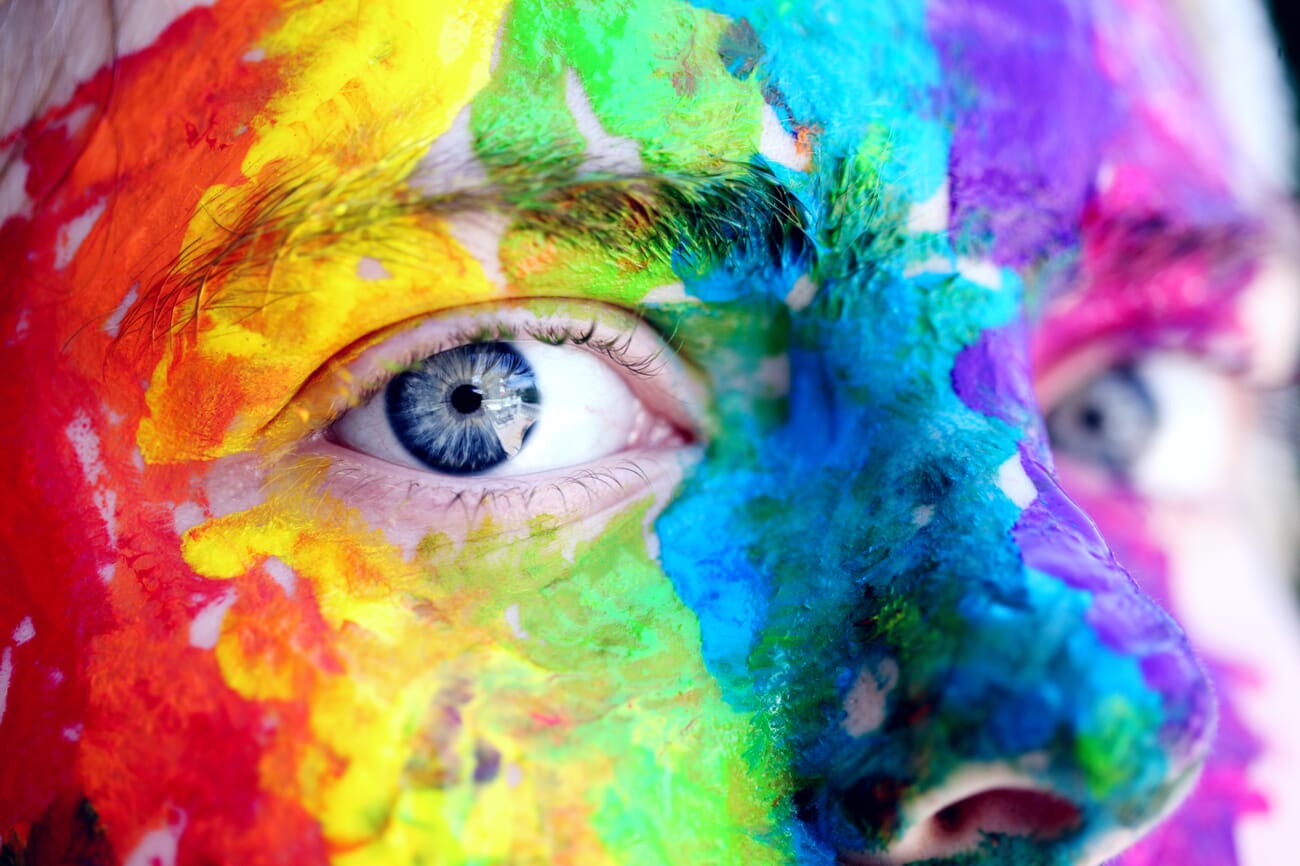
The intersection of traditional art and photography produces genuinely unique images. Splash paint on a subject, shoot through painted glass, or create composite images that layer brushstrokes over photographs.
This theme is messy, unpredictable, and that’s the point. Lay down tarps, use washable paint, and embrace the chaos. Some photographers are also exploring a hybrid workflow: shooting a portrait, printing it, painting or drawing over the print, then re-photographing the result. The layered approach creates images that feel handmade in a digital world.
21. Desert Vibes
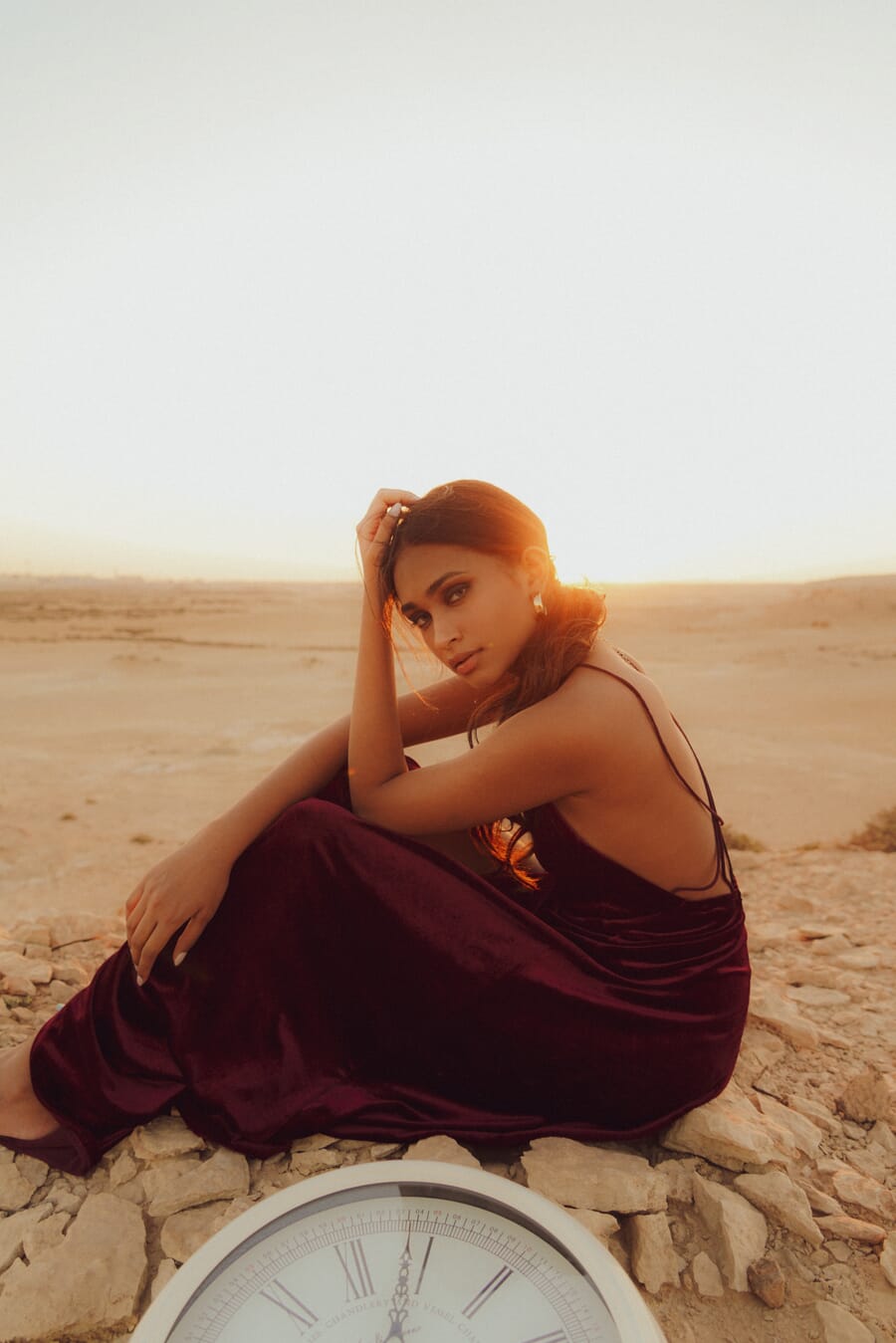
Deserts offer something rare in photography: vast, uncluttered negative space. A single subject against endless sand and sky creates images with powerful visual simplicity and a cinematic sense of isolation.
Timing is everything with desert shoots. Aim for golden hour – the light is spectacular, and temperatures are actually bearable. Desert sunsets produce some of the most dramatic color gradients you’ll find anywhere. Bring a reflector to bounce warm light back onto your subject’s face when shooting with the sun behind them.
22. Motion Blur Art
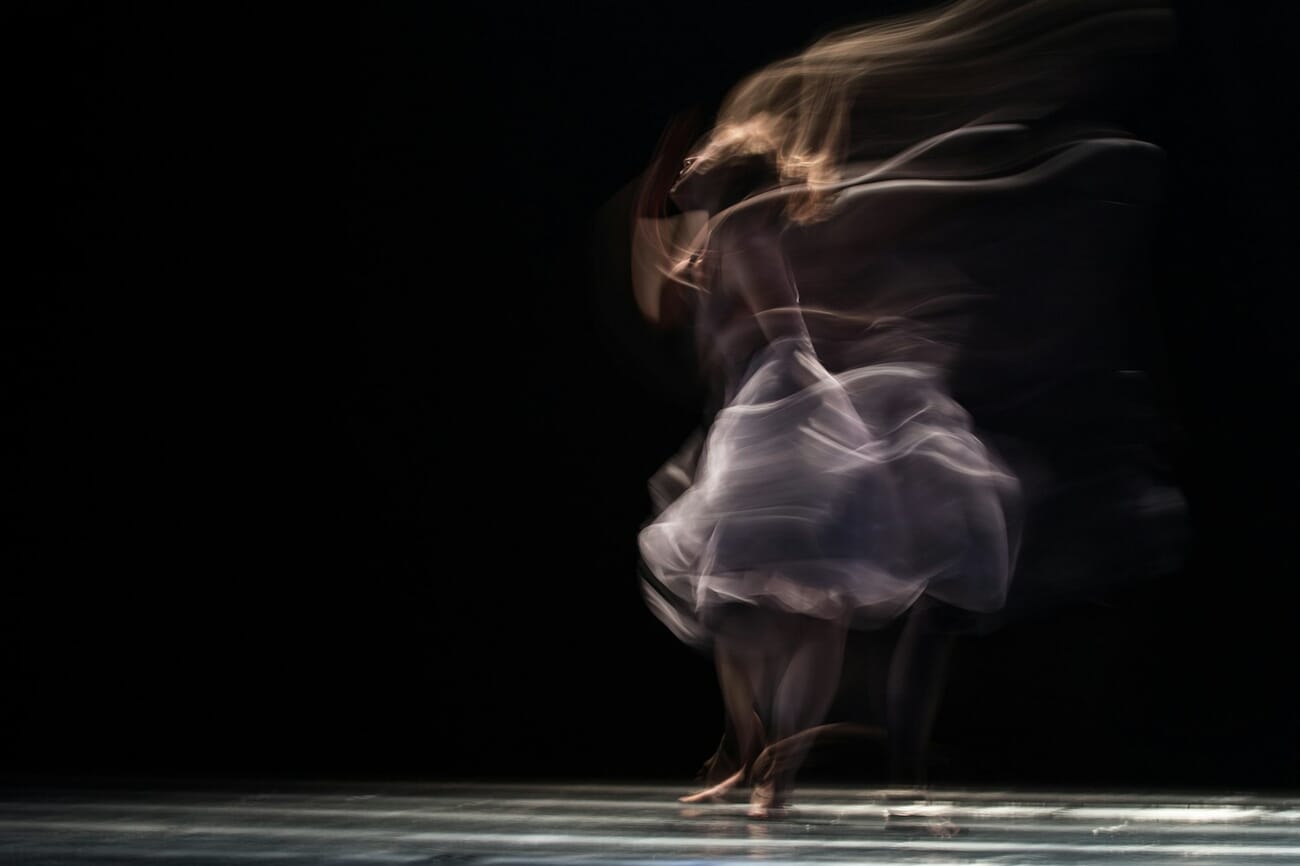
Intentional motion blur turns a photograph into something closer to a painting. Long exposures that capture the sweep of a dancer, the rush of traffic, or even a simple head turn create images that feel alive with energy.
Set your shutter speed between 1/4 second and 2 seconds. If you’re shooting in bright conditions, you’ll need a neutral density filter to avoid overexposure. Try second-curtain sync flash for a sharp subject overlaid with motion trails – it’s one of the most visually striking techniques you can try with basic gear.
23. Neon Cyberpunk
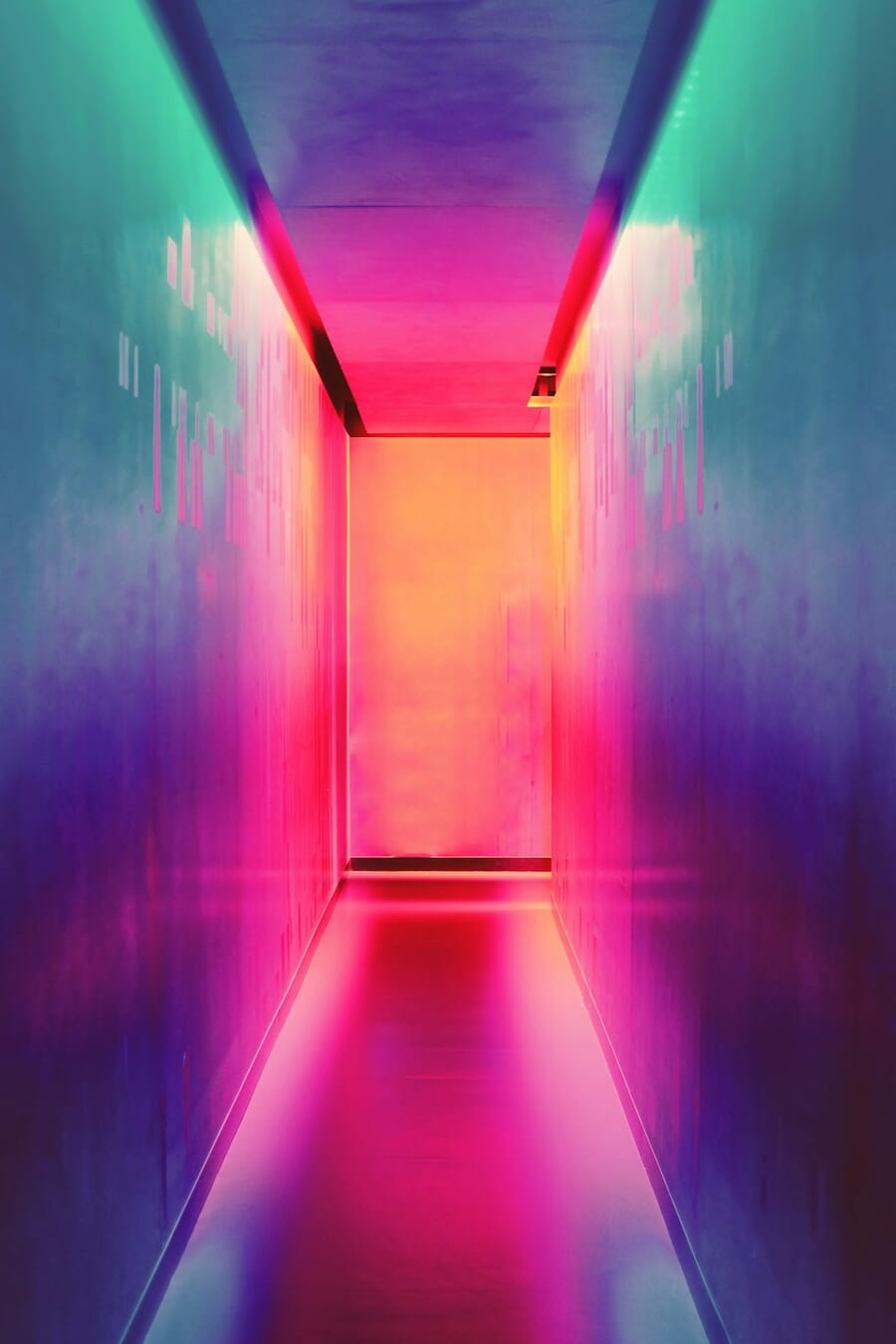
Neon lighting has become one of the most recognizable portrait aesthetics. The vibrant pinks, purples, and blues create an instantly striking, futuristic atmosphere that works beautifully for fashion shoots, creative projects, and social media content.
You don’t need an expensive studio to pull this off. Shoot in urban areas with neon signage, use affordable LED strip lights or RGB panels, or tape colored gels over your flash. The key is letting the neon become part of your lighting design, not just background decoration. Underexpose slightly to keep the colors rich and saturated.
24. AI-Enhanced Backdrops
AI image generation has matured from a novelty into a legitimate production tool. Photographers are using tools like Adobe Firefly 4, Google Gemini’s image generation, and Midjourney to create backdrops that would be impossible or prohibitively expensive to build in real life – think floating islands, alien landscapes, or perfectly styled interiors that don’t exist.
The workflow is straightforward: shoot your subject against a solid backdrop or green screen, then use AI to generate and composite a custom background. Firefly 4’s Generative Expand feature is especially useful for extending studio shots into full environmental portraits. Gemini’s image generation excels at photorealistic textures and architectural scenes.
One important note: if you’re posting professionally or entering competitions, always disclose AI-assisted elements. Transparency is becoming an industry expectation, and several major photo organizations now require it.
25. Earth Tones and Quiet Luxury
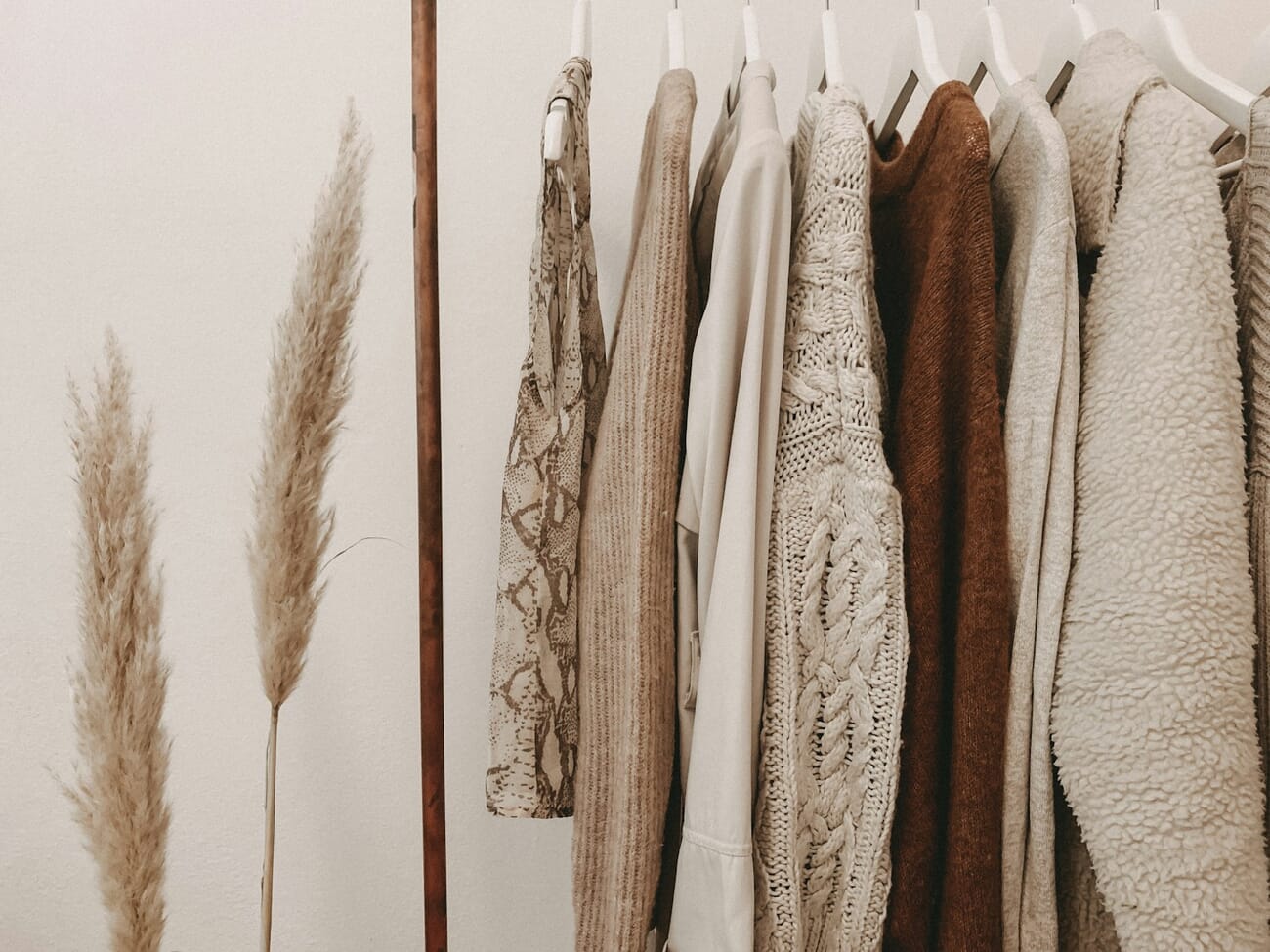
The “quiet luxury” aesthetic that’s been dominating fashion has spilled into photography. Think muted earth tones – sand, clay, cream, sage, stone – with clean compositions and understated elegance. No busy patterns, no saturated colors. Just beautiful textures, natural materials, and a sense of calm refinement.
For this theme, wardrobe choices matter as much as lighting. Linen, cashmere, raw silk, and other natural fabrics photograph beautifully. Use soft, diffused light (overcast days or a large scrim) and keep your editing minimal – slightly warm white balance, gentle contrast, and muted saturation. The result should feel timeless rather than trendy.
26. Film Grain Revival
Film is experiencing a genuine renaissance. Sales of 35mm film stock have been climbing steadily, and brands like Kodak have been releasing new emulsions to meet demand. But even if you shoot digital, the film grain aesthetic has become one of the most requested editing styles – clients specifically ask for that analog look.
To nail the film grain look digitally, focus on three things: add grain (Lightroom’s grain slider or dedicated film simulation presets), lift your shadows (film rarely produces true blacks), and mute your highlights (roll off the top end of your tone curve). Shoot one stop overexposed for that characteristic film latitude, and shift your color grading toward greens and warm yellows. The renewed interest in analog processes is real – Kodak recently rebranded its professional film stocks under the Ektacolor Pro and Ektapan names, signaling a long-term commitment to film.
27. Golden Hour Mini-Sessions
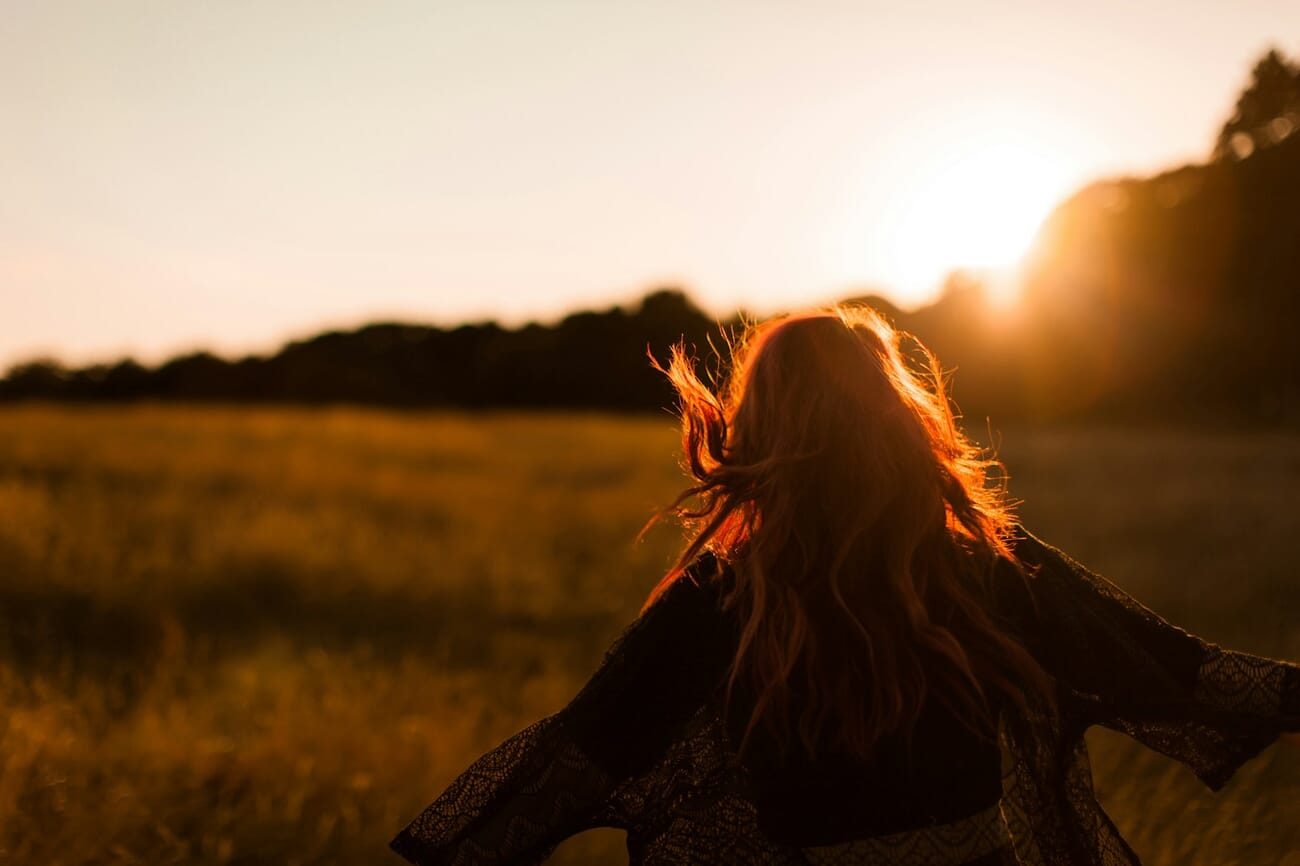
Golden hour mini-sessions have become one of the most popular offerings for portrait photographers. The concept is simple: book 20-30 minute portrait slots during the final hour before sunset, move through clients efficiently, and deliver a small gallery of images bathed in that warm, directional light that flatters everyone.
The beauty of this format is that the light does most of the work. Position your subject with the sun behind them for glowing rim light and soft, even illumination on their face. Use a reflector or expose for the shadows to keep details in the face. Open fields, tree lines, and lakeshores all work perfectly as locations – the simpler the background, the more the golden light becomes the star.
Frequently Asked Questions
What equipment do I need for themed photoshoots?
Most of these themes work with any camera, including a smartphone. What matters more is the concept, lighting, and styling. Props like colored gels, a small projector, or a simple reflector can transform basic setups into themed sessions without major investment.
How do I choose the right theme for my client?
Start with your client’s personality and the purpose of the shoot. Bold color and neon cyberpunk work for creative professionals and social media content. Earth tones and natural beauty suit branding, maternity, or family sessions. Show your client example images from each style and let them gravitate toward what resonates.
Can I mix multiple themes in one session?
Absolutely. Many successful sessions combine two complementary themes – for instance, Renaissance vibes with geometric light, or earth tones with golden hour outdoor shooting. Just make sure the combinations feel intentional rather than scattered.
Is it okay to use AI-generated backgrounds professionally?
Yes, AI-assisted backgrounds are increasingly accepted in commercial photography. The key is transparency: disclose AI elements to clients upfront, and check the submission guidelines if entering competitions. Most clients appreciate the creative possibilities, especially when traditional production would be cost-prohibitive.
How do I achieve the film grain look on a digital camera?
In Lightroom or Capture One, add grain via the effects panel, lift your shadow point on the tone curve, and roll off highlights slightly. Shift your color grading toward warm yellows and muted greens. Shoot slightly overexposed for that characteristic film latitude. Dedicated preset packs like VSCO or Mastin Labs can speed up the process.
Featured image: Photo by Hannah Busing on Unsplash.