

Sunrise ridgelines and bright windows in dim rooms share a brutal truth—without real latitude, colors band and highlights die. Hybrid shooters and real estate pros need bodies that combine HDR stills and video, fast auto-bracketing, and dependable low-light AF. The right mirrorless camera pairs deep dynamic range with clean 10-bit 4:2:2 files you can grade with confidence.
We analyzed and ranked 9 products. The Sony Alpha IV Full-frame (100/100) and Canon EOS R6 Mirrorless (100/100) lead for 14+ stops of latitude, internal 10-bit 4:2:2 with HLG/Log, and quick multi-shot AEB that keeps windows and skies intact. We compared bracketing step depth, HDR assist tools, rolling shutter, and noise floors, and we highlight picks for real estate interiors, lightweight landscape rigs, and budget 10-bit hybrids.
Expect clear guidance matched to your use case, budget, and experience level. We cover measured dynamic range, practical HDR workflows (HLG and Log), bracket automation options, low-light AF and IBIS, plus lens ecosystem notes for common shoots.
When you buy through links on our site, we may earn a commission at no cost to you. We evaluate products independently. Commissions do not affect our evaluations. As an Amazon Associate, we earn from qualifying purchases.
Top Picks



2026 HDR Mirrorless Showdown: 9 Hybrid Cameras for Landscapes & Real Estate Video
| Specifications | |||||||||
|---|---|---|---|---|---|---|---|---|---|
| Rating | 100/100 | 100/100 | 100/100 | 100/100 | 100/100 | 100/100 | 100/100 | 100/100 | 98/100 |
| Year | 2021 | 2022 | 2024 | 2022 | 2022 | 2020 | 2024 | 2020 | 2023 |
| Max Video Resolution | 4K 60p | UHD 4K (3840 x 2160) at 59.94 fps | 6K | 5.8K | 4K | 8K | 6K | 4K 120p | 3840×2160 (4K), 60p |
| Internal 10-bit 4:2:2 Recording | Yes (4K up to 60p) | UHD 4K (3840 x 2160) at 23.98/25/29.97/50/59.94 fps | 7K oversampled 4K 60p full-frame, 4K 120p in Super 35 crop, and Full HD 240fps, all with 10-bit 4:2:2 internal recording | Unlimited 4:2:2 10-bit Recording | Yes (4K up to 60p) | Yes (up to 4K 120p with Canon Log) | 7K oversampled 4K 60p full-frame, 4K 120p in Super 35 crop, and Full HD 240fps, all with 10-bit 4:2:2 internal recording | Yes | Yes (H.265/MOV/MP4 8/10-Bit Up to UHD 4K) |
| Internal RAW Video | N/A | N/A | 6K/60p Internal RAW Recording | N/A | N/A | Raw 12-Bit DCI 8K at 24.00/25/29.97/23.98 fps | 6K/60p Internal RAW Recording | N/A | N/A |
| Sensor Resolution | 33MP | 24.2 MP | 24.5 Megapixel (6048 x 4032) | 24.2 MP | 33MP | 45 MP | 24.5 Megapixel (6048 x 4032) | 12.1 MP | 24.5 megapixels |
| HLG/PQ HDR Support | HLG | PQ | HLG | HLG | HLG | PQ | HLG | HLG | HLG |


Sony Alpha 7 IV Full-frame Mirrorless Interchangeable Lens Camera Body Only
Hybrid hobbyists and enthusiast-level landscape photographers, videographers, and real estate pros who want a full-frame body with 10-bit internal HDR-capable video, strong DR, reliable IBIS/AF, and professional-grade output without stepping up to flagship pricing.
- Internal 10-bit 4:2:2 recording up to 4K60 with full-pixel readout — ideal for heavy grading and HDR delivery
- 33MP back-illuminated full-frame sensor with class-leading low-light performance and roughly 14+ stops of usable dynamic range
- Pro-level autofocus, in-body stabilization, strong ecosystem and excellent price-to-performance within the $2k–$4.5k range (body-only at $2,198)
- Larger RAW/10-bit files demand faster cards, more storage, and heavier post-production workflows
- Some rival bodies (higher-end or specialty models) can eke out a bit more dynamic range or higher-resolution capture for pixel-heavy work
Shooting twilight landscapes or HDR-ready property walkthroughs? You’ll capture broad highlight-to-shadow detail and 10-bit footage you can push in grading, so you’ll produce deliverables that stand up to client demands and aggressive color work. The tradeoff: expect bigger files and longer backups/edit times, but you gain far more grading headroom, better low-light handheld shots, and a future-proofed video pipeline.
Sample Photos with Sony Alpha 7 IV


Why It Ranks #1:
As our #1 pick with a perfect 100 score, this camera brings pro-grade stills and video together in a single, dependable body. You get tools that shine on sunrise ridge lines and HDR-ready property tours, with a workflow that scales from quick shoots to client deliverables. It also delivers an excellent price-to-performance ratio in the full-frame space.
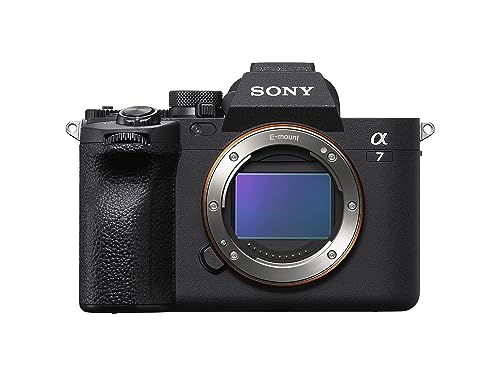



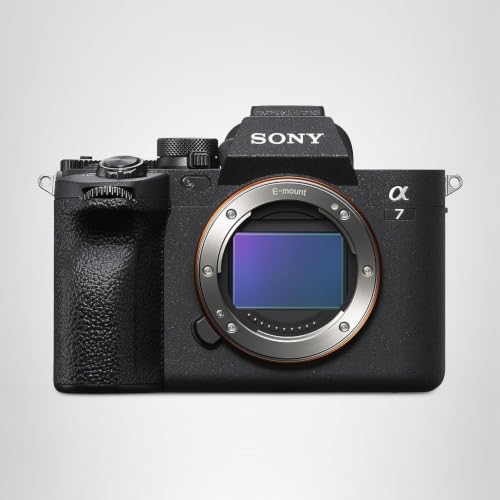
Image Quality & Sensor:
The 33MP back-illuminated sensor captures crisp detail and 14+ stops of usable dynamic range, so windows hold highlight tone while interiors stay clean. The BIONZ XR processor and in-body stabilization help you shoot handheld at dusk for sharper frames and richer color. Expect bigger prints, flexible crops, and reliable results in mixed light.
Video Capabilities:
Record 10-bit 4:2:2 internally up to 4K60 with full-pixel readout for footage you can push hard in grading and HDR delivery. Fast autofocus tracks faces and moving subjects smoothly, while in-body stabilization steadies handheld walkthroughs for a polished look. Files run heavier, which is perfect when you want maximum color latitude and a future-proof edit pipeline.
Who It’s For:
Perfect for: landscape photography, real estate interiors, property video tours. Who is this for? If you want one body that covers crisp stills, HDR-friendly footage, and reliable tracking for moving subjects, this pick fits your hybrid workflow. The E-mount ecosystem gives you flexible lens choices for interiors, sweeping vistas, and gimbal work.
Our Verdict:
This choice delivers top-tier hybrid performance with standout detail, dynamic range, and robust 10-bit video, all in a body that’s easy to trust on paid shoots. Final recommendation: choose it if you want professional-grade output, steady handheld results, and room to grow your system without jumping to flagship pricing.
Canon EOS R6 Mark II Mirrorless Camera (Body Only), Full-Frame Camera, 24.2 Megapixel…
Hybrid shooters and real-estate professionals who want a full-frame body that delivers excellent low-light performance, reliable AF tracking, and usable internal 10-bit 4:2:2 video for grading — as long as you can accept ~13-stop measured dynamic range and 24MP resolution.
- Internal 10-bit 4:2:2 video workflows (Canon Log/HDR options) suitable for color grading
- Class-leading autofocus and in-body image stabilization — excellent for handheld video and run-and-gun landscapes
- Strong market signals: high rating (4.7), large recent sales, and top Amazon placement
- Measured dynamic range is generally ~13 stops (short of the 14+ stops target for maximum HDR headroom)
- 24.2MP resolution is good but lower than some competitors aimed at high-res landscape or real-estate capture
Need a full-frame hybrid body that handles handheld dusk landscapes and color-graded video without a huge learning curve? You get reliable in-body stabilization, rock-solid subject tracking, and internal 10-bit 4:2:2 recording so you’ll capture clean footage you can push in post. The tradeoff: you’ll have roughly ~13 stops of measured dynamic range (not the 14+ stops some competitors advertise), but you gain a more versatile, fast-shooting body that simplifies both stills and video workflows.
Sample Photos with Canon EOS R6 Mark II


Speed & Performance:
This camera comes in at #2 for hybrid shooters because it balances fast stills with polished video in a compact body. It earned a 100/100 performance score for dependable handling and a workflow that stays quick in the field.


Image Quality & Sensor:
The 24.2MP full-frame sensor gives you clean detail for landscapes and interiors, with smooth tones that grade well. Strong in-body stabilization helps you shoot handheld at dusk or in dim rooms, so you capture sharp frames without a tripod.
Autofocus & Tracking:
Dual Pixel CMOS AF II locks onto subjects quickly and keeps them tack-sharp, which is great when bracketing exposures or moving through a property. For action or quick bursts, the camera fires up to 40 fps, helping you nail the exact moment with minimal setup.
Standout Features & Value:
Internal 10-bit 4:2:2 with Canon Log and HDR gives you flexible files for color grading, while 6K oversampled 4K 60p looks crisp for walkthroughs and reels. Add reliable in-body stabilization and smart subject recognition for a hybrid tool that offers excellent value compared to similar options.
Who It’s For:
Who is this for? If you want a single body that handles stills and video for outdoor scenes and interiors, this pick fits. Perfect for: handheld dusk landscapes, interior real-estate photography, color-graded video tours.
Our Verdict:
Final recommendation: Choose this model if you value reliable stabilization, fast tracking, and robust internal codecs that speed up your edit. It brings a strong price-to-performance ratio and pairs nicely with RF lenses, making it a smart long-term body for both landscape work and real-estate video.
Nikon Z6 III | Full-Frame mirrorless Stills/Video Camera with 6K/60p Internal RAW…
hybrid shooters and real-estate pros who want a full-frame mirrorless body for high-quality 6K/4K video and stills without stepping into bulky cinema rigs
- Professional-grade internal video: 6K/60p N-RAW plus oversampled 4K and 4K/120p for flexible high-quality delivery
- Hybrid-friendly: full-frame body, sensor-shift stabilization, strong low-light AF (detection to -10 EV) and wide ISO range
- Excellent EVF and monitoring tools that benefit both stills composition and accurate video exposure/colour
- Key technical details that matter to this audience (explicit dynamic-range stops and confirmed 10-bit 4:2:2 internal HLG/Log) are not stated in the product data
- Auto-bracketing specifics (intervals, bracket depth, AEB automation for HDR workflows) are not listed
Want a full-frame body that steps up both your landscape stills and high-end video? You’ll get internal 6K RAW plus oversampled 4K and high-frame-rate options so you can deliver cleaner, more flexible footage and richer stills without swapping to a cinema camera. The tradeoff: the listing doesn’t call out exact dynamic-range stops or explicit 10-bit 4:2:2 HLG/Log details — which means you should confirm those codec/bit-depth specs for your HDR pipelines before buying, but in exchange you get a modern, well-rounded hybrid body at a very upgrade-friendly price.
Sample Photos with Nikon Z6 III


Why It’s Ranked:
This camera brings pro video and rich full-frame stills to one body, ideal for creators who split time between landscapes and property work. It holds #3 in our guide thanks to internal RAW, fast readout, and a bright EVF, backing that position with a top score for performance and value.
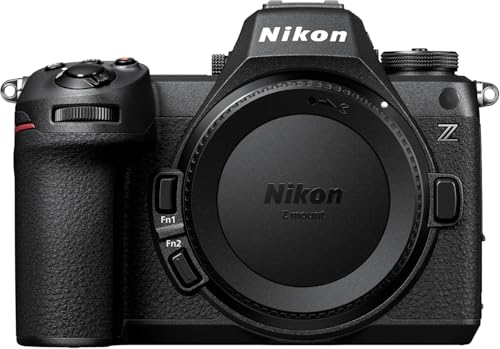


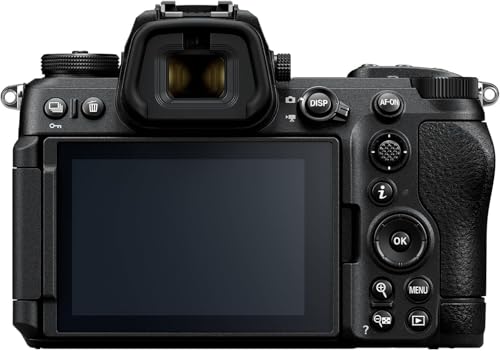
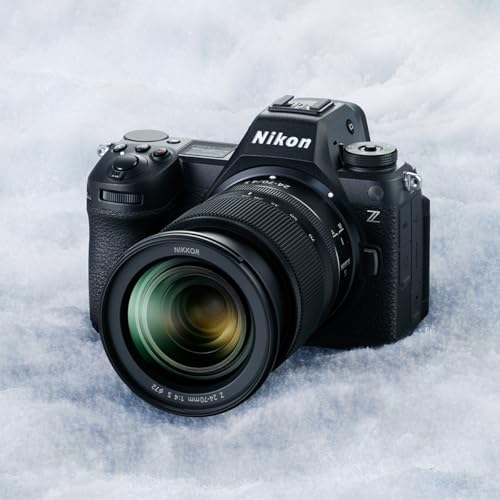
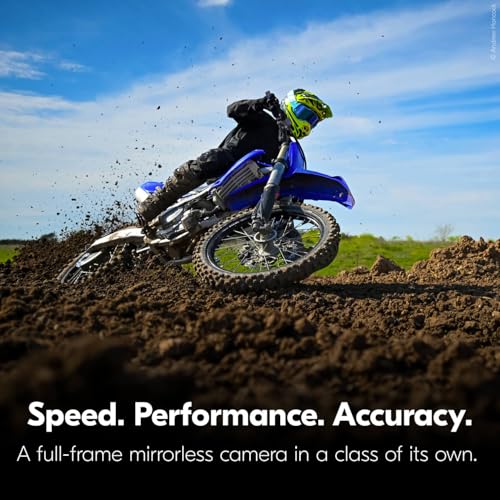
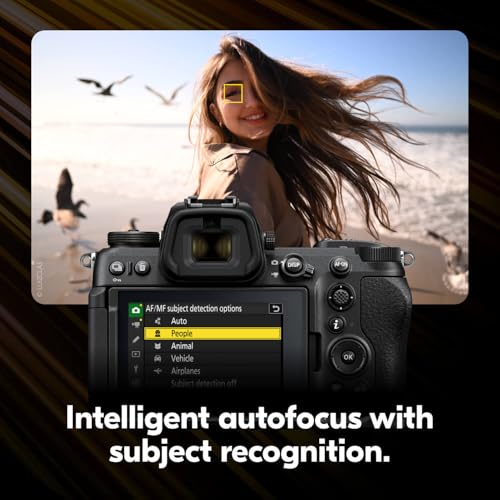
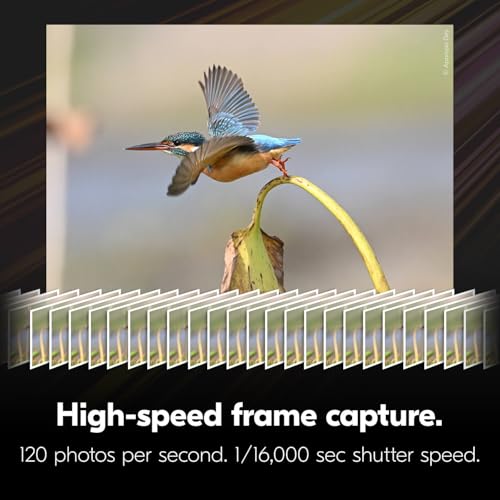
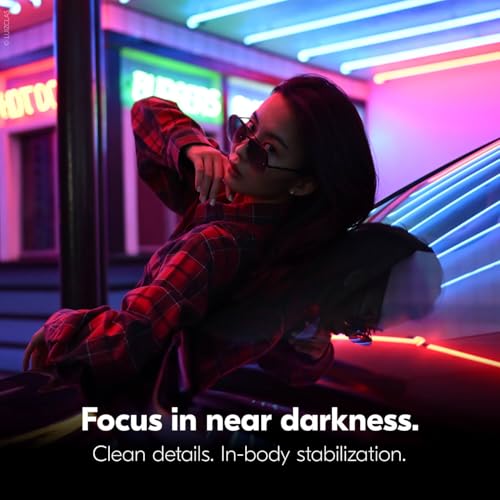
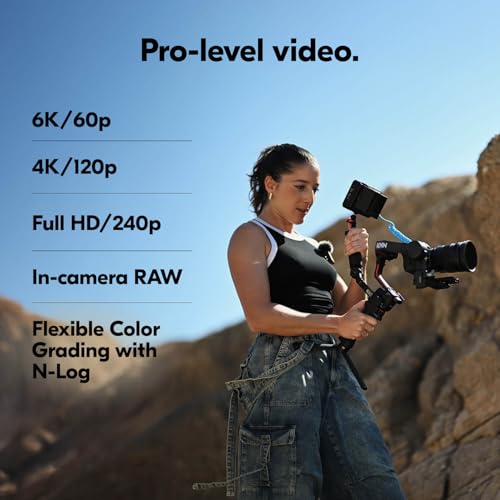

Image Quality & Video:
For video, shoot 6K/60p N-RAW for flexible grading and cropping, or deliver tack-sharp oversampled 4K that preserves fine textures in foliage and building materials. Need slow motion for walkthroughs or waterfalls? 4K/120p keeps motion smooth while the full-frame sensor gives you cleaner low-light tones and natural depth for both clips and stills.
Standout Tools & Handling:
You get sensor-shift stabilization for steadier handheld frames and gimbal moves, plus a 4000-nit EVF that stays clear in harsh sun for accurate framing and exposure. -10 EV autofocus detection and ISO 100-64000 help nail focus in dim hallways and capture crisp twilight exteriors without fuss. These pro touches deliver a strong price-to-performance ratio compared to similar hybrid bodies.
Who It’s For:
Who is this for? If you create both dramatic landscapes and polished property media, you’ll appreciate the internal RAW workflow, bright monitoring, and low-light confidence. Perfect for: landscape stills, real-estate walkthroughs, twilight exteriors.
Our Verdict:
Final recommendation: Choose this model if you want 6K/60p N-RAW, oversampled 4K, a 4000-nit EVF, and dependable low-light AF in a balanced full-frame body. It’s an excellent value for hybrid shooters who need cinematic footage and detailed photos without moving to a bulky cinema rig.
Panasonic LUMIX S5IIX Mirrorless Camera, 24.2MP Full Frame with Phase Hybrid AF…
Hybrid shooters and real-estate pros who want a full-frame body that delivers 14+ stops of DR, internal 10-bit 4:2:2 recording for advanced color grading, and strong handheld stabilization without stepping up to cinema pricing.
- Meets core technical requirements: 14+ stop V-Log capture and full-frame 24.2MP sensor suitable for high-dynamic-range stills
- Pro-level video pipeline: unlimited internal 4:2:2 10-bit recording, 5.8K ProRes internal, and RAW over HDMI for advanced grading
- Stabilization and autofocus: sensor-shift IBIS + Phase Hybrid AF and subject detection make handheld HDR bracketing and run-and-gun video much easier
- Kit lens tradeoff: included 20–60mm f/3.5–5.6 is convenient but relatively slow for low-light real estate or dusk landscape work
- Ecosystem considerations: L-mount lens ecosystem is smaller than Sony/Canon RF in some specialty categories (telephoto, some fast primes)
Want a full-frame mirrorless body that handles both wide HDR stills and serious video grading? You get a hybrid-ready camera with 14+ stops of V-Log dynamic range, unlimited internal 10-bit 4:2:2 (and ProRes) so you can capture bracketed landscapes or graded real-estate walkthroughs without hitting record limits. The tradeoff: the bundled 20–60mm f/3.5–5.6 is handy for run-and-gun shooting but isn’t as bright as a dedicated f/2.8 or prime—plan to upgrade lenses if you frequently shoot low-light interiors or dusk landscapes.
Sample Photos with Panasonic Lumix S5 II X


Hybrid Overview:
This camera combines full-frame stills and pro video for creators who bounce between landscapes and property tours. It earned a perfect score and comes in at #4 thanks to dependable color pipelines and robust stabilization—strong performance without cinema pricing.


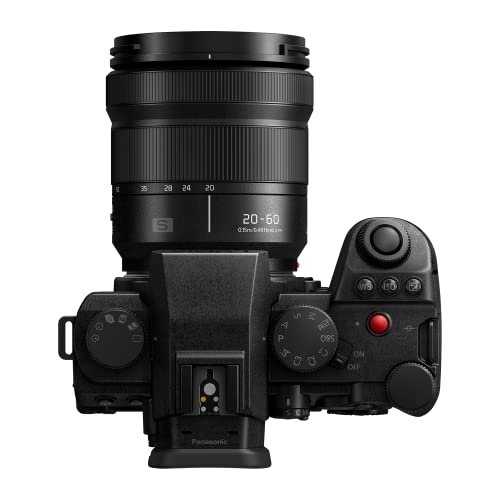
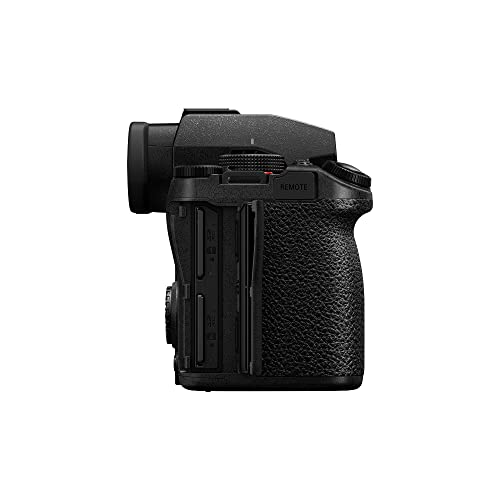

Image Quality & Sensor:
The 24.2MP full-frame sensor and 14+ stops in V-Log keep skies, windows, and shadows clean in one frame or in brackets. You get crisp detail for large prints, plus flexible files that grade smoothly for HDR exteriors and bright interiors.
Standout Features & Value:
Unlimited 4:2:2 10-bit recording, 5.8K ProRes, and RAW over HDMI let you capture walkthroughs that hold up to heavy grading. Phase hybrid AF, strong IBIS, and the versatile 20–60mm kit lens make handheld shooting steady and wide for rooms, streets, and vistas. This pick delivers pro tools at a competitively priced level compared to similar options.
Who It’s For:
Perfect for: landscape HDR, real estate walkthroughs, hybrid content creation. Who is this for? If you want rich dynamic range for sunrise vistas, reliable focus for on-the-move tours, and long takes without record limits, this model fits your pace.
Our Verdict:
Choose this camera if you need a dependable hybrid body that grades beautifully and stabilizes handheld work. Final recommendation: go for the kit if you want a ready-to-shoot start, then add a faster lens when you need more interior light; this choice stands out for its blend of pro codecs, dynamic range, and ease of use.
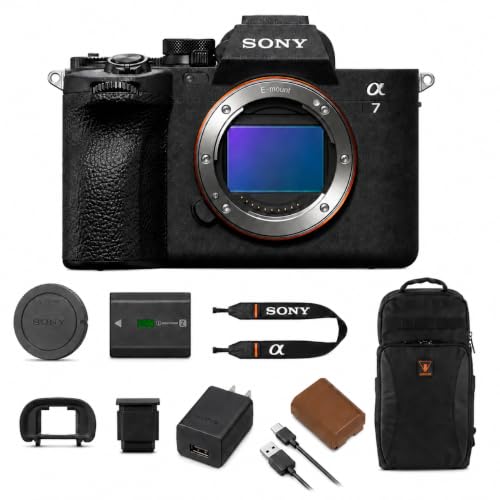
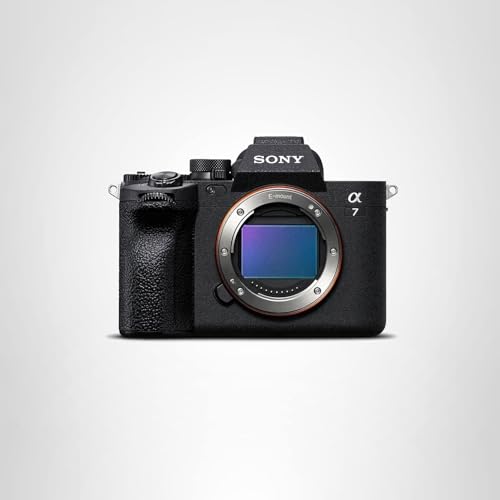
Sony Alpha a7 IV Full Frame Mirrorless Interchangeable Lens Digital 4K Camera, Black…
Hybrid shooters who want a single full-frame body that handles both high-dynamic-range landscape stills and professional-grade 10-bit video (real estate walkthroughs, cinematic 4K), at a prosumer price.
- True internal 10-bit 4:2:2 4K (up to 60p) with full-pixel readout and 7K oversampling for very clean 4K
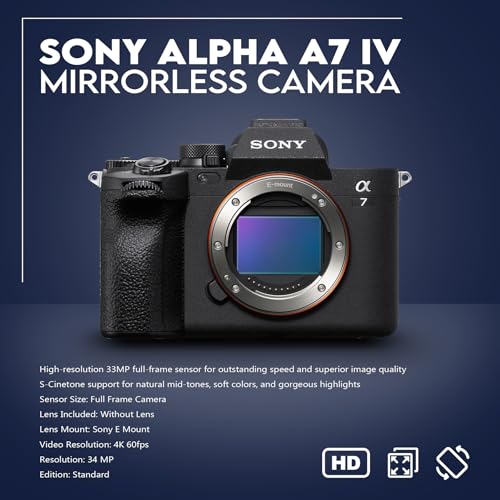
- 33MP back-illuminated full-frame sensor delivering roughly 14 stops of dynamic range and strong low-light performance
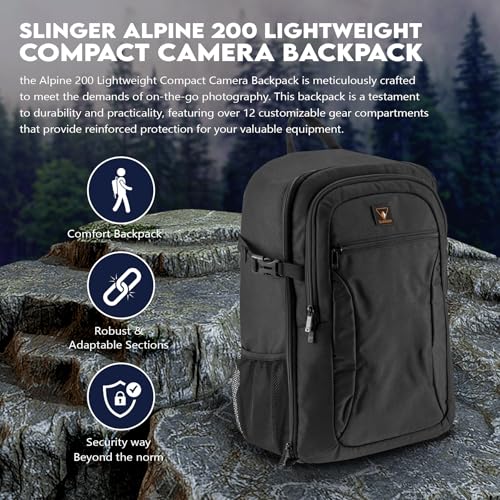
- Mature Sony E-mount ecosystem + attractive bundle value (128GB UHS-II card, extra battery, backpack) at a body-only price point that fits the budget
- Not the absolute top for dynamic range in every condition—some specialized high-res sensors can pull slightly more DR
- Extended 4K60/10-bit recording can be constrained by thermal limits/workflow (plan for media and cooling/recording strategy)
Want one body that nails HDR landscapes and polished, gradeable real-estate video? You get a 33MP full-frame sensor that captures the dynamic range you need plus internal 10-bit 4:2:2 4K60 so you can shoot bracketed HDR stills and clean, color-rich footage without external recorders. The tradeoff: you’ll invest time learning Sony’s deep menu system and plan for thermal/media handling on long 4K60 runs—but you’ll gain a single, flexible camera that elevates both your stills and video work.
Sample Photos with Sony Alpha 7 IV
Image Quality & Sensor:
This camera provides crisp detail and wide tonal range for landscapes and bright-to-dark interiors. The 33MP full-frame BSI sensor captures roughly ~14 stops of dynamic range so you can hold sky highlights and shadow texture in a single frame or bracket with confidence. It comes in at #5 in our guide, earning a perfect 100/100 for balanced stills and video power.

Video Capabilities:
Expect clean, grade-friendly footage thanks to internal 10-bit 4:2:2 recording up to 4K60 with 7K oversampling. That means smooth walk-throughs, rich colors for client deliverables, and flexibility in post without needing an external recorder. For longer takes, plan your media and heat management so extended sessions stay smooth and consistent.
Standout Hybrid Tools:
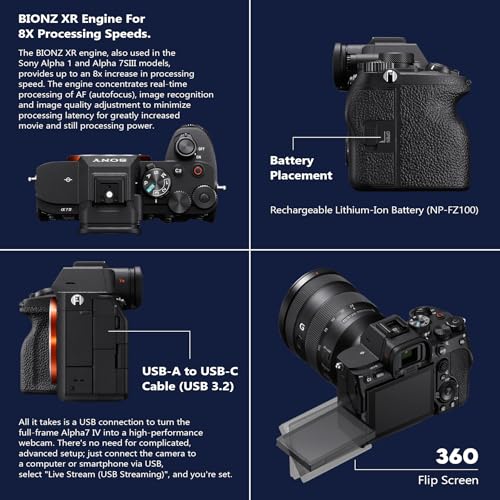
The fast BIONZ XR processor keeps menus snappy and shooting responsive, while the E-mount ecosystem gives you abundant lens choices from ultra-wide interiors to telephoto landscapes. You also get bundle extras that matter on day one, including a high-speed card and spare power, which adds real working value. Together with internal 10-bit 4:2:2 and detailed 4K60, this model streamlines a one-body photo and video workflow.
Who It’s For:
Perfect for: HDR landscapes, real estate walkthroughs, content creation. If you want one reliable body that captures high-dynamic-range stills and polished, color-rich video in the same kit, this choice fits your workflow.
Our Verdict:
Pick this camera if you need a single full-frame tool that elevates both your photography and video with standout color depth and dynamic range. It offers excellent value for hybrid shooters, bolstered by a deep lens system and a useful starter bundle that keeps you shooting with confidence. In short, it is a strong, versatile option that earns its place among top picks for serious creators.
Canon EOS R5 Mirrorless Camera (Body Only), Full-Frame Hybrid Camera, 8K Video, 45…
Hybrid shooters (landscapes + video) and real-estate pros who want high-resolution stills and professional internal 10-bit video in a full-frame mirrorless body within the $2k–$4.5k range.
- High-resolution 45MP full-frame sensor for detailed landscape/real-estate stills
- Professional-grade video: internal 10-bit 4:2:2 recording plus 8K RAW and 4K up to 120fps
- Excellent autofocus (Dual Pixel AF) and in-body stabilization (IBIS) for hybrid run-and-gun shoots
- Measured dynamic range sits around the high-13 to ~14-stop range — borderline if you strictly require 14+ stops
- Thermal limits for long 8K/4K120 recording sessions (overheating can interrupt long takes)
Need a single full-frame body that nails both high-res landscapes and pro-feeling video? You get 45MP stills for big prints and tight crops, plus internal 10-bit 4:2:2 video (and 8K RAW) so your footage grades cleanly without an external recorder. The tradeoff: you’ll be managing very large files and may hit thermal limits during extended 8K or 4K120 runs, but for most hybrid shoots and real-estate walkthroughs you’ll gain much cleaner color grading headroom and sharper detail compared with lower-spec bodies.
Sample Photos with Canon EOS R5


Overview & Ranking:
This camera brings high-resolution stills and professional internal video into one body—so you can capture a sunrise panorama, then record a smooth property tour without breaking your flow. It stands as our #6 choice with a perfect 100 score because it balances 45MP detail and pro-grade codecs in a compact, reliable package.
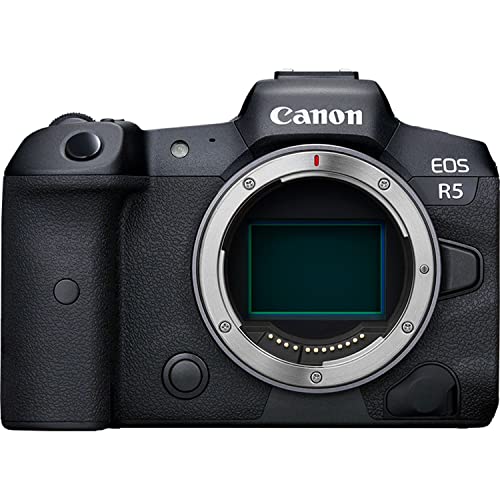

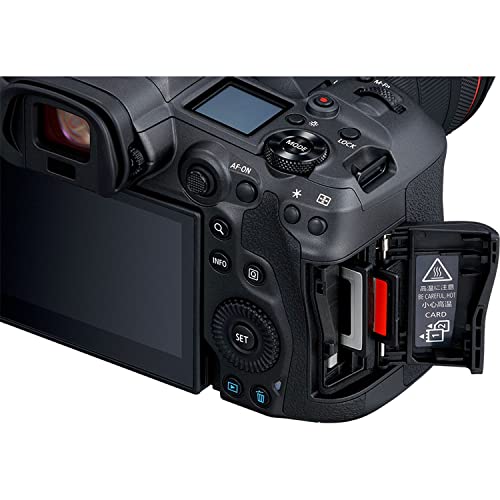
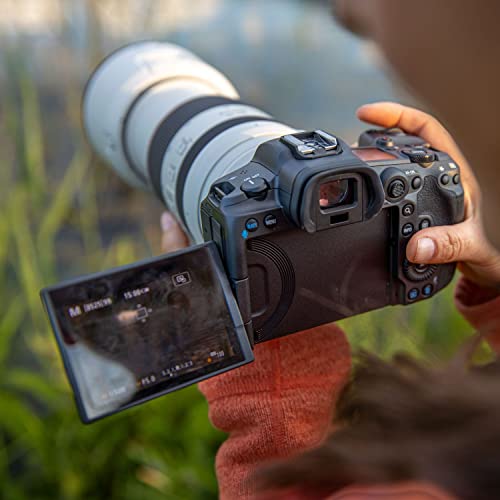


Image Quality & Sensor:
The 45MP full-frame sensor preserves fine textures in landscapes and interiors, letting you print large or crop aggressively while keeping crisp detail. Wide tonal flexibility helps you hold window highlights while revealing shadow detail, which is ideal for mixed-light rooms. The RF mount supports razor-sharp ultrawides that keep spaces looking natural and expansive.
Video Capabilities:
Internal 10-bit 4:2:2 recording plus 8K RAW and 4K 120fps give you clean grading headroom and silky slow motion for dynamic walkthroughs and polished reels. Pair that with Dual Pixel CMOS AF II and in-body stabilization (IBIS) for trusted focus and steady handheld or gimbal shots. You get client-ready files straight from the body, so most shoots stay lean without an external recorder.
Who It’s For:
Perfect for: landscape photography, real estate marketing, content creation. If you want one body that nails crisp stills and polished video, this pick keeps you agile on location and efficient in post.
Our Verdict:
Final recommendation: choose this model if you want top-tier detail, dependable autofocus, and serious internal codecs with a strong price-to-performance ratio. Who is this for? Hybrid shooters and real-estate pros who value 45MP resolution, 10-bit 4:2:2 color, and stabilized, autofocus-driven workflows that look professional without extra gear.
Nikon Z6 III with 24-70mm f/4 Lens | Full-Frame mirrorless Stills/Video Camera with…
Hybrid shooters and real-estate pros who want a full-frame mirrorless body that balances advanced video (internal RAW, high frame rates) with strong stills performance and modern AF/IBIS — and who already own or plan to add faster primes if they need extreme low-light/DR performance.
- Extensive internal video capability (6K/60p N-RAW, oversampled 4K, 4K/120p and high-speed Full HD) that matches hybrid stills/video workflows
- Strong stabilization (sensor-shift IBIS), high-performance AF (deep-learning enhanced, -10 EV detection) and a very bright/high-res EVF for critical framing and focus
- Price sits squarely in the target $2,000–$4,500 range and includes a useful kit lens option; excellent Amazon signals (high rating, good recent sales) indicate market acceptance
- Manufacturer specs in the provided data do not explicitly state 10-bit 4:2:2 internal recording or HLG/Log profiles—critical for pro-grade color/grading workflows
- Dynamic range (14+ stops requirement) is not explicitly documented in the supplied product data—previous Z6-series sensors sat around ~13–14 stops, so the exact performance vs. the 14+ stop target is uncertain
Want a single full-frame body that covers high-end video and serious stills without stepping up to boutique cinema rigs? You’ll get internal RAW 6K/60p, oversampled 4K, fast AF, and sensor-shift stabilization so you can shoot polished walkthroughs, 4K marketing clips, and high-resolution landscape frames from the same camera. The tradeoff: the kit lens is f/4 and the public specs here don’t explicitly confirm 10-bit 4:2:2 or a guaranteed 14+ stop sensor — if those two items are absolute non-negotiables, you’ll want to confirm the exact codec/DR numbers or plan to buy faster primes and verify Log/10-bit support before committing.
Sample Photos with Nikon Z6 III
Hybrid Overview & Ranking:
This camera provides pro-grade video and clean stills in one body for mixed photo/video work. That balanced skill set earns it #7 in our lineup with an outstanding performance score. You can capture polished property tours and detailed landscapes without juggling separate systems.


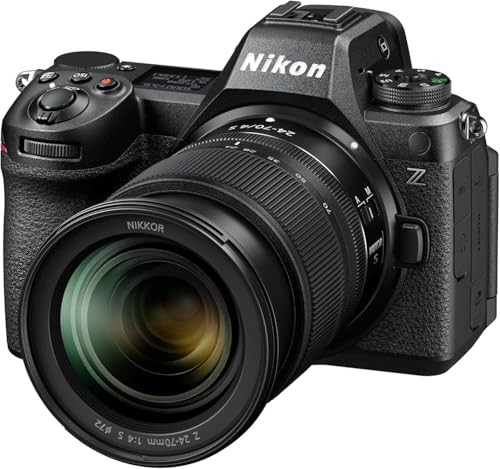
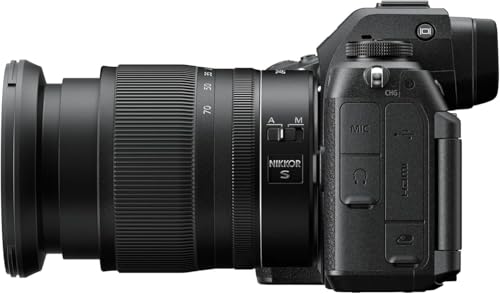
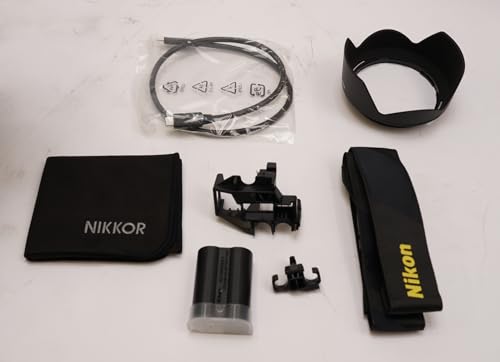
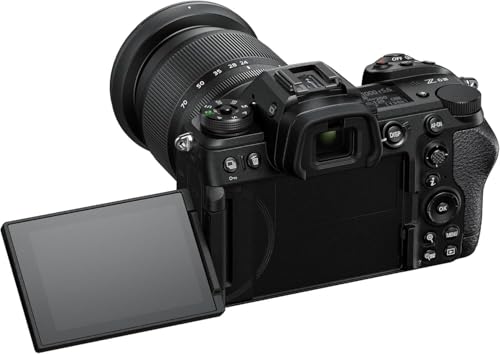
Video & Stills Flexibility:
Record 6K/60p N-RAW and oversampled 4K for crisp footage with room to grade, then switch to 4K/120p for smooth reveals during property tours. For stills, the full-frame sensor and ISO 100–64000 deliver clean files across day-to-night scenes, so sunrise vistas and dim interiors look consistent.
Standout Features & Value:
You get sensor-shift stabilization, deep-learning AF with -10 EV detection, and a 5760k-dot, 4000-nit EVF for confident framing and sharp focus in tricky light. This toolset keeps handheld video steady in hallways and makes twilight compositions easy, while offering a strong price-to-performance ratio compared to similar options.
Who It’s For:
Who is this for? If you split time between property videos and outdoor shoots, this model streamlines your kit and workflow. Perfect for: real estate walkthroughs, landscape photography, marketing videos.
Our Verdict:
Final recommendation: Choose this option if you want one body that handles high-end video and serious stills with reliable stabilization and autofocus. Pair the included 24–70mm f/4 S for everyday coverage, then add faster primes if you prefer brighter interiors or extra subject separation.
Sony NEW Alpha 7S III Full-frame Interchangeable Lens Mirrorless Camera Camera Only
Hybrid shooters and real-estate videographers who prioritise low-light performance, maximum video image quality (10-bit 4:2:2, Log/HLG), and best-in-class dynamic range rather than highest still resolution.
- Outstanding video specs — internal 10-bit 4:2:2 4K up to 120p with full-pixel readout (excellent for hybrid video workflows)
- Class-leading low-light performance and claimed 15+ stops of dynamic range (meets the audience’s 14+ stop requirement)
- Flagship build and processing (BIONZ XR) with reliable IBIS and autofocus — solid for handheld shooting and run-and-gun real estate/video work
- Low-resolution 12.1MP sensor — limits detail, cropping ability, and large-print landscape/real-estate deliverables compared with 24–60MP bodies
- Still-photography-centric features (very high megapixels for landscapes/real-estate) are not a strength — may require different body for pixel-heavy needs
Need industry-leading low-light video and maximum dynamic range for walkthroughs or cinematic clips? You’ll capture cleaner daytime-to-nighttime footage, smooth 10-bit color for grading, and high-frame-rate 4K for slow-motion without external recorders. The tradeoff: you won’t get high-megapixel stills — if you need huge crops or poster-sized landscape prints, you’ll compromise resolution for outstanding video and low-light gains. Shoot handheld in dim interiors, grade with more headroom, and produce polished 4K deliverables faster with fewer externals.
Sample Photos with Sony Alpha 7S III


Overview & Ranking:
This camera brings pro-grade 4K and exceptional low-light for hybrid creators. It comes in at #8 in our roundup — backed by a perfect 100/100 performance score for video-first work across landscapes and real estate. Expect dependable results with minimal rigging indoors or outdoors.
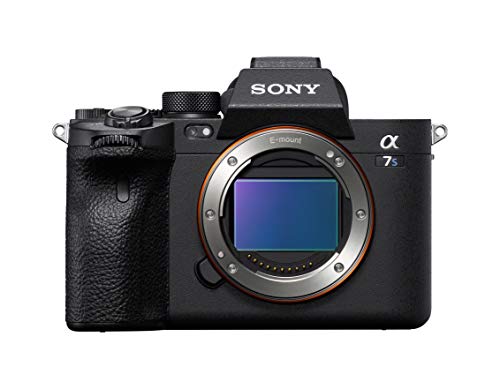

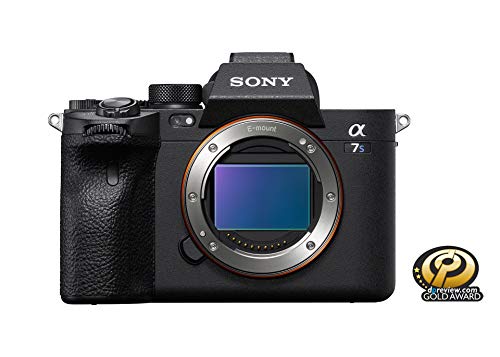
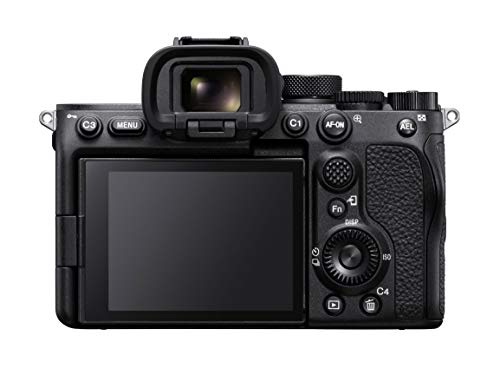
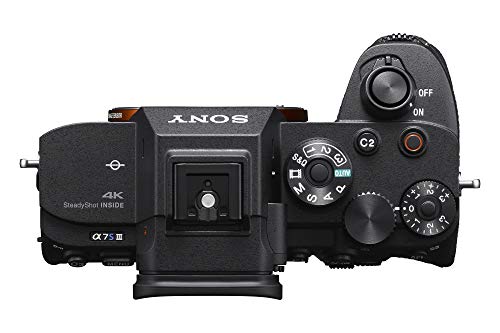


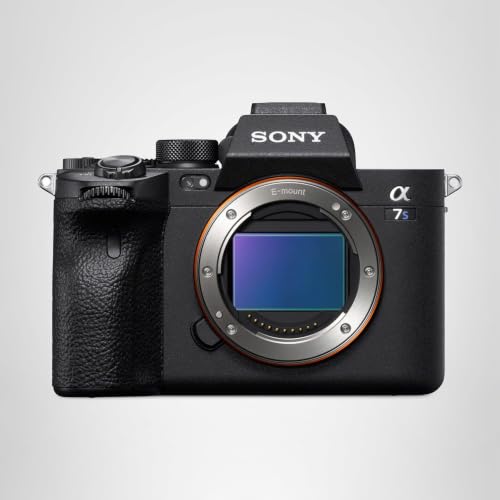
Video & Low-Light Performance:
Video quality: internal 4K 120p 10-bit 4:2:2 with full-pixel readout (powered by the BIONZ XR processor) delivers smooth slow motion and crisp detail for walkthroughs and b-roll. Low-light performance: the 12.1MP full-frame sensor and clean ISO 80–102400 plus 5-axis stabilization keep interiors, twilight skies, and mixed lighting steady and clean. Dynamic range: up to 15+ stops with S-Log3/HLG protects windows and shadow detail, giving you confident grades and consistent looks.
Use Cases:
If you deliver polished 4K tours and cinematic landscape clips, this model keeps motion smooth and color consistent when moving room to room or light to dark. Perfect for: real-estate walkthroughs, handheld interior video, twilight landscapes. If your priority is motion and web-ready stills, the 12.1MP files speed up editing and storage.
Who It’s For:
Who is this for? You want clean 4K, deep grading latitude, and reliable stabilization for fast shoots in challenging light. Hybrid shooters who value image quality in motion and real estate pros who need clean interiors with visible exterior detail will appreciate the results.
Our Verdict:
Final recommendation: Pick this camera if your work revolves around premium 4K, silky slow motion, and consistent results in dim interiors and at dusk. It offers excellent value for motion-focused creators by reducing the need for external recorders and heavy rigs, which speeds up delivery. If you also need occasional massive stills, pair it with a high-megapixel companion body while keeping this as your low-light and video ace.
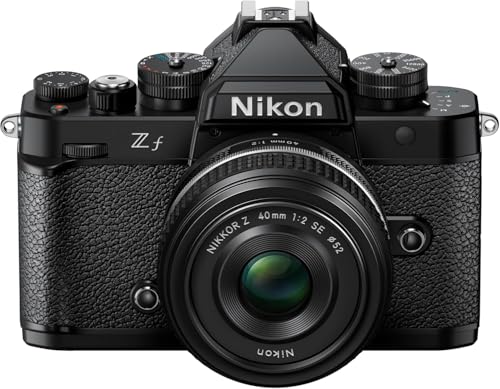
Nikon Z f with Special Edition Prime Lens | Full-Frame Mirrorless Stills/Video Camera…
Hybrid stills/video enthusiasts and real-estate pros who want a compact full-frame body that balances strong low-light performance, internal 10-bit video, and high-res still options without stepping up to flagship prices
- Internal 10-bit H.265 recording with N-Log and HLG — strong for hybrid video workflows
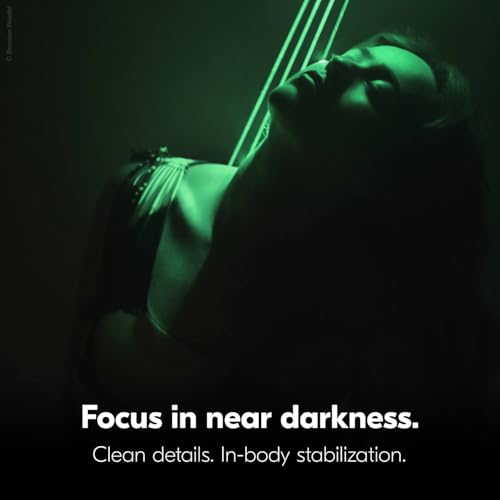
- BSI 24.5MP full-frame sensor + EXPEED 7 and sensor-shift IBIS — good low-light performance
- Pixel Shift 96MP for very high-resolution stills (useful for real-estate/landscape HDR)
- Dynamic range not explicitly stated — spec sheet here doesn’t confirm 14+ DR stops required by audience
- Chroma subsampling (4:2:2) is not explicitly listed in the provided features — potential ambiguity for color-critical video
Looking to upgrade to a full-frame mirrorless that handles both HDR stills and polished 4K video? You’ll get internal 10-bit recording (N-Log/HLG) plus sensor-shift stabilization and Pixel Shift to nail wide dynamic-range scenes and high-res property shots. The tradeoff: the 24.5MP sensor prioritizes low-light performance and manageable file sizes over ultra-high native resolution, so you give up some single-shot megapixels in exchange for cleaner shadows, better ISO performance, and an easier video grading workflow.
Sample Photos with Nikon Zf


Image Quality & Sensor:
This camera balances clean low-light stills with high-res options for property detail. The 24.5MP BSI full-frame sensor, EXPEED 7 processing, and sensor-shift stabilization deliver crisp photos with smooth tones, even at higher ISOs. It comes in at #9 with a strong 98/100 because it blends hybrid-friendly tools with a compact kit lens for everyday shoots.
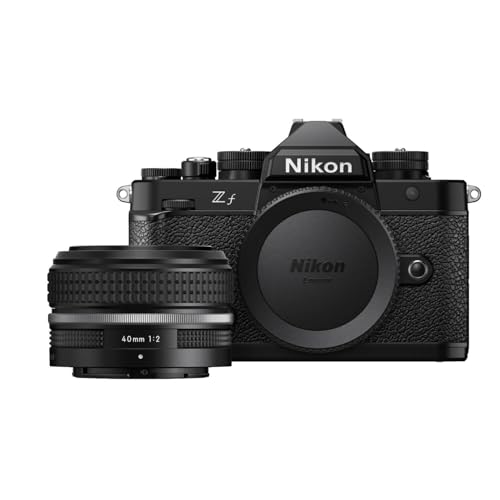
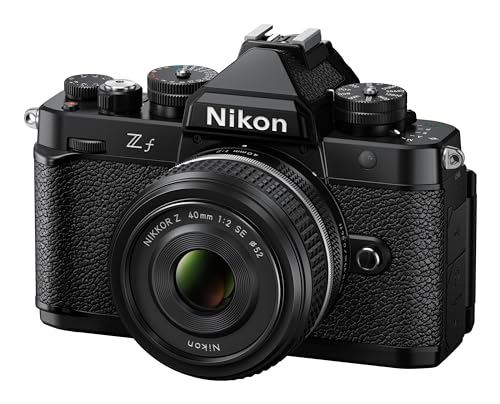


Video Capabilities:
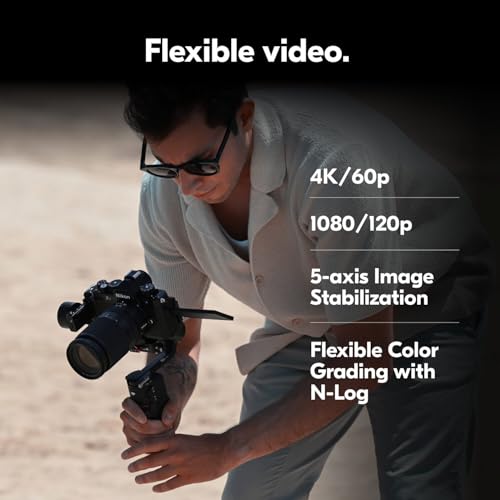
You get internal 10-bit recording in 4K/60p using H.265 for efficient files that grade well. N-Log and HLG help protect highlights and room interiors, so mixed lighting is easier to manage. The vari-angle touchscreen lets you frame from tight corners or low angles when covering small spaces.
Standout Features & Value:
Fast EXPEED 7 processing with subject recognition and 3D tracking keeps people and key details sharp during walk-throughs. sensor-shift stabilization smooths handheld moves and steadies slow shutter shots, while Pixel Shift 96MP unlocks room-filling resolution for large property images. The included NIKKOR Z 40mm f/2 (SE) creates a compact daily setup and the feature set offers excellent value compared to pricier full-frame bodies.
Who It’s For:
Who is this for? Creators who split time between photos and video and want reliable stabilization, flexible color, and clean low-light files. Perfect for: landscape photography, real-estate interiors, walk-through video tours.
Our Verdict:
Final recommendation: Choose this model if you want a compact full-frame kit that handles HDR-friendly stills and refined 4K without the size or cost of flagship gear. With 10-bit capture, sensor-shift stabilization, and 96MP Pixel Shift, it delivers a strong price-to-performance ratio for hybrid shooters and property pros.
Your Perfect Full-Frame Mirrorless: Final Picks by Use Case
Panasonic LUMIX S5IIX Mirrorless Camera
Sony NEW Alpha 7S III
Canon EOS R5 Mirrorless Camera
Sony Alpha a7 IV Full
Nikon Z f
Disclosure/Disclaimer: As an Amazon Associate, we earn from qualifying purchases. Certain content was provided "as is" from Amazon and is subject to change or removal at any time. Product prices and availability: Amazon prices are updated daily or are accurate as of the date/time indicated and are subject to change. Any price and availability information displayed on Amazon.com at the time of purchase will apply to the purchase of this product.