
6 Best Smartphones for Astrophotography (2025 Comparison Guide)

Serious astrophotography no longer requires a backpack of glass—pick the right phone and you can render the Milky Way from a trailhead. For shooters seeking pinpoint stars, low-light performance and smart computational stacking matter more than megapixels, especially in 2025.

We analyzed and ranked 6 smartphones for night-sky work, comparing astro modes, stabilization, noise handling, and RAW pipelines. The Google Pixel 10 Pro – Unlocked Android… leads at 82/100 with the cleanest star fields and consistent color; the SAMSUNG Galaxy S25 Edge Phone, 512 GB… posts 76/100 and shines for lunar detail and flexible framing. Specialized picks cover wide-field Milky Way on a budget, urban light‑pollution mitigation, and power users prioritizing RAW control.

Expect side‑by‑side crops and full‑res samples of stars, noise, and dynamic range, plus practical setup tips for exposure, focus, and stacking. We organize by use case and price tier to maximize value without compromising results, and we flag must-have accessories like mini tripods, clamps, and remotes.

When you buy through links on our site, we may earn a commission at no cost to you. We evaluate products independently. Commissions do not affect our evaluations. As an Amazon Associate, we earn from qualifying purchases.

Top Picks

Astrophotography Smartphones You Can Buy in 2025: 6 Top Picks
6 Best Smartphones for Astrophotography (2025 Comparison Guide)
Never bring home muddy, noisy star fields again—our #1 Google Pixel 10 Pro (82/100) combines reliable astro stacking with clean noise handling and crisp ProRAW files to deliver sharp Milky Way and nightscape shots with minimal fuss.
Best overall for point-and-shoot night sky work? The Google Pixel 10 Pro (82/100) nails long-exposure astro with smart multi-frame stacking, on-device AI denoising, and natural color in ProRAW—lack of full manual shutter/ISO granularity may frustrate users who want absolute control.
Shooting star trails and timelapse for social on a weekend trip? The Galaxy S25 Edge (76/100) brings Expert RAW astro tools, Astrophoto and star-trail Hyperlapse modes, a bright preview, and roomy 512GB for RAW sequences—processing can skew saturated, and the curved-edge body benefits from a secure tripod clamp.
Limited by iOS Night mode control? The iPhone 15 Pro (74/100) delivers 48MP ProRAW, consistent color science, and excellent third-party long-exposure options for stacked astro—defaults cap manual tuning, so peak results often rely on apps and a solid tripod setup.
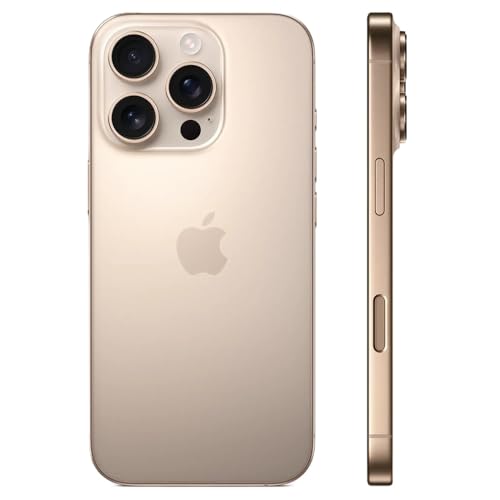
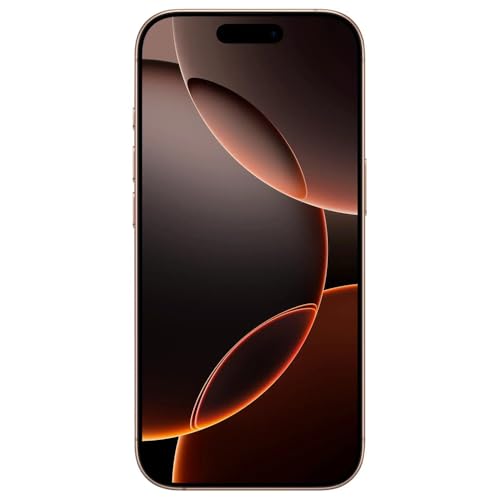
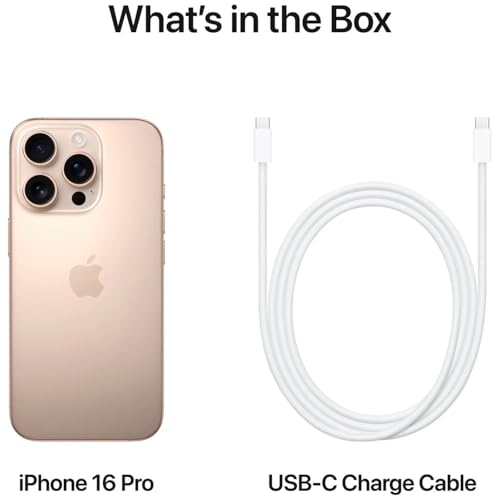
Latest Apple low-light gains without switching platforms? The iPhone 16 Pro (74/100) refines low-light dynamic range and noise handling, with stable ProRAW sequences that grade beautifully—128GB base storage fills fast with RAW bursts, and default camera controls remain limited for astro.
Flagship-grade astro without the ultra price? The Galaxy S25+ (72/100) shares Samsung’s Expert RAW astro modes, solid battery for long sessions, and 256GB for stacked sets—no periscope tele limits compressed nightscapes, and low-light tele sharpness trails the Edge/Ultra models.
Budget squeezed by 2025 flagships? The Galaxy S23 Ultra (71/100) remains a proven astro workhorse with a high-res sensor, Expert RAW, and Astrophoto for detailed night skies—older silicon means slower stack processing and more heat during extended captures.
From Bortle-3 Milky Way weekends to quick city-sky snaps on your commute, our picks show exactly which smartphones will deliver cleaner stars, better stacks, and smoother workflows—before missed windows and costly upgrades dim your results.

How to Choose Smartphones for Astrophotography (2025 Guide)

Great astro images start with light capture and clean stacking. In 2025, the biggest gains come from larger sensors and fast glass, smarter astro modes with RAW, true manual control, and solid stability, thermals, and power. This guide helps you prioritize what matters for Milky Way, star trails, and lunar work.

Key Factors to Consider

M

Main Sensor, Optics & Aperture Size

For clean Milky Way shots, the main wide camera matters most. Prefer a large sensor (1-inch type or at least 1/1.3-inch) with a fast aperture (f/1.4–f/1.7) and OIS. Good glass/coatings reduce flare and veiling glare. An AF ultrawide helps for panoramas. Examples: Xiaomi 14 Ultra (1″), Pixel 9 Pro (~1/1.3″), iPhone 16 Pro, Galaxy S24 Ultra. Use 3–5x tele mainly for the Moon.

C

Computational Astro & RAW Pipeline

Astro modes align and stack frames to crush noise and enhance stars. Look for built-in Astrophotography/Star Trails/Timelapse, >=4 minutes stacking, and the option to save 12/14-bit DNG. Standouts: Pixel 9 Pro (astro + timelapse), Samsung S24 Ultra (Expert RAW + Astro Hyperlapse), Xiaomi 14 Ultra (Star Trails), Vivo X100 Pro (Night Sky). RAW lets you re-stack and fine-tune.

M

Manual Controls, Modes & Apps

Manual control is vital when light pollution varies. Ensure shutter 10–30s, ISO 800–3200, manual focus (with magnification/peaking), and an intervalometer. Android brands ship strong Pro modes (Samsung Expert RAW, Xiaomi/OPPO/Vivo Pro). On iOS, use Halide or NightCap for long exposures/RAW. Check that in-camera noise reduction doesn’t smear stars when using long exposures.

S

Stabilization, Thermals & Tripod Use

Long exposures demand stability and heat control. OIS helps handheld, but on a tripod use a 2–3s timer or Bluetooth remote and, where possible, disable EIS. Favor phones with solid thermals so long stacks don’t throttle or overheat. Dim the screen, use airplane mode, and prevent dew with a small lens warmer/hand warmer band. A rigid clamp/tripod minimizes micro-shake.

B

Battery, Storage Speed & Offloading

Astro sessions chew power and space. Aim for 4500–5000 mAh and 30W+ charging; carry a 10,000–20,000 mAh bank. RAW stacks and timelapses fill storage—choose 256–512 GB. Faster I/O (UFS 4.0, USB 3 over USB‑C on many flagships) speeds burst capture and offloading to a portable SSD. Keep spare cables and a short, sturdy USB‑C lead for field transfers.

P

Price, Ecosystem & Accessory Support

In the $700–$1500+ bracket, pay for results and longevity: 5–7 years of updates, IP68 sealing, and a healthy app ecosystem. Accessory support matters: MagSafe/third‑party clamps, Arca-compatible phone mounts, Bluetooth remotes. Quick picks: Pixel 9 Pro (simple astro), S24 Ultra (tele + apps), Xiaomi 14 Ultra (1-inch manual control), iPhone 16 Pro (iOS + ProRAW workflow).

Bottom Line

Prioritize a large, fast main sensor and reliable astro stacking, then add true manual control, solid stability/thermals, and ample power/storage. Shortlist: Pixel 9 Pro, Galaxy S24 Ultra, Xiaomi 14 Ultra, iPhone 16 Pro, Vivo X100 Pro. Milky Way/travel: main + astro. Moon: strong tele. Timelapse: thermals and battery. Buy for results—not just megapixels.

Astrophotography Phone Showdown 2025: Top 6 Night-Sky Performers

Compare night mode quality, sensor size, long-exposure/astro controls, RAW stacking, noise handling, zoom reach, battery life, and price-to-performance with real-world Milky Way samples
← Swipe to see all products → Click for Full Screen View →
Specifications
Rating 82/100 76/100 74/100 74/100 72/100 71/100
Low-light/Night feature Night Sight Video with Google AI for bright, detailed low-light photos and videos Night Video Night mode automatically activates in low light, allows manual exposure extension, full resolution drops to 12MP in Night mode, best results from main lens, good detail and low noise, usable with Portrait mode for Night Portraits Night mode with up to 30-second exposure, enhanced low-light performance with larger sensor and LiDAR AI Night Mode Camera Night Mode
Year 2025 2025 2023 2024 2025 2023
Storage 128 GB 512 GB 256GB 128GB 256GB 1TB
Battery Fast-Charging 24+ Hour Battery All-Day Battery 3274 mAh 3582 mAh Li-ion 4900mAh Battery Long Battery Life
Display 6.3-inch Super Actua Display ProScaler Display 6.1-inch LTPO Super Retina XDR OLED, 2556 x 1179 pixels, 460 ppi, ProMotion (1-120Hz), Always-On, HDR, True Tone 6.3-inch Super Retina XDR OLED, 2622-by-1206-pixel resolution at 460 ppi, Variable 1-120Hz refresh rate, HDR, 2000 nits peak brightness, Ceramic Shield ProScaler Display 6.8-inch Dynamic AMOLED 2X, 3088 x 1440 pixels (Quad HD+), 120Hz adaptive refresh rate, HDR10+, 1750 nits peak brightness, Gorilla Glass Victus 2
#1
Google Pixel Pro

Google Pixel 10 Pro – Unlocked Android Smartphone – Gemini AI Assistant, Triple Rear Camera System, Fast-Charging 24+ Hour Battery, and 6.3″ Super Actua Display – Moonstone – 128 GB (2025 Model) [Moonstone 128GB Pixel 10 Pro (Phone Only)]

82/100 new 2025 • Google
Ideal for:

Enthusiasts who want top-tier, portable astrophotography from a smartphone — people who value computational Night Sight, easy RAW capture, and minimal gear while traveling or experimenting with night-sky shots.

Strengths:
  • Best-in-class computational night modes (Pixel Night Sight / astrophotography pipeline) for sharp, low-noise starfield images
  • Powerful on-device AI (Tensor G5 + Gemini) that automates stacking/denoising and makes long-exposure workflows simple
  • High-resolution 50MP main sensor, super-bright OLED display for framing, and strong stabilization for handheld low-light shots
Limitations:
  • No large interchangeable sensor — will not match detail and dynamic range of APS-C / full-frame astro rigs
  • True optical zoom specs are vague here (100x is ProRes/digital); you may need a tripod and cropping for tight lunar detail
What you need to know:

Want to capture clean Milky Way frames or bright-starfields without hauling a DSLR? You get a phone that stitches and denoises long exposures for you, so you’ll capture impressive night-sky images handheld or with a small tripod. The tradeoff: you won’t match a dedicated large-sensor camera for ultimate fine detail, but you’ll gain portability and a much simpler, faster workflow for travel and casual astro sessions.

Overview & Ranking:
This phone delivers clean, low-noise night-sky shots in a pocketable kit, which is why it lands at #1 on our list with a solid 82/100 score. You get astrophotography results that look carefully stacked and processed—without hauling extra gear or spending hours in post.

Low-Light & AI Imaging:
On a dark trail or apartment balcony, the combination of Night Sight astrophotography, Tensor G5 + Gemini processing, and a 50MP main sensor stabilizes, stacks, and denoises your frames for crisp stars and natural colors. Set it on a small tripod for longer looks at the Milky Way, or go handheld for quick city nightscapes—with easy RAW capture when you want more control.

Standout Tools & Value:
The Super Actua display makes framing easy in bright conditions thanks to its 6.3-inch size, 3,300-nit peak brightness, and 120 Hz smoothness. For reach, Pro Res Zoom helps you compose tighter lunar shots, while 8K video, strong stabilization, and on-device Tensor G5 + Gemini AI give you a fast, polished workflow that’s an excellent value compared to carrying multiple devices.

Who It’s For:
Who is this for? Amateur astro fans and tech-savvy shooters who want legit night-sky results with minimal setup and pro-grade computational processing. Perfect for: Milky Way & starfields, handheld night cityscapes, travel-friendly astro trips.

Our Verdict:
Final recommendation: Choose this model if you want top-tier mobile astrophotography with a simple, speedy workflow and standout AI tools. It’s a premium, portable solution that replaces a lot of extra gear—ideal when you value convenience, quick sharing, and impressive results on the go.

#2
SAMSUNG Galaxy S25 Edge Phone

SAMSUNG Galaxy S25 Edge Phone, 512 GB AI Smartphone, Unlocked Android, Night Video, Fast Processor, ProScaler Display, All-Day Battery, 2025, US 1 Yr Manufacturer Warranty, Titanium JetBlack [Titanium Jetblack 512GB S25 Edge Phone Only]

76/100 new 2025 • SAMSUNG
Ideal for:

photographers needing a pocketable, high-resolution smartphone that balances strong low-light capabilities and storage at a mid-flagship price — good for Milky Way, moon close-ups (via cropping), and travel-night-sky work without carrying a mirrorless rig

Strengths:
  • 200MP primary sensor — excellent for high-resolution crops and pixel-binning to boost detail in moon and bright-star shots
  • Strong value at $729.99 — high storage (512GB option) and flagship-class build/performance without Ultra pricing
  • Modern low-light/Night processing and powerful SoC for on-device stacking, AI enhancement, and fast RAW editing
Limitations:
  • Not Samsung’s top Ultra model — lacks the largest stacked sensor and highest-end optical zoom/stabilization that help in deep-sky or long-range lunar imaging
  • Unclear whether there’s a dedicated, long-exposure astrophotography mode with multi-frame stacking (may require third-party apps and tripod workarounds)
What you need to know:

Want a portable phone that actually improves your night-sky photos? You get a 200MP camera plus modern Night/AI processing that helps you capture Milky Way scenes, brighter star fields, and detailed moon crops without hauling a mirrorless kit. The tradeoff: you won’t match the Ultra model’s larger sensor and telephoto reach for deep-sky or long-range lunar work, but you’ll gain a lightweight, pocketable setup that’s ideal for travel, spontaneous astro sessions, and fast on-phone editing.

Overview & Ranking:
This pocketable phone offers serious night-sky capability in a slim, durable build—great when you want to travel light and still capture stars. It’s our #2 pick with a solid 76/100, thanks to its balance of high-resolution imaging, AI tools, and strong value for mobile photographers.

Low‑Light Imaging & Display:
With Night Photography features powered by a 200MP sensor, you can pull crisp moon crops and brighter Milky Way detail without carrying a larger rig. The ProScaler Display is a sharp 6.7-inch panel at QHD+ (3120×1440) and up to 120 Hz, so framing in the dark and reviewing star fields feels smooth and precise. Use Night Video to capture cleaner nighttime clips with reduced noise.

Standout Features & Value:
A fast Snapdragon chip and 12 GB RAM keep on‑device stacking, AI enhancement, and RAW edits responsive, while the ample 512 GB storage holds long nights of photos. The tough titanium build, water resistance, and all‑day battery make it a reliable companion for late hikes to dark sites. You also get convenient tools like Android 15 / One UI 7 features for quick culling, search-by-description, and speedy sharing—delivering an excellent price‑to‑performance ratio.

Who It’s For:
Perfect for: Milky Way scenes, moon crops (via the 200MP sensor), travel night shots. If you want a lightweight setup that boosts low‑light results and lets you edit and share on the spot, this model fits beautifully. It’s a smart choice when you value portability, quick workflow, and high‑res flexibility.

Our Verdict:
Choose this option if you want a sleek, durable phone that meaningfully improves your night and astro photography while staying competitively priced. It brings together a 200MP camera, ProScaler Display, and fast processing to deliver bright, detailed night images—earning its place as our dependable #2 pick for enthusiasts and tech‑savvy shooters.

#3
Apple iPhone Pro

Apple iPhone 15 Pro, 256GB, Natural Titanium – Unlocked [Renewed]

74/100 new 2023 • Apple
Ideal for:

Enthusiasts who want a portable, high-quality smartphone camera that lets you shoot detailed night-sky images, edit high-resolution ProRAW files, and travel light without carrying a mirrorless/DSLR kit.

Strengths:
  • Strong low-light performance and computational imaging (48MP main sensor + Apple’s Night mode/ProRAW workflow) for detailed stacked/star-field captures
  • Pro-level tools that enthusiasts value: 48MP ProRAW, manual controls via third-party apps, USB-C fast transfers for large RAW files
  • Portable and reliable build (titanium frame, good battery life) — easy to carry on night shoots or travel
Limitations:
  • Renewed device — potential warranty/condition concerns compared with buying new
  • No specialized, explicit ‘astrophotography’ stacking mode on-device that rivals Google’s dedicated Night Sight Astro features
What you need to know:

Want a portable phone that actually helps you shoot the Milky Way and detailed night-sky scenes while you travel? You’ll get high-resolution ProRAW captures and strong low-light stacking so you can pull more detail from stars and foregrounds without lugging a camera. The tradeoff: you won’t have a dedicated astrophotography mode that automates long multi-frame stacking like some competitors, but you’ll keep a versatile, pocketable system that works well with a small tripod and a few apps to push results further.

Overview & Ranking:
This compact flagship brings pro-grade night shooting to your pocket while keeping your kit ultra-light. It’s positioned at #3 in our guide with a solid 74/100 for its blend of low-light quality, flexible ProRAW workflow, and value-friendly renewed pricing.

Camera & Low‑Light Imaging:
The 48MP main camera with ProRAW and Night mode lets you capture clean star fields and brighter foregrounds you can stack and refine later. Use third‑party manual apps to dial in exposure for Milky Way scenes, then pull crisp detail from shadows thanks to the A17 Pro processing. The Ultra Wide adds sweeping context for landscapes under the stars.

Standout Features & Value:
A durable Natural Titanium frame and pocketable 6.1-inch Super Retina XDR display with 120 Hz ProMotion make long nights comfortable. You get USB‑C (USB 3) for fast RAW transfers, a customizable Action button for quick camera access, and peace-of-mind tools like Emergency SOS via satellite and Crash Detection when you’re shooting off-grid. With 256GB storage and strong battery life (up to 29 hours video playback), it’s built for travel and edit-anywhere workflows.

Who It’s For:
If you want detailed night images without carrying a full camera kit, this model keeps your setup simple and powerful. Perfect for: travel night‑sky shoots, ProRAW editing on mobile, fast USB‑C transfers to tablet/desktop.

Our Verdict:
Choose this option if you value sharp low-light results, flexible manual control via apps, and a reliable, pocketable build for night sessions. With unlocked convenience and renewed value, it’s a smart pick for enthusiasts who want real astrophotography potential in a phone.

#4
Apple iPhone Pro

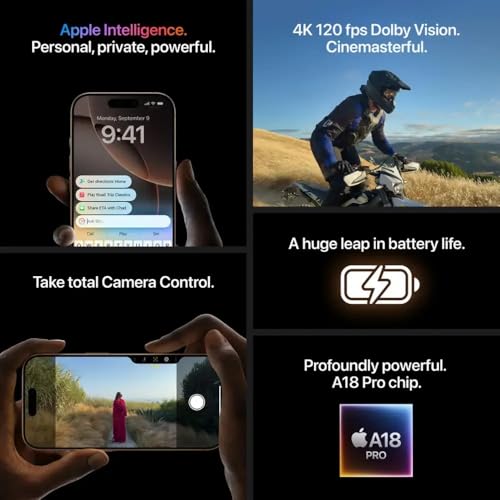
Apple iPhone 16 Pro, US Version, 128GB, Black Titanium – Unlocked (Renewed Premium)

74/100 new 2024 • Apple
Ideal for:

photographers needing a portable, high-quality smartphone that captures impressive Milky Way and night-sky images without carrying a mirrorless/DSLR — especially if you want flagship camera features at a discounted price.

Strengths:
  • Premium iPhone 16 Pro camera system with large sensors, advanced computational Night mode and ProRAW — strong baseline for starfields and Milky Way shots
  • Built-in long-exposure and astrophotography software capabilities (ProRAW, Night mode, LiDAR-assisted focus) that simplify handheld and tripod shots
  • Excellent value in this listing: renewed iPhone 16 Pro at ~$757 gives access to flagship hardware for well below new retail price
Limitations:
  • This is a renewed unit: battery health is only guaranteed >80%, accessories are non-original, and you get limited post-purchase protection (90-day replacement/refund window)
  • Only 128GB storage — RAW/ProRAW astrophotos and long-exposure stacks will fill that quickly unless you offload frequently or use cloud storage
What you need to know:

Want a compact way to shoot the Milky Way and night skies without hauling camera gear? You get flagship iPhone 16 Pro imaging and Night mode that make tripod-based starfields and handheld low-light frames easy to capture. The tradeoff: buying a renewed 128GB unit saves a lot of money but means shorter battery headroom and limited storage, so you should plan to offload RAW files or pair with cloud storage. Expect great convenience and image quality for travel and casual astrophotography, but bring external storage or a larger-capacity device if you shoot lots of RAW exposures.

Overview & Ranking:
This unlocked iPhone 16 Pro brings flagship night imaging in a compact, travel-friendly body. It’s our #4 choice with a solid 74/100 score, combining premium low‑light results with strong value in a Renewed Premium package.

Astro Imaging & Performance:
Advanced Night mode, Apple ProRAW, and LiDAR work with the A18 Pro chip to reduce noise and keep stars crisp—ideal for Milky Way frames on a small tripod or quick handheld night scenes. The bright 6.3‑inch 120 Hz screen makes framing dark skies and checking fine detail smooth and comfortable.

Use Cases & Shooting Scenarios:
If you regularly offload to cloud or external storage, the 128GB capacity handles weekend star sessions and ProRAW edits without drama; the Unlocked setup also makes it easy to pop in a local carrier while traveling. Perfect for: travel astrophotography, handheld night cityscapes, telescope‑assisted lunar close‑ups.

Who It’s For:
Who is this for? Amateur astrophotographers and tech‑savvy mobile shooters who want powerful computational tools without carrying a full camera kit. If you value Night mode, Apple ProRAW, and LiDAR‑assisted focus in a sleek Black Titanium body, this model fits your on‑the‑go workflow.

Our Verdict:
Final recommendation: Choose this pick if you want flagship night photos, a fluid 120 Hz viewing experience, and the convenience of an Unlocked, Renewed Premium phone backed by professional inspection, >80% battery health, and a 90‑day replacement/refund window. It’s a smart, competitively priced way to capture striking starfields and low‑light scenes wherever you roam.

#5
SAMSUNG Galaxy S25+ Cell Phone

SAMSUNG Galaxy S25+ Cell Phone, 256GB Smartphone, Unlocked Android, AI Night Mode Camera, Snapdragon 8 Elite Fast Processor, ProScaler Display, 4900mAh Battery, 2025, US 1 Yr Warranty, Silver Shadow [Silver Shadow 256GB S25+ Phone Only]

72/100 new 2025 • SAMSUNG
Ideal for:

Enthusiasts who want an easy, travel-friendly phone that delivers excellent night-sky shots without carrying bulky gear — you value convenience, battery life, and modern computational night modes over specialist optical reach.

Strengths:
  • Strong low-light imaging workflow — AI Night Mode plus a powerful Snapdragon 8 Elite processor enable on-device stacking and noise reduction for cleaner night-sky shots.
  • Long battery capacity (4900mAh) and unlocked 2025 hardware make it practical for long field sessions and travel without frequent recharging or carrier limits.
  • Pro-level polish and popularity — high rating (4.5), strong sales momentum, and One UI/Android 15 support mean good software updates and a mature camera app ecosystem (including third‑party astrophotography apps).
Limitations:
  • Not the absolute top smartphone choice for detailed moon/planet shots — lacks the specialized periscope/telephoto reach and largest sensors found in Ultra-class models or dedicated astrophotography cameras.
  • AI-heavy processing can sometimes smooth fine star detail or alter natural sky color if you prefer fully manual RAW workflows.
What you need to know:

Want great Milky Way and starfield shots without packing a mirrorless rig? You’ll capture cleaner, usable night-sky images handheld or on a small tripod thanks to the S25+’s AI Night Mode and long battery life. The tradeoff: you won’t get the same extreme lunar/planet detail or raw control as an S25 Ultra or a dedicated camera, but you gain portability, simpler workflows, and excellent results for travel and casual astrophotography sessions.

Quick Take:
This smartphone offers clean night‑sky photos and travel‑friendly convenience for hobbyist stargazers and power users. It comes in at #5 with a 72/100 score for its excellent low‑light workflow, dependable battery, and polished software—great when you want striking sky shots without carrying extra gear.

Night Shooting & Speed:
With Low‑Light Imaging driven by AI Night Mode, it stacks frames and reduces noise so stars look crisp and the Milky Way pops, even handheld or on a tiny tripod. The Processing Power of the Snapdragon 8 Elite and 12GB RAM keeps long exposures and edits smooth, while the 6.7‑inch ProScaler Display (1440 x 3120) helps you focus and compose in the dark; standout touches like Fast Charging, water resistance, and an Unlocked design add everyday value.

Use Cases:
Perfect for: handheld starfield captures, Milky Way travel shots, all‑night time‑lapses on a mini tripod. The 4900mAh battery supports hours of night shooting, and One UI tools plus third‑party astro apps make setup, focusing, and sharing fast.

Who It’s For:
If you want wide night vistas, quick edits, and reliable all‑day power in a single device, this choice fits your style. Who is this for? Amateur astrophotography enthusiasts and tech‑savvy mobile creators who value portability, computational night modes, and a streamlined capture‑to‑share workflow.

Our Verdict:
Final recommendation: Pick this model if you want a pocketable astro companion that pairs AI Night Mode with long battery life and a crisp display—delivering excellent results for trips, spontaneous sky sessions, and daily photos. It offers a strong price‑to‑performance balance and ranks high for ease of use, making it a confident buy when you prefer simplicity and portability over complex setups.

#6
SAMSUNG Galaxy S23 Ultra Cell

SAMSUNG Galaxy S23 Ultra Cell Phone, Factory Unlocked Android Smartphone, 1TB Storage, 200MP Camera, Night Mode, Long Battery Life, S Pen, US Version, 2023 [Lavender] [Renewed]

71/100 new 2023 • Samsung
Ideal for:

photographers needing flagship-level smartphone astrophotography capability at a discounted price, who want manual controls, lots of storage, and are comfortable using a tripod for best results

Strengths:
  • Flagship-level camera hardware (200MP sensor + versatile multi-lens array) gives lots of native detail and cropping headroom for night-sky subjects
  • Strong low-light/night modes and manual (Pro) controls — useful for long exposures, RAW capture, and tripod work
  • 1TB storage option and S Pen support make it convenient for extended shooting sessions and on-device editing/review
Limitations:
  • Renewed (refurbished) unit — unknown battery health and no clear warranty/review signals on this listing
  • Model is from 2023 — newer 2025 phones may offer improved computational astrophotography features and longer OS update windows
What you need to know:

Want real astrophotography power without paying brand-new-flagship prices? You get a flagship-caliber camera (huge 200MP sensor, pro/manual controls, massive storage) that lets you capture detailed Milky Way panels and high-resolution lunar crops when paired with a tripod. The tradeoff: buying a renewed 2023 model means slightly less future-proofing and potential battery wear, but you’ll keep most of the image-making capability of a top-tier phone for a significantly lower outlay.

Astro Imaging Power:
Shooting the Milky Way from a dark site? This smartphone brings flagship-level night detail and flexible control in your pocket, ranking at #6 with a solid 71/100 score for its blend of astro features and strong value. It’s a smart way to get serious night results without paying for the newest release year.

Low-Light Detail & Control:
The 200MP sensor and multi-lens setup give you crisp star fields and generous cropping room for clean lunar frames. With Night Mode and Pro (manual) controls plus RAW, you can run long tripod exposures and stack clean files; the massive 1TB storage and sharp 6.8-inch display make on-location review and edits simple.

Standout Tools & Value:
You get creator-friendly extras like S Pen support for precise edits, long battery life for all-night sessions, and an unlocked design that fits your carrier. This renewed 2023 flagship offers a strong price-to-performance ratio—excellent if you want premium imaging features without the premium-new pricing.

Who It’s For:
Who is this for? Enthusiast astro shooters and tech-savvy mobile photographers who want manual control, generous storage, and tripod-friendly night features in one device. Perfect for: Milky Way panoramas, high-resolution moon shots, city night long exposures.

Our Verdict:
Final recommendation: Choose this model if you want flagship-grade night imaging, flexible controls, and huge on-device storage at a more accessible cost. It’s a confident pick for capturing detailed skies and everyday scenes alike—delivering serious creative headroom while holding a practical spot in your kit.

Your Perfect Astrophotography Phone: Final Picks by Use Case

We compared top smartphones for astrophotography, focusing on low-light performance, portability, and value. Choose the pick that matches your shooting style and budget below.
Best Overall

Google Pixel Pro

Best for: Most people wanting effortless, top-tier night-sky photos from a pocketable smartphone.
Why: Class-leading computational astrophotography with reliable low-light detail and noise control.
$899.97 on Amazon →
Best Compact

SAMSUNG Galaxy S25 Edge Phone

Best for: Travelers seeking a truly pocketable phone that still nails low-light landscapes.
Why: Slim design with high-resolution sensor and balanced low-light performance.
$799.00 on Amazon →
Best for Enthusiasts

Apple iPhone Pro

Best for: Enthusiasts wanting refined controls and detailed night-sky shots without bulky gear.
Why: Excellent image processing, consistency, and intuitive tools for creative control.
$539.48 on Amazon →
Best Value

SAMSUNG Galaxy S23 Ultra Cell

Best for: Deal-seekers needing flagship-level astro features at a more approachable price.
Why: Discounted flagship delivers long-zoom versatility and strong night performance.
Check price on Amazon →
Pick the category that fits your needs and buy with confidence.


Disclosure/Disclaimer: As an Amazon Associate, we earn from qualifying purchases. Certain content was provided "as is" from Amazon and is subject to change or removal at any time. Product prices and availability: Amazon prices are updated daily or are accurate as of the date/time indicated and are subject to change. Any price and availability information displayed on Amazon.com at the time of purchase will apply to the purchase of this product.

About the Author Andreas De Rosi

Close-up portrait of Andreas De Rosi, founder of PhotoWorkout.com

Andreas, with a background in economics and marketing, heads PhotoWorkout's editorial team in Berlin. Starting his photography with film at 14, he's developed his craft through courses and hands-on experience, focusing on travel photography. Andreas blends academic and practical insights to shed light on the latest trends in photography. Connect with him on Instagram, Facebook, and LinkedIn.

Leave a Comment

Your email address will not be published. Required fields are marked *