


- Sony a7 IV is the best Sony mirrorless camera for most photographers — a 33MP full-frame hybrid with outstanding autofocus, 4K 60p video, and strong value at $2,198.
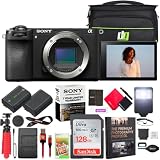
- Sony a6700 offers the best APS-C experience — 26MP, 4K 120p, AI-driven AF, and a compact body for $1,598.
- Sony a7R V leads for resolution at 61MP with AI-based AF — ideal for landscape and studio work.
- Sony a9 III features the world’s first full-frame global shutter for distortion-free 120fps shooting — built for professional sports.
- Buying guide below covers sensor size, video specs, AF systems, and which Sony camera fits each shooting style.
Sony Mirrorless Cameras: How to Pick the Right One
Sony’s mirrorless lineup is the most comprehensive in the industry, spanning entry-level APS-C vlogger cameras to professional full-frame flagships with global shutters. The E-mount system — shared across every Sony mirrorless camera — gives access to over 70 native lenses and hundreds of third-party options from Sigma, Tamron, and others.
This guide compares 10 current Sony mirrorless cameras across every budget and shooting style. Each pick was selected based on current availability, feature set, price-to-performance ratio, and real-world user feedback. The Sony a7 IV earns the top spot for its unmatched balance of capability and value, while the Sony a6700 stands out as the best APS-C option.
Whether the priority is high-resolution stills, cinematic video, compact travel shooting, or professional sports coverage, there is a Sony mirrorless camera built for it. Here is how the current lineup compares.
When you buy through links on our site, we may earn a commission at no cost to you. We evaluate products independently. Commissions do not affect our evaluations. As an Amazon Associate, we earn from qualifying purchases.
Top Sony Mirrorless Cameras Compared





How to Choose a Sony Mirrorless Camera
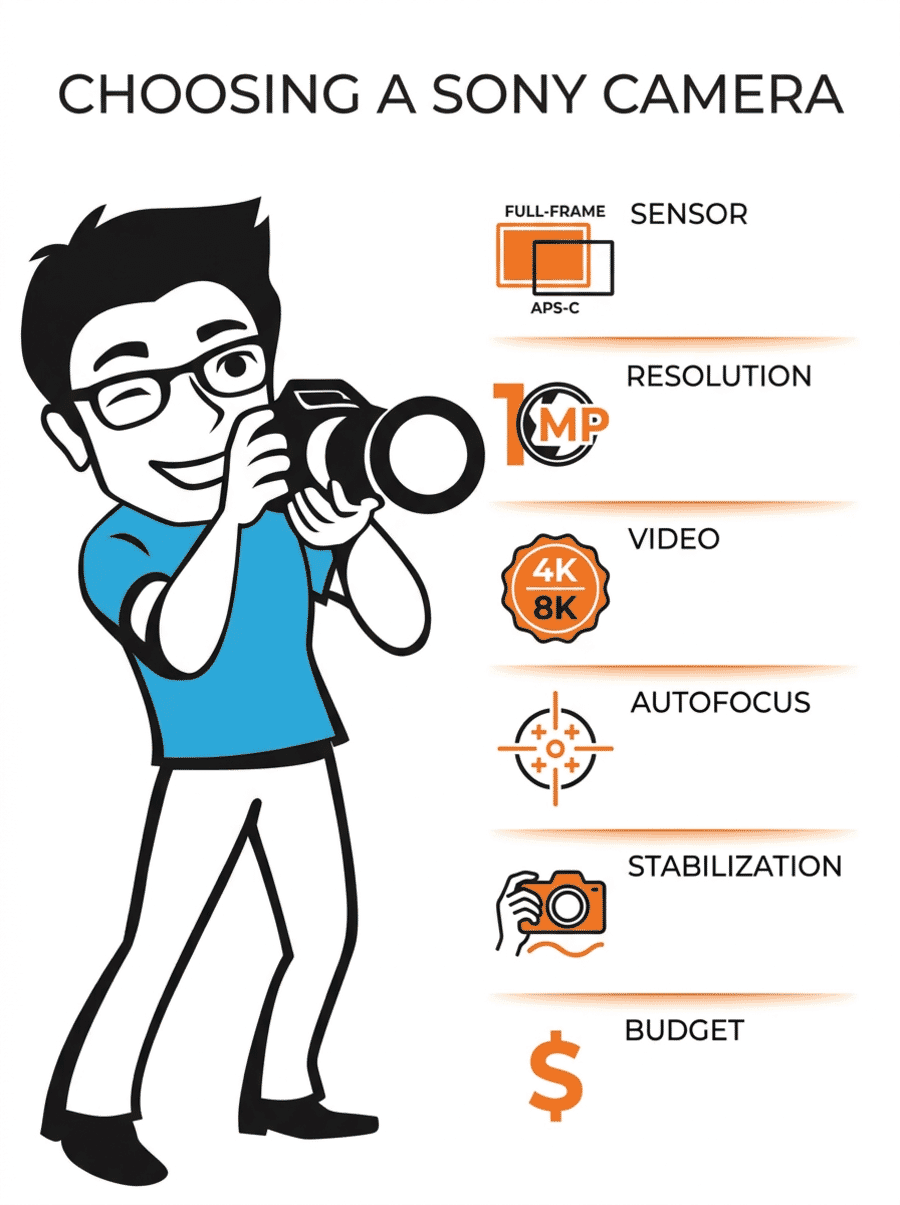
Sony mirrorless cameras share the same E-mount lens system, but they differ significantly in sensor size, resolution, video capability, and intended use case. Here are the key factors to evaluate before choosing.
Sony Mirrorless Camera Specs Comparison
| Specifications | ||||||||||
|---|---|---|---|---|---|---|---|---|---|---|
| Sensor | 33MP Full-frame | 26MP APS-C | 33MP Full-frame | 61MP Full-frame | 33MP Full-frame | 12.1MP Full-frame | 26MP APS-C | 24.6MP Full-frame | 50.1MP Full-frame | 12.1MP Full-frame |
| Video | 4K 60p | 4K 120p | 4K 60p | 4K 60p | 4K 120p | 4K 120p | 4K 60p | 4K 120p | 8K 30p / 4K 120p | 4K 120p |
| Burst Rate | 10 fps | 11 fps | 10 fps | 10 fps | 30 fps | 10 fps | 11 fps | 120 fps | 30 fps | 10 fps |
| AF Points | 759 | 759 | 759 | 693 | 759 | 759 | 759 | 759 | 759 | 759 |
| IBIS | 5.5 stops | 5 stops | 7 stops | 8 stops | 5.5 stops | 5.5 stops | Electronic only | 8 stops | 8.5 stops | 5.5 stops |
| Weight (body) | 658g | 493g | 514g | 723g | 710g | 483g | 377g | 702g | 743g | 699g |
| Best For | All-around | APS-C value | Travel | Landscape/Studio | Latest tech | Video creators | Budget vlog | Sports/Action | Everything | Low-light video |


Sony Alpha a7 IV
Photographers and videographers who want the best all-around full-frame camera at a competitive price
- 33MP full-frame sensor balances resolution and low-light performance
- 4K 60p video with 10-bit 4:2:2 internal recording
- 759 phase-detection AF points with real-time Eye AF for humans and animals
- Dual card slots (CFexpress Type A + SD) for reliable backup
- Outstanding value — flagship features at a mid-range price
- Rolling shutter visible in 4K 60p mode (Super 35 crop)
- 10fps burst rate lags behind newer models like the a7 V (30fps)
- No AI-based subject recognition (uses older software-based tracking)
The a7 IV remains Sony’s best value proposition in the full-frame lineup. Its 33MP sensor is the sweet spot for nearly any genre — high enough for detailed crops and large prints, low enough for clean high-ISO files. For photographers who do not need 30fps bursts or AI subject tracking, it delivers 90% of the a7 V’s capability at $700 less.
The Sony a7 IV has held its position as the most recommended Sony mirrorless camera since its 2021 launch, and for good reason. The 33MP Exmor R CMOS sensor paired with the BIONZ XR processor produces sharp, detailed images with excellent dynamic range — roughly 15 stops in stills. ISO performance stays clean up to about ISO 6400, with usable results through ISO 12800.
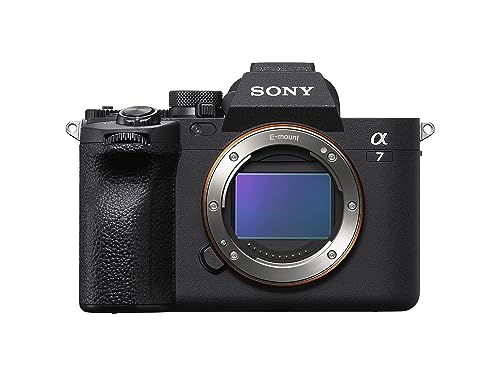



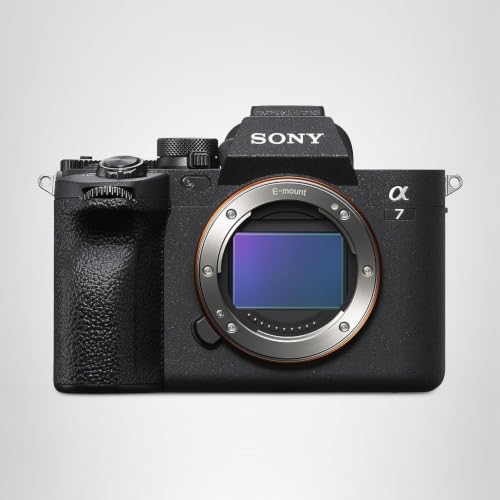
Video capability sets the a7 IV apart from older models. It records 4K 60p with a 1.5x crop (Super 35), 4K 30p using the full sensor width, and 1080p at 120fps for slow motion. Internal 10-bit 4:2:2 recording in S-Log3 and HLG delivers professional-grade footage straight from the camera — no external recorder needed. S-Cinetone, borrowed from Sony’s cinema line, produces flattering skin tones directly in-camera.
The autofocus system covers 94% of the frame with 759 phase-detection points. Real-time Eye AF locks onto human and animal eyes reliably in both stills and video. While it lacks the AI-based subject recognition found in newer models like the a7R V and a7 V, the tracking performance remains excellent for weddings, portraits, events, and everyday shooting.
Build quality matches the a7 IV’s capability — a magnesium alloy body with weather sealing, a 3.68M-dot OLED viewfinder, a fully articulating touchscreen, and dual card slots supporting CFexpress Type A and UHS-II SD cards. At 658g (body only), it is heavier than the compact a7C II but lighter than the high-resolution a7R V. For photographers who also shoot video regularly, the a7 IV is the most complete package in its price class.
Sony a7 IV Sample Photos


Pricing & Where to Buy
The Sony a7 IV is priced at $2,198 for the body only (as of March 2026). A kit with the FE 28-70mm f/3.5-5.6 lens is also available for $2,598. Both configurations are widely stocked.
- Buy on Amazon — Prime shipping available
- Check price at B&H Photo
- Check price at Adorama
- Buy used at KEH — save 20-30% on certified pre-owned
Sony Alpha a6700
Photographers and content creators who want flagship-level features in a compact, affordable APS-C body
- 26MP Exmor R sensor with BIONZ XR processor — same generation as the a7R V
- 4K 120p video recording with 10-bit 4:2:2 internal
- AI-based Real-time AF recognizes humans, animals, birds, insects, cars, trains, and planes
- Compact 493g body with weather sealing and 5-axis IBIS
- Exceptional value at $1,598 — most capable APS-C camera on the market
- APS-C sensor has less shallow depth of field and lower high-ISO performance than full-frame
- No CFexpress card slot — SD UHS-II only
- EVF is 2.36M dots — lower resolution than full-frame models
The a6700 is the most feature-rich APS-C camera available from any manufacturer. It borrows AI autofocus from the a7R V, video specs from higher-end models, and packs it all into a body that weighs 165g less than the a7 IV. For photographers who prioritize portability and value over the full-frame depth-of-field advantage, the a6700 is hard to beat.
The Sony a6700 represents a generational leap for Sony’s APS-C line. The 26MP Exmor R CMOS sensor paired with the BIONZ XR processor matches the processing power of full-frame cameras like the a7 IV, delivering crisp images with strong dynamic range and clean files up to about ISO 3200-6400.
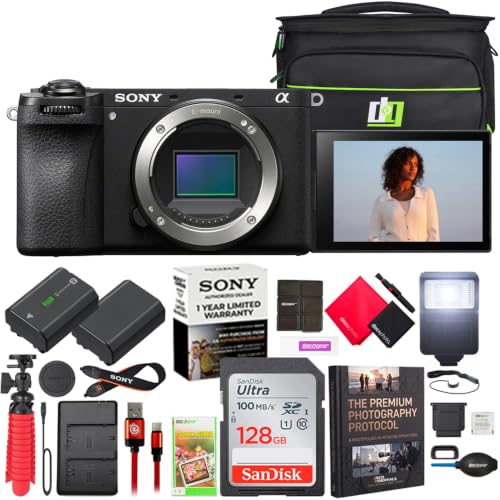
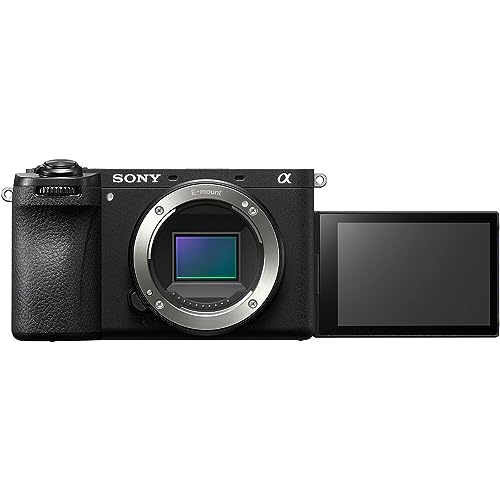
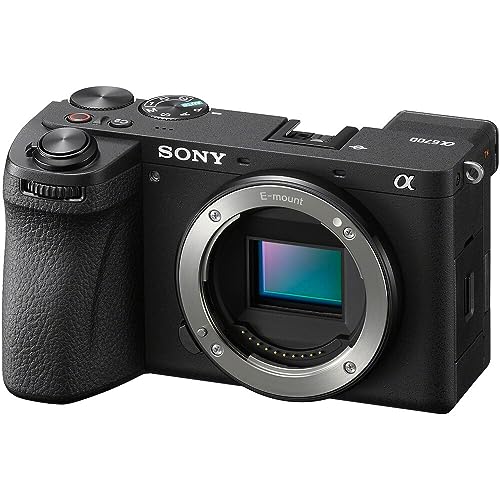
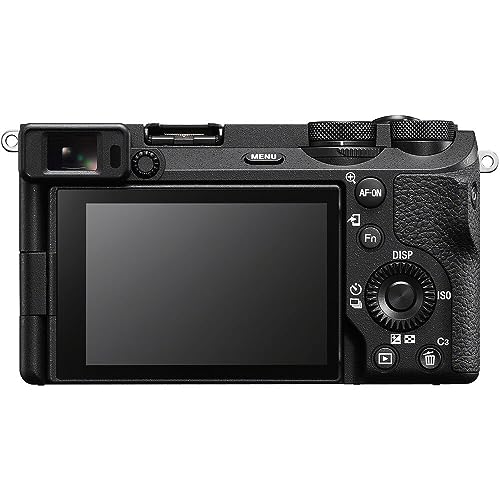
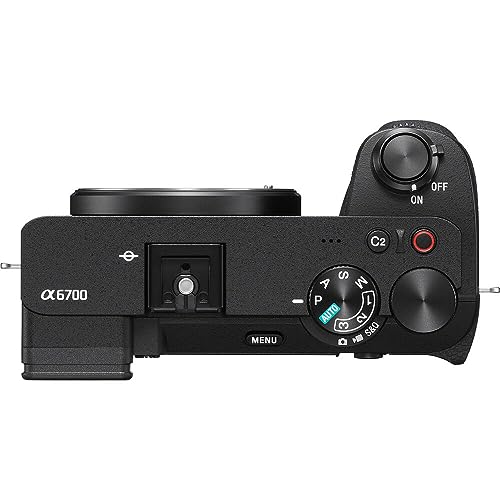
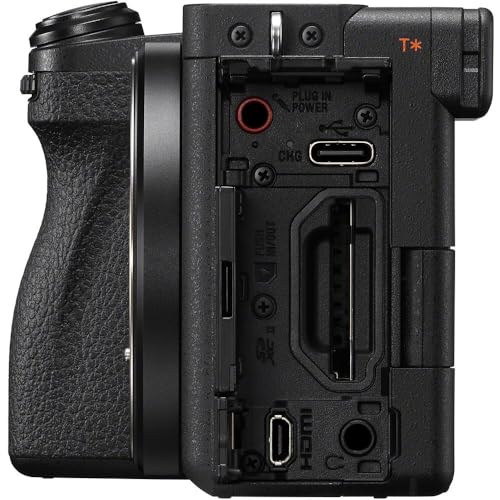

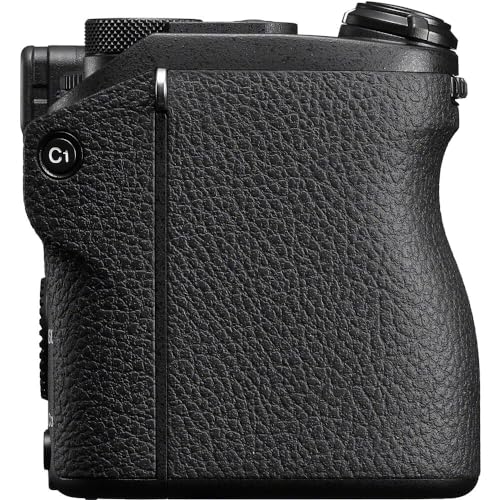
The standout feature is AI-based autofocus with a dedicated processing unit — the same system found in the a7R V. It recognizes and tracks humans (including pose estimation), animals, birds, insects, cars, trains, and aircraft. In practice, this means the a6700 locks focus faster and more reliably than any previous APS-C camera, making it viable for action, wildlife, and event photography despite its smaller sensor.
Video specs punch above the a6700’s weight class: 4K 120p with 10-bit 4:2:2 internal recording, S-Log3, S-Cinetone, and no recording time limit. Combined with the fully articulating screen, a 3.5mm mic input, and headphone jack, it doubles as a capable video production tool. The 1.5x crop factor also benefits telephoto shooters — a 200mm lens effectively becomes 300mm, which is valuable for best cameras for wildlife photography.
At 493g with 5-axis IBIS, weather sealing, and a front dial added to the control layout, the a6700 is a genuinely professional tool in a body small enough to carry all day. It pairs naturally with compact E-mount lenses like Sony’s 10-20mm f/4 PZ or Sigma’s 18-50mm f/2.8 DC DN. For anyone entering the Sony ecosystem or wanting a lighter travel setup, the a6700 is the smartest entry point in the lineup.
Sony a6700 Sample Photos


Pricing & Where to Buy
The Sony a6700 is priced at $1,598 body only (as of March 2026). Kit options with the E PZ 16-50mm f/3.5-5.6 OSS II lens are available for around $1,798.
- Buy on Amazon — Prime shipping available
- Check price at B&H Photo
- Check price at Adorama
- Buy used at KEH — save on certified pre-owned units
Sony Alpha a7C II
Travel and street photographers who want full-frame quality in the most compact body possible
- 33MP full-frame sensor — same as the a7 IV — in a rangefinder-style body weighing just 514g
- AI-based Real-time AF with dedicated processing unit and human pose recognition
- 7-stop in-body stabilization — strongest IBIS in its class
- Fully articulating touchscreen and compact design ideal for travel and vlogging
- 4K 60p Super 35, 4K 30p full-frame video with 10-bit recording
- Single SD card slot — no backup during shoots
- Smaller grip may feel cramped with large telephoto lenses
- EVF is side-mounted and smaller (2.36M dots) compared to center-mounted viewfinders on the a7 series
The a7C II delivers a7 IV image quality with a7R V-level autofocus in a body only 21g heavier than the APS-C a6700. It is the ideal choice for photographers who prioritize portability but refuse to compromise on full-frame sensor performance. The trade-off is ergonomics — the smaller grip and single card slot suit travel and everyday shooting more than long professional sessions.
The Sony a7C II is Sony’s answer to photographers who want everything the a7 IV offers but in a package they can comfortably carry all day. The rangefinder-style body measures 124 x 71 x 64mm and weighs 514g — making it one of the smallest full-frame cameras available.


Image quality matches the a7 IV — the same 33MP Exmor R sensor and BIONZ XR processor produce identical stills and video output. But the a7C II actually surpasses the a7 IV in two key areas: autofocus and stabilization. It uses the AI-based AF system from the a7R V (with the dedicated processing unit for subject recognition) and delivers 7 stops of IBIS compensation — compared to 5.5 stops in the a7 IV.
For best cameras for street photography and travel, the a7C II’s low profile is a genuine advantage. The rangefinder design draws less attention than a traditional SLR-shaped body, and the flip-out screen works well for waist-level shooting. Paired with compact lenses like the FE 28-60mm f/4-5.6, the entire setup fits in a jacket pocket.
The compromises are practical: only one SD card slot (no redundancy for wedding or event backup), a smaller grip that gets uncomfortable with heavy lenses, and a side-mounted EVF that some photographers find less natural. For studio or professional event work where dual cards and ergonomics matter, the a7 IV is the better choice. For everything else — travel, street, everyday shooting, casual video — the a7C II is arguably the smarter buy.
Sony a7C II Sample Photos


Pricing & Where to Buy
The Sony a7C II is priced at $2,298 body only (as of March 2026), available in silver and black. A kit with the FE 28-60mm f/4-5.6 lens runs about $2,498.
- Buy on Amazon — Prime shipping available
- Check price at B&H Photo
- Check price at Adorama
- Buy used at KEH — save on certified pre-owned
Sony Alpha a7R V
Landscape, architecture, product, and studio photographers who need maximum resolution and detail
- 61MP full-frame sensor captures extraordinary detail for cropping and large-format printing
- First Sony camera with AI-based AF processing unit — recognizes humans, animals, birds, insects, vehicles, and aircraft
- 8-stop in-body image stabilization — highest rating in the a7 series
- Pixel Shift Multi Shooting creates 240MP composite images for ultimate detail
- Excellent 3.69M-dot OLED viewfinder and robust weather-sealed build
- 61MP files are large (120MB+ in raw) — demands fast cards and powerful editing hardware
- High resolution amplifies lens imperfections and hand shake — best lenses required
- 4K 60p has a 1.24x crop — no full-width 4K 60p
The a7R V is the resolution champion of Sony’s lineup. Its 61MP sensor resolves detail that lets photographers crop aggressively while retaining print-quality results. The AI AF system was groundbreaking when it launched and remains among the best in class. The trade-off is that the high resolution demands premium lenses, fast memory cards, and capable editing hardware — making the total system cost higher than a 33MP setup.
The Sony a7R V exists for photographers who need every pixel they can get. The 61MP Exmor R sensor resolves an extraordinary level of detail — fine textures in landscape photography settings guide, fabric patterns in fashion, product surface details in commercial work. Raw files are large (120MB+ uncompressed), but the payoff is the ability to crop to 50% and still have a 30MP image suitable for large prints.
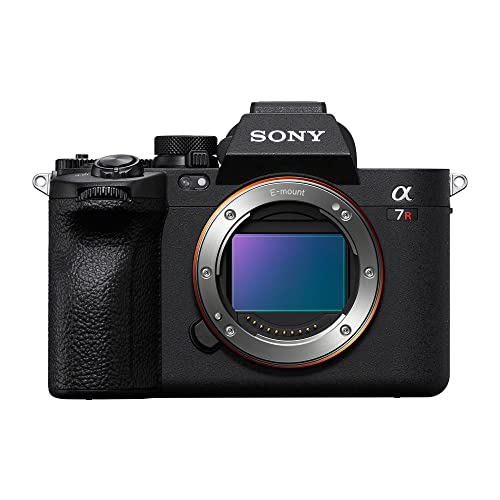


The a7R V was the first Sony camera to introduce the AI-based AF processing unit — a dedicated chip that recognizes and tracks subjects using deep learning rather than simple pattern matching. This system identifies humans (including individual poses and body positions), animals, birds, insects, cars, trains, and aircraft. The same technology now appears in the a6700, a7C II, a7 V, a9 III, and a1 II, but the a7R V proved its effectiveness first.
For critical sharpness, the Pixel Shift Multi Shooting mode captures 16 images with sub-pixel sensor shifts and composites them into a 240MP image. This is useful for product photography, art reproduction, and architectural documentation where the camera can be tripod-mounted and subjects remain still. In-body stabilization rated at 8 stops also helps handheld shooting at surprisingly slow shutter speeds — useful for available-light interiors and golden-hour landscape work.
Video is capable but not the a7R V’s primary strength: 4K 60p with a 1.24x crop, 4K 30p full-width, and 8K oversampled 4K for maximum detail. For hybrid shooters who prioritize video, the a7 IV or a7 V are better choices. But for photographers who want the highest-resolution Sony camera with modern AF, the a7R V is the clear pick.
Sony a7R V Sample Photos


Pricing & Where to Buy
The Sony a7R V is priced at $3,298 body only (as of March 2026).
- Buy on Amazon — Prime shipping available
- Check price at B&H Photo
- Check price at Adorama
- Buy used at KEH — save with certified pre-owned
Sony Alpha a7 V
Serious hybrid shooters who want the latest technology and are willing to pay a premium over the a7 IV
- 30fps blackout-free continuous shooting — triple the a7 IV’s burst rate
- 4K 120p video with full readout from the sensor and 10-bit 4:2:2
- AI AF 2.0 with human pose recognition and enhanced tracking intelligence
- Pre-capture function saves frames from before the shutter is pressed
- Improved 5-axis IBIS and enhanced weather sealing over previous generation
- $700 more expensive than the a7 IV for the same 33MP resolution
- Newly released — limited used market and few price drops expected soon
- Heavier at 710g compared to the a7 IV at 658g
The a7 V is the most capable 33MP camera Sony has ever made. Its 30fps burst, 4K 120p video, AI AF 2.0, and pre-capture make it objectively superior to the a7 IV in every measurable way. The question is whether the $700 premium is worth it for each photographer’s specific needs. For action, sports, and professional event work, the a7 V’s speed advantage is significant. For portraits, landscapes, and casual hybrid shooting, the a7 IV’s lower price may make more sense.
The Sony a7 V is the newest member of Sony’s core a7 lineup, and it brings meaningful upgrades over the a7 IV in speed, autofocus, and video. The headline feature is 30fps blackout-free continuous shooting — three times faster than its predecessor — making it viable for fast-action subjects without stepping up to the a9 III or a1 II.
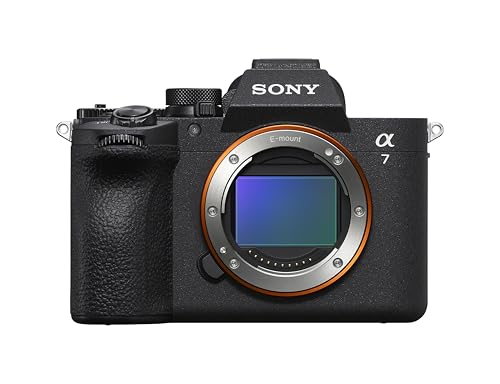
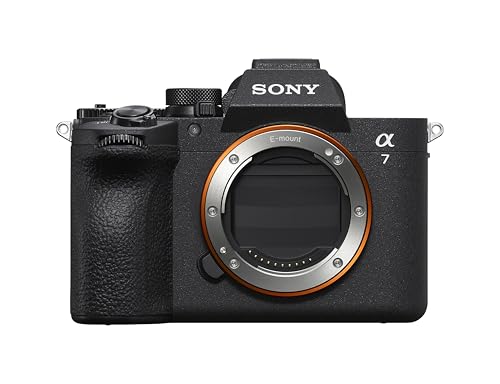
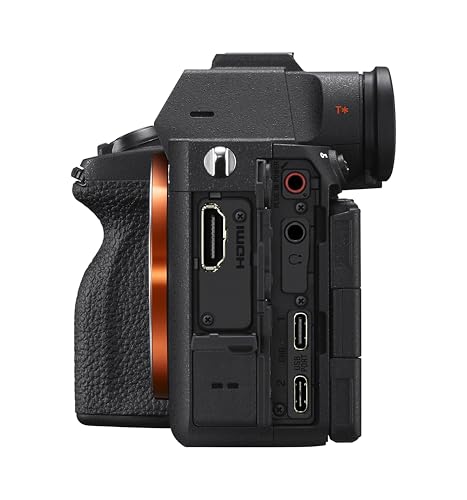
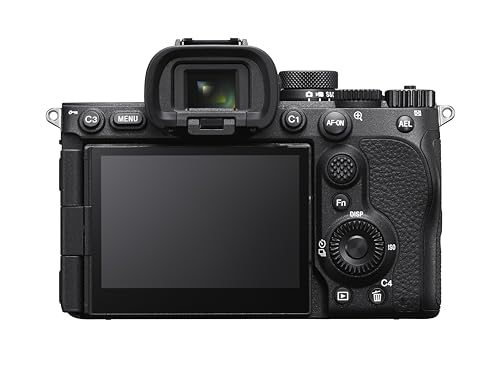
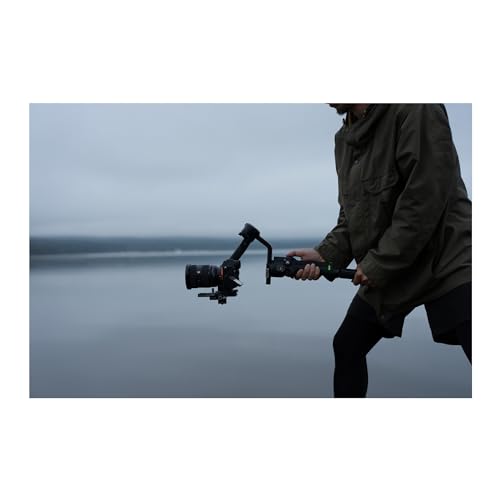
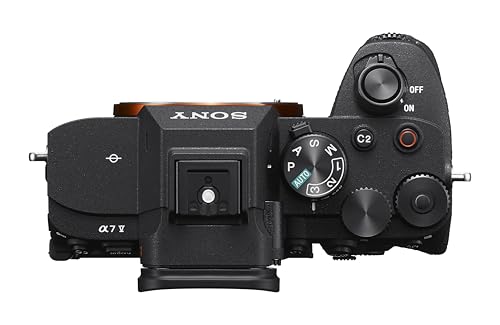
The AI AF 2.0 system introduces human pose recognition — the camera understands body position and predicts movement, which improves tracking during complex scenarios like dancers, athletes changing direction, or subjects partially obscured by obstacles. It is also the first a7-series camera to offer pre-capture, which buffers frames at full resolution before the shutter is pressed. This is invaluable for unpredictable moments in wedding, wildlife, and street photography.
Video gets a significant upgrade: 4K 120p with a full sensor readout (no significant crop), 10-bit 4:2:2 internal recording, S-Log3, S-Cinetone, and Cine EI mode. The a7 V is now a legitimate video camera alongside its stills capability — closing the gap between the a7 line and Sony’s dedicated cinema cameras like the FX3.
The build is slightly larger and heavier than the a7 IV at 710g, with enhanced weather sealing and a redesigned body. A 3.68M-dot viewfinder, fully articulating screen, and dual card slots (CFexpress Type A + SD) round out the package. For photographers upgrading from the a7 III or a7 IV who want the latest technology and fastest performance in the 33MP class, the a7 V is the next step up.
Sony a7 V Sample Photos


Pricing & Where to Buy
The Sony a7 V is priced at $2,898 body only (as of March 2026). A kit with the FE 28-70mm lens is available for approximately $3,098.
- Buy on Amazon — Prime shipping available
- Check price at B&H Photo
- Check price at Adorama
Sony ZV-E1
Content creators and videographers who want full-frame cinematic video in the lightest possible body
- Full-frame 12.1MP sensor optimized for clean video — excellent low-light and dynamic range
- 4K 120p with 10-bit 4:2:2 and S-Cinetone — cinema-quality color science
- Lightest full-frame Sony mirrorless at 483g with 5-axis IBIS
- Active stabilization mode for handheld walking shots
- Built-in directional 3-capsule microphone and wind screen
- 12.1MP is limiting for stills — fine for web but insufficient for print or heavy cropping
- No mechanical shutter — rolling shutter can be visible in fast pans
- Plastic body feels less premium than the a7 series
The ZV-E1 is Sony’s most video-centric mirrorless camera with a full-frame sensor. The 12.1MP resolution is deliberately low — fewer pixels mean larger photosites, better low-light performance, faster readout, and less rolling shutter. For creators who shoot primarily video with stills as secondary, the ZV-E1 offers capabilities that rival the a7S III at $1,400 less.
The Sony ZV-E1 fills a unique niche: a full-frame interchangeable lens camera designed from the ground up for video content creation. The 12.1MP Exmor R sensor — the same unit from the a7S III — prioritizes large photosites for maximum light gathering, resulting in clean, noise-free footage even at high ISO settings. Low-light shooting at ISO 12800 and beyond produces usable, broadcast-quality results.


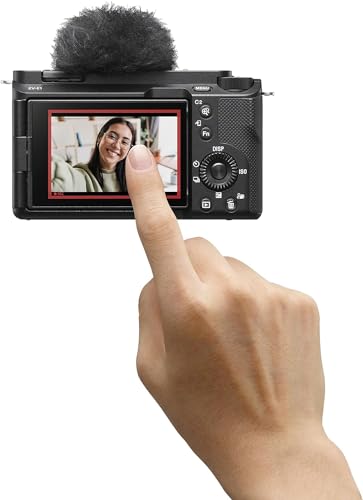


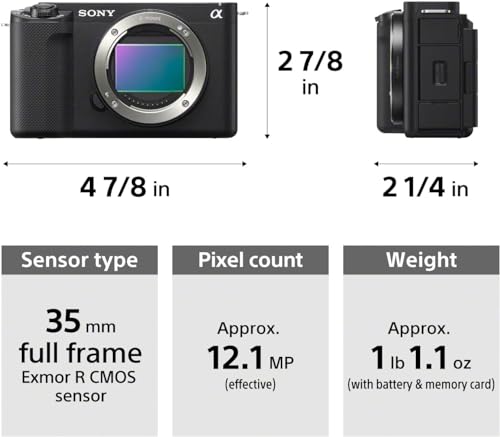
Video specs match or exceed cameras costing twice as much: 4K 120p, 4K 60p full-width, 10-bit 4:2:2 internal recording in S-Log3, HLG, and S-Cinetone. The Active stabilization mode adds electronic stabilization on top of the 5-axis IBIS for remarkably smooth handheld walking shots — a feature that reduces or eliminates the need for a gimbal in many scenarios.
The body is purpose-built for creators: a fully articulating screen for self-shooting, a built-in 3-capsule directional microphone with a physical wind screen, a product showcase mode that shifts focus to objects held in front of the camera, and Cinematic Vlog settings that apply letterboxing and color grades in-camera. At 483g, it is lighter than any full-frame Sony including the a7C II.
The trade-off is clear: 12.1MP limits the ZV-E1 as a stills camera. Images are fine for social media and web use but lack the resolution for large prints or significant cropping. For photographers who also need strong stills, the a7C II or a7 IV are better hybrid choices. For dedicated video creators who want full-frame quality without the bulk of a cinema camera, the ZV-E1 is exceptional.
Sony ZV-E1 Sample Photos


Pricing & Where to Buy
The Sony ZV-E1 is priced at approximately $2,250 body only (as of March 2026). A kit with the FE 28-60mm f/4-5.6 lens is also available.
- Buy on Amazon — Prime shipping available
- Check price at B&H Photo
- Check price at Adorama
Sony ZV-E10 II
Beginning content creators and vloggers looking for an affordable interchangeable-lens camera with excellent video features
- 26MP APS-C sensor with latest BIONZ XR processing for strong image quality
- 4K 60p video with 10-bit 4:2:2 recording — excellent for the price
- Lightest interchangeable-lens Sony at 377g — highly portable
- AI-based AF with subject recognition matches the a6700’s tracking capability
- Fully articulating screen, built-in directional mic, and product showcase mode
- No in-body image stabilization — relies on electronic stabilization and lens-based IS
- No viewfinder (EVF) — screen-only shooting, which struggles in bright sunlight
- Single SD card slot and basic weather sealing
The ZV-E10 II is the most affordable way to enter the Sony mirrorless ecosystem with modern features. It shares the a6700’s sensor, processor, and AI AF system in a lighter, cheaper body. The main sacrifices are IBIS (a significant loss for handheld video), no viewfinder, and less robust build quality. For creators who shoot primarily in controlled environments or with stabilized lenses, these trade-offs are acceptable. For outdoor photography or handheld video work, the a6700 is worth the $300 step-up.
The Sony ZV-E10 II replaces the popular original ZV-E10 with a major upgrade: the same 26MP sensor and BIONZ XR processor found in the a6700. This means AI-based autofocus with subject recognition, 4K 60p with 10-bit recording, and image quality that matches cameras costing $300 more — all in a body weighing just 377g.


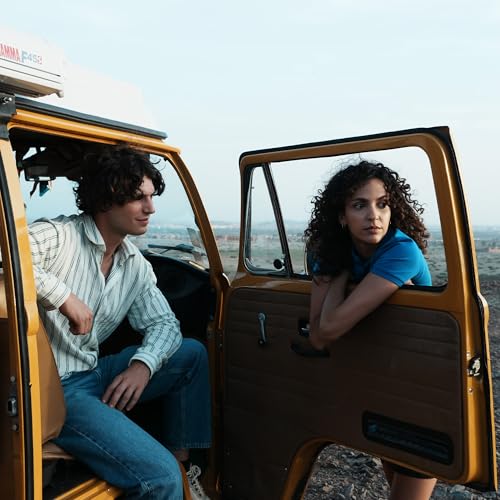


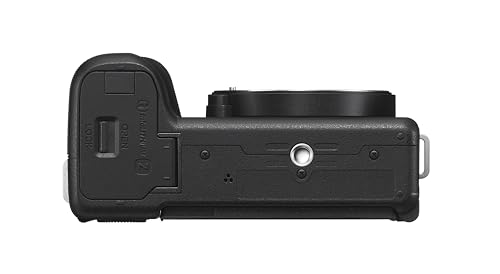
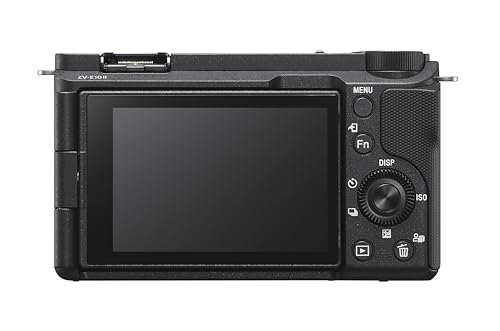
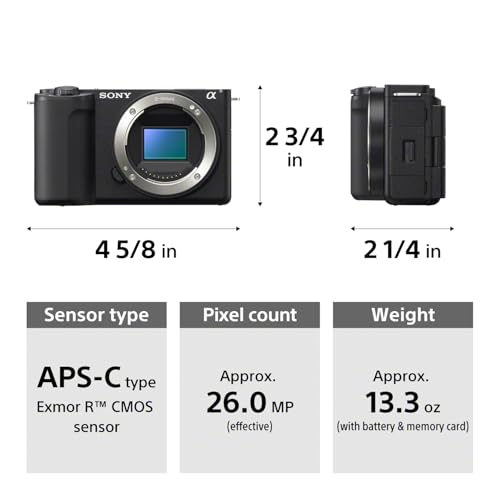
For vlogging and content creation, the ZV-E10 II checks every box: a fully articulating screen, built-in 3-capsule directional microphone, product showcase mode, background defocus button, and Cinematic Vlog settings. The best lenses for Sony ZV-E10 gives creators room to grow — from compact power zooms to fast primes for cinematic shallow depth of field.
The most significant compromise is the lack of IBIS. Without in-body stabilization, handheld video relies entirely on electronic stabilization (which crops the frame) and optical stabilization in compatible lenses. This is noticeable when walking and shooting, making a gimbal more necessary than with the IBIS-equipped a6700. The absence of a viewfinder is also a limitation for outdoor photography in bright sunlight, where the rear screen can be hard to see.
For best cameras for teenagers and beginners and content creators on a budget, the ZV-E10 II offers an impressive feature set at its price point. It is a natural stepping stone into the Sony ecosystem, with the knowledge that every E-mount lens purchased will work on any future Sony body upgrade.
Sony ZV-E10 II Sample Photos
Pricing & Where to Buy
The Sony ZV-E10 II is priced at $1,298 with the E PZ 16-50mm kit lens (as of March 2026). Body-only pricing is approximately $998.
- Buy on Amazon — Prime shipping available
- Check price at B&H Photo
- Check price at Adorama
Sony Alpha a9 III
Professional sports, wildlife, and action photographers who need zero distortion at extreme frame rates
- World’s first full-frame global shutter — zero rolling shutter distortion at any speed
- 120fps continuous shooting with full AF/AE tracking — unmatched burst speed
- Flash sync at any shutter speed — up to 1/80,000s with compatible flashes
- AI AF with enhanced tracking for fast, unpredictable subjects
- Pre-capture buffers up to 1 second of frames before the shutter press
- $6,798 price tag limits this to professional budgets
- 24.6MP resolution is modest — less room for cropping than 33MP or 50MP alternatives
- Global shutter trades some dynamic range compared to traditional rolling shutter sensors
The a9 III is a specialist tool built for one thing: capturing fast action with absolute precision and zero compromise. The global shutter eliminates rolling shutter distortion entirely — something no other full-frame camera can claim. At 120fps, it captures moments that are physically impossible to see. For professional sports photographers, news agencies, and wildlife specialists, the a9 III is the best action camera money can buy. For everyone else, the a7 V’s 30fps is more than sufficient at less than half the price.
The Sony a9 III represents a genuine technological breakthrough: the world’s first full-frame mirrorless camera with a global shutter sensor. Unlike traditional rolling shutters that read the sensor line by line (causing distortion with fast movement), the global shutter captures the entire frame simultaneously. This means zero rolling shutter distortion — no skewed verticals, no wobbling backgrounds, no banding under artificial lighting.

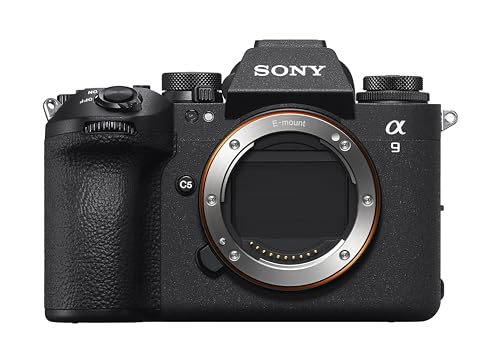
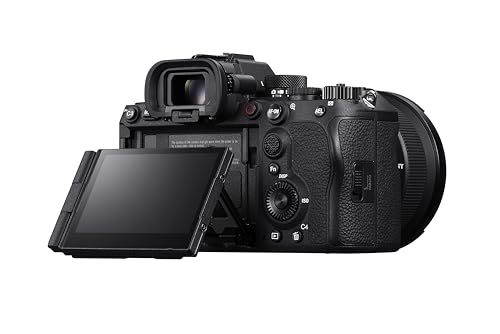
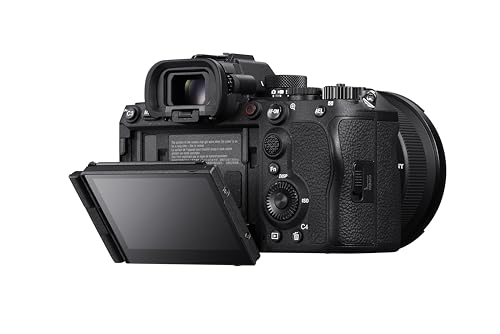
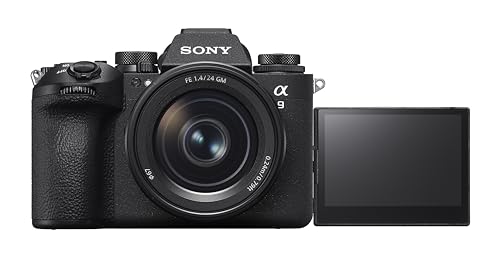
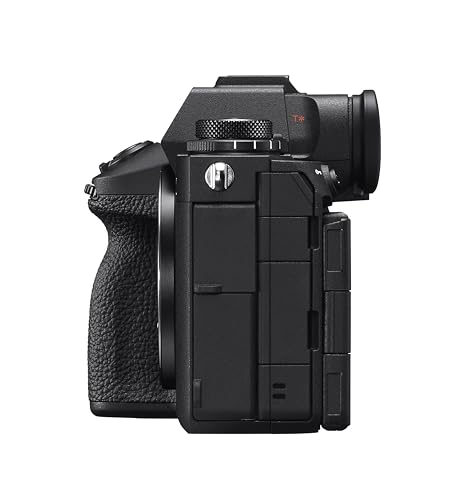
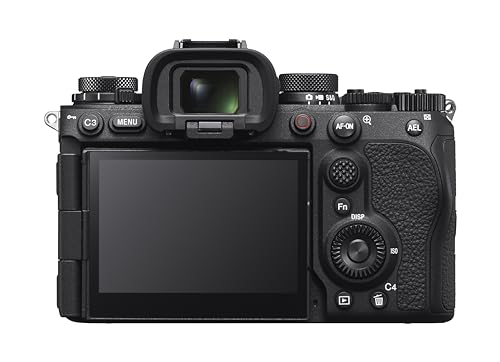
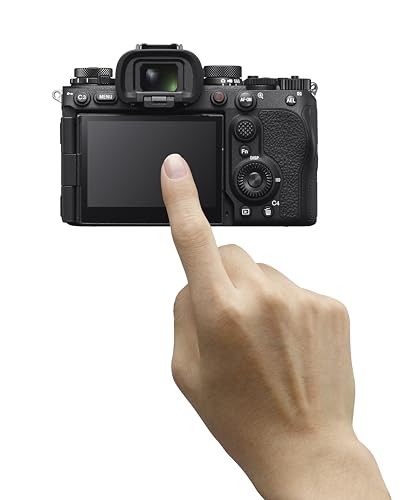
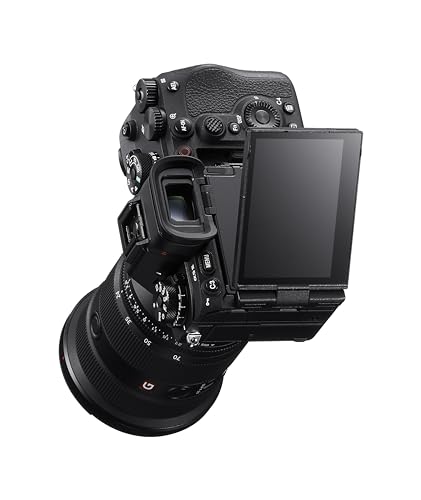
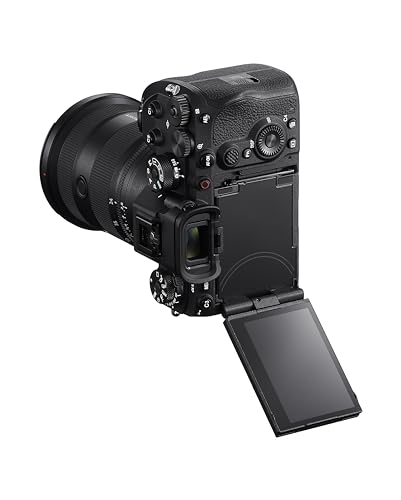
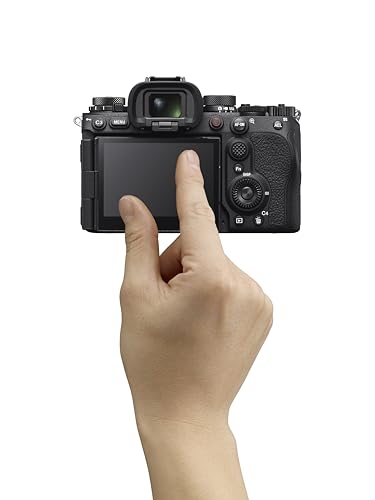
The practical implications are significant for action photography. The a9 III shoots at 120fps with full AF/AE tracking — capturing 120 full-resolution frames per second. At this speed, even the fastest athletic movements are frozen with multiple frames to choose from. The pre-capture function buffers up to 1 second of shooting before the shutter button is fully pressed, ensuring nothing is missed even with slow reaction times.
The global shutter also enables flash synchronization at any shutter speed — up to 1/80,000s. Traditional cameras are limited to flash sync speeds of 1/200s to 1/250s. This opens creative possibilities that were previously impossible: using fill flash in bright sunlight at wide apertures without ND filters, freezing motion with flash at extreme shutter speeds, and combining ambient and strobe exposures in ways no other camera allows.
For best cameras for wildlife photography and professional sports, the a9 III is in a class by itself. The $6,798 price reflects its professional positioning — this is a tool for photographers whose livelihood depends on capturing decisive moments at the highest level.
Pricing & Where to Buy
The Sony a9 III is priced at $6,798 body only (as of March 2026).
- Buy on Amazon — Prime shipping available
- Check price at B&H Photo
- Check price at Adorama
Sony Alpha a1 II
Professional photographers who need maximum resolution, speed, and video capability in a single body — no compromises
- 50.1MP full-frame sensor with 30fps burst — combines resolution and speed that no other camera matches
- 8K 30p and 4K 120p video with 10-bit 4:2:2 recording
- AI AF 2.0 with enhanced subject recognition and tracking across all modes
- 8.5-stop IBIS — the highest stabilization rating in Sony’s lineup
- Dual CFexpress Type A slots, robust weather sealing, professional-grade build
- $6,998 body-only price makes it the most expensive Sony mirrorless camera
- 50MP files at 30fps generate enormous data — demands fast workflow hardware
- Heavier at 743g and bulkier build than mid-range models
The a1 II is Sony’s do-everything flagship. It is the only camera in any system that combines 50MP resolution, 30fps burst speed, and 8K video in a single body. For professional photographers who refuse to choose between resolution and speed — sports photographers who also shoot portraits, wildlife photographers who need large prints, commercial photographers who deliver both stills and video — the a1 II eliminates the need for two camera bodies.
The Sony a1 II sits at the absolute top of Sony’s lineup — and arguably at the top of the entire mirrorless camera market. The 50.1MP Exmor RS sensor with a stacked design enables 30fps continuous shooting at full resolution with full AF/AE tracking. That combination of resolution and speed is unmatched by any competing system.
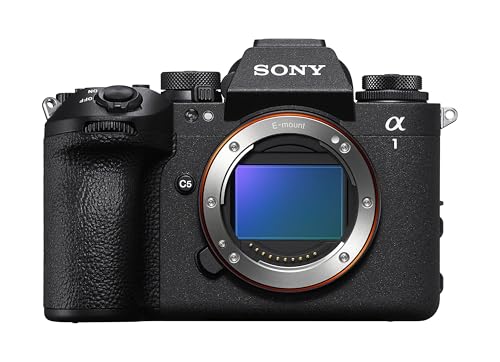
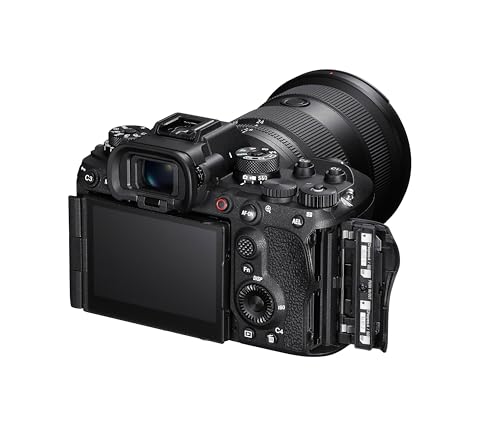
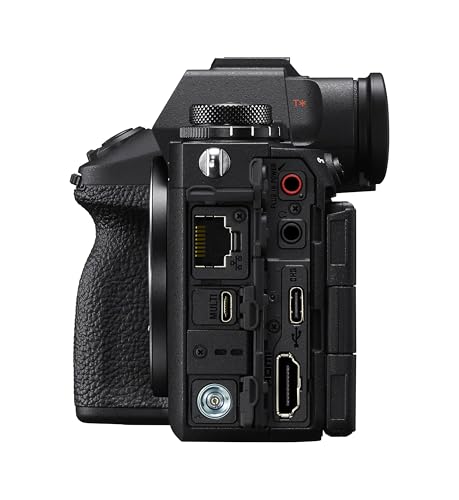
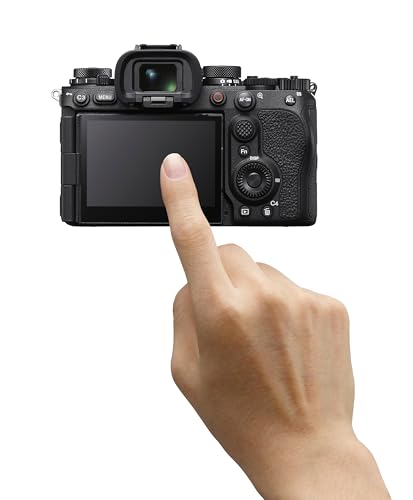
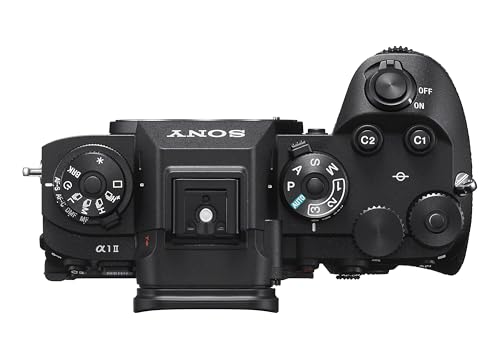
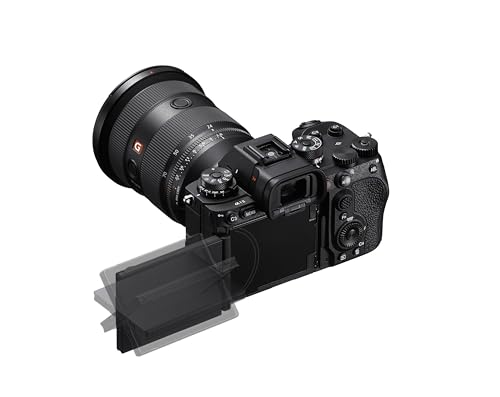
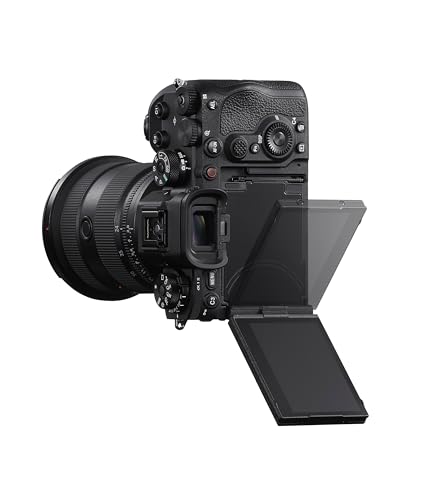
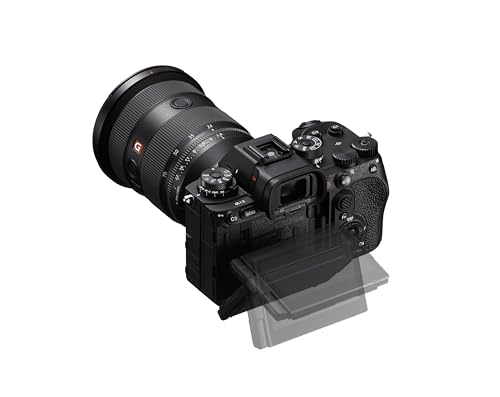
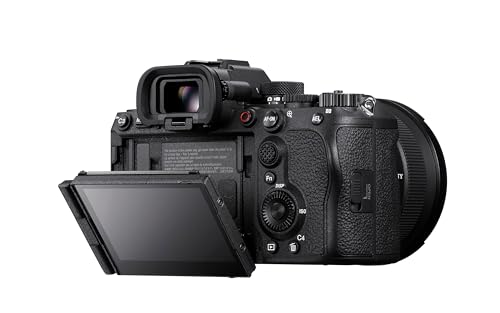
Video capability matches the a1 II’s stills prowess: 8K 30p recording captures cinema-resolution footage, 4K 120p enables high-quality slow motion, and internal 10-bit 4:2:2 recording in S-Log3 provides maximum post-production flexibility. For commercial productions that deliver both photography and video, the a1 II handles both at the highest level without switching bodies.
The AI AF 2.0 system with pre-capture, 8.5-stop IBIS (the highest in Sony’s lineup), dual CFexpress Type A card slots, and a rugged weather-sealed body make the a1 II a professional workhorse. Compared to the a9 III, the a1 II trades the global shutter for 50MP resolution and 8K video — making it the better choice for photographers who need both speed and resolution. The a9 III remains superior for pure action shooting where the global shutter’s distortion-free capture matters most.
At $6,998, the a1 II is a professional investment. It is not the right choice for most photographers — the a7 IV or a7 V deliver exceptional results at a fraction of the cost. But for professionals whose work demands the best of everything in a single body, no other camera comes close.
Pricing & Where to Buy
The Sony a1 II is priced at $6,998 body only (as of March 2026).
- Buy on Amazon — Prime shipping available
- Check price at B&H Photo
- Check price at Adorama
Sony Alpha a7S III
Filmmakers and videographers who prioritize extreme low-light performance and clean high-ISO footage
- 12.1MP full-frame sensor delivers class-leading low-light performance — clean footage at ISO 12800-25600
- 4K 120p video with full pixel readout and minimal rolling shutter
- 16-bit raw video output for maximum post-production flexibility
- 9.44M-dot OLED viewfinder — the highest resolution EVF in any Sony camera
- Proven reliability — widely used in professional film and broadcast production
- 12.1MP severely limits stills capability — not suitable as a primary photography camera
- No AI-based AF — uses older software-based subject recognition
- $3,698 price point competes with the more modern ZV-E1 at $2,250
The a7S III remains relevant for one specific audience: professional filmmakers who need the absolute best low-light video performance. Its 12.1MP sensor, dual native ISO, and 16-bit raw output produce footage that outperforms the ZV-E1 in professional production workflows. However, the ZV-E1 offers nearly identical video specs with newer AI AF at $1,400 less — making the a7S III a harder recommendation for anyone outside of dedicated professional filmmaking.
The Sony a7S III launched in 2020 and quickly became the default camera for independent filmmakers, documentary shooters, and broadcast professionals who work in challenging lighting conditions. The 12.1MP Exmor R sensor with back-illuminated design produces remarkably clean footage at ISO values where other cameras show significant noise — ISO 12800 is genuinely usable, and ISO 25600-51200 remains workable for many production scenarios.
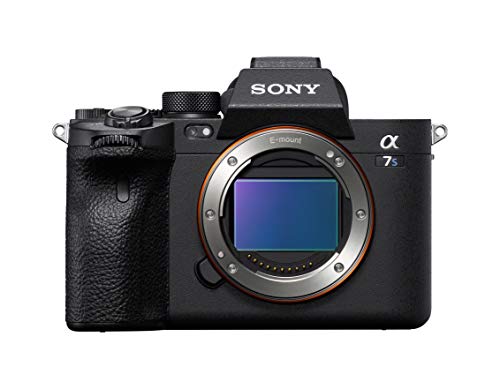

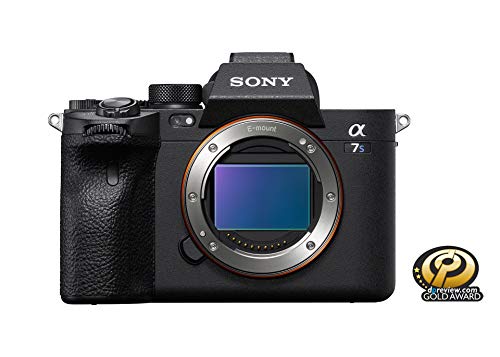
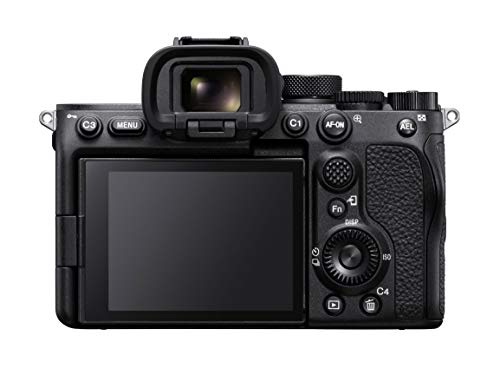
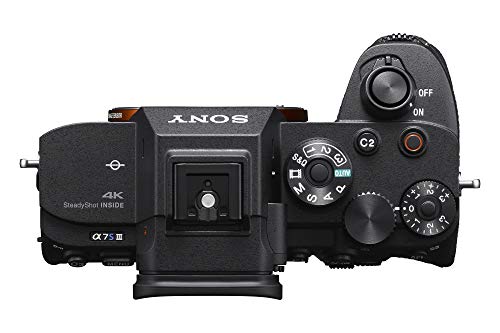


The a7S III’s video output options set it apart from the ZV-E1 in professional contexts: 16-bit raw video output via HDMI to external recorders, S-Log3 with 15+ stops of dynamic range, and internal 4K 120p with 10-bit 4:2:2 recording. The 9.44M-dot OLED viewfinder — still the highest resolution EVF in any Sony camera — provides a viewing experience that approaches optical clarity, useful for manual focus pulling during video shoots.
The key question is whether the a7S III justifies its $3,698 price when the ZV-E1 shares the same sensor and offers newer AI autofocus at $2,250. For professional filmmakers who need 16-bit raw output, the highest-resolution EVF, dual card slots, and the a7S III’s proven track record in professional production environments, the premium may be justified. For content creators and videographers who work primarily with internal recording, the ZV-E1 delivers the same core video quality at significantly lower cost.
The a7S III is also worth considering through the used market, where prices have dropped considerably since launch. A certified pre-owned unit from KEH can bring the price closer to the ZV-E1’s new price, making it a stronger value proposition for filmmakers on a budget.
Sony a7S III Sample Photos


Pricing & Where to Buy
The Sony a7S III is priced at $3,698 body only (as of March 2026). Used and refurbished units are widely available at significant discounts.
- Buy on Amazon — Prime shipping available
- Check price at B&H Photo
- Check price at Adorama
- Buy used at KEH — significant savings on certified pre-owned units
Choose the Best Sony Mirrorless Camera
Sony’s current mirrorless lineup covers every shooting scenario and budget. For most photographers, the Sony a7 IV remains the best overall choice — its 33MP sensor, 4K 60p video, and 759-point AF system deliver outstanding results across portraits, events, landscapes, and video at a competitive $2,198 price point.
For photographers who want the latest technology and fastest performance, the a7 V adds 30fps burst shooting, AI AF 2.0, and 4K 120p at a $700 premium. Those who prioritize portability should look at the a7C II (full-frame in a compact body) or the a6700 (APS-C with flagship features).
Specialists have clear choices: the a7R V for maximum resolution, the a9 III for professional sports and action, the ZV-E1 for full-frame video creation, and the a1 II for professionals who need the best of everything in a single body. Every camera on this list uses the E-mount system, so lenses carry over between bodies — making it easy to start with an affordable model and upgrade later.
Final Recommendations
Sony a7 IV
Sony a6700
Sony a7C II
Sony a7R V
Sony ZV-E1
Sony a9 III
Related Articles
Disclosure/Disclaimer: As an Amazon Associate, we earn from qualifying purchases. Certain content was provided "as is" from Amazon and is subject to change or removal at any time. Product prices and availability: Amazon prices are updated daily or are accurate as of the date/time indicated and are subject to change. Any price and availability information displayed on Amazon.com at the time of purchase will apply to the purchase of this product.