


- Polaroid CEO Dan Dossa spoke at CP+ 2026, the brand’s first major Japanese trade show appearance with instant cameras as the focus.
- The company, reborn from The Impossible Project, is growing so fast it cannot keep up with demand, and is investing heavily in factory expansion to catch up by the end of 2026.
- Two-thirds of Gen Z want to reduce smartphone screen time, and Polaroid is positioning analog photography as the antidote.
- Fujifilm Instax still dominates with over 70% market share in Asia-Pacific, but Polaroid is gaining ground worldwide on premium positioning.
- Since CP+, Polaroid has shipped the Go Generation 3 and signed a global licensing deal, while the North American market surged past $650 million in 2026.
Polaroid is back – and this time, it is serious. At CP+ 2026 in Yokohama, the iconic instant camera brand made its first-ever appearance at Japan’s biggest camera trade show with instant cameras as the main focus. CEO Dan Dossa was there in person, a rare move for the Netherlands-based company, to make a statement: Polaroid is not just riding a nostalgia wave. It is building a real business.
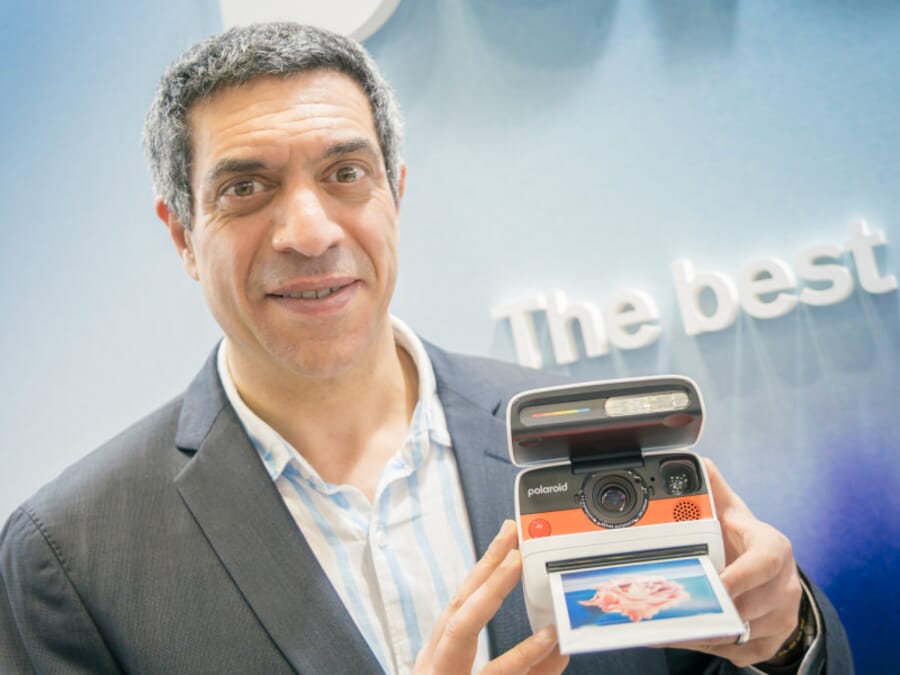
In an exclusive interview with DC Watch, Dossa laid out the company’s vision – from factory investments to Gen Z appeal to why analog photography matters more than ever in a digital-first world. Here is what he revealed.
The Interview: What Polaroid’s CEO Revealed
Speaking at the CP+ 2026 show floor, Dossa – a former Walt Disney Company executive – painted a picture of a brand in high-growth mode. “We have been growing continuously since the company was reborn about ten years ago,” he said. “We have now grown to the point where we cannot meet demand.”

That is not marketing spin. Polaroid is making unprecedented factory investments to scale production, with plans to fully meet global demand by the end of 2026. The company’s film is now in its fifth generation, and Dossa says quality has improved dramatically since the early Impossible Project days when color accuracy and development times were inconsistent.
On Japan specifically, Dossa was enthusiastic: “I have been fortunate to live in many countries across Asia and Europe, but I have never seen photography enthusiasts as passionate and dedicated as those in Japan.” According to Japanese distributor VISTAL VISION, the Polaroid Go is the top seller domestically, followed by the Polaroid Flip, Polaroid Now+, and the Now Generation 3.
When asked about competing with Fujifilm’s Instax lineup, Dossa was diplomatic but firm: “There are wonderful players in the instant camera space, and I respect them deeply. But Polaroid created the world’s first instant camera in 1947. That heritage – along with our deep connection to artists and creative culture – is what sets us apart.”

From Bankruptcy to Revival: A Brief History
Polaroid’s road back was anything but smooth. Founded by Edwin H. Land in 1937, the company pioneered instant photography and became a cultural icon. The legendary SX-70, launched in 1972, remains one of the most celebrated camera designs in history.
But the digital revolution hit hard. Polaroid filed for bankruptcy twice – in 2001 and 2008 – and announced it would stop making instant film entirely. The brand seemed dead.
Enter The Impossible Project. In 2008, a group of former employees and enthusiasts purchased Polaroid’s production machinery in the Netherlands for $3.1 million. They spent years reverse-engineering the film chemistry and slowly improving quality. In 2017, the venture rebranded as Polaroid Originals, and by 2020, it had acquired the full Polaroid brand name – completing one of the most unlikely comebacks in photography history.
Polaroid vs Instax: The Instant Camera Battle
The instant camera market is booming. Industry analysts project it will exceed $1.6 billion by 2028, driven largely by Gen Z’s appetite for tangible, offline experiences. According to Dossa, more than two-thirds of Gen Z consumers actively want to reduce their smartphone screen time – and instant cameras offer a compelling alternative.
“We are not anti-digital,” he clarified. “But we believe people need a break from screens. Polaroid provides that moment of analog creativity.”
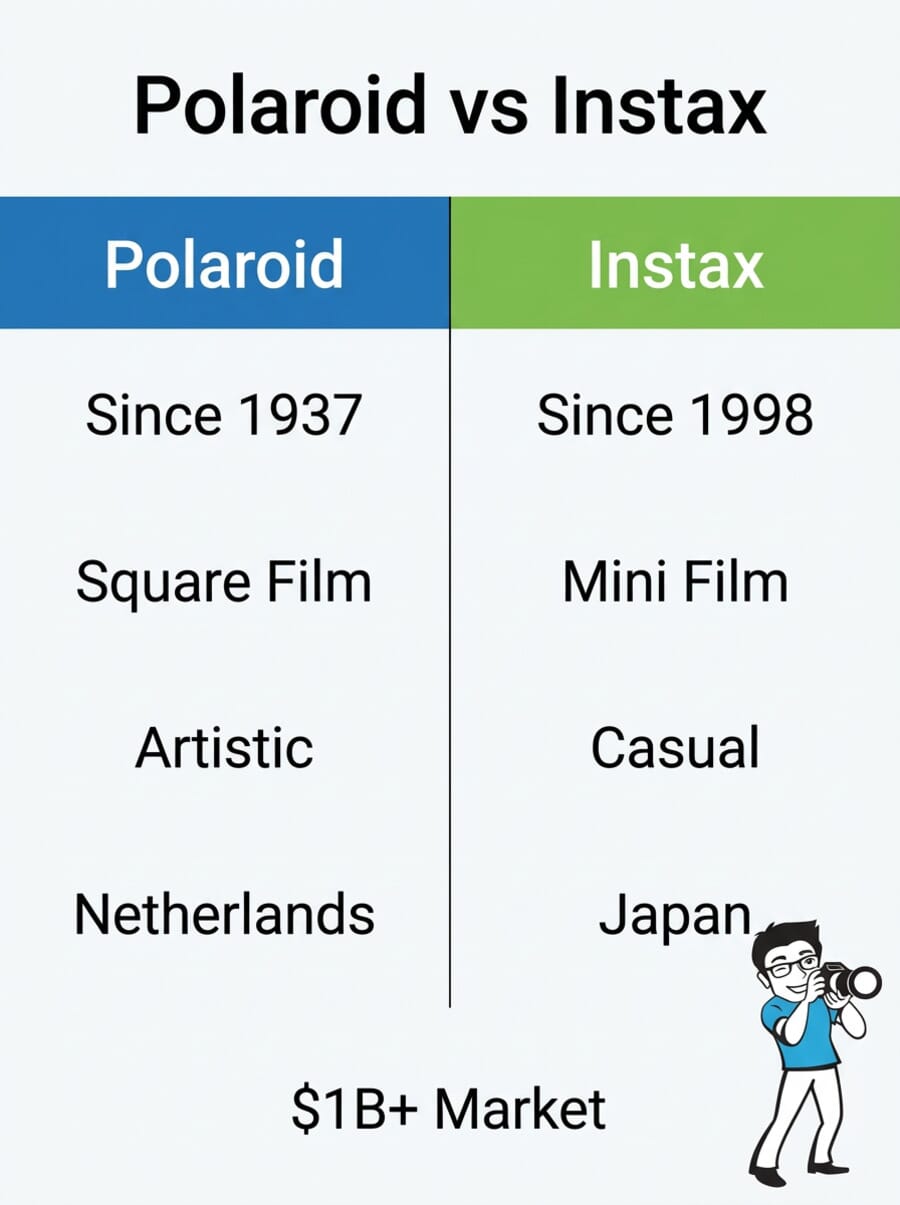
But Fujifilm’s Instax remains the 800-pound gorilla. The Instax business surpassed $1 billion in annual sales in fiscal year 2024, and Fujifilm commands over 70% of instant camera shipments in Asia-Pacific according to CIPA data, even as Fujifilm juggles its own film-supply constraints. Instax cameras are generally more affordable, with cheaper film and a wider variety of portable printing options.
Polaroid’s counter-strategy? Premium positioning and cultural cachet. The Polaroid I-2, aimed at serious photographers, offers manual controls and high-quality optics. The Polaroid Flip features four lenses for creative versatility. And the compact Polaroid Go targets casual shooters who want something pocket-friendly. New colors like teal and pink for the Now Generation 3 aim to make Polaroid cameras a fashion statement as much as a creative tool.
Since CP+ 2026: Where Polaroid Stands Now
The CP+ interview was a statement of intent. In the months since, Polaroid has started backing it up with product and business moves that make the “we cannot meet demand” line look less like a boast and more like a genuine scaling problem.
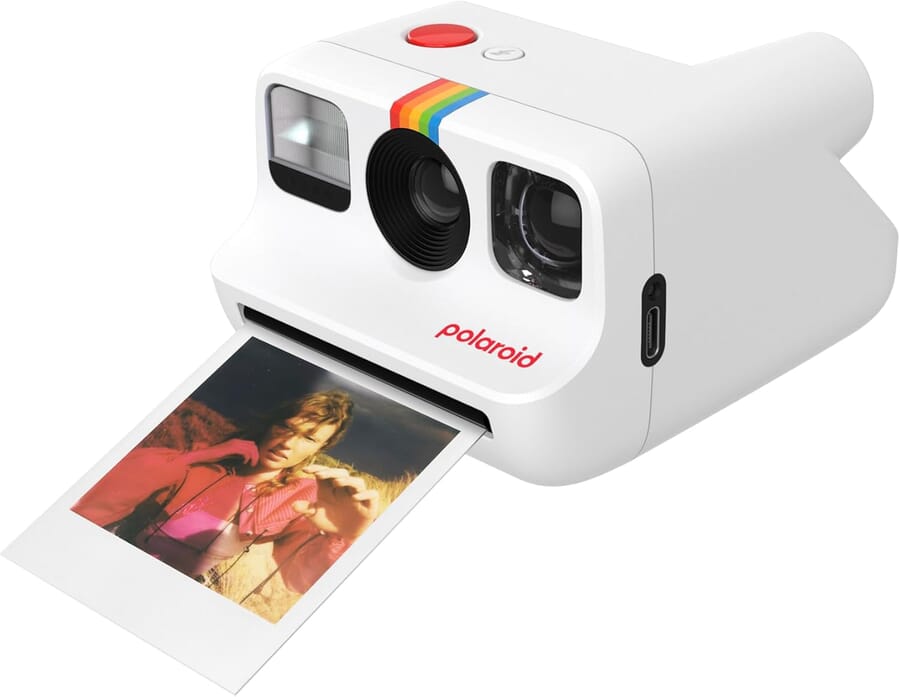
The clearest signal is hardware. Polaroid has shipped the Go Generation 3, an update to what it calls the world’s smallest analog instant camera, which went on sale in June 2026 at around $100 (£79.99 in the UK). It is a meaningful upgrade over the Gen 2 shown around the CP+ period: sharper optics with better close-up results, a stronger flash, a built-in selfie mirror, a self-timer, and a double-exposure mode, offered in five colors aimed squarely at the Gen Z buyer Dossa kept returning to. As the company’s product chief put it, the goal was “the world’s smallest instant camera that still takes picture-taking seriously.”
The second move is strategic rather than photographic. Polaroid appointed IMG Licensing as its global licensing agency, a deal aimed at pushing the brand into collaborations and new product categories beyond cameras and film. It is the kind of step a company takes when it believes the name itself, not just the hardware, has pulling power, and it lines up with Dossa’s emphasis on Polaroid’s cultural heritage as its real moat against Instax.
The demand picture has held up too. Market trackers put the North American Polaroid market past $650 million in 2026, a surge they attribute to nostalgia and hybrid camera sales, with search interest spiking predictably around weddings, summer festivals, and back-to-school season. None of this makes Polaroid the volume leader, Instax is still far larger, but it does confirm the CP+ thesis: this is a real, growing business, not a nostalgia blip.
What This Means for the Market
Polaroid’s CP+ 2026 debut signals something bigger than one brand’s revival. It reflects a genuine shift in how people – especially younger generations – think about photography. The same retro trend driving demand for film cameras and vintage aesthetics is fueling instant camera sales worldwide.
For Fujifilm, Polaroid’s resurgence means real competition at the premium end of the market. For consumers, it means more choice, better products, and continued innovation in a category that many had written off a decade ago.
Whether you are a longtime analog print enthusiast or a Gen Z newcomer looking for an alternative to your phone’s camera roll, the instant camera market has never been more interesting. Polaroid’s message at CP+ was clear: the original instant camera brand is here to stay.

Frequently Asked Questions
Is Polaroid making a real comeback, or just riding nostalgia?
Both, but the business is real. Polaroid says it has grown continuously since the brand was reborn and now cannot keep up with demand, and third-party market trackers put the North American market past $650 million in 2026. Nostalgia is the driver, but the factory investment, new hardware, and licensing deals point to a company scaling for the long term rather than cashing in on a fad.
What is the newest Polaroid instant camera in 2026?
The Polaroid Go Generation 3, which went on sale in June 2026 at around $100 (£79.99). It is billed as the world’s smallest analog instant camera and adds sharper optics, better close-up performance, a stronger flash, a selfie mirror, a self-timer, and a double-exposure mode, in five colors. It sits below the flagship Polaroid I-2 and the four-lens Polaroid Flip in the lineup.
Polaroid vs Instax: which should you buy?
It depends on priorities. Fujifilm Instax is generally cheaper to buy and to feed, with lower film costs and more portable-printing options, which makes it the safer pick for casual and budget-conscious shooters. Polaroid leans premium: larger, iconic square prints, more manual control on cameras like the I-2, and a stronger design-and-culture identity. If cost per shot matters most, Instax wins; if you want the classic Polaroid look and feel, pay the premium.
Why is Polaroid film more expensive than Instax film?
Polaroid’s film uses larger frames and a more complex chemistry that the company rebuilt almost from scratch after buying the last factory in 2008, and it is now in its fifth generation. Smaller production scale versus Fujifilm and premium positioning also push the per-shot cost higher. Polaroid’s factory expansion is aimed partly at improving supply and consistency, but it remains the pricier format to shoot.
Can Polaroid actually meet demand for its film and cameras?
Not yet fully, by its own admission. Dossa said at CP+ that Polaroid cannot currently meet demand and is making unprecedented factory investments with the goal of catching up by the end of 2026. Whether it hits that target is one of the more interesting things to watch in the instant-camera space over the next year.
Featured image: Photo by Denise Jans on Unsplash.
Interview & Reporting
- DC Watch (Impress) – Exclusive Interview: Polaroid CEO Dan Dossa at CP+ 2026 – Primary interview source for Dossa's quotes and Japan sales data.
- Wallpaper – Polaroid Go Generation 3 – Specs, price, and release timing for the June 2026 Go Gen 3.
- The Licensing Letter – Polaroid Appoints IMG Licensing as Global Licensing Agency – On Polaroid's post-CP+ licensing and brand-expansion move.
Market & History
- Polaroid B.V. – Company History and Brand Revival – Background on the Impossible Project and the brand's return.
- Instant Print Camera Market Size and Growth Forecast – Market sizing for the instant-camera category.
- Intel Market Research – North America Polaroid Market 2026 – On the $650M+ North American market surge in 2026.
Image Sources
- Dan Dossa at CP+ 2026 – DC Watch (Impress) – CEO photo.
- Polaroid Go product image – Polaroid – Product image.
- Featured image – Denise Jans on Unsplash – Featured image.
- Quote cards, Polaroid vs Instax infographic, and vertical pin – created by PhotoWorkout – Editorial graphics.