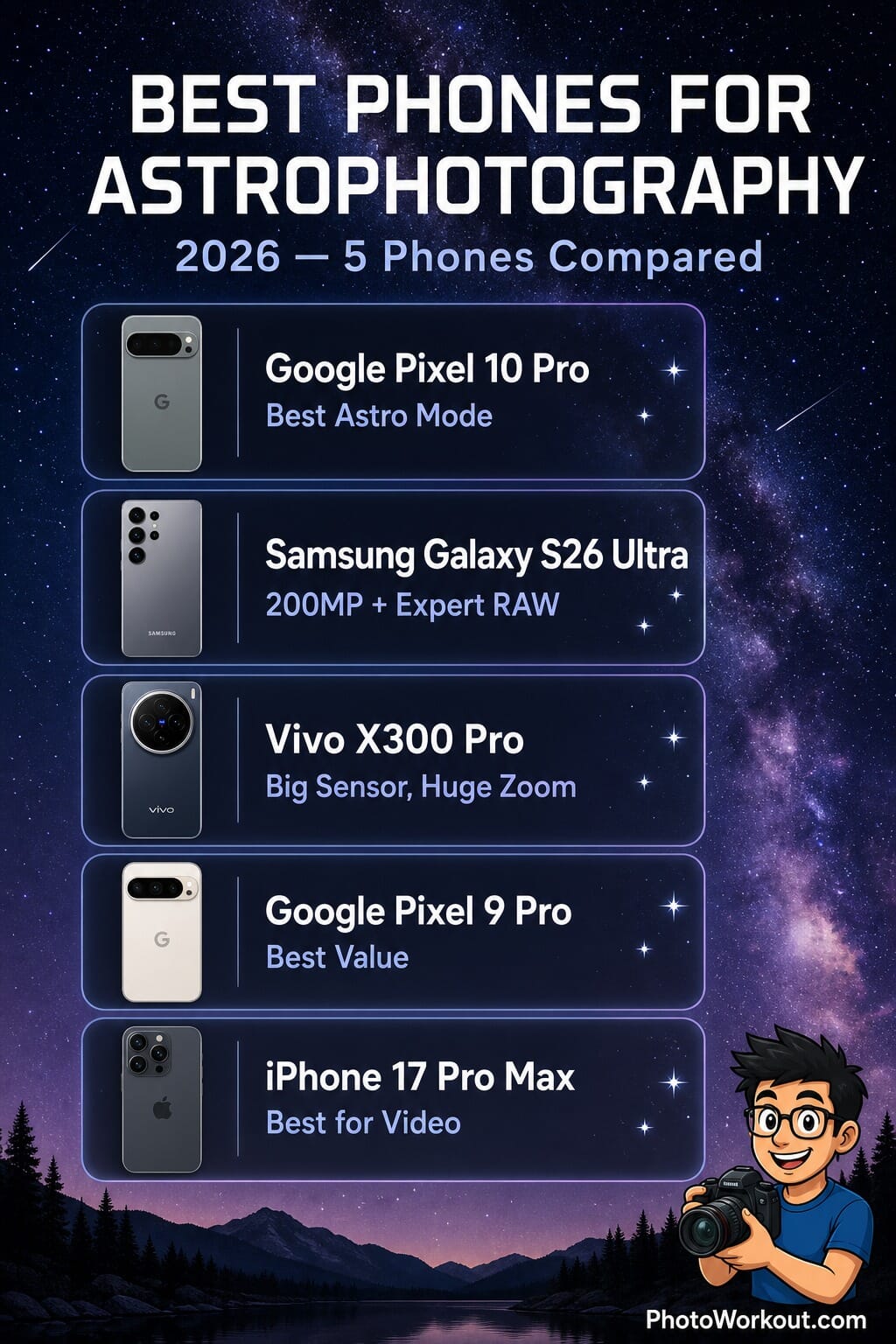


- The single biggest factor is a dedicated astrophotography mode that holds a multi-minute exposure and stacks frames — not a general night mode.
- Best overall is the Google Pixel 10 Pro: a true one-tap astro mode and the cleanest night processing of any phone.
- The Samsung Galaxy S26 Ultra wins on detail and zoom (200MP + Expert RAW); the Pixel 9 Pro is the value pick with the same astro mode for about half the price.
- The iPhone 17 Pro Max is the best low-light video phone but has no dedicated astro mode, so it trails for pure star stills.
- The Vivo X300 Pro has the best hardware (1-inch-type sensor, 200MP zoom) but is import-only via eBay, not Amazon US.
Top Picks




Smartphone astrophotography stopped being a party trick a while ago. The best phones of 2026 can lock open a multi-minute exposure, stack dozens of frames in software, and pull a recognizable Milky Way out of a dark sky, no tracker, no telescope, just a steady tripod and the right phone. The gap between them, though, is wider than the spec sheets suggest.
The single biggest differentiator is whether a phone has a true, dedicated astrophotography mode, one that detects a night sky, holds the shutter open for minutes, and denoises the result, versus a general “night mode” that brightens a handful of seconds. Google pioneered the dedicated approach, and in 2026 it is still the one to beat. Samsung answers with raw sensor muscle and Expert RAW, while Apple leans on computational night shots and class-leading video. If you are also planning your shots around real celestial events, pair this guide with our night-sky events calendar.
This comparison has been rebuilt for mid-2026 with the current flagships, the Google Pixel 10 Pro and Samsung Galaxy S26 Ultra, alongside the value Pixel 9 Pro, the iPhone 17 Pro Max, and the import-only Vivo X300 Pro. Each pick is rated on what actually matters under the stars: long-exposure control, sensor size, RAW support, and how clean the final frame looks.
Each phone here was rated on what actually matters under a dark sky, not on its overall camera reputation: whether it has a dedicated long-exposure astro mode, the size of its main sensor, the depth of its RAW and manual controls, and how clean the stacked result looks once the noise reduction has run. Price, availability, and real-world warranty were weighed too, which is exactly why a brilliant import like the Vivo lands where it does. The table below puts the headline numbers side by side.
Astrophotography Phones 2026: Side-by-Side
| Specifications |
No ASIN
Vivo X300 Pro (eBay import)
|
||||
|---|---|---|---|---|---|
| Night-Sky Rating | 95/100 | 92/100 | 90/100 | 88/100 | 85/100 |
| Dedicated Astro Mode | Yes (one-tap) | Expert RAW astro | Yes (astro/long-exposure) | Yes (one-tap) | No (Night mode only) |
| Main Camera | 50 MP | 200 MP | 50 MP (1-inch-type) | 50 MP | 48 MP |
| RAW Capture | RAW / computational | Expert RAW (DNG) | RAW / Zeiss | RAW / computational | ProRAW |
| Released | 2025 | 2026 | 2025 | 2024 | 2025 |
| Where to Buy | Amazon | Amazon | eBay (import) | Amazon (renewed) | Amazon |
When you buy through links on our site, we may earn a commission at no cost to you. We evaluate products independently. Commissions do not affect our evaluations.
The 5 best phones for astrophotography in 2026
Google Pixel 10 Pro — Best Astrophotography Mode
Anyone who wants the cleanest, lowest-effort Milky Way shot from a phone. Prop it on a tripod, frame the sky, and Pixel’s Astrophotography mode does the rest — a multi-minute stacked exposure with Google’s best-in-class noise reduction.
- Dedicated Astrophotography mode auto-detects the night sky and stacks a 2–4 minute exposure into a clean, low-noise starfield with almost no manual setup
- Google’s computational pipeline is the benchmark for denoising and detail recovery in the dark — it consistently pulls more usable stars than rivals with similar sensors
- Tensor processing plus Night Sight makes hand-held low-light shots excellent too, so it is a superb all-round low-light phone, not just an astro specialist
- 50MP main sensor is smaller than the 1-inch-class hardware in the Vivo and Xiaomi imports, so it leans on software rather than raw light-gathering
- Astro mode needs a genuinely dark sky and a tripod — it will not rescue a light-polluted suburban backyard
Want the most reliable phone Milky Way with the least fuss? The Pixel 10 Pro is the pick — a true astro mode, the best night processing in the business, and it doubles as an outstanding everyday low-light camera.
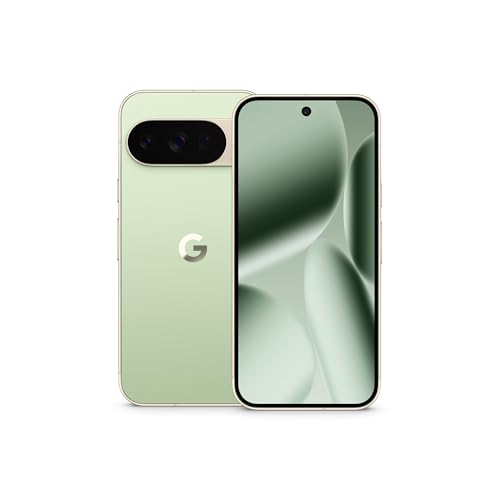
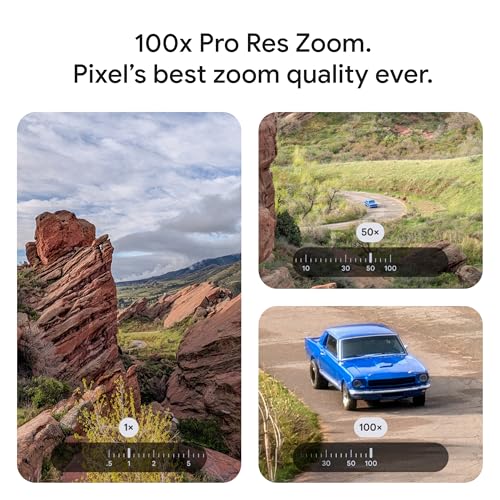
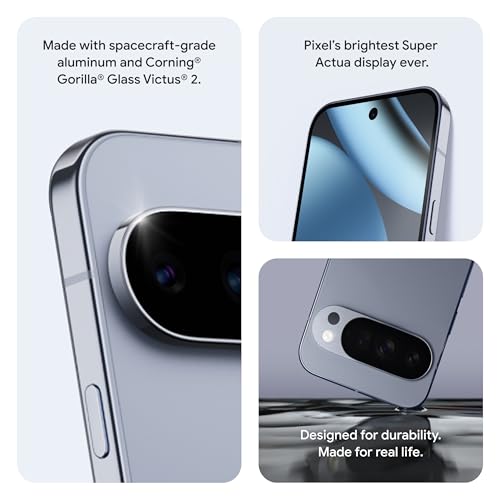
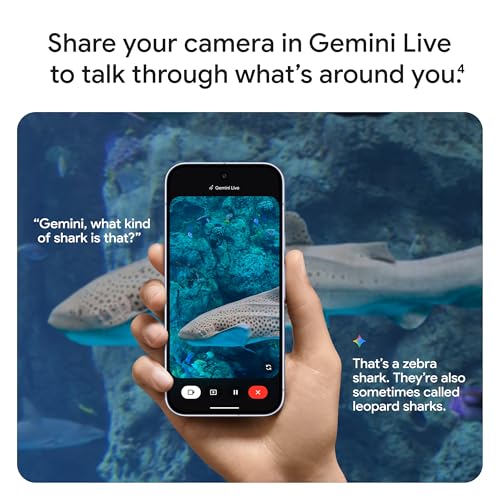
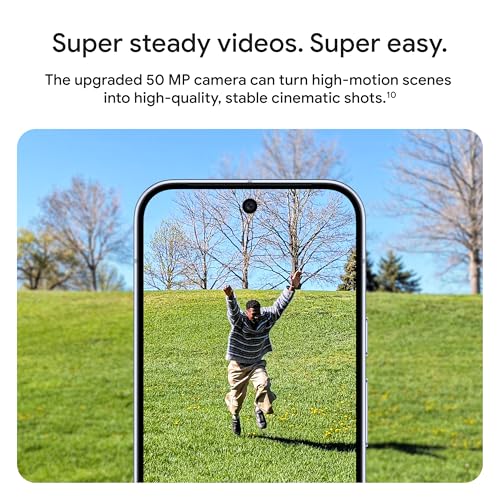
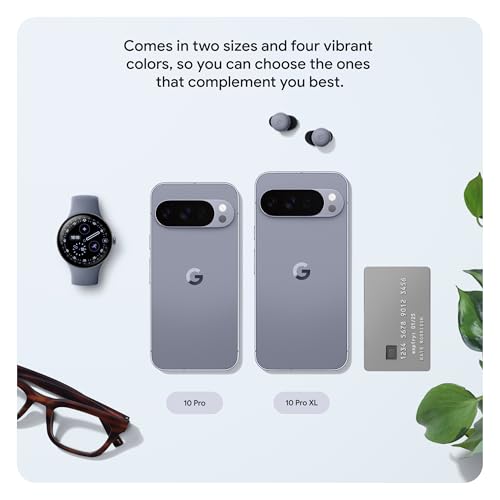
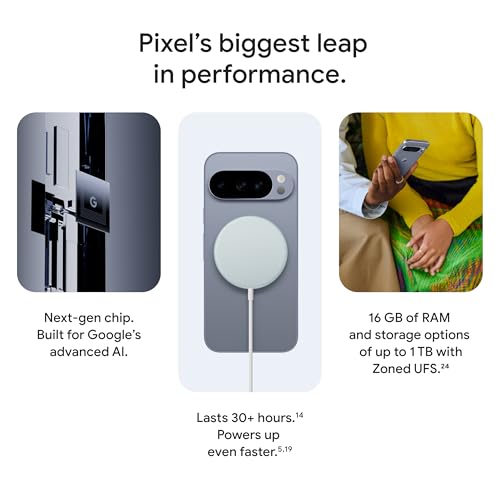
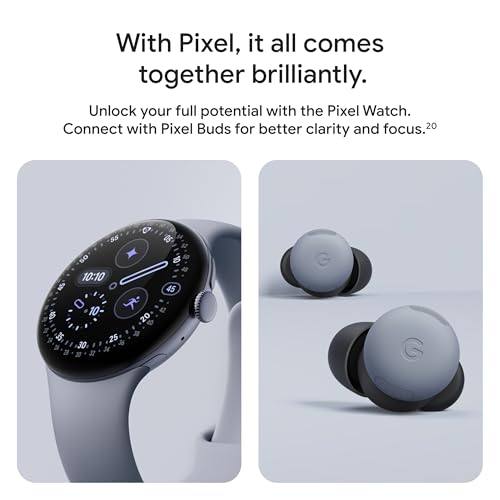
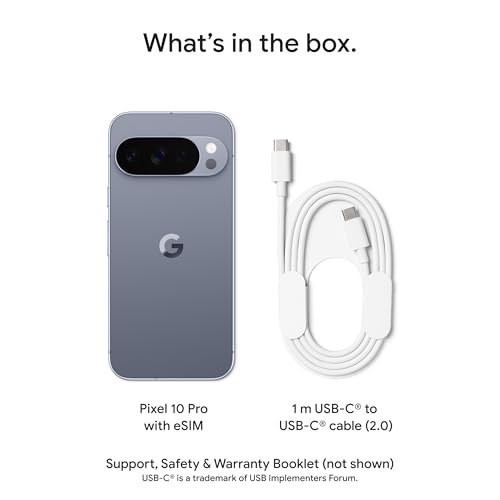
In practice, the Pixel 10 Pro turns astrophotography into a near-automatic process. Mount it on a tripod, frame a dark sky, and Night Sight detects the stars and quietly extends the exposure into a multi-minute capture, stacking frames and denoising as it goes. The payoff is a clean, low-noise starfield with visible Milky Way structure from a phone that fits in a pocket, with no manual exposure math and no external app.
Google’s computational pipeline remains the benchmark here. In side-by-side comparisons it consistently recovers more faint stars and cleaner shadows than rivals working with similar or larger sensors. The trade-off is that it leans on software rather than raw light-gathering, so it rewards a genuinely dark location far more than a light-polluted backyard.
Samsung Galaxy S26 Ultra — Best for Detail and Zoom
Astro shooters who want maximum control and the most pixels to crop into. The 200MP sensor and Expert RAW give you a serious manual toolkit for nightscapes, plus a telephoto reach nothing else here matches for the moon.
- 200MP main sensor captures enormous detail and bins down to clean, low-noise night frames; the most resolution of any phone here
- Expert RAW adds a dedicated astrophoto mode with long exposures, multi-frame stacking, a sky guide, and full DNG output for editing
- Best-in-class periscope zoom makes it the standout for lunar close-ups and framing the moon against a landscape
- Heavy computational processing can look over-sharpened if you do not shoot Expert RAW
- The dedicated astro flow lives inside Expert RAW rather than the main camera app, so it is a step less automatic than Pixel’s one-tap mode
Pick the S26 Ultra if you want to work a nightscape rather than point-and-shoot it — 200MP of detail, full RAW control, and the best zoom for the moon, all in one phone.
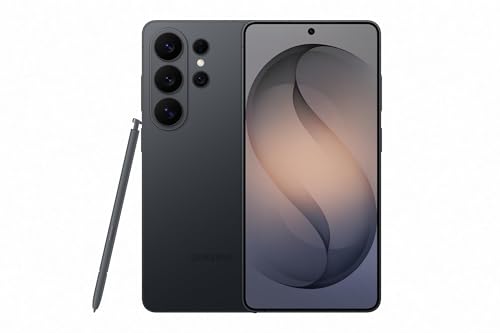
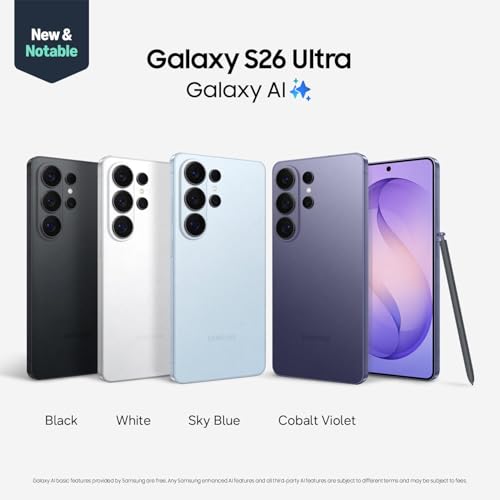
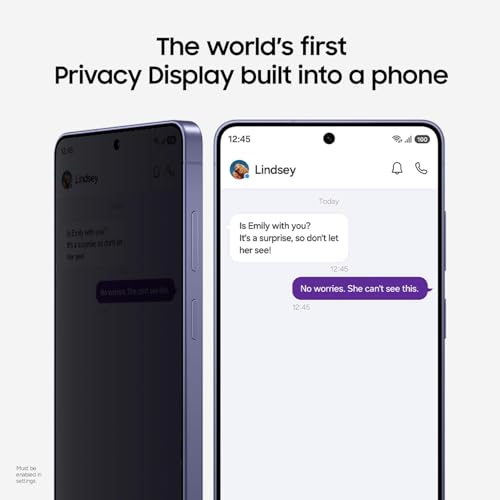
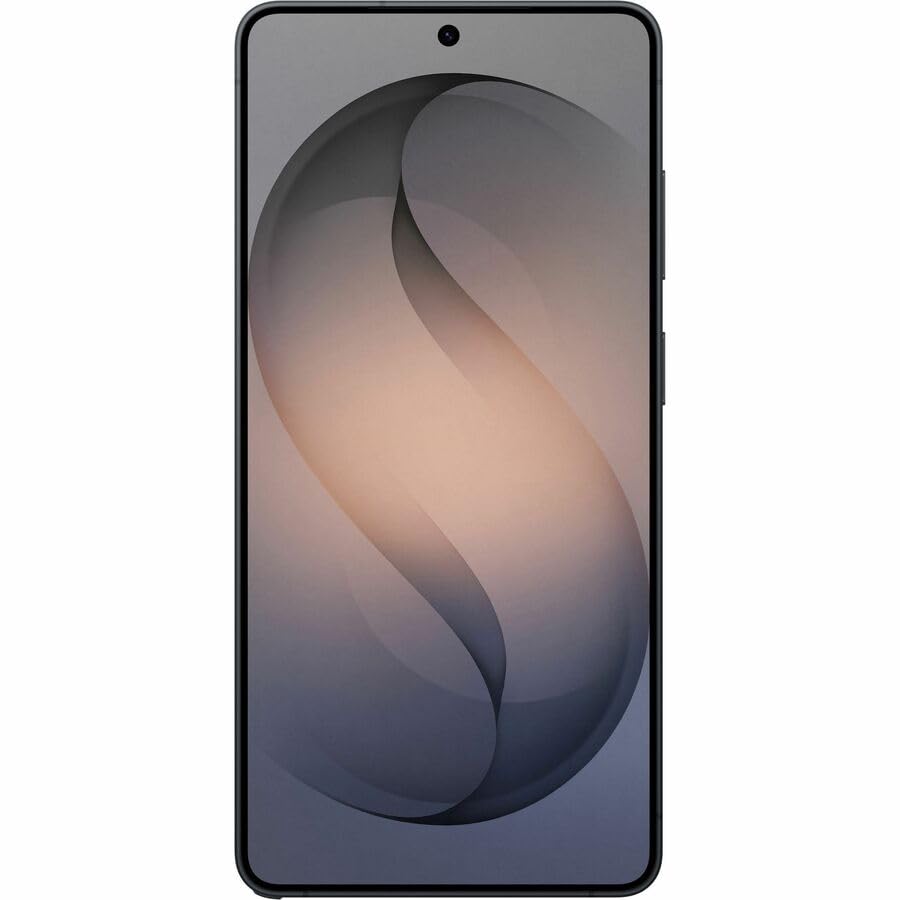
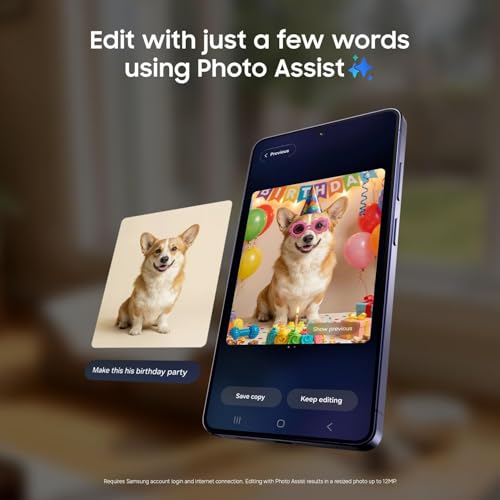
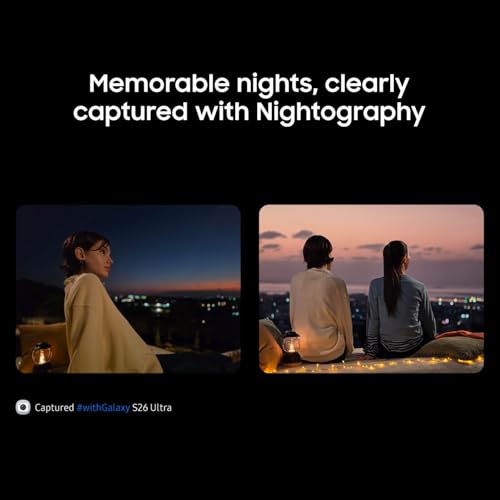


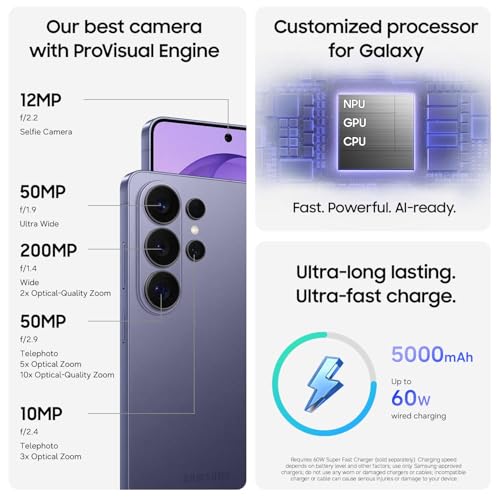

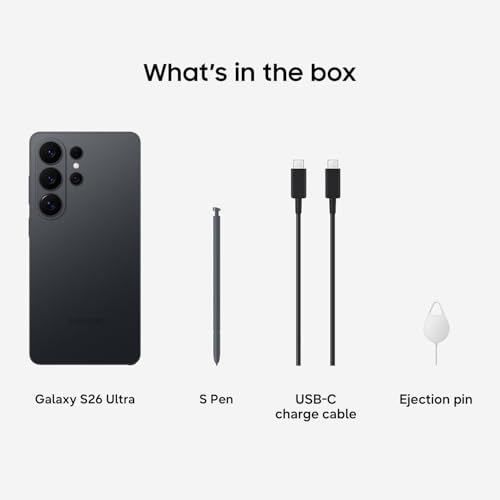
The Galaxy S26 Ultra approaches the night sky as a tool to be worked rather than a button to be pressed. Its 200MP main sensor captures enormous detail and bins down to clean low-light frames, while Expert RAW adds a dedicated astrophoto mode with long exposures, a built-in sky guide, multi-frame stacking, and full DNG output for editing.
That control, plus the best periscope zoom of any phone here, makes it the standout for framing the moon against a landscape or cropping deep into a constellation. The one catch is that the astro flow lives inside Expert RAW rather than the main camera app, so it is a step less automatic than the Pixel. That is a fair price for the most creative headroom on this list.
Google Pixel 9 Pro — Best Value
Budget-minded stargazers who want Pixel’s astro magic without the flagship price. It runs the same Astrophotography mode as the Pixel 10 Pro, and certified-renewed units sell for roughly half the cost of a new flagship.
- Runs the same one-tap Astrophotography mode and Night Sight as the current Pixel — the astro results are remarkably close to the 10 Pro
- Certified renewed pricing (around $550) makes it by far the cheapest way into genuinely good phone astrophotography
- Last-gen Tensor and triple-camera system are still excellent for everyday and low-light shooting
- Sold new is largely gone since the Pixel 10 launch, so you are buying certified-renewed — check the seller rating and warranty
- A generation behind on processing and the newest Night Sight tweaks, though the gap under the stars is small
If the flagship price stings, the Pixel 9 Pro is the smart buy: the same astro mode and nearly the same results for about half the money. Buy from a reputable renewed seller with a return window.
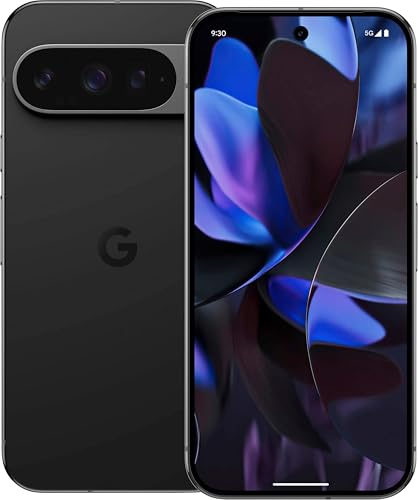
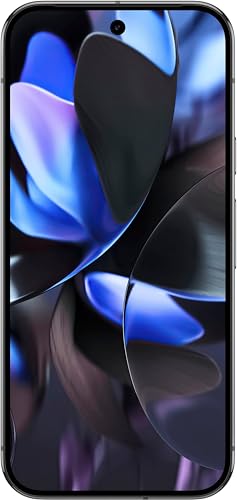
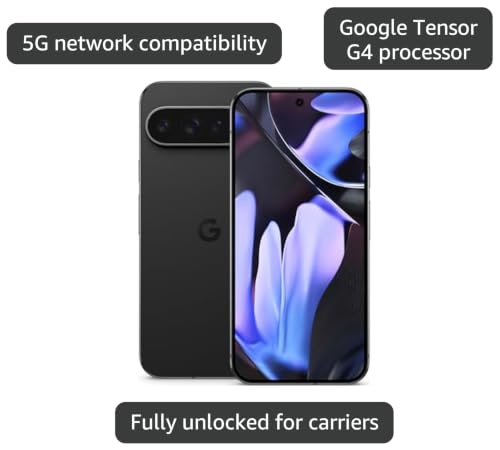
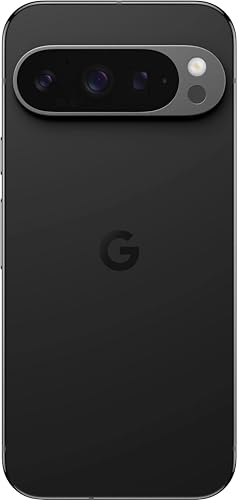
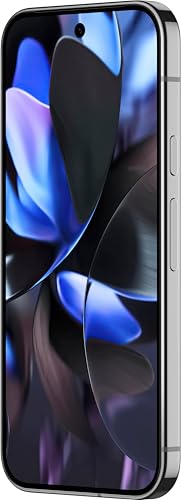

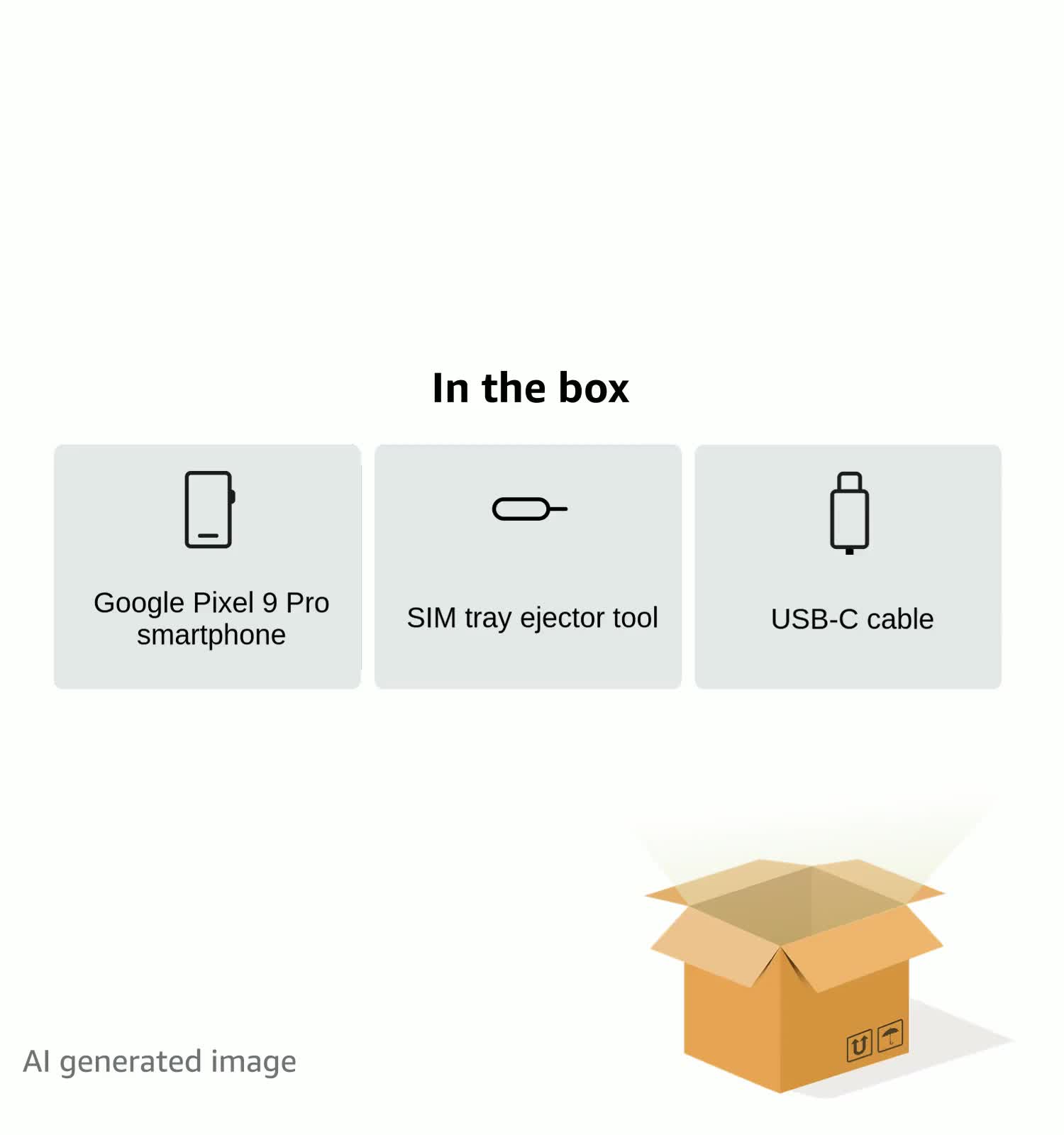
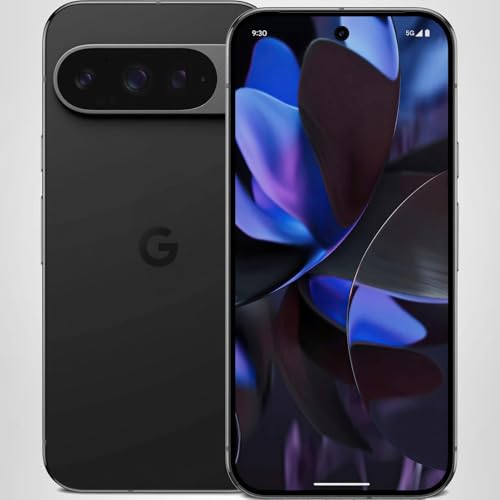
For anyone who balks at flagship pricing, the Pixel 9 Pro is the smart money. It runs the same one-tap Astrophotography mode and Night Sight as the Pixel 10 Pro, and in real-world night shots the gap between the two is small. The newer Tensor chip refines the processing, but the core result under the stars is remarkably close.
Since Google retired new stock after the Pixel 10 launch, the buy here is a certified-renewed unit at around half the flagship price. Stick to a reputable seller with a return window and a warranty. Dollar for dollar, it is the cheapest way into genuinely good phone astrophotography.
Apple iPhone 17 Pro Max — Best for Video and Editing
iPhone owners and hybrid shooters who want the best low-light video and a deep editing ecosystem. It has no one-tap astro mode, but Night mode plus ProRAW and a tripod still produce respectable starfields.
- Class-leading low-light video and the smoothest editing/ecosystem workflow of any phone here
- ProRAW preserves maximum data for pulling detail out of a night sky in Lightroom or Photomator
- Night mode auto-extends to ~30 seconds on a tripod, enough for the Milky Way core under a dark sky
- No dedicated astrophotography mode — it stacks far fewer seconds than a Pixel, so star detail trails the Android picks
- Amazon’s unlocked stock from resellers often runs well above Apple’s $1,199 MSRP — check Apple and carriers before buying
The iPhone 17 Pro Max is the best all-rounder and the night-video champion, but for pure stills astrophotography the dedicated-mode Androids pull ahead. Best if you are already in the Apple ecosystem.
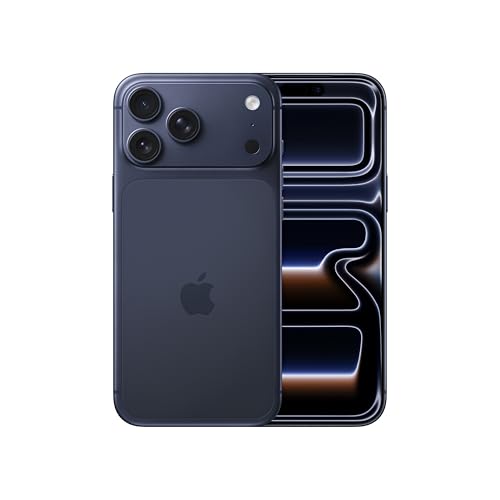

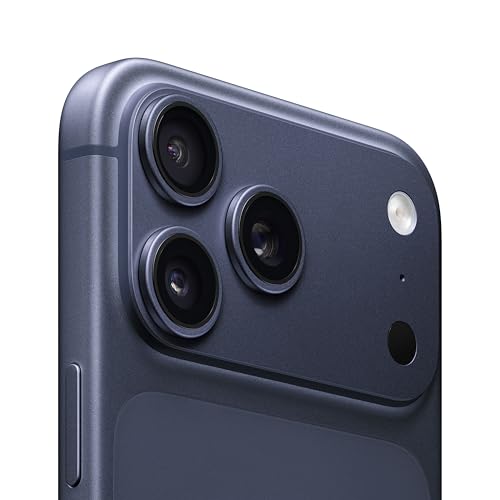


The iPhone 17 Pro Max is the best all-rounder in this group and the clear winner for low-light video, but pure-stills astrophotography is where it trails the Android picks. It has no dedicated astro mode, so Night mode auto-extends to roughly 30 seconds on a tripod. That is enough to pull the Milky Way core under a dark sky, but a fraction of the multi-minute stacking the Pixels manage.
ProRAW preserves maximum data for lifting detail in Lightroom afterward, and the editing and ecosystem experience is unmatched. For an iPhone owner it is a superb choice. For someone buying specifically to shoot the night sky, the dedicated-mode phones pull ahead.
Vivo X300 Pro — Best Hardware (Import via eBay)
The hardware wildcard of this list: a large 1-inch-type main sensor, a 200MP periscope telephoto, and Zeiss optics with a genuine astro/long-exposure mode. It outguns everything here on paper — the only catch is that it is not sold on Amazon US, so you buy it as an import through eBay (typically around $830).
- Large 1-inch-type main sensor — the most light-gathering of any phone here
- 200MP periscope telephoto with huge reach for the moon and tight nightscapes
- Zeiss optics plus a dedicated astro / long-exposure mode and full RAW
- Often undercuts the flagships on price (~$830 imported)
- Not sold on Amazon US — import-only, bought through eBay sellers
- No US warranty; band support and software are global-version dependent
- FuntouchOS and updates differ from a US-market phone
Imported via eBay sellers; price and availability vary. PhotoWorkout may earn a commission.
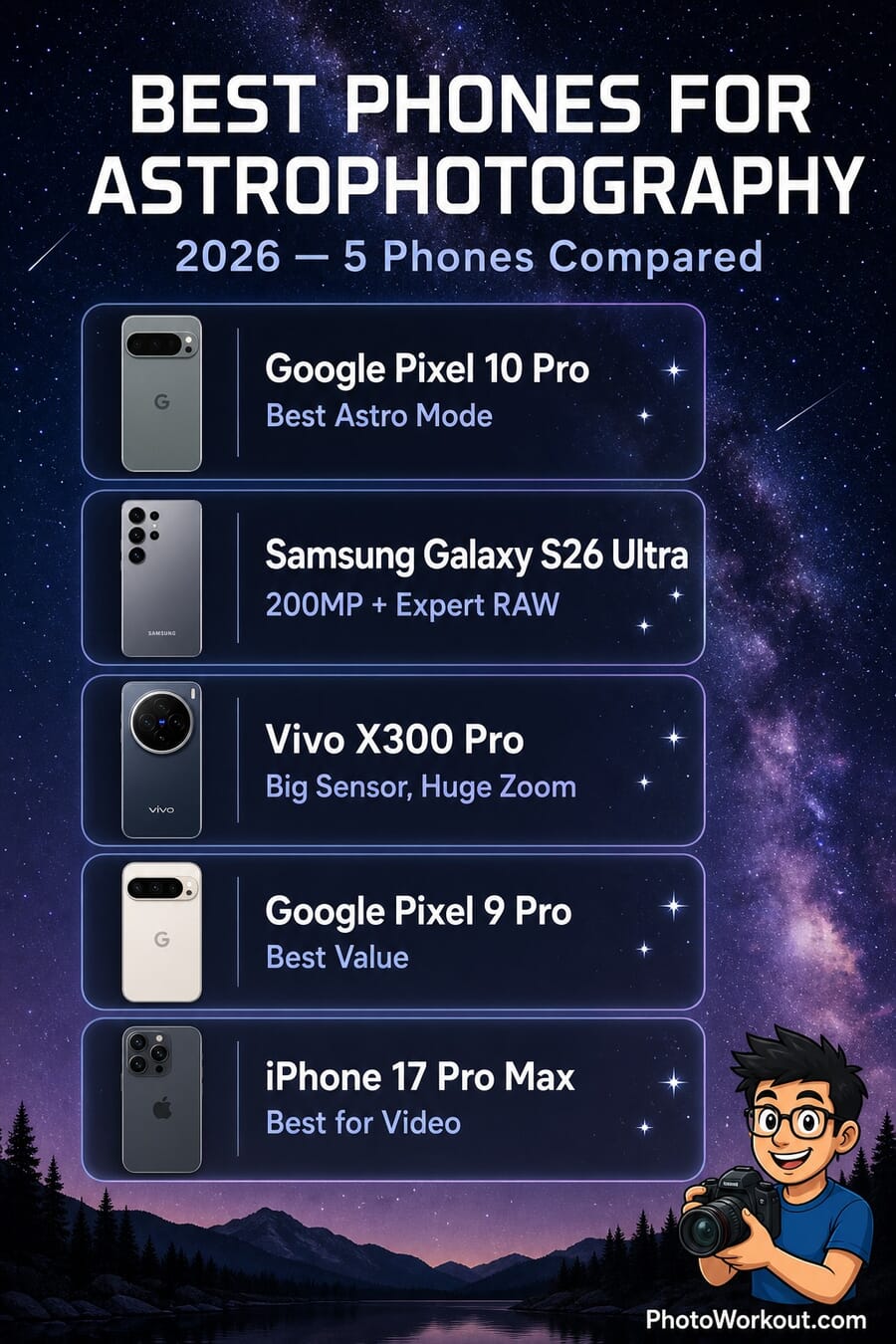
Want the quick version to save or share? Here is the whole 2026 lineup on one card.
How to get the best night-sky shots from any of these phones
The phone is only half the equation. Even the Pixel’s astro mode falls apart hand-held, so the first rule is simple: use a tripod. A small phone clamp on any sturdy tripod removes the shake that a multi-second exposure will otherwise turn into smeared, oval stars. Trigger the shutter with the self-timer or a Bluetooth remote so your finger never touches the phone during the capture.
Get away from light. The darkest sky you can reach matters more than any spec on this page. A Pixel under a truly dark rural sky will out-shoot a far pricier phone in a suburban backyard, because light pollution drowns the faint stars before the sensor ever sees them. Apps that map dark-sky sites are worth more than an extra megapixel, and a moonless night beats a full-moon one for the Milky Way.
Shoot RAW and lock focus to infinity. Saving a RAW or ProRAW/DNG file keeps the faint shadow data you will later lift in editing. Autofocus hunts in the dark, so switch to manual focus and set it to infinity (or focus on a distant bright light first), then leave it. If your phone exposes the controls, a longer exposure at a moderate ISO usually beats a short one at a sky-high ISO.
Finally, edit deliberately. The night sky a phone hands you straight out of the camera is the starting point, not the finish. Gentle contrast, a careful exposure lift, and noise reduction in an app like Lightroom or Photomator are what turn a flat gray field into a textured starscape. The same background-blur principles from our bokeh guide and the framing logic in the focal length guide apply once you start composing nightscapes with foreground interest.
Frequently Asked Questions
Which phone is best for astrophotography in 2026?
The Google Pixel 10 Pro, thanks to its dedicated Astrophotography mode that automatically stacks a multi-minute exposure into a clean starfield. The Samsung Galaxy S26 Ultra is the best alternative if you want more resolution and zoom, and the Pixel 9 Pro delivers nearly the same astro results for about half the price.
Do you need a special mode, or is night mode enough?
A general night mode brightens a few seconds and is fine for cityscapes, but a true Milky Way needs a dedicated astrophotography mode (or manual 30s+ exposures with RAW) that holds the shutter open for minutes and stacks frames. That is why Pixel and Samsung pull ahead of the iPhone for pure star shots.
Can the iPhone 17 Pro Max do astrophotography?
Yes, but with more effort. It has no one-tap astro mode, so you rely on Night mode (which extends to about 30 seconds on a tripod) plus ProRAW and editing. It produces respectable nightscapes and the best low-light video here, but Android phones with dedicated astro modes capture more star detail.
What gear do you need besides the phone?
A sturdy tripod and a phone clamp are essential, every astro exposure is multi-second. A remote shutter or the self-timer avoids touch shake, and a genuinely dark sky away from light pollution matters more than any spec on this list.
Final Picks by Use Case
Google Pixel 10 Pro
Samsung Galaxy S26 Ultra
Google Pixel 9 Pro
Apple iPhone 17 Pro Max
Vivo X300 Pro
References
- Wikipedia — Google Pixel Camera (Astrophotography / Night Sight) – How Pixel’s dedicated astrophotography mode captures and stacks the night sky.
- Wikipedia — Samsung Galaxy S26 series – The 2026 Galaxy Ultra flagship, its 200MP sensor and Expert RAW astro tools.
- Wikipedia — Astrophotography – Background on long-exposure, stacking and the techniques behind night-sky imaging.
Image Sources
- Astrophotography & night-sky samples — via SampleShots (multiple photographers, credited per image) – Real after-dark frames from the iPhone 17 Pro Max sample gallery on SampleShots.
- Astrophotography phones comparison pin — stylized PhotoWorkout illustration – Original PhotoWorkout graphic.
- Product imagery — Amazon product listings (rendered live) – Phone images and pricing pulled from each Amazon listing.


Disclosure/Disclaimer: As an Amazon Associate, we earn from qualifying purchases. Certain content was provided "as is" from Amazon and is subject to change or removal at any time. Product prices and availability: Amazon prices are updated daily or are accurate as of the date/time indicated and are subject to change. Any price and availability information displayed on Amazon.com at the time of purchase will apply to the purchase of this product.