


- June is peak Milky Way season — and the super new moon around June 14–15 gives the darkest skies of the month for the galactic core and deep-sky targets.
- Headline events: Venus–Jupiter conjunction (closest June 9), summer solstice June 21 (the shortest nights of the year), and the micro Strawberry Full Moon on June 29.
- Gear rules of thumb: a fast wide lens (14–24mm, f/2.8 or faster) for the Milky Way; a 200–600mm telephoto for the moon and conjunctions; a sturdy tripod always; a star tracker if you want longer, cleaner exposures.
- Settings change per target — wide-open + high ISO + ~10–20s for the Milky Way; low ISO + fast shutter for the moon. Full date/gear/settings table below.
June is the month astrophotographers wait for. The Milky Way’s bright galactic core climbs into the southern sky after dark, the nights — though short around the solstice — are warm and clear, and the calendar is stacked with shootable events: a tight Venus–Jupiter conjunction, a super new moon, and a micro Strawberry Moon to close the month. This is a gear-and-settings planner, not just a list of dates — so you know exactly what to point at the sky, and how to dial it in, for each one.
Bookmark the table below as your June reference, then read on for the per-event settings that actually make the difference between a keeper and a noisy mess.
June 2026 Night-Sky Calendar — Date, Gear & Settings
| Date | Event | Best gear | Starting settings |
|---|---|---|---|
| June 9 | Venus–Jupiter conjunction (~1.5° apart) | 70–200mm+ telephoto, tripod | f/4–5.6, 1/4–2s, ISO 400–1600, focus to infinity |
| June 13 | Crescent Moon near the Pleiades | 135–300mm, tripod | f/4, 1/2–2s, ISO 800 |
| June 14–15 | Super new moon — darkest skies (Milky Way!) | 14–24mm f/2.8, tripod (or star tracker) | f/2.8, 10–20s, ISO 3200–6400 |
| June 17–18 | Crescent Moon between Jupiter & Mercury | 50–135mm, tripod | f/4, 1/2–2s, ISO 800, shoot in twilight |
| June 21 | Summer solstice (shortest nights) | — | Plan for a narrow true-dark window; shoot late |
| All month | Milky Way core + M13, Lagoon Nebula (M8) | Fast wide + telephoto / tracker | See per-target settings below |
| June 29 | Strawberry Full (micro) Moon, 7:56 p.m. EDT | 200–600mm telephoto, tripod | f/8–11, 1/125–1/250s, ISO 100–200 |
The Milky Way Core (Mid-June Is Prime)
The headline target. Around the super new moon of June 14–15, the sky is at its darkest, and the galactic core sits low in the south through the night. This is the single best window of the month for the Milky Way.
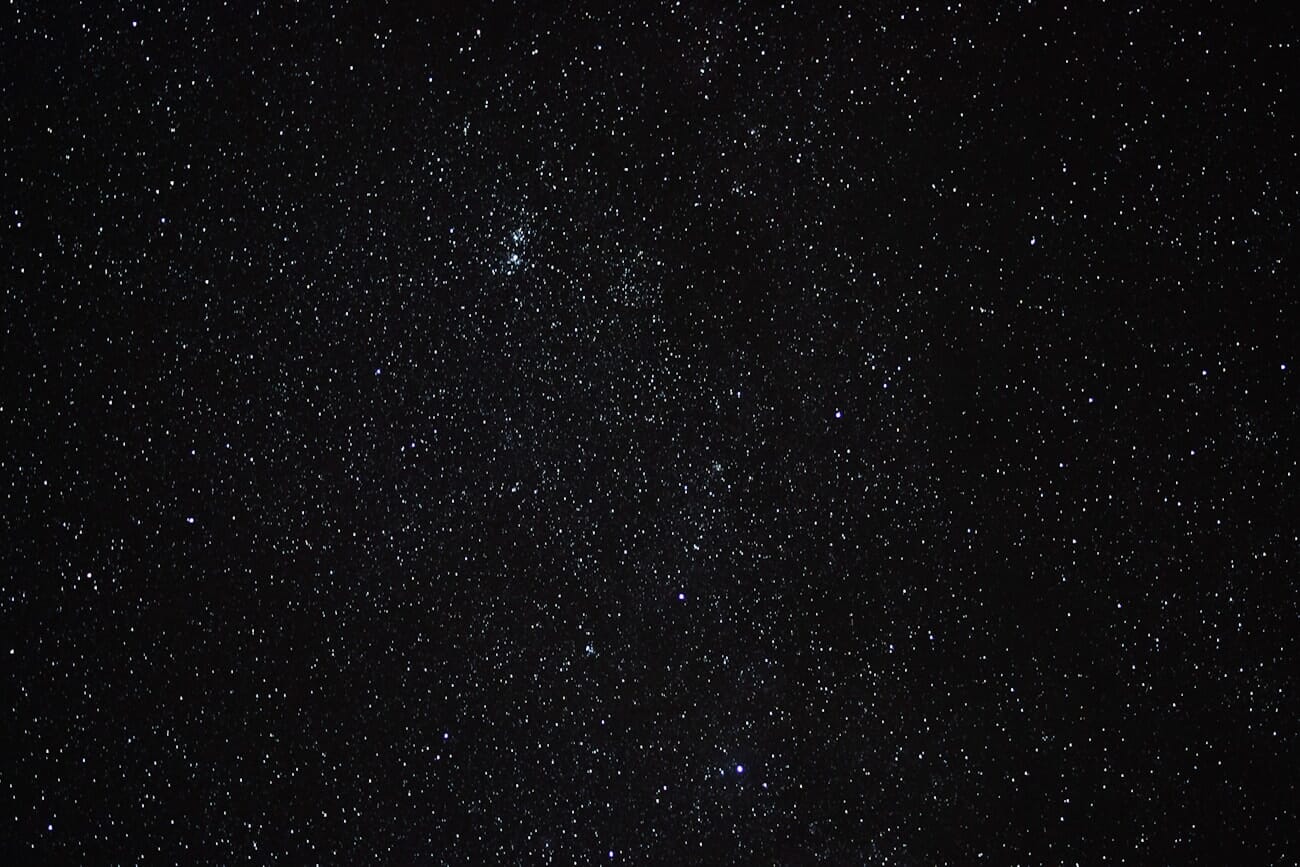
- Lens: the widest, fastest you own — 14–24mm at f/2.8 or faster. A fisheye works beautifully for arching the whole core across the frame.
- Shutter: use the NPF rule (or the simpler 500 rule — 500 ÷ focal length = max seconds before stars trail). At 14mm that’s roughly 15–20 seconds untracked.
- ISO: 3200–6400 on most full-frame bodies; don’t fear ISO — a brighter, slightly noisier frame beats an underexposed one you can’t recover.
- Focus: manual, on a bright star using live-view magnification. Autofocus will hunt and fail in the dark.
- Going further: a star tracker lets you drop ISO and extend exposures for cleaner, deeper core detail — the biggest single quality jump available to you.
The Conjunctions: Venus, Jupiter & Mercury
Early June puts on a planet show low in the post-sunset west. Venus and Jupiter close to about 1.5° apart on June 9, and on June 17–18 a young crescent Moon slots between Jupiter and Mercury with Venus above. These are twilight shots — start before the sky goes fully dark so the planets and the deep-blue gradient both register.
Reach for a telephoto (70–200mm or longer) to compress the planets together and exaggerate how close they appear, and put something on the horizon — a ridgeline, a tree, a building — for scale. Tripod essential; settings around f/4–5.6, ISO 400–1600, and shutter speeds from a fraction of a second to a couple of seconds depending on how dark it’s gotten. Bracket exposures as twilight shifts fast.
The Strawberry Full Moon (June 29)
June’s full moon — the Strawberry Moon — peaks at 7:56 p.m. EDT on June 29, and it’s a micro moon this year (near apogee, so slightly smaller and dimmer). The move is to shoot it at moonrise, low on the horizon, where the “moon illusion” and a long lens make it loom large behind a foreground subject.
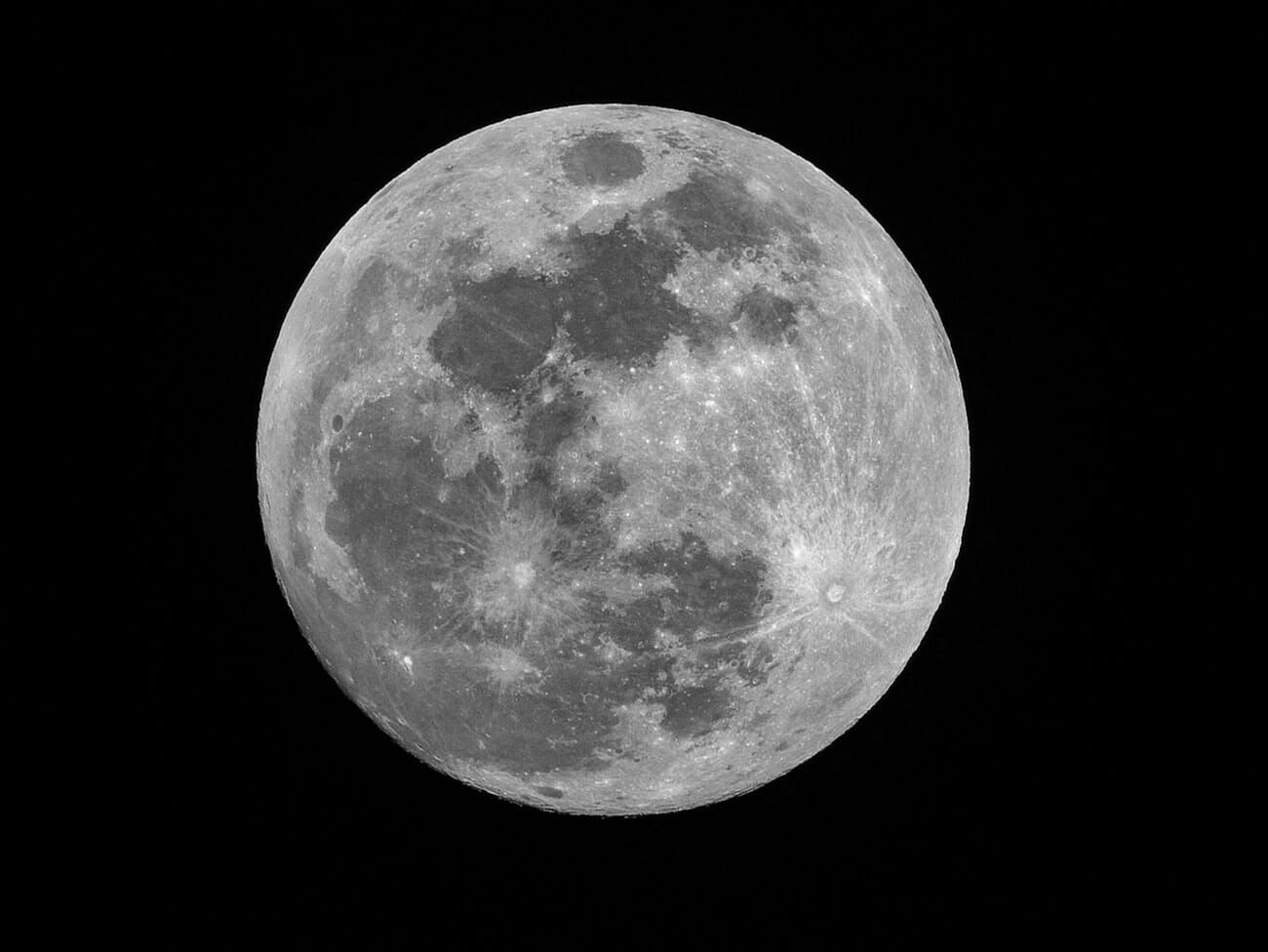
The classic beginner mistake is treating the moon like a “night” subject and overexposing it. It’s lit by the same sun you are — so meter for the surface: 200–600mm, f/8–11, 1/125–1/250s, ISO 100–200, manual focus. For a big-moon-behind-landscape composition, scout the moonrise azimuth in advance with PhotoPills or The Photographer’s Ephemeris and shoot from far back with the longest lens you have.
A Few Planning Habits That Pay Off
- Shoot around the new moon, not the full. Moonlight is the enemy of the Milky Way — mid-June is your dark window; late June (full moon) is for lunar work.
- Mind the solstice. June 21 brings the shortest nights of the year in the Northern Hemisphere — true astronomical darkness is brief, so start late and work efficiently.
- Get out of the city. A dark-sky site beats any camera upgrade for the Milky Way. Use a light-pollution map to find one within driving range.
- Shoot RAW, and consider stacking. Multiple frames stacked in software (or on a tracker) dramatically cut noise versus a single high-ISO exposure.
FAQ
What camera settings are best for the Milky Way?
Start at your lens’s widest aperture (f/2.8 or faster), ISO 3200–6400, and a shutter near the 500-rule limit for your focal length (~15–20s at 14mm), focused manually on a bright star. Adjust ISO up or down from the first test frame.
Do I need a star tracker?
No — you can shoot a great Milky Way with just a tripod and the 500/NPF rule. But a tracker is the biggest quality upgrade for deep-sky work: it lets you use longer exposures at lower ISO for cleaner, more detailed results.
When are the darkest skies in June 2026?
Around the new moon of June 14–15, when there’s no moonlight washing out the sky. That’s the prime window for the Milky Way core and deep-sky targets.
What lens should I use for the full moon?
The longest telephoto you have — 200–600mm. The moon is small in the frame at anything wider, and a long lens at moonrise is what creates those dramatic oversized-moon shots.
The Bottom Line
June hands astrophotographers a full menu: dark Milky Way skies around mid-month, a planet show in early-evening twilight, and a low Strawberry Moon to finish. Match the gear to the target — fast and wide for the galaxy, long and slow for the moon — pick your night around the moon phase, and you’ll come home with the shots. Clear skies.
Featured image: Brantley Neal / Unsplash.
Event Data
- Digital Camera World — Astrophotography in June 2026 – Monthly sky-events rundown and shooting tips.
- National Geographic — June 2026 night-sky events – Dates and times for the month's conjunctions, solstice, and full moon.
- timeanddate.com — Moon phases & astronomy – Authoritative moon-phase and event timing reference.
Image Sources
- Unsplash — Brantley Neal (Milky Way), Mike Petrucci (moon), Jake Weirick (stars) – Illustrative astrophotography.
Disclosure: This article contains affiliate links. When you purchase through these links, we may earn a commission at no additional cost to you. This helps support our research and allows us to continue providing free buying guides. All opinions and recommendations are based on our independent research and analysis.