

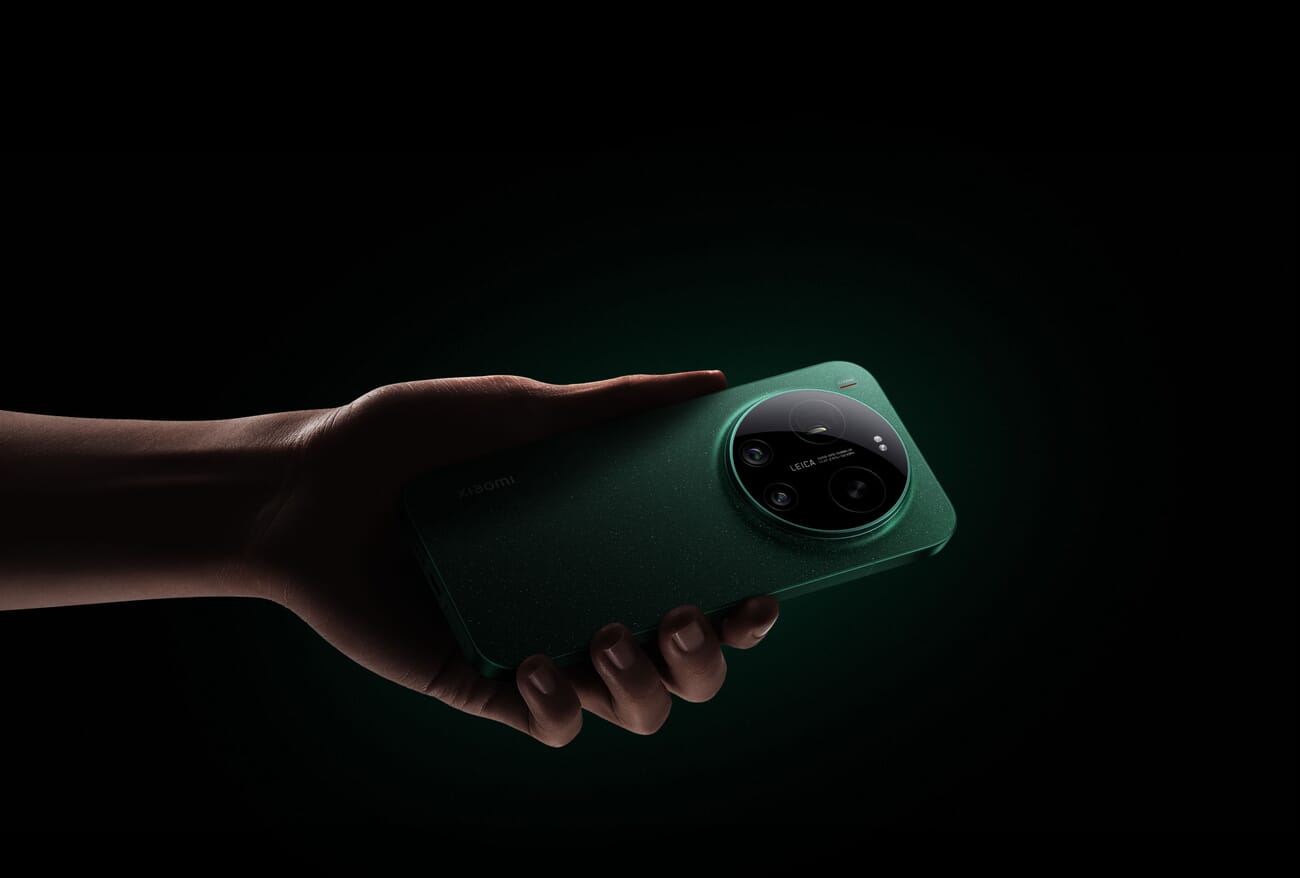
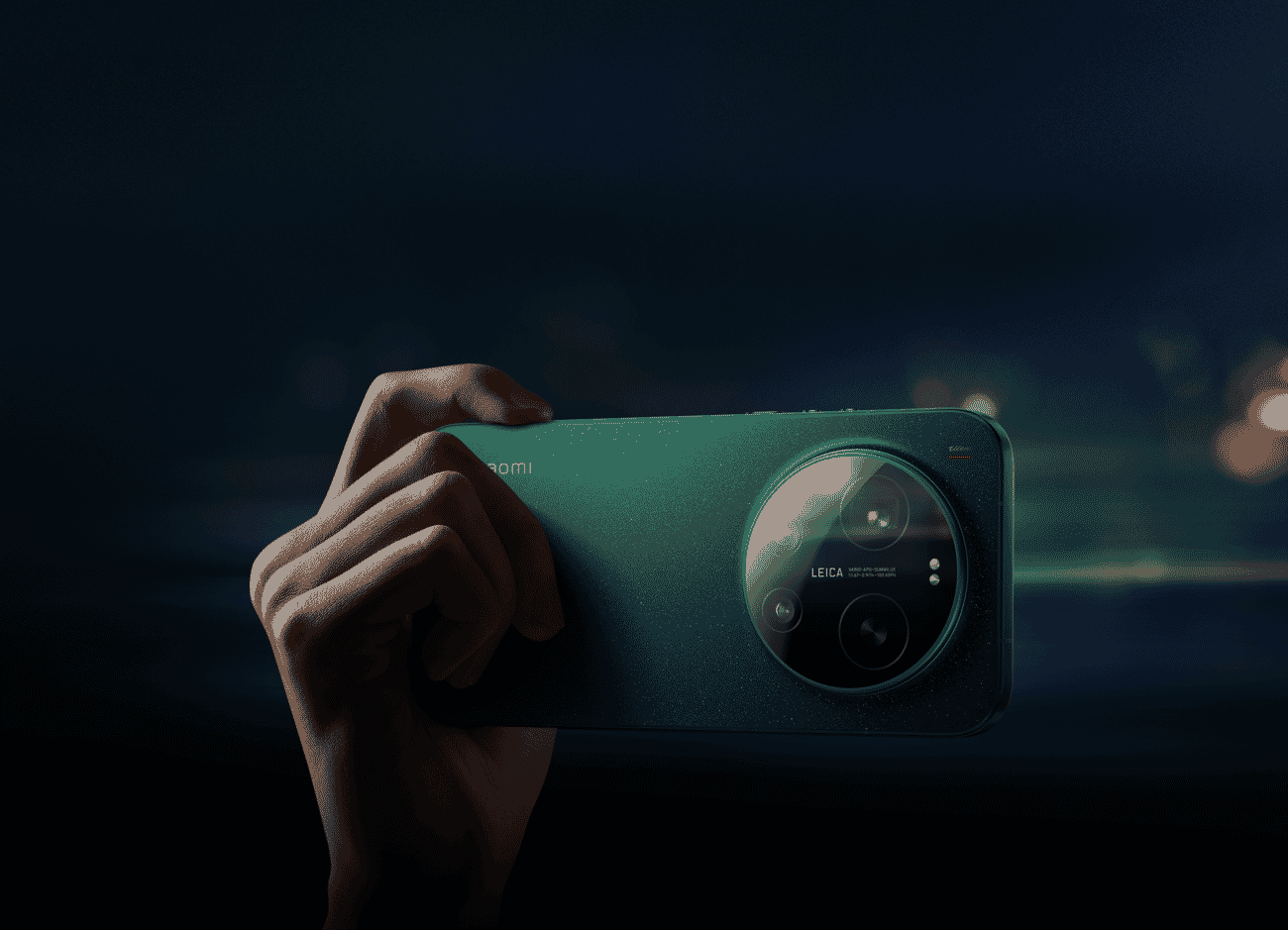
- The Xiaomi 17 Ultra packs a 1-inch Leica main sensor, 200MP periscope telephoto, and 50MP ultrawide – arguably the best camera system on any phone right now.
- Xiaomi doesn’t sell phones in the US due to carrier economics, missing 5G bands, patent risks, and political headwinds.
- You CAN import one through third-party importers like Giztop and Wonda Mobile, but expect to pay a premium and lose warranty coverage.
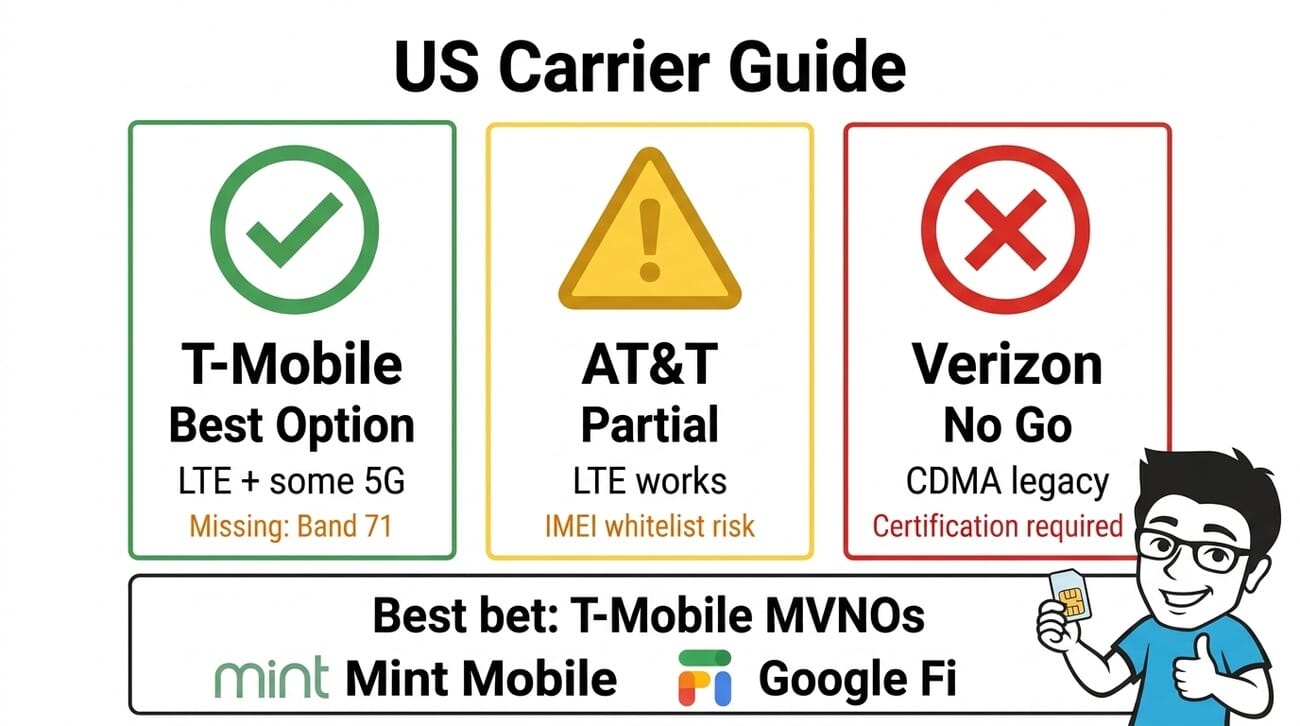
- T-Mobile offers the best network compatibility for imported Xiaomi phones. Verizon is essentially a no-go.
- For photographers who want cutting-edge mobile cameras, importing is viable – but weigh the tradeoffs against US-available alternatives like the Samsung Galaxy S25 Ultra, Google Pixel 9 Pro, and iPhone 16 Pro Max.
The Xiaomi 17 Ultra is, by virtually every spec sheet metric, the most impressive camera phone ever made. A 1-inch main sensor co-engineered with Leica. A 200-megapixel periscope telephoto. A 50MP ultrawide that would be the primary camera on most other phones. And it launched globally on February 28, 2026, starting at 1,499 euros in Europe for the 16GB/512GB configuration.
There’s just one problem if you’re reading this from the United States: you can’t walk into any store and buy one. No Best Buy, no carrier store, no Amazon listing. Xiaomi – the world’s third-largest smartphone maker – simply doesn’t sell phones in America.
This isn’t an accident, and it isn’t about to change anytime soon. The reasons are a tangled web of economics, technology, law, and geopolitics that makes the US market uniquely hostile to Chinese smartphone brands. But that doesn’t mean you can’t get your hands on one.
Here’s everything you need to know about the Xiaomi 17 Ultra’s US availability – why it’s not here, how to import one anyway, and whether it’s actually worth the hassle for photographers.
When you buy through links on our site, we may earn a commission at no cost to you. We evaluate products independently. Commissions do not affect our evaluations.
What Makes the Xiaomi 17 Ultra Special for Photographers
Before we get into the import logistics, it’s worth understanding why this phone has photographers paying attention in the first place. The Xiaomi 17 Ultra isn’t just iterating on its predecessor – it represents a genuine leap in mobile photography hardware.
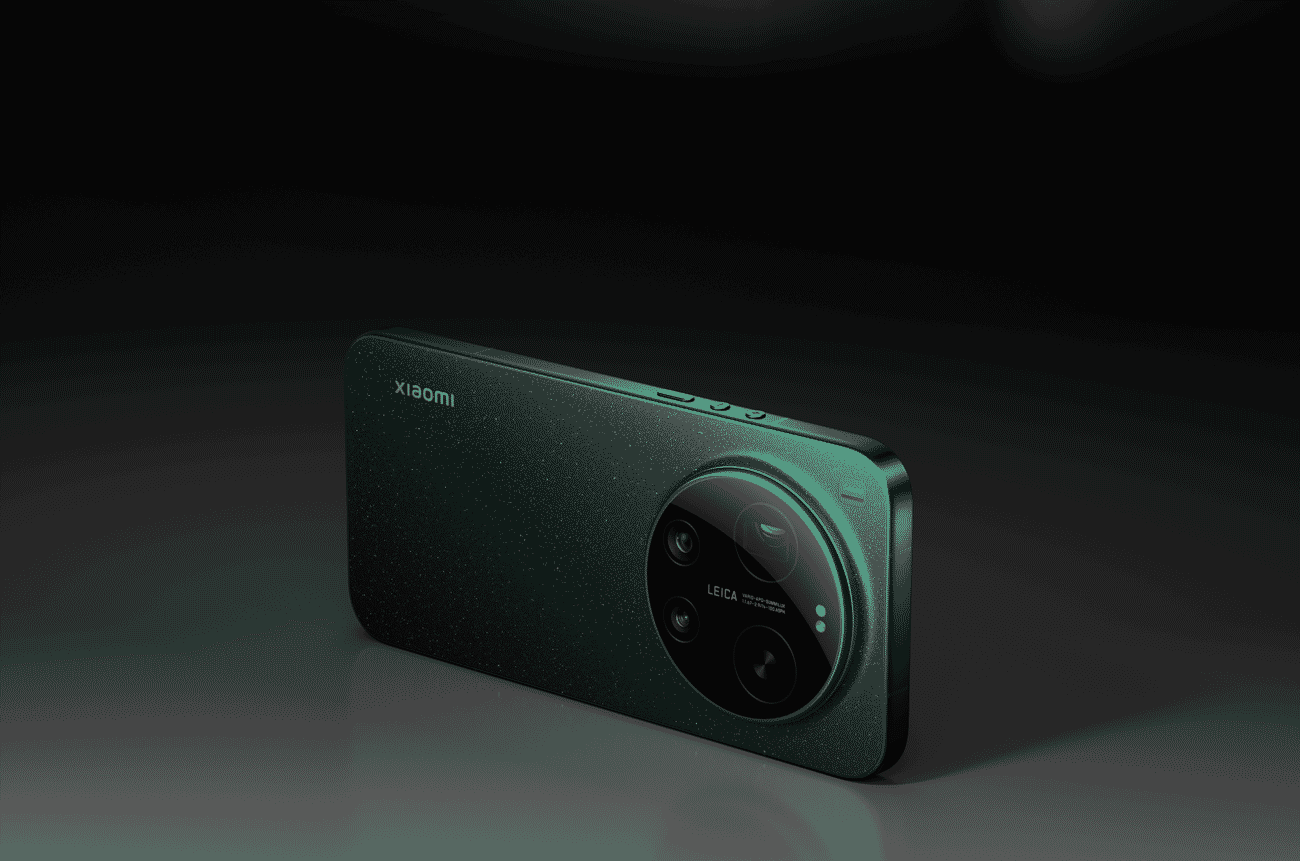
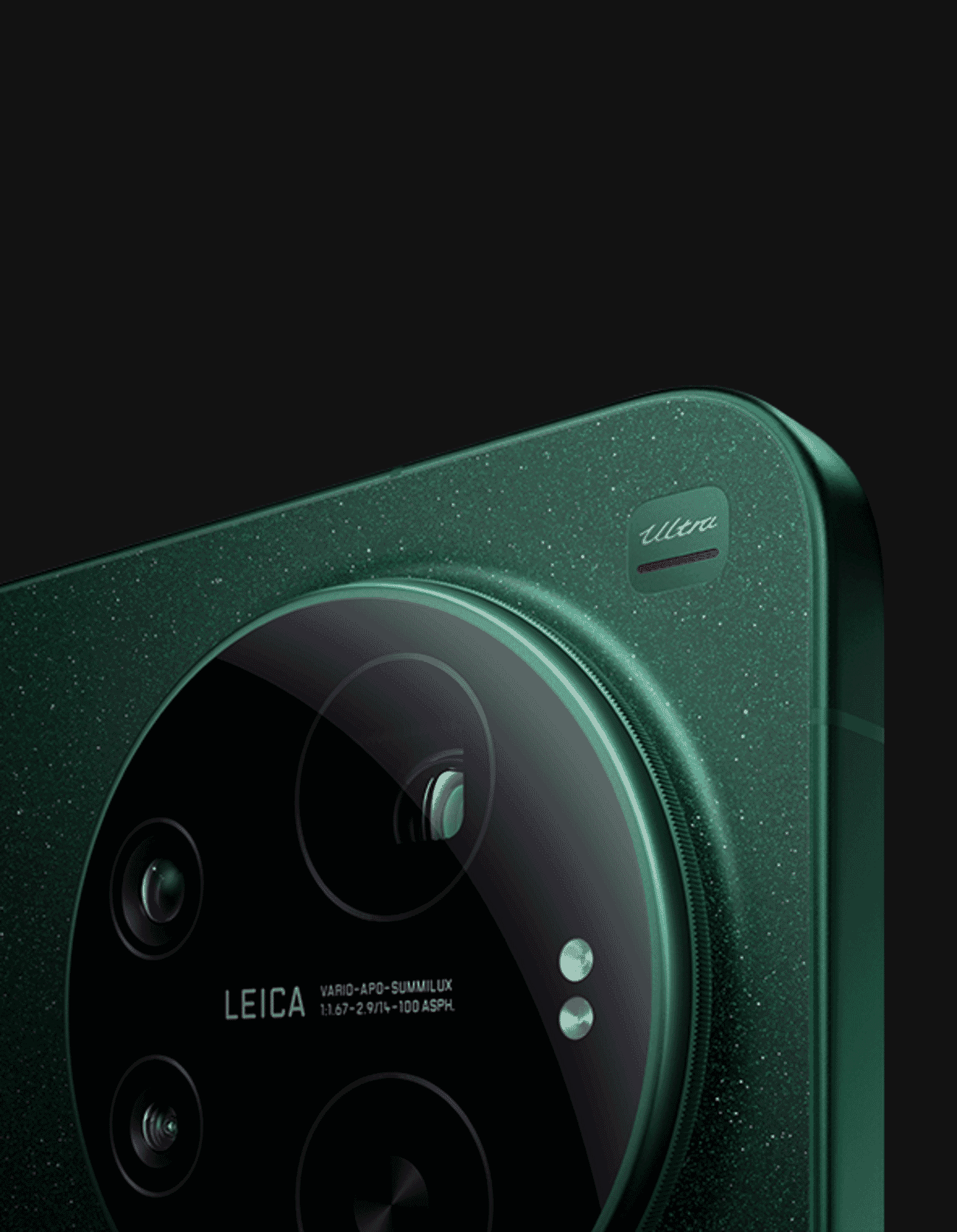
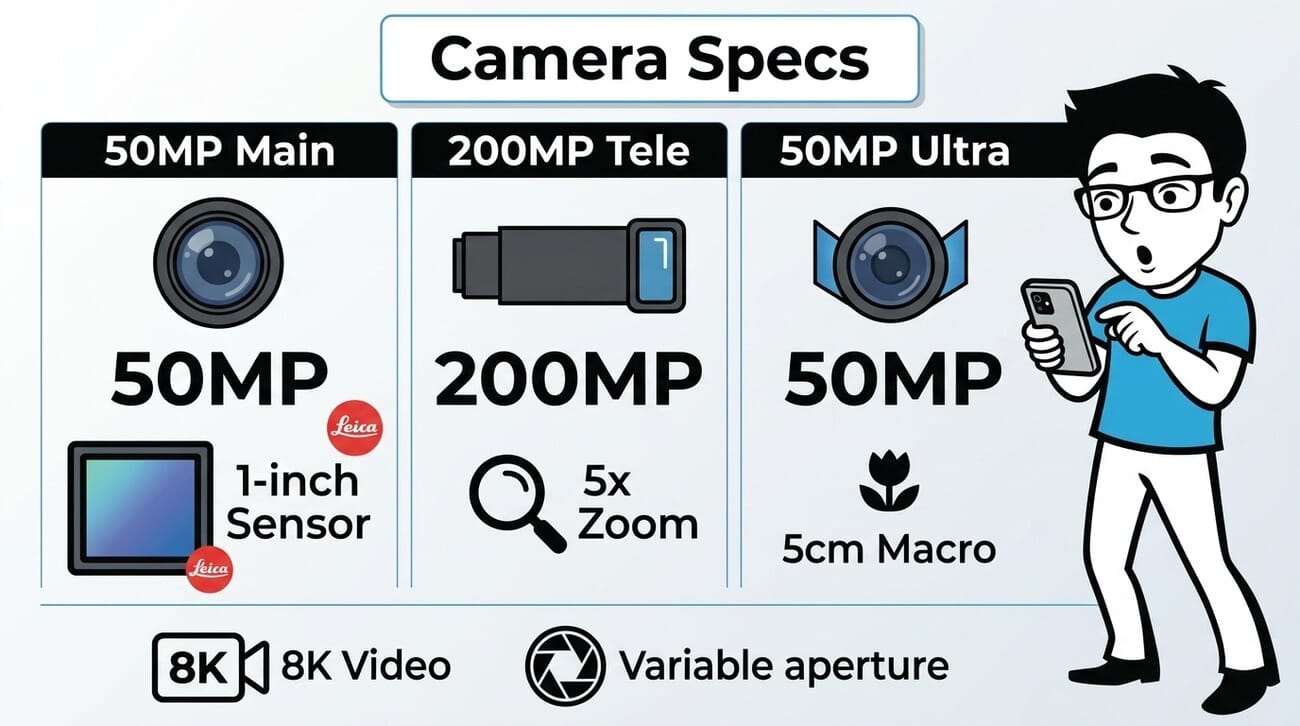
The main camera uses a 1-inch Type sensor (the Sony IMX9-series), which is physically larger than what you’ll find in the Samsung Galaxy S26 Ultra or iPhone 17 Pro Max. Larger sensors capture more light, produce less noise, and create more natural background separation. Leica didn’t just slap their logo on this one – they co-developed the optical system, including the lens coatings and color science profiles (Leica Authentic and Leica Vibrant).
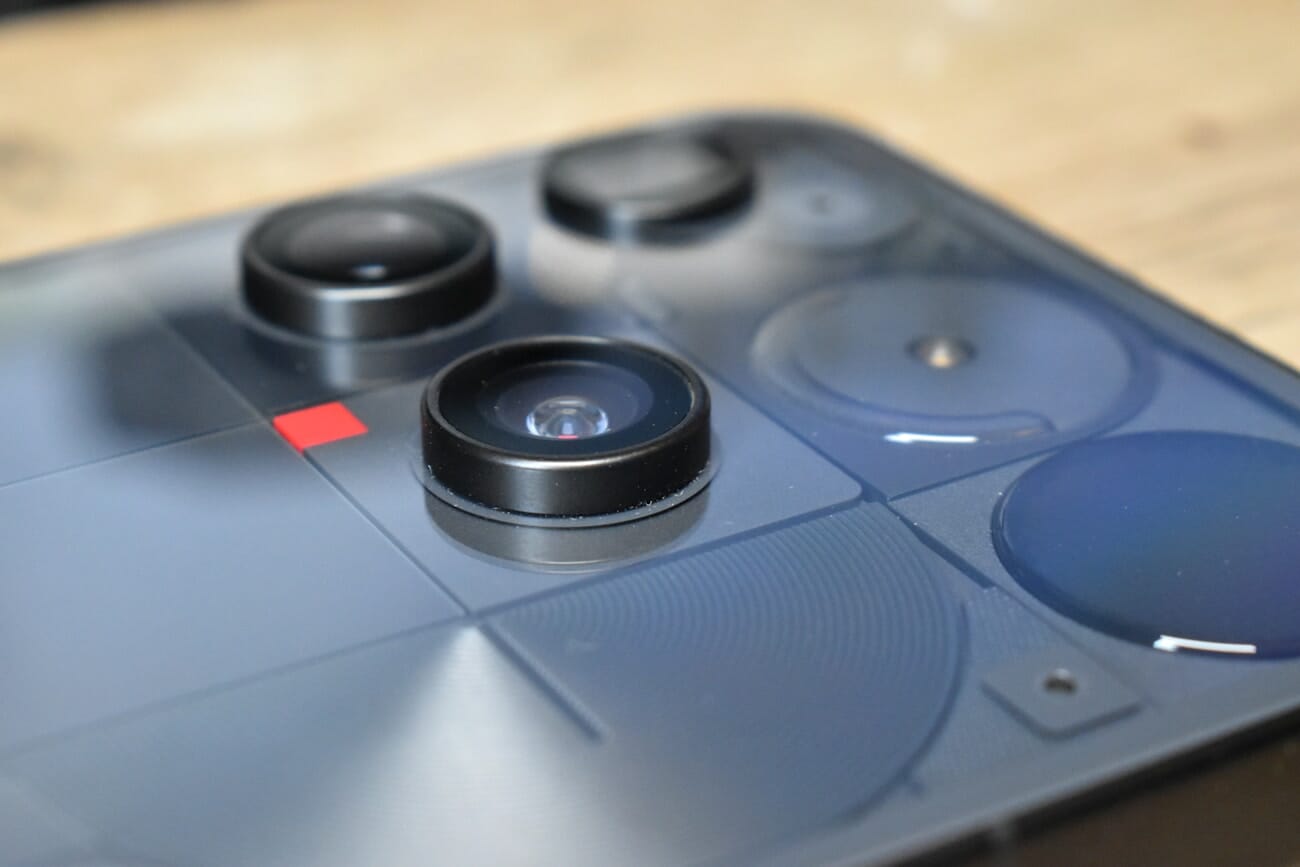
The 200MP periscope telephoto is the headline grabber. It provides optical zoom capabilities that rival dedicated cameras, letting you shoot detailed close-ups from across a room or compress landscapes in ways that wide-angle phone cameras simply can’t. For street photography, wildlife from a distance, or architectural details, this kind of reach on a phone is unprecedented.
The 50MP ultrawide rounds out the system with a lens that’s sharp enough to be a primary camera in its own right. It supports macro focusing down to 5cm, making it genuinely useful for close-up nature photography and product shots.
Add in 8K video recording, a variable aperture on the main lens, and Leica’s computational photography processing, and you have a phone that legitimately challenges the photography capabilities of entry-level mirrorless cameras – at least in good light.
Why Xiaomi Doesn’t Sell in the US
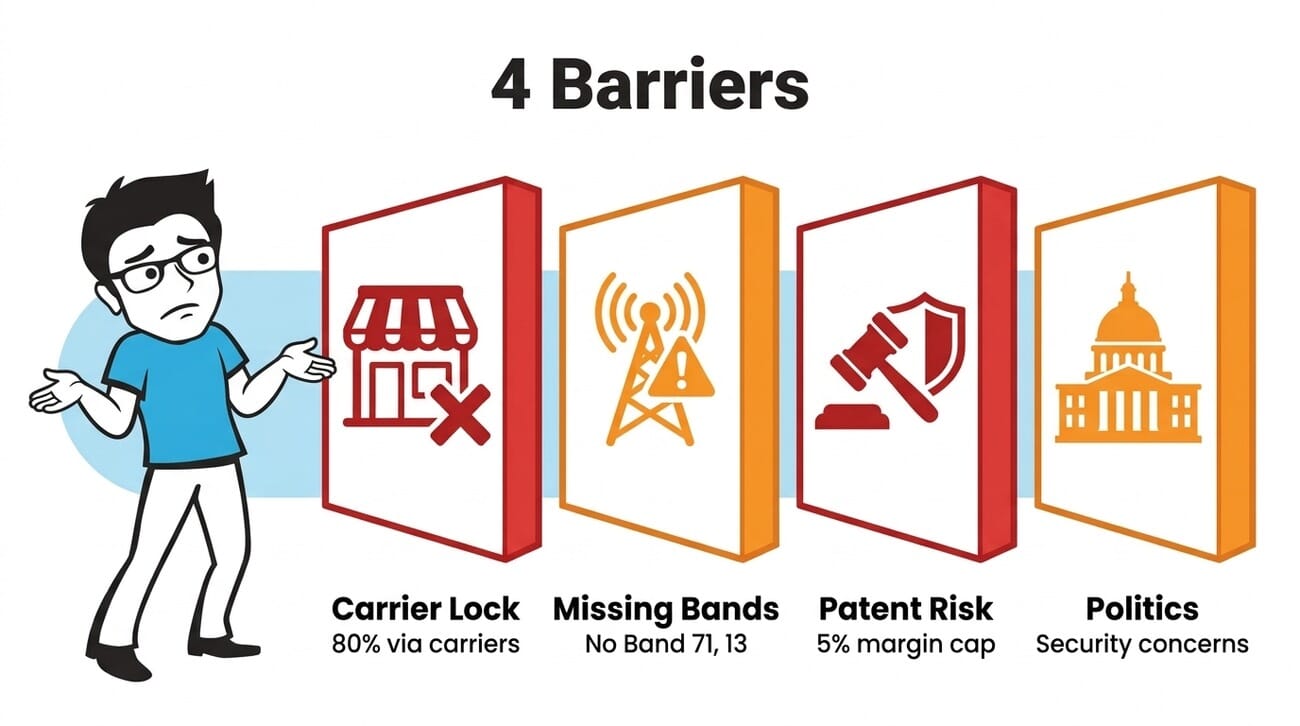
This is the question every American smartphone photographer eventually asks: if Xiaomi makes phones this good, why can’t I just buy one normally? The answer involves four interlocking problems that make the US market uniquely difficult for Xiaomi to crack.
The Carrier Problem: America’s Unique Sales Model
In most countries, you buy a phone and then pick a carrier. In the United States, roughly 80% of smartphone purchases happen through carriers – AT&T, Verizon, and T-Mobile. Walking into a carrier store and walking out with a subsidized phone on a monthly plan is how most Americans buy phones.
Getting into those carrier stores requires expensive certification processes, carrier-specific software testing, and – critically – agreeing to carrier commission structures that eat significantly into profit margins. Xiaomi operates under a self-imposed 5% profit margin cap on hardware, a policy that’s central to its business model of selling affordable, high-spec devices. Carrier commissions alone can eat 10-15% of a phone’s retail price. The math simply doesn’t work.
Samsung and Apple can absorb these costs because they’ve built decades of carrier relationships and have the volume to negotiate favorable terms. For a new entrant like Xiaomi, the upfront investment to break into even one major US carrier would be enormous – with no guarantee of return.
Missing Network Bands: A Technical Barrier
Even if you could buy a Xiaomi 17 Ultra at your local T-Mobile store, it wouldn’t work the same way an iPhone or Galaxy does. Xiaomi designs its phones primarily for Asian and European cellular networks, and the US uses some unique frequency bands that these phones simply don’t support.
Key missing bands typically include:
- Band 71 (600MHz) – T-Mobile’s extended-range 5G band, critical for rural and indoor coverage
- Band 13 (700MHz) – Verizon’s primary LTE band
- Various mmWave 5G bands – used for ultra-fast 5G in dense urban areas
Creating a US-specific hardware variant with these bands would require a separate manufacturing run, additional FCC certification, and ongoing carrier testing. For a company that doesn’t yet have a US sales channel, that investment is hard to justify.
The Patent Minefield
The US has some of the strictest patent enforcement laws in the world, and the smartphone industry is a minefield of overlapping patents. Apple, Samsung, Qualcomm, and dozens of other companies hold thousands of patents covering everything from specific gesture interactions to antenna designs.
Companies that sell phones in the US typically maintain large patent portfolios of their own – not necessarily to sue competitors, but as defensive leverage for cross-licensing agreements. “You use our patents, we use yours, nobody sues.” Xiaomi’s US patent portfolio is relatively thin, which means entering the market would expose them to potential lawsuits from established players without the mutual-assured-destruction deterrent that keeps Apple and Samsung from suing each other into oblivion.
The cost of even one major patent lawsuit in the US can run into hundreds of millions of dollars. For a company operating on 5% margins, that’s an existential risk.
Political and Security Headwinds
Xiaomi isn’t banned in the US the way Huawei is. You can legally buy, own, and use a Xiaomi phone in America. But the political climate creates significant business uncertainty.
In January 2021, the US Department of Defense placed Xiaomi on a blacklist of companies designated as “Communist Chinese military companies,” which would have restricted American investment in the company. Xiaomi successfully fought this in court and had the designation removed by May 2021, but the episode illustrated the political risks of operating in the US as a Chinese tech company.
Broader US government concerns about Chinese telecommunications hardware haven’t gone away. While these concerns are primarily focused on network infrastructure (like Huawei’s 5G equipment), the general atmosphere of suspicion makes it harder for any Chinese smartphone brand to build the consumer trust needed for a successful US launch.
Any of these four factors alone might be surmountable. Together, they create a wall that makes the US market simply not worth the investment for Xiaomi – at least for now.
How to Buy the Xiaomi 17 Ultra in the USA
None of the above means you can’t get a Xiaomi 17 Ultra in the United States. It just means you’ll need to import one. Here’s how people are doing it, and what to watch out for.
Third-Party Importers
Several online retailers specialize in importing Chinese phones to the US. The most established options include:
- Giztop – One of the more established importers, typically stocks global versions of Xiaomi flagships within days of launch. Ships from Hong Kong or China with DHL/FedEx delivery in 5-10 business days.
- Wonda Mobile – Hong Kong-based retailer with a solid reputation in the import phone community. Often offers both China and Global versions.
- eBay global sellers – Search for “Xiaomi 17 Ultra Global” on eBay. Stick to sellers with high feedback ratings (98%+) and a history of selling imported phones. Avoid suspiciously low prices.
- AliExpress Official Xiaomi Store – Sometimes offers international shipping on new flagships, though availability for the 17 Ultra may vary.
Global Version vs. China Version
This is a critical distinction that will affect your daily experience with the phone:
The Global Version (sometimes labeled “International” or designated with an “I” in the model number) comes with Google Play Services pre-installed, supports more languages out of the box, and runs Xiaomi’s MIUI/HyperOS with the full Google ecosystem. This is what you want if you’re used to a standard Android experience.
The China Version ships without Google Play Services. You can install them manually using workarounds, but it’s an extra step and some Google-dependent apps may not work perfectly. The China version also runs a China-specific software build with different default apps and services.
The price difference between versions is usually minimal ($20-50), so unless you specifically want the China ROM for some reason, always go for the Global Version.
Pricing Expectations
The Xiaomi 17 Ultra retails at 1,499 euros in Europe for the 512GB/16GB RAM configuration. When importing to the US, expect to pay more:
- Base import price: Typically $1,500-$1,700 USD through established importers
- Shipping: $20-50 for standard, $40-80 for express (DHL/FedEx)
- Import duties/customs: US customs may charge duty on electronics imports. Phones valued over $800 may incur duties of 0-3.5%, though enforcement varies
- Total landed cost: Expect roughly $1,600-$1,800 all-in
What to Watch Out For
- No US warranty: Xiaomi’s warranty doesn’t cover the US. If something breaks, you’re shipping it back to Asia at your own expense – or fixing it locally.
- Shipping times: Budget 7-15 business days for most importers. Pre-orders may take longer after a new launch.
- Customs delays: Packages can get held at customs for inspection. This is rare but does happen, especially for higher-value electronics.
- Return policies: Most importers have stricter return windows than what you’re used to with US retailers. Read the policy before buying.
- Counterfeit risk: Stick to established importers. If a deal looks too good to be true on a random website, it probably is.
US Carrier Compatibility: The Reality Check
You’ve imported your Xiaomi 17 Ultra. Now you need it to actually work as a phone. Here’s what to expect with each major US carrier.
T-Mobile: Your Best Bet
T-Mobile runs a GSM/LTE network that’s most compatible with international phones. The Xiaomi 17 Ultra should work for basic calls, texts, and LTE data on T-Mobile. You’ll likely get decent 4G LTE coverage in urban and suburban areas.
However, you’ll probably miss Band 71 (600MHz), which T-Mobile uses extensively for extended-range coverage. This means weaker signal in rural areas and some buildings where Band 71 provides the fallback connection. Full 5G support (especially the faster mid-band and mmWave flavors) is unlikely.
AT&T: Check Your Bands
AT&T also uses a GSM-based network and is generally the second-best option for imported phones. Basic voice and LTE data should work, but AT&T has been increasingly strict about which phones it allows on its network. They maintain a whitelist of approved devices, and imported Xiaomi phones may not appear on it.
If AT&T blocks your IMEI, you may need to contact customer support (with mixed results) or simply use a different carrier. Check the Xiaomi 17 Ultra’s band specifications against AT&T’s required bands before committing.
Verizon: Essentially a No-Go
Verizon’s network historically relied on CDMA technology, and while they’ve largely transitioned to LTE/5G, they maintain strict device certification requirements. International Xiaomi phones almost certainly won’t pass Verizon’s certification, and even if you can get a SIM to register, coverage gaps will be significant.
If you’re on Verizon and want a Xiaomi 17 Ultra, the most practical approach is to get a separate T-Mobile or MVNO (like Mint Mobile or Google Fi) SIM for the Xiaomi and keep your Verizon line on another phone.
MVNOs and Prepaid Options
Budget carriers that run on T-Mobile’s network – like Mint Mobile, Tello, or US Mobile (T-Mobile option) – are often the easiest path. They tend to be less restrictive about device compatibility than the big three, and you can often test with an affordable prepaid plan before committing.
Google Fi is another interesting option, as it’s designed to work with a wide range of unlocked phones. However, full compatibility (including automatic network switching) isn’t guaranteed with non-certified devices.
Should You Import One? Honest Take for Photographers
Let’s cut to the chase. The Xiaomi 17 Ultra has, on paper, the most impressive camera system ever put in a smartphone. The Leica partnership is genuine – this isn’t a licensing deal where they just stamp a red dot on the back. Leica engineers worked on the optical design, lens coatings, and color science. The results from early reviews and sample images coming out of Europe and Asia are genuinely impressive.
But should you, specifically, as a photographer in the United States, go through the hassle of importing one?
The Case for Importing
- The camera is genuinely superior. The 1-inch main sensor, 200MP telephoto, and Leica processing create images that no US-available phone can match in certain conditions – particularly low light, telephoto range, and natural color rendering.
- You shoot professionally with your phone. If you’re a content creator, social media photographer, or mobile journalism professional, the camera difference could genuinely impact your work quality.
- You primarily use WiFi. If the phone is mainly a photography tool and you’re often on WiFi (studio, home, coffee shops), the carrier compatibility issues matter less.
- You enjoy the import scene. Some people genuinely like the process of importing unique tech, and there’s a thriving community around it.
The Case Against
- No warranty means real risk. A $1,700 phone with no warranty protection is a gamble. One hardware defect and you’re either paying for repair out of pocket or shipping it internationally.
- Carrier gaps are real. If you need reliable cellular everywhere – for travel photography, outdoor shoots, or just daily use – the missing bands will bite you at some point.
- The US alternatives are very good. The Samsung Galaxy S26 Ultra and iPhone 17 Pro Max are both excellent camera phones with full US support, warranty, and carrier compatibility. The gap between them and the Xiaomi 17 Ultra, while real, isn’t as large as it was a few years ago.
- Software updates may lag. Global ROM updates sometimes arrive weeks or months after the China version, and US-specific network optimizations won’t exist.
The Verdict
The Xiaomi 17 Ultra is a genuinely excellent camera phone that pushes the boundaries of what mobile photography can do. The Leica partnership delivers real results, not just marketing. If you’re the kind of person who imports a phone specifically for its camera capabilities and you’re comfortable with the tradeoffs, it’s a rewarding choice.
For most US photographers, though, the practical answer is this: the Samsung Galaxy S26 Ultra or iPhone 17 Pro Max will serve you better as an overall package. They offer 95% of the camera capability with none of the import headaches, full carrier support, warranty coverage, and seamless integration with the US tech ecosystem.
The Xiaomi 17 Ultra is the enthusiast’s choice – the one you buy because you want the absolute best camera on a phone and you’re willing to work for it. And honestly? There’s nothing wrong with that.
Will Xiaomi Ever Sell Phones in the US?
Xiaomi has hinted at US ambitions repeatedly over the years, but no concrete timeline has ever materialized. The company has expanded its non-phone products (smart home devices, wearables, electric scooters) into the US market through Amazon, which some analysts see as a testing ground for an eventual smartphone launch.
The most likely path would be a partnership with T-Mobile, which has historically been the most open to onboarding new phone brands (they were the first US carrier to sell OnePlus phones). But even an optimistic timeline puts a potential US Xiaomi phone launch years away.
For now, importing remains the only option. And for photographers who want the Xiaomi 17 Ultra’s remarkable camera system, it’s a perfectly viable one – as long as you go in with your eyes open.
Best Alternatives You Can Buy in the USA
If importing a Xiaomi 17 Ultra sounds like too much hassle, or you want the peace of mind that comes with full US warranty and carrier support, these are the best camera-focused flagship smartphones you can buy right now on Amazon:
Samsung Galaxy S26 Ultra
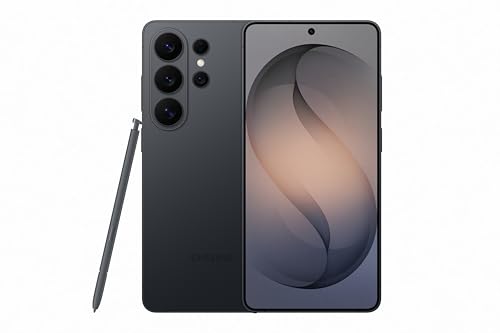
- 200MP main sensor with faster f/1.4 aperture
- 5x optical zoom periscope telephoto
- Full US carrier support and warranty
- Snapdragon 8 Elite Gen 5 + 8K video
- $1,299 starting price
- Large and heavy at 214g
Google Pixel 10 Pro
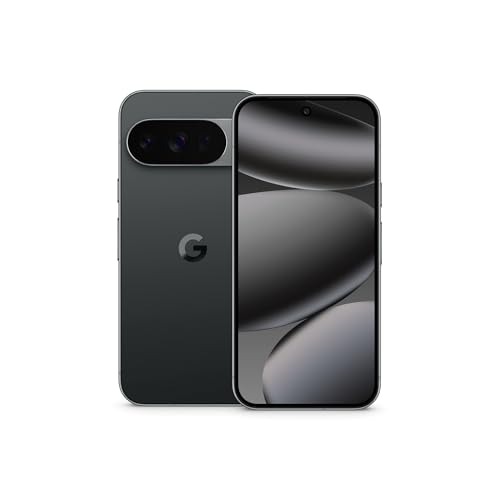
- Best-in-class computational photography and AI editing
- 7 years of OS and security updates
- Excellent 5x periscope telephoto
- Great value starting at $749
- Tensor G5 less powerful than Snapdragon 8 Elite Gen 5
- Smaller main sensor than Samsung S26 Ultra
Apple iPhone 17 Pro Max
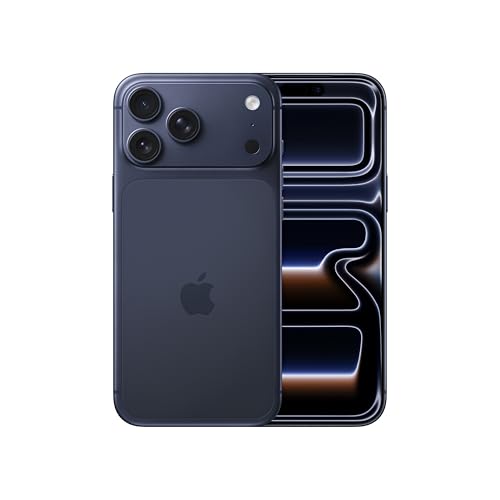
- ProRes and Log video for professional creators
- Triple 48MP Fusion camera system
- LiDAR scanner for depth and AR
- Best-in-class video stabilization
- 48MP telephoto lags behind 200MP rivals
- $1,199+ starting price (higher on Amazon)
OnePlus 13

- Hasselblad color science for natural tones
- Triple 50MP system across all lenses
- 6000mAh battery for all-day shooting
- Full US carrier compatibility
- Only 3x optical zoom vs 5x on rivals
- Less established brand than Samsung or Apple
OnePlus 15
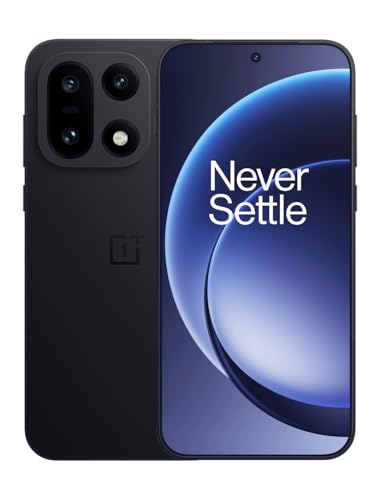
- Latest Snapdragon 8 Elite Gen 5 chipset
- Massive 7,300mAh battery
- 165Hz display + 80W fast charging
- Excellent value at $899
- Only 3x telephoto zoom vs 5x on Samsung/Google
- Hasselblad tuning less refined than OnePlus 13
Our recommendation: For most US photographers, the Samsung Galaxy S26 Ultra is the closest match to what the Xiaomi 17 Ultra offers — a 200MP sensor, fast f/1.4 aperture, 5x periscope zoom, and excellent low-light performance with the added benefit of full US carrier support and warranty. If you’re on a tighter budget, the Google Pixel 10 Pro delivers exceptional value with Google’s industry-leading computational photography.
Frequently Asked Questions
Is it legal to use a Xiaomi phone in the US?
Yes, completely legal. Xiaomi is not banned in the United States. You can buy, import, own, and use a Xiaomi phone without any legal issues. The company simply doesn’t have an official retail or carrier presence in the US market.
Will the Xiaomi 17 Ultra work with my current US phone plan?
It depends on your carrier. T-Mobile and T-Mobile MVNOs (Mint Mobile, Tello) offer the best compatibility. AT&T may work but with restrictions. Verizon is essentially incompatible. You’ll have basic call and LTE data on compatible networks, but may miss some 5G bands and extended-range coverage.
How does the Xiaomi 17 Ultra camera compare to the iPhone 17 Pro Max?
The Xiaomi 17 Ultra has a physically larger main sensor (1-inch vs the iPhone’s smaller sensor), a higher-resolution telephoto (200MP vs 48MP), and Leica color science. In terms of raw hardware, the Xiaomi wins. However, Apple’s computational photography and video processing remain best-in-class, particularly for video. Both are excellent – the Xiaomi edges ahead in still photography, especially telephoto and low light.
What’s the difference between the Global and China version of the Xiaomi 17 Ultra?
The Global version comes with Google Play Services pre-installed and supports more languages. The China version lacks Google services out of the box (you can install them manually but it’s fiddly). The camera hardware is identical. Always buy the Global version for US use unless you’re comfortable with manual Google services installation.
Can I get warranty service for an imported Xiaomi phone in the US?
No. Xiaomi’s warranty doesn’t extend to the US, and there are no authorized Xiaomi service centers in the country. If your phone develops a hardware issue, you’d need to ship it to a service center in Europe or Asia at your own expense, or find a local third-party repair shop. This is one of the biggest risks of importing.
Sources and further reading:
Featured image: Thai Nguyen via Unsplash. This article is an editorial guide and does not constitute an endorsement of any third-party importer.


Disclosure/Disclaimer: As an Amazon Associate, we earn from qualifying purchases. Certain content was provided "as is" from Amazon and is subject to change or removal at any time. Product prices and availability: Amazon prices are updated daily or are accurate as of the date/time indicated and are subject to change. Any price and availability information displayed on Amazon.com at the time of purchase will apply to the purchase of this product.