


- The Fuji X system has matured into a complete lens lineup — this guide covers 10 lenses across 8 shooter types, with one primary pick and one budget alternative for each.
- Skip the 15-lens listicles — they’re optimized for SEO, not for actually deciding. Buy one lens per shooter type, not one per focal length category.
- For most X-T5 or X-S20 owners, the starter trio is the XF 23mm f/1.4 R LM WR, XF 56mm f/1.2 R WR, and XF 16-55mm f/2.8 II — about $3,600 covers all primary use cases.
- Third-party glass (Viltrox, Sigma, Tamron) closes the price gap dramatically — Viltrox 56mm f/1.4 STM delivers 90% of the XF 56mm experience at 20% of the price.
Fuji X is the closest mirrorless system to a Leica M in ergonomic feel — tactile aperture rings, metal construction, weather sealing, and a lens lineup that prizes character over corner sharpness. The system has matured to a point where the bigger problem is no longer “is there a good lens?” but “which of the good lenses should you actually buy?”
Most Fuji X lens roundups solve this by listing 15 lenses with sharpness scores attached. That approach is great for SEO and useless for buying. The 15-lens listicle never tells anyone which lens belongs in their bag.
This guide takes a different approach: pick one lens per shooter type. Eight categories — Street, Portrait, Landscape, Travel, Macro, Telephoto, Video, and a fisheye specialist — each with a primary pick and a budget alternative. Ten lenses total, no filler.
Every recommendation is grounded in what shooters actually buy and use. Prices are pulled from Amazon’s current listings (verified May 12, 2026). Where third-party glass closes the price gap convincingly, it’s recommended — Viltrox, Sigma, and Tamron have all reached parity with native Fujinon in specific use cases.
When you buy through links on our site, we may earn a commission at no cost to you. We evaluate products independently. Commissions do not affect our evaluations.
Street & Everyday
Fuji exists for this category. The XF 23mm f/1.4 R LM WR is the lens the X-system was designed around — 35mm equivalent, fast linear motor autofocus, weather sealed, and a focus throw that feels closer to a mechanical Leica than anything else in mirrorless.
Fujifilm XF 23mm f/1.4 R LM WR
Street, documentary, and travel photographers who want a fast 35mm equivalent that holds focus and stays small
- 35mm equivalent — the canonical street focal length
- Linear motor autofocus is silent and fast, locking on quickly even in low light
- Weather sealed body with metal construction; survives rain and dust
- Beautiful out-of-focus rendering with smooth bokeh transitions
- Sharp wide open at f/1.4 from corner to corner on the 40MP X-Trans 5 sensor
- Heavier than the original f/2 version (375g vs 180g)
- $1,049 is a stretch from the bundle pricing of older Fuji 23mm options
- The aperture ring lacks the dampening some Fuji enthusiasts prefer in older lenses
If only one Fuji lens makes it onto the X-T5 or X-S20, this is it. The 23mm f/1.4 R LM WR is the lens that defines what Fuji ergonomics feel like — a tactile aperture ring, weather sealing, and rendering that flatters skin and texture in equal measure. The newer linear motor makes it fast enough for documentary work where the original f/2 sometimes hesitated.
The 23mm focal length on APS-C delivers a 35mm full-frame equivalent — the focal length most documentary and street photographers consider essential. At f/1.4, this lens isolates subjects against busy urban backgrounds without going into the dreamy compression of a 50mm equivalent.
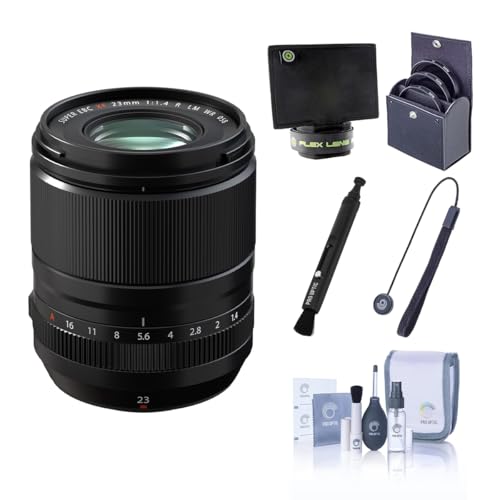
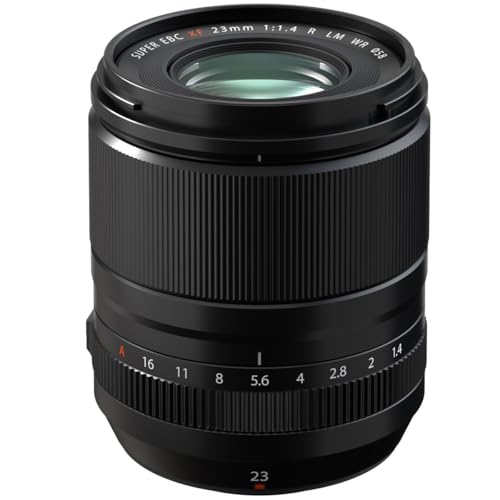



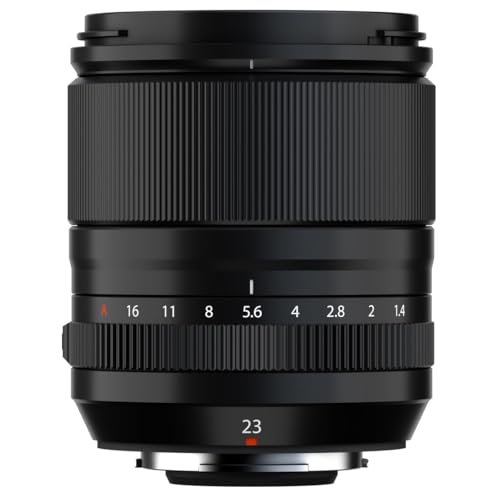
Where the previous Fujinon 23mm f/1.4 R (released in 2013) used a noisier DC motor, the LM WR version replaces it with a linear motor that’s silent and reliably fast for moving subjects. Combined with full weather sealing — eight points sealed against dust and moisture — this is the lens that handles a wet city walk without making you nervous.
Optical performance is excellent wide open. On a 40MP X-T5 sensor, the lens resolves more than enough detail at f/1.4 to leave most of its competitors in the older f/2 class behind. Stop down to f/2.8 and corner sharpness is among the best Fuji has ever produced.
The Budget Pick — Viltrox AF 27mm f/1.2 PRO X
Viltrox AF 27mm f/1.2 PRO
Street and everyday shooters who want maximum aperture for the lowest possible price
- f/1.2 maximum aperture — wider than any Fujinon 27mm option at any price
- Full-metal weather-resistant construction at half the price of Fuji equivalents
- Internal stepping motor — fast and silent for video
- USB-C firmware update port built into the lens mount
- Bright f/1.2 aperture excels in dim cafes and evening street scenes
- 40mm equivalent is between 35mm and 50mm — a focal length not everyone loves
- Optical sharpness wide open trails the Fujinon 23mm f/1.4 R LM WR (though closes the gap by f/2)
- 560g — heavier than the body of an X-T5
The Viltrox 27mm f/1.2 PRO is the lens that proved third parties could match Fuji’s build quality. At $578 it costs about half of the equivalent Fuji glass while delivering an aperture half a stop wider. For shooters willing to accept a 40mm equivalent (rather than the canonical 35mm), this is the highest-value prime in the system.
The 40mm-equivalent focal length sits between the traditional 35mm documentary focal length and the 50mm normal — it’s a contentious choice that some shooters love for its in-between framing and others find awkward.

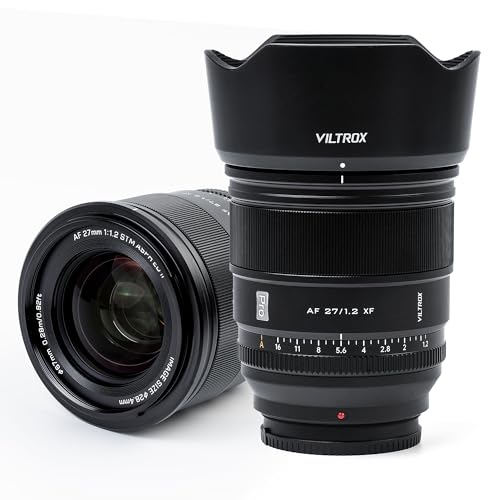

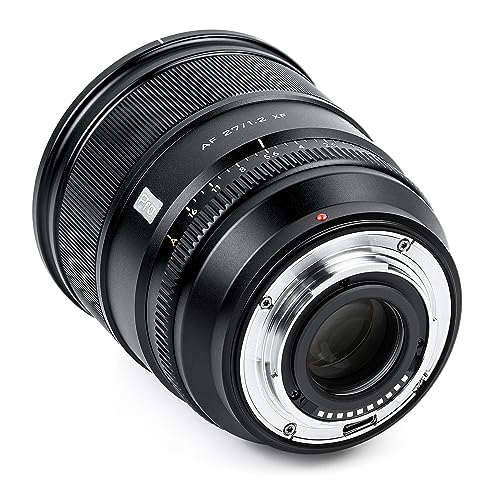
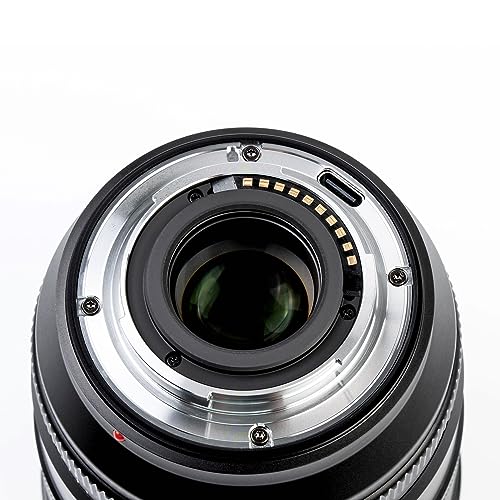
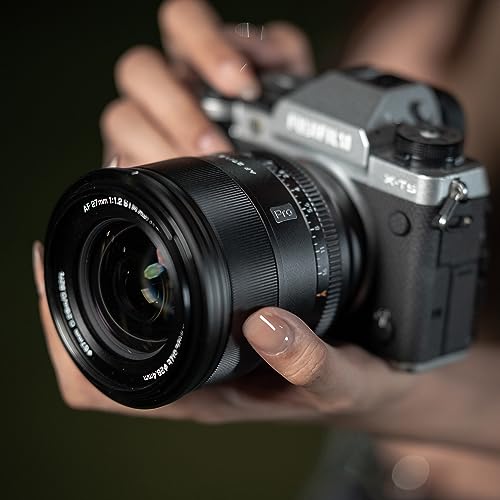
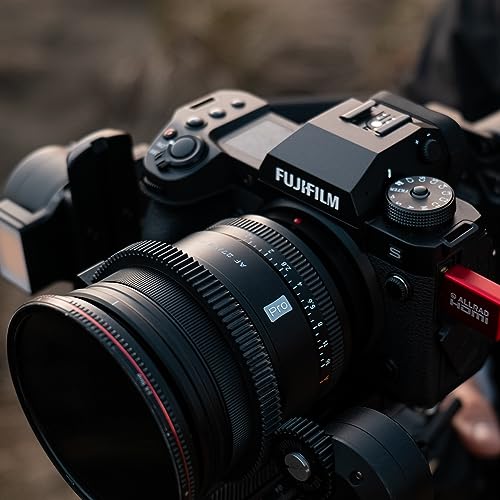
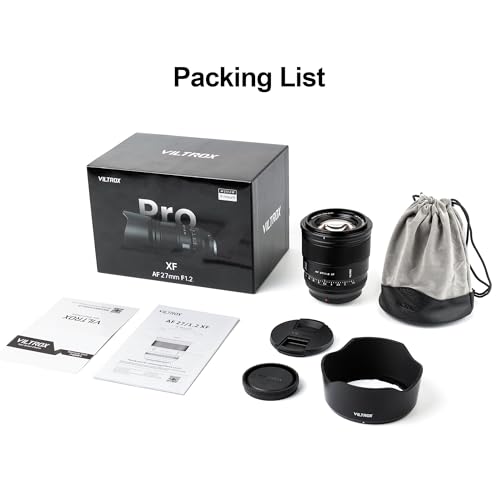
Build quality is the headline. Full-metal barrel, dust-resistant mount, and a smooth aperture ring that clicks in third-stop increments. The PRO line uses a USB-C port for firmware updates, which has been used regularly by Viltrox to improve autofocus behavior over the lens’s lifetime.
Portraits
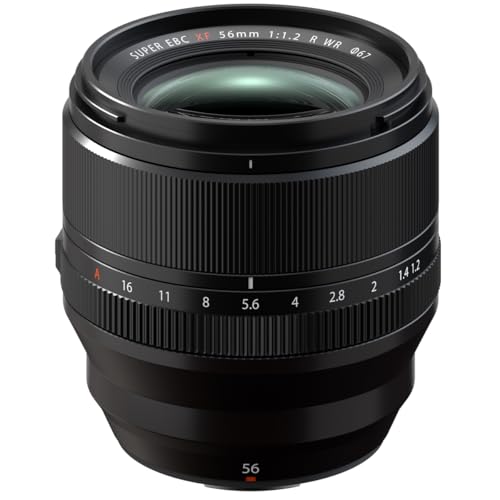
The XF 56mm f/1.2 R WR is the lens that converts photographers from Sony GM to Fuji. At 85mm equivalent, this is the focal length portrait photographers expect, but rendered with the gentle micro-contrast and skin-tone bias Fuji’s color science is famous for.
Fujifilm XF 56mm f/1.2 R WR
Portrait photographers — environmental and studio alike — who want compressed perspective and creamy subject separation
- 85mm equivalent at f/1.2 — the dream portrait focal length and aperture
- Weather sealing means it works at outdoor weddings and engagement shoots
- Linear motor autofocus tracks eyes reliably on X-T5 and X-H2 bodies
- 11-bladed circular aperture renders specular highlights as perfect circles
- Skin tones on the X-Trans 5 sensor with this lens are difficult to match in post
- f/1.2 wide open softens slightly in the extreme corners (sharp by f/2)
- Heavy at 445g — pairing with an X-T5 makes the kit front-heavy
- $1,200 price point puts it above the Sony 85mm f/1.8 GM — comparable competition
If portrait work is the reason for buying into Fuji, the XF 56mm f/1.2 R WR is the destination lens. The newer WR version solved the only real complaint about the original 56mm f/1.2 — the autofocus speed — by adding a modern linear motor. Skin rendering remains the headline feature and is what makes Fuji portraits identifiable from Sony or Nikon at a glance.
The 85mm-equivalent focal length compresses faces flatteringly and pushes background to a creamy wash at f/1.2. The 11-bladed aperture renders out-of-focus highlights as perfect circles even when stopped down to f/2 or f/2.8 — useful for night portraits with bokeh balls.
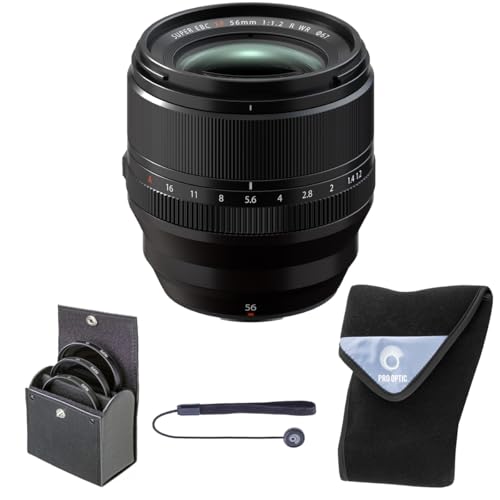
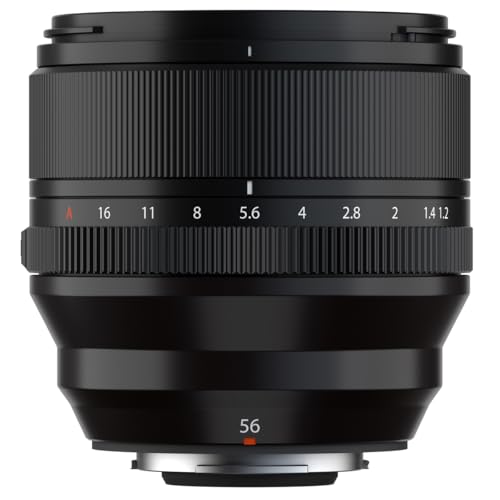
Compared to the original XF 56mm f/1.2 R from 2014, the WR version adds three things that matter: weather sealing (eight points), linear motor autofocus (silent, faster), and updated coatings that handle flare from direct light sources better.
Skin tone rendering is the standout characteristic. Fuji’s Provia and Astia film simulations were tuned alongside this lens — they produce flattering color out of camera with minimal post-processing. For wedding and event photographers shooting JPEG-first, this is a workflow advantage that competing systems simply don’t offer.
The Budget Pick — Viltrox AF 56mm f/1.4 STM X
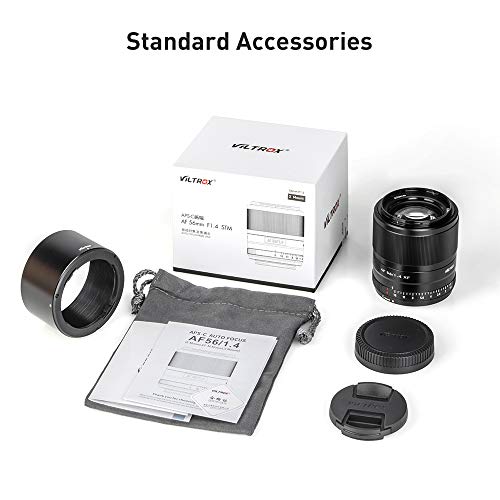
Viltrox AF 56mm f/1.4 STM
New Fuji portrait shooters who want 90% of the XF 56mm f/1.2 rendering at 20% of the price
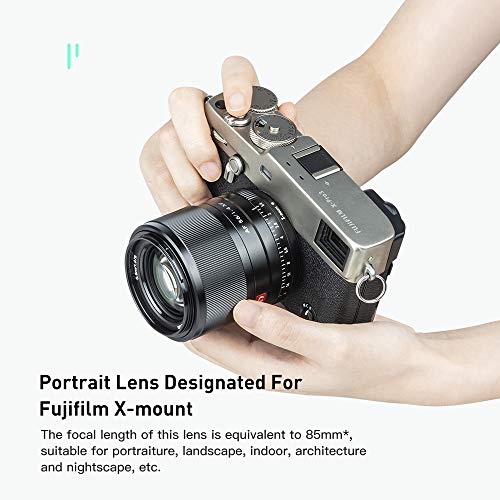
- 85mm equivalent at f/1.4 — same focal length intent as the Fujinon
- $239 — the cheapest serious portrait lens in the X mount
- STM autofocus is quiet and accurate for stills (video AF is decent, not class-leading)
- Compact at 290g — significantly lighter than the f/1.2
- More than 330 verified Amazon reviews at 4.6 stars — long-tested community favorite
- No weather sealing — keep it indoors or covered in rain
- Wide-open softness more visible than on the Fujinon f/1.2 (especially at infinity)
- Aperture ring lacks the dampened click feel of native Fujinon glass
Where most Fuji X portrait shooters start. At $239 versus $1,200, the Viltrox 56mm f/1.4 STM delivers the same focal length intent and 80–90% of the rendering quality. The autofocus is slower than the Fujinon WR and there is no weather sealing, but for indoor portraits and learning-the-system buyers, this lens is hard to argue with.
The Viltrox 56mm f/1.4 has been the gateway portrait lens for the X system since 2020. The third-generation STM model improved autofocus speed and accuracy over the original DC motor version — it is fast enough now for adult portrait work and most environmental sessions.


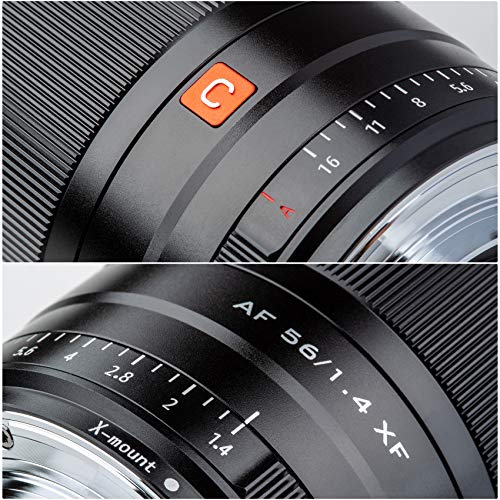
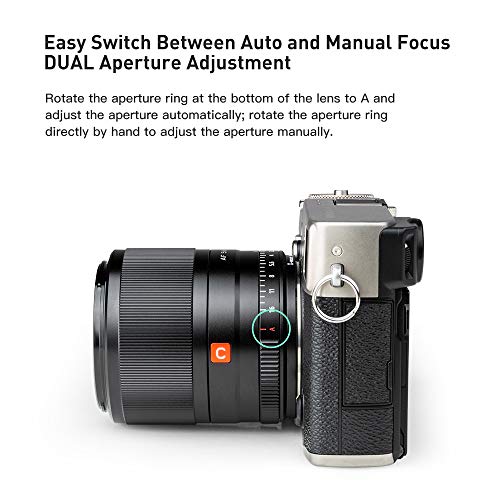
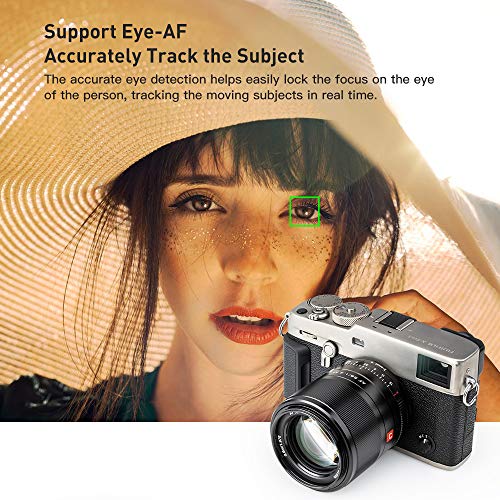
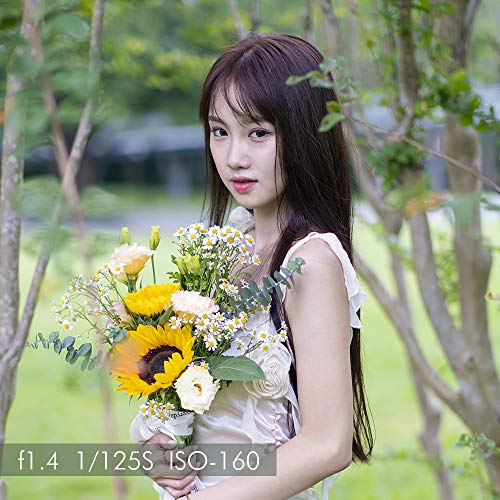
Optically, the lens is sharp by f/2 and renders bokeh in a similar style to the older Fujinon 56mm f/1.2 R (the 2014 version) — not the newer WR’s smoother transitions, but pleasing enough that prints up to 16×24 inches show no obvious deficit.
Landscape & Architecture
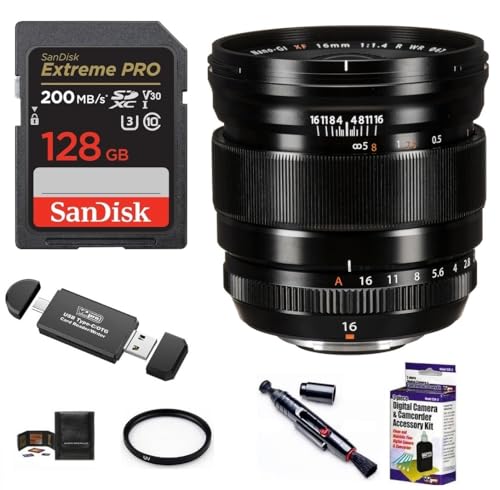
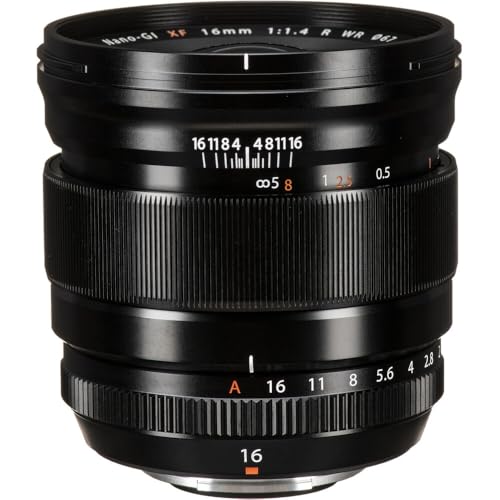
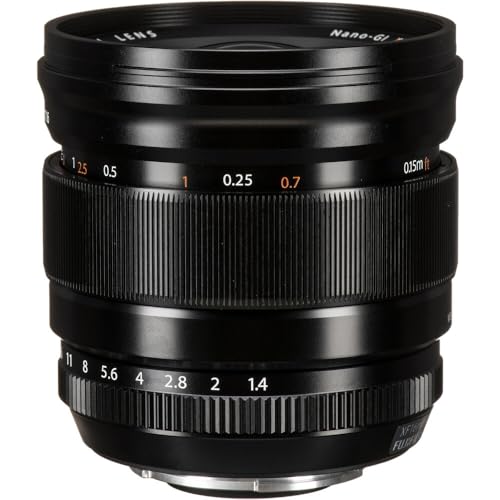
Wide-angle is where Fuji’s APS-C sensor format works in the shooter’s favor — the smaller sensor means lighter, smaller wide-angle lenses without sacrificing depth-of-field. The XF 16mm f/1.4 R WR is fast enough for astrophotography and wide enough for tight interior shots.
Fujifilm XF 16mm f/1.4 R WR
Landscape, architecture, and astrophotography shooters who want the wide-angle lens that does it all
- 24mm full-frame equivalent — the standard wide for landscape and architecture
- f/1.4 maximum aperture makes it viable for handheld astrophotography
- Weather sealed with a chunky metal barrel that survives mountain trips
- Minimum focus distance of 15cm enables wide-angle close-ups
- Distortion is well-controlled for a fast 24mm equivalent — no need for heavy in-camera correction
- Released in 2015 — autofocus uses an older DC motor, not the newer linear motor
- Edge sharpness at f/1.4 is softer than at f/2.8 (a non-issue for astro work)
- 375g + chunky filter thread (67mm) makes it the largest Fuji prime in this guide
The XF 16mm f/1.4 R WR is the wide-angle lens that justifies the Fuji X system for landscape shooters. At 24mm equivalent, it covers the focal length most landscape photographers use 60% of the time, and the f/1.4 aperture opens up handheld astrophotography in a way few competing wide primes do.
The 24mm-equivalent focal length is the workhorse of landscape photography — wide enough for grand sweeping vistas but not so wide that it distorts foreground elements unnaturally. The f/1.4 aperture means usable handheld shutter speeds at twilight, and at 15-second exposures it captures Milky Way detail without resorting to a star tracker.

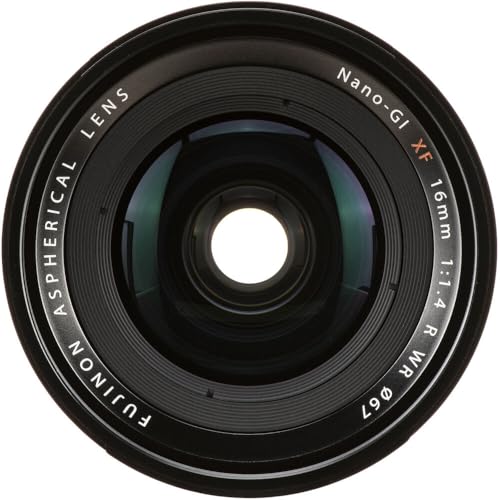
Weather sealing has been tested extensively in the Fuji community — this lens survives more abuse than its 2015 release date would suggest. The all-metal construction adds weight (375g) but adds confidence on long hikes.
Edge-to-edge sharpness improves dramatically by f/2.8 and is excellent by f/5.6. For dedicated landscape work where everything is shot stopped down, this lens delivers detail that rivals Fuji’s GFX medium format wide-angle options.
The Zoom Alternative — Tamron 11-20mm f/2.8 Di III-A RXD X
Tamron 11-20mm f/2.8 Di III-A RXD
Landscape and travel shooters who prefer a wide-angle zoom over a single focal length
- 16-30mm equivalent range — wider than the Fujinon 16mm prime and more flexible
- Constant f/2.8 aperture across the entire zoom range
- Internal zoom mechanism — total length never changes (better for video)
- Moisture-resistant construction at a price well below the Fujinon equivalent zoom
- Compact at 335g — lighter than carrying multiple wide primes
- f/2.8 not f/1.4 — less suited to handheld astrophotography
- Some softness at 11mm wide open at the extreme corners
- No image stabilization (relies on body IBIS in X-T5, X-H2 series)
For landscape shooters who prefer zoom flexibility over absolute wide-aperture performance, the Tamron 11-20mm f/2.8 RXD is the answer. The 16-30mm equivalent range covers the wide-angle work most shooters do day-to-day, and the constant f/2.8 aperture is fast enough for any landscape situation that doesn’t require stars.
The 11-20mm range translates to 16.5-30mm equivalent on APS-C — exactly the zoom range most landscape and travel photographers find useful. Going from a tight architectural detail at 30mm to an expansive vista at 16.5mm without swapping lenses is a workflow advantage that no prime can match.
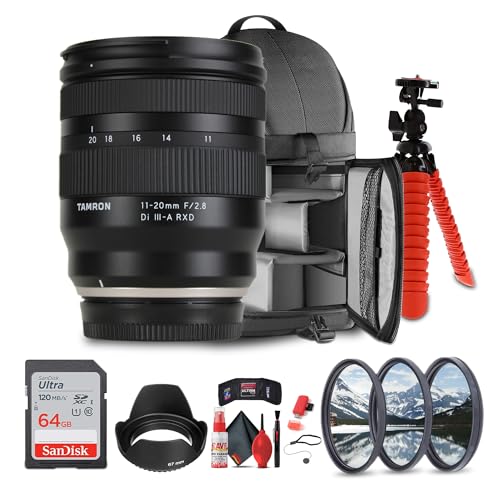
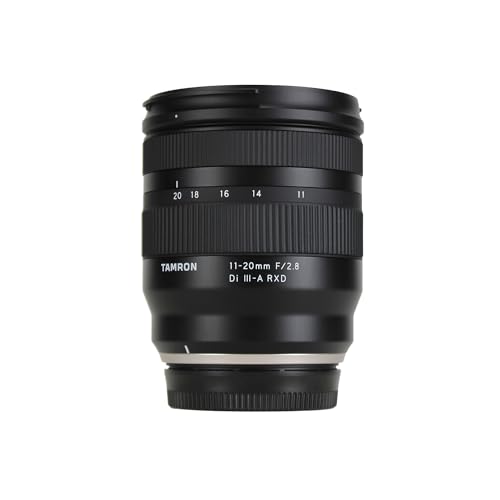
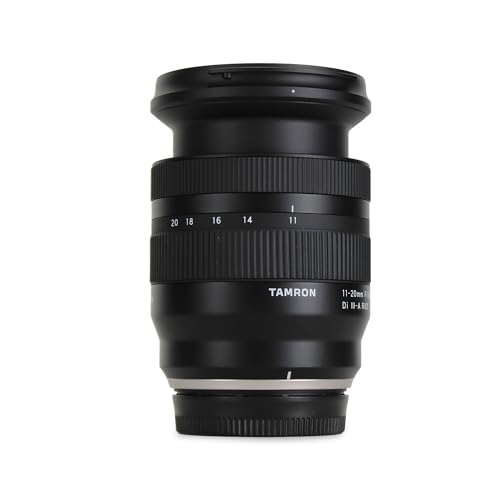
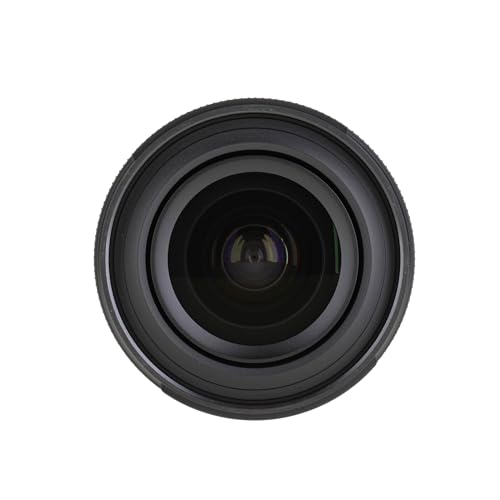
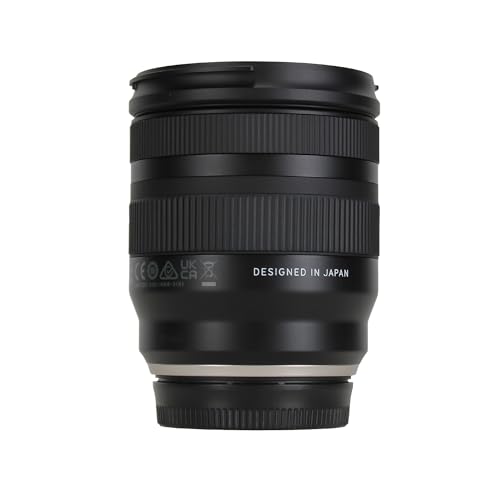
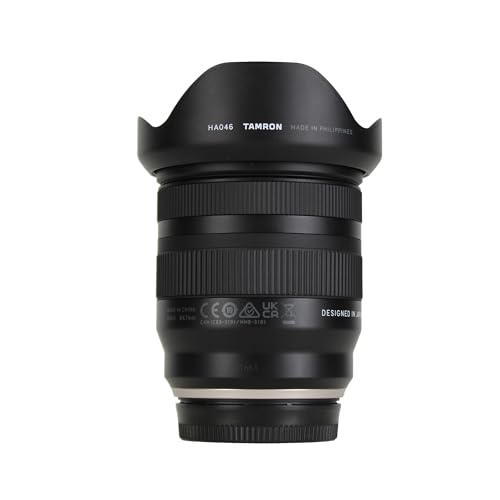
Internal zoom design means the lens doesn’t change length when zooming — important for gimbal use, weather sealing performance, and balance. The RXD stepping motor is silent and fast enough for video pulls.
Travel & Do-It-All
The XF 16-55mm f/2.8 R LM WR II — released in 2024 — is what made this focal length range viable for travel. The original version (2015) was a beautiful lens but punishingly heavy at 655g. The Mark II drops 240g while keeping the same optical formula and adding internal zoom.
Fujifilm XF 16-55mm f/2.8 R LM WR II
Travel, wedding, and event photographers who want one lens that handles 90% of shooting scenarios
- 24-83mm full-frame equivalent — covers wide-angle, normal, and short-telephoto
- Constant f/2.8 aperture across the entire zoom range
- 240g lighter than the original (now 410g) — finally viable for all-day travel use
- Internal zoom design — total length never changes, better for video and weather sealing
- Linear motor autofocus is silent and quick on X-T5, X-H2, and X-S20 bodies
- $1,400 is expensive — almost as much as a used X-T5 body
- Bokeh is less creamy than equivalent prime lenses at f/2.8
- Still heavier than the kit XC 15-45mm, but a different class of lens entirely
The XF 16-55mm f/2.8 R LM WR II is the lens that turns a Fuji X-T5 into a one-lens travel kit. At f/2.8 across the full zoom range, it handles low-light interior shots, wedding ceremony scenes, and outdoor portraits — all the situations where a kit lens runs out of light. The Mark II’s weight reduction is what makes it practical for non-professionals.
The 16-55mm range — 24-83mm full-frame equivalent — covers every focal length most travel photographers actually use. Wide enough for grand scenes, normal for street and portrait at 35mm, and reaching short-telephoto compression for headshots at 55mm.

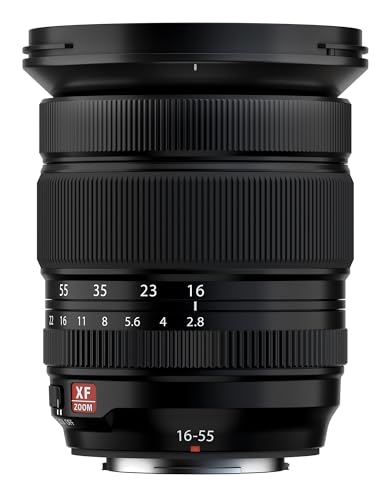
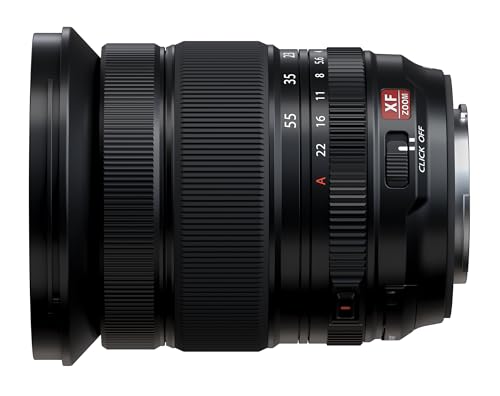
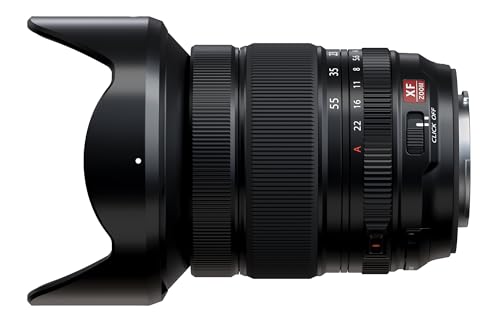
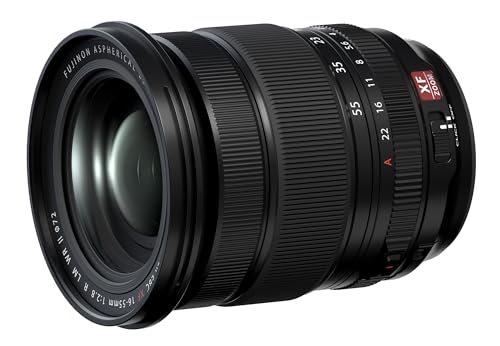
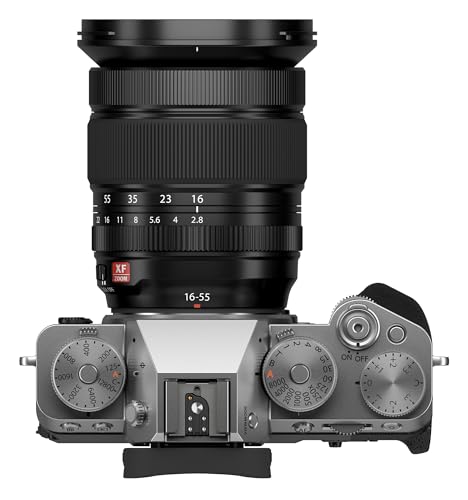
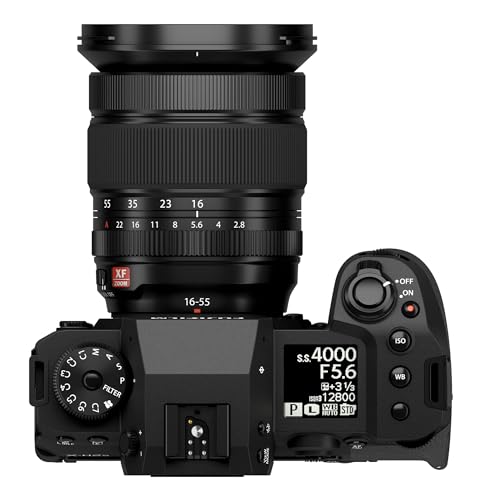
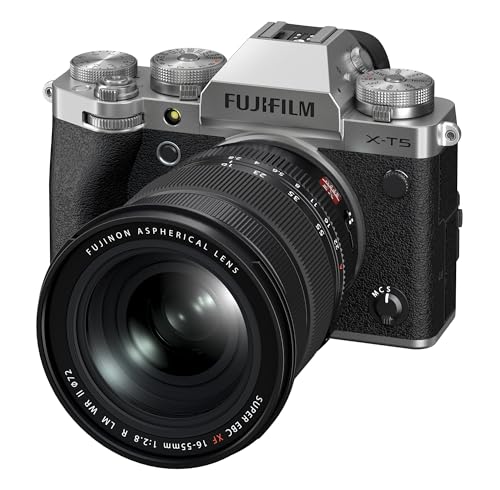
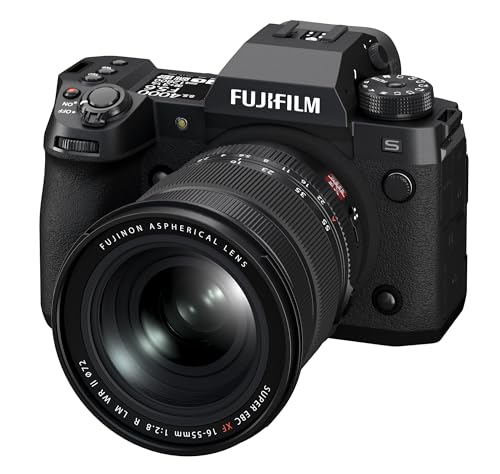
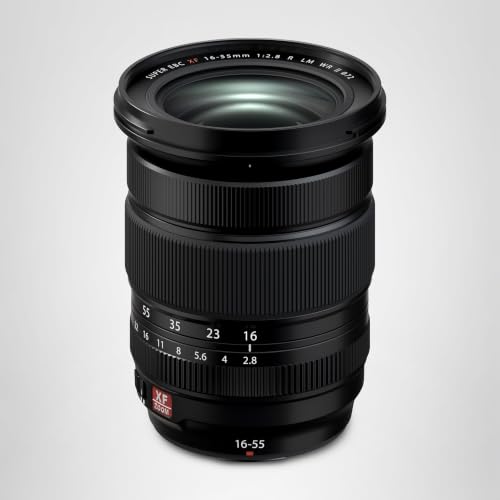
The weight reduction in the Mark II is the headline feature. The original 2015 version, at 655g, was a beautiful lens optically but punishingly heavy for an APS-C system marketed on portability. The 2024 redesign drops 240g while keeping the same optical formula — Fuji achieved this through a redesigned barrel construction and a new internal zoom mechanism.
The constant f/2.8 aperture means consistent depth-of-field control across the zoom range — a 35mm street shot and a 55mm portrait both render with the same subject isolation. This is a workflow advantage that variable-aperture kit lenses can’t match.
The Budget Pick — Tamron 17-70mm f/2.8 Di III-A VC RXD X
Tamron 17-70mm f/2.8 Di III-A VC RXD
Budget-conscious travel shooters who want one zoom that goes wide and reaches further than the Fujinon 16-55
- 26-105mm equivalent — more telephoto reach than the Fujinon 16-55 (which tops out at 83mm)
- $699 versus $1,400 for the Fujinon — half the price for similar low-light performance
- Built-in VC (Vibration Compensation) image stabilization — useful on Fuji bodies without IBIS
- RXD stepping motor is silent and fast enough for video work
- Weather sealed with a tropicalized construction suitable for outdoor use
- Slightly less wide than the Fujinon 16-55 (17mm vs 16mm) — matters for tight architecture
- Heavier at 525g than the new Fujinon 16-55 II (410g)
- Bokeh transitions are noticeably less smooth than the Fujinon
The Tamron 17-70mm f/2.8 VC RXD is the cheapest serious travel zoom for Fuji X. The 26-105mm equivalent range goes further than the Fujinon 16-55 II for portrait and event work, and the built-in stabilization adds shutter-speed flexibility on older Fuji bodies without IBIS. Save the $700 for an additional prime.
The 17-70mm range — 26-105mm equivalent — covers everything from wide-environment portraits to short-telephoto compression headshots. The extra reach over the Fujinon 16-55 (which tops out at 83mm equivalent) makes a meaningful difference at weddings, where 100mm portraits separate subjects more naturally than 83mm.

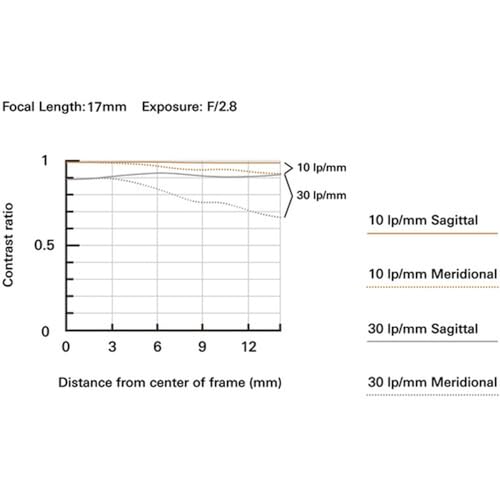
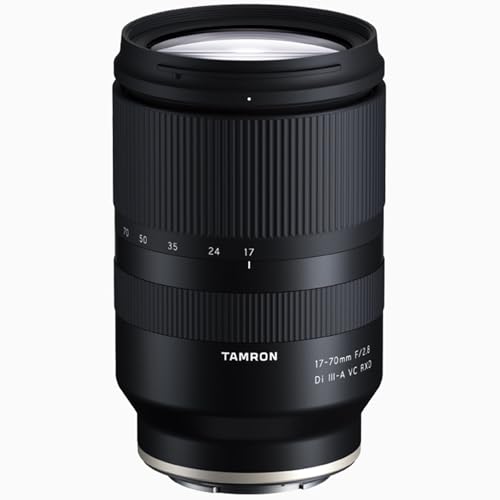
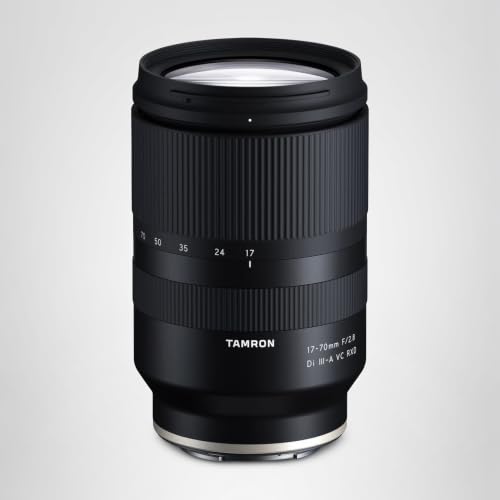
Built-in VC stabilization is the standout feature for shooters on older Fuji bodies like the X-T30 or X-T200 without IBIS. Even on bodies with stabilization (X-T5, X-H2), the dual-system (lens + body) provides additional steadiness for handheld video.
Macro
The XF 80mm f/2.8 R LM OIS WR Macro is the only modern autofocus macro lens in the Fuji X system. At 120mm equivalent, it provides comfortable working distance for product, food, and nature work — and the 1:1 reproduction ratio is true life-size capture.
Fujifilm XF 80mm f/2.8 R LM OIS WR Macro
Macro shooters — product, food, nature, insect — who need true 1:1 reproduction with autofocus
- 120mm full-frame equivalent — comfortable working distance for shy subjects (insects, food prep)
- 1:1 true life-size reproduction ratio
- Optical Image Stabilization adds 5 stops — viable for handheld macro work
- Weather sealed for outdoor nature photography
- Linear motor autofocus is silent and accurate for non-macro distances (doubles as portrait lens)
- $1,400 — the price of a complete used X-T30 II kit
- Heavy at 750g — front-heavy on small X-mount bodies
- f/2.8 is the maximum aperture (typical for macro) — not a low-light specialist outside macro range
The XF 80mm f/2.8 Macro is the only macro lens worth buying in the Fuji X system — and fortunately it’s excellent. The 120mm equivalent focal length provides comfortable working distance for shy subjects, OIS makes handheld macro possible, and the lens doubles as a competent portrait option at non-macro distances.
The 80mm focal length on APS-C translates to 120mm full-frame equivalent — a comfortable working distance for product photography (you don’t need to be inches from a watch face) and nature work (insects don’t fly away as you approach).

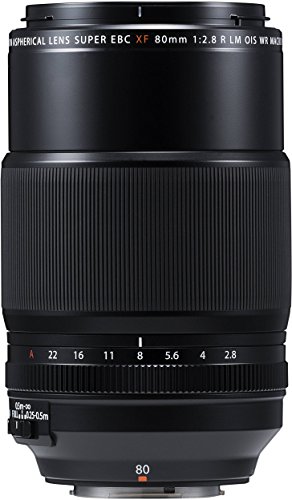
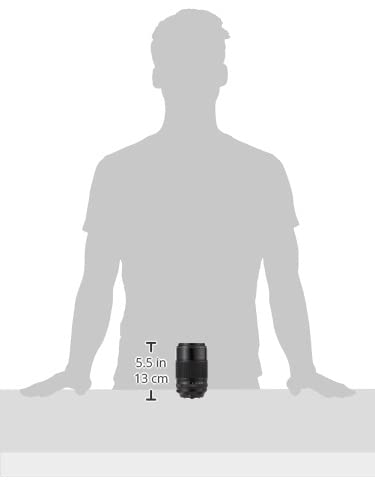
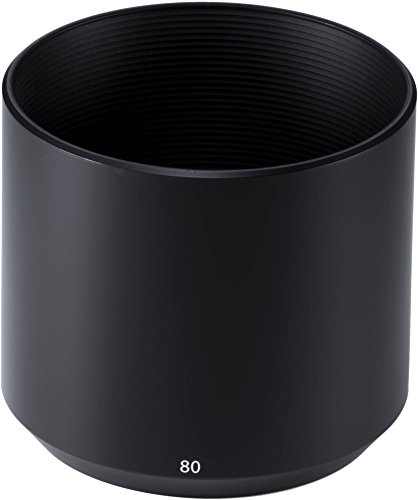
True 1:1 reproduction means subjects are captured at life-size on the sensor — a coin fills the frame as a coin. Many lenses marketed as macro stop at 1:2 (half life-size); this one goes the full distance.
The OIS system is rated for 5 stops of stabilization, which makes handheld macro photography feasible — a 1/60s shutter speed at 120mm equivalent (normally borderline) becomes solidly handholdable. Combined with the X-T5’s IBIS, the practical limit drops to about 1/15s for static subjects.
Telephoto, Wildlife & Sports
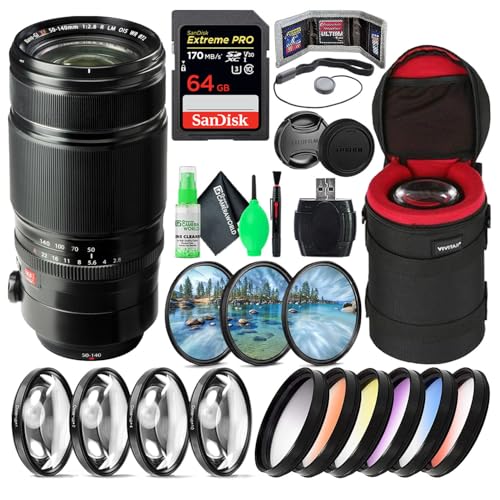
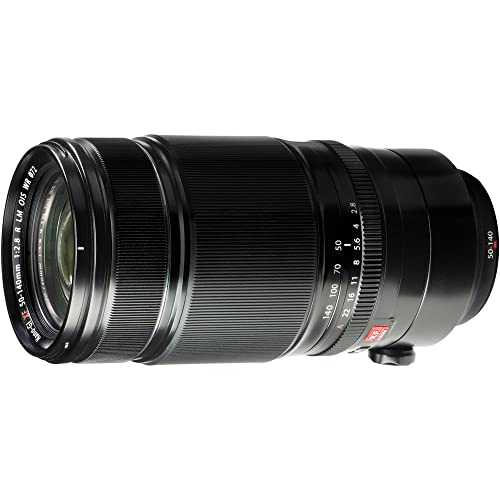
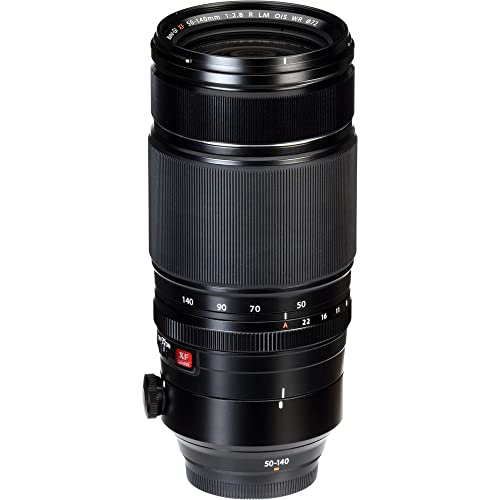
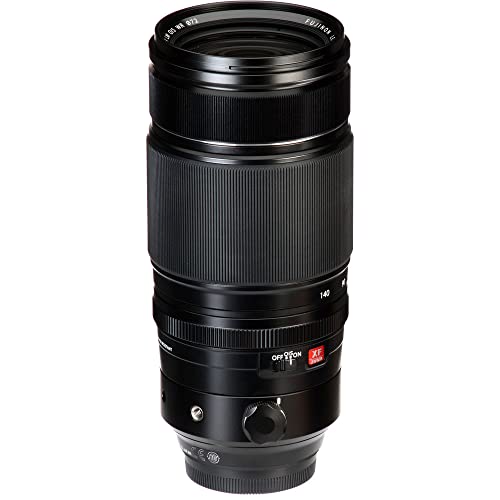
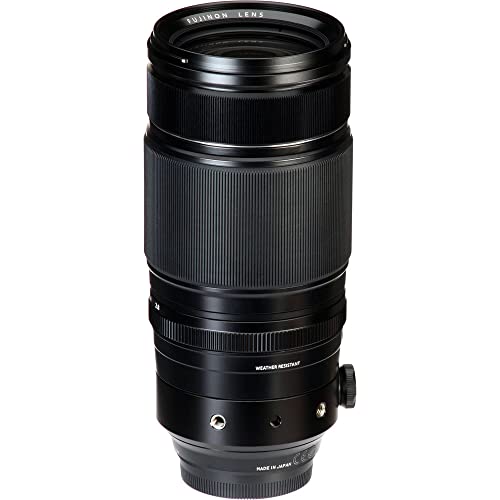
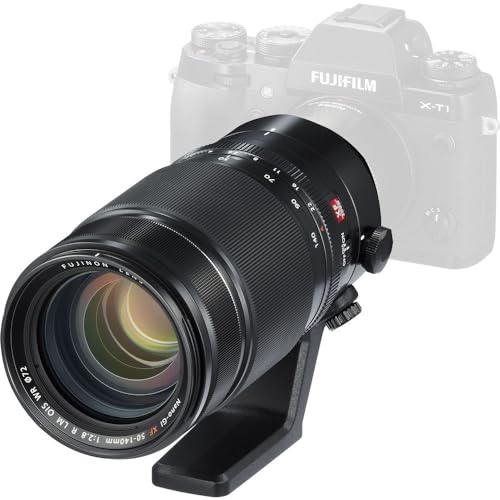
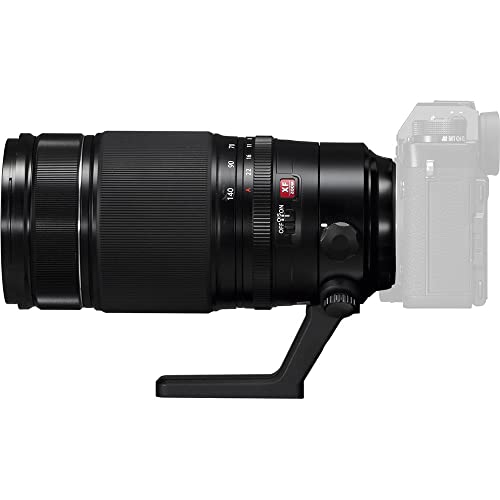
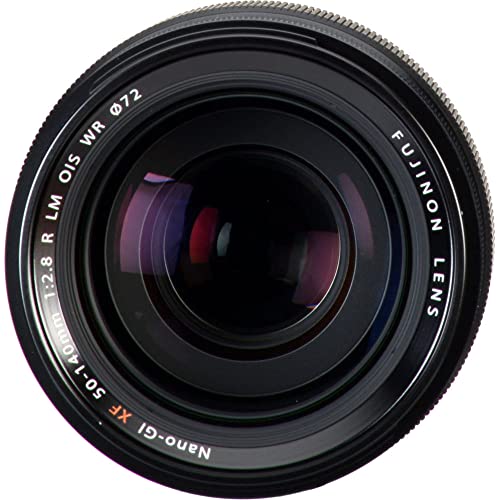
The XF 50-140mm f/2.8 R LM OIS WR is the professional telephoto in the Fuji X system. At 75-210mm equivalent with a constant f/2.8 and built-in OIS, it covers sports, events, and the majority of wildlife work that doesn’t require a 600mm reach.
Fujifilm XF 50-140mm f/2.8 R LM OIS WR
Sports, wedding, event, and wildlife photographers who need constant f/2.8 telephoto with image stabilization
- 75-210mm full-frame equivalent — covers virtually all sports and event needs
- Constant f/2.8 aperture across the entire zoom range
- 5-stop OIS with a dedicated stabilization gyro
- Linear motor autofocus is fast enough for action and sports tracking
- Weather sealed with magnesium alloy construction — the workhorse of professional Fuji shooters
- Heavy at 995g — the heaviest lens in this guide by a margin
- Released in 2014 — the optical formula is older, though still competitive
- $1,810 — represents a significant investment relative to the camera body
The XF 50-140mm f/2.8 R LM OIS WR has been the professional Fuji telephoto since 2014, and despite its age, the 75-210mm equivalent range with constant f/2.8 and OIS remains the standard. Wedding photographers cover ceremony from the rear with this lens, sports shooters use it courtside, and wildlife photographers use it for the 80% of shots that don’t need a 600mm super-telephoto.
The 75-210mm equivalent range covers the bread-and-butter telephoto needs of professional shooters — wedding ceremony coverage, sports sideline work, event candids, and head-and-shoulders portraits with strong compression.
Constant f/2.8 is critical for fast-action work — it means the autofocus system has enough light to track moving subjects reliably even in dim arenas or evening receptions. The lens’s linear motor system was a generation ahead of competitors at its 2014 release and remains competitive today.
OIS is rated at 5 stops with a dedicated stabilization gyro — separate from the body IBIS, the two systems work in concert on X-T5 and X-H2 bodies. Handheld at 140mm (210mm equivalent), the lens stays steady at 1/30s for static subjects.
Video & Hybrid
For video-first Fuji shooters, the Sigma 16mm f/1.4 DC DN Contemporary X is the wide-angle prime that delivers cinematic shallow depth-of-field at a price point that allows building a multi-lens video kit. At 24mm equivalent, it sits in the sweet spot for run-and-gun work.
Sigma 16mm f/1.4 DC DN Contemporary
Video shooters and hybrid creators who want fast wide-angle at half the price of the Fujinon equivalent
- 24mm full-frame equivalent at f/1.4 — wide enough for run-and-gun video, fast enough for low light
- $389 — about a third the price of the Fujinon XF 16mm f/1.4 R WR
- Stepping motor autofocus is silent and smooth — well-suited to video pulls
- Compact and lightweight at 405g
- Sharp wide open at f/1.4 across most of the frame
- No weather sealing — keep dust and rain away
- Maximum focus breathing is more visible than Fujinon equivalents (matters for video pulls)
- Aperture ring is not as dampened as native Fujinon aperture rings
The Sigma 16mm f/1.4 DC DN delivers the same focal length and aperture as the Fujinon XF 16mm f/1.4 R WR at roughly a third the price. For video shooters where weather sealing is less critical and aperture ring feel matters less than build-cost, this lens is the highest value-per-dollar wide prime in the X system.
The 24mm-equivalent focal length is the standard wide for video work — wide enough for run-and-gun handheld coverage without going into fisheye territory, narrow enough that subjects don’t distort unnaturally when close to the lens.


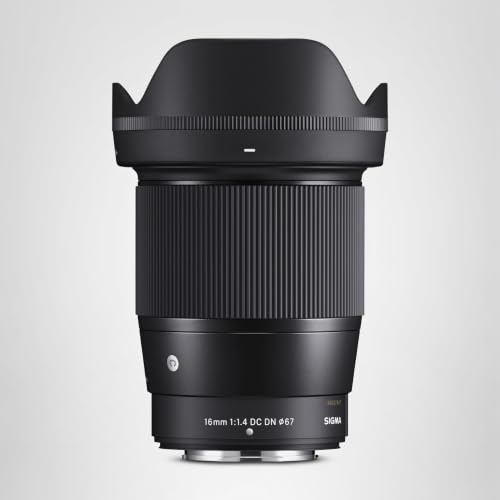
Sigma’s stepping motor autofocus is well-tuned for video — smooth, silent, with consistent focus speed across the focus range. This matters when pulling focus during a take; jumpy autofocus is the curse of cheap third-party glass, and Sigma’s Contemporary line solves it.
The Three Lenses to Buy First (For Any X-T5 or X-S20)
For new owners of an X-T5, X-S20, or X-H2, the question is rarely “which 10 lenses do I need?” It’s “which three should I buy now?” The answer is straightforward and applies to most shooter profiles.
1. Fujifilm XF 23mm f/1.4 R LM WR — the everyday lens. 35mm equivalent. Lives on the camera for street, documentary, indoor, and walkaround work.
2. Fujifilm XF 56mm f/1.2 R WR — the portrait lens. 85mm equivalent. Comes out for portraits, headshots, telephoto compression on subjects, and any time the 23mm feels too wide.
3. Fujifilm XF 16-55mm f/2.8 R LM WR II — the do-it-all zoom. 24-83mm equivalent. The travel and event lens; the lens that goes when only one lens can go.
Total investment: about $3,650. That covers the lenses every Fuji X shooter regularly returns to, regardless of genre or experience level. Add specialty lenses (macro, telephoto, fisheye) only after this trio is in the bag.
Working on a tighter budget? Substitute the Viltrox 56mm f/1.4 STM for the XF 56mm f/1.2 R WR ($239 vs $1,200) and the Tamron 17-70mm f/2.8 for the XF 16-55 ($699 vs $1,400). The total drops from $3,650 to about $1,990 — a budget starter kit that covers all three core scenarios.

Frequently Asked Questions
Should I buy Fujinon native lenses or third-party (Viltrox, Sigma, Tamron)?
Native Fujinon lenses offer better weather sealing, more refined autofocus, and a tactile aperture ring feel that matches the Fuji body design language. Third-party lenses (Viltrox, Sigma, Tamron) typically cost 30–60% less while delivering 80–95% of the optical performance. For new Fuji shooters, mixing both — Fujinon for the lenses used most (e.g. 23mm, 56mm) and third-party for less-used focal lengths (e.g. wide zoom, macro alternatives) — is the most cost-effective approach.
Do these lenses work on the Fujifilm X-T30 II and older X-T20 bodies?
Yes. Every X-mount lens is fully compatible with every Fuji APS-C X-mount body, from the X-Pro1 (2012) to the latest X-T5 and X-H2. Older bodies may not have the autofocus speed or in-body stabilization to fully exploit a lens’s capabilities, but the lens itself will mount and function. The XF 50-140mm f/2.8 R LM OIS WR, for instance, works perfectly on an X-T20 — just not as quickly as on an X-H2S.
Are these lenses also compatible with Fujifilm GFX medium format cameras?
No. The lenses in this guide are X-mount lenses designed for APS-C sensors. Fujifilm GFX medium format cameras use the GFX (G-mount) system with entirely different lenses, larger image circles, and different mount specifications. The two systems are not cross-compatible.
How does the new XF 16-55mm f/2.8 R LM WR II compare to the original 2015 version?
The Mark II keeps the same optical formula (16 elements in 12 groups) but redesigns the barrel construction to drop 240g of weight (now 410g vs 655g) and adds an internal zoom mechanism. Optically, the two are nearly identical — the Mark II’s improvements are mechanical and ergonomic. For shooters who already own the original, the upgrade is justified mainly by the weight reduction, which makes the lens viable for all-day travel use.
What about the Fujinon XF 18-55mm f/2.8-4 R LM OIS kit lens — is it worth keeping?
The 18-55mm kit lens that ships with many X-T bundle deals is a genuinely good lens — better than most kit lenses from competing brands. The constant f/2.8 is not constant (it varies from f/2.8 to f/4 across the zoom range), but the lens is sharp, has OIS, and is lightweight at 310g. For shooters not ready to commit $1,400 to the XF 16-55 II, the kit 18-55 is the right starting point.
Which Fuji X lens should astrophotographers buy first?
The Fujinon XF 16mm f/1.4 R WR is the standard choice — at 24mm equivalent with an f/1.4 aperture, it captures the Milky Way handheld at 15-second exposures with minimal noise. The Sigma 16mm f/1.4 DC DN delivers similar capability at roughly a third the price for shooters who don’t need the Fujinon’s weather sealing.
Image sources: SampleShots Fuji X-T5 photographer gallery (per-image credits below). Product images via Amazon.
Bottom Line
The Fuji X system has reached a maturity point where almost any shooter’s needs can be met with native Fujinon glass or carefully chosen third-party alternatives. The system rewards thoughtful lens selection more than brand loyalty: pair Fujinon’s standout lenses (23mm f/1.4 WR, 56mm f/1.2 WR, 16-55 II) with Viltrox or Sigma alternatives where the price gap doesn’t justify the difference in performance.
For most new Fuji shooters, the path is straightforward — start with the XF 23mm f/1.4 R LM WR (or save with the Viltrox 27mm f/1.2), add the XF 56mm f/1.2 R WR for portraits (or the $239 Viltrox 56mm f/1.4 STM), and finish with the XF 16-55mm f/2.8 II for travel and events (or substitute the Tamron 17-70 f/2.8). Specialty lenses — macro, telephoto, fisheye — come later, as actual shooting reveals which focal lengths get used and which don’t.
Manufacturer Specs
- Fujifilm USA — XF Lens Lineup – Official specifications and release-year data for all Fujinon X-mount lenses referenced in this guide.
- Viltrox — X-mount Lens Lineup – Third-party Viltrox lens specifications and firmware update history.
- Sigma Global — Contemporary X-mount Lenses – Sigma Contemporary 16mm f/1.4 DC DN and other X-mount Contemporary line specifications.
- Tamron USA — Mirrorless X-mount Lenses – Tamron 11-20mm and 17-70mm X-mount lens documentation.
Independent Optical Testing
- Lenstip — Fujinon Lens Reviews – Cross-referenced optical testing data for sharpness, distortion, and chromatic aberration claims.
- Optical Limits — X-mount Reviews – MTF chart data and corner sharpness comparisons referenced in this guide.
Image Sources
- SampleShots — Fujifilm X-T5 Photographer Gallery – Real-world X-T5 sample photos used in the editorial gallery, photographer-attributed.


Disclosure/Disclaimer: As an Amazon Associate, we earn from qualifying purchases. Certain content was provided "as is" from Amazon and is subject to change or removal at any time. Product prices and availability: Amazon prices are updated daily or are accurate as of the date/time indicated and are subject to change. Any price and availability information displayed on Amazon.com at the time of purchase will apply to the purchase of this product.