


- This guide ranks 9 macro lenses for Sony E-mount cameras, spanning full-frame and APS-C bodies, autofocus and manual-focus designs, and magnification ratios from 1:1 to 2:1.
- The Sony FE 90mm f/2.8 Macro G OSS is the top all-around pick (96/100): sharp G-series optics, built-in stabilization, and fast, accurate autofocus.
- For extreme close-ups the Laowa 90mm f/2.8 2X delivers true 2:1 magnification with apochromatic glass, while the Voigtlander 65mm APO-LANTHAR is the optical-perfection pick for manual-focus shooters.
- Budget picks like the 7artisans 60mm 2X and TTArtisan 100mm 2X bring full-frame 2:1 macro under $340, and every lens listed was verified in stock in August 2026.
A dedicated macro lens unlocks a world of detail that standard zooms simply cannot reach. Whether the goal is photographing insects, jewelry, food, or dental work, the right macro lens for a Sony E-mount camera makes all the difference between soft close-ups and tack-sharp, publication-ready results.
This guide compares 9 macro lenses for Sony E-mount cameras — covering full-frame and APS-C bodies, autofocus and manual-focus designs, and magnification ratios from 1:1 to 2:1. Every lens listed is currently in stock and shipping from Amazon, with real pricing and verified specifications.
Each pick is scored on optical quality, autofocus performance, build, and value for money. The list includes options from Sony, Sigma, Voigtlander, Laowa, TTArtisan, and 7artisans — ranging from premium G-series glass to surprisingly capable budget alternatives.
When you buy through links on our site, we may earn a commission at no cost to you. We evaluate products independently. Commissions do not affect our evaluations. As an Amazon Associate, we earn from qualifying purchases.
Best Macro Lenses for Sony E-Mount




Macro Lens Specs Comparison
| Specifications | |||||||||
|---|---|---|---|---|---|---|---|---|---|
| Magnification | 1:1 | 1:1 | 1:2 | 2:1 | 2:1 | 1:1 | 2:1 | 1:1 | 1:2 |
| Autofocus | Yes | Yes | No | No | No | Yes | No | Yes | Yes |
| Stabilization | OSS | No | No | No | No | No | No | No | VC |
| Coverage | Full Frame | Full Frame | Full Frame | Full Frame | Full Frame | Full Frame | Full Frame | APS-C | Full Frame |
| Weight | 602g | 710g | 625g | 638g | 580g | 236g | 730g | 138g | 1155g |
| Filter Size | 62mm | 62mm | 67mm | 67mm | 58mm | 55mm | 67mm | 49mm | 67mm |

Sony FE 90mm f/2.8 Macro G OSS
All-around macro photographers who want autofocus and stabilization
- Outstanding sharpness from center to corners at all apertures
- Built-in Optical SteadyShot (OSS) for handheld macro work
- Fast, accurate Direct Drive SSM autofocus
- Excellent build quality with dust and moisture resistance
- Doubles as a superb portrait lens at f/2.8
- Premium price point at around $1,048
- Slightly heavy at 602g compared to newer alternatives
- No focus limiter switch on the lens barrel
The gold standard for Sony E-mount macro photography. If the budget allows it, this is the lens to buy — it handles everything from insects to portraits with ease, and the built-in stabilization is a genuine advantage for handheld close-up work.
Ranked #1 with a score of 96/100 — The Sony FE 90mm f/2.8 Macro G OSS has been the benchmark macro lens for Sony mirrorless cameras since its release, and it continues to earn that reputation. As part of Sony’s G-series lineup, it delivers the optical quality and build that professional photographers expect.
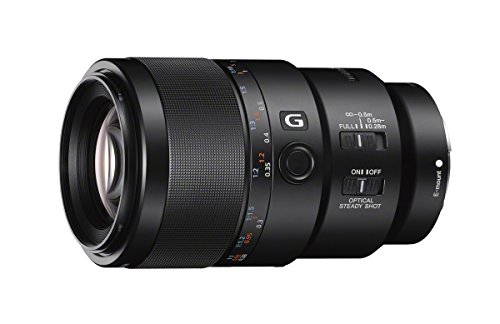

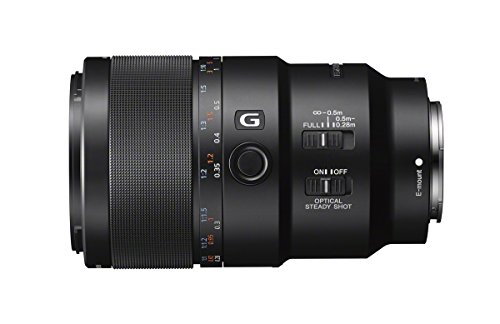
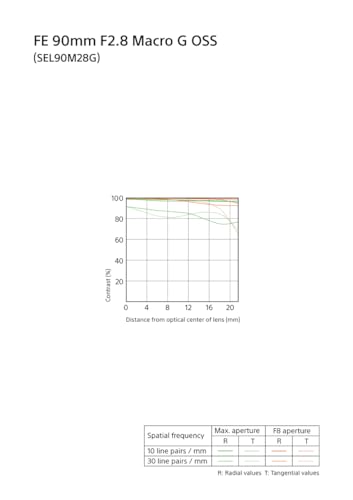
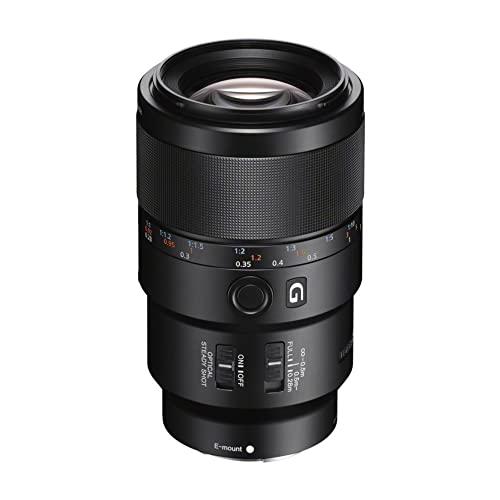
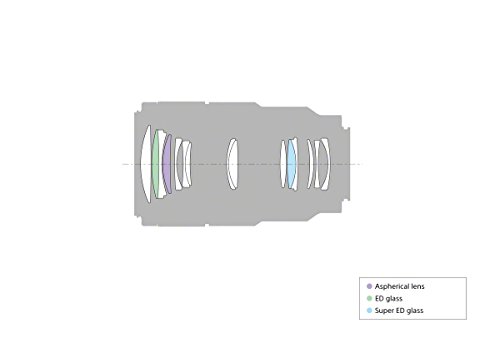
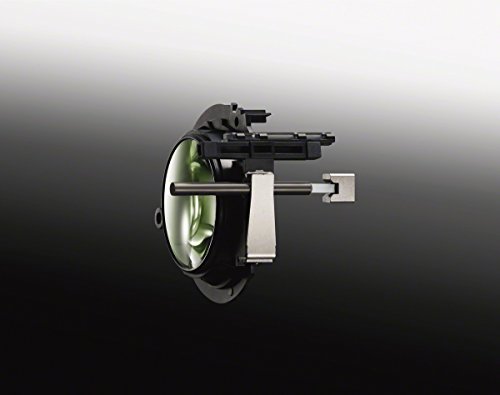
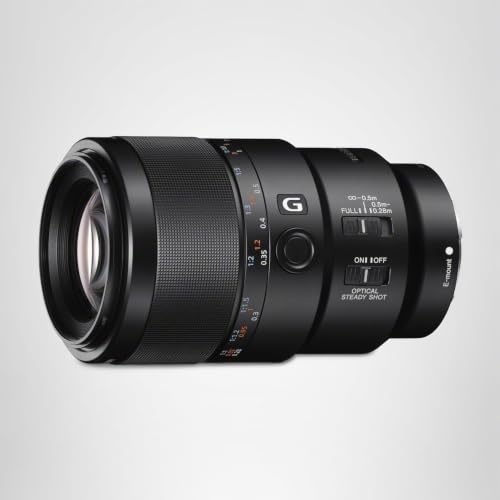
The lens achieves true 1:1 magnification with a minimum focusing distance of 28cm, providing a comfortable working distance for insect and nature photography. Its Direct Drive SSM autofocus motor is both fast and nearly silent, making it equally useful for macro photography and everyday portraiture.
The built-in Optical SteadyShot stabilization is a key differentiator. At high magnification, even slight hand movement creates significant blur, and the OSS system helps counteract this. Combined with a Sony body’s IBIS, the stabilization stack makes handheld macro shooting far more practical than with unstabilized alternatives.
Reviewers consistently praise the 90mm G OSS for its creamy bokeh and exceptional sharpness. It handles backlit subjects well, with minimal chromatic aberration even at maximum magnification. The dust and moisture-resistant construction adds confidence for field work.
Sigma 105mm f/2.8 DG DN Macro Art
Photographers wanting Art-series optics at a lower price than the Sony G
- Art-series optical quality with razor-sharp detail
- Native Sony E-mount design (not adapted)
- Excellent weathersealing for outdoor macro work
- Beautiful circular bokeh with 9-blade aperture
- More affordable than the Sony 90mm at $879
- No optical stabilization — relies entirely on body IBIS
- Heavier than most alternatives at 710g
- AF can hunt in very low contrast macro scenarios
The best value proposition in full-frame macro lenses for Sony. Optically it matches or beats the Sony 90mm in sheer resolution, and the $170 savings is meaningful. The only real trade-off is the lack of in-lens stabilization.
Ranked #2 with a score of 95/100 — The Sigma 105mm f/2.8 DG DN Macro Art is a purpose-built Sony E-mount lens — not a retrofit of an older SLR design. This matters because the optical formula is optimized for the short flange distance of mirrorless cameras.


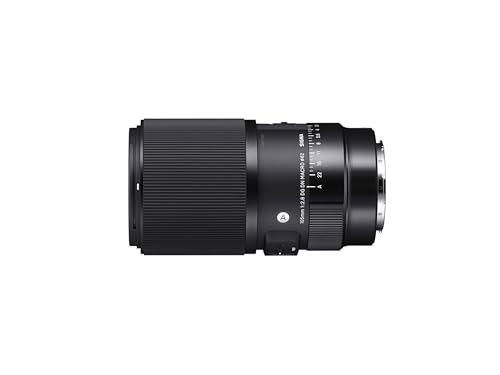


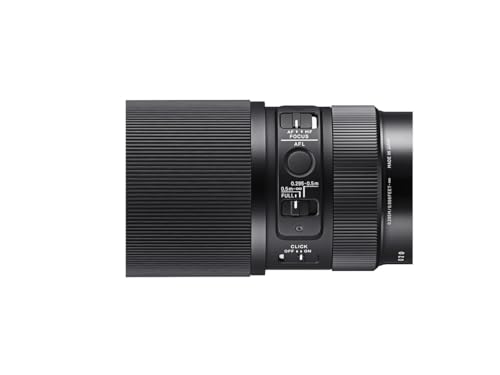
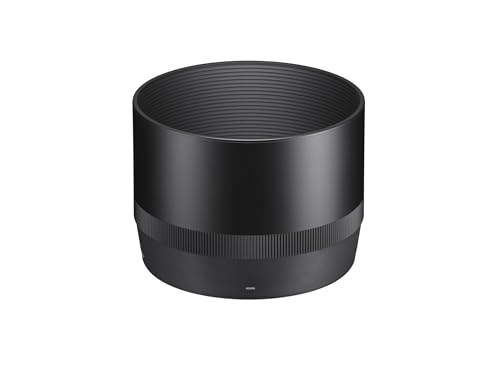
Sharpness is the headline story. In controlled testing by independent reviewers, the Sigma 105mm Art resolves more detail at the center than almost any other macro lens on the market. It maintains excellent edge sharpness too, which matters for flat-lay product photography where corners need to be as crisp as the center.
The 105mm focal length provides slightly more working distance than the Sony 90mm — roughly 3cm extra at maximum magnification. That small difference adds up when photographing skittish subjects. The lens also features a focus limiter switch and an AFL button, giving photographers more hands-on control during critical focus work.
The main downside is the absence of optical stabilization. On newer Sony bodies with advanced IBIS (like the A7R V or A7 IV), this is manageable. On older bodies or the A7C, handheld macro work becomes noticeably harder without the extra stabilization. For tripod-based studio macro, though, stabilization is irrelevant — and the Sigma 105mm Art becomes the clear winner on pure image quality.
Voigtlander Macro APO-LANTHAR 65mm f/2
Demanding macro shooters who prioritize optical perfection over autofocus
- Legendary APO-LANTHAR optical quality, among the sharpest macro lenses ever made
- Apochromatic design eliminates chromatic aberration completely
- Full electronic communication with Sony bodies (EXIF, focus peaking, IBIS)
- Beautiful bokeh with a versatile 65mm short-normal field of view beyond macro use
- Premium all-metal build with smooth, precise manual focus ring
- Manual focus only, no autofocus motor
- Only 1:2 magnification (half life-size), not true 1:1
- Premium price at $849 for a manual-focus lens
The optical benchmark. The APO-LANTHAR 65mm delivers resolution that rivals medium format lenses, with zero chromatic aberration thanks to its apochromatic design. The 1:2 magnification limits extreme close-up work, but for product photography, botanical macro, and portraits, nothing else in this price range comes close to its rendering quality.
Ranked #3 with a score of 93/100. The Voigtlander Macro APO-LANTHAR 65mm f/2 is a lens that exists in a class of its own. Designed by Cosina in Japan, the APO-LANTHAR line represents the pinnacle of Voigtlander’s optical engineering, and this 65mm macro variant is arguably the crown jewel.

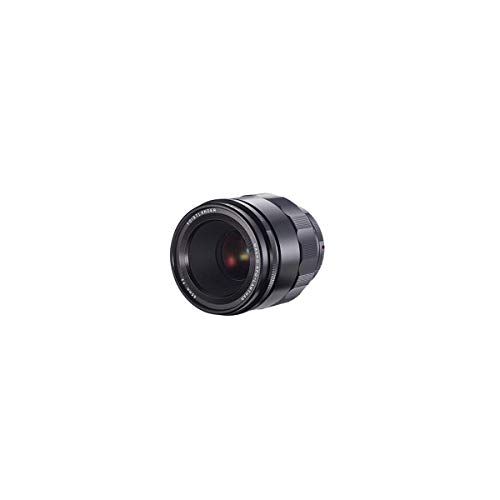
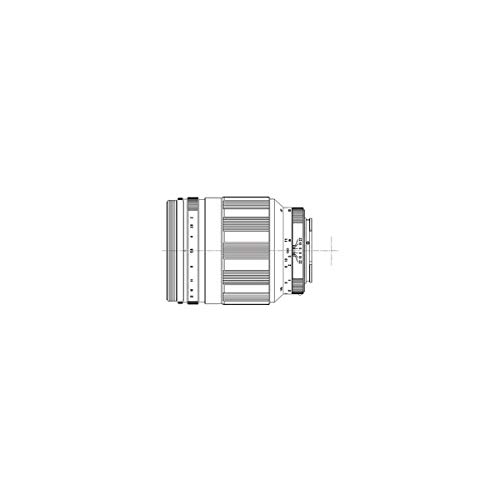
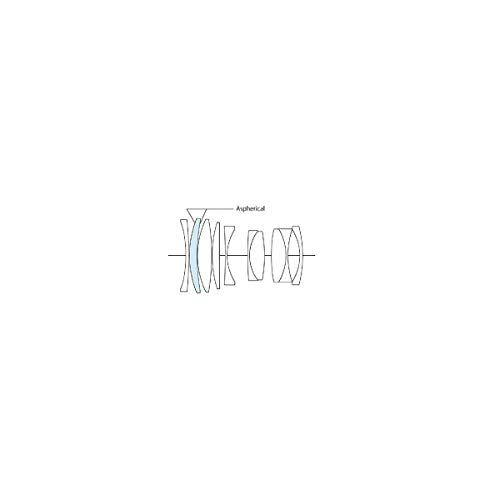
The apochromatic optical design corrects chromatic aberration so thoroughly that color fringing is essentially nonexistent, even on the highest resolution Sony sensors like the A7R V. Independent reviewers consistently rank it among the sharpest lenses ever tested on any mount, with resolution figures that push the limits of full-frame sensors.
At 1:2 magnification, the lens reaches half life-size, sufficient for flowers, jewelry, product photography, and larger insects, but not the extreme close-up capability of 1:1 or 2:1 lenses. What it lacks in magnification, it compensates with rendering quality: the bokeh is extraordinarily smooth, and the transition from in-focus to out-of-focus areas is seamless.
Unlike older manual lenses, the Voigtlander 65mm APO-LANTHAR features full electronic communication with Sony bodies, EXIF data is recorded, focus peaking works flawlessly, and the camera’s IBIS system stabilizes correctly. The focus ring is beautifully damped with long throw, making precise macro focusing a pleasure rather than a chore.
Laowa 90mm f/2.8 2X Ultra Macro APO
Dedicated macro specialists who need 2:1 magnification
- True 2:1 magnification — doubles the reach of standard 1:1 lenses
- Apochromatic (APO) design eliminates chromatic aberration
- Excellent sharpness throughout the entire focus range
- Solid metal build quality with smooth focus ring
- Very competitive pricing at $499 for a 2:1 macro
- Manual focus only — no autofocus at all
- No electronic communication with the camera body
- Steep learning curve for beginners at 2:1 magnification
The specialist’s choice. If the primary goal is extreme close-up photography — insects, minerals, snowflakes, circuit boards — the 2:1 magnification is transformative. The APO design keeps color fringing virtually nonexistent. Manual focus only, so a sturdy tripod and focus rail are essential tools.
Ranked #4 with a score of 91/100 — The Laowa 90mm f/2.8 2X Ultra Macro APO opens up a magnification range that no autofocus macro lens can match. At 2:1, a 10mm insect fills 20mm of the sensor — revealing compound eyes, wing veins, and surface textures in extraordinary detail.
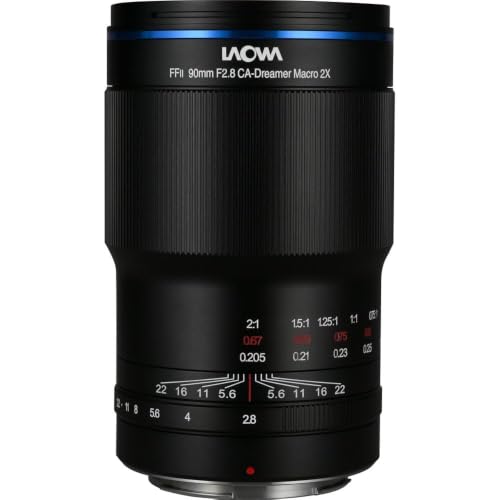
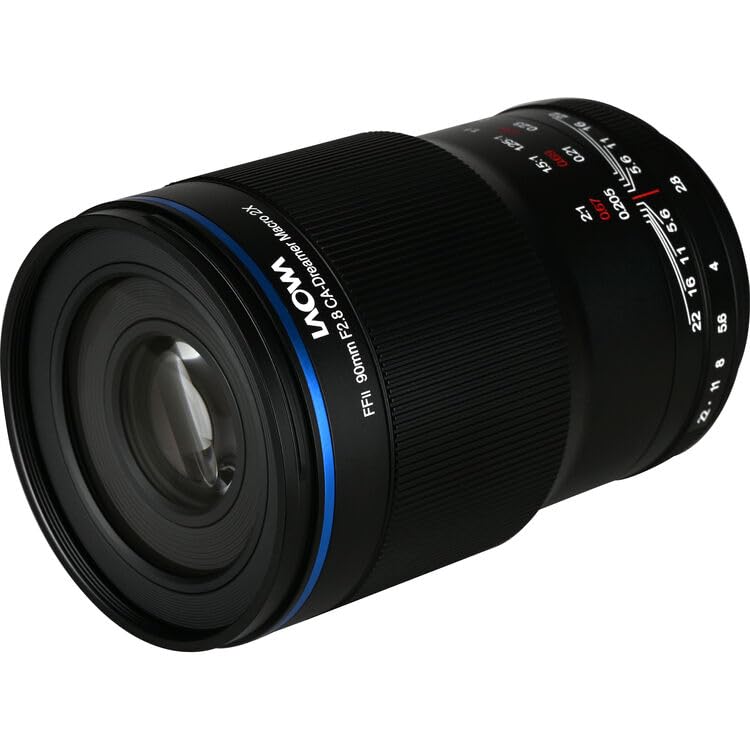
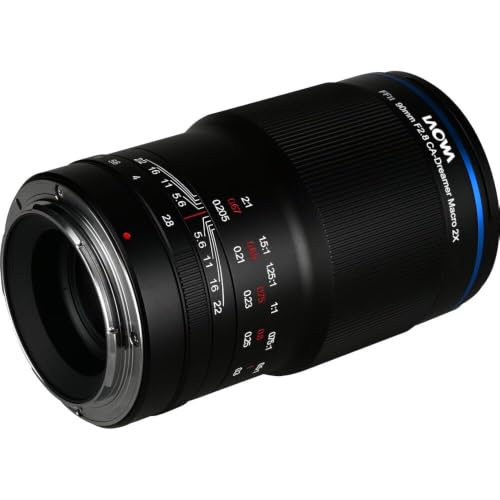
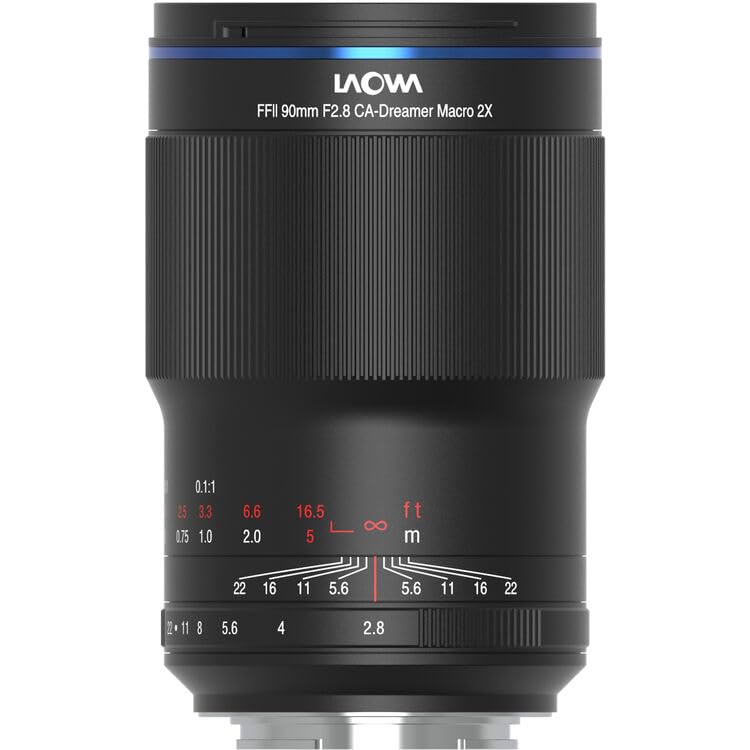
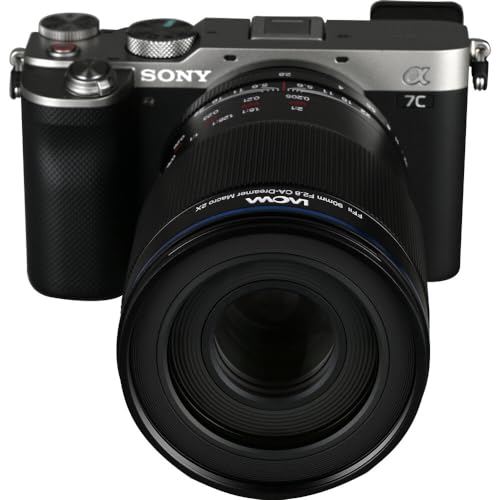
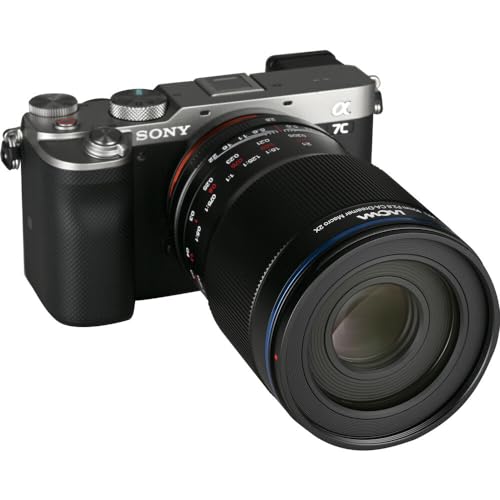
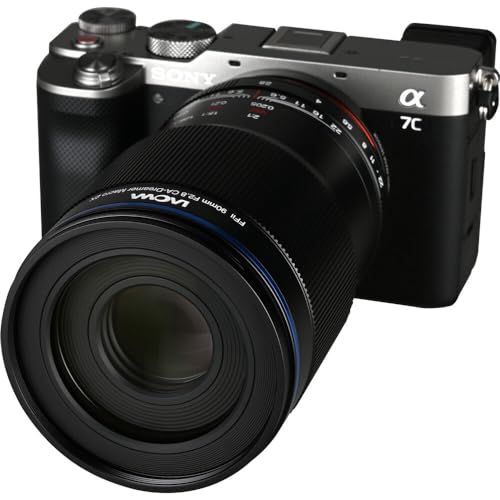
The apochromatic optical design is the technical highlight. Three extra-low dispersion elements correct chromatic aberration so effectively that color fringing is essentially invisible, even at maximum magnification against high-contrast edges. This is a significant advantage for detailed macro photography where post-processing corrections lose resolution.
Being fully manual means no autofocus and no electronic aperture control. Aperture is set via the lens ring, and EXIF data won’t record lens information. For dedicated macro photographers who work on tripods with focus stacking software, this is a minor inconvenience. For casual users wanting an all-purpose lens, it’s a dealbreaker.
At $499, the Laowa 90mm 2X costs less than most 1:1 autofocus macro lenses while delivering twice the magnification. For the target audience, it’s an exceptional value.
7artisans 60mm f/2.8 Macro 2X
Budget macro enthusiasts wanting full-frame 2:1 magnification at a low price
- Full-frame 2:1 magnification at just $285 — the cheapest 2X macro on this list
- 14-element optical design with 2 ED elements for sharp, low-fringing results
- f/2.8 aperture with 9-blade diaphragm for smooth bokeh
- Solid all-metal construction with a comfortable focus ring
- 60mm focal length keeps the package compact and lightweight
- Manual focus only with no electronic contacts
- Shorter focal length means less working distance than 90-105mm options
- Relatively new product with limited long-term reviews (4.7 stars from 7 reviews)
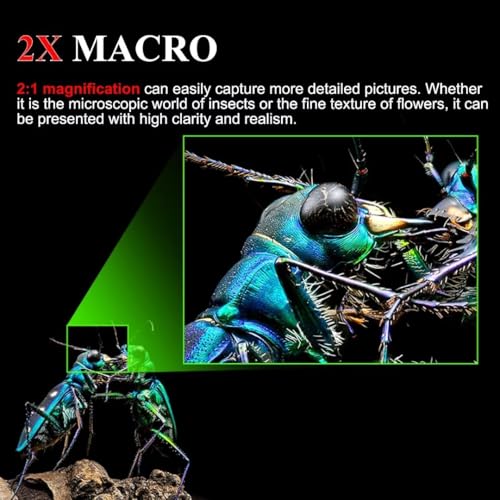
The most affordable way to enter 2:1 macro on a full-frame Sony body. The 7artisans 60mm delivers double life-size magnification with a 14-element optical design that includes ED glass for chromatic aberration control. At under $300, it costs less than some 1:1 lenses — making it an exceptional value for experimental and hobbyist macro shooters.
Ranked #5 with a score of 89/100 — The 7artisans 60mm f/2.8 Macro 2X is a full-frame manual-focus macro lens that delivers 2:1 magnification at a price that undercuts virtually every competitor. At under $300, it costs less than most 1:1 autofocus macro lenses — while offering double the magnification.

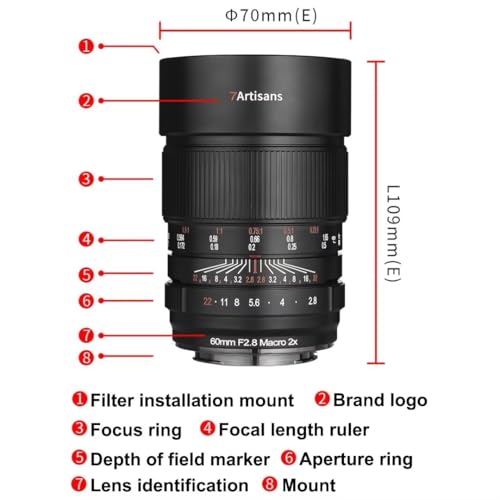
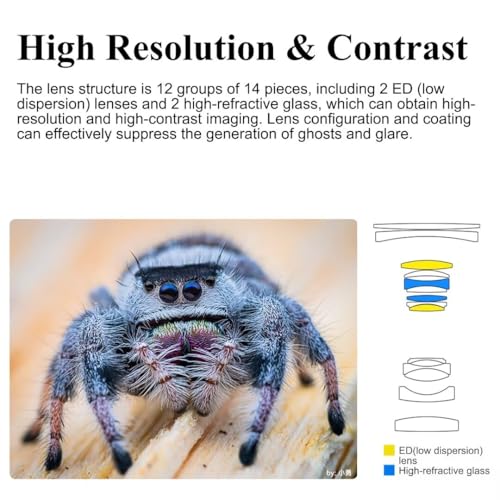
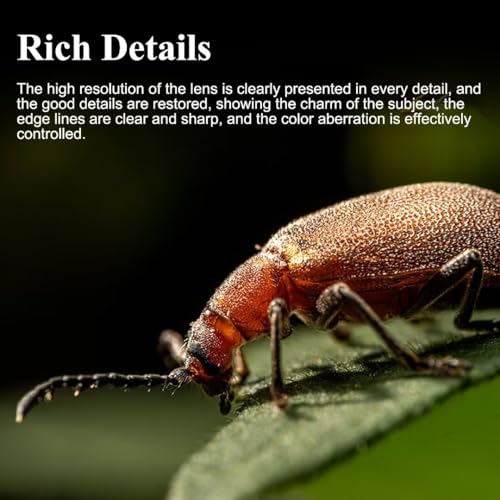
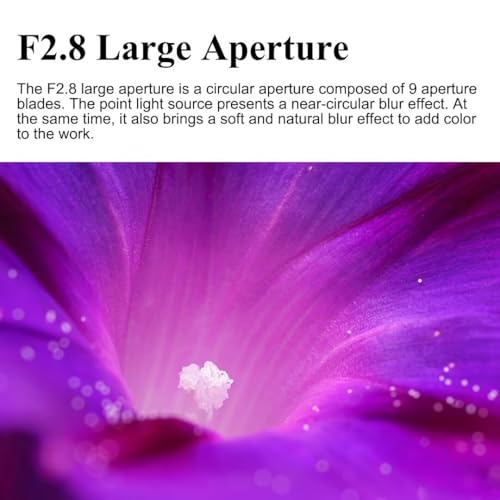
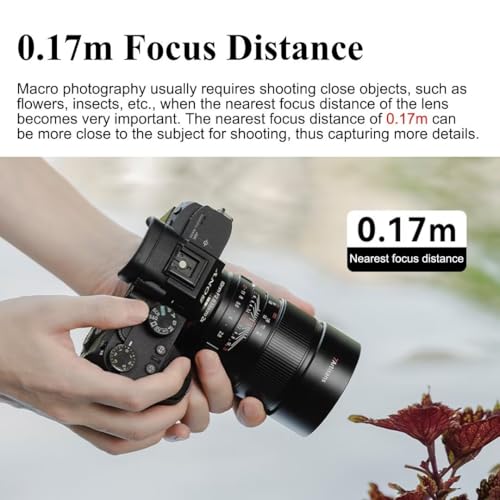
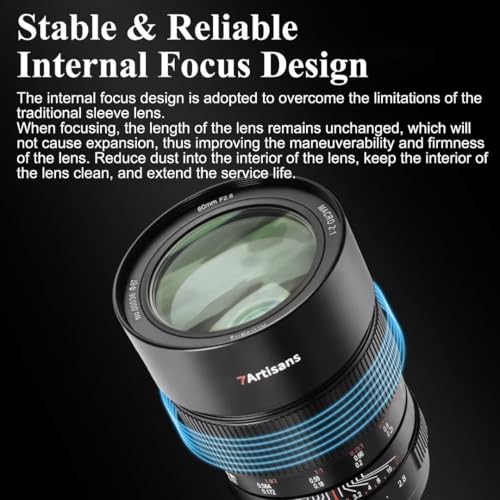
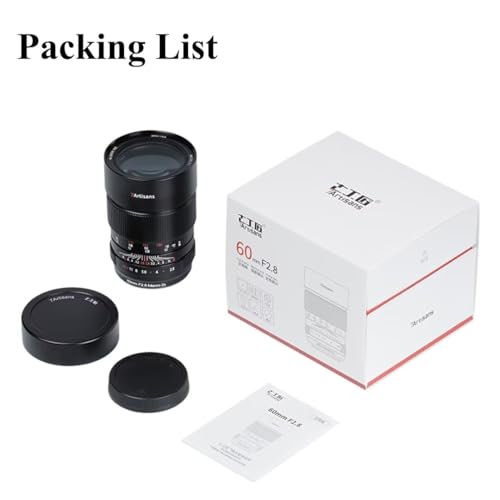
The optical formula uses 14 elements in 12 groups, including two ED (Extra-low Dispersion) elements that help control chromatic aberration — a critical factor at 2:1 magnification where any color fringing becomes highly visible. The 9-blade aperture produces pleasant circular bokeh that complements the extreme close-up perspective.
The 60mm focal length is a double-edged sword. It keeps the lens compact and lighter than 100mm alternatives, but it also means less working distance at maximum magnification. The front element gets close to the subject at 2:1, which can block light and spook live subjects. For studio macro, product shots, and creative macro projects, this is rarely an issue.
Build quality is solid — the all-metal barrel and smooth focus ring feel more expensive than the price suggests. While the lack of electronic contacts means no EXIF data and no IBIS optimization, the 7artisans 60mm 2X is an outstanding gateway into extreme macro photography for photographers watching their budget.
Sony FE 50mm f/2.8 Macro
Photographers wanting the lightest possible full-frame 1:1 macro lens
- Incredibly lightweight at just 236g
- True 1:1 magnification on a full-frame sensor
- Compact design barely bigger than a kit lens
- Autofocus works for non-macro general use
- 50mm standard perspective for natural-looking macro shots
- Autofocus is noticeably slow and noisy compared to newer lenses
- Very short working distance at 1:1 — front element nearly touches the subject
- $698 is steep given the AF limitations
The ultralight option. At 236g, it’s by far the lightest full-frame macro lens available for Sony E-mount. The 50mm focal length gives a natural perspective, but the very short working distance and slow AF limit its appeal for serious macro work. Best for photographers who want macro as a secondary function alongside everyday 50mm shooting.
Ranked #6 with a score of 88/100 — The Sony FE 50mm f/2.8 Macro was one of the first native E-mount macro lenses, and its key selling point remains its featherweight design. At 236g, it weighs less than a third of the Sony 90mm G OSS.





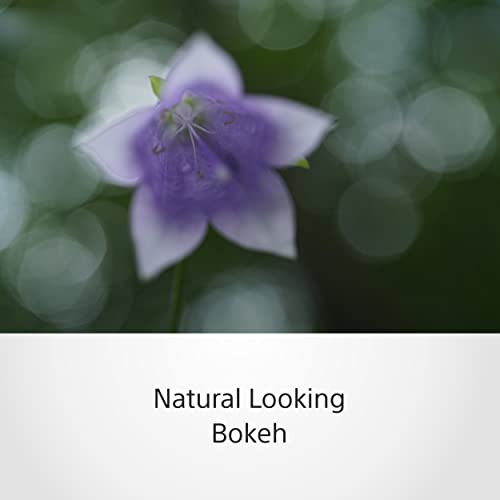
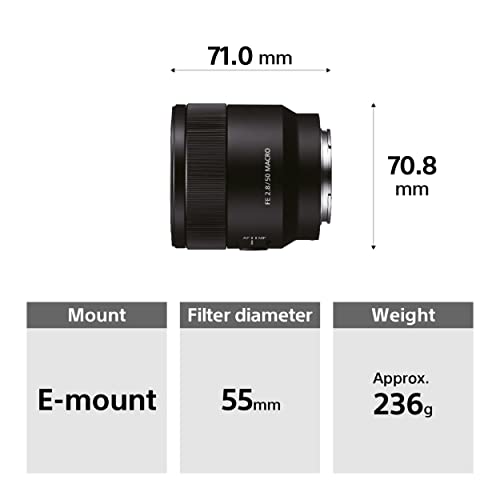
Optical quality at macro distances is good — sharp enough for most applications, with well-controlled distortion. At portrait distances, the 50mm focal length delivers a classic standard perspective. It’s a reasonable dual-purpose lens for photographers who want both a standard prime and basic macro capability in one compact package.
The limitations become apparent in the details. The autofocus motor is an older design that’s slower and louder than the linear motors in newer lenses. At maximum magnification, the working distance is extremely short — the lens hood nearly touches the subject, which blocks light and disturbs live subjects. These issues are manageable for product photography and food macro, but make field macro work challenging.
For photographers upgrading from a beginner lens kit who want to try macro without adding bulk, the Sony 50mm f/2.8 Macro is a practical starting point.
TTArtisan 100mm f/2.8 2X Macro
Budget-conscious macro shooters wanting 2:1 magnification
- Full-frame 2:1 macro at just $339 — exceptional value
- Remarkably high 4.8-star rating on Amazon
- Solid all-metal construction with smooth focus ring
- 100mm focal length provides good working distance
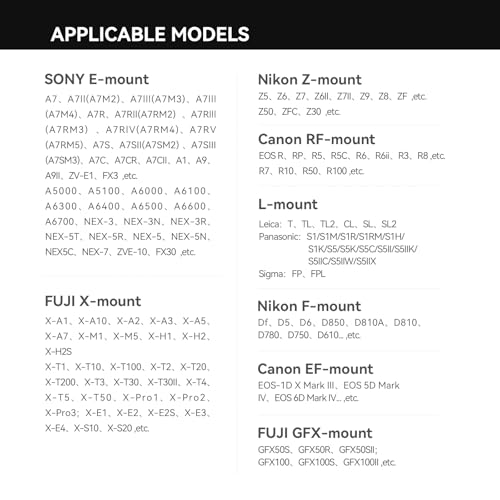
- Compatible with both full-frame and APS-C Sony cameras
- Manual focus only — no autofocus capability
- No electronic communication with camera
- Relatively new brand with less track record than Laowa
A budget alternative to the Laowa 90mm 2X that punches well above its weight. Amazon reviewers are remarkably positive, praising sharpness and build quality. At less than half the price of most AF macro lenses, it’s an easy recommendation for anyone wanting to experiment with extreme macro without a major investment.
Ranked #7 with a score of 86/100 — The TTArtisan 100mm f/2.8 2X Macro is a pleasant surprise. At $339, it’s the least expensive 2:1 macro lens in this roundup, yet it carries a remarkable 4.8-star average from Amazon reviewers — higher than any other lens on this list.
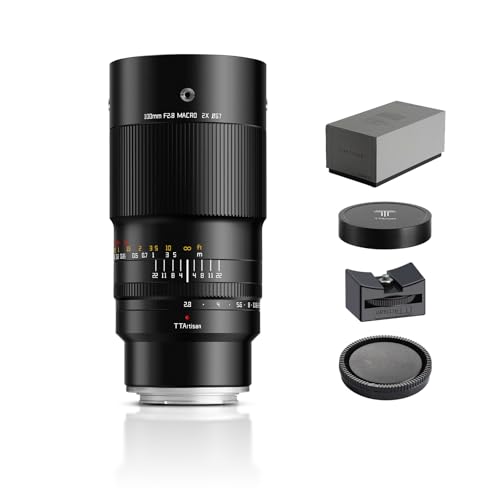
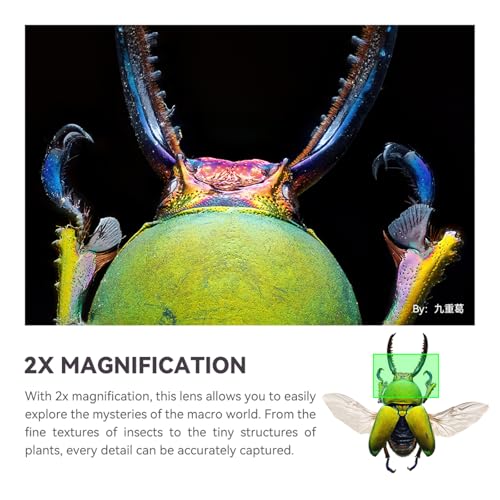
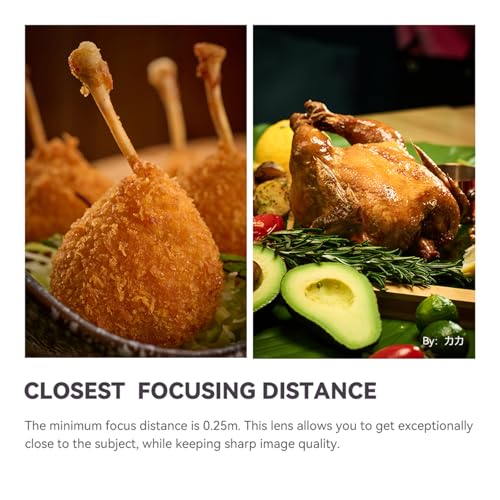
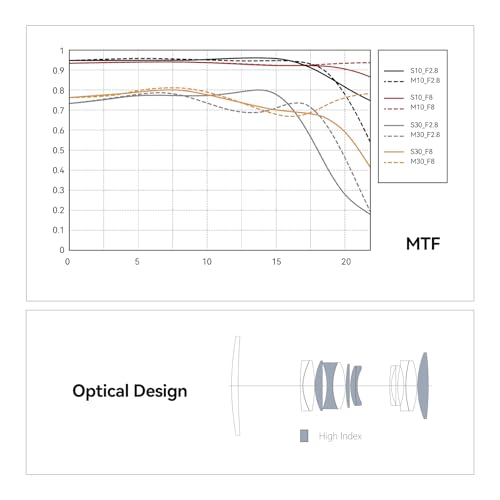
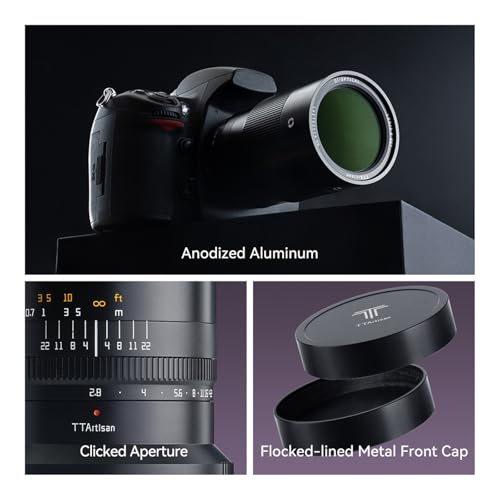
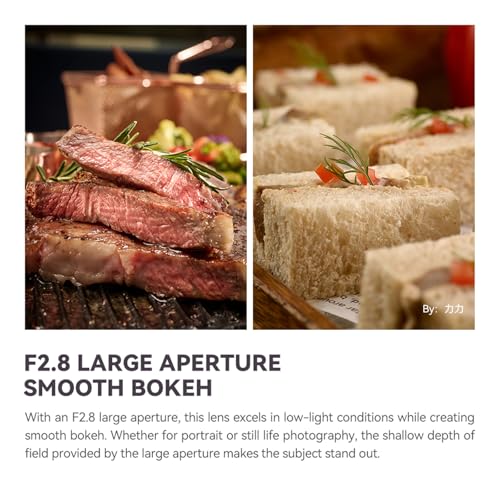
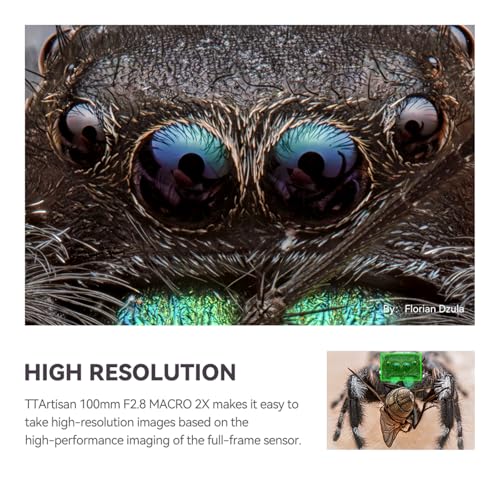
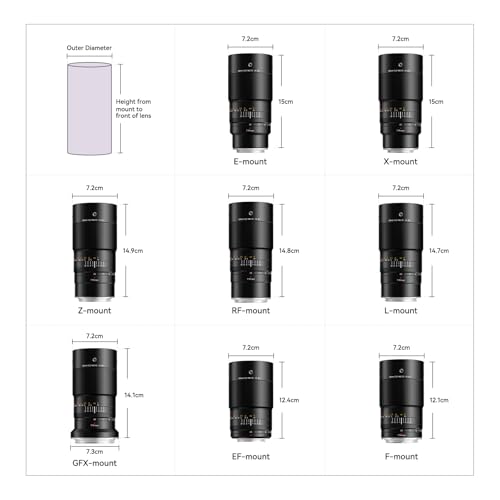
The all-metal construction feels premium in hand, with a large, smooth focus ring that’s well-suited to the precise adjustments that 2:1 macro demands. The 100mm focal length provides the same comfortable working distance as the Laowa 90mm, keeping the lens a reasonable distance from subjects at maximum magnification.
Optically, it’s not quite at the Laowa’s APO level — there’s slightly more chromatic aberration at the extreme magnification end — but stopped down to f/5.6 or f/8 (standard practice for macro stacking), the sharpness is impressive for the price. Color rendition is neutral and pleasant.
Like all manual-focus macro lenses, the TTArtisan 100mm 2X works best on a tripod with a focusing rail. It’s an outstanding entry point for anyone curious about extreme macro photography who doesn’t want to spend $500+ to find out if they enjoy it.
Sony E 30mm f/3.5 Macro
APS-C Sony shooters wanting a compact, affordable native macro lens
- Native Sony E-mount with full autofocus and electronic aperture
- True 1:1 magnification on APS-C sensor
- Exceptionally compact and lightweight at just 138g
- 45mm equivalent field of view — versatile for everyday and macro use
- Proven reliability with 328 Amazon reviews and 4.4-star rating
- APS-C only — will vignette heavily on full-frame bodies
- Very short working distance (2.4cm) at maximum magnification
- $398 is steep for what is an older APS-C design
The original Sony E-mount macro lens, and still one of the best options for APS-C shooters who want autofocus. At 138g, it adds virtually no weight to compact bodies like the A6700 or ZV-E10. The 1:1 magnification and autofocus make it far more versatile than manual-focus alternatives, though the very short working distance demands careful lighting setups for close subjects.
Ranked #8 with a score of 84/100 — The Sony E 30mm f/3.5 Macro is the longest-running E-mount macro lens in Sony’s lineup, and its staying power speaks to its practicality. Designed specifically for APS-C bodies, it delivers true 1:1 magnification with full autofocus — a combination that no third-party APS-C macro lens on this list can match.
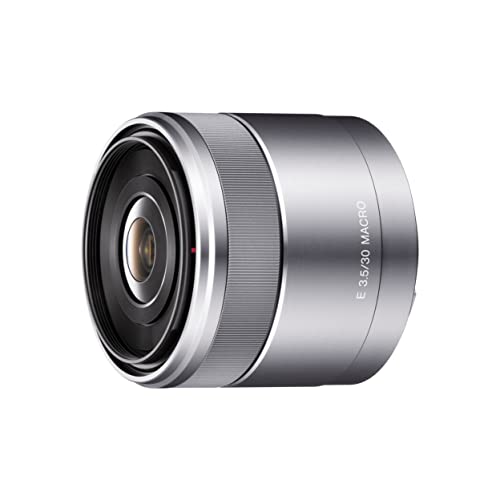
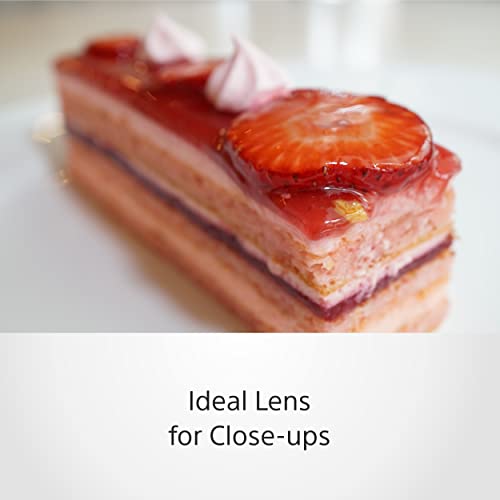


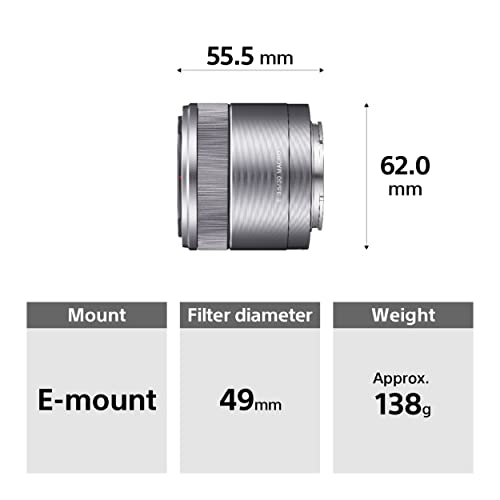
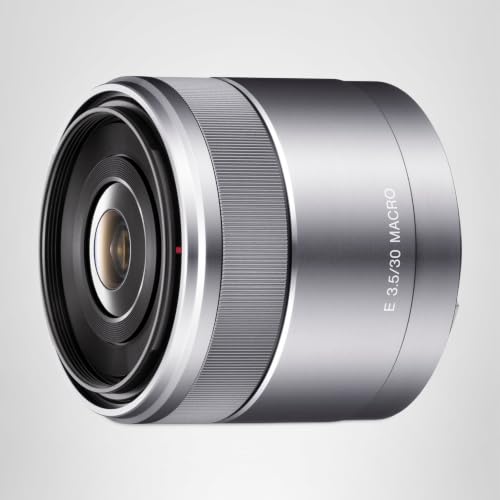
At 138g and barely larger than a kit lens, the 30mm Macro is the most pocketable option in this roundup. It balances perfectly on compact Sony mirrorless cameras like the A6700, A6400, or ZV-E10 II. The 45mm equivalent field of view makes it useful for everyday shooting as well — not just macro work.
The minimum working distance of just 2.4cm is both a strength and a limitation. It enables true 1:1 magnification, but the lens front nearly touches the subject at maximum magnification. This makes lighting difficult and live subjects nearly impossible to photograph without a flash diffuser. For food photography, products, and botanical close-ups, it performs admirably.
The autofocus uses an internal stepping motor that’s reasonably quiet and accurate — a genuine advantage for casual macro use and video. While not as fast as newer linear-motor designs, it outperforms any manual-focus alternative in convenience. The Sony 30mm f/3.5 Macro remains the go-to choice for APS-C Sony shooters who want macro capability in the smallest possible package.
Tamron 50-400mm f/4.5-6.3 Di III VC VXD
Versatile shooters who want macro capability in an all-in-one zoom
- Massive 50-400mm zoom range covers nearly everything
- 1:2 macro capability (half life-size) at the close end
- Built-in VC stabilization for handheld use
- VXD autofocus motor for fast, quiet focusing
- Excellent for wildlife, sports, and travel alongside macro work
- Only 1:2 magnification — not true 1:1 macro
- Heavy at 1,155g — the heaviest option on this list
- $1,299 price is high for a variable-aperture zoom
- f/6.3 at 400mm limits low-light performance
Not a traditional macro lens, but a do-everything zoom with genuine close-up capability. The 1:2 magnification at 50mm is enough for flowers, food, and larger products. Ideal for nature photographers who want one lens for birds at 400mm and close-ups at 50mm without swapping glass.
Ranked #9 with a score of 82/100 — The Tamron 50-400mm f/4.5-6.3 Di III VC VXD is included here not as a dedicated macro lens, but as a versatile alternative for photographers who want macro-like capability alongside extreme telephoto reach.
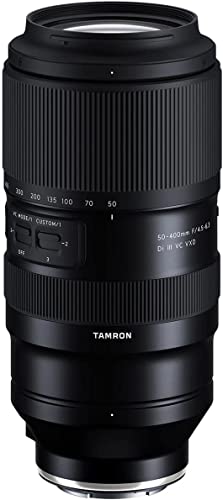
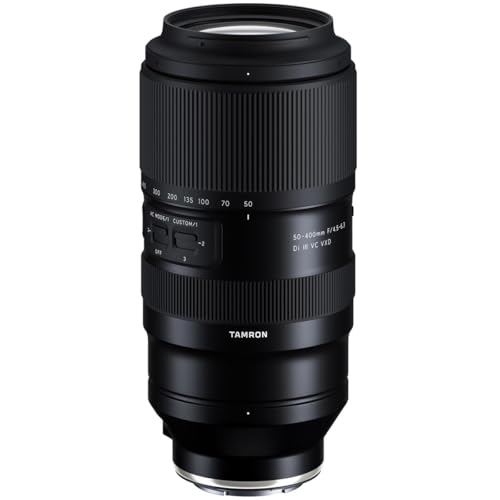

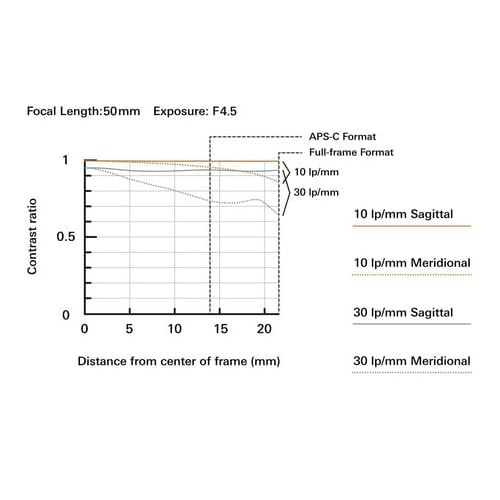
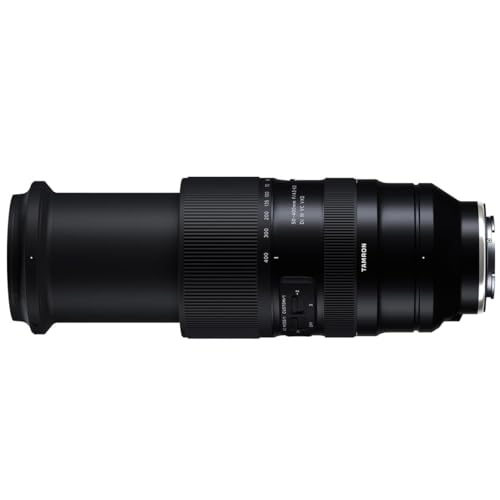
At the 50mm end, the lens achieves 1:2 magnification — half life-size. This is sufficient for many common macro subjects: flowers, food plating, jewelry, and larger insects. It won’t match the detail resolution of a dedicated 1:1 lens at extreme close range, but the frame-filling capability is surprisingly practical.
The built-in VC (Vibration Compensation) stabilization is effective across the zoom range, which helps with close-up handheld shooting. The VXD autofocus motor performs well even at close distances, making this a far more user-friendly close-up experience than any manual-focus macro lens.
The weight (1,155g) and price ($1,299) are significant considerations. This is a lens for photographers who would rather carry one versatile zoom than swap between a telephoto and a dedicated macro. For nature photographers who want to photograph a butterfly at 400mm, then switch to a close-up of the same butterfly, the Tamron 50-400mm is uniquely capable.
Which Macro Lens Should You Buy?
Choosing the Right Macro Lens
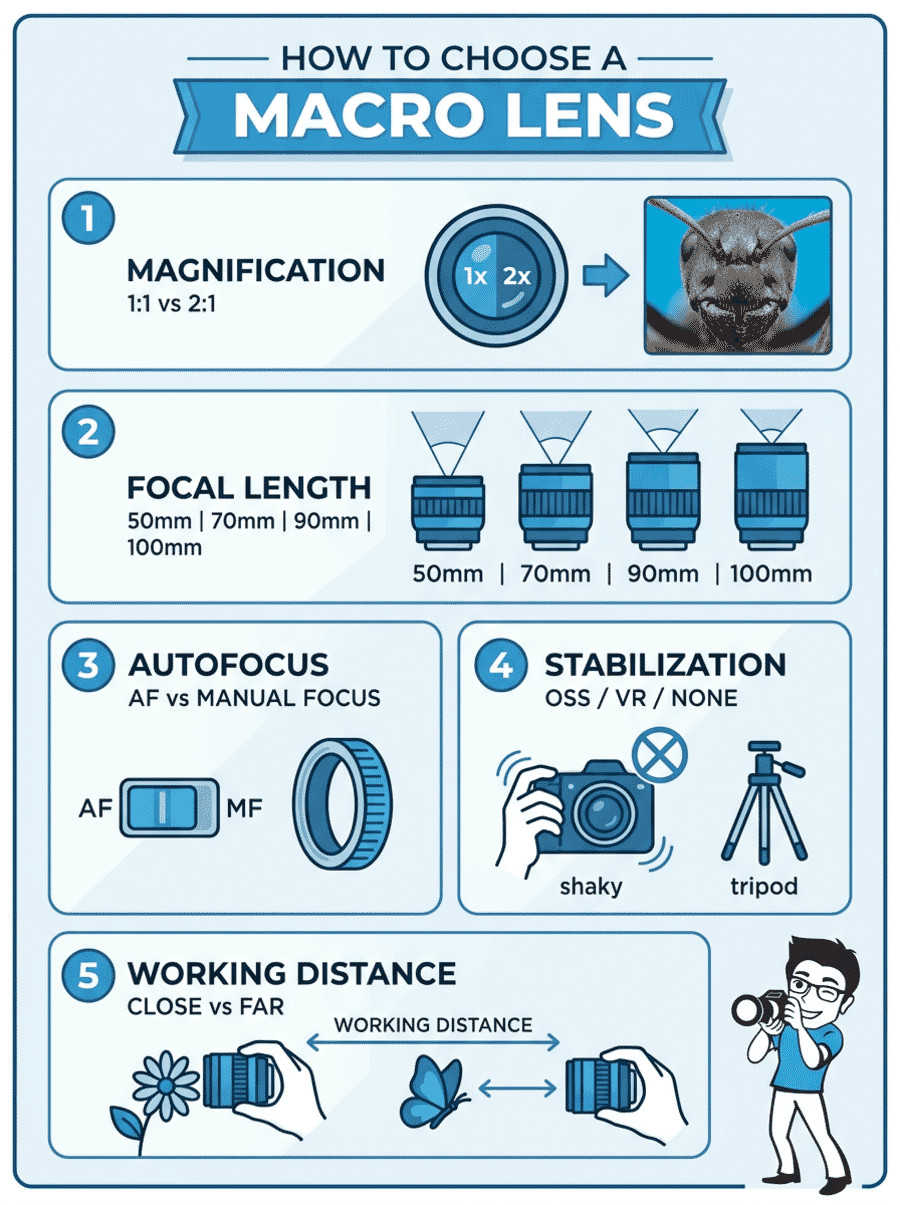
The right macro lens depends largely on shooting style and subject matter. Photographers who shoot handheld in the field — chasing insects, photographing wildflowers, or documenting finds on hikes — will benefit most from autofocus lenses with stabilization, making the Sony FE 90mm G OSS the natural choice.
Studio and tripod-based macro photographers who prioritize pure image quality should consider the Sigma 105mm Art or the Voigtlander 65mm APO-LANTHAR. Without stabilization, these lenses demand a tripod at high magnification, but their optical performance is outstanding.
For extreme macro work — capturing details invisible to the naked eye — the Laowa 90mm 2X Ultra Macro APO is the professional’s tool, while the TTArtisan 100mm 2X offers a remarkably affordable entry point. Both require patience, a focus rail, and ideally a focus stacking workflow to get the most from 2:1 magnification.
Whatever the choice, macro photography rewards patience and practice. The best camera and lens combination is the one that gets used regularly. Start with a lens that matches both budget and intended subjects, and the miniature world will reveal itself.
Product Data and Specifications
- Amazon product listings, pricing, availability, and reviewer ratings (verified August 2026) – Live buybox pricing, stock status, and customer rating counts for every lens featured
- Manufacturer lens specifications: Sony, Sigma, Voigtlander, Laowa, Tamron, 7artisans, and TTArtisan – Official focal length, magnification, aperture, filter thread, and weight figures
Image Sources
- Product photography: manufacturer press images via Amazon – Gallery images pulled from each lens's Amazon product listing
- Macro lens buying guide infographic: PhotoWorkout original graphic – Five key factors for choosing a macro lens
PhotoWorkout is reader supported. When you buy through links on this page we may earn a small affiliate commission, at no extra cost to you.


Disclosure/Disclaimer: As an Amazon Associate, we earn from qualifying purchases. Certain content was provided "as is" from Amazon and is subject to change or removal at any time. Product prices and availability: Amazon prices are updated daily or are accurate as of the date/time indicated and are subject to change. Any price and availability information displayed on Amazon.com at the time of purchase will apply to the purchase of this product.