

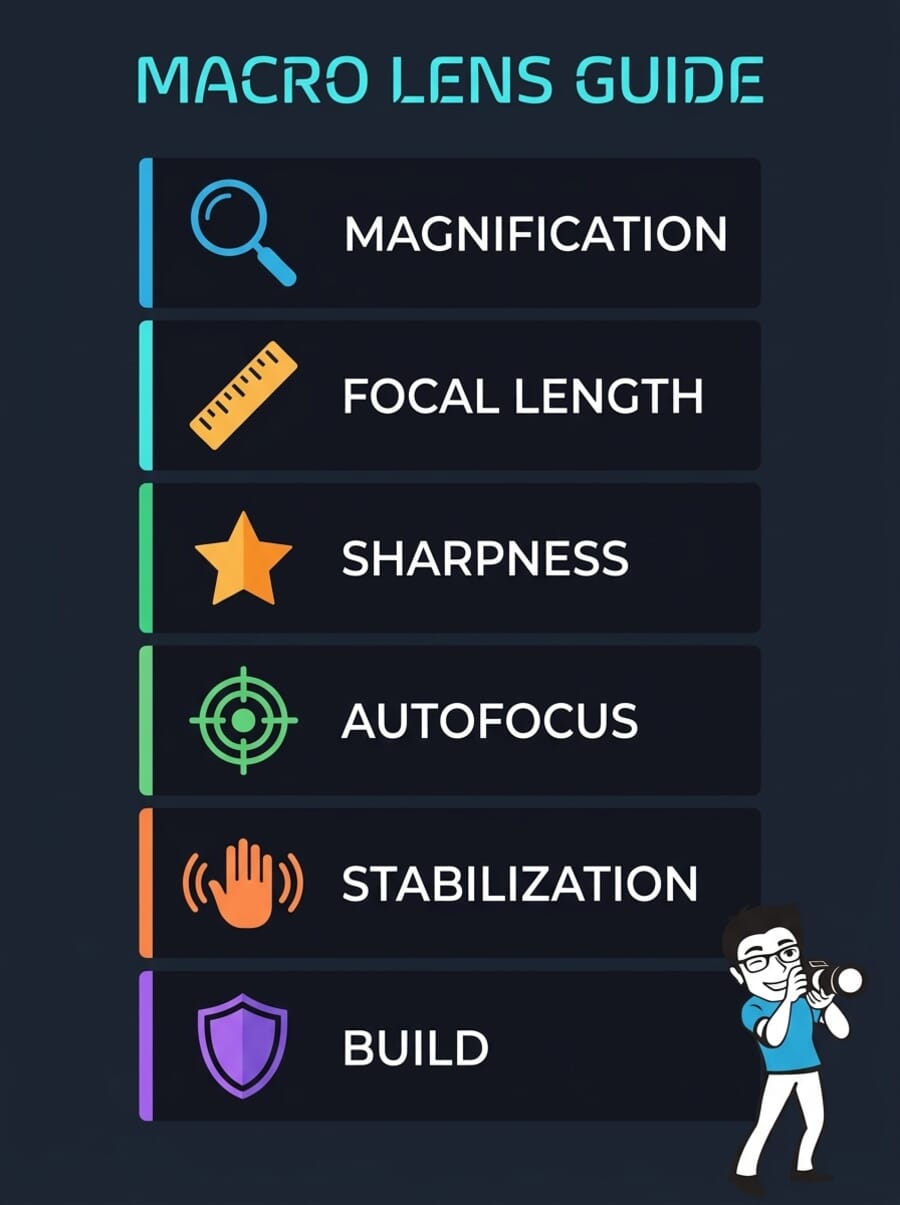
At true macro magnification, every optical flaw shows: soft corners erase texture, sluggish autofocus misses the focus plane, and a short barrel can spook insects before the shutter fires. Whether shooting insects in morning dew or jewelry under studio strobes, the right macro lens means 1:1 reproduction, edge-to-edge sharpness, comfortable working distance, reliable stabilization, solid weather sealing, and precise manual focus control.
This guide ranks 9 macro lenses across Canon RF, Sony E, Nikon Z, and legacy DSLR mounts. The Canon RF100mm F2.8 L Macro leads at 97/100 with 1.4x magnification and Hybrid IS, while the Tamron 90mm F/2.8 Di III VXD offers exceptional value at 95/100. Picks cover long working distance for skittish insects, 2x ultra-macro for extreme detail, and budget-friendly options for photographers starting out.
Each recommendation includes pros and cons, multi-retailer pricing, and practical guidance on AF speed, focus throw, stabilization effectiveness, and field handling so you can choose the right macro lens for your subjects and budget.
When you buy through links on our site, we may earn a commission at no cost to you. We evaluate products independently. Commissions do not affect our evaluations. As an Amazon Associate, we earn from qualifying purchases.
Top Picks




Macro Lens Comparison 2026: 9 Picks for Nature & Product Photographers
| Specifications | |||||||||
|---|---|---|---|---|---|---|---|---|---|
| Rating | 97/100 | 95/100 | 94/100 | 94/100 | 93/100 | 92/100 | 90/100 | 89/100 | 87/100 |
| Focal Length | 100 mm | 90 mm | 105 mm | 105 mm | 90 mm | 100 mm | 100 mm | 100 mm | 105 mm |
| Max Magnification | 1.4:1 | 1:1 | 1:1 | 1:1 | 1:1 | 1:1 | 2:1 | 1:1 | 1:1 |
| Stabilization | Hybrid IS | None (IBIS) | None (IBIS) | VR | OSS | Hybrid IS | None | None | OS |
| AF Motor | Dual Nano USM | VXD Linear | HLA Linear | Dual STM | DDSSM | Ring USM | Manual only | DC Motor | HSM |
| Mount | Canon RF | Sony E | Sony E / L | Nikon Z | Sony E | Canon EF | Sony E | Canon EF | Canon EF |
| Weather Sealed | Yes | Yes | Yes | Yes | Yes | Yes | No | No | No |
| Min Focus Distance | 0.26 m | 0.23 m | 0.30 m | 0.29 m | 0.28 m | 0.30 m | 0.25 m | 0.30 m | 0.31 m |


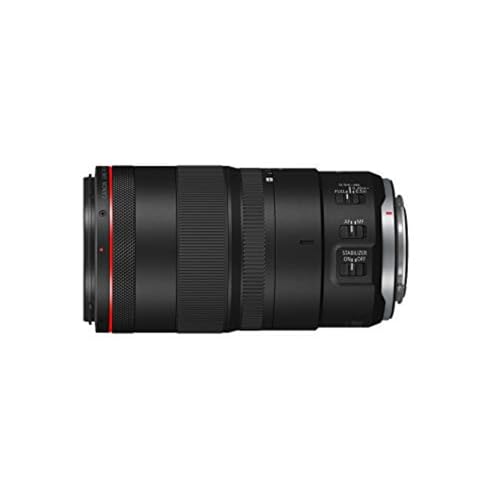
Canon RF100mm F2.8 L Macro IS USM Lens
Canon EOS R shooters who want the sharpest, most versatile macro lens for insects, botanicals, and product/jewelry work with beyond-life-size 1.4x magnification.
- 1.4x magnification exceeds standard 1:1 for capturing finer micro-detail
- L-series optics with outstanding edge-to-edge sharpness and contrast
- Hybrid IS (up to 5 stops) enables confident handheld macro shooting
- Working distance decreases at higher magnifications, making insect photography more challenging
- Canon RF mount only — requires adapter for EF bodies, not native for Sony/Nikon
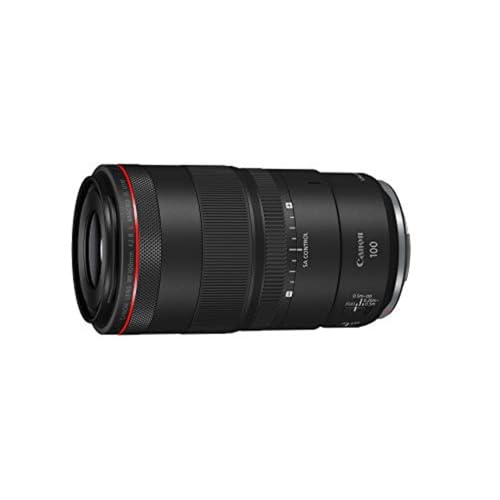
The Canon RF 100mm F2.8L Macro goes past standard 1:1 to 1.4x magnification, revealing micro-textures that other macro lenses miss. Combined with Hybrid IS, fast Dual Nano USM AF, and the unique SA Control ring for creative bokeh, it delivers flagship performance for both field and studio macro. The tradeoff: premium pricing and Canon RF mount exclusivity.
Why It Ranks #1:
The Canon RF100mm F2.8 L Macro earns the top spot with a 97/100 score by combining beyond-life-size capture, reliable stabilization, and flagship L-series build quality. No other macro lens in this guide matches its 1.4x magnification with autofocus.



Macro Performance and Stabilization:
The standout feature is 1.4x magnification, which reveals textures on insect wings, petal veins, and product surfaces that standard 1:1 lenses miss entirely. Paired with Hybrid IS rated for up to 5 stops, handheld macro shooting in shade, on trails, or during quick tabletop sessions produces crisp results. The 100mm focal length and bright f/2.8 aperture provide natural subject separation with smooth backgrounds.
Standout Features and Value:
Canon’s L-series optics deliver edge-to-edge sharpness and rich contrast, while the SA Control Ring lets you fine-tune spherical aberration for creative bokeh effects — useful for jewelry sparkle or softer portrait rendering. The Dual Nano USM motor focuses quickly and quietly, the native RF mount integrates seamlessly with EOS R bodies, and the lens stays travel-friendly at 1.61 lbs (730 g). At $1,249 (as of March 2026), it represents excellent price-to-performance for a flagship macro lens.
Who It’s For:
Nature photographers will appreciate the extra reach into micro-textures and stabilization for handheld field walks. Product and jewelry photographers gain precise control over background character and repeatable sharpness under controlled lighting. Best for: insect and botanical detail, product and jewelry photography, e-commerce texture work.
Pricing & Where to Buy
The Canon RF100mm F2.8 L Macro IS USM is priced at $1,249 (as of March 2026) and includes the lens hood and lens cap.
- Buy on Amazon — Prime shipping available
- Check price at B&H Photo
- Check price at Adorama
- Buy used at KEH Camera — save with certified pre-owned
- Canon official store
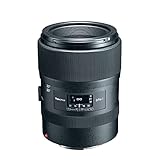
Tamron 90mm F/2.8 Di III VXD 1:1 Macro for Sony E Mount
Sony mirrorless photographers who want high-quality 1:1 macro performance for insects, botanicals, product/jewelry work, and film digitizing without paying flagship prices.
- True 1:1 reproduction with outstanding flat-field performance for product and jewelry work
- High-speed VXD linear-motor AF with strong subject tracking for field macro
- Weather/moisture-resistant construction with USB-C customization at an excellent $699 price point
- Sony E mount only — not available for Canon RF or Nikon Z systems
- No optical stabilization — relies entirely on Sony body IBIS for handheld shooting
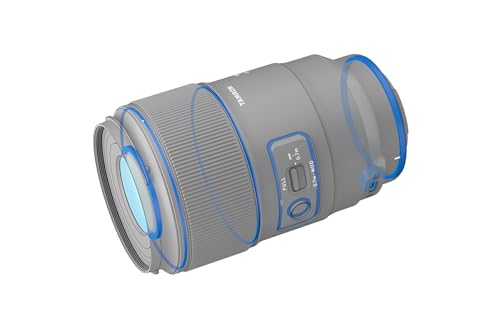
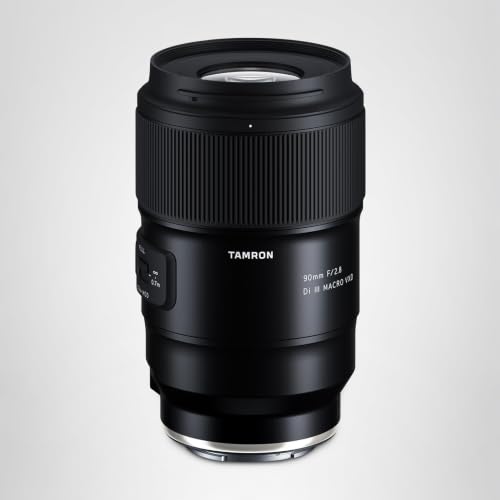
The Tamron 90mm Di III VXD delivers flat-field edge-to-edge sharpness and fast VXD linear-motor AF on Sony mirrorless at $699. Weather/moisture-resistant with USB-C lens customization for A-B focus presets and button remaps. No optical stabilization — relies on Sony IBIS for handheld stability. Outstanding value for the performance level.
Optical Performance:
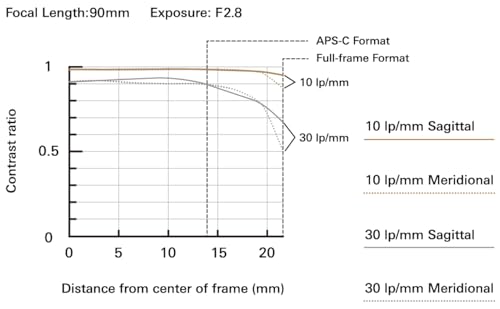
The Tamron 90mm F/2.8 Di III VXD ranks #2 with a 95/100 score, delivering crisp flat-field detail across the entire frame. Products, jewelry, and textures stay tack sharp from center to edges, making it ideal for copy work and e-commerce photography.


Autofocus Speed and Accuracy:
The VXD linear motor locks onto tiny subjects quickly and tracks movement smoothly, keeping bees, butterflies, and wind-blown petals sharp. Working at f/2.8 allows faster shutter speeds for clean handheld shots, while Sony body AF tracking complements the motor for dependable results. A focus limiter reduces hunting at distances you don’t need.
Standout Features and Value:
At $699 (as of March 2026), the Tamron 90mm Di III offers flat-field optics, true 1:1 magnification, weather/moisture resistance, and BBAR-G2 coatings with a fluorine front element for flare control and easy cleaning. The USB-C Tamron Lens Utility lets you customize A-B focus presets, remap buttons, and fine-tune AF — features typically reserved for flagship lenses.
Who It’s For:
Sony mirrorless photographers who want professional macro detail with reliable focus and outdoor-ready build at a competitive price. Best for: insects and botanicals, product and jewelry photography, film and texture digitizing.
Pricing & Where to Buy
The Tamron 90mm F/2.8 Di III VXD is priced at $699 (as of March 2026), including the lens hood.
- Buy on Amazon — Prime shipping available
- Check price at B&H Photo
- Check price at Adorama
- Tamron official page
Sigma 105mm F2.8 DG DN Macro Art Lens (Sony E-mount)
Sony E-mount and L-mount photographers who want Art-line optical quality with true 1:1 macro, teleconverter compatibility, and modern AF at a competitive price.
- Art-line optical quality with exceptional sharpness, contrast, and chromatic aberration control
- Teleconverter compatible (TC-1411/TC-2011) for extended reach — unique among macro primes
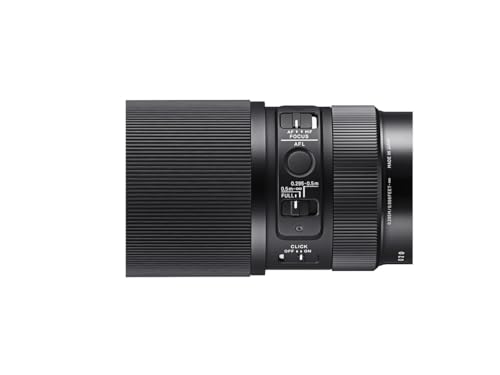
- Fast, quiet HLA linear-motor AF with customizable AFL button and dust/splash resistance
- Heavier than competitors at 715 g — adds noticeable weight to handheld field kits
- No built-in optical stabilization — relies on body IBIS for handheld shooting
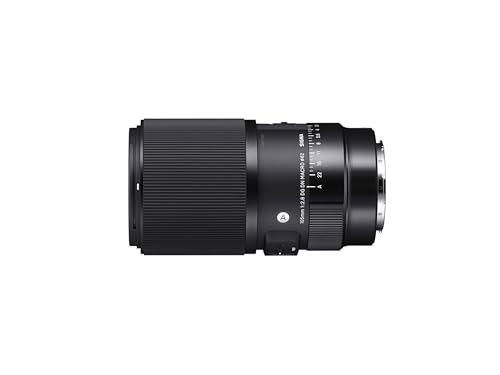
The Sigma 105mm Art delivers Art-line optical performance with true 1:1 macro, an HLA linear motor for fast AF, dust/splash-resistant build, and teleconverter support for extended reach. At $879 it undercuts native 105mm options while matching or exceeding their optical performance. The tradeoff is weight at 715 g and no built-in stabilization.
Optical Performance:
The Sigma 105mm F2.8 DG DN Macro Art ranks #3 with a 94/100 score, bringing Sigma’s Art-line optical engineering to macro photography. Edge-to-edge sharpness is exceptional even wide open, with well-controlled chromatic aberration and high micro-contrast that makes fine textures pop.




Unique Teleconverter Support:
A standout feature among macro primes is teleconverter compatibility with Sigma’s TC-1411 (1.4x) and TC-2011 (2x). This extends magnification to 1.4:1 or 2:1 without swapping lenses, a significant advantage for extreme macro work. The HLA linear motor provides fast, quiet autofocus that tracks well with Sony body AF systems, and the customizable AFL button adds a useful shortcut for focus locking.
Build and Handling:
The dust and splash-resistant construction handles outdoor shoots confidently, and the 105mm focal length provides comfortable working distance for insects and small products. At $879 (as of March 2026), it undercuts Sony’s native 90mm option while delivering Art-line optical quality that many reviewers consider equal or superior in sharpness tests.
Who It’s For:
Sony E-mount or L-mount photographers who prioritize optical performance and want the flexibility of teleconverter support for extreme macro. Best for: high-detail product photography, insect and botanical macro, focus stacking workflows.
Pricing & Where to Buy
The Sigma 105mm F2.8 DG DN Macro Art is priced at $879 (as of March 2026) for the Sony E-mount version. The L-mount version is available at the same price.
- Buy on Amazon — Prime shipping available
- Check price at B&H Photo
- Check price at Adorama
- Buy used at KEH Camera — save with certified pre-owned
- Sigma official page
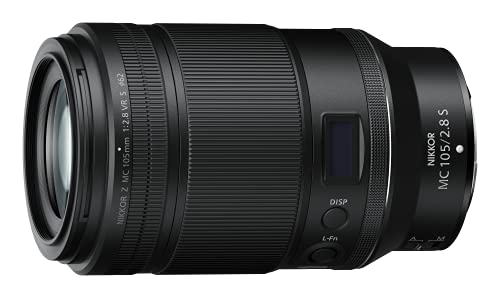
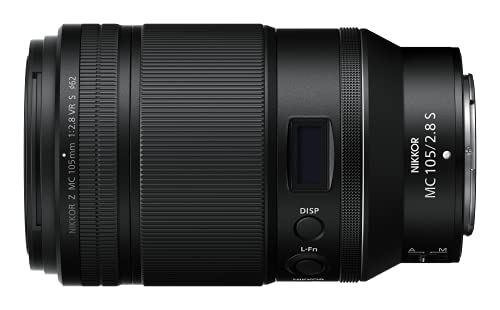
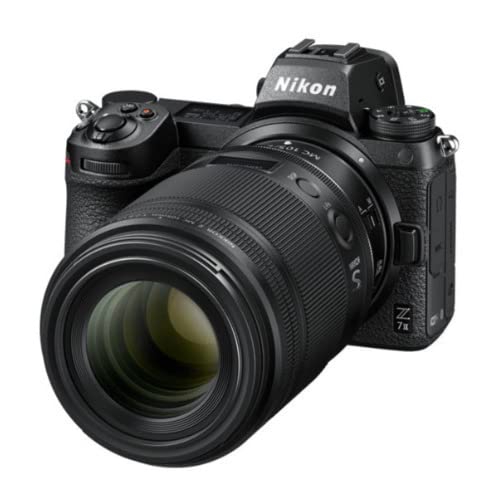
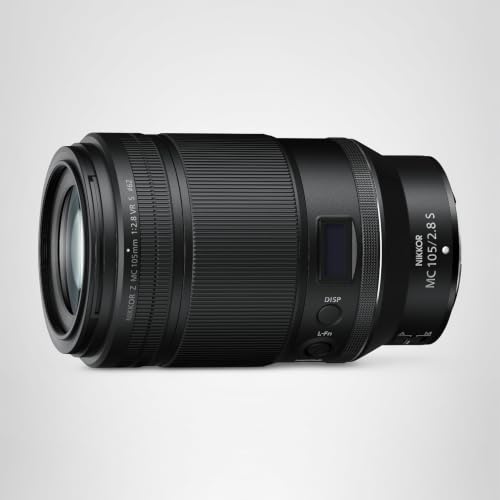
Nikon NIKKOR Z MC 105mm f/2.8 VR S Macro Lens
Nikon Z system photographers who want reference-grade macro sharpness, VR stabilization, and S-line build quality for insects, botanicals, and demanding product photography.
- Reference-grade micro-contrast and edge-to-edge sharpness — benchmark optical performance
- VR plus IBIS synergy provides effective stabilization for handheld macro shooting
- Full S-line weather sealing with customizable control ring and OLED display
- Premium pricing at $897 — higher than third-party alternatives with similar specifications
- Nikon Z mount only — not available for Canon or Sony systems
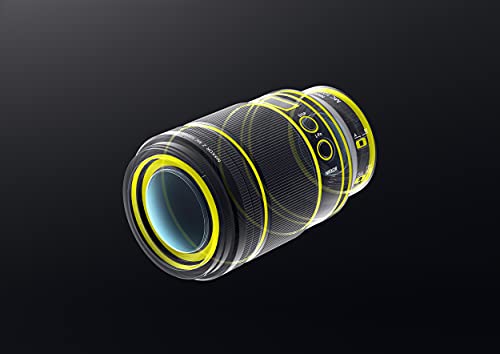
The Nikon Z MC 105mm delivers reference-level micro-contrast and edge sharpness that makes it a benchmark for macro optical performance. VR works synergistically with Nikon IBIS for handheld steadiness, while the dual-motor STM AF with focus limiter provides quiet, precise focus. Full S-line weather sealing and a customizable control ring round out a premium package at $897.
Optical Performance:
The Nikon Z MC 105mm f/2.8 VR S ties for #3 with a 94/100 score, delivering what many reviewers consider reference-level macro optics. Micro-contrast is outstanding, chromatic aberration is well controlled, and edge-to-edge sharpness at 1:1 makes it a benchmark for critical product and nature macro work.


Stabilization and AF:
The built-in VR works synergistically with Nikon body IBIS for effective stabilization at macro distances. The dual-motor multi-focus STM AF is quiet and precise, with a focus limiter that reduces hunting. The generous 0.29 m minimum focus distance provides comfortable working room for insects and small products. A customizable control ring and OLED information display add professional-grade handling.
Build and Handling:
Full S-line weather sealing protects against dust and moisture in field conditions, and the fluorine-coated front element resists smudges and water droplets. At $896.95 (as of March 2026), it sits at the premium end of the macro lens range but delivers optical performance that justifies the investment for photographers who demand the sharpest possible results.
Who It’s For:
Nikon Z system photographers who want the best possible macro optics with VR stabilization and professional build quality. Best for: reference-quality product photography, demanding insect and botanical macro, focus stacking, copy work.
Pricing & Where to Buy
The Nikon Z MC 105mm f/2.8 VR S is priced at $896.95 (as of March 2026), including the HB-99 bayonet hood and CL-C2 lens case.
- Buy on Amazon — Prime shipping available
- Check price at B&H Photo
- Check price at Adorama
- Buy used at KEH Camera — save with certified pre-owned
- Nikon official store
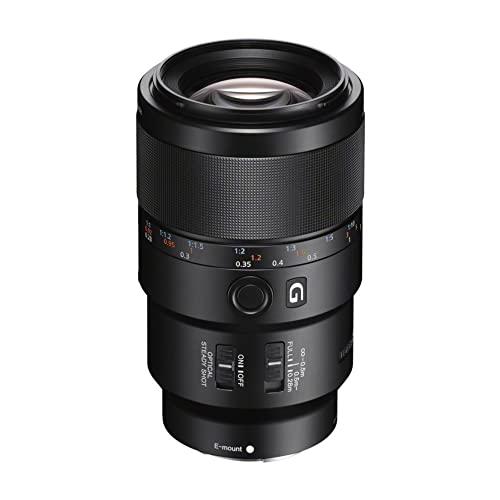
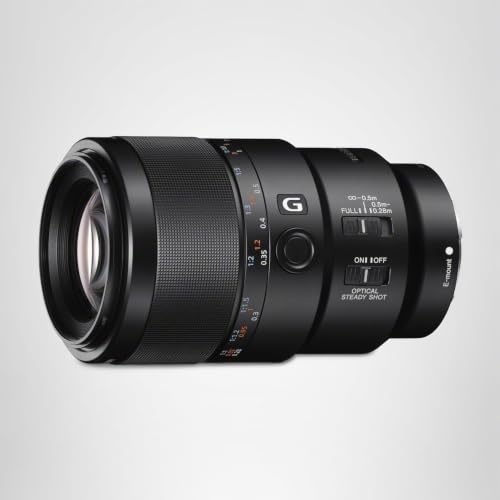
Sony FE 90mm f/2.8 Macro G OSS Standard-Prime Lens
Sony full-frame shooters who want a proven, stabilized macro lens with true 1:1 reproduction, G-series optics, and reliable autofocus for insects, products, and botanical macro.
- Built-in OSS optical stabilization — advantage over third-party options that rely on IBIS alone
- G-series optics with Nano AR coating for high contrast and low flare
- Clutch MF ring and focus-hold button provide tactile control for stacking workflows
- DDSSM AF motor is slower and noisier than modern linear motors in newer lenses
- At $1,048 it is significantly more expensive than the Tamron 90mm Di III with comparable optical performance
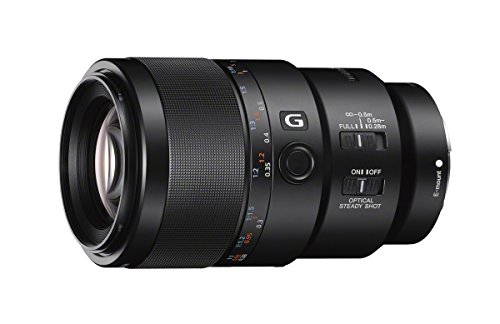
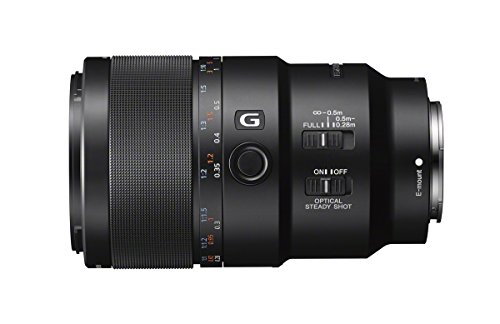
The Sony FE 90mm Macro G OSS remains a proven workhorse for Sony macro photographers. Built-in OSS stabilization pairs with body IBIS for effective handheld shooting, the DDSSM motor provides quiet AF, and the clutch MF ring with focus-hold button adds tactile control for stacking workflows. G-series optics with Nano AR coating deliver clean, high-contrast results. At $1,048 it costs more than the Tamron 90mm, but the built-in stabilization justifies the premium for field photographers.
Overview and Ranking:
The Sony FE 90mm f/2.8 Macro G OSS holds our #5 position with a 93/100 score, serving as Sony’s native stabilized macro option. It brings G-series optical quality and built-in OSS to life-size macro work, making it a dependable choice for photographers who want in-lens stabilization.

Optical Performance and Stabilization:
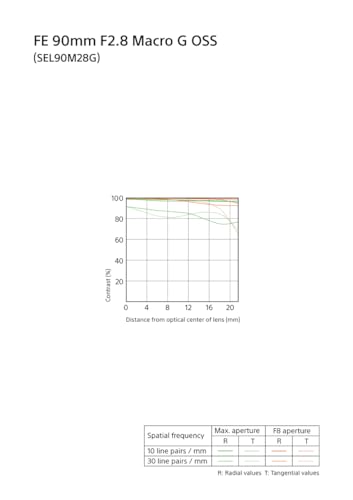
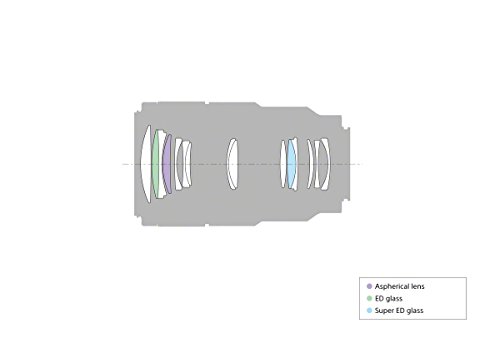
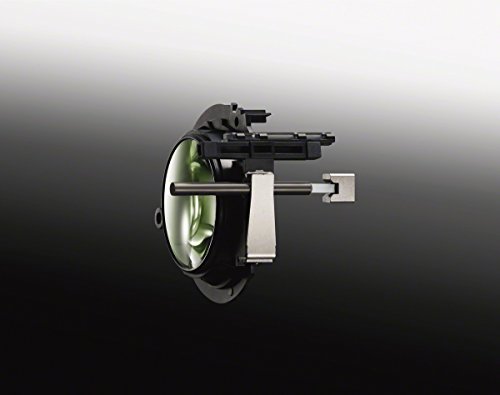
G-series optics with Nano AR coating, Super ED elements, and advanced aspherical glass deliver high contrast and low chromatic aberration at 1:1. The built-in OSS is a meaningful advantage over third-party options that rely solely on body IBIS — the combined stabilization helps with composition and framing at macro distances where every vibration shows. The 9-blade circular diaphragm produces smooth, clean bokeh.
Handling and Controls:
The clutch MF ring switches instantly between AF and manual focus with a satisfying mechanical snap, ideal for focus stacking sessions where quick mode changes matter. The focus-hold button locks focus at the current distance, and the focus limiter reduces hunting at macro or infinity range. At $1,048 (as of March 2026), it costs more than the Tamron 90mm but provides built-in stabilization that field photographers value.
Who It’s For:
Sony E-mount photographers who want the security of built-in optical stabilization alongside proven G-series optics. Best for: insect and botanical macro, product and jewelry photography, focus stacking, texture detail work.
Pricing & Where to Buy
The Sony FE 90mm f/2.8 Macro G OSS is priced at $1,048 (as of March 2026), including the lens hood and lens caps.
- Buy on Amazon — Prime shipping available
- Check price at B&H Photo
- Check price at Adorama
- Buy used at KEH Camera — save with certified pre-owned
- Sony official store
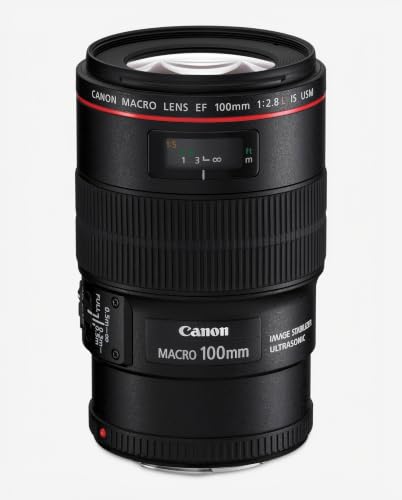
Canon EF 100mm f/2.8L IS USM Macro Lens
Canon DSLR and hybrid EF/RF kit photographers who want proven L-series macro optics with Hybrid IS and true 1:1 reproduction at a competitive price.
- Proven L-series optics with excellent sharpness, contrast, and color rendition
- Hybrid IS effective at macro distances for steadier handheld shooting
- Adapts cleanly to Canon RF bodies — works across both EF and RF systems
- At $1,299 it is priced above the newer RF 100mm Macro — harder to justify for new buyers
- Older ring USM AF is less refined than modern linear motors
The Canon EF 100mm f/2.8L IS USM Macro remains a proven performer that adapts cleanly to Canon RF bodies via the EF-EOS R adapter. Hybrid IS works well at macro distances, L-series optics deliver excellent sharpness and contrast, and weather sealing handles field conditions. At $1,299 (as of March 2026) it is priced above the RF 100mm, which makes it harder to recommend for new buyers — but existing EF shooters can use it across both systems.
Optical Performance:
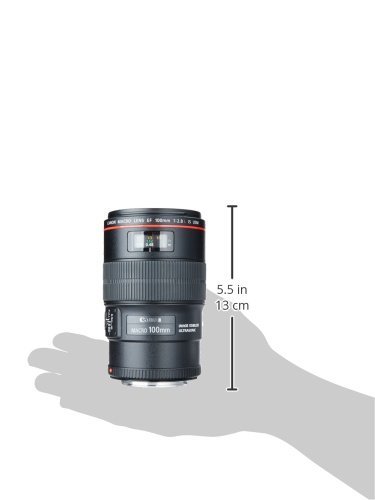
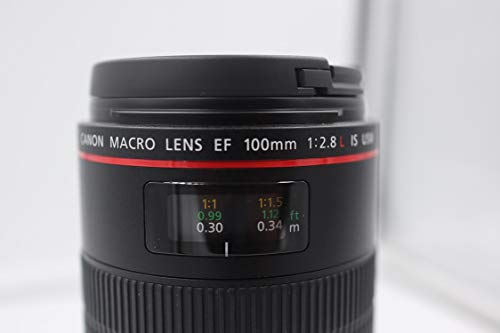
The Canon EF 100mm f/2.8L IS USM Macro ranks #6 with a 92/100 score, delivering the reliable L-series optical quality that Canon shooters know. Edge-to-edge sharpness at 1:1 is excellent, color rendition is neutral, and the UD element controls chromatic aberration effectively. It remains a dependable macro performer even against newer competition.



Stabilization and Handling:
The Hybrid IS was groundbreaking when launched and remains effective at macro distances, compensating for both angular and shift-type camera movement that causes blur during close-up shooting. This makes handheld macro work more practical than lenses without stabilization. The Ring USM motor provides quick, quiet autofocus with full-time manual override, and the internal focusing design keeps the barrel length constant.
EF/RF Versatility:
For photographers who own Canon EF glass, this lens adapts seamlessly to RF bodies via the EF-EOS R adapter with full AF and IS functionality. This cross-system compatibility adds value for shooters transitioning between mounts. At $1,299 (as of March 2026) it is priced above the newer RF 100mm Macro, making it a better choice for existing EF owners than new system buyers.
Who It’s For:
Canon DSLR photographers and hybrid EF/RF kit owners who want proven L-series macro quality with stabilization. Best for: nature and botanical macro, product photography, shooters transitioning from EF to RF systems.
Pricing & Where to Buy
The Canon EF 100mm f/2.8L IS USM Macro is priced at $1,299 (as of March 2026).
- Buy on Amazon — Prime shipping available
- Check price at B&H Photo
- Check price at Adorama
- Buy used at KEH Camera — save with certified pre-owned
- Canon official store
Laowa 100mm f/2.8 2X Ultra Macro APO Lens (Sony E)
Macro specialists and extreme close-up enthusiasts who want 2:1 magnification for revealing details invisible at standard 1:1, including entomologists, scientific imagers, and creative macro artists.
- 2:1 maximum magnification reveals details invisible at standard 1:1 — twice life-size
- APO apochromatic design virtually eliminates chromatic aberration for exceptionally clean color
- Excellent value at $499 for 2x ultra-macro capability — much less than teleconverter setups
- Manual focus only — no autofocus, so not suitable for fast-moving subjects
- No weather sealing and no stabilization — requires careful handling and tripod/rail use
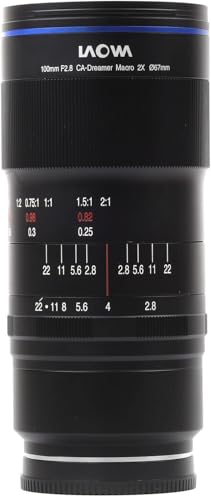
The Laowa 100mm 2X Ultra Macro APO doubles the magnification of standard macro lenses, reaching 2:1 lifesize. The APO (apochromatic) design virtually eliminates chromatic aberration for clean, color-accurate detail. Manual focus only — no AF — so it suits stacking workflows and deliberate compositions rather than run-and-gun insect chasing. At $499 it offers extreme macro capability at a fraction of the cost of adding teleconverters to other lenses.
Extreme Macro Capability:
The Laowa 100mm f/2.8 2X Ultra Macro APO ranks #7 with a 90/100 score, offering something no other lens in this guide can match: 2:1 maximum magnification. At twice life-size, this reveals compound eye facets, pollen grain structures, and circuit board traces that standard 1:1 macro lenses cannot capture.
APO Optical Design:
The apochromatic (APO) optical formula virtually eliminates chromatic aberration across the visible spectrum, producing exceptionally clean color transitions and fine detail without purple fringing. This makes a significant difference at high magnifications where CA is more visible. Sharpness at 2:1 is excellent for the price range, and the lens performs well across the 1:1 to 2:1 range.
Manual Focus Workflow:
This is a manual focus only lens, so it suits deliberate composition and focus stacking workflows rather than tracking fast-moving insects. The focus throw is smooth and well-damped, making precise adjustments at high magnification predictable. At $499 (as of March 2026), it delivers extreme macro capability that would cost significantly more through teleconverter additions to other lenses. Available in Sony E, Canon EF, and Nikon F mounts.
Who It’s For:
Macro specialists, entomologists, scientific imagers, and creative macro artists who want to push beyond 1:1. Best for: extreme insect detail, mineral and crystal macro, circuit board documentation, artistic close-ups, focus stacking projects.
Pricing & Where to Buy
The Laowa 100mm f/2.8 2X Ultra Macro APO is priced at $499 (as of March 2026) for the Sony E-mount version. Canon EF and Nikon F versions are available at the same price.
- Buy on Amazon — Prime shipping available
- Check price at B&H Photo
- Check price at Adorama
- Venus Optics official store
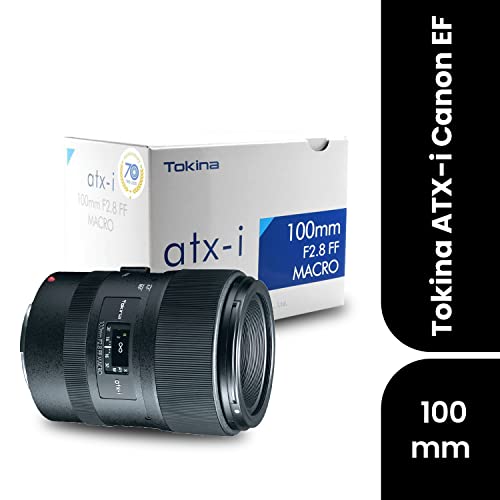
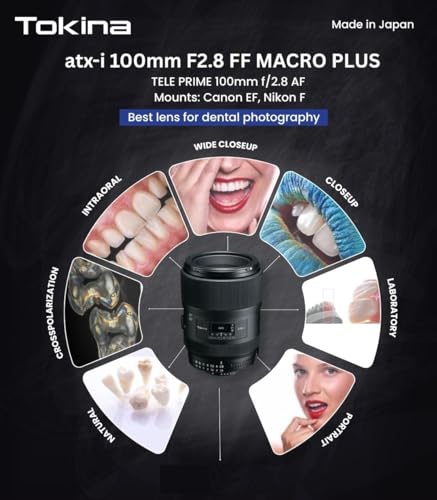
Tokina ATX-i 100mm F2.8 FF Macro Lens (Canon EF)
Canon EF and Nikon F photographers on a budget who want true 1:1 macro with solid optical performance and a compact build for nature and product work.
- True 1:1 macro with sharp optics that punch above the $549 price point
- Compact, lightweight build at 515 g — easy to carry for field and travel macro
- One-touch focus clutch mechanism for quick AF/MF switching during shooting
- No weather sealing — limits confidence in wet field conditions
- DC motor AF is slower and louder than modern linear or ultrasonic motors
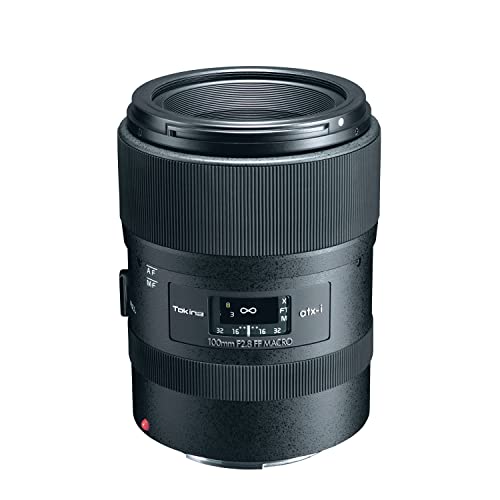
The Tokina ATX-i 100mm F2.8 delivers true 1:1 macro at a budget-friendly $549 with sharp optics, a compact 515 g build, and a one-touch focus clutch for quick AF/MF switching. No weather sealing or stabilization, but the optical performance and handling punch above the price point. Available in Canon EF and Nikon F mounts.
Budget Macro Performance:
The Tokina ATX-i 100mm F2.8 Macro ranks #8 with an 89/100, proving that quality macro photography does not require flagship pricing. Sharpness at 1:1 is excellent for the price, with clean rendering and good micro-contrast on detail subjects like insects, flowers, and small products.



Handling and Focus:
The signature Tokina one-touch focus clutch mechanism lets you switch between AF and MF by sliding the focus ring — faster than flipping a switch during time-sensitive macro sessions. The 100mm focal length provides comfortable working distance for insects and small products. At just 515 g, it is among the lightest true 1:1 macro lenses available, making it practical for travel and extended field walks.
Value Proposition:
At $549 (as of March 2026), the Tokina ATX-i delivers true macro capability at a price point that makes quality close-up photography accessible. The tradeoff is no weather sealing and a DC motor AF that is slower and louder than premium options. For photographers who shoot macro primarily in controlled conditions or on clear days, these compromises are manageable. Available in both Canon EF and Nikon F mounts.
Who It’s For:
Budget-conscious photographers on Canon EF or Nikon F systems who want true 1:1 macro without the flagship price. Best for: botanical close-ups, product photography on a budget, beginning macro photographers, travel macro kits.
Pricing & Where to Buy
The Tokina ATX-i 100mm F2.8 Macro is priced at $549 (as of March 2026). Also available in a Nikon F-mount version at the same price.
- Buy on Amazon (Canon EF) — Prime shipping available
- Check price at B&H Photo
- Check price at Adorama
- Tokina official page
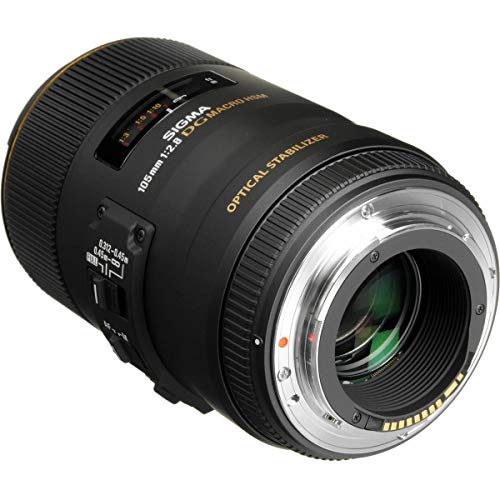
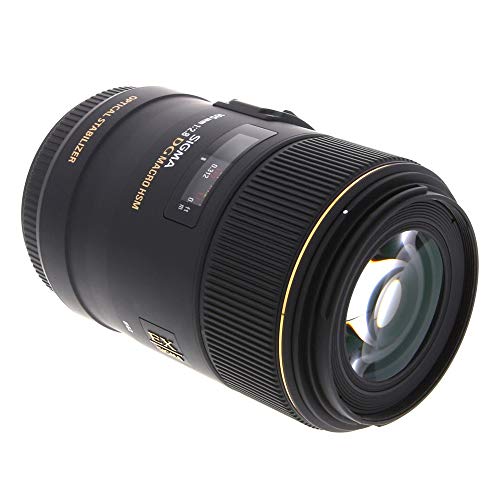
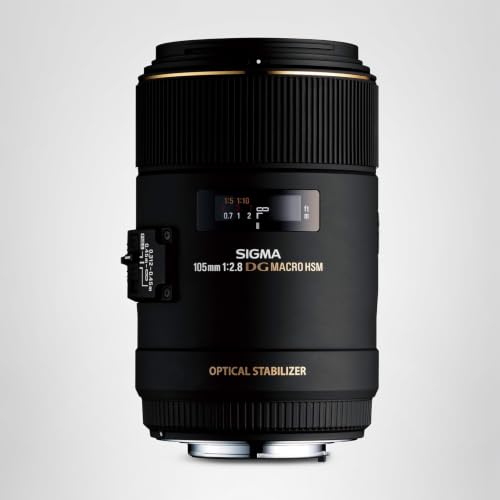
Sigma 105mm F2.8 EX DG OS HSM Macro Lens (Canon EF)
Budget-conscious Canon DSLR photographers who want true 1:1 macro with optical stabilization and proven optics at a mid-range price point.
- True 1:1 magnification with good sharpness and a comfortable 31 cm working distance
- Optical Stabilizer (OS) helps handheld macro — uncommon in this price range
- Strong value at $749 with 4.5-star rating from 1,724 reviews
- Older DSLR-era design without weather sealing — less suitable for wet field conditions
- HSM AF is slower than modern linear motors and the overall design lacks current refinements
The Sigma 105mm EX DG OS HSM brings true 1:1 magnification, optical stabilization for steadier handholding, and HSM AF at a competitive price. As an older DSLR-era design, it lacks modern mirrorless refinements and weather sealing, but the optical performance and stabilization combination remains a strong value proposition for Canon EF shooters who prioritize image quality per dollar.
Macro Performance:
The Sigma 105mm F2.8 EX DG OS HSM closes our list at #9 with an 87/100, offering a proven combination of 1:1 macro capability and optical stabilization at a competitive price. Sharpness at close distances is good, and the 31 cm minimum focus distance provides comfortable working room for insects and small products.




Stabilization and AF:
The built-in Optical Stabilizer (OS) is a meaningful feature at this price point — many budget macro lenses lack stabilization entirely. Combined with the HSM autofocus motor, you get workable performance for both field and tabletop macro. The OS is particularly helpful for handheld botanical and product shooting where a tripod slows the workflow.
Value and Limitations:
At $749 (as of March 2026), the Sigma 105mm EX offers genuine macro performance with OS at a price that undercuts most stabilized macro lenses. The tradeoff is an older DSLR-era design that lacks weather sealing, modern AF refinements, and the compact size of contemporary options. With 1,724 Amazon reviews and a 4.5-star rating, it has a proven track record among macro photographers.
Who It’s For:
Canon EF photographers who want stabilized 1:1 macro at a mid-range price point. Best for: botanical close-ups, product photography, macro shooters who value stabilization over weather sealing.
Pricing & Where to Buy
The Sigma 105mm F2.8 EX DG OS HSM is priced at $749 (as of March 2026). Also available in a Nikon F-mount version.
- Buy on Amazon — Prime shipping available
- Check price at B&H Photo
- Check price at Adorama
- Buy used at KEH Camera — save with certified pre-owned
Choose the Best Macro Lens for Your Photography
The right macro lens depends on your camera system, subjects, and budget. For Canon RF shooters, the Canon RF100mm F2.8 L Macro is the clear choice with its 1.4x magnification and Hybrid IS. Sony E-mount photographers should consider the Tamron 90mm Di III VXD for exceptional value or the Sigma 105mm Art for teleconverter flexibility.
Nikon Z users get reference-grade optics with the Nikon Z MC 105mm VR S. For extreme macro beyond 1:1, the Laowa 100mm 2X Ultra Macro APO reaches twice life-size at just $499. And budget-conscious DSLR shooters will find strong performance in the Tokina ATX-i 100mm at $549.
Whichever lens you choose, prioritize true 1:1 magnification, sufficient working distance for your subjects, and a focus system that matches your shooting style. For techniques and settings that complement these lenses, check out the macro photography settings guide.


Best Macro Lenses: Final Picks by Use Case
Canon RF100mm F2.8 L Macro
Tamron 90mm F/2.8 Di III VXD
Sigma 105mm F2.8 DG DN Macro Art
Nikon Z MC 105mm f/2.8 VR S
Laowa 100mm f/2.8 2X Ultra Macro APO
Disclosure/Disclaimer: As an Amazon Associate, we earn from qualifying purchases. Certain content was provided "as is" from Amazon and is subject to change or removal at any time. Product prices and availability: Amazon prices are updated daily or are accurate as of the date/time indicated and are subject to change. Any price and availability information displayed on Amazon.com at the time of purchase will apply to the purchase of this product.