


- The best bokeh lens for mirrorless in late 2026 is the Nikon Z 135mm f/1.8 S Plena: round highlights corner to corner for about $2,197.
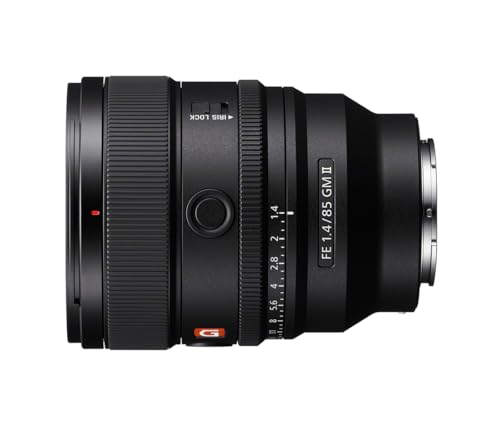
- On Sony, the FE 85mm f/1.4 GM II (642 g, about $1,748) is the wedding workhorse. On Canon RF, the 85mm f/1.2L USM gives the shallowest look.
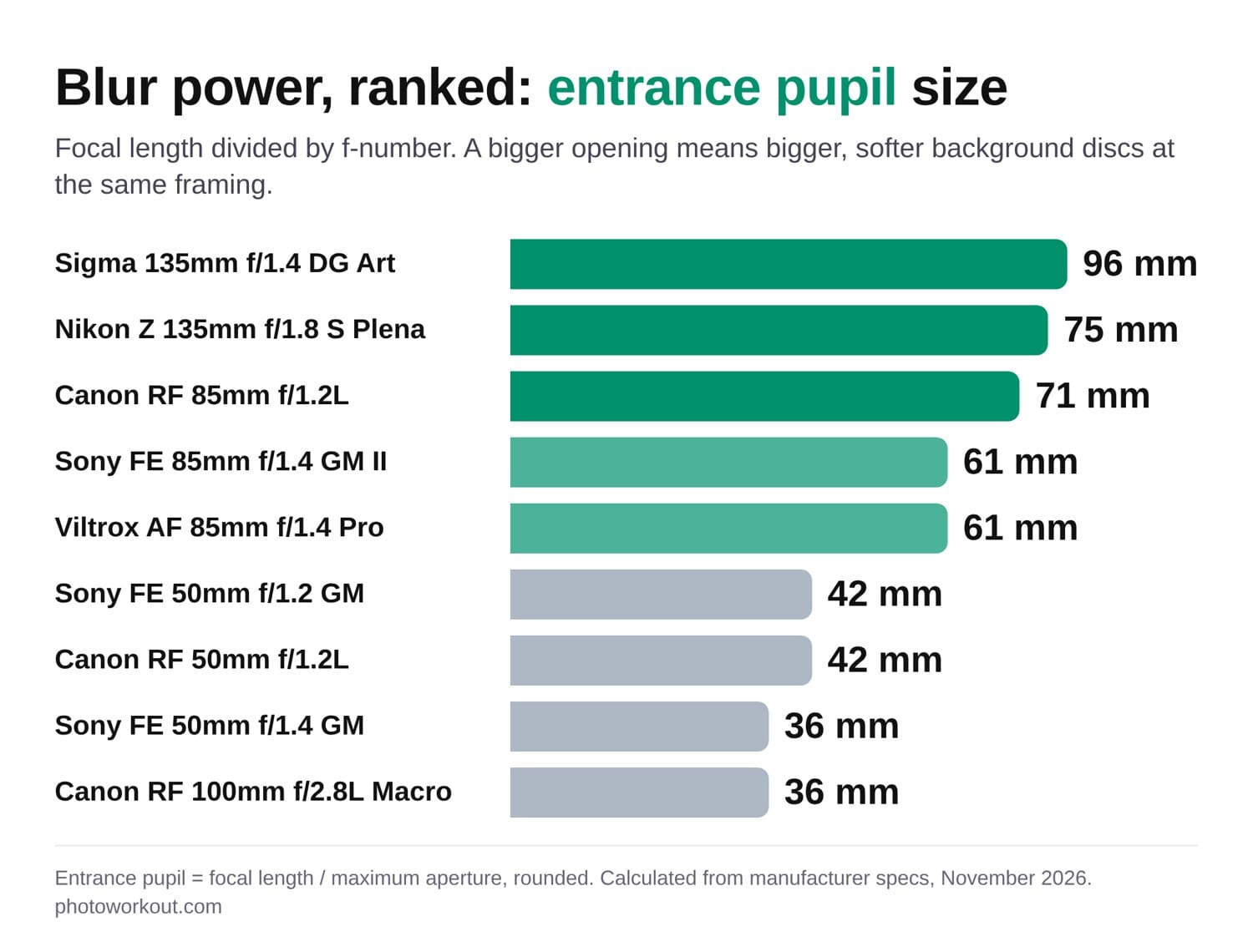
- Blur power comes from the entrance pupil: focal length divided by f-number. A 135mm f/1.4 (96 mm) beats an 85mm f/1.2 (71 mm), which beats a 50mm f/1.2 (42 mm).
- New since the last update: the Sigma 135mm f/1.4 DG Art joins at #4 and the Viltrox AF 85mm f/1.4 Pro is the value pick at about $598. Sigma’s 85mm f/1.2 DG Art went on sale October 6 at $1,599.
- Zooms and older DSLR-mount primes were removed. All 9 picks are native mirrorless primes, verified in stock on November 18, 2026.
Two lenses can share a focal length and an aperture and still draw completely different backgrounds. One turns reception lights into smooth, round discs. The other gives you hard-edged rings and lemon shapes in the corners. For wedding and portrait photographers, that difference is the look clients pay for.
The short answer: the best bokeh lens for a mirrorless camera right now is the Nikon Z 135mm f/1.8 S Plena, followed by the Sony FE 85mm f/1.4 GM II and the Canon RF 85mm f/1.2L USM. If you shoot Sony E or L-mount and want the most blur possible, the Sigma 135mm f/1.4 DG Art goes further than any of them. On a budget, the Viltrox AF 85mm f/1.4 Pro delivers the 85mm f/1.4 look for about $598.
This guide was rebuilt in November 2026 ahead of the holiday sales. Every pick was checked for price and stock, the two zooms and two DSLR-era Sigma lenses from the earlier version were replaced with native mirrorless primes, and the ranking now follows what actually creates background blur: entrance pupil size, highlight shape, and focus reliability at wide apertures.
When you buy through links on our site, we may earn a commission at no cost to you. We evaluate products independently. Commissions do not affect our evaluations.
What Changed in Bokeh Lenses in 2026
Three things shifted the field since this guide was last updated in January 2026.
Sigma moved the ceiling. The 135mm f/1.4 DG Art, the first autofocus lens of its kind, reached full availability and reviewers at TechRadar and Fstoppers called it the new reference for background blur. Then on October 6, 2026, Sigma started selling its first 85mm f/1.2, the 85mm f/1.2 DG Art for Sony E and L-mount, at $1,599. At 905 g it is about 290 g lighter than Canon’s RF 85mm f/1.2L and about 255 g lighter than Nikon’s Z 85mm f/1.2 S. It is not on Amazon at the time of writing, so it is not ranked here, but Sony and L-mount shooters weighing an 85mm should check it at B&H before spending more.
Third-party 85mm f/1.4 lenses got cheap and good. The Viltrox AF 85mm f/1.4 Pro and the Meike 85mm f/1.4 MIX II both sell for under $600 with weather sealing and aperture rings. Viltrox has also confirmed an AF 85mm f/1.2 LAB for Sony E and Nikon Z, and 7Artisans entered the long end with its 135mm f/1.8 MAX.
First-party flagships got lighter, not faster. Sony’s 85mm f/1.4 GM II and Canon’s RF 85mm f/1.4L VCM both prioritize weight and autofocus speed over a wider aperture. For working photographers that is the right call, and it is why an f/1.4 lens outranks several f/1.2 lenses below.
Top Picks



How These Lenses Were Picked
Candidates had to be native mirrorless primes with autofocus, currently sold new in the US, and available on Amazon so prices and stock could be verified. Each listing was checked on November 18, 2026. Rankings weigh four things: entrance pupil size, highlight rendering as documented in independent reviews and manufacturer MTF and design data, autofocus reliability at maximum aperture, and practicality across a full wedding day. Scores are editorial and relative to this list. Where sample galleries appear, they show real photos taken with that exact lens from the SampleShots database.
Best Bokeh Lenses for Mirrorless (2026): 9 Portrait Primes Compared
| Specifications | |||||||||
|---|---|---|---|---|---|---|---|---|---|
| Rating | 97/100 | 96/100 | 95/100 | 94/100 | 93/100 | 91/100 | 90/100 | 89/100 | 86/100 |
| Max Aperture | f/1.8 | f/1.4 | f/1.2 | f/1.4 | f/1.2 | f/1.2 | f/1.4 | f/1.4 | f/2.8 |
| Focal Length | 135mm | 85mm | 85mm | 135mm | 50mm | 50mm | 85mm | 50mm | 100mm |
| Mount | Nikon Z | Sony E | Canon RF | Sony E / L | Sony E | Canon RF | Sony E | Sony E | Canon RF |
| Entrance Pupil | 75 mm | 61 mm | 71 mm | 96 mm | 42 mm | 42 mm | 61 mm | 36 mm | 36 mm |
| Aperture Blades | 11 | 11 | 9 | 13 | 11 | 10 | 11 | 11 | 9 |
| Weight | 995 g | 642 g | 1,195 g | 1,420 g | 778 g | 950 g | 800 g | 516 g | 730 g |
| Price (Nov 2026) | $2,197 | $1,748 | $2,899 | $1,899 | $2,198 | $2,399 | $598 | $1,198 | $1,349 |
| Year | 2023 | 2024 | 2019 | 2025 | 2021 | 2018 | 2025 | 2023 | 2021 |


Nikon Z 135mm f/1.8 S Plena: Best Overall Bokeh
Nikon Z wedding and portrait photographers who want the cleanest, roundest background highlights available in any current autofocus lens, and who have the 4 m or more of working distance a 135mm needs.
- Highlights stay round right into the corners at f/1.8, with almost no cat’s-eye clipping
- 75 mm entrance pupil plus 135mm compression gives the strongest subject separation in the Nikon Z lineup
- Meso Amorphous and ARNEO coatings hold contrast against backlight, veils, and string lights
- Quiet dual-STM autofocus that keeps up with processions and first dances
- Nikon Z mount only
- 995 g, with no optical stabilization (relies on in-body VR)
- 135mm is too long for small getting-ready rooms
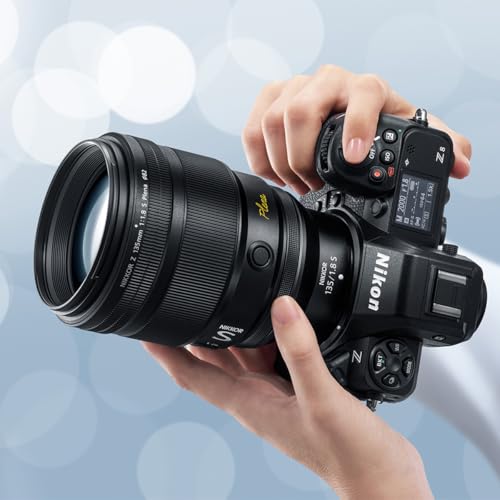
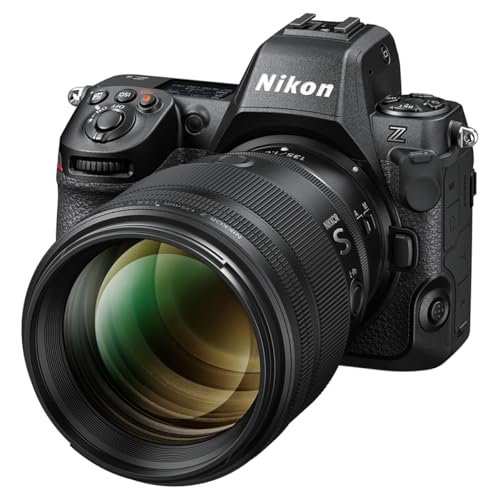
If background quality is the whole point, this is the benchmark. Nikon designed the Plena around one goal: evenly lit, perfectly round out-of-focus discs across the entire frame. At about $2,197 it costs less than either first-party 85mm f/1.2 and gives more blur than both at matched framing. The trade is working distance: plan on standing 4 to 6 m back for a half-body portrait.
Sample Photos with Nikon NIKKOR Z 135mm f/1.8 S Plena


Why it leads:
Most fast lenses render round highlights in the center and squashed, lemon-shaped ones toward the edges. The Plena does not. Nikon oversized the rear elements so that light reaches the corners almost unclipped at f/1.8, which is why reception lights and backlit foliage stay circular across the frame. Combined with a 75 mm entrance pupil, it produces the smoothest background of any lens in this guide short of the much heavier Sigma 135mm f/1.4.





Specs that matter:
16 elements in 14 groups, an 11-blade rounded diaphragm, 0.82 m minimum focus, an 82 mm filter thread, and 995 g. Longitudinal chromatic aberration is close to absent, so hair edges and jewelry do not pick up green or magenta outlines that cost retouching time.
At a wedding:
This is a ceremony and portrait-session lens. From the back of an aisle it isolates a couple against a busy congregation, and during golden-hour portraits it turns distant trees into a clean wash. It is not the lens for a hotel room or a crowded dance floor; pair it with a 35mm or 50mm.
Verdict:
The best bokeh lens you can buy for a mirrorless camera in late 2026, provided you shoot Nikon Z and have room to back up. About $2,197 on Amazon at the time of this update.
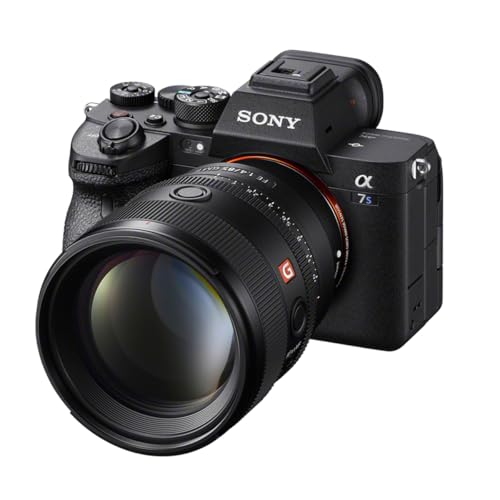
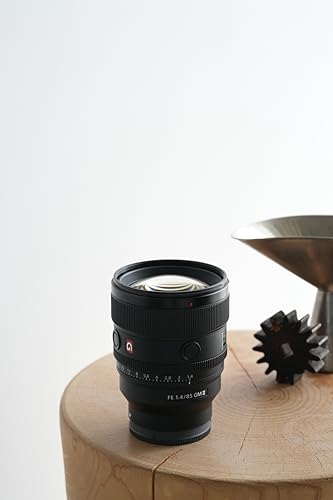
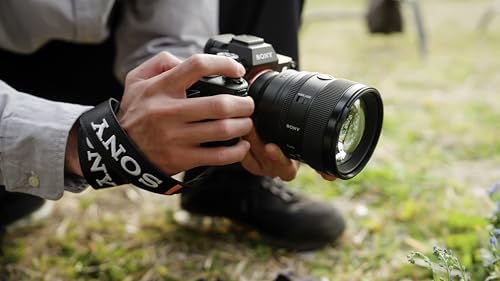
Sony FE 85mm f/1.4 GM II: Best for Sony Weddings
Sony full-frame wedding and portrait shooters who want a single do-everything portrait prime that is light enough to carry for ten hours and fast enough to track a walking subject at f/1.4.
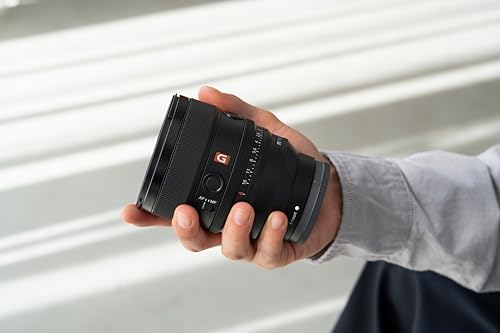
- 642 g, roughly 20 percent lighter than the original GM
- Two XD linear motors focus far faster than the first version and hold Eye AF on moving subjects
- 11-blade aperture and XA elements give clean, round highlights without onion rings
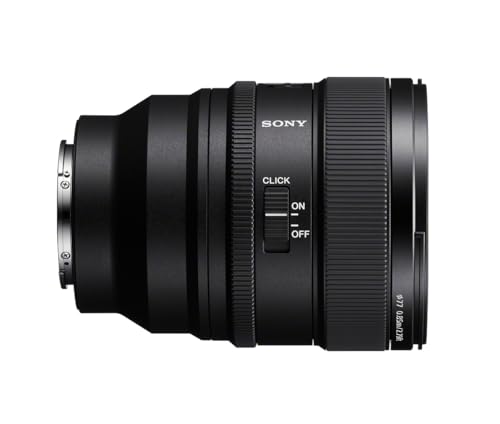
- Aperture ring with de-click switch, iris lock, and two focus-hold buttons
- Sony E mount only
- 0.85 m minimum focus is long for ring and detail shots
- About three times the price of the Viltrox 85mm f/1.4 Pro
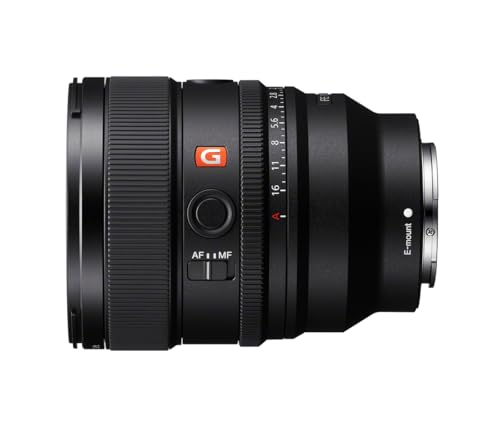
The 85mm you will actually keep on the camera all day. The original 85mm GM rendered beautifully but focused slowly and felt heavy by the reception. The Mark II fixes both without giving up the look: backgrounds are smooth, fringing on eyelashes and jewelry is well controlled, and autofocus is quick enough for processions. At about $1,748 it is the most balanced portrait lens in the Sony system.
Sample Photos with Sony FE 85mm f/1.4 GM II






Why it ranks here:
An 85mm f/1.4 has a 61 mm entrance pupil, less than a 135mm f/1.8, but it works in far more rooms. For a wedding photographer that flexibility matters more than the last few percent of blur. The GM II earns the second spot because it pairs first-class rendering with the fastest, most dependable autofocus of any 85mm tested by the reviewers cited below.



Specs that matter:
14 elements in 11 groups with two XA (extreme aspherical) and two ED elements, 11 aperture blades, a 77 mm filter thread, 0.85 m minimum focus with autofocus, and 642 g. It is fully weather sealed with a fluorine-coated front element.
At a wedding:
Portraits, the ceremony from the side aisle, speeches, and candids across a table. Stopped down to f/2 it keeps both eyes sharp on a slightly turned face while the background still dissolves. It balances well on an a7 IV, a7 V, or a1 II without a grip.
Verdict:
The default recommendation for Sony shooters. Buy the 50mm f/1.2 GM instead only if you work mostly in tight spaces. About $1,748 on Amazon.
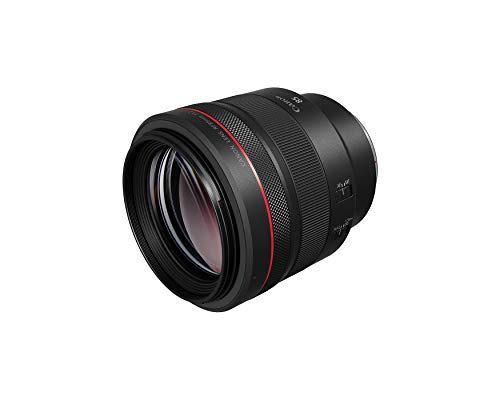
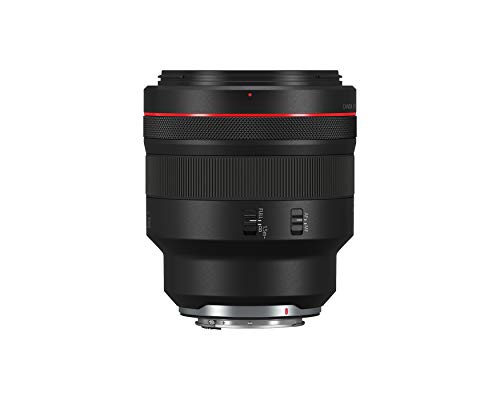
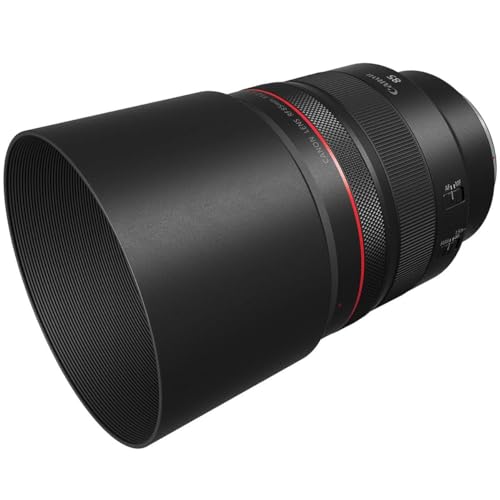
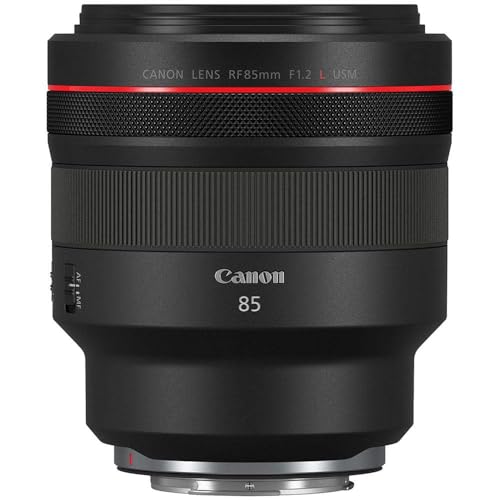
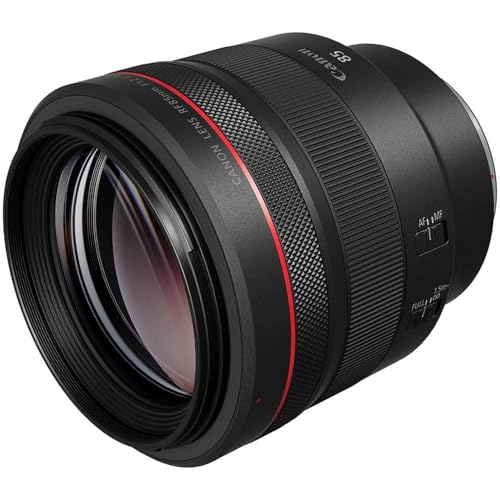
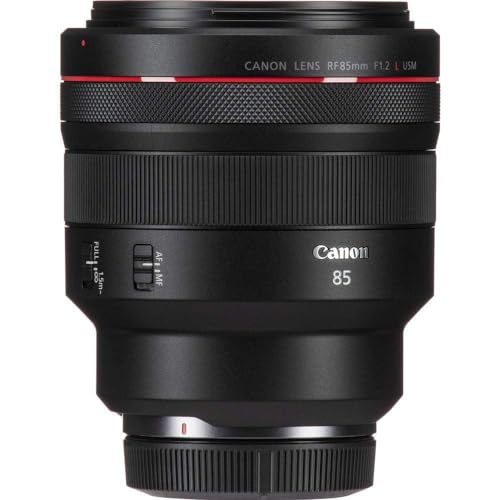
Canon RF 85mm f/1.2L USM: Best for Canon Portraits
Canon EOS R portrait and wedding photographers who want the shallowest depth of field Canon makes at the classic portrait focal length and accept the weight and price that come with f/1.2.
- 71 mm entrance pupil: the most blur of any 85mm in this guide
- Blue Spectrum Refractive (BR) optics all but remove color fringing at f/1.2
- Sharp wide open, so f/1.2 is usable for paid work and not just for effect
- A Defocus Smoothing (DS) version exists for even softer highlight edges
- 1,195 g: the heaviest 85mm here by a wide margin
- About $2,899, and the DS version costs about $3,199
- Ring USM focusing is slower than newer VCM and linear-motor designs
The Canon portrait lens that defines the RF system. At f/1.2 the plane of focus on a head-and-shoulders portrait is only a couple of centimeters deep, and the background falls apart into soft color. It is heavy and it is slow to focus by 2026 standards, but nothing else on RF draws quite like it. Hybrid shooters who also film should look at the lighter RF 85mm f/1.4L VCM (636 g, about $1,649) instead.
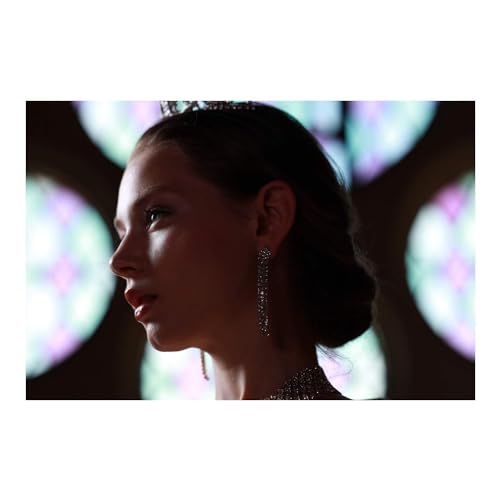
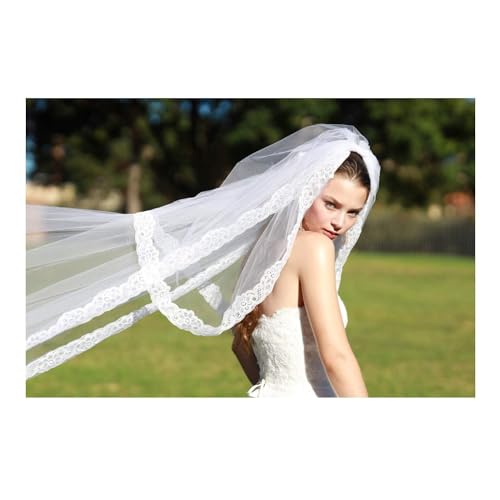
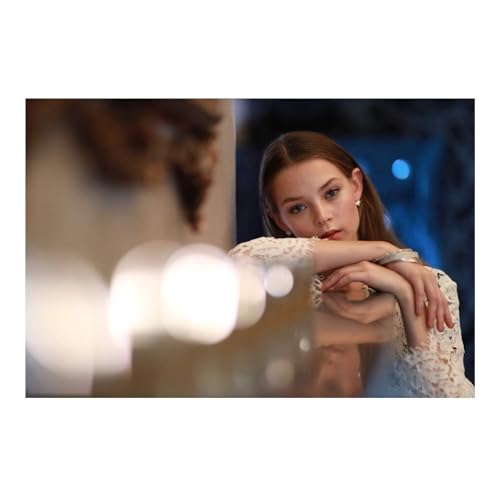
Sample Photos with Canon RF85mm f/1.2 L USM


Why it ranks here:
Third place reflects a simple trade. Optically this is as good as an 85mm gets, and its f/1.2 aperture gives about a third of a stop more blur than the f/1.4 competition. It loses points only for bulk and for an older focus motor that hunts a little in very dim receptions.

Specs that matter:
13 elements in 9 groups including one BR element, one ground aspherical, and one UD element. 9 aperture blades, 82 mm filter thread, 0.85 m minimum focus, 1,195 g. Weather sealed with a customizable control ring.
DS or standard?:
The DS version adds a coating that darkens the edges of out-of-focus highlights, making them feather softly. It costs roughly 1.3 stops of light transmission at f/1.2, so it is a studio and daylight tool. For weddings in dark venues, the standard version is the safer buy.
Verdict:
The best bokeh lens for Canon RF if you shoot people for a living. About $2,899 on Amazon at the time of this update.
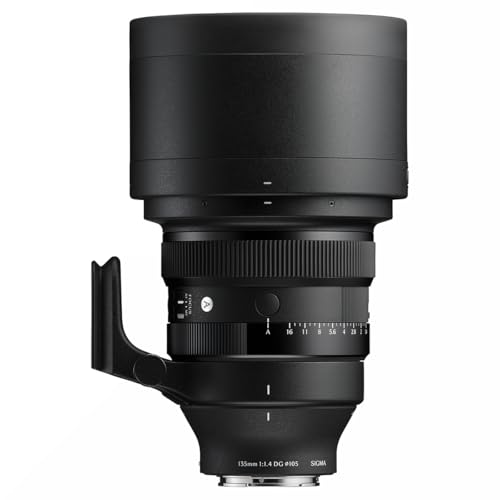
Sigma 135mm f/1.4 DG Art: Most Background Blur
Sony E and L-mount portrait specialists who want the largest amount of background blur available in an autofocus lens and are willing to carry 1.4 kg, ideally on a monopod, to get it.
- World’s first autofocus 135mm f/1.4, with a 96 mm entrance pupil
- 13 rounded aperture blades keep highlights circular when stopped down
- Dual HLA motors focus quickly for such large glass
- About $1,899: less than the Plena or either first-party 85mm f/1.2
- 1,420 g in Sony E mount, with a 105 mm filter thread
- Sony E and L-mount only: no Canon RF or Nikon Z version
- 1.1 m minimum focus and a very thin focus plane demand careful technique
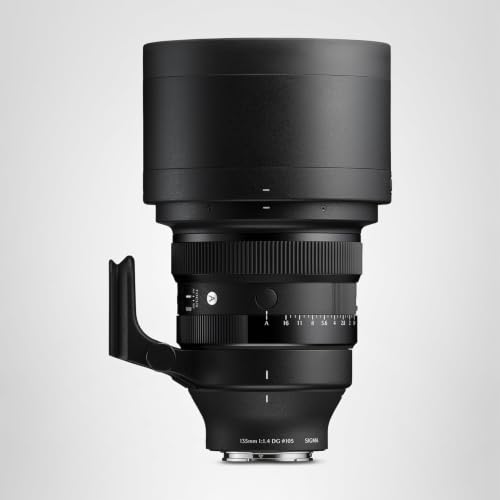
The bokeh monster of this generation. At f/1.4 and 135mm the background does not just blur, it disappears: full-length portraits get the kind of separation that used to require a 200mm f/2. The cost is physical. This lens weighs almost a kilogram and a half and ships with a tripod foot for a reason. The Amazon listing here is the Sony E version.
Why it ranks here:
On blur alone this lens wins the guide outright. Its 96 mm entrance pupil is 28 percent wider than the Plena’s, which means visibly larger, softer background discs at the same framing. It sits in fourth place because size, weight, and the 1.1 m minimum focus make it a specialist tool, and because only two mounts get it.

Specs that matter:
17 elements in 13 groups with four FLD and two aspherical elements, 13 rounded blades, 105 mm filter thread, 1.1 m minimum focus, and 1,420 g (Sony E) or 1,430 g (L-mount). A removable Arca-compatible tripod socket is included.
At a wedding:
Use it for the portrait session and for ceremonies where you can stand at the back with a monopod. Handheld for a full day it is tiring. On Sony bodies, third-party lenses are limited to 15 fps bursts, which is not a real limit for portraits.
Verdict:
Buy it if the look is your signature and you have the arms for it. About $1,899 on Amazon.
Sony FE 50mm f/1.2 GM: Best 50mm for Sony
Sony shooters who work in tight rooms and want real subject separation at a normal focal length, with autofocus that keeps up with moving subjects at f/1.2.
- f/1.2 at only 778 g, compact for the aperture
- Four XD linear motors: fast, silent, accurate Eye AF wide open
- 11 blades and three XA elements keep highlights round and clean
- 0.4 m minimum focus for rings, hands, and details
- Sony E mount only
- About $2,198
- A 50mm blurs less than an 85mm at the same framing, even at f/1.2
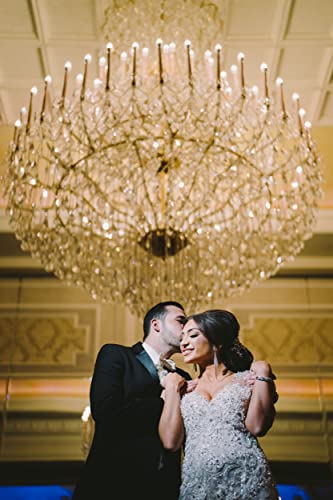
The lens for getting-ready rooms, dinner tables, and dance floors. A 50mm lets you include the scene, and f/1.2 still lifts the subject off it. Sony managed that aperture in a body that weighs less than many f/1.4 designs, with focusing that does not flinch in low light.
Sample Photos with Sony FE 50mm f/1.2 GM


Why it ranks here:
A 50mm f/1.2 has a 42 mm entrance pupil, well short of the 85mm and 135mm lenses above, so it ranks below them on pure blur. What it offers instead is the ability to shoot shallow depth of field where longer lenses do not fit.




Specs that matter:
14 elements in 10 groups with three XA elements, 11 aperture blades, 72 mm filter thread, 0.4 m minimum focus, and 778 g. Aperture ring with de-click, two focus-hold buttons, full sealing.
At a wedding:
Prep, details, the first look in a hallway, speeches, and the dance floor. It is also the better choice for environmental portraits where the venue matters to the picture.
Verdict:
The best fast 50mm on Sony E. About $2,198 on Amazon at the time of this update.
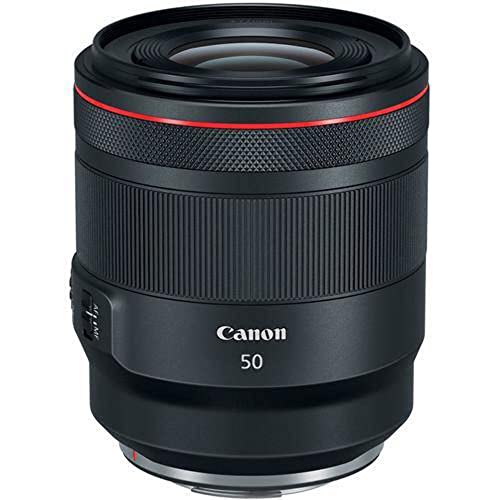
Canon RF 50mm f/1.2L USM: Best 50mm for Canon
Canon EOS R photographers who want the classic 50mm f/1.2 look for weddings and editorial portraits, and who value rendering over low weight.
- Gentle, soft-edged background rendering with a smooth focus falloff
- Sharp at f/1.2 across most of the frame
- 10 aperture blades, 0.4 m minimum focus
- L-series sealing and a customizable control ring
- 950 g, heavier than Sony’s equivalent
- About $2,399
- Ring USM autofocus is slower than Canon’s newer VCM primes
One of the first RF lenses and still one of the best reasons to shoot Canon. Its rendering is a little softer and more forgiving in the transition zone than the Sony, which flatters skin. It is large and expensive, and the newer RF 50mm f/1.4L VCM is lighter and faster to focus, but it cannot match the f/1.2 look.
Sample Photos with Canon RF50mm f/1.2 L USM


Why it ranks here:
Same 42 mm entrance pupil as the Sony 50mm f/1.2 GM, with slightly slower focusing and 170 g more weight. That puts it one place lower, although Canon shooters lose nothing by choosing it.
Specs that matter:
15 elements in 9 groups including three aspherical and one UD element, 10 aperture blades, 77 mm filter thread, 0.4 m minimum focus, and 950 g.
At a wedding:
A natural partner to the RF 85mm f/1.2L. Use the 50 indoors and for groups of two or three, and the 85 for portraits.
Verdict:
The Canon 50mm for photographers who care most about how the background looks. About $2,399 on Amazon.
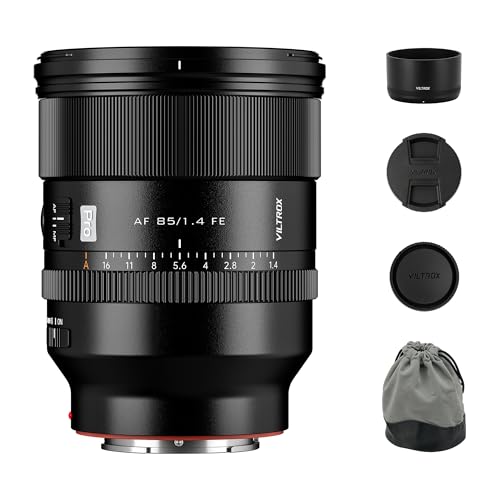
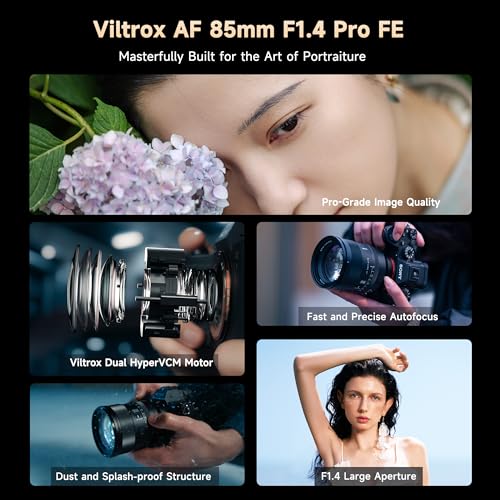
Viltrox AF 85mm f/1.4 Pro: Best Value Bokeh Lens
Enthusiasts and second shooters on Sony E who want a true 85mm f/1.4 look for about a third of first-party money and can live with extra weight.
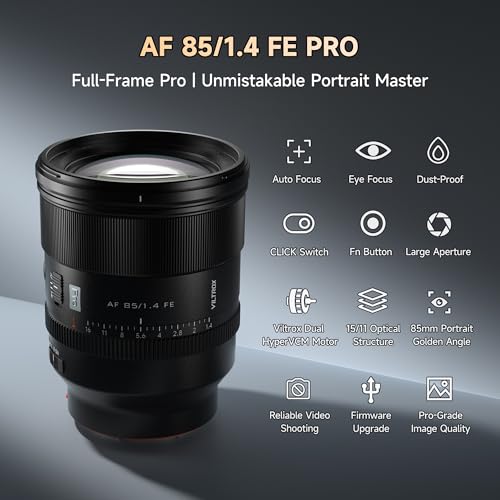
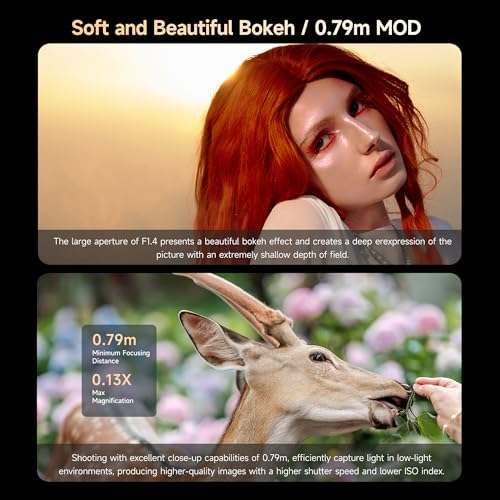
- About $598 for an 85mm f/1.4 with 11 aperture blades
- Sharp at f/1.4 with good contrast, according to independent reviews
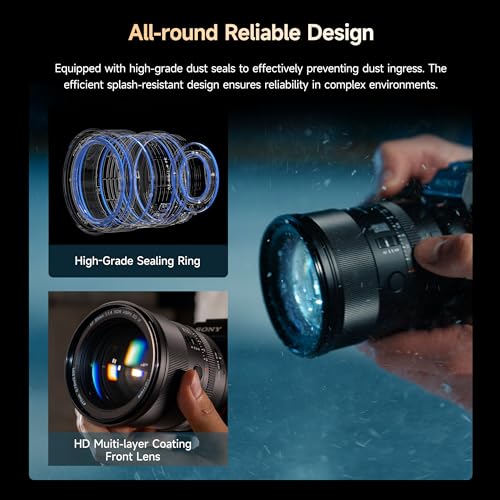
- Metal build, weather sealing, aperture ring with click switch, and a custom button
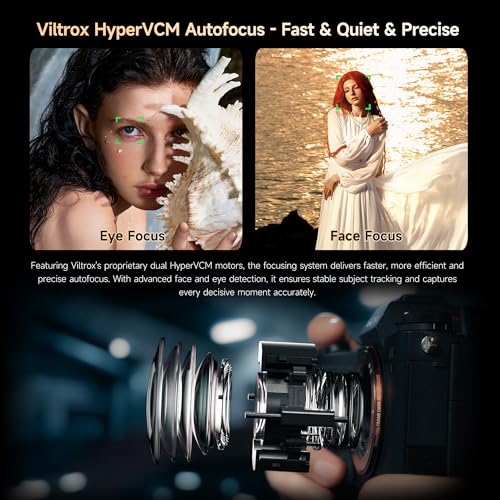
- Dual HyperVCM focus motors
- About 800 g, heavier than the Sony GM II
- Eye AF tracking is good, not first-party good, on fast-moving subjects
- This Amazon listing is the Sony E version; check the mount before you buy
Proof that the fast-85mm look no longer costs $1,800. The Viltrox has the same 61 mm entrance pupil as the Sony GM II, so the amount of blur is identical. What you give up is weight, a little focus confidence on moving subjects, and long-term serviceability. For portraits of people who are standing still, the files are very hard to tell apart.
Why it ranks here:
It is the value pick of the guide, and by a large margin. It ranks seventh, not higher, because working wedding photographers pay for autofocus they never have to think about, and that is still where first-party glass leads.

Specs that matter:
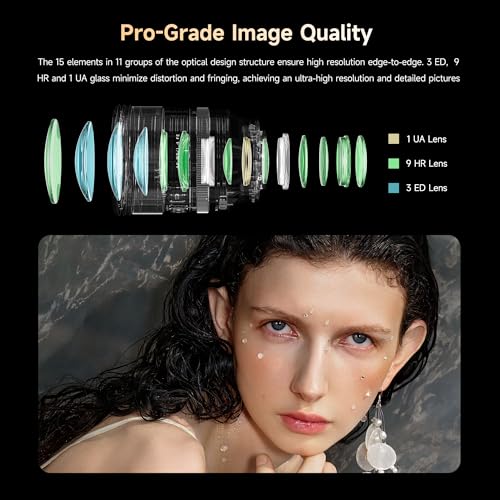
15 elements in 11 groups with three ED and one aspherical element, 11 aperture blades, 77 mm filter thread, and a USB-C port for firmware updates. The Amazon listing is a multi-lens variant page: select the 85mm F1.4 (Full Frame) option.
Alternatives at this price:
Meike’s 85mm f/1.4 MIX II at $569 is the closest rival, and Sigma’s 85mm f/1.4 DG DN Art (about $994) is the lighter, proven middle option. Budget lenses also carry a repair question worth reading about in this repair-versus-replace breakdown.
Verdict:
The best bokeh per dollar in late 2026. About $598 on Amazon.
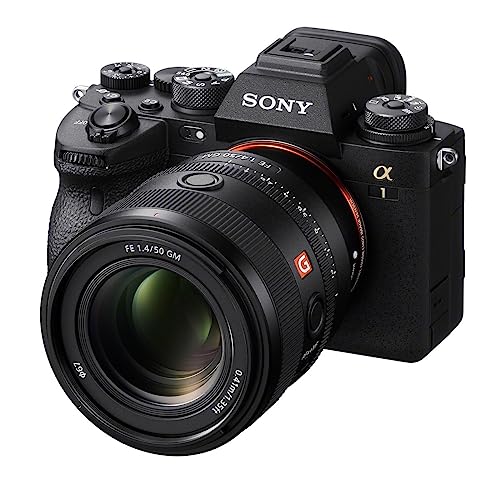
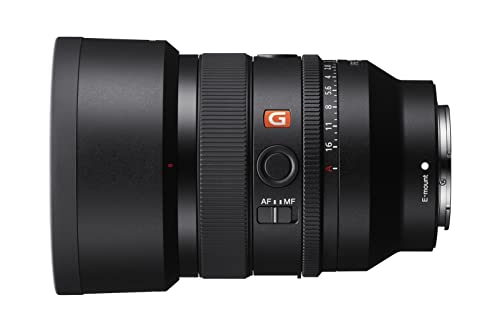
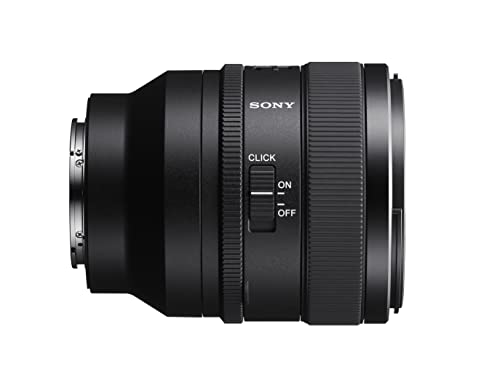
Sony FE 50mm f/1.4 GM: Best Lightweight Pick
Sony shooters who want G Master rendering in a lens light enough for all-day carry, travel, and gimbal work, and who do not need the last third of a stop.
- 516 g: the lightest lens in this guide
- 11-blade aperture gives the same round highlights as the f/1.2 GM
- Fast, quiet XD linear autofocus
- About $1,000 less than the 50mm f/1.2 GM
- 36 mm entrance pupil: the least blur of the primes here
- Sony E mount only
- Some cat’s-eye highlights toward the corners at f/1.4
Most of the 50mm f/1.2 GM look at about half the price and two thirds of the weight. Side by side, the f/1.2 has slightly larger background discs; on its own, nobody will call this lens lacking. It is the sensible 50 for photographers who already own an 85mm for the heavy lifting.
Sample Photos with Sony FE 50mm f/1.4 GM


Why it ranks here:
It gives up roughly a third of a stop of blur to the f/1.2 lenses, which places it eighth on a bokeh ranking. On a value or weight ranking it would be near the top.



Specs that matter:
14 elements in 11 groups with two XA and one ED element, 11 aperture blades, 67 mm filter thread, 0.41 m minimum focus, and 516 g.
At a wedding:
A strong second-body lens. It is light enough to hang off a shoulder all day and quick enough for candids.
Verdict:
The smart 50mm for most Sony shooters. About $1,198 on Amazon at the time of this update.
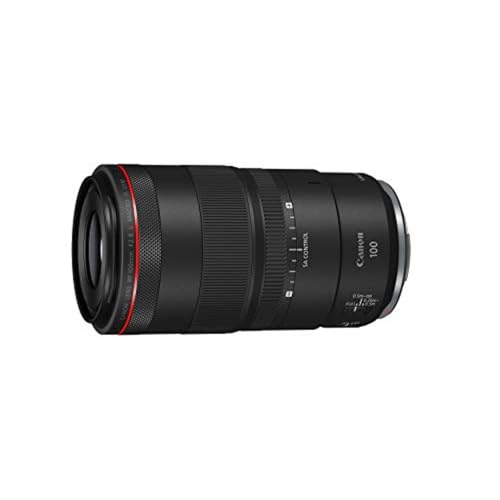
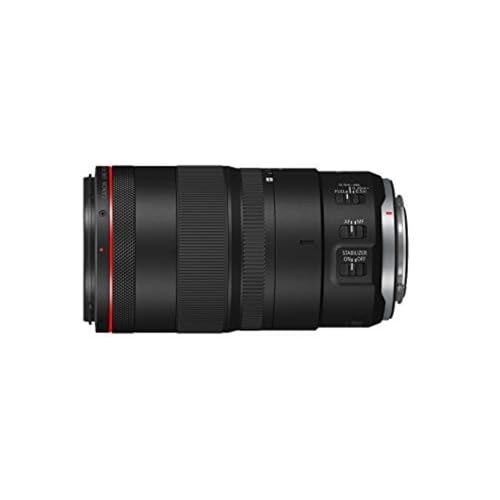
Canon RF 100mm f/2.8L Macro: Adjustable Bokeh
Canon wedding photographers who want one lens for ring shots, details, and portraits, plus a control ring that changes how the blur itself looks.
- SA Control ring shifts spherical aberration to soften or harden bokeh edges
- 1.4x maximum magnification for rings and details
- Hybrid IS rated at 5 stops (up to 8 with in-body stabilization)
- 730 g and about $1,349
- f/2.8 gives far less blur at portrait distances than any prime above
- The SA effect is subtle below about 1 m and changes focus slightly
- Canon RF mount only
The specialist of the list. The previous version of this guide ranked it first, which overstated things: an f/2.8 lens cannot match an f/1.2 or f/1.4 prime for background blur at portrait distance. What it does that nothing else here can is let you tune the character of the blur with a ring, and then focus close enough to fill the frame with a wedding band.
Sample Photos with Canon RF100mm f/2.8 L MACRO IS USM





Why it ranks here:
A 100mm f/2.8 has a 36 mm entrance pupil. For a head-and-shoulders portrait that is enough for a soft background, though not a dissolved one. It stays in the guide because close up, where depth of field collapses on its own, it produces lovely blur, and because the SA Control ring is a real creative tool.



How SA Control works:
Turn the ring toward minus and background highlights get soft, glowing edges while foreground blur gets harder. Turn it toward plus and the effect reverses, giving a bubble-like outline. Centered, the lens behaves like a normal, very sharp macro.
Specs that matter:
17 elements in 13 groups, 9 aperture blades, 67 mm filter thread, 0.26 m minimum focus, and 730 g. For more close-up options, see the full macro lens guide.
Verdict:
Buy it as your detail lens that also takes a good portrait, not as your main portrait prime. About $1,349 on Amazon.
Your Bokeh Lens: Final Picks by Mount and Use Case
Nikon Z 135mm f/1.8 S Plena
Sony FE 85mm f/1.4 GM II
Canon RF 85mm f/1.2L USM
Sigma 135mm f/1.4 DG Art
Viltrox AF 85mm f/1.4 Pro
50mm, 85mm, or 135mm: Which Focal Length Gives the Best Bokeh?
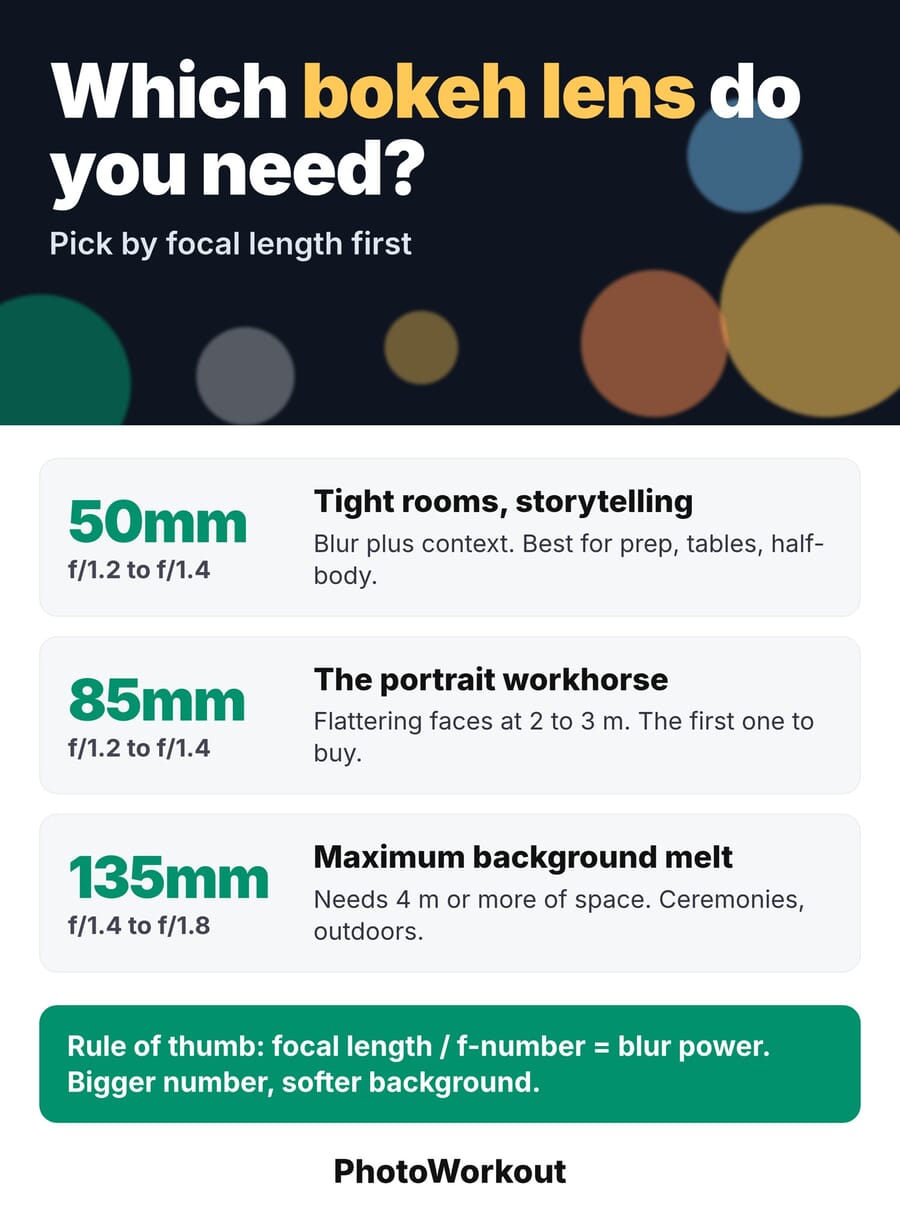
Longer lenses blur more at the same framing and aperture, because they have larger entrance pupils and they magnify the background. They also demand more space. A 50mm keeps the room in the picture and suits prep, tables, and half-body portraits in small spaces. An 85mm flatters faces from 2 to 3 m and is the first portrait lens most professionals buy. A 135mm needs 4 m or more, and rewards it by turning even a cluttered background into soft color.
If you can only buy one, buy the 85mm for your mount. Add a 50mm when rooms get small and a 135mm when locations get wide. For a visual comparison of what each length does to framing, see the focal length framing guide, and for technique, the bokeh tutorial covers subject distance, background distance, and light sources step by step.
Common Mistakes When Buying for Bokeh
Buying the aperture, not the pupil. A 50mm f/1.2 sounds faster than a 135mm f/1.8, yet the 135mm blurs the background far more. Ignoring minimum focus. Several 85mm lenses stop at 0.85 m, which rules out ring shots. Shooting everything wide open. At f/1.2 one eye is often soft; f/1.8 to f/2 on these lenses still gives smooth backgrounds and a far higher keeper rate. Forgetting the background itself. Distance between subject and background does as much as the lens. Moving a couple 5 m away from a wall is free. The outdoor portrait settings guide has starting values.
Frequently Asked Questions
Which lens is best for bokeh?
For mirrorless cameras in 2026, the Nikon Z 135mm f/1.8 S Plena produces the cleanest bokeh, with round highlights across the whole frame. For the largest amount of blur, the Sigma 135mm f/1.4 DG Art (Sony E and L-mount) goes further. The best all-round choice for most portrait and wedding work is an 85mm f/1.4 or f/1.2 for your mount.
Is f/1.2 worth it over f/1.4 or f/1.8?
Going from f/1.4 to f/1.2 increases blur disc diameter by about 17 percent, a visible but modest change that usually costs $1,000 or more and several hundred grams. Going from f/1.8 to f/1.4 gives about 29 percent and is the better value step. Choose f/1.2 when the look is central to your style or you often work in very dark venues.
What is the best bokeh lens for Sony mirrorless cameras?
The Sony FE 85mm f/1.4 GM II is the best balanced choice. The Sigma 135mm f/1.4 DG Art gives the most blur, the Sony FE 50mm f/1.2 GM is best for tight spaces, and the Viltrox AF 85mm f/1.4 Pro is the value pick. Sigma’s new 85mm f/1.2 DG Art ($1,599) is also worth a look.
What is the best bokeh lens for Canon and Nikon?
On Canon RF, the RF 85mm f/1.2L USM, with the RF 50mm f/1.2L for smaller rooms and the RF 100mm f/2.8L Macro for details. On Nikon Z, the Z 135mm f/1.8 S Plena, with the Z 85mm f/1.2 S (about 1,160 g) as the 85mm alternative if you need a shorter lens.
Do more aperture blades mean better bokeh?
Blade count only matters once you stop down. Wide open, every lens has a circular aperture. Stopped down to f/2 or f/2.8, lenses with 11 or 13 rounded blades keep highlights circular, while lenses with 7 or 9 blades can show polygon shapes. Optical design matters more for texture and edge quality.
Can a zoom lens give good bokeh?
A 70-200mm f/2.8 at 200mm has a 71 mm entrance pupil, the same as an 85mm f/1.2, so it can blur backgrounds strongly from a distance. Zooms were left out of this ranking because their highlight rendering is usually busier than a dedicated prime’s and because at shorter focal lengths f/2.8 blurs much less.
Sources used for this article:
Manufacturer Specifications
- Sigma: Art 135mm F1.4 DG product page – Construction, blades, filter size, weight
- Sigma: Art 85mm F1.2 DG product page – Construction, blades, weight (905 g)
- Nikon: NIKKOR Z 135mm f/1.8 S Plena – Optical design and specifications
- Sony: FE 85mm F1.4 GM II – Specifications and autofocus system
- Canon: RF 85mm F1.2 L USM – Specifications, BR optics, DS version
Reviews and Reporting
- Fstoppers: The Best Portrait Lenses in 2026 – Sony 85mm GM II and Viltrox 85mm f/1.4 Pro assessments; Sigma 85mm f/1.2 on-sale date and price
- TechRadar: Sigma 135mm f/1.4 DG Art review – Bokeh rendering, handling, mounts
- Digital Camera World: Sigma releases its fastest portrait lens – Sigma 85mm f/1.2 DG Art launch; Canon and Nikon 85mm f/1.2 weights
- Digital Camera World: Canon RF 85mm f/1.4L VCM review – Price and positioning against the f/1.2L
- PetaPixel: Viltrox will launch 50mm f/1.2 and 85mm f/1.2 LAB lenses – Viltrox 2026 roadmap
Pricing and Availability
- Amazon.com product listings – Prices and stock verified November 18, 2026
Image Sources
- Product images via Amazon.com listings – Loaded live from each product listing
- Sample photo galleries via SampleShots – Real photos taken with each lens, credited to the photographers on SampleShots
- Entrance pupil chart and focal length guide – PhotoWorkout infographics


Disclosure/Disclaimer: As an Amazon Associate, we earn from qualifying purchases. Certain content was provided "as is" from Amazon and is subject to change or removal at any time. Product prices and availability: Amazon prices are updated daily or are accurate as of the date/time indicated and are subject to change. Any price and availability information displayed on Amazon.com at the time of purchase will apply to the purchase of this product.